治病尋因:複雜和模糊纔是世界之本質
在人類認知世界的漫漫長河中,邏輯與辯證法宛如兩把銳利的寶劍,助我們斬破迷霧,探尋真理。亞里士多德,這位古希臘的偉大哲人,以其深邃的智慧,爲人類留下了“凡是科學的東西都應該揭示其因果關係或原理關係”的寶貴文化遺產。這一理念,如同璀璨的星辰,照亮了科學探索的道路,引領着一代又一代的學者在知識的海洋中遨遊。
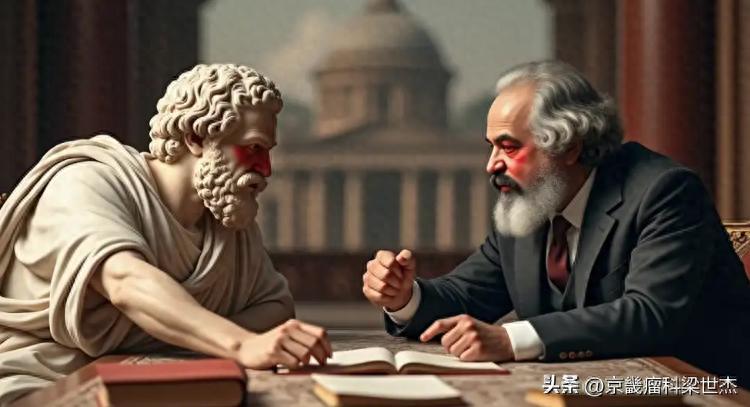
然而,當我們以敬畏之心審視這個世界時,卻不得不承認,世界遠非我們想象中那般簡單。它既有着簡潔明瞭的表象,又隱藏着錯綜複雜的內在結構。真正的簡單與精確,或許只存在於人類意識精心構建的理想王國之中,而現實世界的大部分事物,都呈現出複雜與模糊的本來面目。這就如同那變幻莫測的雲霧,時而聚攏,時而飄散,難以用單一的線條去勾勒其輪廓。
在醫學領域,這種對單一因果關係的執着追求,就如同在茫茫大海中尋找一根固定的錨鏈,雖有其意義,卻往往難以應對波濤洶湧的現實。現代醫學在追求精確病因和病理的道路上,取得了令人矚目的成就,但也不可避免地陷入了單一因果邏輯關係的困境。據相關統計,在衆多疾病的發生發展過程中,真正能被明確歸結爲單一因果關係的案例少之又少。許多疾病就像一張錯綜複雜的大網,多種因素相互交織、相互影響,共同構成了疾病的病因和病理。
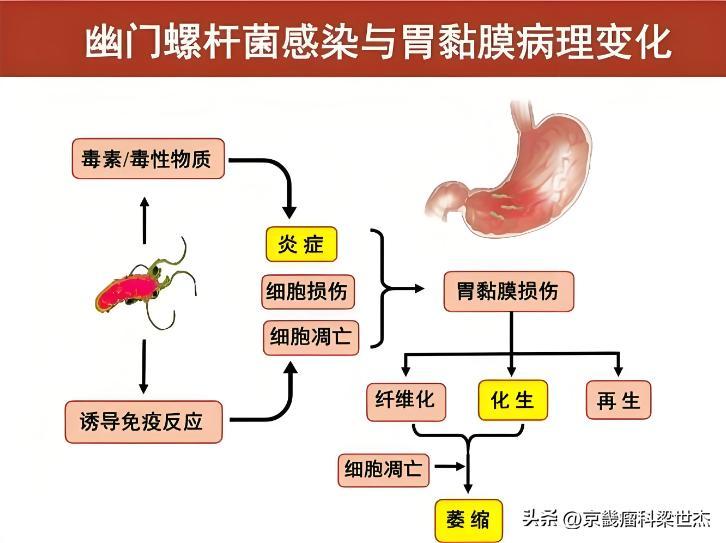
就拿常見的感冒來說,我們常常簡單地認爲感冒是由病毒感染引起的。然而,事實真的如此簡單嗎?實際上,感冒的發生不僅與病毒的侵襲有關,還與個體的免疫力、環境因素、生活習慣等諸多因素密切相關。一個長期熬夜、缺乏鍛鍊、飲食不均衡的人,即使接觸到相同的病毒,其患感冒的幾率也遠遠高於那些生活規律、免疫力強的人。這就說明,感冒的病因並非單一的病毒感染,而是多種因素共同作用的結果。
再看看慢性疾病,如高血壓、糖尿病等,這些疾病的病因更是複雜多樣。遺傳因素、環境因素、生活方式、心理因素等,都可能在其中扮演重要的角色。以高血壓爲例,有研究表明,遺傳因素在高血壓的發病中起着一定的作用,但並非決定性因素。長期的高鹽飲食、缺乏運動、精神壓力過大等生活方式和心理因素,同樣會對血壓產生重要影響。因此,對於這些慢性疾病,我們無法用單一的因果關係來解釋其發病機制,而需要從多個角度、多個層面進行綜合分析。
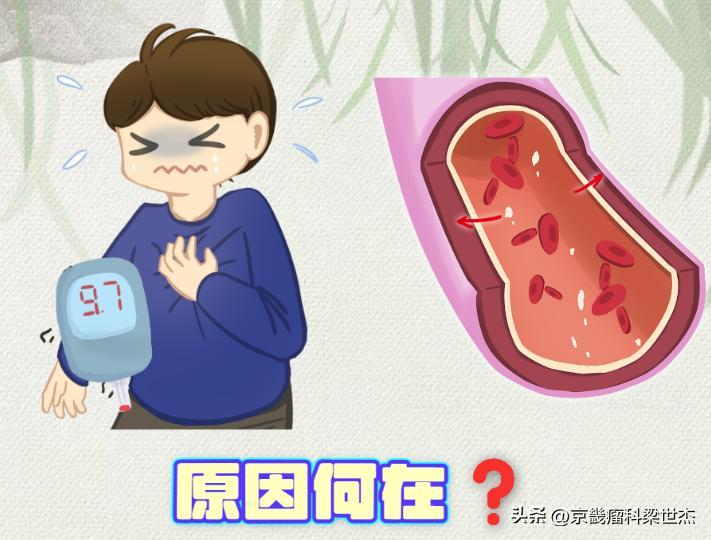
與中國古代哲學辯證法相比,單一因果邏輯關係在解釋醫學問題時顯得力不從心。中國古代哲學辯證法,以其獨特的思維方式和深邃的智慧,爲我們提供了一種全新的視角來認識疾病的病因和病理。中醫的外感六淫、內傷七情、飲食勞倦、蟲獸所傷等相關病因學說,堪稱多因素致病理論的典範。它認爲,疾病的發生並非由單一因素所致,而是多種致病因素相互疊加、相互作用的結果。這種觀點,與現代醫學對疾病複雜性的認識不謀而合。
在病理方面,中醫的陰陽五行學說更是展現出了強大的解釋力。陰陽學說強調對立統一,認爲人體內部存在着陰陽兩種相互對立又相互依存的力量,疾病的發生就是陰陽失衡的結果。五行學說則將人體的臟腑、組織、器官等與自然界的五行相對應,認爲它們之間存在着相生相剋的關係。通過這種關係,我們可以推理、驗證疾病的發生發展過程。
比如,“因肝之病,知肝傳脾,當先實脾”,這一理論體現了五行相剋的原理。肝屬木,脾屬土,木克土。當肝臟出現疾病時,可能會影響到脾臟的功能,因此在治療肝臟疾病的同時,要提前增強脾臟的功能,以防止疾病的傳變。“母病及子,子盜母氣”則體現了五行相生的關係。腎爲肝之母,肝爲腎之子,當腎臟功能虛弱時,可能會影響到肝臟的功能;而當肝臟功能過於亢盛時,也可能會反過來損耗腎臟的精氣。“壯水之主以制陽光”“瀉南補北,左金平木”等五行邏輯關係的運用,更是中醫治療疾病的獨特智慧。這些理論在《黃帝內經》《諸病源侯論》等經典著作中有着豐富的體現,它們經過千百年的臨牀實踐驗證,依然閃耀着智慧的光芒。
在這個複雜多變的世界裏,我們不能再用單一的因果邏輯關係來束縛自己的思維。醫學,作爲一門探索人類生命奧祕的科學,更需要我們以開放的心態、辯證的思維去認識和解決問題。中國古代哲學辯證法爲我們提供了一種寶貴的思想資源,讓我們能夠突破單一因果關係的侷限,從更全面、更深入的角度去理解疾病的病因和病理。
讓我們摒棄那種簡單、片面的思維方式,擁抱複雜、多元的世界。在醫學的道路上,不斷探索、不斷創新,將中國古代哲學辯證法的智慧與現代醫學的成果相結合,爲人類的健康事業做出更大的貢獻。因爲,只有當我們真正理解了疾病的複雜性,才能更好地預防和治療疾病,讓每一個人都能擁有健康、美好的生活。
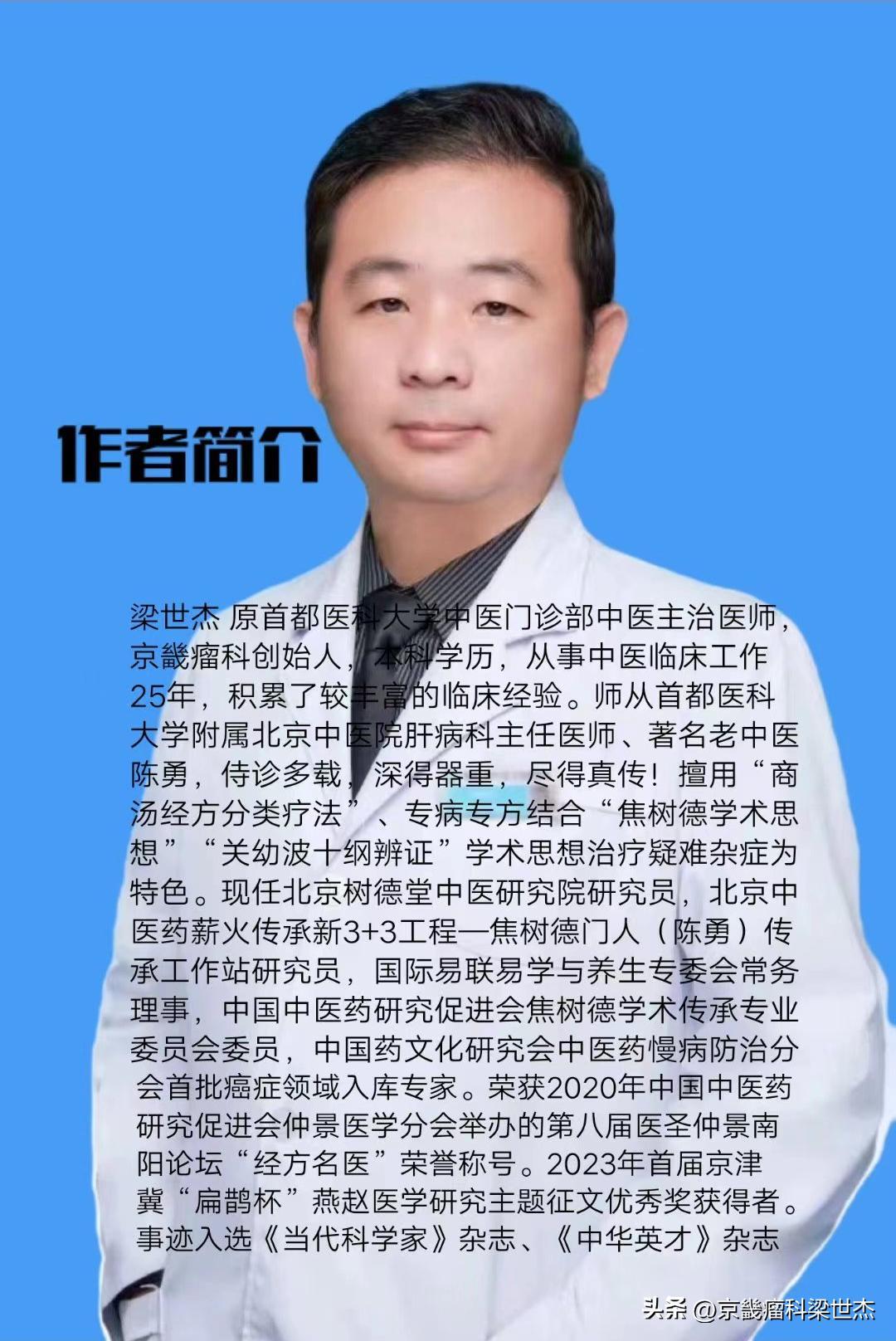
作者簡介:梁世傑 原首都醫科大學中醫門診部中醫主治醫師,京畿瘤科創始人,本科學歷,從事中醫臨牀工作25年,積累了較豐富的臨牀經驗。師從首都醫科大學附屬北京中醫院肝病科主任醫師、著名老中醫陳勇,侍診多載,深得器重,盡得真傳!擅用“商湯經方分類療法”、專病專方結合“焦樹德學術思想”“關幼波十綱辨證”學術思想治療疑難雜症爲特色。現任北京樹德堂中醫研究院研究員,北京中醫藥薪火傳承新3+3工程—焦樹德門人(陳勇)傳承工作站研究員,國際易聯易學與養生專委會常務理事,中國中醫藥研究促進會焦樹德學術傳承專業委員會委員,中國藥文化研究會中醫藥慢病防治分會首批癌症領域入庫專家。榮獲2020年中國中醫藥研究促進會仲景醫學分會舉辦的第八屆醫聖仲景南陽論壇“經方名醫”榮譽稱號。2023年首屆京津冀“扁鵲杯”燕趙醫學研究主題徵文優秀獎獲得者。事蹟入選《當代科學家》雜誌、《中華英才》雜誌。
Unraveling the causes of illness: Complexity and ambiguity are the very essence of the world.
In the long and winding journey of human understanding of the world, logic and dialectics serve as two sharp swords, helping us to pierce through the fog and seek out truth. Aristotle, the great ancient Greek philosopher, left humanity a valuable cultural legacy with his profound wisdom: “Everything that is scientific should reveal its causal or principle relationships.” This concept, like a brilliant star, illuminates the path of scientific exploration, guiding generations of scholars to navigate the vast ocean of knowledge.
However, when we approach the world with a sense of awe, we are forced to acknowledge that it is far more intricate than we had initially imagined. While it may appear straightforward on the surface, it harbors a complex and intricate inner structure. True simplicity and precision might exist only in the idealized realm meticulously constructed by human consciousness. Most of the things in the real world, on the other hand, present themselves in their inherently complex and ambiguous forms. It is akin to the unpredictable fog, which sometimes gathers and sometimes dissipates, making it difficult to delineate its contours with a single line.
In the field of medicine, the relentless pursuit of a single cause-and-effect relationship is akin to searching for a fixed anchor chain in the vast expanse of the sea. While this pursuit has its significance, it often proves inadequate in the face of the turbulent realities. Modern medicine has achieved remarkable successes in its quest for precise causes and pathologies, but it has also inevitably fallen into the predicament of a single causal logic relationship. According to relevant statistics, in the development and progression of numerous diseases, very few cases can be definitively attributed to a single cause-and-effect relation. Many diseases resemble a complex web, with multiple factors intertwining and influencing each other, collectively shaping the causes and pathologies of the disease.
Take the common cold, for example. We often simply assume that the cold is caused by a viral infection. But is it really that simple? In reality, the occurrence of a cold is closely linked not only to the invasion of viruses but also to various factors such as an individual’s immune system, environmental factors, and lifestyle habits. A person who consistently stays up late, lacks exercise, and has an unbalanced diet is far more likely to contract a cold even if they come into contact with the same virus than someone who leads a regular life and has a strong immune system. This indicates that the cause of a cold is not simply a single viral infection but rather the result of the combined effects of multiple factors.
Now let’s take a look at chronic diseases, such as hypertension and diabetes. The causes of these diseases are even more complex and varied. Genetic factors, environmental factors, lifestyle choices, and psychological factors can all play significant roles. For hypertension, research has shown that genetic factors do play a role in the development of the condition, but they are not the sole determining factor. Long-term consumption of high-salt diets, lack of exercise, and excessive mental stress can also have a significant impact on blood pressure. Therefore, for these chronic diseases, we cannot explain their pathogenesis through a single causal relationship; rather, we need to conduct comprehensive analysis from multiple perspectives and levels.
Compared to the dialectical philosophy of ancient China, the simplistic causal-and-effect relationship is inadequate for explaining medical issues. The dialectical philosophy of ancient China, with its unique modes of thinking and profound wisdom, offers a completely new perspective for understanding the causes and pathologies of diseases. The related etiological theories in traditional Chinese medicine, such as the external six afflictions, internal seven emotions, dietary excesses, fatigue from labor, and injuries from insects and animals, can be considered exemplary of a multi-factor causation theory. It posits that diseases are not caused by a single factor but rather result from the cumulative and interactive effects of multiple causative factors. This viewpoint aligns with the modern medical understanding of the complexity of diseases.
In terms of pathology, the Yin-Yang and Five Elements theories of traditional Chinese medicine have demonstrated remarkable explanatory power. The Yin-Yang theory emphasizes the unity of opposites, positing that there are two opposing yet interdependent forces within the human body: Yin and Yang. The occurrence of disease is seen as the result of an imbalance between these forces. The Five Elements theory correlates the body’s viscera, tissues, organs, and other components with the Five Elements of nature, suggesting that there are relationships of symbiosis and antagonism between them. Through these relationships, we can infer and verify the course of disease development.
For example, “due to liver disease, it is understood that the liver transmits its condition to the spleen; therefore, one should first strengthen the spleen.” This theory embodies the principle of the Five Elements’ principle of mutual subjugation. The liver belongs to the Wood element, while the spleen belongs to the Earth element. Wood subjugates Earth. When the liver becomes diseased, it may affect the function of the spleen. Therefore, while treating liver diseases, it is essential to strengthen the spleen beforehand to prevent the progression of the disease. “The mother’s illness affects the child, and the child may steal the mother’s vitality” illustrates the relationship of mutual generation among the Five Elements. The kidneys are the mother of the liver, and the liver is the child of the kidneys. When the kidneys’ function is weak, it may affect the liver’s function; conversely, when the liver’s function is overly exuberant, it may deplete the kidneys’ vital energy. The application of the Five Elements’ logical relationships, such as “strengthening the master of water to control the sun” and “draining the south to supplement the north, balancing the left metal to pacify the wood,” is a unique aspect of traditional Chinese medicine’s approach to treating diseases. These theories are richly exemplified in classic texts like the “Huangdi Neijing” and “Zhu Bing Yuan Hou Lun,” and have been validated through centuries of clinical practice, still shining with wisdom.
In this complex and ever-changing world, we must no longer be bound by a single causal logic relationship in our thinking. Medicine, as a science that explores the mysteries of human life, requires us to adopt an open-minded and dialectical approach to recognize and solve problems. The dialectical philosophy of ancient Chinese philosophy provides us with a valuable source of thought that enables us to transcend the limitations of a single causal relationship and gain a more comprehensive and in-depth understanding of the causes and pathologies of diseases.
Let us discard simplistic and one-sided thinking patterns and embrace the complexities and diversity of the world. Along the path of medicine, we should continuously explore and innovate, combining the wisdom of ancient Chinese philosophical dialectics with the achievements of modern medicine, in order to make greater contributions to the cause of human health. Only by truly understanding the complexity of diseases can we better prevent and treat them, enabling everyone to enjoy a healthy and fulfilling life.
Author profile: Liang Shi-jie was a chief physician of traditional Chinese medicine at the Traditional Chinese Medicine Outpatient Clinic of Capital Medical University. He was the founder of Jingyi Tumor Clinic. He holds a bachelor’s degree and has been engaged in clinical work in traditional Chinese medicine for 25 years, accumulating extensive clinical experience. He studied under Chen Yong, a renowned senior traditional Chinese medicine practitioner at the Hepatology Department of Beijing Traditional Chinese Medicine Hospital affiliated to Capital Medical University. Over the years, he gained great respect and acquired genuine expertise. He specializes in using the “Shang Tang Classic Classification Therapy” and combining specific treatments for specific diseases with the “Jiao Shu-de Academic Thought” and the “Guan You-bo Ten-Principle Diagnosis” approach to treat complex medical conditions. He is currently a researcher at the Beijing Shu-de-Tang Traditional Chinese Medicine Research Institute and a researcher at the Beijing New 3+3 Project for the Inheritance of Traditional Chinese Medicine – Jiao Shu-de’s Disciples (Chen Yong) Heritage Workstation. He is a Standing director of the International Yi-lian Yi-xue and Health Preservation Committee and a member of the Committee for the Inheritance of Jiao Shu-de’s Academic Thought of the China Research Promotion Association for Traditional Chinese Medicine. He is also a member of the inaugural Cancer Expert Pool of the China Cultural Research Association for Traditional Chinese Medicine’s Prevention of Chronic Diseases. He was awarded the title of “Expert in Classic Prescriptions” at the Eighth Nanyang Forum of the Zhang Zhongjing Medical Division of the China Research Promotion Association in 2020. In 2023, he won the Excellence Award in the First Beijing-Tianjin-Hebei “Bian Que Cup” Yan-Zhao Medical Research Theme Essay Competition. His achievements have been featured in the magazines “Contemporary Scientists” and “China’s Elite”.