梁世傑:醫學從來不是“哄人開心”的職業,救命沒有折中法
世人總愛問:醫生究竟該說真話,還是說假話?
影視劇裏輕描淡寫的一句“你想聽真話還是假話”,道盡了人性最真實的弱點:好事盼真話,壞事躲假話。可放在生死攸關的醫療現場,這道選擇題,從來沒有“折中”,更沒有“敷衍”。醫生手握的不是話術,是性命;口中說出的不是情緒,是診斷。真話或許刺眼如烈日,無法直視,卻是患者唯一能抓住的、通往康復的光。
醫學從來不是“哄人開心”的職業,它是求真、求實、救命的科學。中國醫師協會曾發佈一組醫患溝通數據:超72%的醫療糾紛,根源並非治療失誤,而是信息不對等、溝通不透明、患者無法接受真實病情。一句善意的謊言,能換一時心安,卻能埋下終身禍根;一次直白的告知,會帶來短暫崩潰,卻能換來長久生機。這不是醫生冷酷,是醫學的鐵律——隱瞞真相,等於放棄治療;直面病情,纔是對生命負責。
曾有一位中年患者,體檢提示肺部高度可疑結節,醫生如實告知需進一步穿刺檢查,患者當場暴怒,指責醫生“危言聳聽”“過度檢查”,轉身投訴、拒絕診療。半年後,結節發展爲晚期肺癌,再無手術機會,家屬追悔莫及,可生命從來沒有重來的選項。反觀另一位老年患者,醫生委婉告知胃腸腫瘤的可能性,患者雖一時難以接受,卻在家人陪同下配合檢查、及時手術,如今已康復三年。兩相對比便知:真話讓人痛一陣子,假話讓人悔一輩子。
我們總期待醫生溫柔體貼,卻忘了醫院從來不是“情緒安撫所”。患者奔赴診室,目的從來不是求一句“你沒事”,而是求一個身體的真相。找醫生,是爲了揪出疾病、根除隱患,不是爲了自欺欺人、逃避現實。就像學生考試,不能因爲怕不及格就拒絕看試卷;病人就醫,更不能因爲怕壞消息就拒絕聽診斷。沒有直面真相的心理準備,沒有承受病情的心理耐受,貿然就醫,既辜負了醫生的專業,也耽誤了自己的健康。
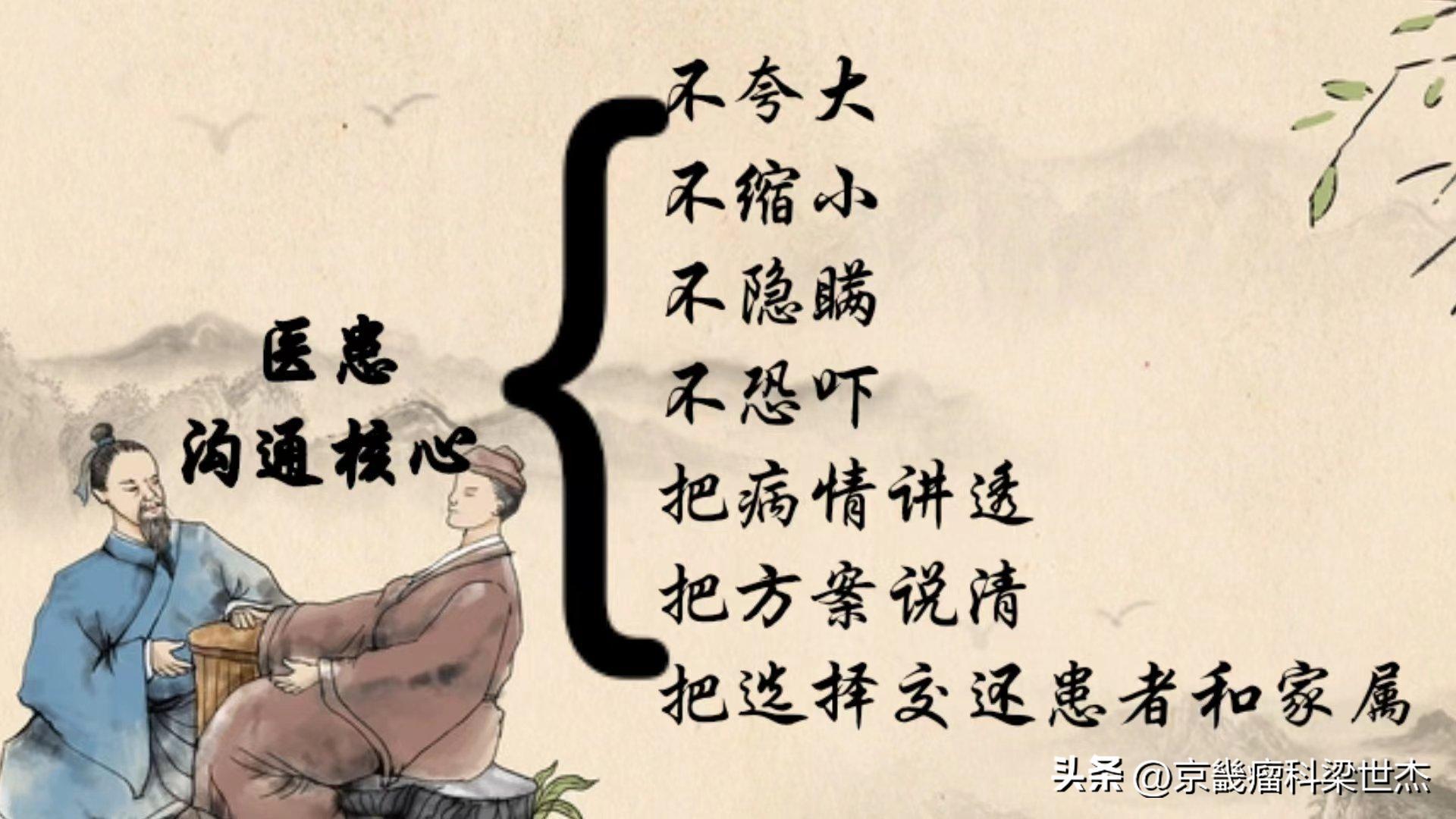
當然,醫者真言從非“口無遮攔”,更非“冷酷無情”。醫學有溫度,真話有技巧。對於癌症晚期、重症精神類疾病等特殊患者,醫生會遵循保護性醫療原則,與家屬溝通後適度隱瞞,這是人性的溫柔,而非職業的妥協。但絕大多數疾病面前,委婉的真話,纔是最高級的負責——不誇大、不縮小、不隱瞞、不恐嚇,把病情講透,把方案說清,把選擇權交還患者和家屬,這纔是醫患溝通的核心。
古人云:良藥苦口利於病,忠言逆耳利於行。 醫生的真話,就是醫學裏的“忠言”。它不像甜言蜜語那般入耳,卻能刺破疾病的僞裝;它會帶來短暫的焦慮、痛苦甚至怨恨,卻能爲治療鋪路,爲生命護航。那些看似“聳人聽聞”的診斷、“嚴苛無情”的檢查建議,從來不是醫生的刻意爲難,而是基於專業的救命提醒。
醫患之間,最可怕的從不是“真話太刺耳”,而是“假話太暖心”。患者要明白:就醫的本質,是求真,不是求安慰;醫院的使命,是治病,不是哄情緒。放下對“好聽話”的執念,練就接受真相的底氣,才能與醫生站在同一戰線,共同對抗疾病。醫生更要堅守:寧說刺耳的真話,不說害人的假話,以專業爲刃,以溫柔爲盾,說真話,辦真事,救真人。
說到底,醫療的終極共識,從來不是“讓所有人開心”,而是“讓所有人健康”。真話或許難嚥,卻是醫者的初心;真相或許殘酷,卻是生命的出路。願每一位患者,都有直面病情的勇氣;願每一位醫生,都有堅守真言的底氣。唯有醫患同心,真話不逆耳,真心不被負,醫學才能真正發揮治病救人的力量,生命才能擁有最堅實的保障。
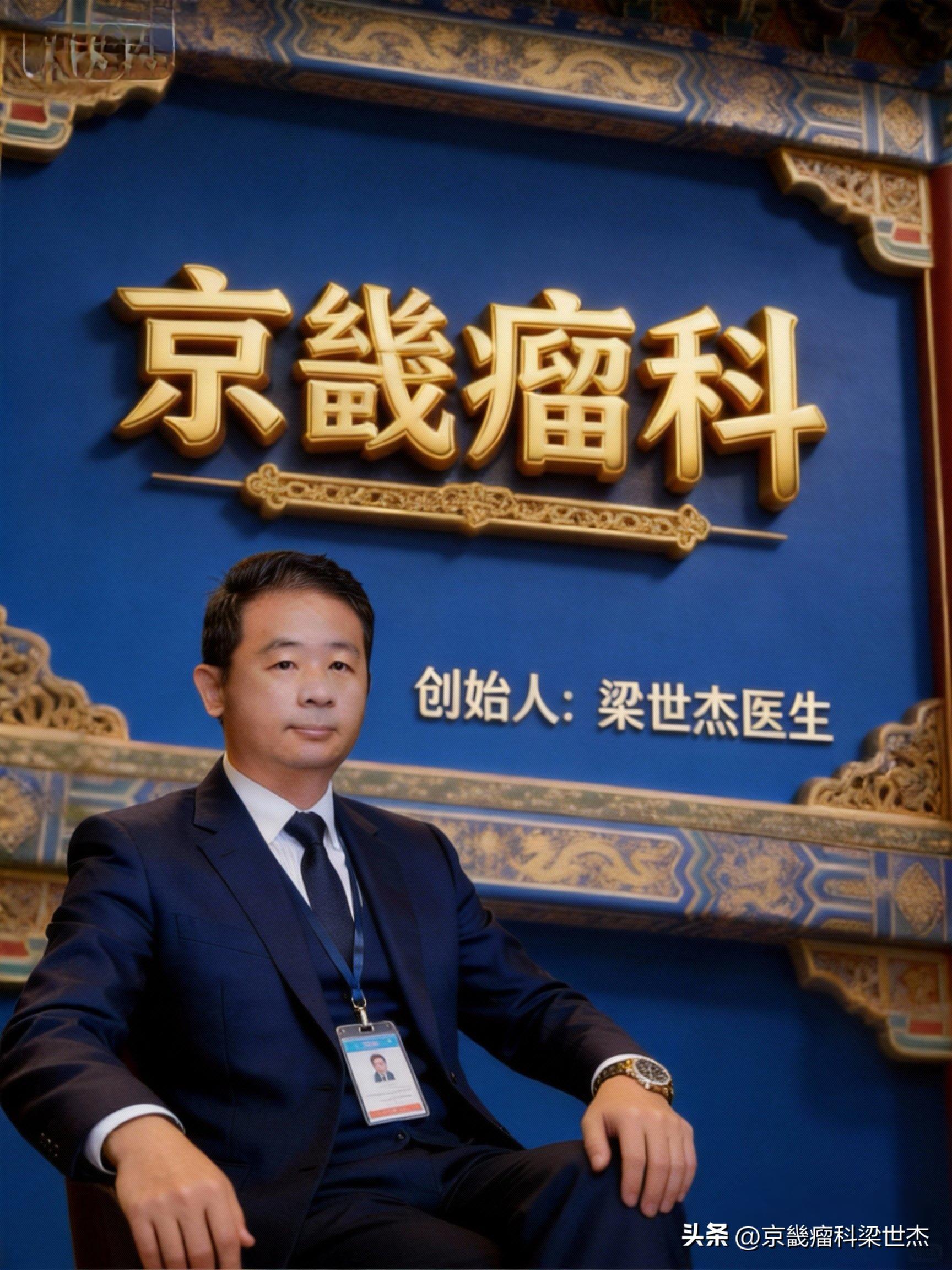
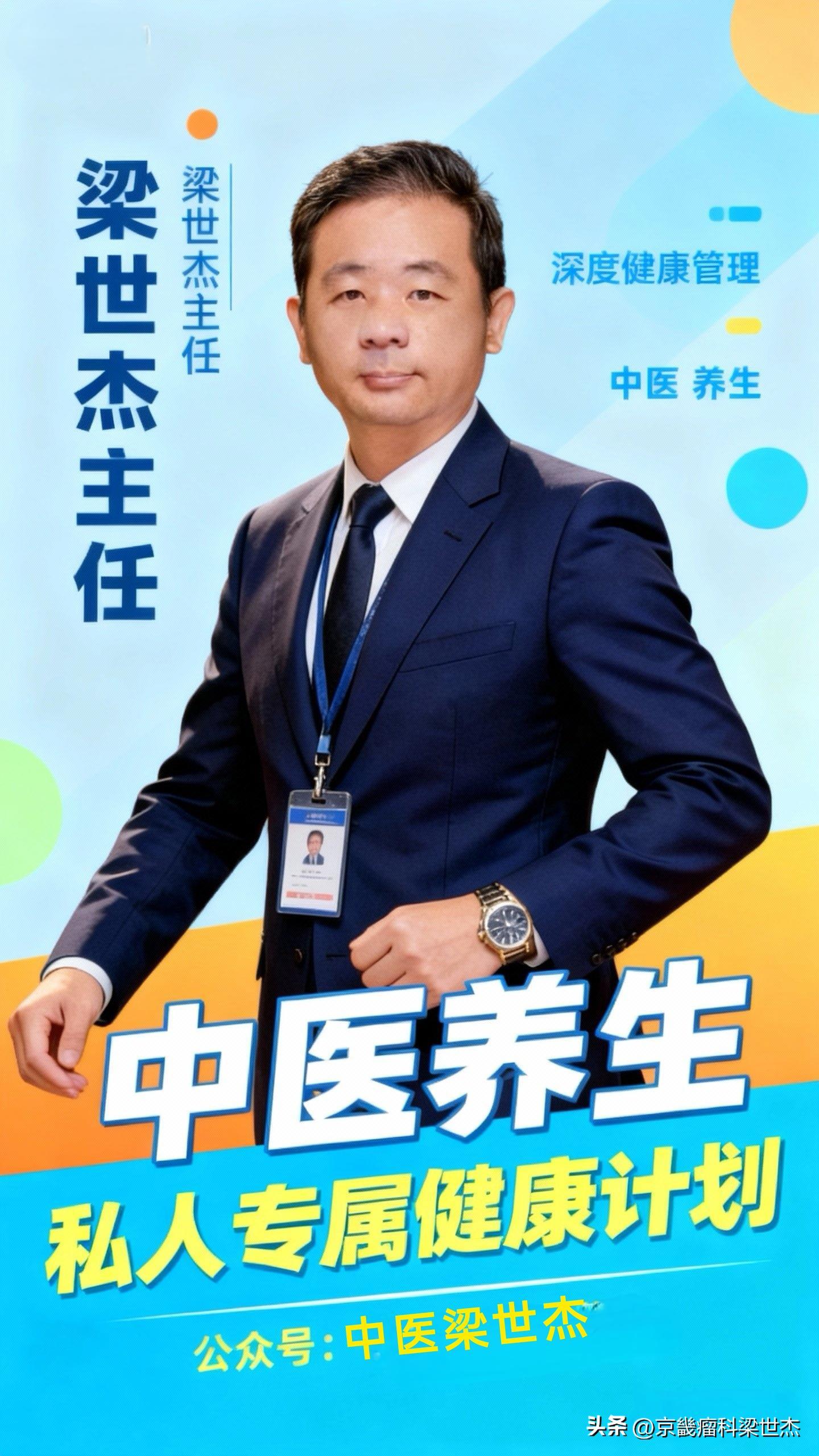
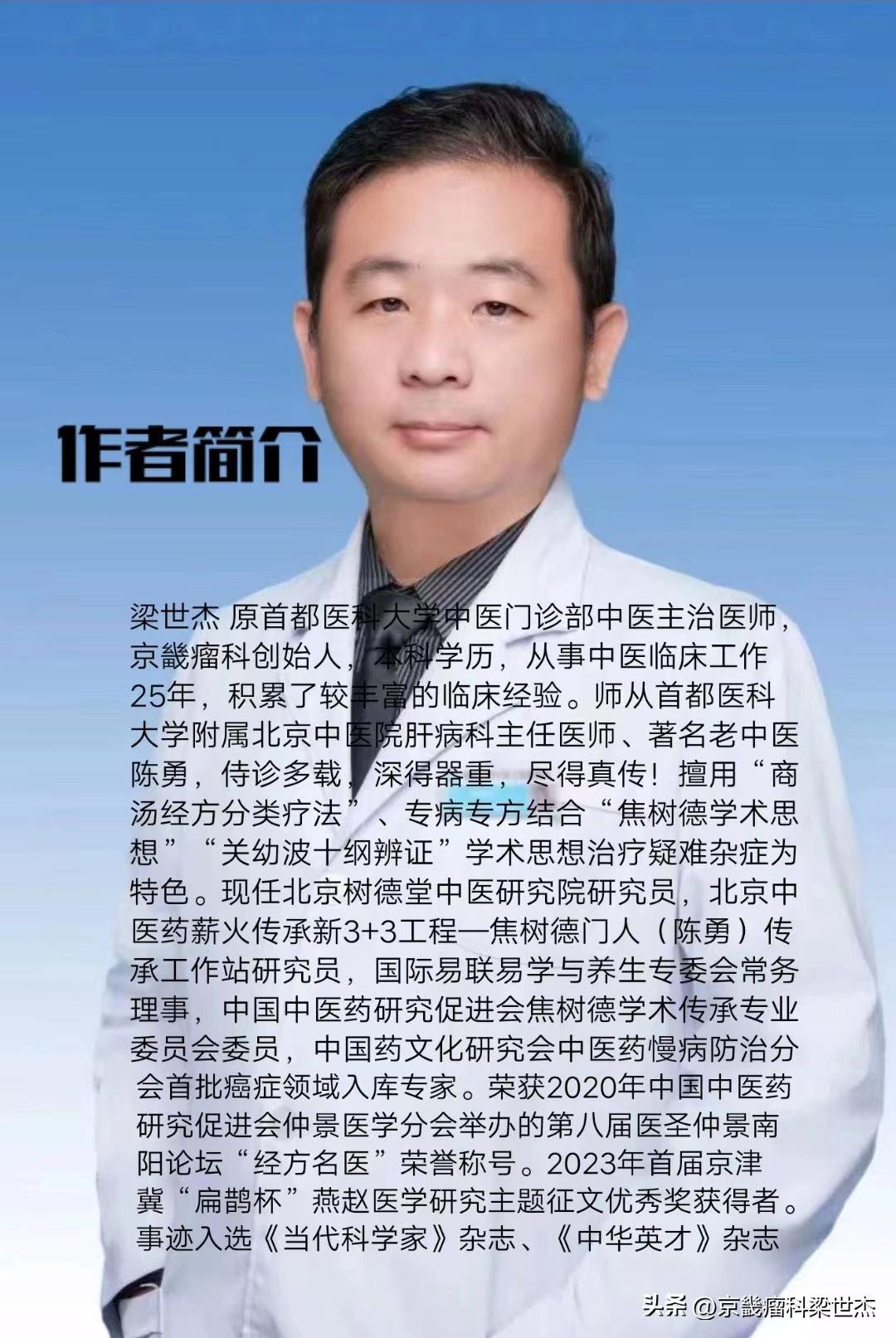
作者簡介:梁世傑 原首都醫科大學中醫門診部中醫主治醫師,京畿瘤科創始人,本科學歷,從事中醫臨牀工作25年,積累了較豐富的臨牀經驗。師從首都醫科大學附屬北京中醫院肝病科主任醫師、著名老中醫陳勇,侍診多載,深得器重,盡得真傳!擅用“商湯經方分類療法”、專病專方結合“焦樹德學術思想”“關幼波十綱辨證”學術思想治療疑難雜症爲特色。現任北京樹德堂中醫研究院研究員,北京中醫藥薪火傳承新3+3工程—焦樹德門人(陳勇)傳承工作站研究員,國際易聯易學與養生專委會常務理事,中國中醫藥研究促進會焦樹德學術傳承專業委員會委員,中國藥文化研究會中醫藥慢病防治分會首批癌症領域入庫專家。榮獲2020年中國中醫藥研究促進會仲景醫學分會舉辦的第八屆醫聖仲景南陽論壇“經方名醫”榮譽稱號。2023年首屆京津冀“扁鵲杯”燕趙醫學研究主題徵文優秀獎獲得者。事蹟入選《當代科學家》雜誌、《中華英才》雜誌。
Liang Shi-jie: Medicine has never been a profession meant solely to “make people happy.” There is no room for compromise when it comes to saving lives.
People often ask, “Should doctors always tell the truth or lie?”
The casual phrase in movies and TV dramas, “Do you want to hear the truth or a lie?”, captures the most authentic weakness of human nature: we desire the truth for good things and avoid the lie for bad things. However, in a life-or-death medical situation, this choice is never about “compromising” or “trivializing.” Doctors hold not mere rhetoric in their hands, but lives; what they say is not emotions, but diagnoses. The truth may be blinding like the sun, impossible to look directly at, but it is the only light that patients can grasp, leading them towards recovery.
Medicine has never been a profession meant to “make people happy”; it is a science that seeks truth, reality, and saves lives. The Chinese Medical Association once released a set of data on medical-patient communication: more than 72% of medical disputes are not rooted in treatment errors, but rather in information asymmetry, opaque communication, and patients’ inability to accept the true nature of their condition. A well-intentioned lie can provide temporary peace of mind, but it can also sow seeds of lifelong harm; a straightforward disclosure may lead to a brief period of distress, but it can also bring about long-term vitality. This is not because doctors are callous; it is the ironclad rule of medicine: concealing the truth is tantamount to giving up treatment; facing the reality head-on is what demonstrates responsibility towards life.
There was once a middle-aged patient whose physical examination indicated a highly suspicious nodule in his lungs. The doctor truthfully informed him that further puncture examination was necessary. The patient immediately became enraged, accusing the doctor of “sensationalism” and “excessive testing.” He turned around and filed a complaint, refusing further treatment. Six months later, the nodule had progressed to stage-IV lung cancer, leaving no chance for surgery. The family bitterly regretted their decision, but life does not offer a do-over option. In contrast, another elderly patient was gently informed by the doctor of the possibility of gastrointestinal tumors. Although the patient initially struggled to accept this, he cooperated with the examination and underwent surgery promptly. Now, three years have passed since his recovery. This comparison illustrates that telling the truth may cause pain for a short period, while lying can lead to regret for a lifetime.
We always expect doctors to be gentle and considerate, but we forget that hospitals are never “places for emotional comfort.” Patients come to the examination room not to seek a simple assurance that they are fine, but to uncover the truth about their bodies. Seeking medical advice is to identify the source of illness and eliminate potential dangers, not to deceive oneself or avoid reality. Just as students cannot refuse to look at their exam papers because they fear failing, patients cannot refuse to hear the diagnosis because they fear bad news. Without the mental readiness to confront the truth and the psychological resilience to cope with illness, rushing to seek medical treatment can both betray the professionalism of doctors and hinder one’s own health.
Of course, medical practitioners do not speak carelessly or display callousness. Medicine has warmth, and telling the truth requires skill. For patients with advanced cancer or severe mental illnesses, doctors adhere to the principle of protective care, sometimes concealing information from family members after thorough communication. This is a manifestation of humanity’s tenderness, not a professional compromise. However, in the face of most diseases, a gentle expression of the truth is the highest level of responsibility—avoiding exaggeration, minimization, concealment, and intimidation. By clearly explaining the condition and the treatment options, and returning the choice to the patient and their family, this is the essence of medical communication.
As the ancients said, “Good medicine tastes bitter for the sake of one’s health, and honest advice may be unpleasant to hear but is beneficial for one’s actions.” The truthful words of a doctor are akin to “honest advice” in medicine. While they may not be as pleasant to hear as sweet words, they can pierce through the deceptions of illness. They may bring temporary anxiety, pain, or even resentment, but they pave the way for treatment and safeguard life. Diagnoses that seem “sensational” or examination recommendations that appear “harsh and unforgiving” are never done out of deliberate malice by doctors; rather, they are based on professional advice aimed at saving lives.
The most frightening thing between a patient and a doctor is not always “the truth is too harsh,” but rather “lies are too comforting.” Patients must understand that the essence of seeking medical help is to seek truth, not comfort; the mission of hospitals is to cure illnesses, not to soothe emotions. Let go of your attachment to “pleasant words,” and cultivate the confidence to accept the truth. Only then can you stand alongside doctors and jointly combat diseases. Doctors, in particular, must adhere to the principle of preferring harsh truths over harmful lies. Use professional expertise as a sword and gentle care as a shield, speak the truth, and do genuine work to help real people.
Ultimately, the ultimate consensus in healthcare has never been about “making everyone happy,” but rather about “keeping everyone healthy.” The truth may be difficult to swallow, but it is the original intention of medical professionals; the reality may be harsh, but it is the path to life. May every patient have the courage to confront their condition; may every doctor have the confidence to uphold the truth. Only when healthcare providers and patients work together in harmony will the truth not be unpleasant, and genuine care not be compromised. Only then can medicine truly exert its power to heal and save lives, and life can enjoy the most solid protection.
Author profile: Liang Shi-jie was a chief physician of traditional Chinese medicine at the Traditional Chinese Medicine Outpatient Clinic of Capital Medical University. He was the founder of Jingyi Tumor Clinic. He holds a bachelor’s degree and has been engaged in clinical work in traditional Chinese medicine for 25 years, accumulating extensive clinical experience. He studied under Chen Yong, a renowned senior traditional Chinese medicine practitioner at the Hepatology Department of Beijing Traditional Chinese Medicine Hospital affiliated to Capital Medical University. Over the years, he gained great respect and acquired genuine expertise. He specializes in using the “Shang Tang Classic Classification Therapy” and combining specific treatments for specific diseases with the “Jiao Shu-de Academic Thought” and the “Guan You-bo Ten-Principle Diagnosis” approach to treat complex medical conditions. He is currently a researcher at the Beijing Shu-de-Tang Traditional Chinese Medicine Research Institute and a researcher at the Beijing New 3+3 Project for the Inheritance of Traditional Chinese Medicine – Jiao Shu-de’s Disciples (Chen Yong) Heritage Workstation. He is a Standing director of the International Yi-lian Yi-xue and Health Preservation Committee and a member of the Committee for the Inheritance of Jiao Shu-de’s Academic Thought of the China Research Promotion Association for Traditional Chinese Medicine. He is also a member of the inaugural Cancer Expert Pool of the China Cultural Research Association for Traditional Chinese Medicine’s Prevention of Chronic Diseases. He was awarded the title of “Expert in Classic Prescriptions” at the Eighth Nanyang Forum of the Zhang Zhongjing Medical Division of the China Research Promotion Association in 2020. In 2023, he won the Excellence Award in the First Beijing-Tianjin-Hebei “Bian Que Cup” Yan-Zhao Medical Research Theme Essay Competition. His achievements have been featured in the magazines “Contemporary Scientists” and “China’s Elite”.