梁世傑:中醫循證醫學的涅槃之路
在華夏大地那悠悠的歷史長河中,中醫宛如一顆璀璨的明珠,閃耀着獨特而神祕的光芒。它承載着千年的智慧,是無數先輩們在與疾病鬥爭的漫漫長路上,用生命和汗水鑄就的醫學瑰寶。然而,時光流轉,當現代科學的浪潮洶湧而來,這顆古老的明珠也面臨着前所未有的挑戰與機遇。中醫循證醫學,便如同一場驚心動魄的變革風暴,在這傳統與現代的碰撞中悄然興起,引領着一場深刻的臨牀革命。
傳統與現代的“狹路相逢”:循證醫學爲中醫“正名”
中醫,這門古老的藝術,自誕生以來便以其獨特的理論體系和治療方法,守護着華夏兒女的健康。它講究整體觀念,將人體視爲一個有機的整體,與自然環境息息相關;它注重辨證論治,根據每個人的體質、症狀和病因,制定個性化的治療方案。然而,在現代科學的審視下,中醫的一些理論和方法卻顯得有些“玄乎”,缺乏像西醫那樣嚴謹的科學依據。
這就好比一位身懷絕技的武林高手,在江湖中威名遠揚,但當他來到一個以規則和證據說話的新世界時,卻有些無所適從。循證醫學的出現,就像是給這位武林高手提供了一套全新的“武林祕籍”,讓他能夠用現代科學通用的語言來展示自己的實力。
循證醫學強調“證據說話”,它要求醫生在做出臨牀決策時,要依據當前最佳的科學研究證據,結合自己的臨牀經驗和患者的具體情況。對於中醫來說,這意味着要將那些散落在古籍中的治療經驗,通過系統收集、評價臨牀研究數據的方式,從個案積累邁向羣體驗證。據相關統計,近年來,國內外關於中醫的臨牀研究數量呈逐年上升趨勢,越來越多的中醫治療方法得到了科學的驗證。比如,鍼灸在治療疼痛方面,已經有大量的高質量臨牀研究證明其具有顯著療效,其優勢證據得到了國際醫學界的廣泛認可。這就如同給中醫這位武林高手頒發了一張“國際通行證”,讓他能夠在全球醫學的舞臺上大放異彩。
臨牀實踐的“華麗轉身”:辨證論治有了“科學翅膀”
在傳統的中醫臨牀實踐中,辨證論治是核心。醫生通過望、聞、問、切等方法,收集患者的信息,然後根據中醫理論進行分析和判斷,確定病因、病機和證型,最後制定相應的治療方案。然而,這種方式在很大程度上依賴於醫生的個人經驗和主觀判斷,不同醫生對同一患者的辨證結果可能會有所不同。
中醫循證醫學的出現,爲辨證論治帶來了新的變革。它不再僅僅依靠醫生的經驗,而是將最佳研究證據、醫師技能與患者需求有機地融合在一起。這就好比給一位飛行員配備了一套先進的導航系統,讓他在飛行過程中能夠更加準確地判斷方向,避開危險。
以中藥方劑在慢性病管理中的應用爲例。在過去,醫生往往根據自己的經驗開具中藥方劑,雖然也有一定的療效,但缺乏科學依據的支持。而現在,通過循證研究,我們可以對大量的臨牀數據進行分析和評價,找出哪些中藥方劑對特定的慢性病具有更好的療效,以及最佳的用藥劑量和療程。例如,對於高血壓患者,一些中藥方劑在降低血壓、改善症狀方面已經得到了臨牀研究的驗證。醫生可以根據這些研究證據,結合患者的具體情況,制定更加科學合理的治療方案。這不僅提高了治療效果,也增強了患者對中醫治療的信心。
規範與標準的“築牢根基”:搭建中西醫溝通的橋樑
中醫循證醫學的實踐,推動了中醫臨牀實踐向更加規範化、標準化的方向發展。在過去,中醫的診斷和治療缺乏統一的標準,不同的醫生可能會有不同的診斷方法和治療方案,這給中醫的傳承和發展帶來了一定的困難。
而現在,通過循證研究,我們可以制定出一系列科學、規範、統一的中醫臨牀診療指南和標準。這些指南和標準就像是一座橋樑,將中醫和西醫連接在一起,讓全球醫學界能夠更加客觀、準確地理解和認可中醫的價值。
比如,在國際疾病分類(ICD)中,已經納入了部分中醫病證名稱,這爲中醫在國際上的傳播和應用提供了重要的依據。同時,越來越多的中醫醫療機構和醫生開始採用國際通用的臨牀研究方法和標準,開展高質量的中醫臨牀研究。這不僅提高了中醫科研的質量,也促進了中醫與西醫的交流和合作。據統計,近年來,國內外合作開展的中醫臨牀研究項目數量不斷增加,取得了一系列重要的研究成果。
科研與臨牀的“相輔相成”:倒逼中醫科研提升質量
中醫循證醫學的發展,也對中醫科研提出了更高的要求。在過去,中醫科研主要以回顧性總結爲主,缺乏前瞻性的設計和研究。這就好比一個士兵在戰場上只懂得總結過去的戰鬥經驗,而不懂得根據未來的戰爭形勢制定戰略。
而現在,中醫循證醫學要求中醫科研要從回顧性總結轉向前瞻性設計,注重研究的科學性、規範性和實用性。科研人員要運用現代科學的方法和技術,對中醫的理論、方法和藥物進行深入的研究和探索,爲中醫臨牀實踐提供更加堅實的科學依據。
例如,在中藥新藥研發方面,過去主要依靠傳統的經驗和方法,研發週期長、效率低。而現在,通過循證醫學的方法,我們可以對中藥的有效成分、作用機制和安全性進行更加深入的研究,提高中藥新藥的研發質量和效率。據相關數據顯示,近年來,我國中藥新藥的研發數量和質量都有了顯著提高,一批具有自主知識產權的中藥新藥相繼上市,爲中醫的發展注入了新的活力。
“以人爲本”的“初心不改”:古老智慧煥發時代生機
中醫循證醫學的實踐,核心是“以人爲本”。它不削弱中醫的整體觀與個性化,而是賦予其更強大的時代生命力。中醫強調人與自然的和諧統一,注重從整體上調理人體的陰陽平衡,這與現代醫學的生物 - 心理 - 社會醫學模式不謀而合。
在中醫循證醫學的實踐中,我們始終將患者的需求和利益放在首位。通過科學的方法驗證中醫的治療效果,讓患者能夠享受到更加安全、有效、個性化的醫療服務。同時,中醫循證醫學也讓古老的中醫智慧在嚴謹證據的支撐下,惠及更廣泛的人羣,走向更廣闊的世界。
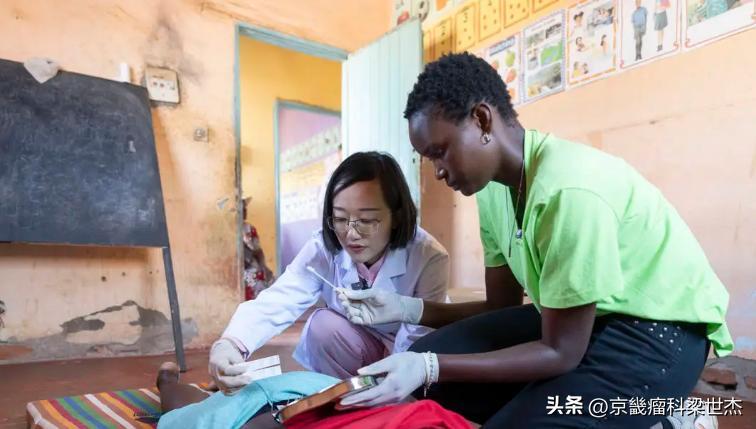
比如,在一些非洲國家,中醫鍼灸和中藥療法已經得到了廣泛的應用,爲當地患者解決了許多疑難病症。這不僅改善了當地居民的健康狀況,也促進了中外文化的交流和融合。
未來的“星辰大海”:證據與傳統共鳴書寫新篇
中醫循證醫學的道路正在不斷延伸,每一份高質量的臨牀研究,每一次嚴謹的療效評價,都在爲中醫的未來注入信心。當證據與傳統共鳴,中醫臨牀正書寫着融合創新、更負責任的新篇章。
然而,我們也要清醒地認識到,中醫循證醫學的發展還面臨着許多挑戰和困難。比如,中醫的理論和方法具有獨特的複雜性,如何用現代科學的方法進行準確的研究和評價,仍然是一個亟待解決的問題。同時,中醫循證醫學的推廣和應用也需要得到政府、社會和醫學界的廣泛支持和認可。
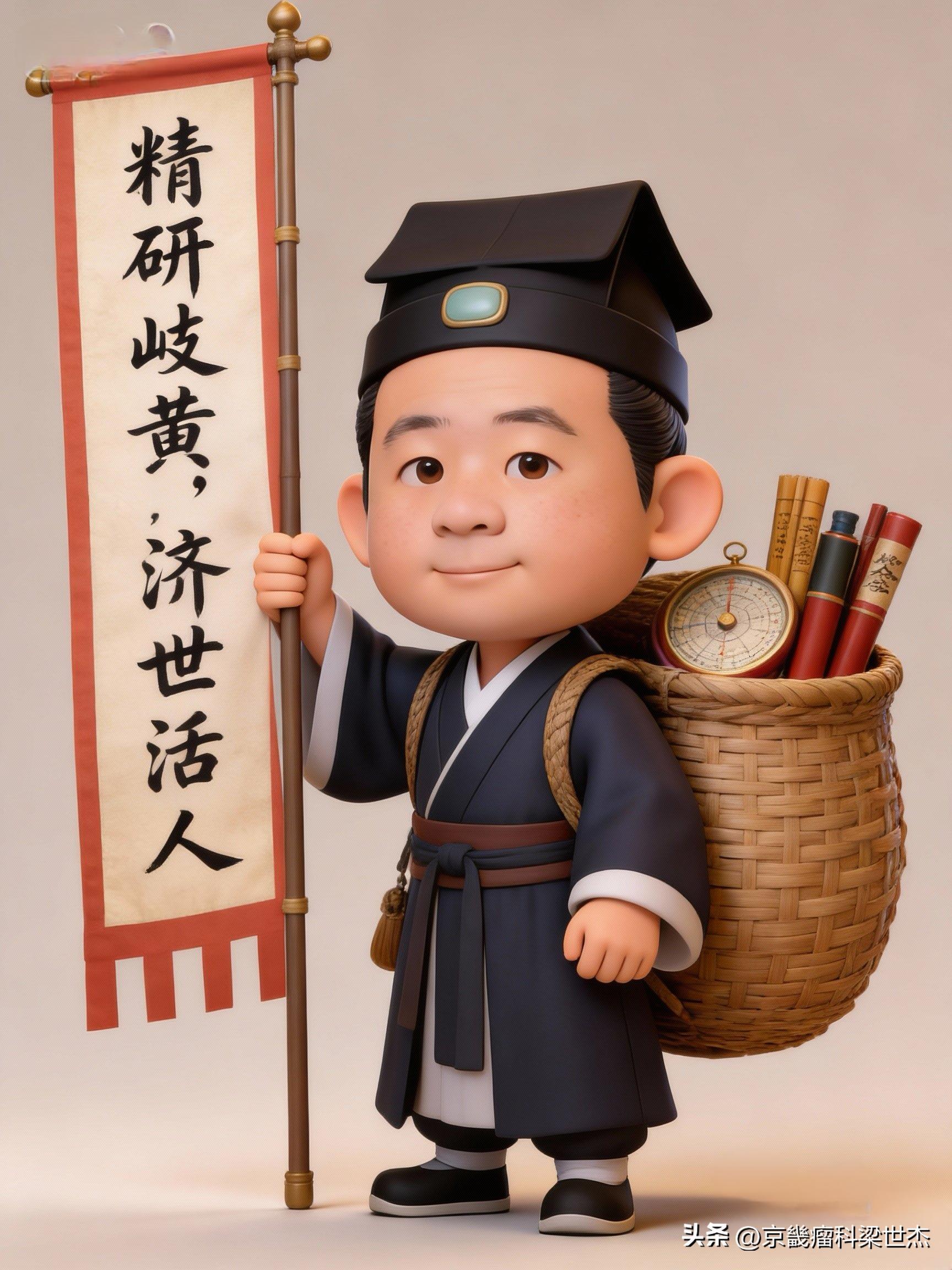
但我相信,只要我們堅守中醫的初心和使命,秉持科學、嚴謹、創新的態度,不斷探索和實踐,中醫循證醫學一定能夠在現代醫療體系中紮根生長,綻放出更加絢爛的光彩。讓我們攜手共進,爲中醫的傳承和發展,爲人類的健康事業,書寫新的輝煌!
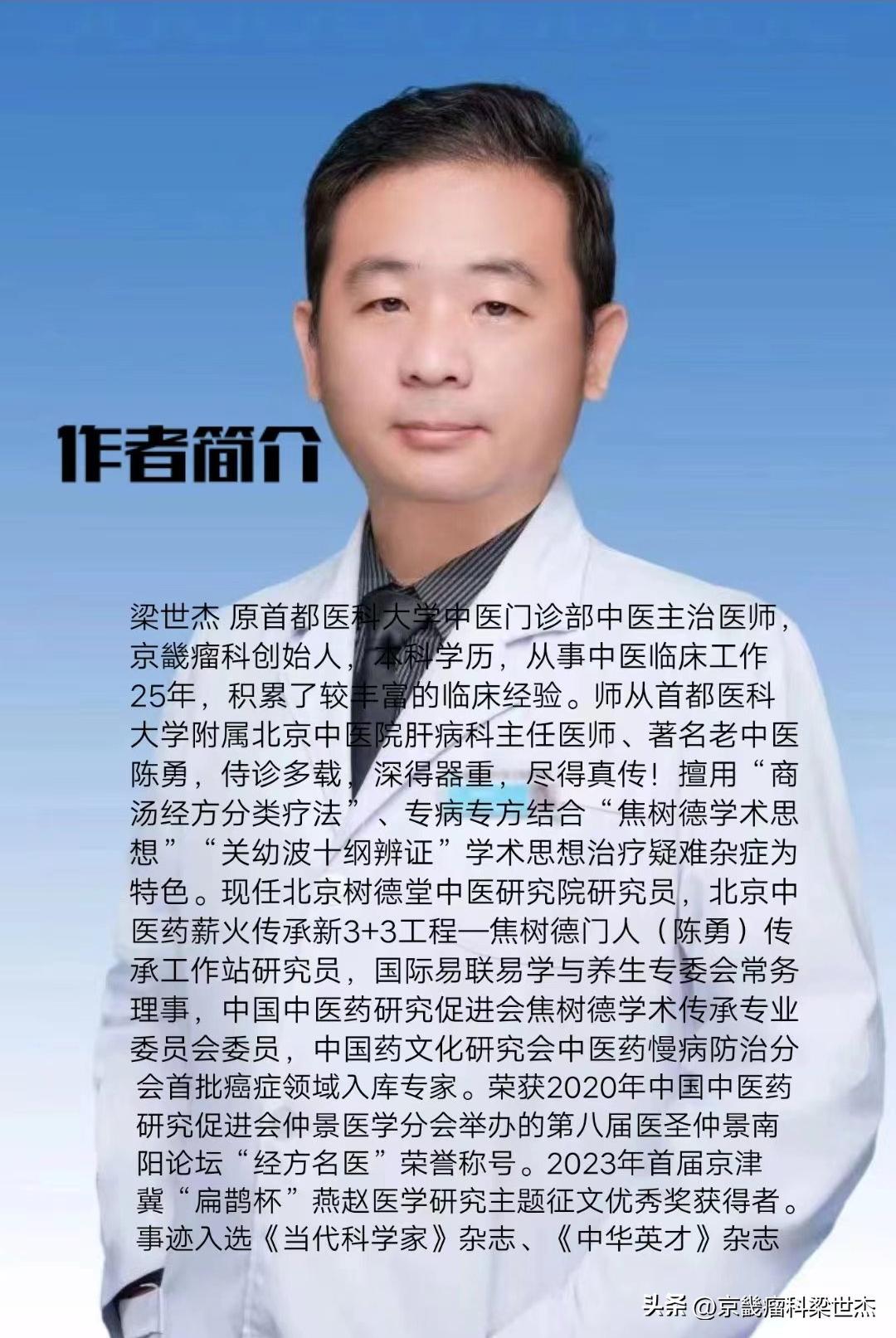
作者簡介:梁世傑 原首都醫科大學中醫門診部中醫主治醫師,京畿瘤科創始人,本科學歷,從事中醫臨牀工作25年,積累了較豐富的臨牀經驗。師從首都醫科大學附屬北京中醫院肝病科主任醫師、著名老中醫陳勇,侍診多載,深得器重,盡得真傳!擅用“商湯經方分類療法”、專病專方結合“焦樹德學術思想”“關幼波十綱辨證”學術思想治療疑難雜症爲特色。現任北京樹德堂中醫研究院研究員,北京中醫藥薪火傳承新3+3工程—焦樹德門人(陳勇)傳承工作站研究員,國際易聯易學與養生專委會常務理事,中國中醫藥研究促進會焦樹德學術傳承專業委員會委員,中國藥文化研究會中醫藥慢病防治分會首批癌症領域入庫專家。榮獲2020年中國中醫藥研究促進會仲景醫學分會舉辦的第八屆醫聖仲景南陽論壇“經方名醫”榮譽稱號。2023年首屆京津冀“扁鵲杯”燕趙醫學研究主題徵文優秀獎獲得者。事蹟入選《當代科學家》雜誌、《中華英才》雜誌。
Liang Shijie: The Path to Nirvana of Evidence-Based Chinese Medicine
In the long history of the Chinese land, Chinese medicine is like a shining pearl, shining with a unique and mysterious light. It carries thousands of years of wisdom and is a medical treasure that countless forefathers made with life and sweat on the long road to fighting disease. However, as time goes by, and as the tide of modern science waves upon it, this ancient pearl also faces unprecedented challenges and opportunities. Evidence-based medicine in traditional Chinese medicine is like a breathtaking storm of change, quietly emerging amid the collision between tradition and modernity, leading a profound clinical revolution.
A narrow road meets traditional and modern: evidence-based medicine "gets the name" of traditional medicine
Traditional Chinese medicine, this ancient art, has protected the health of the Chinese children since its birth with its unique theoretical system and treatment methods. It focuses on the holistic concept, regarding the human body as an organic whole that is closely related to the natural environment; It focuses on dialectical treatment and develops a personalized treatment plan based on each person''s physical condition, symptoms and causes. However, under the examination of modern science, some of the theories and methods of traditional Chinese medicine appear to be somewhat "esoteric" and lack scientific evidence as rigorous as Western medicine.
It''s like a skilled martial artist who is well known in the world of the game, but when he comes to a new world where rules and evidence speak for themselves, he finds himself struggling. The emergence of evidence-based medicine is like giving this Wolin master a new set of "Wolin secrets," allowing him to demonstrate his strength in the universal language of modern science.
Evidence-based medicine emphasizes "evidence speaking," which requires physicians to make clinical decisions based on the best available scientific evidence, combining their own clinical experience with the specifics of their patients. For traditional Chinese medicine, this means moving from case-by-case accumulation to population validation through systematic collection and evaluation of clinical research data. According to relevant statistics, in recent years, the number of clinical studies on TCM at home and abroad has been rising year by year, and more and more TCM treatment methods have been scientifically validated. For example, acupuncture has been shown to have significant efficacy in treating pain in a large number of high-quality clinical studies, and its advantageous evidence has been widely recognized by the international medical community. It is like giving this martial arts master of Chinese medicine an "international pass" to enable him to shine on the global medical scene.
A "gorgeous turnaround" in clinical practice: Dialectics has a "scientific wing"
In traditional Chinese medicine clinical practice, dialectical treatment is the core. The doctor collects information from the patient by looking, smelling, asking, and cutting, then analyzes and judges according to traditional Chinese medicine theory, determines the cause, condition, and symptoms, and finally formulates a corresponding treatment plan. However, this approach relies heavily on the physician''s personal experience and subjective judgment, and diagnosis results for the same patient may vary from doctor to doctor.
The emergence of evidence-based medicine in traditional Chinese medicine has brought new changes to dialectical healing. It no longer relies solely on physician experience, but integrates the best research evidence, physician skills, and patient needs organically. It''s like equipping a pilot with an advanced navigation system that allows him to judge direction more accurately and avoid danger during the flight.
Take the application of Chinese herbal remedies in the management of chronic diseases. In the past, doctors tended to prescribe Chinese herbal remedies based on their own experience, although they also had some benefits, but they lacked scientific evidence to support them. Now, through evidence-based research, we can analyze and evaluate large amounts of clinical data to find which Chinese herbal remedies have better efficacy for specific chronic diseases, as well as the best dose and course of treatment. For example, for patients with high blood pressure, some Chinese herbal remedies have been validated in clinical studies in reducing blood pressure and improving symptoms. Physicians can develop a more scientific and reasonable treatment plan based on this research evidence, in combination with the specific conditions of the patient. This not only improves the treatment effect, but also enhances the patient''s confidence in TCM treatment.
"Building the foundations" of norms and standards: building a bridge between Chinese and Western medicine
The practice of evidence-based medicine in traditional Chinese medicine has pushed the clinical practice of traditional Chinese Medicine towards a more standardized and standardized direction. In the past, there was a lack of uniform standards for diagnosis and treatment of TCM, and different doctors might have different diagnostic methods and treatment regimens, which brought certain difficulties to the inheritance and development of TCM.
Now, through evidence-based research, we can develop a series of scientific, standardized and unified clinical guidelines and standards for traditional Chinese medicine. These guidelines and standards serve as a bridge between traditional Chinese medicine and Western medicine, allowing the global medical community to understand and recognize the value of traditional Chinese Medicine more objectively and accurately.
For example, in the International Classification of Diseases (ICD), some TCM disease and syndrome names have been included, which provides an important basis for the spread and application of TCM in the international community. At the same time, more and more traditional Chinese medicine institutions and physicians have begun to adopt internationally recognized clinical research methods and standards to conduct high-quality traditional Chinese clinical research. This not only improves the quality of traditional Chinese medicine research, but also promotes communication and cooperation between traditional Chinese Medicine and Western medicine. According to statistics, in recent years, the number of traditional Chinese medicine clinical research projects carried out jointly at home and abroad has increased, and a series of important research results have been achieved.
Scientific research and clinical cooperation are mutually reinforcing: pushing traditional Chinese medicine research to improve its quality
The development of evidence-based medicine in traditional Chinese medicine also puts higher demands on traditional Chinese research. In the past, traditional Chinese medicine research was mainly based on retrospective summary and lacked forward-looking design and research. It is like a soldier on the battlefield who only knows how to summarize past combat experience, not how to formulate a strategy based on future war situations.
Now, evidence-based therapeutic medicine requires that therapeutic research should move from retrospective summary to forward-looking design, focusing on the scientificity, standardization and practicality of research. Researchers should use modern scientific methods and techniques to conduct in-depth research and exploration of traditional Chinese medicine theories, methods and drugs to provide a more solid scientific basis for the clinical practice of traditional medicine.
For example, in the R & D of new Chinese medicines, the past mainly relied on traditional experience and methods, with long R & D cycles and low efficiency. Now, through evidence-based medical methods, we can conduct more in-depth research on the effective ingredients, mechanism of action and safety of traditional Chinese medicine, and improve the quality and efficiency of the research and development of new Chinese medicine. According to relevant data, in recent years, the number and quality of research and development of new Chinese traditional medicines in China have improved significantly, and a number of new Chinese medicines with independent intellectual property rights have been marketed, injecting new vitality into the development of Chinese medicine.
The original purpose of "people-centered" remains unchanged: ancient wisdom breathes life into the times
The core of evidence-based medical practice in traditional Chinese medicine is "people-centered." It does not weaken the holistic view and individualism of traditional Chinese medicine, but gives it a stronger vitality of the times. TCM emphasizes the harmony and unity of man and nature, and focuses on the holistic management of yin and yang balance of the human body, which coincides with the biological - psychological - social medical model of modern medicine.
In the practice of evidence-based medicine in traditional Chinese medicine, we always put the needs and interests of the patient first. Through scientific methods to verify the therapeutic effect of traditional Chinese medicine, patients can enjoy safer, more effective and personalized medical services. At the same time, evidence-based traditional Chinese medicine has also allowed ancient Chinese wisdom to benefit a wider range of people and go to the wider world, supported by rigorous evidence.
For example, in some African countries, Chinese acupuncture and traditional Chinese medicine have been widely used, solving many difficult ailments for local patients. This not only improves the health status of local residents, but also promotes the exchange and integration of Chinese and foreign cultures.
The "Sea of Stars" of the future: evidence and tradition resonate in a new chapter
The path of evidence-based medicine in traditional Chinese medicine is continuing to expand, with every high-quality clinical study and every rigorous evaluation of efficacy injecting confidence into the future of traditional Chinese Medicine. As evidence resonates with tradition, traditional Chinese medicine is writing a new chapter that incorporates innovation and more accountability.
However, we should also be soberly aware that the development of evidence-based medicine in traditional Chinese medicine still faces many challenges and difficulties. For example, the theory and methods of traditional Chinese medicine have unique complexities, and how to accurately study and evaluate them using modern scientific methods remains an urgent problem. At the same time, the promotion and application of evidence-based traditional Chinese medicine also needs to be widely supported and recognized by the government, society and medical community.
But I believe that as long as we stay true to the original aspiration and mission of traditional Chinese medicine, keep to a scientific, rigorous and innovative attitude, and continuously explore and practice, evidence-based traditional Chinese Medicine will surely take root and grow in the modern medical system and blossom even brighter. Let us work together to write new achievements for the inheritance and development of Chinese medicine and for the cause of human health!
Author profile: Liang Shi-jie was a chief physician of traditional Chinese medicine at the Traditional Chinese Medicine Outpatient Clinic of Capital Medical University. He was the founder of Jingyi Tumor Clinic. He holds a bachelor’s degree and has been engaged in clinical work in traditional Chinese medicine for 25 years, accumulating extensive clinical experience. He studied under Chen Yong, a renowned senior traditional Chinese medicine practitioner at the Hepatology Department of Beijing Traditional Chinese Medicine Hospital affiliated to Capital Medical University. Over the years, he gained great respect and acquired genuine expertise. He specializes in using the “Shang Tang Classic Classification Therapy” and combining specific treatments for specific diseases with the “Jiao Shu-de Academic Thought” and the “Guan You-bo Ten-Principle Diagnosis” approach to treat complex medical conditions. He is currently a researcher at the Beijing Shu-de-Tang Traditional Chinese Medicine Research Institute and a researcher at the Beijing New 3+3 Project for the Inheritance of Traditional Chinese Medicine – Jiao Shu-de’s Disciples (Chen Yong) Heritage Workstation. He is a Standing director of the International Yi-lian Yi-xue and Health Preservation Committee and a member of the Committee for the Inheritance of Jiao Shu-de’s Academic Thought of the China Research Promotion Association for Traditional Chinese Medicine. He is also a member of the inaugural Cancer Expert Pool of the China Cultural Research Association for Traditional Chinese Medicine’s Prevention of Chronic Diseases. He was awarded the title of “Expert in Classic Prescriptions” at the Eighth Nanyang Forum of the Zhang Zhongjing Medical Division of the China Research Promotion Association in 2020. In 2023, he won the Excellence Award in the First Beijing-Tianjin-Hebei “Bian Que Cup” Yan-Zhao Medical Research Theme Essay Competition. His achievements have been featured in the magazines “Contemporary Scientists” and “China’s Elite”.