“和”之大慧:儒道佛醫共譜的生命華章
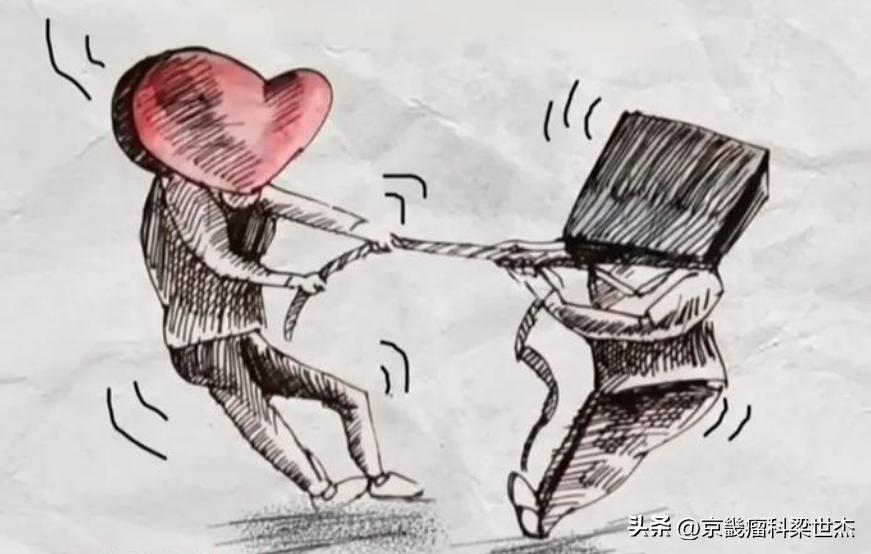
在這紛繁複雜、喧囂浮躁的世間,咱們常常被各種激烈的衝突、極端的觀念攪得暈頭轉向。一會兒是網絡上激烈的罵戰,你方唱罷我登場;一會兒是生活中爲了一點小事就爭得面紅耳赤,互不相讓。可您知道嗎,在這看似充滿火藥味的世界裏,有一股溫柔而強大的力量,正默默地調和着一切,那就是儒道佛醫共同倡導的“和”之理念。
中庸中道中觀:智慧的三重奏
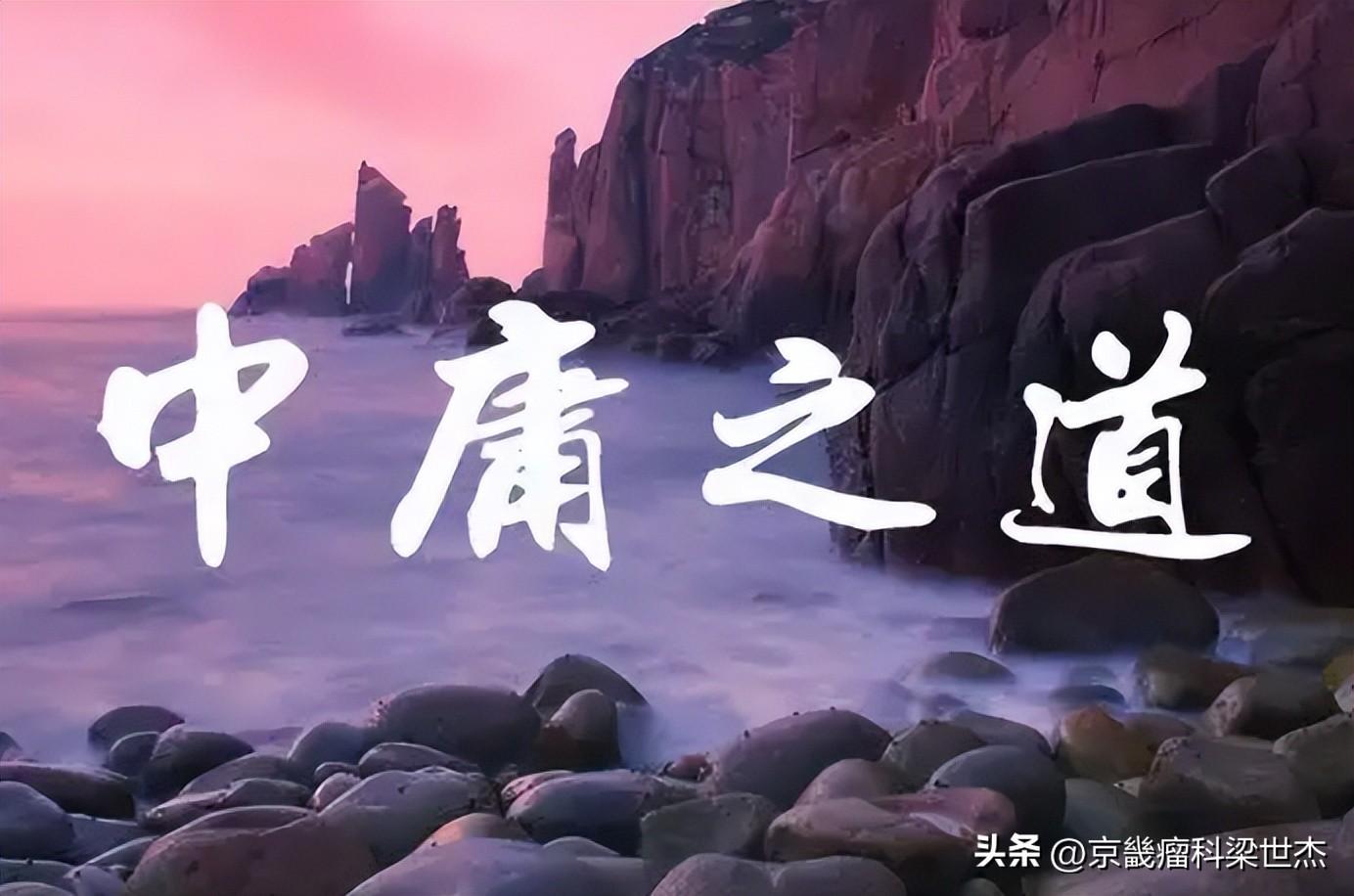
儒家講“中庸之道”,這可不是什麼折中主義、和稀泥。孔子他老人家說:“中庸之爲德也,其至矣乎!”中庸,是一種恰到好處的智慧,就像做菜時放鹽,放少了沒味兒,放多了鹹得齁人,只有放得剛剛好,這菜才美味可口。在生活裏,中庸之道就是讓我們做事不偏不倚,不過分也不不足。比如說,在工作中,既不能偷懶耍滑,也不能把自己累得半死,要找到一個平衡點,既能高效完成任務,又能保持身心健康。據一項職場調查顯示,那些懂得中庸之道、合理安排工作和生活的人,工作效率比那些一味拼命工作的人高出 30%,而且身體也更健康,患職業病的幾率大大降低。
道家講“中道”,這和儒家的中庸有異曲同工之妙。老子說:“萬物負陰而抱陽,衝氣以爲和。”道家認爲,世間萬物都包含着陰陽兩個方面,只有陰陽平衡,才能和諧共生。就像大自然裏的四季輪迴,春天萬物復甦,夏天熱情似火,秋天碩果累累,冬天銀裝素裹,每個季節都有其獨特的美,也都有其存在的意義。如果打破了這種平衡,比如讓夏天一直持續下去,那地球就會變成一個大火爐,生命將無法生存。道家的中道,就是讓我們順應自然規律,不強行干預,讓事物按照自身的節奏發展。
佛家講“中觀”,這是一種超越二元對立的智慧。在佛家看來,世間的一切都是相對的,沒有絕對的好與壞、善與惡。就像一枚硬幣,有正面就有反面,我們不能只看到正面而忽略反面,也不能只喜歡正面而討厭反面。中觀就是讓我們用一種平等、包容的心態去看待世界,不執着於任何一方。比如說,當我們遇到困難和挫折時,不要一味地抱怨和沮喪,也不要盲目地樂觀和逃避,而是要客觀地分析問題,找到解決問題的方法。這種中觀的智慧,能讓我們在紛繁複雜的世界中保持一顆清醒的頭腦,不被情緒所左右。
仁和柔和圓和:情感的和絃
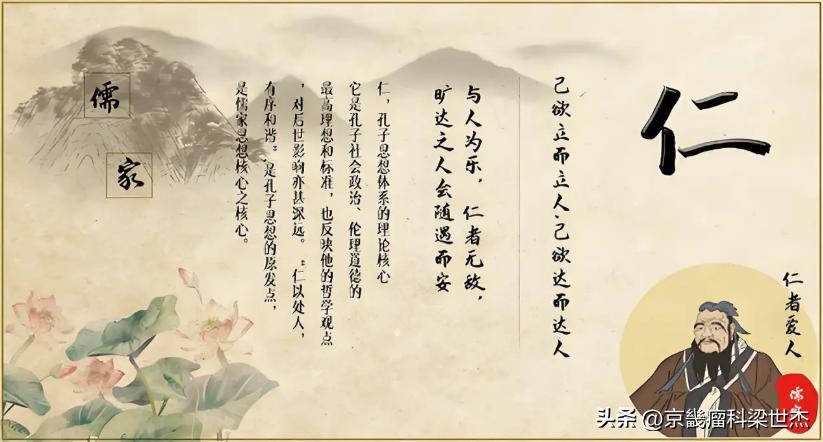
儒家講“仁和”,“仁”是儒家思想的核心,就像一顆溫暖的太陽,照耀着世間萬物。“仁者愛人”,就是要我們關愛他人,尊重他人,與他人和諧相處。在日常生活中,一個微笑、一句問候、一次幫助,都是“仁和”的體現。比如說,在公交車上給老人讓座,這就是一種“仁和”的行爲,它能讓老人感受到社會的溫暖,也能讓我們自己的心靈得到淨化。據一項社會調查顯示,那些經常參與公益活動、關愛他人的人,幸福感比那些自私自利的人高出 50%。這說明,“仁和”不僅能讓我們的人際關係更加和諧,還能讓我們的內心更加充實和快樂。
道家講“柔和”,“柔弱勝剛強”是道家的重要思想。在道家看來,柔弱並不是軟弱無能,而是一種以退爲進、以柔克剛的智慧。就像水一樣,水是世界上最柔軟的東西,但它卻能滴水穿石,能沖毀堅固的堤壩。在生活中,我們也要學會柔和,不要總是鋒芒畢露,與他人硬碰硬。比如說,在與人發生矛盾時,不要一味地爭吵和對抗,而是要冷靜下來,用溫和的方式解決問題。這樣不僅能避免矛盾的激化,還能增進彼此之間的感情。
佛家講“圓和”,“圓”代表着圓滿、無缺,“和”代表着和諧、統一。佛家認爲,世間的一切都是因緣和合而成的,沒有獨立存在的個體。我們要以一種圓融的心態去看待世界,不執着於自己的觀點和利益,要尊重他人的意見和感受。就像一個圓,沒有棱角,沒有衝突,能與周圍的一切和諧相處。在佛教的寺廟裏,僧人們過着平靜、和諧的生活,他們相互關愛、相互幫助,共同追求心靈的解脫。這種“圓和”的生活方式,值得我們每一個人學習。
中醫調和致中:身體的和諧密碼
中醫更是講調和致中,它認爲人體的陰陽平衡是健康的基礎。如果陰陽失調,人體就會生病。就像一臺機器,各個部件之間要協調配合,才能正常運轉。如果某個部件出了問題,機器就會出現故障。中醫通過望、聞、問、切等方法,診斷人體的陰陽失衡情況,然後採用中藥、鍼灸、推拿等方法進行調理,使人體恢復陰陽平衡。比如說,一個人經常感冒,中醫認爲這是人體的陽氣不足,抵抗力下降的表現。通過服用一些溫陽的中藥,如黃芪、桂枝等,可以增強人體的陽氣,提高抵抗力,從而預防感冒。據臨牀統計,採用中醫調理的方法治療慢性疾病,有效率比單純採用西醫治療的方法高出 20%。這說明,中醫的調和致中理念在維護人體健康方面有着獨特的優勢。
“和”之交響,奏響生命華章
儒道佛醫所倡導的“和”之理念,就像一首美妙的交響曲,儒家的中庸之道是激昂的主旋律,道家的中道是悠揚的副歌,佛家的中觀是靈動的間奏,中醫的調和致中是和諧的伴奏。它們相互交融、相互補充,共同奏響了生命的華章。
在這個充滿挑戰和機遇的時代,我們更需要“和”之理念的指引。讓我們以中庸中道中觀的智慧,看待世間的紛繁複雜;以仁和柔和圓和的情感,與他人和諧相處;以中醫調和致中的方法,維護身體的健康。讓“和”之花在我們的生活中綻放,讓我們的世界變得更加美好!
朋友們,讓我們一起擁抱“和”之理念,在人生的道路上奏響屬於自己的和諧樂章吧!
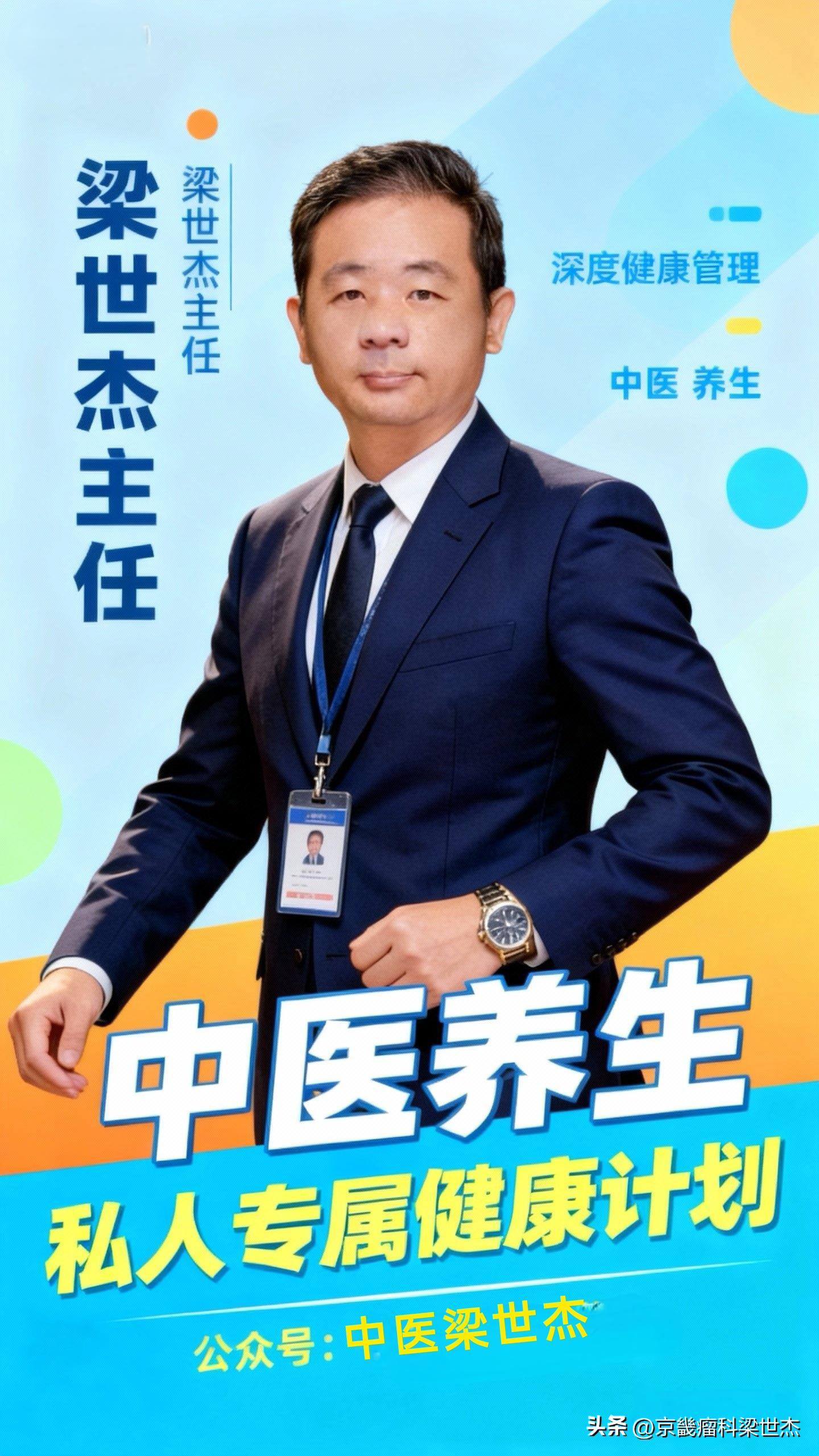
作者簡介:梁世傑 原首都醫科大學中醫門診部中醫主治醫師,京畿瘤科創始人,本科學歷,從事中醫臨牀工作25年,積累了較豐富的臨牀經驗。師從首都醫科大學附屬北京中醫院肝病科主任醫師、著名老中醫陳勇,侍診多載,深得器重,盡得真傳!擅用“商湯經方分類療法”、專病專方結合“焦樹德學術思想”“關幼波十綱辨證”學術思想治療疑難雜症爲特色。現任北京樹德堂中醫研究院研究員,北京中醫藥薪火傳承新3+3工程—焦樹德門人(陳勇)傳承工作站研究員,國際易聯易學與養生專委會常務理事,中國中醫藥研究促進會焦樹德學術傳承專業委員會委員,中國藥文化研究會中醫藥慢病防治分會首批癌症領域入庫專家。榮獲2020年中國中醫藥研究促進會仲景醫學分會舉辦的第八屆醫聖仲景南陽論壇“經方名醫”榮譽稱號。2023年首屆京津冀“扁鵲杯”燕趙醫學研究主題徵文優秀獎獲得者。事蹟入選《當代科學家》雜誌、《中華英才》雜誌。
The Great Wisdom of Harmony: A Life Symphony of Confucianism and Buddhism
In this complex, tumultuous world, we are often confused by the fierce conflicts and extreme ideas of all kinds. For a while there was a fierce scuffle on the Internet, with you singing and I taking the stage; At one point, it was a matter of life when we fought over a little thing and couldn''t give in to each other. But did you know that in this seemingly combustible world, there is a gentle and powerful force that quietly reconciles everything: the concept of "peace" advocated by Confucianism and Buddhism?
Middleman, Middle Way, Middle Perspective: A Trilogy of Wisdom
Confucianism talks about the "moderate way," which is not some kind of compromise or shallowness. Confucius said, "A moderate person is a virtue, and it is the greatest." Moderateness is just the right kind of wisdom, like when cooking a dish, salt is not flavorful when it is less, salt is too salty when it''s too much. Only if it''s just right can the dish be delicious. In life, the right way is for us to do things without bias, without excess or without adequacy. For example, at work, you can neither become lazy nor exhaust yourself half-dead, and find a balance to accomplish tasks efficiently while maintaining your physical and mental health. According to a workplace survey, those who know the right way to organize their work and life are 30 percent more productive than those who work hard, and they are also healthier and have a much lower risk of occupational diseases.
Taoists speak of "the middle way," which is similar to Confucian middleness. Lao Tzu says, "All things bear the yin and the yang, and they believe in harmony with their compassion." Taoism believes that all things in the world contain both yin and yang aspects, and only yin and yang balance can harmoniously coexist. Just like the four seasons in nature, when everything comes back in spring, summer is passionate, autumn is fruitful, winter is filled with silver, each season has its own unique beauty and its own significance. If this balance is broken, for example by allowing summer to continue, then the Earth will become a big furnace and life will not survive. The middle way of Taoism is for us to conform to the laws of nature, not to force our intervention, and let things develop at their own pace.
The Buddhists speak of "the Middle View," which is a kind of wisdom that transcends dualism. In the Buddhist view, everything in the world is relative, there is no absolute good or bad, good or evil. Like a coin, there are positives and negatives. We cannot just see the positives and ignore the negatives, nor can we just like the positives but hate the negatives. Central thinking is about us looking at the world with an equal and inclusive mindset, without being attached to either side. For example, when we encounter difficulties and setbacks, don''t complain and be frustrated, and don''t be blindly optimistic and evasive, but instead, analyze the problem objectively and find a solution to the problem. This wisdom of the medium can enable us to maintain a clear mind in the complex world and not be swayed by emotions.
Kindness and gentleness and circularity: the chord of emotion
Confucianism speaks of "integrity and harmony," and "integrity" is the core of Confucian thought, like a warm sun that shines on all things in the world. "The virtuous loves others" means that we need to care for others, respect others, and live in harmony with others. In daily life, a smile, a greeting, and a help are all expressions of "mercy and harmony." For example, giving up your seat to the elderly on the bus is a kind of "humane" behavior, which can make the elderliness feel the warmth of society and also cleanse our own minds. According to a social survey, those who regularly participate in public welfare activities and care for others have a 50 percent higher happiness rate than those who are selfish. This shows that ''harmony'' not only makes our interpersonal relationships more harmonious, but also makes our inner ones more full and happy.
Taoists talk about "softness," and "softness beats strongness" is an important Taoist idea. In the view of Taoism, weakness is not weakness and incompetence, but a kind of wisdom that takes a step backward and defeats a rigidity. Like water, water is the softest thing in the world, yet it can drip through stones and wash away solid embankments. In life, we should also learn to be soft and not always be sharp and tough with others. For example, when conflicts occur with people, don''t always argue and confront, but calm down and solve the problem in a gentle way. This not only avoids the intensification of conflicts, but also enhances mutual affection.
Buddhism speaks of "roundness and unity." The word "round" represents completeness and lack of fault, and the word "peace" represents harmony and unity. According to the Buddhists, all things in the world are created by cause and confluence, and there are no individuals that exist independently. We should look at the world with a rounded mind, not attached to our own views and interests, and respect the opinions and feelings of others. Like a circle, with no angles and no conflicts, it can live in harmony with everything around it. In Buddhist temples, monks live a peaceful and harmonious life. They love and help each other, and they jointly pursue spiritual liberation. This "round and squared" way of life is something that each of us deserves to learn.
TCM reconciliation and healing: the body''s code of harmony
TCM is even more concerned with harmony and reconciliation, which believes that yin and yang balance in the human body is the foundation of health. If yin and yang are disturbed, the human body will become ill. Like a machine, the various components need to work together in order to function properly. If something goes wrong, the machine will fail. Traditional Chinese medicine diagnoses the yin-yang imbalance of the human body by looking, smelling, asking, and cutting, and then uses traditional Chinese medicine, acupuncture, and massage to restore the yin- yang balance. For example, if a person frequently catches a cold, traditional Chinese medicine believes that this is a sign of the body''s lack of energy and declining resistance. By taking some Chinese herbal medicines for the warmth of the body, such as huangji and liquorice, it can enhance the body''s masculine spirit and improve resistance, thereby preventing colds. According to clinical statistics, the use of traditional Chinese medicine to treat chronic diseases is 20% more effective than the use of Western medicine alone. This shows that the concept of reconciliation and healing of traditional Chinese medicine has a unique advantage in safeguarding human health.
The symphony of ''and'' plays a wonderful song of life.
The concept of "harmony" advocated by Confucianism and Buddhism is like a wonderful symphony. The moderate approach of Confucianism is the fiery main melody, the moderate approach in Taoism is the melodious secondary song, the moderating approach in Buddhism was the musical interlude, and the harmony and conciliation of traditional Chinese medicine was the harmonious accompaniment. They merge and complement each other, and together they celebrate life.
In these times of challenges and opportunities, we need the guidance of the concept of "and." Let us see the complexities of the world with the wisdom of a moderate and a moderated view. Live in harmony with others with gentle and round feelings; Use traditional Chinese medicine to reconcile and heal your body to maintain your health. Let the flowers of "and" blossom in our lives and make our world a better place!
Friends, let us all embrace the concept of "and" and strike a harmonious note of our own on the road to life.
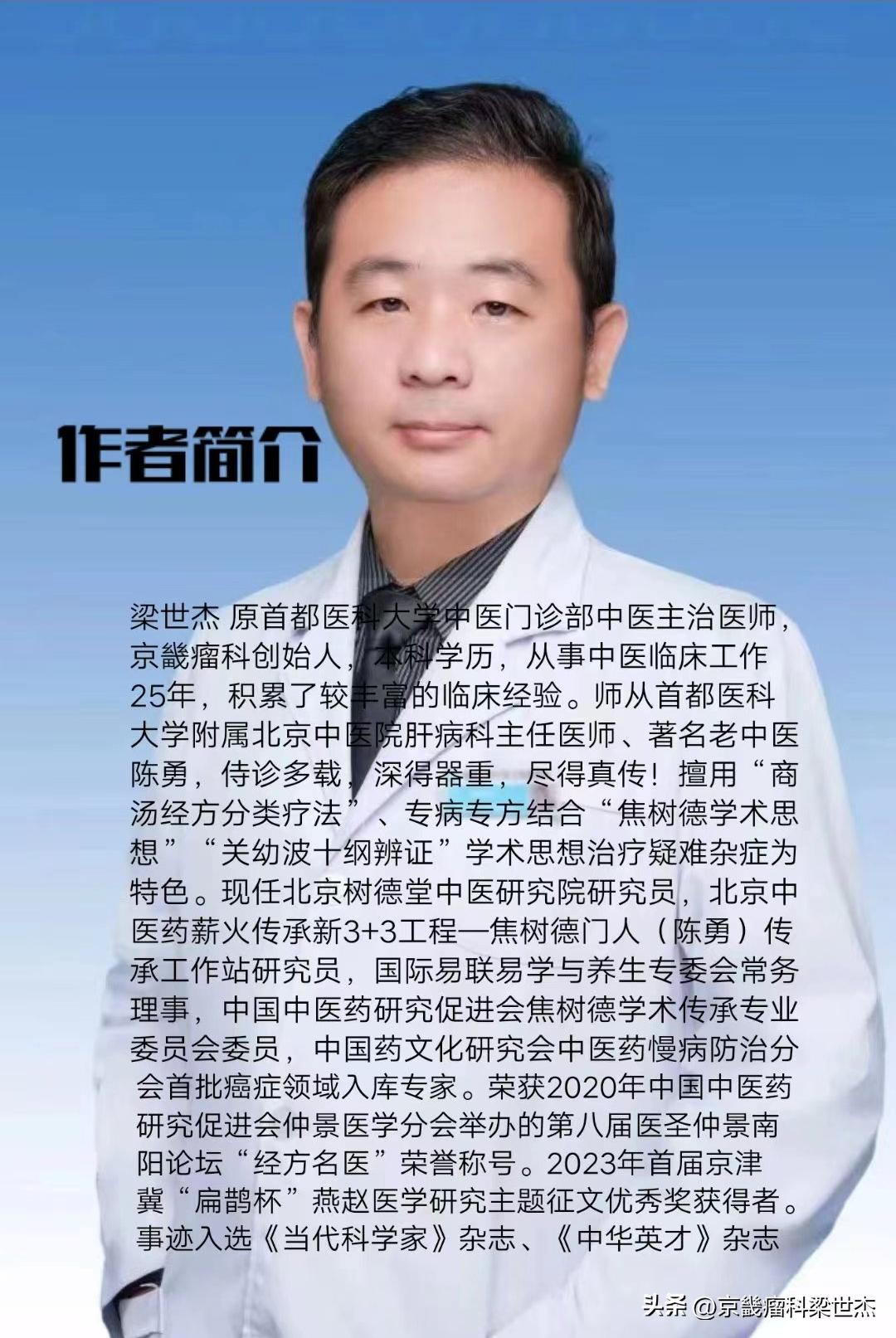
Author profile: Liang Shi-jie was a chief physician of traditional Chinese medicine at the Traditional Chinese Medicine Outpatient Clinic of Capital Medical University. He was the founder of Jingyi Tumor Clinic. He holds a bachelor’s degree and has been engaged in clinical work in traditional Chinese medicine for 25 years, accumulating extensive clinical experience. He studied under Chen Yong, a renowned senior traditional Chinese medicine practitioner at the Hepatology Department of Beijing Traditional Chinese Medicine Hospital affiliated to Capital Medical University. Over the years, he gained great respect and acquired genuine expertise. He specializes in using the “Shang Tang Classic Classification Therapy” and combining specific treatments for specific diseases with the “Jiao Shu-de Academic Thought” and the “Guan You-bo Ten-Principle Diagnosis” approach to treat complex medical conditions. He is currently a researcher at the Beijing Shu-de-Tang Traditional Chinese Medicine Research Institute and a researcher at the Beijing New 3+3 Project for the Inheritance of Traditional Chinese Medicine – Jiao Shu-de’s Disciples (Chen Yong) Heritage Workstation. He is a Standing director of the International Yi-lian Yi-xue and Health Preservation Committee and a member of the Committee for the Inheritance of Jiao Shu-de’s Academic Thought of the China Research Promotion Association for Traditional Chinese Medicine. He is also a member of the inaugural Cancer Expert Pool of the China Cultural Research Association for Traditional Chinese Medicine’s Prevention of Chronic Diseases. He was awarded the title of “Expert in Classic Prescriptions” at the Eighth Nanyang Forum of the Zhang Zhongjing Medical Division of the China Research Promotion Association in 2020. In 2023, he won the Excellence Award in the First Beijing-Tianjin-Hebei “Bian Que Cup” Yan-Zhao Medical Research Theme Essay Competition. His achievements have been featured in the magazines “Contemporary Scientists” and “China’s Elite”.