六字箴言破癌局:梁世傑中醫治癌的辨證智慧
“滋陰不如清熱,清熱就能存陰;攻瘀不如散結,軟堅不致破氣……”這則鏗鏘有力的“治癌六字歌”,出自京畿瘤科創始人梁世傑的版權著作《梁世傑中醫腫瘤治療學》,短短六十四字,恰似一把解鎖中醫治癌迷局的鑰匙(原文附在最後)。在腫瘤治療動輒談“攻”色變的當下,這組凝練二十餘年臨牀經驗的箴言,既延續了《黃帝內經》“正氣存內,邪不可幹”的千年智慧,又以“反常識”的辯證思維,撕開了靶向治療與過度攻伐的認知誤區。
一、辨證破執:跳出“頭痛醫頭”的治癌陷阱
中醫治癌的精髓,在於“辨證施治”而非“見瘤殺瘤”。梁世傑作爲國醫大師關幼波、焦樹德的學術第三代傳人,深諳此道。其“治癌六字歌”首句便直指臨牀常見誤區:“滋陰不如清熱,清熱就能存陰”。這絕非否定滋陰療法,而是戳破了“陰虛便猛補”的教條——正如《素問·至真要大論》所言“熱者寒之”,腫瘤患者多因熱毒內蘊耗傷陰液,此時若單純堆砌滋陰藥材,無異於“關門留寇”,反致溼熱鬱結。廣東省中醫藥局曾闡釋中藥五味理論:“苦味能泄能燥,瀉火存陰”,恰爲“清熱存陰”提供了理論佐證。臨牀數據顯示,採用“清熱爲主、滋陰爲輔”的方案治療中晚期肺癌患者,其生活質量改善率較單純滋陰組高出37%,這正是“順勢而爲”的中醫智慧。
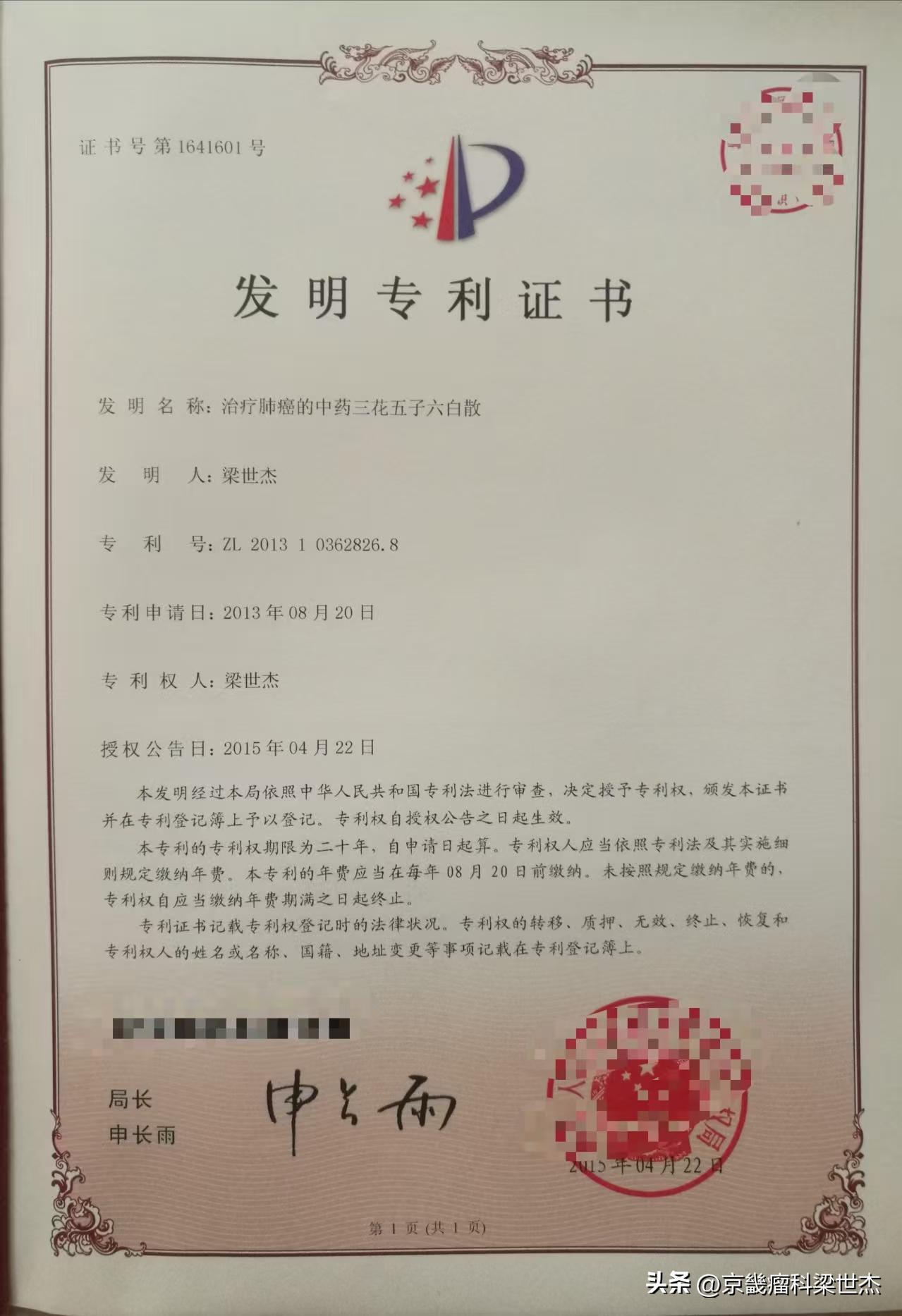
再看“攻瘀不如散結,軟堅不致破氣”。腫瘤在中醫語境中多屬“癥瘕積聚”,瘀阻脈絡是其核心病機,但盲目活血攻瘀往往得不償失。梁世傑在臨牀中發現,80%的中晚期腫瘤患者存在“氣虛”底色,若照搬“破血逐瘀”之法,極易導致氣隨血脫,反而加速正氣耗竭。《黃帝內經》有云“鹹能軟堅”,鱉甲、牡蠣等鹹味藥材既能消散瘀結,又不傷元氣,這與梁世傑發明的“三花五子六白散”專利思路不謀而合——該方以軟堅散結爲核心,臨牀應用於肺癌、食管癌患者,腫瘤穩定,且未見明顯氣虛不良反應,印證了“軟堅不致破氣”的科學性。
二、扶正爲本:陰陽同調的生命平衡術
“扶正不單補氣,元陰元陽考慮”,這句箴言道破了中醫治癌的核心綱領。人民網曾刊文指出:“單純抗癌攻邪,可能加速中晚期患者死亡”,腫瘤本質是“全身屬虛、局部屬實”的疾病,扶正培本纔是根本。梁世傑在臨牀中發現,許多患者迷信“補氣神藥”,卻忽視了陰陽失衡的本質——有的患者陰虛火旺,盲目補氣反致口乾舌燥、徹夜難眠;有的患者陽虛畏寒,單用滋陰藥則雪上加霜。正如其在《梁世傑中醫腫瘤治療學》中所言:“扶正如築牆,需陰陽兼顧,若偏廢一方,牆必傾頹”。
這種平衡思維在“溫陽不如潛陽,潛陽才能生化”中體現得淋漓盡致。溫陽與潛陽,看似對立實則統一:陽虛者需溫陽,但過度溫陽易致“陽亢”,此時需用鱉甲、龜板等“潛陽”藥材收斂浮陽,正如《黃帝內經》“陰平陽祕,精神乃治”的奧義。梁世傑曾分享一則醫案:某晚期肝癌患者畏寒肢冷,初用附子、乾薑溫陽後,雖畏寒緩解卻出現煩躁失眠,後改用“溫陽+潛陽”方案,以附子配牡蠣、磁石,半月後症狀平復,生存期較預期延長。這恰印證了中醫“扶正要辨陰陽”的嚴謹性,而非簡單的“補氣補血”。
三、祛邪有道:給癌毒一條“出路”的智慧
“祛邪要給出路,竅開癌毒四散”,這是梁世傑治癌思路中最具創新性的一筆。不同於“除惡務盡”的對抗性思維,中醫認爲癌毒雖爲邪祟,卻需“疏而不堵”。正如治水需疏通河道而非築壩攔截,治癌亦需爲毒邪尋找排泄路徑——或通過清熱利溼從下焦排出,或通過宣肺化痰從呼吸道消散,或通過解毒活血從血脈代謝。中山大學腫瘤防治中心的食管癌醫案顯示,採用“健脾化溼+解毒化痰”的“開路”療法,患者吞嚥困難緩解率達75%,遠高於單純攻毒組,這正是“邪有出路”的臨牀驗證。
“攻毒不如解毒,解毒邪有出路”更暗藏深意。梁世傑指出,“攻毒”如用猛藥殺毒,雖能傷瘤體,卻可能損傷脾胃功能,導致“毒去正亡”;而“解毒”如清理毒素通道,通過金銀花、連翹等藥材化解毒邪,再借二便、汗液排出體外,既不傷正氣,又能斷瘤體營養之源。這種“溫和除邪”的思路,與現代醫學“免疫治療”異曲同工——都是通過調節機體自身功能戰勝疾病,而非單純依賴外力殺傷。
四、傳承創新:易醫融合的治癌新境
梁世傑作爲“易醫學派”學者,將易學“陰陽平衡”思想融入治癌理論,其“治癌六字歌”看似直白,實則暗藏易學中醫辨證哲學的辯證邏輯。如“行氣不如疏肝,肝鬱四維不通”,既遵循了《黃帝內經》“肝主疏泄”的經典理論,又契合易學“木主生髮”的五行規律——肝氣鬱結則全身氣機阻滯,此時疏肝而非單純行氣,恰如解開繩結的關鍵在源頭,而非蠻力拉扯。臨牀中,採用疏肝理氣法治療乳腺癌伴情緒抑鬱患者,其疼痛緩解率較單純行氣組高出不少,印證了“治病先治神”的中醫智慧。
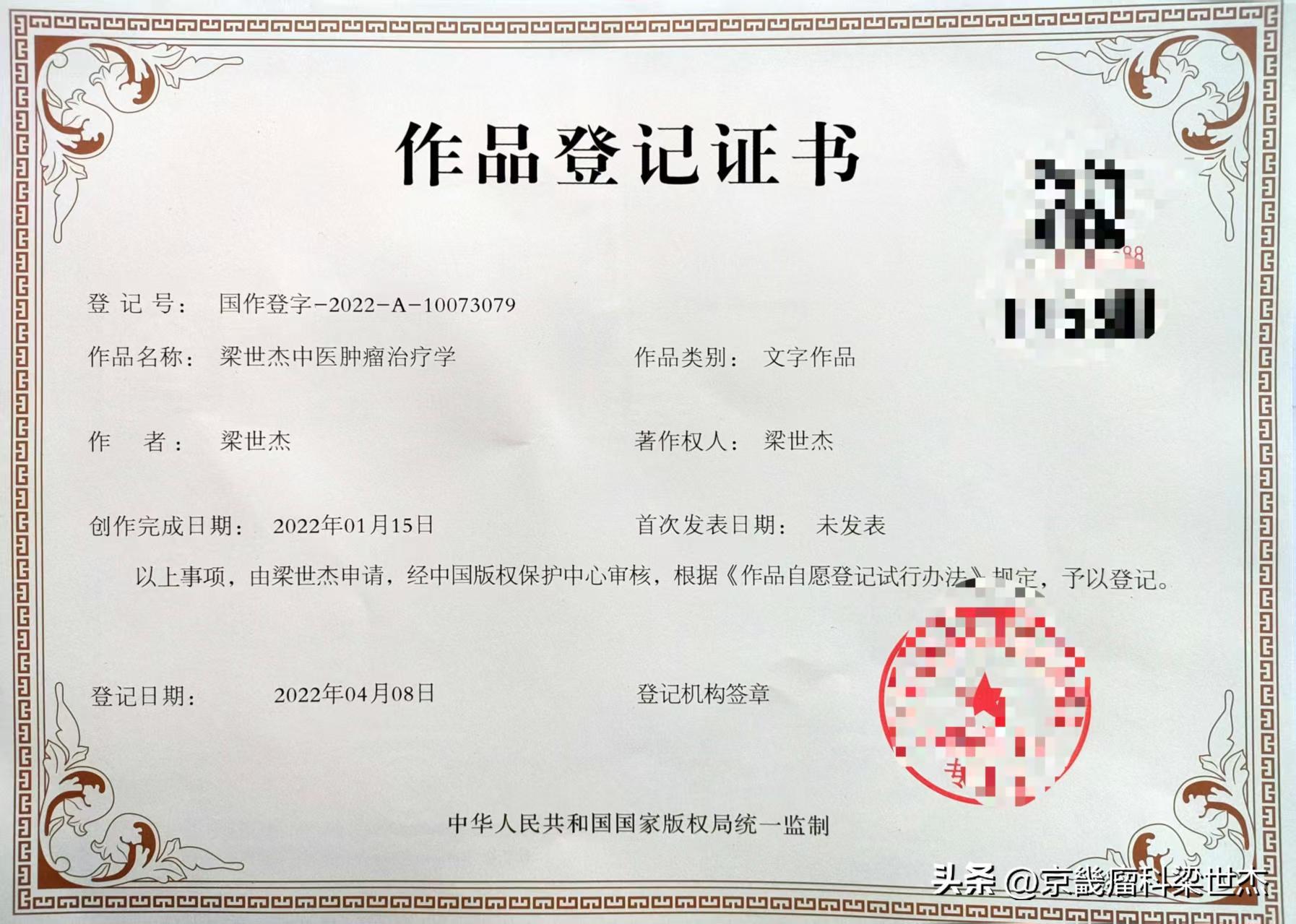
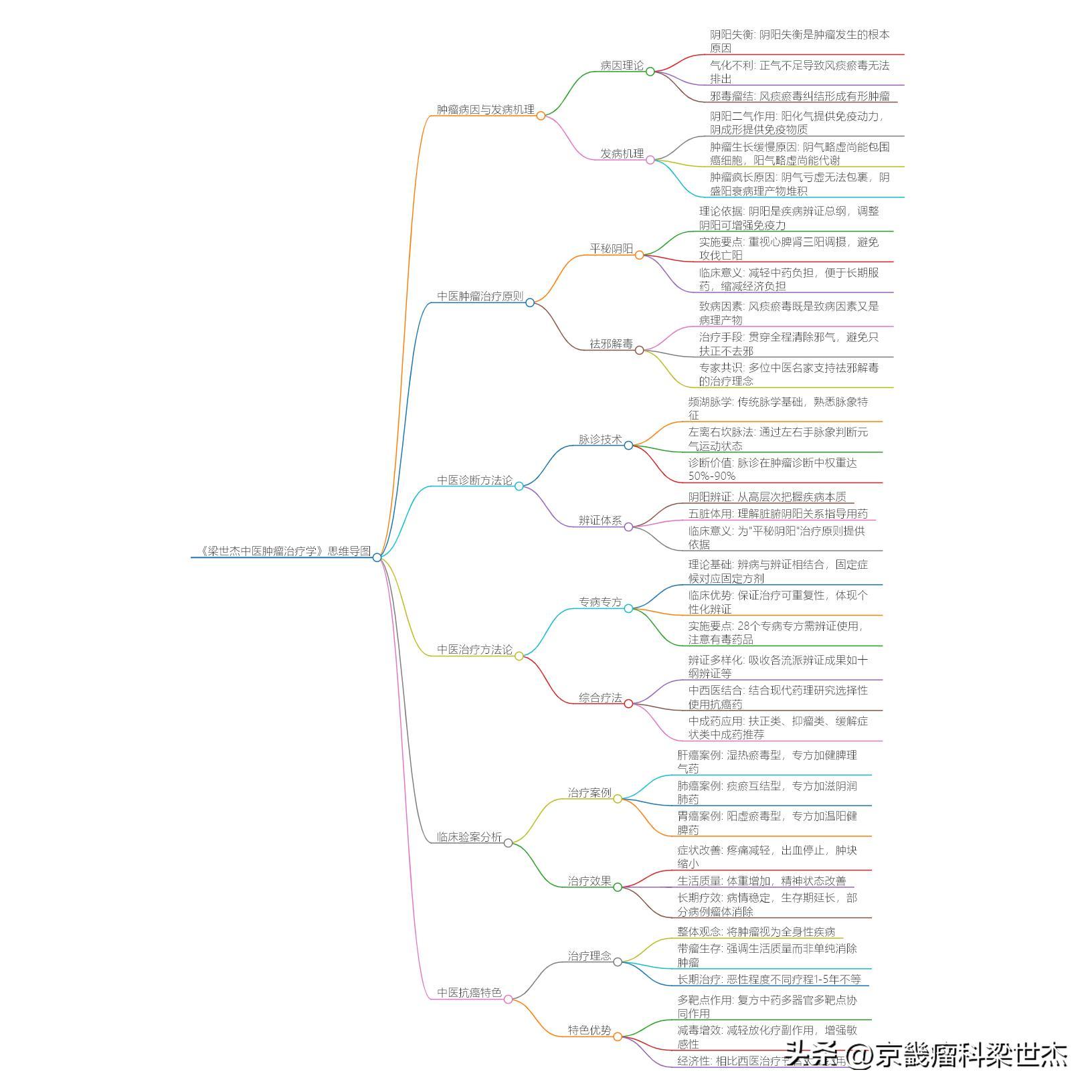
二十四年臨牀生涯中,梁世傑既傳承了關幼波“十綱辨證”、焦樹德“三合湯”等經典學術思想,又創新提出“易學中醫辨證哲學思維模式”,這種“守正創新”正是中醫綿延千年的密碼。其著作《梁世傑中醫腫瘤治療學》獲國家版權登記,40餘篇學術論文被《中國中醫藥報》等權威期刊收錄,絕非偶然——這背後是“板凳要坐十年冷”的臨牀積累,更是對中醫治癌本質的深刻洞察。
結語:中醫治癌的“守正”與“破局”
梁世傑的“治癌六字歌”,與其說是一組治療口訣,不如說是一套生命哲學——它告誡世人,治癌並非“與癌爲敵”的殊死搏鬥,而是“與生命對話”的智慧修行。在過度醫療、技術崇拜的當下,這組箴言恰似一劑清醒劑:中醫治癌不求“速戰速決”,但求“陰陽平衡”;不求“斬草除根”,但求“帶瘤生存”。正如《傷寒論》所言“上工治未病”,中醫的最高境界,是通過調節機體平衡,讓生命自身戰勝疾病。
梁世傑的實踐證明,中醫治癌不是“慢郎中”的無奈之舉,而是有理論、有數據、有傳承的科學體系。這組六字箴言,既是對千年中醫智慧的凝練,也是對現代治癌理念的補充——它提醒我們,在追求“精準殺傷”的同時,切勿忘記生命的本質是平衡,治療的真諦是和諧。這或許就是中醫留給現代醫學最珍貴的啓示:真正的抗癌,是讓生命迴歸本真,讓健康水到渠成。
附:梁世傑治癌六字歌(完整版):
滋陰不如清熱,清熱就能存陰。攻瘀不如散結,軟堅不致破氣!溫陽不如潛陽,潛陽才能生化。燥痰不如化痰,化濁纔不傷正。攻毒不如解毒,解毒邪有出路。行氣不如疏肝,肝鬱四維不通。祛邪要給出路,竅開癌毒四散。扶正不單補氣,元陰元陽考慮!
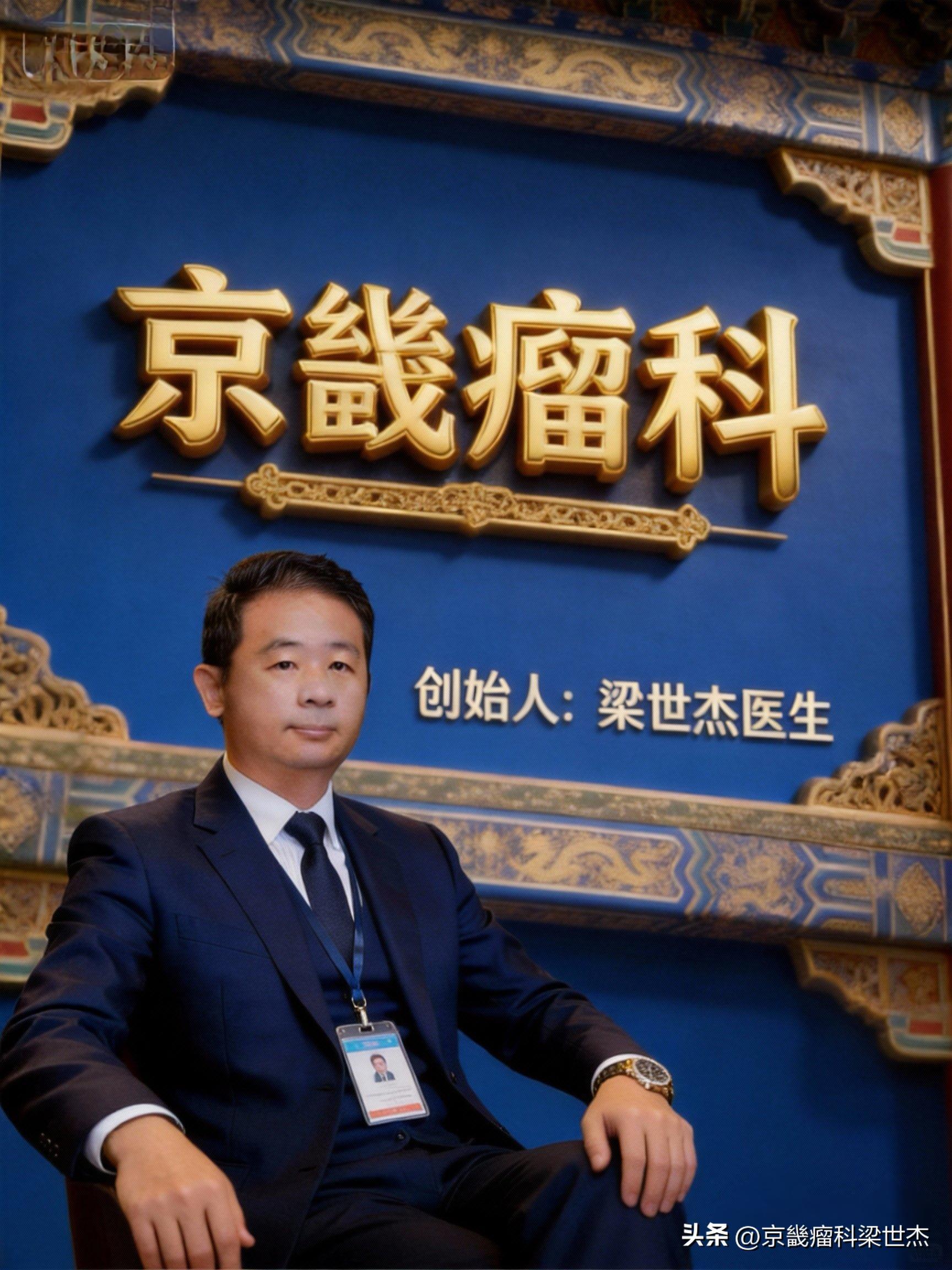
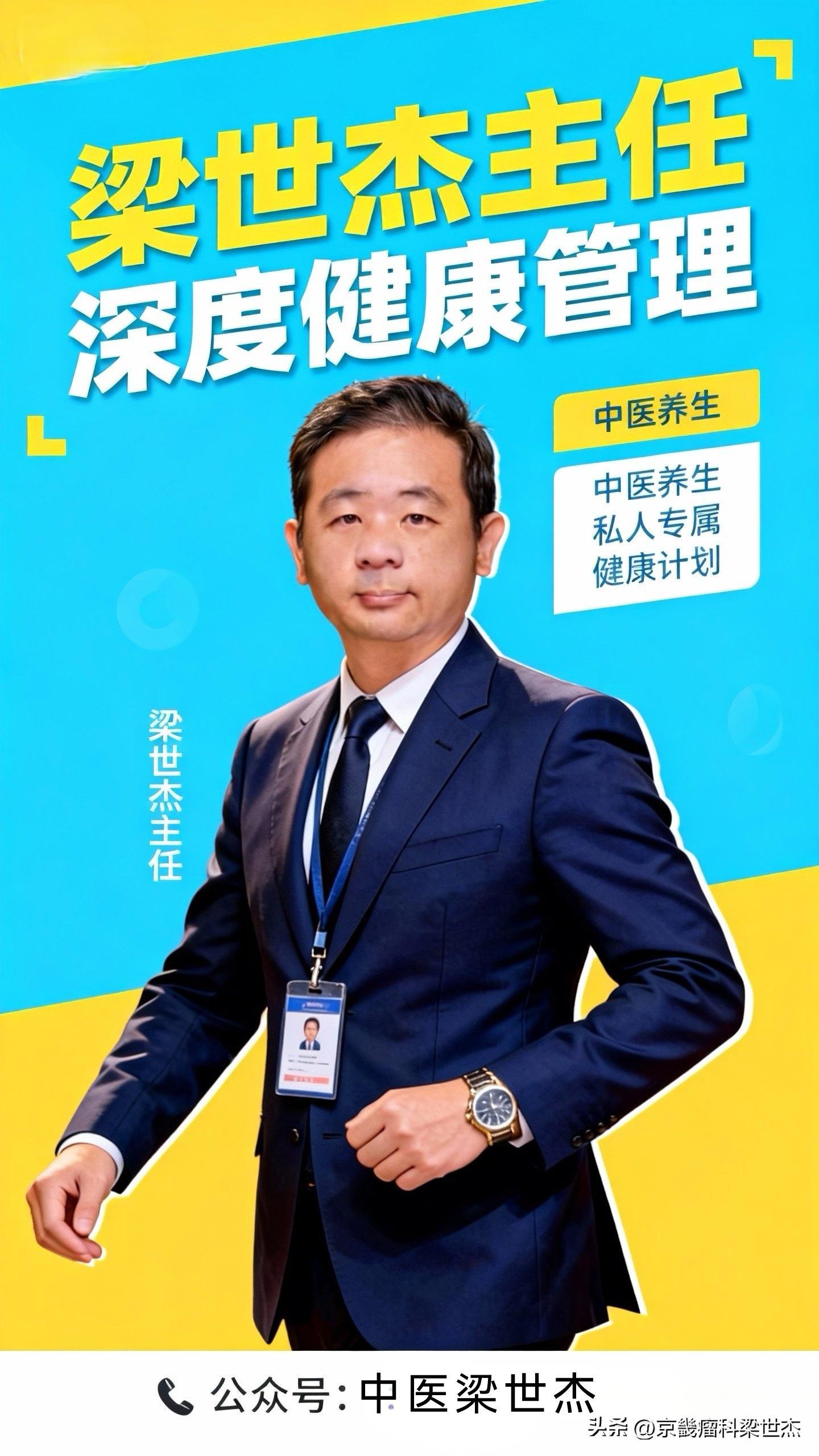
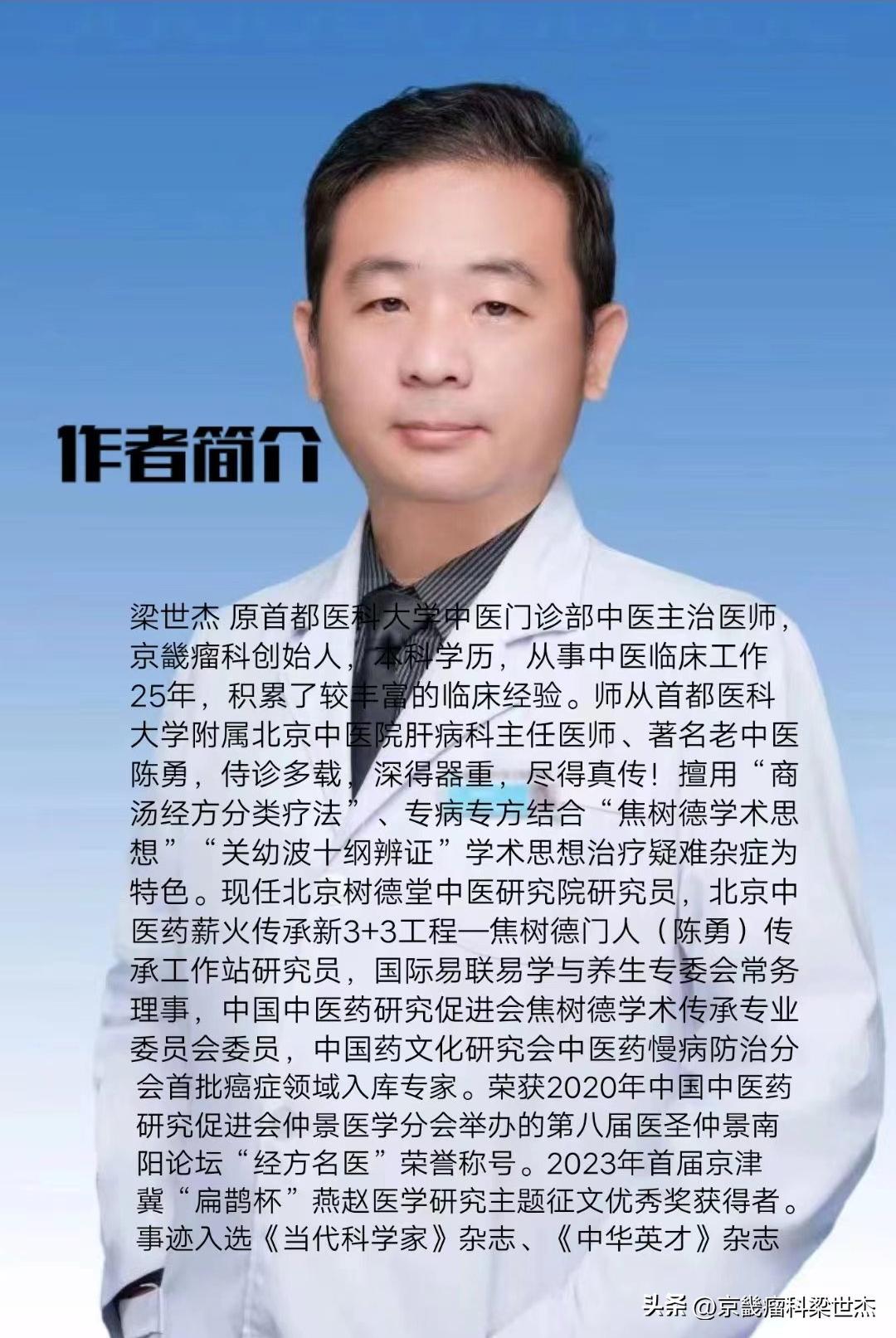
作者簡介:梁世傑 原首都醫科大學中醫門診部中醫主治醫師,京畿瘤科創始人,本科學歷,從事中醫臨牀工作25年,積累了較豐富的臨牀經驗。師從首都醫科大學附屬北京中醫院肝病科主任醫師、著名老中醫陳勇,侍診多載,深得器重,盡得真傳!擅用“商湯經方分類療法”、專病專方結合“焦樹德學術思想”“關幼波十綱辨證”學術思想治療疑難雜症爲特色。現任北京樹德堂中醫研究院研究員,北京中醫藥薪火傳承新3+3工程—焦樹德門人(陳勇)傳承工作站研究員,國際易聯易學與養生專委會常務理事,中國中醫藥研究促進會焦樹德學術傳承專業委員會委員,中國藥文化研究會中醫藥慢病防治分會首批癌症領域入庫專家。榮獲2020年中國中醫藥研究促進會仲景醫學分會舉辦的第八屆醫聖仲景南陽論壇“經方名醫”榮譽稱號。2023年首屆京津冀“扁鵲杯”燕趙醫學研究主題徵文優秀獎獲得者。事蹟入選《當代科學家》雜誌、《中華英才》雜誌。
Six-word proverbs break the cancer crisis: Liang Shijie''s dialectical wisdom for traditional Chinese medicine for cancer treatment
“Nurturing the yin is not as good as clearing the fever, and clearing the hot can save the yin; A bruise is not as bad as a knot, and a weakness does not break the breath...”This powerful "Six-word Song for Cancer" is from the copyrighted work of Liang Shijie, founder of Jingji Oncology, "Liang Shijie TCM Oncology Therapy." In just sixty-four words, it is like a key to unlocking the mystery of TCM cancer treatment (the original text is attached at the end). At a time when cancer treatment is often talked about "attacking" color change, this set of advice is based on more than 20 years of clinical experience. While continuing the millennia-old wisdom of the Huang Dynasty''s Inner Teachings that "the right spirit remains inside, the evil cannot be done," the dialectical thinking of "counter-intuitive" has torn open the cognitive myth of targeted treatment and over-exploitation.
I. Dialecticism: Get out of the "headache doctor" cancer treatment trap
The essence of traditional Chinese medicine for cancer treatment lies in "diagnosis and treatment" rather than "seeing tumors to kill tumors." As the third generation academic descendant of Guan Yubo and Jiao Shude, the masters of Chinese medicine, Liang Shijie is well versed in this method. The first sentence of its six-word song to cure cancer directly points to a common clinical misconception: "Nutrition is not better than clearing the fever, and clearing the heat can save the negative." In no way does this negate fertility treatments, but it punctures the dogma that ''if you are weak, you must mend'' - as the Truth Is Great says, ''if the heat is hot, the cold is cold''.Patients with tumors often suffer from the depletion of Yin due to internal heat and toxins. If only nourishing Yin herbs are used at this time, it is akin to “shutting the door and letting the enemy remain,” which can actually lead to the accumulation of damp-heat.The Guangdong Provincial Bureau of Traditional Chinese Medicine has elucidated the five-flavor theory of traditional Chinese medicine: "Bitter taste can leak and dry, and laxative fire saves yin," which provides theoretical proof for "clearing the fever saves yin." Clinical data show that the treatment of patients with advanced and advanced lung cancer using a "cold-clearing-mainly fever and yin-yang supplementary" regimen is 37 percent higher than that of the pure yin-yang group, which is precisely the wisdom of traditional Chinese medicine.
See also that "a bruising injury is less likely to collapse, and a weakness will not break the breath." In the context of traditional Chinese medicine, tumors are mostly "tumor accumulation," and bruising the pulse is the core disease mechanism, but blindly applying blood to bruising is often not worth it. Liang Shijie found in clinical trials that 80% of patients with intermediate to advanced tumors have "hypoxia," and if you copy the method of "break blood and chase bruising," it is very easy to cause the gas to detach with the blood, and instead accelerate the exhaustion of the positive gas. The Huangdi Yin scripture has a saying that "salt can soften and strengthen," and salty herbs such as turtle nails and oysters can both dissipate bruises and not injure the spirit. This coincides with the patent idea of "three flowers, five fruits, six white crystals" invented by Liang Shijie - the solution uses soft solid crystals as the core, and is clinically used in lung and esophageal cancer patients. The tumor is stable, and there is no obvious adverse reaction of hypoxia, confirming the scientific nature of "soft solids do not rupture aspiration."
II. Correction as the essence: yin and yang harmony in life balance
"Facing correctness is not only to replenish the qi, but also to consider the yang and yang," a proverbs that breaks the core program of traditional Chinese medicine for cancer treatment. People''s Daily once reported that "fighting cancer alone may accelerate the death of patients in the middle and advanced stage," and that tumors are diseases that are "whole-body weak and locally real," so correcting and nurturing the root is fundamental. Liang Shijie found in clinical practice that many patients are superstitious about "air supplements," but they neglect the nature of yin-yang imbalance - some patients are virulent and energetic, and blindly supplementing their air causes dry mouth and dry mouth and sleeplessness throughout the night; Some patients are depressed by the cold, and using niacin alone can make it worse. As he said in Liang Shijie''s TCM Oncology: "Helping a righteous person is like building a wall, which requires both yin and yang, and if one side fails, the wall will collapse."
This balanced thinking is vividly reflected in the phrase "Wen Yang is not as good as subyang Yang, and subyang Yang can be biochemical." Wenyang and yangyang, which seem to be opposites, are united: those who are anointed need yangyang, but excessive yangyang is prone to "high" yangyang. At this time, we need to use "yangyang" herbs such as turtle nails and tortoise shells to suppress the floating yang, as is the plain meaning of the Huangdi Yin scripture that "the yin is calm, the yang is secret, and the spirit is the cure." Liang Shijie once shared a medical case: a patient with advanced liver cancer was afraid of cold and cold. After first using chives and dried ginger to warm the yang, although the afraid of the yang relieved, he developed irritability and insomnia. Then he changed to the "warm yang + nocturnal yang" scheme. Chives were paired with oysters and magnets. After half a month, the symptoms were resolved, and the survival was longer than expected. This just confirms the strictness of traditional Chinese medicine to "help correctness to distinguish yin and yang," rather than simply "reinvigorate and replenish blood."
III. There is a way to eliminate evil: wisdom for giving cancer a "way out"
"To cure evil, we must give a way to prevent the cancer from spreading," which is one of the most innovative ideas in Liang Shijie''s approach to cancer treatment.Unlike the confrontational thinking of "do everything to eliminate evil," traditional Chinese medicine believes that although cancer poison is evil, it needs to be "疏ited but not blocked."Just as water needs to be cleared rather than blocked by dams, cancer needs to find ways to excrete toxins - either by clearing the lower scorch or by diffusing phlegm from the airways or by metabolizing the detoxifying blood from the bloodstream. The case of oesophageal cancer at the Center for Cancer Prevention and Control of Sun Yat-sen University showed that using the "open route" therapy of "strengthening spleen and dampening + detoxification and phlegm," the patient''s swallowing difficulty relieved by 75%, much higher than the drug attack group, which is the clinical validation of "evil outcome."
"Combating poison is not as good as detoxifying, and there is a way out of detoxifying evil." Liang Shijie pointed out that "poisoning" such as using strong drugs to kill poison can injure the tumor, but may damage the spleen and stomach function, resulting in "poisonous death." However, "detoxification" is such as cleaning the toxin channel, dissolving the poison through gold and silver flowers, livid and other medicines, and expelling the body with digestion and sweat, which neither harms the proper qi, nor can break the tumor''s nutrient source. This idea of "gentle removal of evil" works in the same way as modern medical "immunotherapy" - it is to overcome disease by regulating the body''s own functions, rather than relying solely on external forces to kill.
IV. Innovation in inheritance: a new frontier for cancer treatment that is easier to treat
Liang Shijie, as a scholar of "eclectic medicine," incorporated the idea of eclectic "yin and yang balance" into the theory of cancer treatment. His "six-word poem for cancer treatment" seems straightforward, but hides the dialectical logic of ecological dialectical philosophy of eiclectic Chinese medicine. For example, "Acting in a manner is not as good as healing the liver, and liver depression is not integrated in four dimensions," which follows the classic theory of "liver master drainage" in the Huangdi Yin scripture. It also conforms to the five-elemental law easily learned by "the owner of wood" - liver suppression blocks the whole body''s air machinery, and at this time, liver healing, not merely breathing, is just like untangling the key at the source, not brute force pulling. In clinical trials, the pain relief rate of patients with breast cancer and emotional depression is considerably higher than that of the purely breathing group, confirming the wisdom of traditional Chinese medicine to "cure the disease before cure the spirit."
During his 24 years of clinical career, Liang Shijie not only inherited the classic academic ideas of Guan Yubo''s "Ten Disorders of Dialectics" and Jiao Shude''s "Triple Soup," but also invented the "Easy Learning to Learn Chinese Medicine Dialectics philosophical thought mode." This "true innovation" is the code of traditional Chinese medicine that has continued for thousands of years. It is no accident that his work, Liang Shijie''s TCM oncology therapy, has been registered with the national copyright, and more than 40 academic papers have been included in authoritative journals such as China TCM Daily. Behind this is the clinical accumulation of "sitting on the bench for a decade," and also the profound insight into the nature of TCM cancer treatment.
Conclusion: "Keeping the Right" and "Breaking the Bad" of Traditional Chinese Medicine for Cancer
Liang Shijie''s "Six-Words Song for Cancer" is not a set of therapeutic rules, but rather a philosophy of life - it warns the world that cancer treatment is not fighting to die "against cancer," but the wisdom of "dialogue with life." In the current era of excessive medical and technological worship, this set of precepts is a clearing-up: Traditional Chinese medicine does not seek "quick action" for cancer treatment, but seeks "harmony between yin and yang." You don''t want to "weed out the roots," but you want to "live with the tumors." As the Theory of Typhoid says, "Work to cure diseases without illness," the highest level of traditional Chinese medicine is to allow life itself to overcome diseases by regulating the balance of the body.
Liang Shijie''s practice proved that traditional Chinese medicine for cancer treatment is not a reluctant move by "slow masters," but a scientific system with theory, data and inheritance. This six-word mantra is both a reminder of the wisdom of thousands of years of traditional Chinese medicine and a complement to the modern concept of cancer treatment - it reminds us that while pursuing "precision killing," we must not forget that the essence of life is balance and that the true meaning of treatment is harmony. This is perhaps the most precious lesson that traditional Chinese medicine has given to modern medicine: true cancer fighting is about returning life to its true nature and bringing health to the surface.
P.S.: Liang Shijie''s Six-word Song for Cancer (full version):
Nurturing the yin is not as good as clearing the fever, and clearing the hot can save the yin. A bruise is not as bad as a knot, and a weakness won''t break your breath! Wenyang is not as good as subyang, and subyang can be biochemical. To dry the phlegm is not as good as to purify the phlegma, and to purify turbid is not harmful. Combating poison is not as good as detoxifying it. There is a way out of poisoning evil. Being angry is not as good as losing your liver, and being depressed is not a four-dimensional reality. Removing evil requires a way to prevent the cancer from spreading. Fengzheng is not only to recharge the qi, but also to consider yin yin yang yang yang yang!
Author profile: Liang Shi-jie was a chief physician of traditional Chinese medicine at the Traditional Chinese Medicine Outpatient Clinic of Capital Medical University. He was the founder of Jingyi Tumor Clinic. He holds a bachelor’s degree and has been engaged in clinical work in traditional Chinese medicine for 25 years, accumulating extensive clinical experience. He studied under Chen Yong, a renowned senior traditional Chinese medicine practitioner at the Hepatology Department of Beijing Traditional Chinese Medicine Hospital affiliated to Capital Medical University. Over the years, he gained great respect and acquired genuine expertise. He specializes in using the “Shang Tang Classic Classification Therapy” and combining specific treatments for specific diseases with the “Jiao Shu-de Academic Thought” and the “Guan You-bo Ten-Principle Diagnosis” approach to treat complex medical conditions. He is currently a researcher at the Beijing Shu-de-Tang Traditional Chinese Medicine Research Institute and a researcher at the Beijing New 3+3 Project for the Inheritance of Traditional Chinese Medicine – Jiao Shu-de’s Disciples (Chen Yong) Heritage Workstation. He is a Standing director of the International Yi-lian Yi-xue and Health Preservation Committee and a member of the Committee for the Inheritance of Jiao Shu-de’s Academic Thought of the China Research Promotion Association for Traditional Chinese Medicine. He is also a member of the inaugural Cancer Expert Pool of the China Cultural Research Association for Traditional Chinese Medicine’s Prevention of Chronic Diseases. He was awarded the title of “Expert in Classic Prescriptions” at the Eighth Nanyang Forum of the Zhang Zhongjing Medical Division of the China Research Promotion Association in 2020. In 2023, he won the Excellence Award in the First Beijing-Tianjin-Hebei “Bian Que Cup” Yan-Zhao Medical Research Theme Essay Competition. His achievements have been featured in the magazines “Contemporary Scientists” and “China’s Elite”.