梁世傑:求醫似押寶,醫生要謙卑
在這熙熙攘攘的人間百態裏,各行業的交易往來就像一場場熱鬧的集市,人們拿着錢,歡歡喜喜地挑選着自己心儀的商品或服務,大多時候都能心滿意足地達成交易,帶着收穫的喜悅離去。可唯獨在醫療這方特殊的天地裏,情況卻大不一樣,它就像一片波濤洶湧、暗礁密佈的大海,醫患雙方如同同舟共濟的旅人,在這充滿未知與風險的航程中,謙卑,成了那把能讓船隻平穩前行的關鍵船槳。
醫療:特殊交易裏的無奈與風險
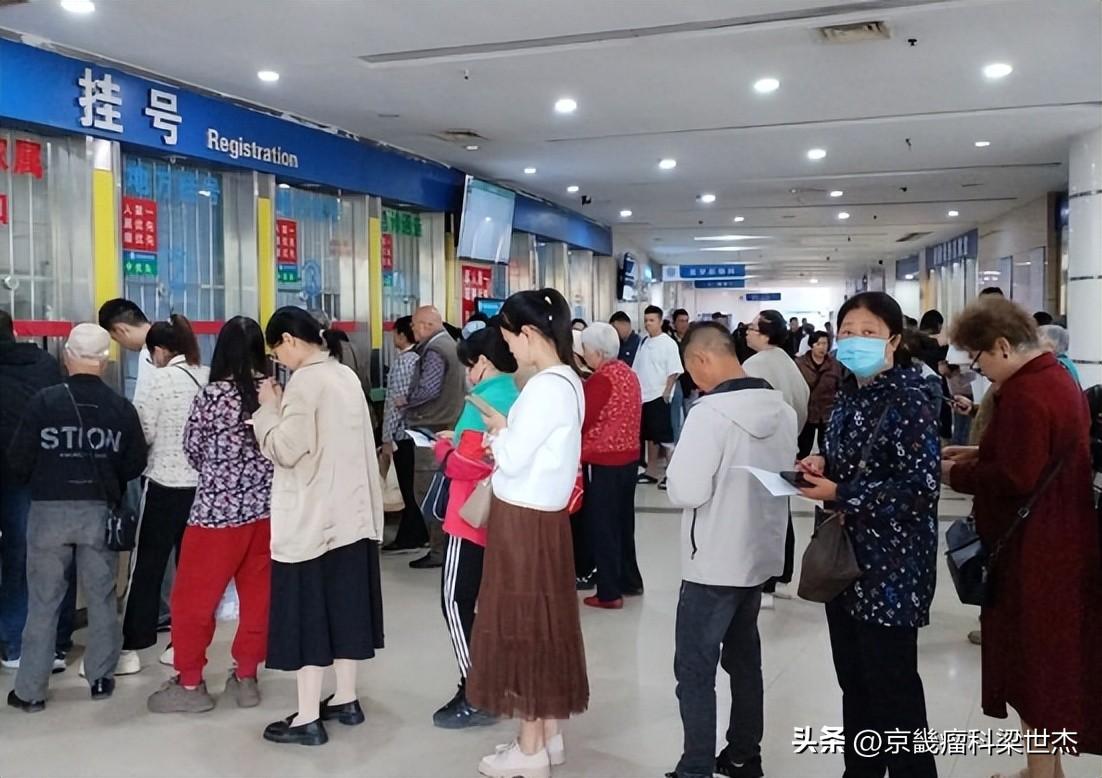
咱們先來說說這醫療交易的特殊性。在其他行業,消費者花錢,基本就能買到想要的結果。你去商場買件衣服,付了錢,衣服就歸你,穿在身上美美的;你去餐廳喫頓飯,付了錢,就能享受一頓美味佳餚,填飽肚子。可醫療呢?患者花了錢,卻不一定能買到想要的結果。就像隔壁老王,辛辛苦苦攢了一筆錢,滿心期待地去醫院治療多年的頑疾,結果錢花了,病卻沒治好,整個人憔悴不堪,還落下了心理陰影。還有更讓人痛心的,有些患者花了大價錢,最終卻人財兩空,家屬悲痛欲絕。
而且啊,醫療和藥品都是特殊商品,買了還不允許退。你做了手術,哪怕效果不理想,也不能要求退款;你買了藥,就算喫了不舒服,也只能自認倒黴。據統計,在醫療糾紛中,有相當一部分是因爲患者對治療效果不滿意,覺得錢花了卻沒得到相應的回報。這就像你花大價錢買了一張船票,本以爲能順利到達彼岸,結果船在半路出了故障,你卻不能要求退票,這種無奈和憋屈,只有親身經歷過的人才能體會。
醫生:謙卑之心,敬畏生命之重
醫生,這個被人們譽爲“白衣天使”的職業,肩負着救死扶傷的重任。然而,他們也深知醫療的侷限性。就像古代的名醫華佗,醫術高超,能開顱手術(雖有一定傳說成分),但面對一些絕症,也只能搖頭嘆息。在現代醫學高度發達的今天,儘管科技日新月異,但仍然有許多疾病是無法治癒的。醫生們每天都在與死神賽跑,與病魔搏鬥,但他們不能保證治一個好一個,救一個活一個。
有數據顯示,在一些大型綜合性醫院,每年因各種疾病死亡的患者人數不在少數。這並不是說醫生們不盡職盡責,而是醫療本身就存在着風險和不確定性。就像在大海中航行,即使船長經驗豐富,船員們齊心協力,也難免會遇到風浪和暗礁。所以,醫生們應該懷有一顆謙卑的心,敬畏生命,尊重每一個患者。他們要明白,自己手中的手術刀和處方箋,不僅僅是一份職業的工具,更是承載着患者生命希望的重量。
我認識一位老醫生,他從醫幾十年,經驗豐富,但始終保持着謙卑的態度。每次給患者看病,他都會認真傾聽患者的訴求,仔細檢查每一個細節,不放過任何一個可能的線索。他說:“醫學是一門不斷髮展的科學,我們還有很多未知的領域需要探索,每一個患者都是我們的老師,他們的病情能讓我們學到很多東西。”正是這種謙卑的心態,讓他在醫學的道路上不斷進步,也贏得了患者們的信任和尊重。
患者:理解包容,共擔風險之責
患者,作爲醫療交易的另一方,也應該理解醫療的特殊性。有些患者,一旦治療效果不理想,就會把所有的責任都歸咎於醫生和醫院,甚至大鬧醫院,要求賠償。這種行爲不僅不利於問題的解決,還會加劇醫患之間的矛盾。就像前面提到的老王,病沒治好,心裏窩火,在醫院裏大吵大鬧,還拉橫幅、堵門口,搞得醫院秩序大亂。結果呢,不僅沒有得到合理的解決方案,還讓自己陷入了更尷尬的境地。
其實,患者應該明白,醫療是有風險的,沒有人能保證治療一定成功。就像乘坐飛機,雖然飛機是最安全的交通工具之一,但仍然存在失事的風險。我們不能因爲飛機失事就否定整個航空業,同樣,我們也不能因爲治療失敗就否定醫生和醫院的所有努力。患者應該以一種理解和包容的心態看待醫療結果,與醫生共同承擔風險。
有一位年輕的患者,患了重病,需要手術治療。他知道手術有風險,但還是堅定地選擇了相信醫生。在手術前,他與醫生進行了深入的溝通,瞭解了手術的可能風險和後果。手術過程中,雖然出現了一些意外情況,但醫生和患者家屬齊心協力,最終成功完成了手術。術後,患者積極配合治療,恢復得很好。他對醫生說:“我知道你們已經盡力了,即使手術不成功,我也不會怪你們。”這種理解和包容,讓醫生們深受感動,也讓他們更加堅定了救死扶傷的信念。
同舟共濟:謙卑共築和諧醫患之橋
醫患雙方,就像在同一艘船上的旅人,面對醫療這片波濤洶湧的大海,只有同舟共濟,才能順利到達彼岸。醫生要保持謙卑,不斷提升自己的醫術水平,敬畏生命,尊重患者;患者要理解包容,與醫生共同承擔風險,積極配合治療。只有這樣,才能構建和諧的醫患關係,讓醫療這艘大船在風浪中穩健前行。
就像那首古老的船歌所唱:“同舟共濟海讓路,號子一喊浪靠邊。”讓我們醫患雙方都懷着一顆謙卑的心,在這充滿挑戰和機遇的醫療海洋中,攜手共進,共同書寫生命的華章。因爲,在生命面前,我們沒有高低貴賤之分,我們都是平等的旅人,只有相互理解、相互支持,才能戰勝病魔,迎接美好的未來。
讓我們銘記,謙卑,是醫患之間最美的橋樑,它能讓我們的心靈相通,讓我們的生命之舟在風浪中永不沉沒!
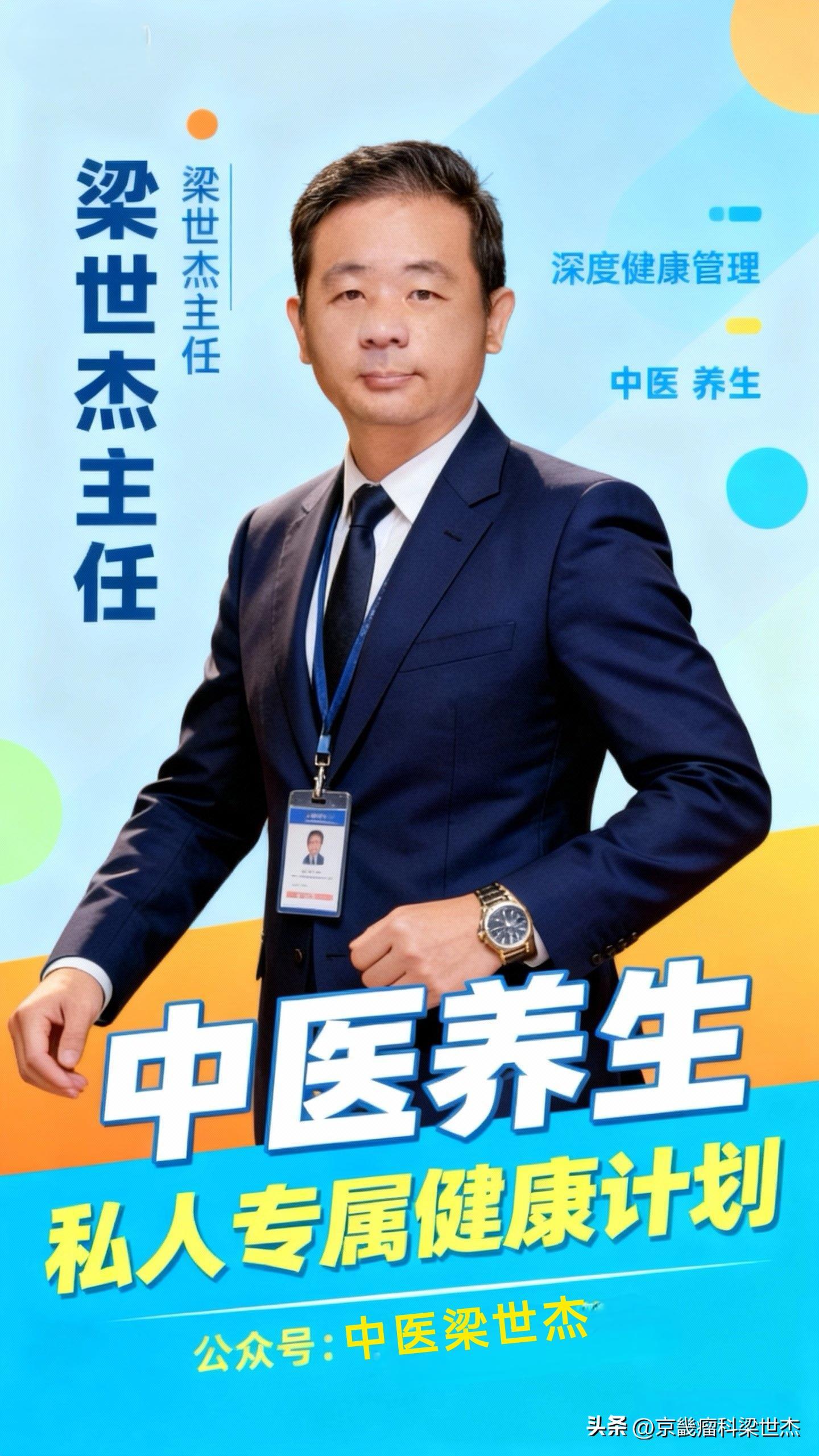
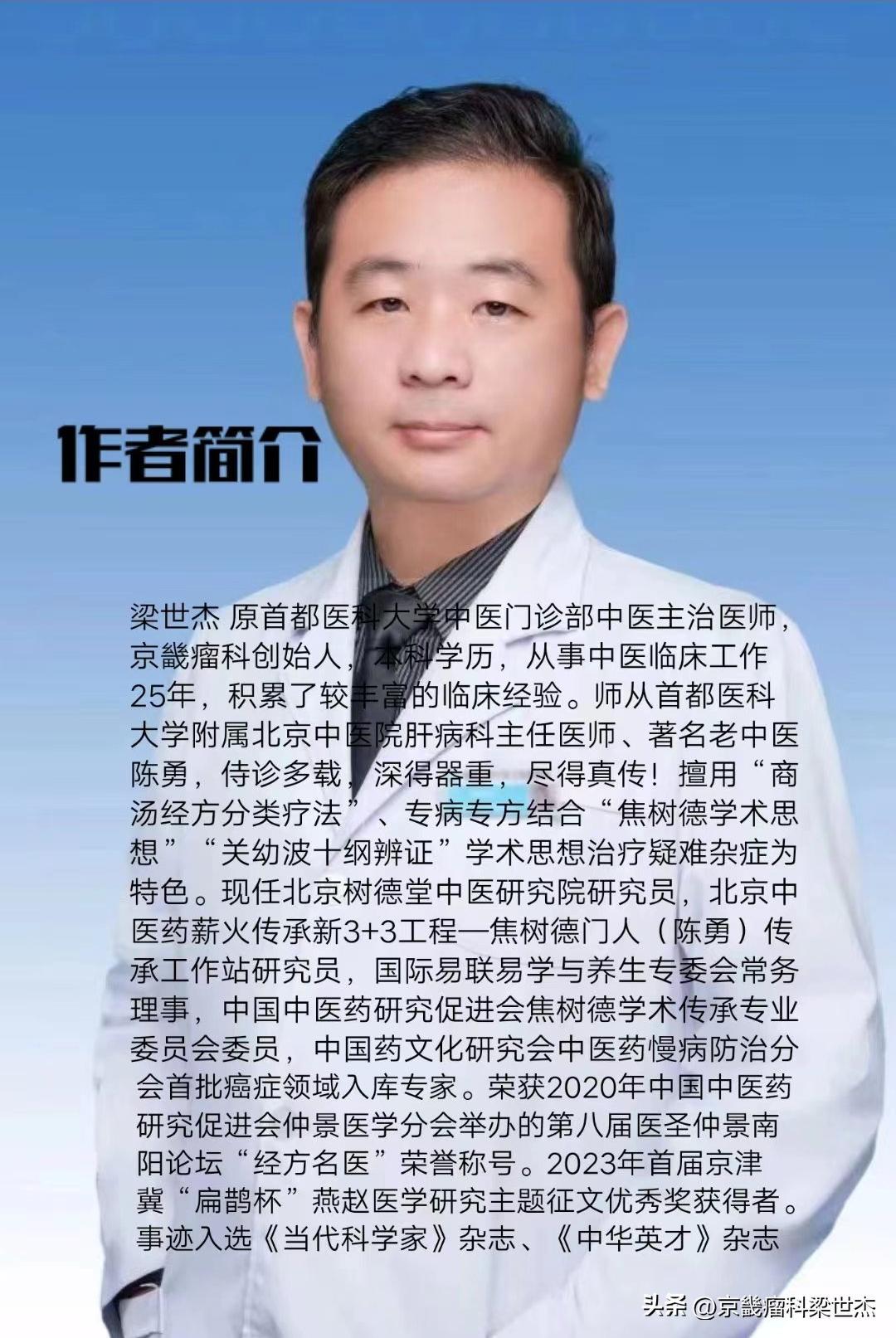
作者簡介:梁世傑 原首都醫科大學中醫門診部中醫主治醫師,京畿瘤科創始人,本科學歷,從事中醫臨牀工作25年,積累了較豐富的臨牀經驗。師從首都醫科大學附屬北京中醫院肝病科主任醫師、著名老中醫陳勇,侍診多載,深得器重,盡得真傳!擅用“商湯經方分類療法”、專病專方結合“焦樹德學術思想”“關幼波十綱辨證”學術思想治療疑難雜症爲特色。現任北京樹德堂中醫研究院研究員,北京中醫藥薪火傳承新3+3工程—焦樹德門人(陳勇)傳承工作站研究員,國際易聯易學與養生專委會常務理事,中國中醫藥研究促進會焦樹德學術傳承專業委員會委員,中國藥文化研究會中醫藥慢病防治分會首批癌症領域入庫專家。榮獲2020年中國中醫藥研究促進會仲景醫學分會舉辦的第八屆醫聖仲景南陽論壇“經方名醫”榮譽稱號。2023年首屆京津冀“扁鵲杯”燕趙醫學研究主題徵文優秀獎獲得者。事蹟入選《當代科學家》雜誌、《中華英才》雜誌。
Liang Shijie: Asking for a doctor is like gambling. Doctors need to be humble
In this bustling world, trade in various industries is like a lively bazaar. People carry money, happily choose their favorite goods or services, and most of the time they can reach a satisfied deal and leave with a joy of harvest. But in the special realm of medicine, the situation is very different. It is like a sea of rough waves and rocks. The doctor and the patient are like fellow travelers. In this voyage of unknowns and risks, humility is the key oar that keeps the ship moving smoothly.
Healthcare: Reliance and Risk in Special Transactions
Let''s start by talking about the special nature of this medical transaction. In other industries, consumers can essentially buy the desired outcome by spending money. You go to the mall to buy a dress, pay for it, the dress is yours, and it is beautiful on your body. You go to a restaurant for a meal, pay for it, and enjoy a delicious meal that fills your stomach. But what about medical treatment? Patients spend money but don''t necessarily get the results they want. Like the old king next door, he painstakingly saved a fortune and looked forward to going to the hospital to treat a persistent illness for many years. The money was spent, but the illness was not cured, and his whole body was haggard and his psychological shadow fell. It is even more painful that some patients spend a lot of money and end up losing their fortunes, leaving their families devastated.
Also, medical and pharmaceutical products are special commodities that are not allowed to be returned if they are bought. You have had surgery and can''t ask for a refund even if it doesn''t work well. If you buy a pill, even if it makes you uncomfortable, you can only think you''re unlucky. According to statistics, a significant portion of medical disputes are because patients are not satisfied with the effectiveness of treatment, and feel that money has been spent but not received accordingly. It''s like when you buy a ticket for a huge amount of money, expecting to get to the other side smoothly, but the boat breaks down halfway, and you can''t ask for a refund. This kind of frustration and compulsion is something that only someone who has experienced it firsthand can experience.
Doctor: Humbleness and fear of the weight of life
Doctors, a profession known as the "angel in white," are responsible for saving lives and helping injured people. However, they are also aware of the limitations of medical treatment. Like the famous ancient healer Huamou, he was very skilled and could perform skull surgery (although there was some legend), but faced with some terminal diseases, he could only shake his head and sigh. In today''s highly developed modern medicine, despite the rapid advancement of technology, there are still many diseases that cannot be cured. Doctors are racing against death and battling illnesses every day, but they cannot guarantee that one will be healed or that one will live.
Data shows that in some large general hospitals, the number of patients who die each year from various diseases is not few. This is not to say that doctors are not doing their duty, but that there are risks and uncertainties in medical care itself. Just like sailing in the sea, even if the captain is experienced and the crew works together, it is inevitable that they will encounter windstorms and reefs. Therefore, doctors should have a humble heart, respect life and respect every patient. They need to understand that the surgical knives and prescription pads in their hands are not just tools of a profession, but the weight that carries the hope of a patient''s life.
I know an old doctor who has been in medicine for decades and is very experienced, but always has a humble attitude. Every time he visits a patient, he will listen carefully to the patient''s complaints, carefully examine every detail, and never miss any possible clues. "Medicine is an evolving science and we still have many unknown areas to explore," he said. "Every patient is our teacher and their condition can teach us a lot." It is this humility that has allowed him to progress on the path of medicine and to earn the trust and respect of his patients.
Patients: Understanding inclusion and sharing the burden of risk
The patient, as the other party to the medical transaction, should also understand the specialities of medical treatment. Some patients, once the treatment did not work out well, would blame the doctor and the hospital, or even riot the hospital to demand compensation. Such behavior is not only detrimental to the solution of the problem, but also exacerbates the conflict between doctors and patients. Like the old king mentioned earlier, he was unable to cure his illness, and he was angry in his heart, and he made a great deal of noise in the hospital, pulling banners and blocking the door, causing chaos in the hospital. As a result, not only did they not get a reasonable solution, they also put themselves in an even more embarrassing situation.
In fact, patients should understand that medical treatment is risky, and no one can guarantee that the treatment will be successful. Just like taking a plane, although a plane is one of the safest forms of transportation, there is still a risk of a crash. We cannot deny the entire aviation industry because of a plane crash, nor can we deny all the efforts of doctors and hospitals because of treatment failure. Patients should view medical outcomes in an understanding and inclusive manner, sharing the risks with their physicians.
There was a young patient who was seriously ill and needed surgery. He knew the surgery was risky, but he firmly chose to trust the doctor. Before the surgery, he had in-depth communication with the doctor to learn about the possible risks and consequences of the procedure. During the surgery, although some unexpected circumstances occurred, the doctor and the patient''s family worked together to complete the surgery successfully. After the surgery, the patient actively cooperated with the treatment and recovered well. He told the doctors: "I know you''ve done your best, and even if the surgery doesn''t work out, I won''t blame you." The doctors were deeply moved by this understanding and inclusion, and they also strengthened their belief in saving lives.
Together: Building a Bridge of Harmony between Doctors and Patients with Humility
Both doctors and patients, like travelers in the same boat, face the rough sea of medical treatment, and only by coming together can they reach the other side smoothly. Doctors should remain humble, constantly improve their medical skills, fear life, and respect patients. Patients should understand inclusion, share the risk with their doctors, and actively cooperate with treatment. Only in this way can we build a harmonious medical-patient relationship and let the great ship of medicine move forward steadily in the storms and waves.
As the old boat song says, "One boat makes way in the sea, and the ship calls for the waves to come along." Let us both physicians and patients work together with a humble heart in this sea of challenges and opportunities to write the great chapter of life together. For, before life, we are not high or low, we are all equal travelers, and only by understanding and supporting each other can we overcome diseases and welcome a bright future.
Let us remember that humility is the most beautiful bridge between doctors and patients. It connects our hearts and keeps our boat of life afloat in the storms and waves.
Author profile: Liang Shi-jie was a chief physician of traditional Chinese medicine at the Traditional Chinese Medicine Outpatient Clinic of Capital Medical University. He was the founder of Jingyi Tumor Clinic. He holds a bachelor’s degree and has been engaged in clinical work in traditional Chinese medicine for 25 years, accumulating extensive clinical experience. He studied under Chen Yong, a renowned senior traditional Chinese medicine practitioner at the Hepatology Department of Beijing Traditional Chinese Medicine Hospital affiliated to Capital Medical University. Over the years, he gained great respect and acquired genuine expertise. He specializes in using the “Shang Tang Classic Classification Therapy” and combining specific treatments for specific diseases with the “Jiao Shu-de Academic Thought” and the “Guan You-bo Ten-Principle Diagnosis” approach to treat complex medical conditions. He is currently a researcher at the Beijing Shu-de-Tang Traditional Chinese Medicine Research Institute and a researcher at the Beijing New 3+3 Project for the Inheritance of Traditional Chinese Medicine – Jiao Shu-de’s Disciples (Chen Yong) Heritage Workstation. He is a Standing director of the International Yi-lian Yi-xue and Health Preservation Committee and a member of the Committee for the Inheritance of Jiao Shu-de’s Academic Thought of the China Research Promotion Association for Traditional Chinese Medicine. He is also a member of the inaugural Cancer Expert Pool of the China Cultural Research Association for Traditional Chinese Medicine’s Prevention of Chronic Diseases. He was awarded the title of “Expert in Classic Prescriptions” at the Eighth Nanyang Forum of the Zhang Zhongjing Medical Division of the China Research Promotion Association in 2020. In 2023, he won the Excellence Award in the First Beijing-Tianjin-Hebei “Bian Que Cup” Yan-Zhao Medical Research Theme Essay Competition. His achievements have been featured in the magazines “Contemporary Scientists” and “China’s Elite”.