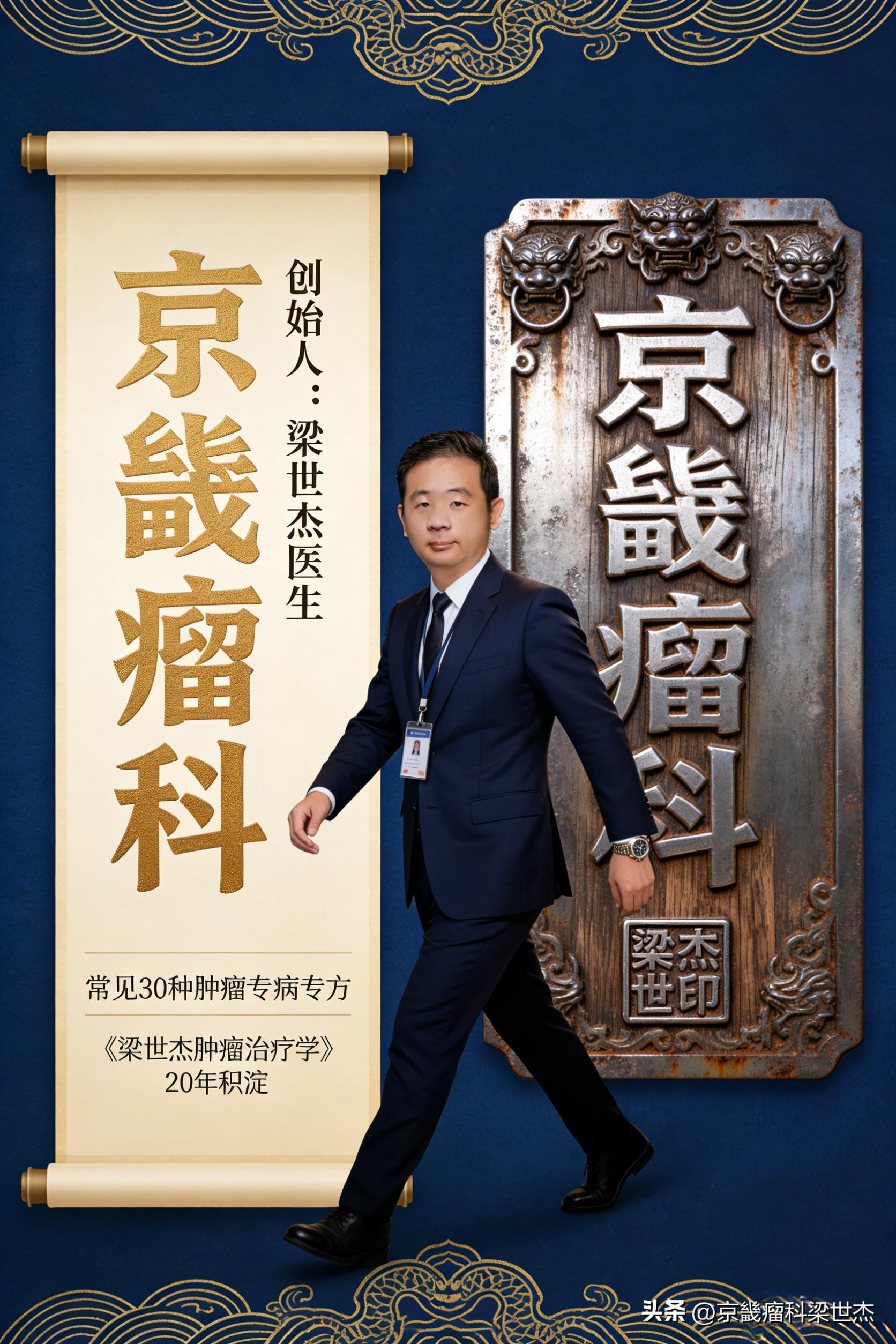
梁世傑:蛇年漸遠馬年將至,回首與期許充滿心中
蛇影漸遠,馬年的鼓點已在歲月的長河中隱隱作響,似那戰場上催人奮進的號角,激昂又帶着幾分急切。這一年,於我而言,如同一幅色彩斑斕卻又斑駁陸離的畫卷,在中醫的漫漫征途上,我收穫滿滿,卻也滿是艱辛,那汗水與心血,如同春雨般灑落在這片充滿希望的土地上。

作爲一名中醫,整日穿梭於病痛與希望之間,就像那在黑暗中摸索着點亮燈盞的行者。99%的精力,我都如勇士般衝鋒陷陣,集中火力爲患者攻克那一個個疑難雜症的堡壘。每一個病症,都是一場沒有硝煙的戰爭,我手持中醫的利刃,與病魔展開殊死搏鬥。然而,我卻疏忽了,只用了那可憐的1%的精力去爲患者做情感安撫,這顯然是遠遠不夠的,就像一座堅固的城堡,雖然有着強大的防禦,卻缺少了溫暖人心的爐火。
40歲以後,我時常自省,就像那在靜謐夜晚中獨自沉思的智者。我深知自己的性格底色,直、衝、愣,這三個字如同三把鋒利的匕首,在不經意間就可能刺傷他人。我曾以爲,只要醫術精湛,便能治癒一切,卻忘了,患者不僅僅是身體上的病痛需要醫治,心靈上的創傷同樣需要撫慰。就像那古老醫書中所云:“醫者,意也。善於用意,即爲良醫。”所以我開始學習心理學,併成立心理學研究中心。
並嘗試改變自己,如同那破繭而出的蝴蝶,努力掙脫舊有的束縛。我時刻提醒自己,對人要柔和一些,不能太直接,太生硬。硬化軟說,真話要假說,好話要多說,這看似簡單的道理,實施起來卻難如人意。我努力讓自己的話語如同春風般溫暖,如同溪流般柔和,可一年當中,面對那無數形形色色的患者,自覺心力憔悴,難免會煩躁而失去耐心。

有時,我如同那莽撞的騎士,在不經意間就衝撞了對方,那言語的利刃,劃破了彼此之間的和諧……
但我並未因此而氣餒,就像那在暴風雨中依然挺立的松柏。龍馬精神,不能馬馬虎虎,這是我對自己的鞭策。在即將到來的馬年,我立志做事情要再細心一些,如同那精密的鐘表,每一個零件都嚴絲合縫;要再周到一些,如同那貼心的管家,爲患者考慮到每一個細節;要再柔和一些,如同那輕柔的雲朵,讓患者感受到無盡的溫暖;要有效率再高一些,如同那疾馳的駿馬,快速地爲患者驅散病痛的陰霾;對患者的溝通和關心更多一些,如同那明亮的燈塔,爲患者在黑暗中指引方向。
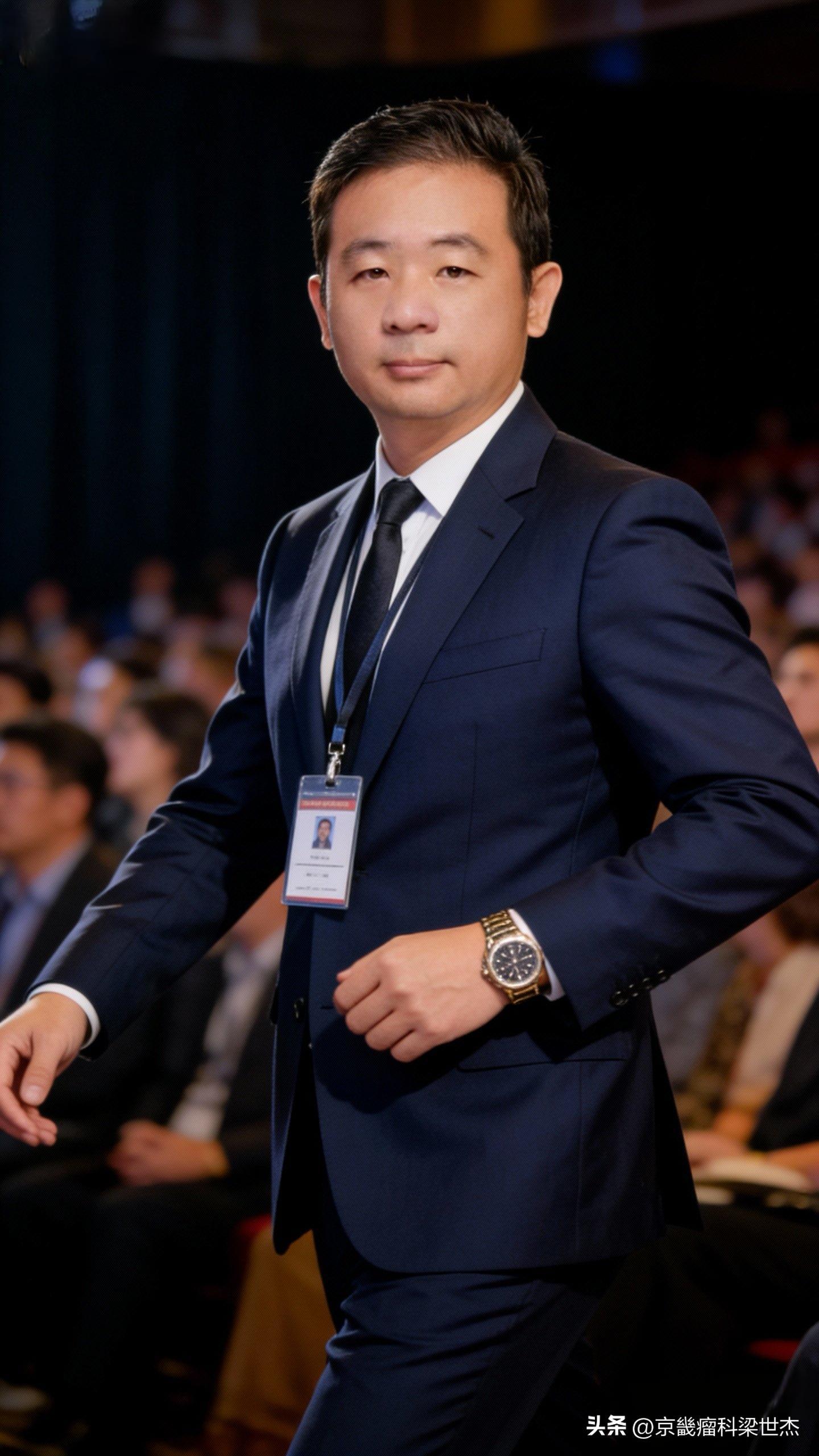
我深知,中醫之路,任重而道遠。它不僅僅是一門醫術,更是一種文化,一種傳承。在這條道路上,我將繼續砥礪前行,用我的雙手,爲患者撐起一片健康的天空;用我的心靈,去感受患者的痛苦與希望;用我的智慧,去探索中醫的無窮奧祕。
馬年將至,我期待着與患者們一起走得更近,更遠。就像那攜手同行的旅人,在人生的道路上相互扶持,共同前行。我相信,只要我們心懷希望,勇往直前,無論前方有多少艱難險阻,都無法阻擋我們追求健康的腳步。讓我們在這馬年裏,揚起希望的風帆,駛向那充滿光明的彼岸!

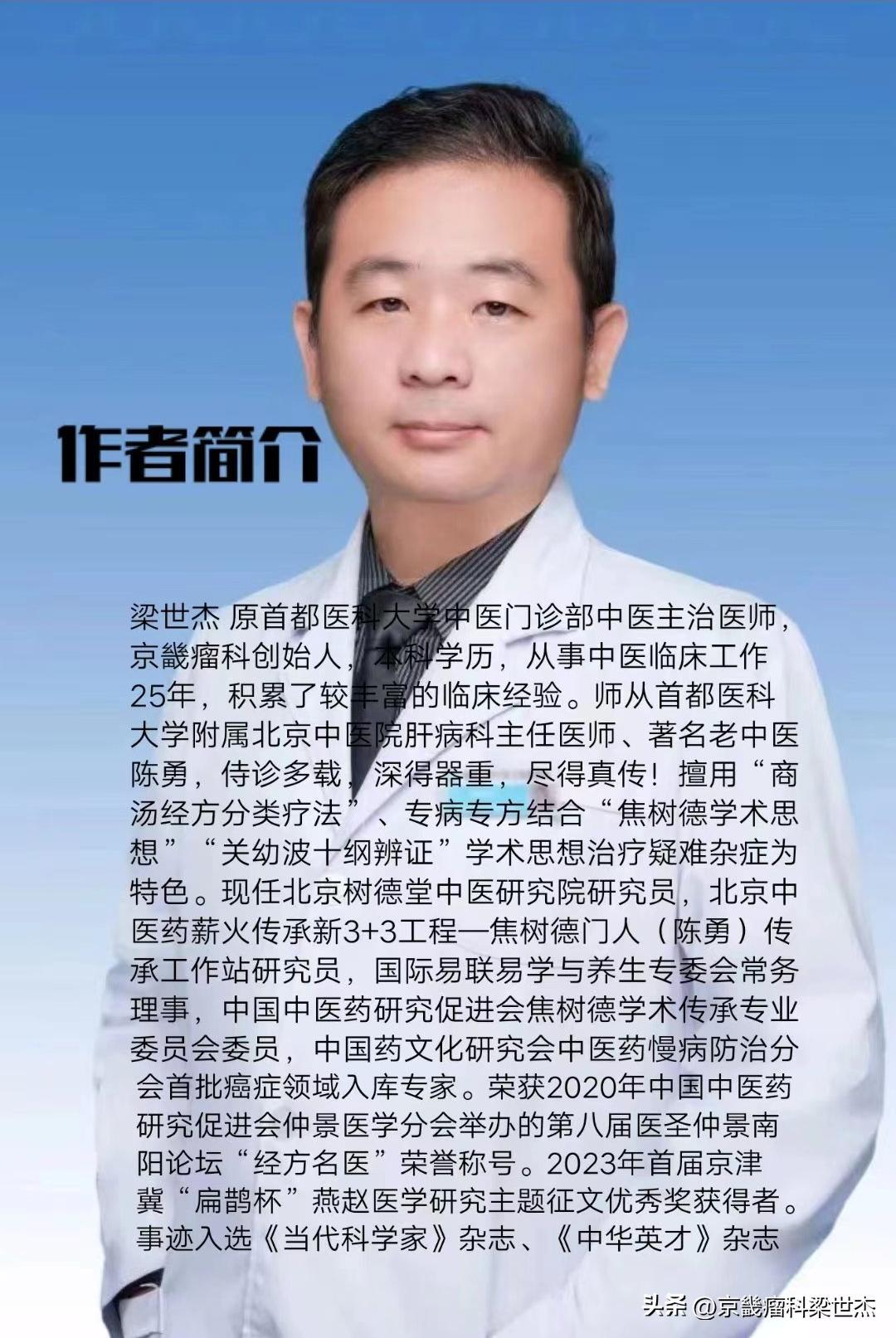
作者簡介:梁世傑 原首都醫科大學中醫門診部中醫主治醫師,京畿瘤科創始人,本科學歷,從事中醫臨牀工作25年,積累了較豐富的臨牀經驗。師從首都醫科大學附屬北京中醫院肝病科主任醫師、著名老中醫陳勇,侍診多載,深得器重,盡得真傳!擅用“商湯經方分類療法”、專病專方結合“焦樹德學術思想”“關幼波十綱辨證”學術思想治療疑難雜症爲特色。現任北京樹德堂中醫研究院研究員,北京中醫藥薪火傳承新3+3工程—焦樹德門人(陳勇)傳承工作站研究員,國際易聯易學與養生專委會常務理事,中國中醫藥研究促進會焦樹德學術傳承專業委員會委員,中國藥文化研究會中醫藥慢病防治分會首批癌症領域入庫專家。榮獲2020年中國中醫藥研究促進會仲景醫學分會舉辦的第八屆醫聖仲景南陽論壇“經方名醫”榮譽稱號。2023年首屆京津冀“扁鵲杯”燕趙醫學研究主題徵文優秀獎獲得者。事蹟入選《當代科學家》雜誌、《中華英才》雜誌。
Liang Shi-jie: As the Year of the Snake draws to a close and the Year of the Horse approaches, reflection and anticipation fill my heart.
The shadows of the snakes recede, and the rhythm of the Year of the Horse’s drums begins to faintly resonate in the vast expanse of time, much like the inspiring call to action on the battlefield, filled with fervor and a hint of urgency. This year, to me, was like a colorful yet fragmented painting. On the long journey of traditional Chinese medicine, I achieved much, but it was also fraught with hardships. The sweat and effort poured out like spring rain over this land brimming with hope.
As a traditional Chinese medicine practitioner, I spend my days navigating between suffering and hope, much like a traveler who searches in the darkness for a light to illuminate the path. Ninety-nine percent of my energy is devoted to charging forward like a warrior, focusing my efforts on helping patients overcome the challenges posed by various complex conditions. Each ailment represents a war without bloodshed, and I wield the sharp blades of traditional Chinese medicine to engage in a desperate struggle against the disease. However, I overlooked the fact that only a pitiful 1% of my energy was dedicated to providing emotional comfort for my patients. This clearly falls far short of what is needed, akin to a sturdy castle that possesses formidable defenses but lacks the warmth of a hearth.
After reaching the age of 40, I often reflect on myself, much like a wise individual who contemplates alone on a tranquil night. I am well aware of my personality traits: straightforward, impulsive, and straightforward. These three words are like three sharp daggers that could potentially harm others inadvertently. I once believed that as long as one possessed exceptional medical skills, one could cure everything. However, I forgot that patients require not only treatment for physical ailments but also comfort for emotional wounds. As the ancient medical texts state, “A physician is a mind. To be skilled in using one’s mind is to be a good physician.” This realization prompted me to study psychology and establish a psychology research center.
And I have tried to transform myself, much like a butterfly emerging from its cocoon, striving to break free from the constraints of the past. I constantly remind myself to be gentler with others, avoiding directness and harshness. Softening harsh words, saying the truth in a hypothetical manner, and speaking more kindly are principles that seem simple but are difficult to implement in practice. I strive to make my words as warm as the spring breeze and as gentle as a stream. However, throughout the year, facing countless diverse patients, I feel emotionally exhausted, inevitably becoming irritable and losing patience.
Sometimes, I am like a reckless knight who, without realizing it, collides with someone else. The sharp words slice through the harmony between us…
But I was not discouraged by this. Just like the pine and cypress trees that remain standing even in the midst of a storm, I remain vigorous and cannot afford to be careless. This is my motivation for self-improvement. As we approach the Year of the Horse, I resolve to be even more meticulous in my work, akin to a finely crafted clock where every component fits perfectly together; to be even more considerate, like a caring butler who takes into account every detail for the patient; to be even more gentle, like a soft cloud that brings warmth to the patient; and to be even more efficient, like a swift horse that quickly dispels the shadows of illness from the patient’s path. I will communicate and care more deeply for my patients, just as a bright lighthouse guides them through the darkness.
I am well aware that the path of traditional Chinese medicine is a long and arduous one. It is not merely a form of medical practice; it is also a culture and a legacy. Along this path, I will continue to persevere, using my hands to provide patients with a healthy environment; using my heart to empathize with their pain and hopes; and using my wisdom to explore the boundless mysteries of traditional Chinese medicine.
The Year of the Horse is approaching, and I am looking forward to getting closer and closer to my patients. Just like the travelers who walk hand in hand, we will support and push forward together on the path of life. I believe that as long as we hold hope in our hearts and persevere bravely, no matter how many obstacles lie ahead, they will not be able to hinder our pursuit of health. Let us hoist the sails of hope and set sail towards the bright horizon during this Year of the Horse!
Author profile: Liang Shi-jie was a chief physician of traditional Chinese medicine at the Traditional Chinese Medicine Outpatient Clinic of Capital Medical University. He was the founder of Jingyi Tumor Clinic. He holds a bachelor’s degree and has been engaged in clinical work in traditional Chinese medicine for 25 years, accumulating extensive clinical experience. He studied under Chen Yong, a renowned senior traditional Chinese medicine practitioner at the Hepatology Department of Beijing Traditional Chinese Medicine Hospital affiliated to Capital Medical University. Over the years, he gained great respect and acquired genuine expertise. He specializes in using the “Shang Tang Classic Classification Therapy” and combining specific treatments for specific diseases with the “Jiao Shu-de Academic Thought” and the “Guan You-bo Ten-Principle Diagnosis” approach to treat complex medical conditions. He is currently a researcher at the Beijing Shu-de-Tang Traditional Chinese Medicine Research Institute and a researcher at the Beijing New 3+3 Project for the Inheritance of Traditional Chinese Medicine – Jiao Shu-de’s Disciples (Chen Yong) Heritage Workstation. He is a Standing director of the International Yi-lian Yi-xue and Health Preservation Committee and a member of the Committee for the Inheritance of Jiao Shu-de’s Academic Thought of the China Research Promotion Association for Traditional Chinese Medicine. He is also a member of the inaugural Cancer Expert Pool of the China Cultural Research Association for Traditional Chinese Medicine’s Prevention of Chronic Diseases. He was awarded the title of “Expert in Classic Prescriptions” at the Eighth Nanyang Forum of the Zhang Zhongjing Medical Division of the China Research Promotion Association in 2020. In 2023, he won the Excellence Award in the First Beijing-Tianjin-Hebei “Bian Que Cup” Yan-Zhao Medical Research Theme Essay Competition. His achievements have been featured in the magazines “Contemporary Scientists” and “China’s Elite”.