探祕當代中醫江湖:64個流派的傳承與創新傳奇
在當今醫療科技飛速發展的時代,中醫,這一古老而又充滿智慧的醫學體系,宛如一座蘊藏無盡寶藏的神祕寶庫,始終散發着獨特的魅力。而2012年國家中醫藥管理局遴選認定的首批64個全國中醫學術流派傳承工作室建設單位,就像寶庫中熠熠生輝的明珠,共同勾勒出當代中醫傳承與創新的壯麗畫卷。
百家爭鳴:64個流派的多元格局
這64個流派,地域跨度之廣,令人驚歎。從北方的燕京大地,到南方的嶺南地區;從東部的沿海城市,到西部的內陸省份,幾乎涵蓋了祖國的大江南北。它們就像64顆璀璨的星辰,各自閃耀在屬於自己的那片天空。
專科特色鮮明也是這些流派的一大亮點。婦科流派宛如溫柔細膩的守護者,如燕京劉氏傷寒流派雖以傷寒研究爲主,但在婦科疾病治療上也頗有建樹;上海朱氏婦科流派、嶺南羅氏婦科流派等,專注於女性健康,憑藉獨特的調理方法和顯著的臨牀療效,爲無數女性解除了病痛。骨傷流派則似剛勁有力的勇士,平樂郭氏正骨流派以手法復位、夾板固定等絕技聞名遐邇,讓無數骨折患者免受手術之苦;湖北何氏正骨流派、河南邵氏鍼灸流派等,也在骨傷治療領域各展神通。眼科流派如同明亮的燈塔,爲患者帶來光明,燕京韋氏眼科流派、河北龐氏眼科流派等,在眼部疾病的診治上有着深厚的造詣。
這些流派不僅是當代中醫傳承與創新的核心力量,更是中醫文化多樣性的生動體現。它們就像64個不同的音符,共同奏響了中醫發展的華美樂章。
深度剖析:代表性流派的獨特魅力
燕京劉氏傷寒流派:經方妙用的傳承者
燕京劉氏傷寒流派堪稱中醫界的“經方大師”。他們以研究《傷寒論》《金匱要略》的辨證論治爲主題,就像兩位古代醫聖的忠實追隨者,深入挖掘其中的精髓。劉渡舟教授的學術思想與臨牀經驗是他們的寶貴財富,堅持臟腑辨證與方證辨證相結合,如同掌握了打開疑難雜症大門的鑰匙。
在臨牀實踐中,他們善用經方治療各科疾病。有一位患者,長期被頑固性失眠困擾,四處求醫無果。燕京劉氏傷寒流派的醫生經過詳細辨證,發現患者屬於肝鬱化火、心神不寧之證,於是運用了《傷寒論》中的經典方劑——黃連阿膠湯進行加減化裁。患者服用幾劑後,睡眠質量明顯改善,最終恢復了正常的作息。這個案例充分展示了經方的神奇療效,也體現了該流派對經典的傳承與創新。
該流派傳承脈絡清晰,已歷4代。他們不僅在北京及全國中醫藥院校、醫院傳播學術思想,影響還遠及海外。就像一顆種子,在中醫的土壤裏生根發芽,不斷向外擴散,讓更多的人瞭解和認識中醫的魅力。
孟河醫派:近代中醫的璀璨明珠
孟河醫派發源於江蘇常州,在清代就已形成規模,猶如一顆耀眼的明星在中醫的天空中升起。丁甘仁等醫家遷至上海後,更是輻射長三角地區,被譽爲“近代中醫第一流派”,傳承至今已達7代以上。
孟河醫派的學術特點獨具匠心。辨證細膩準確,就像一位技藝高超的偵探,能從細微之處發現疾病的線索;用藥輕靈平正,不追求猛烈的藥效,而是注重調和人體的陰陽平衡;強調辨體、辨病、辨時結合,融匯傷寒與溫病理論,臨牀治法靈活多樣。
有一位患有慢性胃炎的患者,長期服用西藥效果不佳。孟河醫派的醫生根據患者的體質特點,結合當時的季節氣候,採用了傷寒與溫病理論相結合的治療方法,開具了一副溫和的中藥方劑。患者服用一段時間後,胃部不適的症狀逐漸減輕,最終痊癒。這個案例體現了孟河醫派辨證精準、用藥靈活的特點,也證明了其在臨牀治療中的卓越效果。
龍砂醫學流派:五運六氣的踐行者
龍砂醫學流派重視《黃帝內經》五運六氣理論,就像一位深諳自然規律的智者。他們結合辨體質運用“開闔樞”理論指導經方應用,擅用膏方養生治未病,爲人們的健康保駕護航。
該流派發源於江蘇江陰龍山砂山地區,兼具地域、學術、世家三重屬性。它就像一棵紮根於深厚土壤的大樹,不斷吸收着地域文化和學術思想的養分,茁壯成長。在華東地區,龍砂醫學流派的影響力深遠,並且與澄江鍼灸學派等相互交融,形成了獨特的中醫文化景觀。
有一位體質虛弱、容易感冒的患者,每到季節交替時就苦不堪言。龍砂醫學流派的醫生根據五運六氣理論,結合患者的體質特點,爲他制定了一副個性化的膏方。患者堅持服用一段時間後,體質明顯增強,感冒的次數也大大減少。這個案例展示了龍砂醫學流派在養生治未病方面的獨特優勢。
傳承創新:流派發展的動力源泉
這些流派之所以能夠歷經歲月滄桑而依然生機勃勃,離不開傳承與創新這兩個關鍵因素。傳承是根基,就像一座大廈的地基,只有根基穩固,大廈才能屹立不倒。各流派通過“傳承工作室”的建設,在政策支持下進行系統性的學術挖掘。他們整理古籍文獻,收集臨牀案例,總結前輩的經驗教訓,讓古老的中醫智慧得以傳承和延續。
創新則是發展的動力,就像一艘航船的引擎,推動着中醫不斷向前邁進。各流派在傳承的基礎上,結合現代醫學技術和臨牀需求,進行大膽的創新和實踐。他們開展臨牀研究,探索新的治療方法和藥物;運用現代科技手段,對中醫理論進行深入研究和驗證;加強人才培養,培養出一批既懂中醫又懂現代醫學的複合型人才。
例如,一些流派將傳統的鍼灸療法與現代康復技術相結合,提高了鍼灸治療的效果;一些流派利用基因檢測等現代技術,對中醫的辨證論治進行輔助診斷,提高了診斷的準確性。這些創新實踐不僅爲中醫的發展注入了新的活力,也爲廣大患者帶來了更多的福音。
展望未來:中醫流派的輝煌前景
這64個當代中醫學派是中醫傳承與創新的骨幹力量,它們就像一羣勇敢的開拓者,在中醫的道路上披荊斬棘,不斷前行。在未來的發展中,它們將繼續發揮重要作用,促進中醫學術的百花齊放和臨牀療效的提升。
隨着人們對健康需求的不斷提高和對中醫認識的不斷加深,中醫流派的發展前景將更加廣闊。它們將進一步加強國際交流與合作,讓中醫這一古老而又神奇的醫學體系走向世界,爲全人類的健康事業做出貢獻。
同時,我們也應該認識到,中醫流派的發展還面臨着一些挑戰和困難。例如,如何更好地傳承和保護流派的特色和優勢,如何培養更多優秀的中醫人才,如何與現代醫學更好地融合等。但我們相信,在廣大中醫工作者的共同努力下,這些問題一定能夠得到妥善解決。
讓我們共同期待這64箇中醫流派在未來的發展中綻放出更加耀眼的光芒,書寫出更加輝煌的篇章,爲中醫事業的繁榮發展做出更大的貢獻!讓我們攜手走進中醫的神奇世界,感受它的獨特魅力,共同守護人類健康的未來!
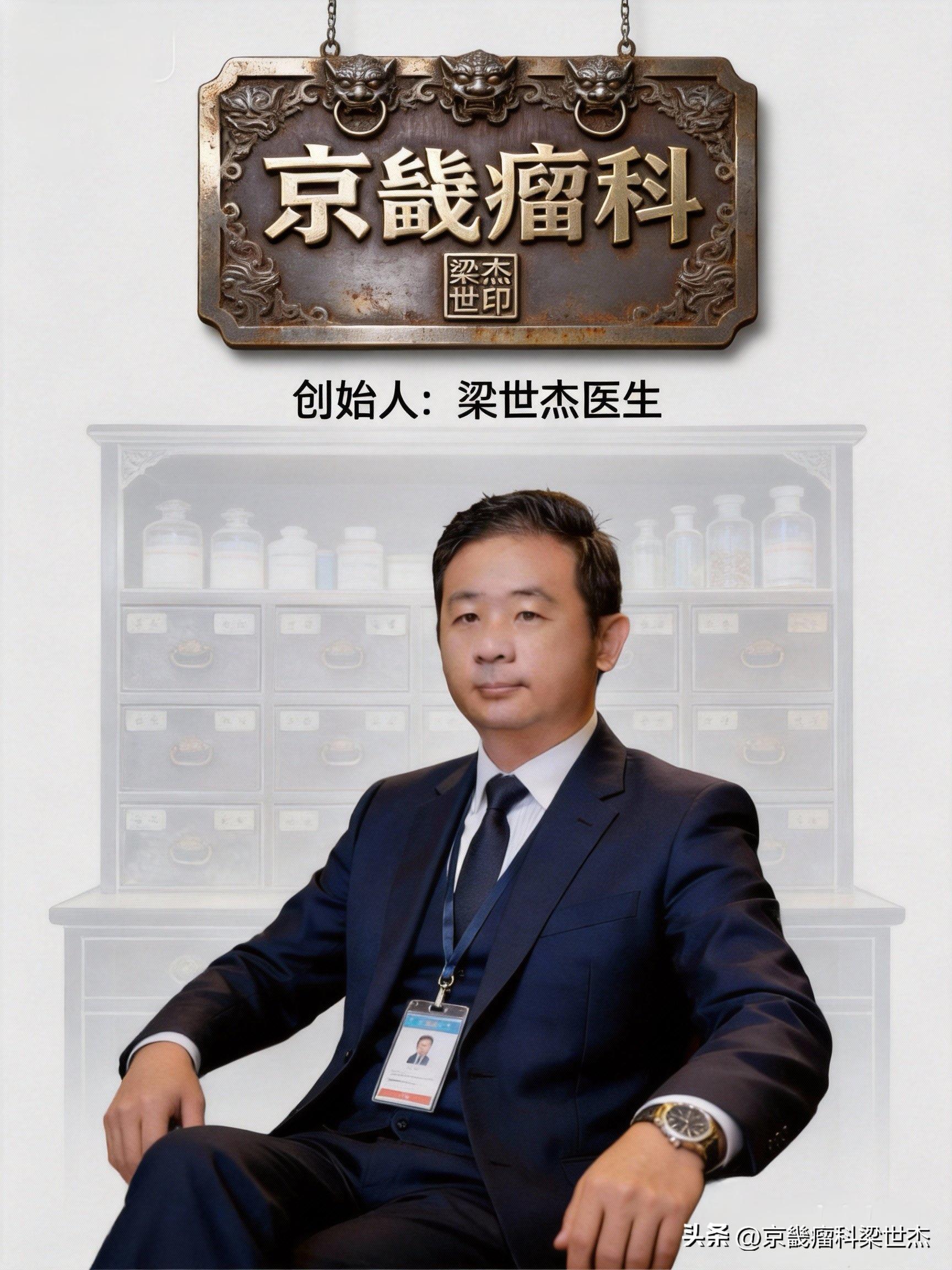
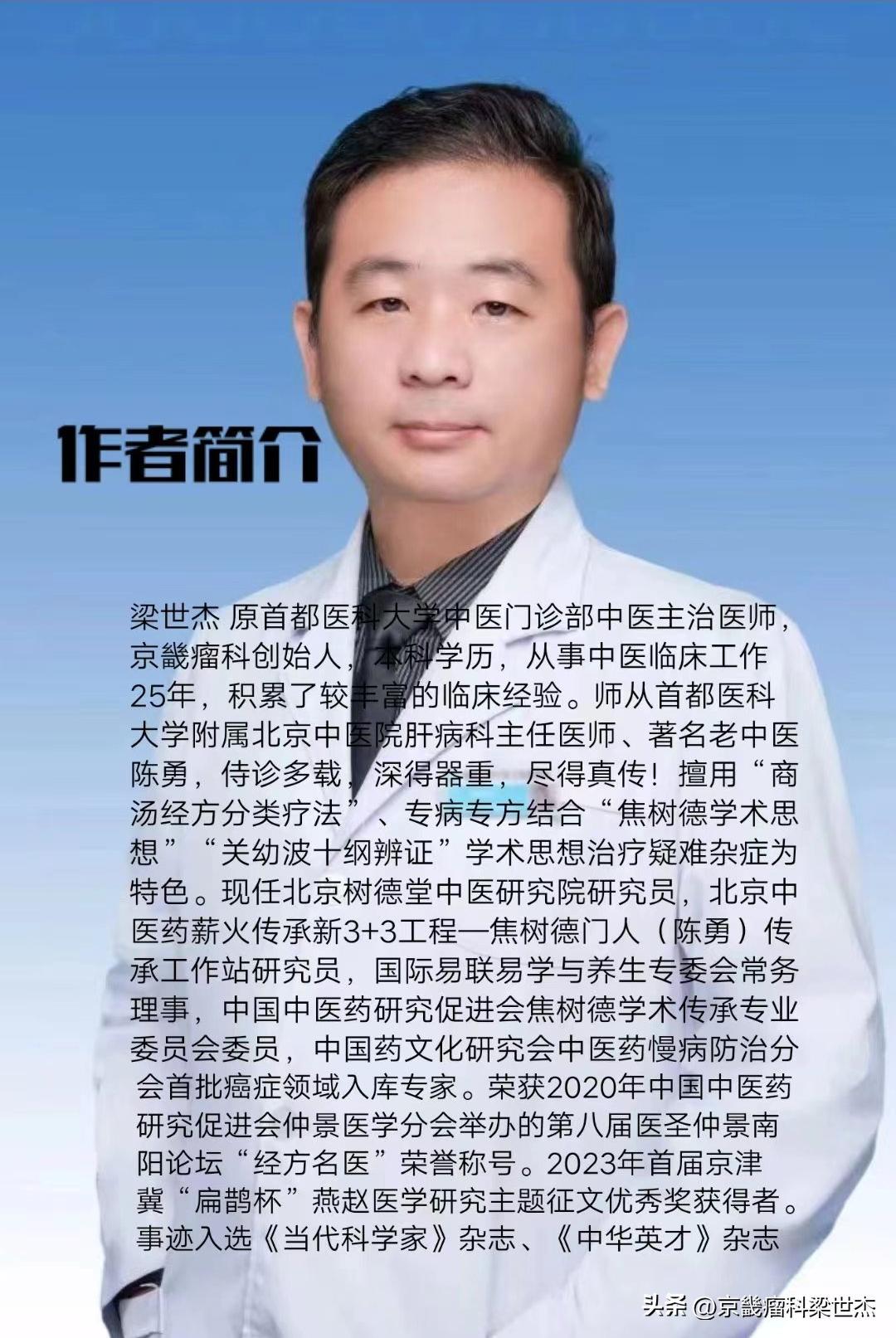
作者簡介:梁世傑 原首都醫科大學中醫門診部中醫主治醫師,京畿瘤科創始人,本科學歷,從事中醫臨牀工作25年,積累了較豐富的臨牀經驗。師從首都醫科大學附屬北京中醫院肝病科主任醫師、著名老中醫陳勇,侍診多載,深得器重,盡得真傳!擅用“商湯經方分類療法”、專病專方結合“焦樹德學術思想”“關幼波十綱辨證”學術思想治療疑難雜症爲特色。現任北京樹德堂中醫研究院研究員,北京中醫藥薪火傳承新3+3工程—焦樹德門人(陳勇)傳承工作站研究員,國際易聯易學與養生專委會常務理事,中國中醫藥研究促進會焦樹德學術傳承專業委員會委員,中國藥文化研究會中醫藥慢病防治分會首批癌症領域入庫專家。榮獲2020年中國中醫藥研究促進會仲景醫學分會舉辦的第八屆醫聖仲景南陽論壇“經方名醫”榮譽稱號。2023年首屆京津冀“扁鵲杯”燕趙醫學研究主題徵文優秀獎獲得者。事蹟入選《當代科學家》雜誌、《中華英才》雜誌。
Exploring Contemporary Chinese Medicine: The Legend of Tradition and Innovation of 64 Faculties
In today''s era of rapid development of medical technology, traditional Chinese medicine, an ancient and wisdom-filled medical system, is like a mysterious treasure trove with endless treasures, always exuding unique charm. In 2012, the National Administration of Traditional Chinese Medicine selected and recognized the first 64 national traditional Chinese academic style inheritance studio construction units, like shining pearls in a treasure trove, jointly drawing a magnificent portrait of traditional Chinese medicine inheritance and innovation.
Confucius: The Multifaceted Patterns of 64 genres
The geographical scope of these 64 genres is amazing. From Yanjing land in the north to Lingnan region in the south; From coastal cities in the east to inland provinces in the west, it covers almost all of the country''s north and south. They are like 64 bright stars, each shining in its own sky.
The distinctive specialities are also a highlight of these genres. Gynecology schools are like gentle and delicate guardians, such as Yanjing Liu''s typhoid school, although it is mainly concerned with the study of typhoid, but also has a significant contribution in the treatment of gynecologic diseases. Zhu''s gynecological schools in Shanghai, Luo''s schools in Lingnan, and others focus on women''s health, and have relieved countless women of their ailments with unique conditioning methods and significant clinical benefits. The bone injury school is like a strong and powerful warrior, and the Pinleuk orthopaedic school is renowned for its techniques such as mechanical repositioning and plate fixation, which have saved countless fracture patients from the pain of surgery. The He Family Bone Setting School from Hubei Province and the Shao Family Acupuncture School from Henan Province, among others, have also made significant contributions to the field of bone trauma treatment. Ophthalmology is like a bright beacon that brings light to patients, and Yanjing Wei''s Ophthalmology School, Hebei Pang''s Optical School, and others have deep knowledge in the diagnosis and treatment of eye diseases.
These genres are not only the core force of contemporary Chinese medicine inheritance and innovation, but also a vivid expression of the diversity of Chinese medicine culture. They are like 64 different musical notes that together play a beautiful chapter in the development of traditional Chinese medicine.
Deep Anatomy: The unique charm of representative genres
The Liu family of typhoid in Yanjing: the inheritor of a miracle cure
The Liu family of typhoid in Yanjing is known as the "Master of Traditional Chinese Medicine." They studied the dialectical treatments of Typhoid and The Essential Truth about Physical Deprivation as themes, digging deep into their essence, like two faithful followers of ancient healers. Professor Liu''s academic thinking and clinical experience are invaluable to them, and their adherence to the combination of stomach and forensic examination is like having the key to opening the door to a difficult illness.
In clinical practice, they use prescriptions to treat various diseases. There was a patient who had been plagued by persistent insomnia for a long time and sought medical care without success. After detailed examination, doctors from the Yanjing Liu class of typhoid fever found that the patient was a proof of liver depression, febrile fire, and unrest, so they used the classic remedy in the theory of typhoid, Huang Lian jiaojiao soup, to increase and reduce the amount. After the patients took several doses, the quality of their sleep improved significantly and eventually they returned to their normal routine. This case fully demonstrates the magical therapeutic effect of traditional Chinese medicine, and also reflects the tradition''s inheritance and innovation of classics.
The lineage of this genre is clear and has gone through four generations. They not only disseminate their academic ideas in traditional Chinese medicine schools and hospitals in Beijing and across the country, but also have an impact overseas. Like a seed, it takes root in the soil of traditional Chinese medicine and continues to spread outward, allowing more people to understand and realize the charm of traditional medicine.
The Menghe School of Medicine: the shining pearl of modern Chinese medicine
The Menghe medical dispensation originated in Changzhou, Jiangsu Province, and had taken shape in the Qing Dynasty, like a dazzling star rising in the sky of traditional Chinese medicine. After Ding Ganren and other medical practitioners moved to Shanghai, they also radiated the Yangtze River Delta region, known as the "first branch of modern Chinese medicine," which has been inherited for more than seven generations.
The academic characteristics of the medical school of Menghe are unique. Dexterity is delicate and accurate, like a highly skilled detective who can find clues to diseases in the tiniest places. Apply medicines lightly and steadily, and do not seek violent medicinal effects, but focus on reconciling the yin and yang balance of the human body. Emphasizes the combination of characterization, disease and timing, integrates the theory of typhoid and febrile disease, and the clinical treatment is flexible and diverse.
There was a patient with chronic gastritis whose long-term use of Western medicine did not work well. Based on the physical characteristics of the patient, combined with the seasonal climate of the time, the doctors of the Menghe medical school adopted a treatment method combining typhoid and the theory of febrile illness, and prescribed a gentle Chinese herbal remedy. After the patient takes this medicine for a period of time, the symptoms of stomach discomfort gradually decrease and eventually heal. This case demonstrates the precision of diagnosis and flexible medication of the Menghe medical school, and also proves its excellent results in clinical treatment.
The Long Sands School of Medicine: Practitioners of Good Luck
The Longsan School of Medicine attached great importance to the Huangdi Yin Theory of Five-Way Luck and Six-Way Luck, like a wise man who understood the laws of nature. They used the theory of "opening and closing" to guide the application of traditional Chinese medicine in combination with physical sciences, and they were adept at using curative healing to cure pre-existing conditions, ensuring people''s health.
The genre originated in the Longshan Shanshan area of Jiangyin, Jiangsu Province, and has three attributes: geographical, academic and family. It is like a tree rooted in a deep soil, constantly absorbing the nutrients of regional cultures and academic ideas to thrive. In eastern China, the Longsan School of Medicine has a profound influence and intermingling with the Chengjiang School of Acupuncture, forming a unique landscape of traditional Chinese medicine.
There was a patient who was weak and susceptible to colds, and whenever the seasons changed, he struggled. The doctors of the Longsan School of Medicine developed a personalized cure for the patient based on the theory of five chance and six luck, combining the patient''s physical characteristics. After the patient adhered to the medication for a period of time, the physical strength was significantly improved and the number of colds was greatly reduced. This case demonstrates the unique advantages of the Longshore School of Medicine in healing and preventing disease.
Tradition and innovation: the driving force behind the development of genres
The reason why these genres can survive the years and remain vibrant is because of two key factors: inheritance and innovation. Succession is the foundation, like the foundation of a building. Only when the foundation is strong can the building stand. Through the construction of "heritage studios," various schools conduct systematic academic digging under the support of policies. They collate ancient texts, collect clinical cases, summarize the experiences and lessons of previous generations, so that the ancient Chinese medicine wisdom can be passed down and continued.
Innovation is the driving force of development, like the engine of a ship, which drives traditional Chinese medicine forward. The various schools make bold innovations and practices on the basis of inheritance, combining modern medical technology and clinical needs. They conduct clinical research and explore new treatments and drugs; Use modern technological methods to conduct in-depth research and verification of traditional Chinese medicine theory; We should strengthen the training of talents to produce a group of composite talents who understand both traditional Chinese medicine and modern medicine.
For example, some schools combine traditional acupuncture therapy with modern rehabilitation techniques to improve the effectiveness of acupuncture treatments; Some schools utilize modern technologies such as genetic testing to assist in diagnosis of the dialectical treatment of traditional Chinese medicine, improving the accuracy of diagnosis. These innovative practices have not only injected new vitality into the development of traditional Chinese medicine, but also brought more benefits to the general population of patients.
Looking ahead: The brilliant future of the traditional Chinese medicine school
These 64 contemporary schools of Chinese medicine are the backbone of traditional Chinese medicine''s heritage and innovation, and they are like a group of brave trailblazers who have persevered in the path of traditional medicine. In the future development, they will continue to play an important role in promoting the academic blossoming of traditional Chinese medicine and the improvement of clinical efficacy.
With the continuous improvement of people''s health needs and the deepening of awareness of traditional Chinese medicine, the development prospects of the school of traditional medicine will be even broader. They will further strengthen international exchanges and cooperation to bring traditional Chinese medicine, an ancient and miraculous medical system, to the world and contribute to the health cause of all mankind.
At the same time, we should also recognize that the development of the traditional Chinese medicine school is still facing some challenges and difficulties. For example, how to better inherit and protect the characteristics and advantages of the genre, how to cultivate more outstanding traditional Chinese medicine talents, and how to better blend with modern medicine. However, we believe that with the concerted efforts of the vast number of traditional Chinese medicine practitioners, these problems can be properly resolved.
Let us all hope that these 64 traditional Chinese medicine schools will shine brighter in the future development, write more brilliant chapters, and make greater contributions to the prosperity and development of the Chinese medicine profession! Let us join hands in the magical world of traditional Chinese medicine, feel its unique charm, and work together to safeguard the future of human health!
Author profile: Liang Shi-jie was a chief physician of traditional Chinese medicine at the Traditional Chinese Medicine Outpatient Clinic of Capital Medical University. He was the founder of Jingyi Tumor Clinic. He holds a bachelor’s degree and has been engaged in clinical work in traditional Chinese medicine for 25 years, accumulating extensive clinical experience. He studied under Chen Yong, a renowned senior traditional Chinese medicine practitioner at the Hepatology Department of Beijing Traditional Chinese Medicine Hospital affiliated to Capital Medical University. Over the years, he gained great respect and acquired genuine expertise. He specializes in using the “Shang Tang Classic Classification Therapy” and combining specific treatments for specific diseases with the “Jiao Shu-de Academic Thought” and the “Guan You-bo Ten-Principle Diagnosis” approach to treat complex medical conditions. He is currently a researcher at the Beijing Shu-de-Tang Traditional Chinese Medicine Research Institute and a researcher at the Beijing New 3+3 Project for the Inheritance of Traditional Chinese Medicine – Jiao Shu-de’s Disciples (Chen Yong) Heritage Workstation. He is a Standing director of the International Yi-lian Yi-xue and Health Preservation Committee and a member of the Committee for the Inheritance of Jiao Shu-de’s Academic Thought of the China Research Promotion Association for Traditional Chinese Medicine. He is also a member of the inaugural Cancer Expert Pool of the China Cultural Research Association for Traditional Chinese Medicine’s Prevention of Chronic Diseases. He was awarded the title of “Expert in Classic Prescriptions” at the Eighth Nanyang Forum of the Zhang Zhongjing Medical Division of the China Research Promotion Association in 2020. In 2023, he won the Excellence Award in the First Beijing-Tianjin-Hebei “Bian Que Cup” Yan-Zhao Medical Research Theme Essay Competition. His achievements have been featured in the magazines “Contemporary Scientists” and “China’s Elite”.