梁世傑:陰陽互濟是社會關係的底層邏輯
熟讀中國近代史,我們得出結論:堅船利炮,只能逞能於一時,真正維持世界和平和社會和諧的是中國傳統文化思想:溫良恭儉讓,仁義禮智信!尤其是中國哲學,道家核心思想的陰陽理論!不單符合正心修身的根本,也是指導和實踐人際、社會關係的底層邏輯。

在中國傳統文化的浩瀚星空中,哲學思想如璀璨星辰,照亮了華夏民族前行的道路。其中,“陰陽平衡,互根互用”這一古老智慧,宛如一條無形卻堅韌的絲線,貫穿於社會關係的每一個角落,成爲其底層邏輯,編織出一幅波瀾壯闊又細膩入微的人際畫卷。
陰陽,這一對看似對立卻又統一的概念,在傳統哲學裏,代表着世間萬物的兩種基本屬性和變化規律。陽,如那熾熱的太陽,象徵着光明、積極、主動;陰,似那寧靜的月夜,寓意着黑暗、消極、被動。然而,它們並非孤立存在,而是相互依存、相互轉化。就像白天與黑夜的交替,沒有白天的明亮,就無法顯示出黑夜的深沉;沒有黑夜的靜謐,也無法襯托出白天的喧囂。這種陰陽平衡、互根互用的關係,在社會關係中同樣體現得淋漓盡致。
真正的高手,深諳此道,他們懂得以反哺精神,將能量回流,如同陰陽之間的相互滋養。這社會,本質上就是一個互惠平衡的對流形式,恰似陰陽二氣的循環流轉。你有價值,能回報價值,就如同在陰陽的循環中注入了活力,纔會被人伯樂相中,而你也能成爲那匹馳騁千里的駿馬。這就好比一場精彩的舞蹈,雙方相互配合,彼此成就,才能跳出優美的旋律。
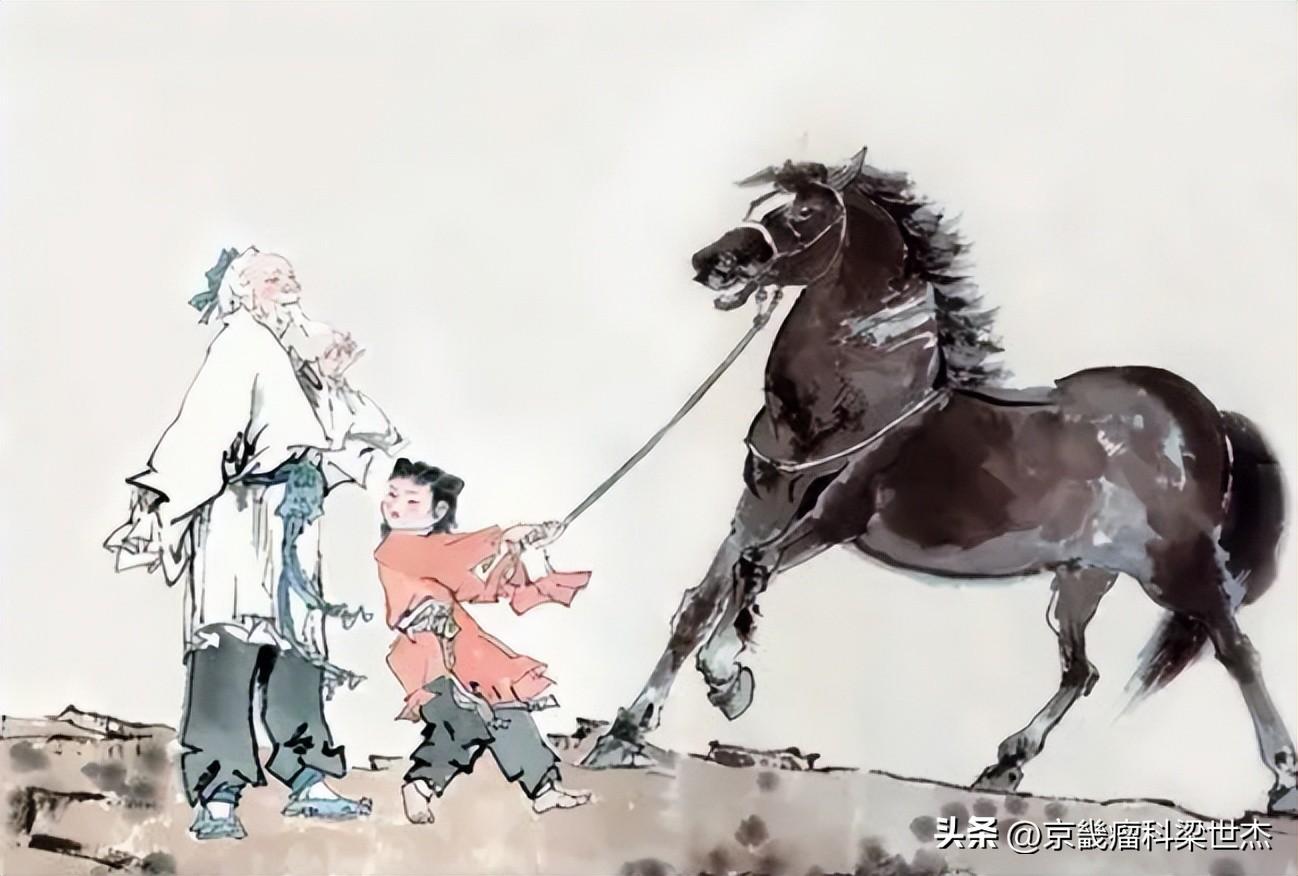
據相關社會調查顯示,在成功的職場人士中,超過70%的人都曾得到過他人的幫助和扶持。他們在起步階段,如同初升的朝陽,雖然充滿潛力,但力量尚顯薄弱。此時,貴人的出現,就像一場及時雨,滋潤了他們乾涸的心田,爲他們的成長提供了必要的資源和機會。然而,這僅僅是故事的一半。當他們憑藉自身的努力和貴人的助力,逐漸積累起實力,如同茁壯成長的大樹,枝繁葉茂時,反哺貴人,那纔是真本領的體現。
以商業領域爲例,馬雲在創業初期,得到了蔡崇信的鼎力相助。蔡崇信放棄高薪工作,加入阿里巴巴,爲馬雲帶來了專業的財務和法律知識,幫助阿里巴巴搭建起了規範的管理框架。在阿里巴巴逐漸發展壯大後,馬雲也沒有忘記蔡崇信的恩情,給予他充分的信任和尊重,讓他在公司中擔任重要職位,共同推動阿里巴巴走向輝煌。這就是陰陽互濟在社會關係中的生動寫照,從被扶持者到扶持別人,伯樂和千里馬的契約,纔算完成了閉環。
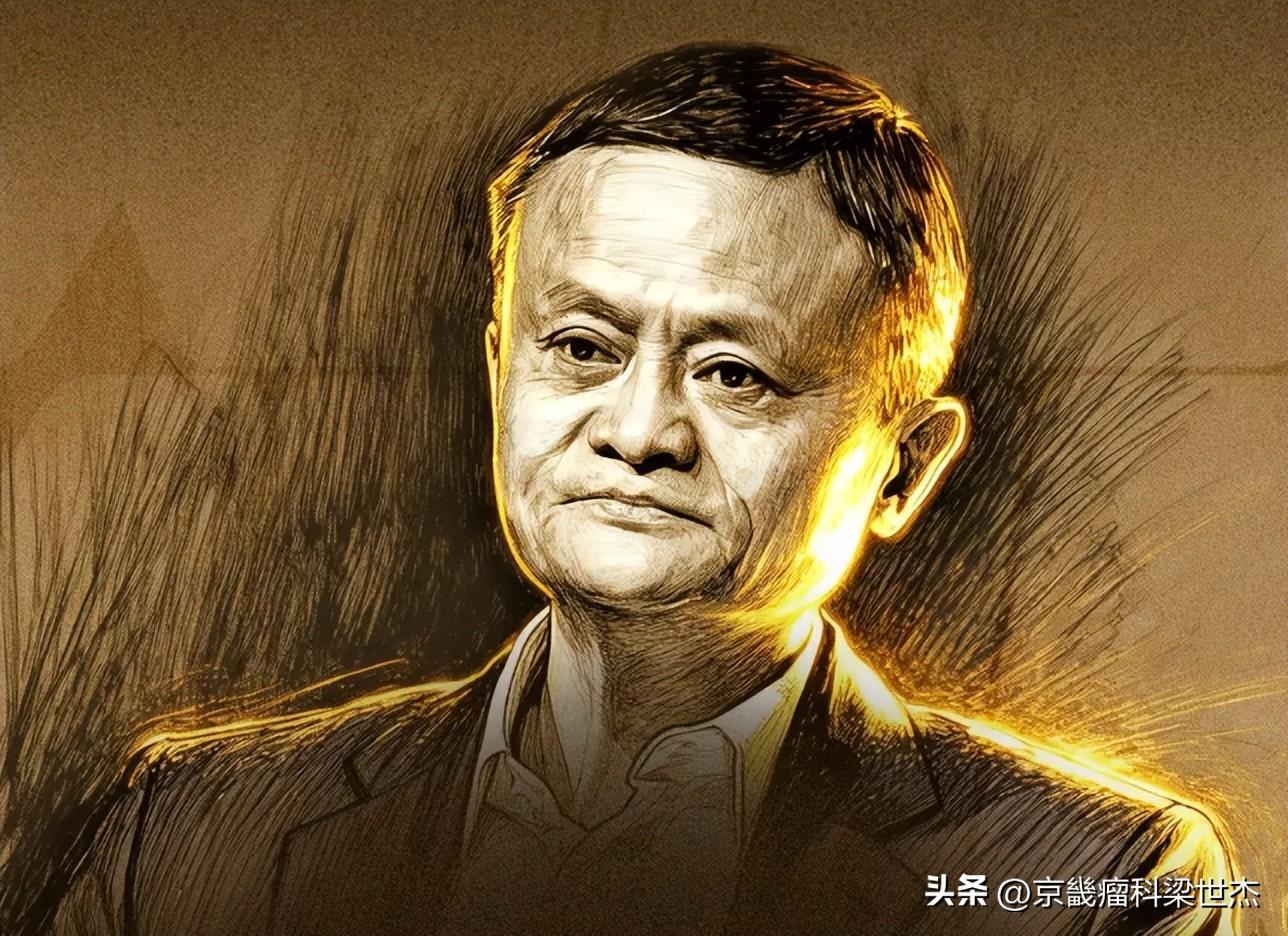
相反,如果一個人在得到他人的幫助後,只知索取,不懂回報,就像陰陽失衡一樣,這種關係必然難以長久。曾經有這樣一個年輕人,在創業初期得到了一位前輩的悉心指導和資金支持。然而,當他取得一定的成功後,卻對前輩的幫助忘得一乾二淨,甚至在公開場合對前輩出言不遜。這種行爲不僅破壞了他與前輩之間的關係,也讓他在業界失去了信譽,最終導致事業一落千丈。這就如同陰陽失調的身體,會出現各種疾病一樣,失衡的社會關係也會帶來諸多問題。
在社會這個大舞臺上,我們每個人都是其中的一員,既可能是被扶持的千里馬,也可能是發現千里馬的伯樂。我們要學會在陰陽的循環中找準自己的位置,當我們是千里馬時,要珍惜伯樂的賞識,努力提升自己的實力;當我們成爲伯樂時,要善於發現和培養有潛力的人才,給予他們成長的機會。同時,無論我們處於何種角色,都要懂得反哺,將能量回流,讓社會關係在陰陽平衡、互根互用的軌道上良性發展。
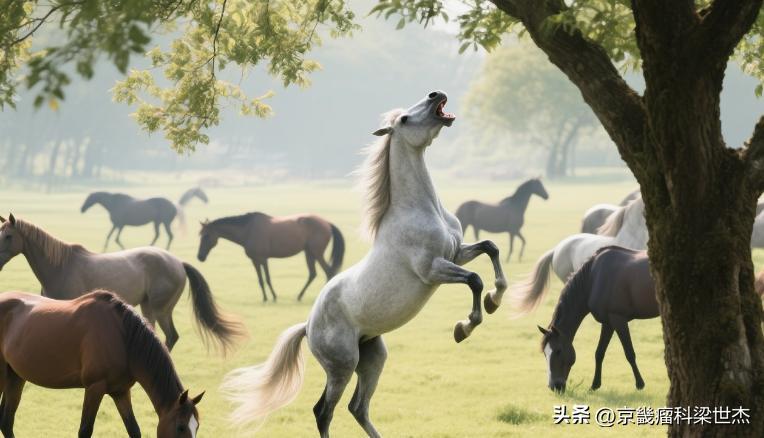
讓我們銘記這千年傳承的智慧,以陰陽互濟的理念,構建和諧、穩定、充滿活力的社會關係,讓每一個人都能在這個大家庭中綻放出屬於自己的光彩。
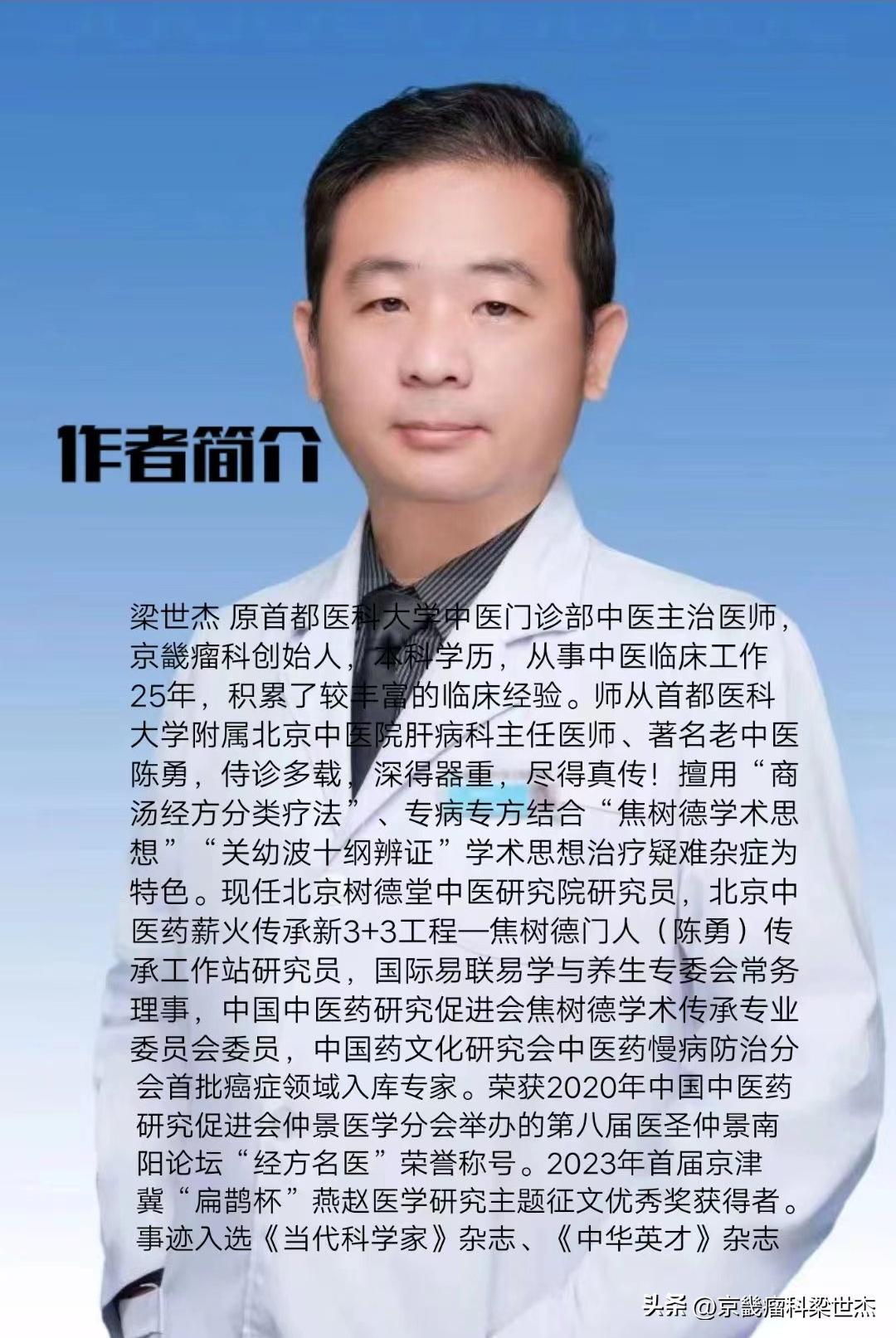
作者簡介:梁世傑 原首都醫科大學中醫門診部中醫主治醫師,京畿瘤科創始人,本科學歷,從事中醫臨牀工作25年,積累了較豐富的臨牀經驗。師從首都醫科大學附屬北京中醫院肝病科主任醫師、著名老中醫陳勇,侍診多載,深得器重,盡得真傳!擅用“商湯經方分類療法”、專病專方結合“焦樹德學術思想”“關幼波十綱辨證”學術思想治療疑難雜症爲特色。現任北京樹德堂中醫研究院研究員,北京中醫藥薪火傳承新3+3工程—焦樹德門人(陳勇)傳承工作站研究員,國際易聯易學與養生專委會常務理事,中國中醫藥研究促進會焦樹德學術傳承專業委員會委員,中國藥文化研究會中醫藥慢病防治分會首批癌症領域入庫專家。榮獲2020年中國中醫藥研究促進會仲景醫學分會舉辦的第八屆醫聖仲景南陽論壇“經方名醫”榮譽稱號。2023年首屆京津冀“扁鵲杯”燕趙醫學研究主題徵文優秀獎獲得者。事蹟入選《當代科學家》雜誌、《中華英才》雜誌。
Liang Shi-jie: The principle of mutual balance between yin and yang lies at the foundation of social relationships.
Having thoroughly studied China’s modern history, we have concluded that powerful ships and advanced weaponry can only provide temporary advantages. What truly maintains world peace and social harmony is China’s traditional cultural values: benevolence, gentleness, respect, frugality, and humility, as well as the concepts of benevolence, righteousness, propriety, wisdom, and faith! In particular, Chinese philosophy, with its core concept of the yin-yang theory from Daoism, not only aligns with the fundamental principles of cultivating one’s mind and character but also serves as the underlying logic for guiding and practicing interpersonal and social relationships.
In the vast expanse of traditional Chinese culture, philosophical ideas shine like brilliant stars, illuminating the path for the Chinese nation to move forward. Among these, the ancient wisdom of “balance between yin and yang, interconnectedness and mutual dependence” serves as an invisible yet resilient thread that permeates every aspect of social relationships, forming the underlying logic that weaves a grand and intricate portrait of human interactions.
Yin and yang, these seemingly opposing yet unified concepts, represent the two fundamental attributes and the laws of change of all things in the world within traditional philosophy. Yang, like the scorching sun, symbolizes light, positivity, and initiative; Yin, like the tranquil night of the full moon, represents darkness, negativity, and passivity. However, they do not exist in isolation but are interdependent and mutually transformative. Just as the alternation between day and night, without the brightness of day, one cannot appreciate the depth of night; without the tranquility of night, one cannot appreciate the commotion of day. This balance and interdependent relationship between yin and yang is vividly reflected in social relationships as well.
True masters are well-versed in this art. They understand the importance of giving back and returning energy, much like the mutual nourishment between yin and yang. Society, at its core, is a form of reciprocal and balanced exchange, akin to the cyclical movement of yin and yang. When you have value and can return value, it’s as if you infuse vitality into the cycle of yin and yang, making you worthy of recognition by those who recognize talent. And you, in turn, can become the magnificent horse that gallops across vast distances. It’s like an exquisite dance, where both partners collaborate and support each other to create a beautiful melody.
According to relevant social surveys, over 70% of successful professionals have received assistance and support from others. At the beginning of their careers, they were like a rising sun, full of potential but still relatively weak. At this stage, the appearance of a mentor was like a timely rainstorm, nourishing their parched hearts and providing the necessary resources and opportunities for their growth. However, this is only half the story. When, through their own efforts and the support of their mentors, they gradually build up their strength and become a thriving tree with abundant branches and leaves, repaying their mentors is a true demonstration of their capabilities.
Take the business sector as an example. During the early stages of his entrepreneurial journey, Jack Ma received significant support from Cai Chongxin. Cai Chongxin abandoned a high-paying job to join Alibaba, bringing with him professional financial and legal expertise that helped Alibaba establish a structured management framework. Even after Alibaba had grown and flourished, Jack Ma never forgot Cai Chongxin’s kindness and showed him unwavering trust and respect, appointing him to a key position within the company to jointly drive Alibaba’s success. This is a vivid illustration of the dynamic interplay between Yin and Yang in social relationships, where the cycle of support and reciprocity is complete when a benefactor becomes a supporter in turn, much like the bond between a mentor and a talented individual.
On the contrary, if a person, after receiving help from others, only knows how to demand more without showing any inclination to reciprocate, it is akin to an imbalance between yin and yang. Such relationships are bound to be unstable in the long run. There was once a young person who, during the early stages of his entrepreneurial journey, received thoughtful guidance and financial support from an experienced mentor. However, once he achieved some level of success, he completely forgot about the mentor’s assistance and even spoke disrespectfully of him in public. This behavior not only damaged his relationship with the mentor but also led to a loss of credibility within the industry, ultimately resulting in a significant decline in his career. Just as an imbalance in the body can lead to various illnesses, an imbalance in social relationships can also cause numerous problems.
On this grand stage of society, each of us is a part of it. We might be supported “thousand-mile horses,” or we might be the “horse-finders” who discover them. We need to learn to find our place within the cycle of yin and yang. When we are “thousand-mile horses,” we should cherish the recognition of our “horse-finders” and strive to enhance our abilities. When we become “horse-finders,” we should be skilled at discovering and nurturing talented individuals, providing them with opportunities for growth. Moreover, regardless of our role, we must understand the importance of giving back, returning our energy, and allowing social relationships to develop positively within the balanced and interdependent framework of yin and yang.
Let us cherish the wisdom passed down through the ages, build harmonious, stable, and vibrant social relationships based on the principle of yin and yang complementarity, and enable every individual to shine with their own unique brilliance within this collective family.
Author profile: Liang Shi-jie was a chief physician of traditional Chinese medicine at the Traditional Chinese Medicine Outpatient Clinic of Capital Medical University. He was the founder of Jingyi Tumor Clinic. He holds a bachelor’s degree and has been engaged in clinical work in traditional Chinese medicine for 25 years, accumulating extensive clinical experience. He studied under Chen Yong, a renowned senior traditional Chinese medicine practitioner at the Hepatology Department of Beijing Traditional Chinese Medicine Hospital affiliated to Capital Medical University. Over the years, he gained great respect and acquired genuine expertise. He specializes in using the “Shang Tang Classic Classification Therapy” and combining specific treatments for specific diseases with the “Jiao Shu-de Academic Thought” and the “Guan You-bo Ten-Principle Diagnosis” approach to treat complex medical conditions. He is currently a researcher at the Beijing Shu-de-Tang Traditional Chinese Medicine Research Institute and a researcher at the Beijing New 3+3 Project for the Inheritance of Traditional Chinese Medicine – Jiao Shu-de’s Disciples (Chen Yong) Heritage Workstation. He is a Standing director of the International Yi-lian Yi-xue and Health Preservation Committee and a member of the Committee for the Inheritance of Jiao Shu-de’s Academic Thought of the China Research Promotion Association for Traditional Chinese Medicine. He is also a member of the inaugural Cancer Expert Pool of the China Cultural Research Association for Traditional Chinese Medicine’s Prevention of Chronic Diseases. He was awarded the title of “Expert in Classic Prescriptions” at the Eighth Nanyang Forum of the Zhang Zhongjing Medical Division of the China Research Promotion Association in 2020. In 2023, he won the Excellence Award in the First Beijing-Tianjin-Hebei “Bian Que Cup” Yan-Zhao Medical Research Theme Essay Competition. His achievements have been featured in the magazines “Contemporary Scientists” and “China’s Elite”.