梁世傑:氣陰雙補與清上溫下,更適合中老年人調理陰陽
在中醫那浩如煙海的典籍與理論中,陰陽學說宛如一座巍峨的高山,高聳入雲,其蘊含的智慧,歷經千年而不衰,如同陳釀的美酒,越品越香。明朝的張景嶽先生,便是那在高山之巔俯瞰衆生的智者,他對《黃帝內經》中諸多治則的變化運用和進一步發揮,就像在古老的石牆上刻下了新的篇章,爲中醫的發展添上了濃墨重彩的一筆。
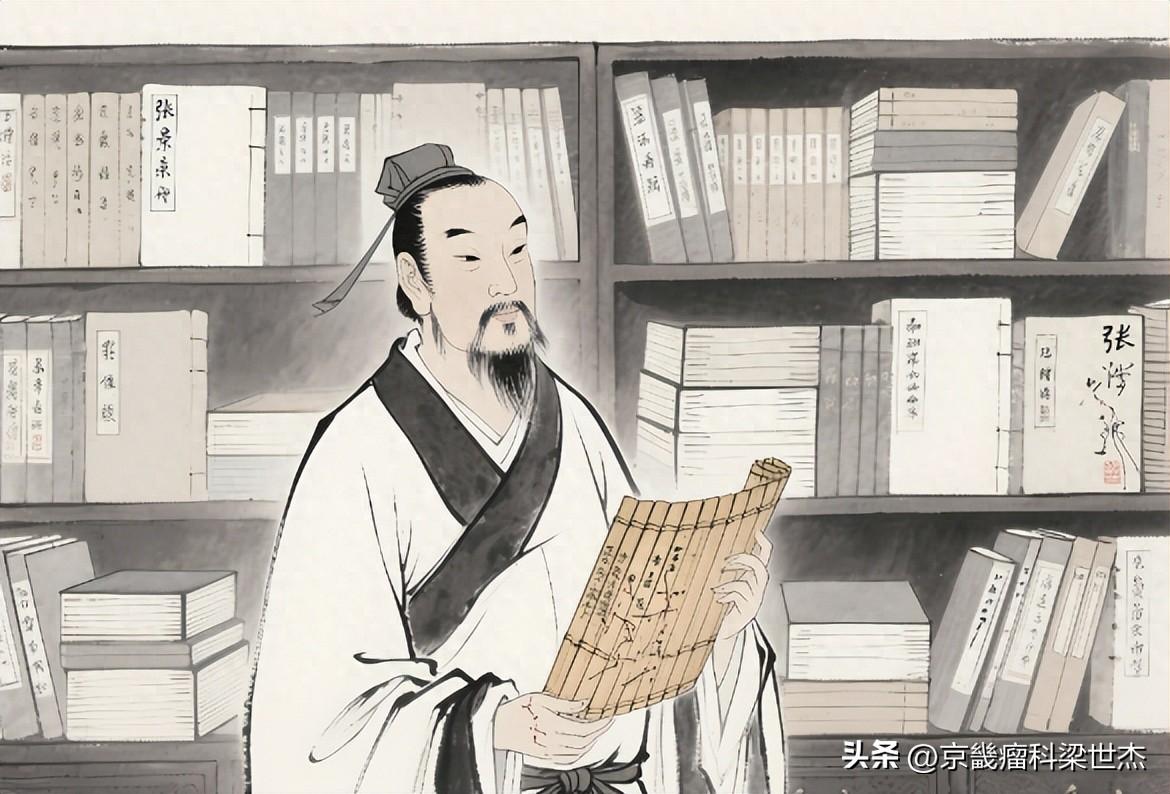
《黃帝內經》裏那些“用陽和陰,用陰和陽”“陽病治陰,陰病治陽”“因其衰而彰之”“形不足者,溫之以氣,精不足者,補之以味”等治則,就像一把把神祕的鑰匙,開啓了中醫治療疾病的大門。張景嶽先生在“新方八陣”的“補陣”中,提出了“陰中求陽,陽中求陰”的精妙理論。他老人家那原話,就像一道劃破夜空的閃電,照亮了中醫陰陽互補的道路:“善補陽者,必於陰中求陽,則陽得陰助而生化無窮;善補陰者,必於陽中求陰,則陰得陽升而泉源不竭。”這話說得那叫一個妙啊!就好比陰陽是一對親密無間的舞伴,在生命的舞臺上翩翩起舞,相互配合,相互促進。陰陽互補,確實能夠讓陰陽的互化與生長如同春天的種子,在適宜的環境中蓬勃生長。據臨牀統計,在遵循陰陽互補原則進行治療的病例中,有相當一部分患者的身體狀況得到了顯著改善,就像久旱的土地迎來了甘霖,重新煥發出勃勃生機。
然而,這世間萬物,沒有絕對的一成不變。陰陽互補的理論雖然精妙,但在實際運用中,卻並非人人適用,就像一件華麗的衣服,不是每個人穿起來都合身。對於中老年人來說,他們的身體就像一臺運轉多年的老機器,氣血不夠充足,氣化能力也不強。這時候,如果貿然使用陰陽互補的辦法,就容易出現各種副作用。就好比給一輛油箱漏油的汽車猛踩油門,不僅跑不快,還可能引發更嚴重的問題。上火、補不進去、阻滯脾胃等情況,就像一羣不速之客,常常會不請自來。而年輕人呢,身體就像初升的太陽,充滿活力,氣血旺盛,陰陽互補的辦法對他們來說,可能就像給駿馬添上了翅膀,更加得心應手。
就拿我鄰居老張來說吧,他是個中老年人,身體一直不太好,氣血兩虛。有一次,他聽別人說陰陽互補的辦法好,就自己買了些滋陰和溫陽的藥來喫。結果呢,沒喫幾天,就上火了,嘴裏長滿了潰瘍,喫飯都成問題,還覺得肚子脹脹的,消化也不好。這就是典型的盲目使用陰陽互補辦法導致的後果。所以啊,在氣不夠的情況下,用陰陽互補的辦法,或者陰中求陽、陽中求陰的辦法,就像在沙灘上建房子,根基不穩,是不適宜的。尤其是滋陰藥,它就像一塊沉重的石頭,容易阻滯脾胃,影響消化。再加上溫陽藥在旁邊“煽風點火”,身體就容易化熱生火,反而不利於身體陰陽的滋補。
那該怎麼辦呢?筆者認爲,在滋陰藥當中先予以益氣、理氣藥,就像給一輛汽車先加滿油,再檢查發動機,恢復氣陰。這樣氣陰雙補,身體就像一臺經過精心調試的機器,得以恢復正常運轉。等身體恢復得差不多了,再考慮滋陰求陽。如果有陽虛,並且出現上熱下寒症狀的中老年人,那就必定要清上溫下,引火歸元。這就像給一座失衡的天平,一邊減輕重量,一邊增加重量,讓它重新恢復平衡。在清熱藥與溫陽藥的使用中,千萬不能滋陰求陽,或陽中求陰。如果那樣,就像在混亂的戰場上又添了一把火,反而導致不能調化,出現補不進去,或者越補越上火的副作用。
中醫的智慧,就像一座取之不盡、用之不竭的寶藏。我們在挖掘和運用這些寶藏的時候,不能盲目照搬,要根據不同的人、不同的身體狀況,靈活變通。就像一位高明的廚師,根據不同的食材和客人的口味,做出一道道美味佳餚。讓我們在中醫的智慧指引下,找到適合自己的養生之道,讓身體像一棵茁壯成長的大樹,在歲月的長河中屹立不倒。
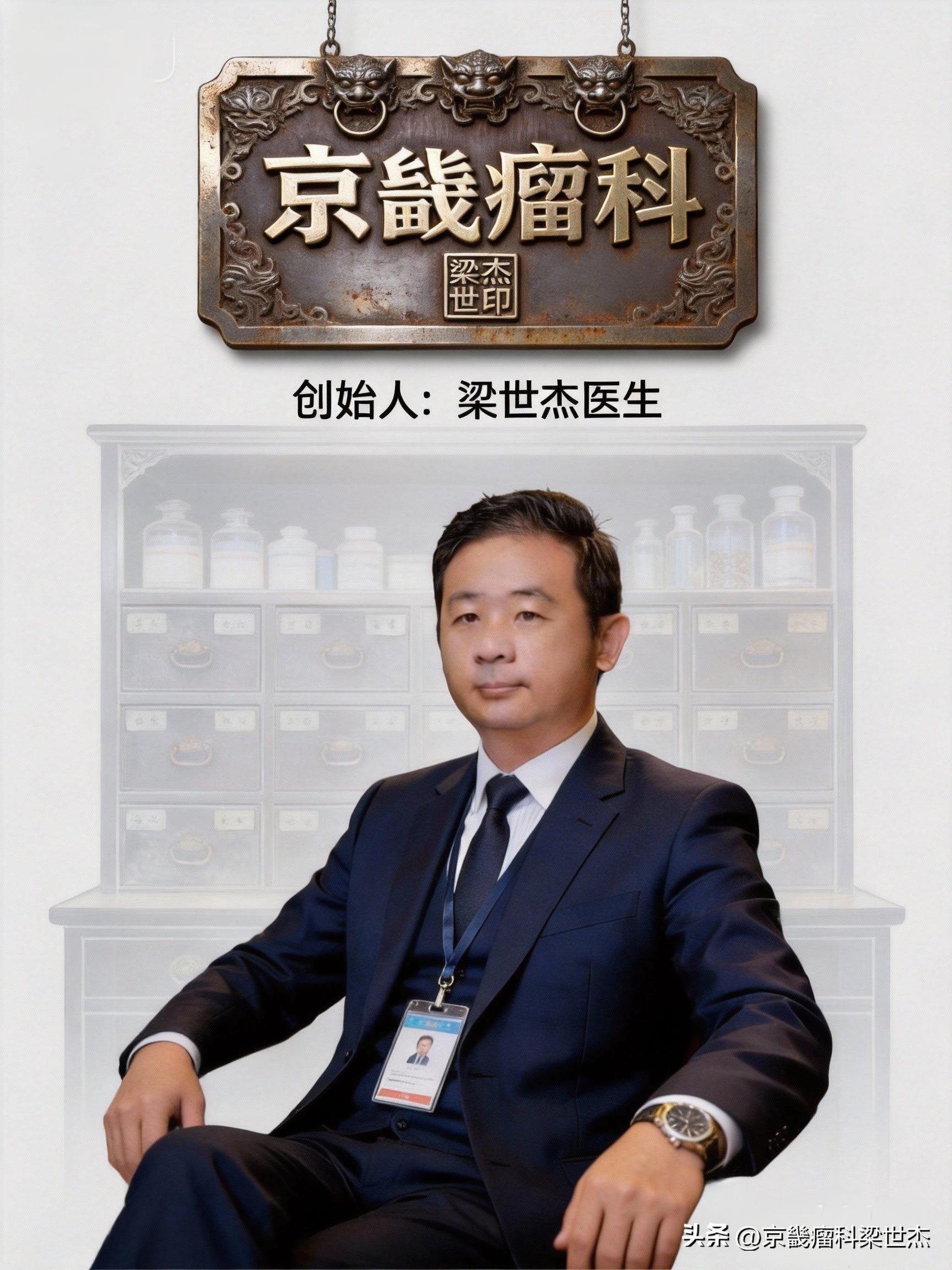
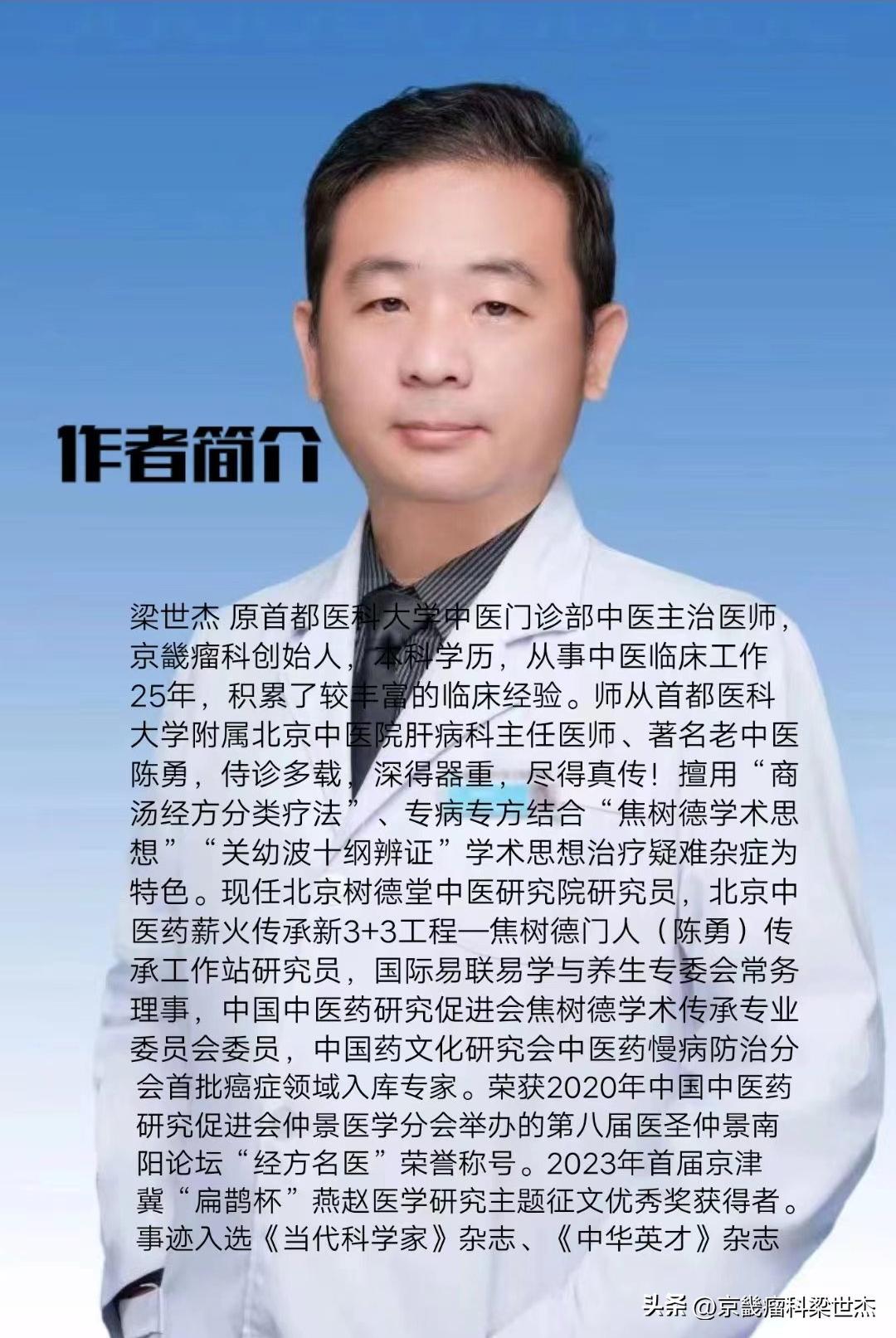
作者簡介:梁世傑 原首都醫科大學中醫門診部中醫主治醫師,京畿瘤科創始人,本科學歷,從事中醫臨牀工作25年,積累了較豐富的臨牀經驗。師從首都醫科大學附屬北京中醫院肝病科主任醫師、著名老中醫陳勇,侍診多載,深得器重,盡得真傳!擅用“商湯經方分類療法”、專病專方結合“焦樹德學術思想”“關幼波十綱辨證”學術思想治療疑難雜症爲特色。現任北京樹德堂中醫研究院研究員,北京中醫藥薪火傳承新3+3工程—焦樹德門人(陳勇)傳承工作站研究員,國際易聯易學與養生專委會常務理事,中國中醫藥研究促進會焦樹德學術傳承專業委員會委員,中國藥文化研究會中醫藥慢病防治分會首批癌症領域入庫專家。榮獲2020年中國中醫藥研究促進會仲景醫學分會舉辦的第八屆醫聖仲景南陽論壇“經方名醫”榮譽稱號。2023年首屆京津冀“扁鵲杯”燕趙醫學研究主題徵文優秀獎獲得者。事蹟入選《當代科學家》雜誌、《中華英才》雜誌。
Liang Shi-jie: The combination of tonifying qi and nourishing yin, along with clearing the upper and warming the lower, is more suitable for the regulation of yin and yang among middle-aged and elderly individuals.
In the vast array of classical texts and theories of traditional Chinese medicine, the doctrine of yin and yang is akin to a towering mountain that pierces the clouds. The wisdom it embodies has endured for millennia without waning, much like aged wine that becomes more fragrant with each sip. Mr. Zhang Jing-yue of the Ming Dynasty was the wise individual who looked down upon all beings from the peak of that mountain. His application and further development of the various therapeutic principles outlined in the “Huangdi Neijing” were like carving new chapters onto ancient stone walls, adding a significant and colorful chapter to the development of traditional Chinese medicine.
The principles outlined in the Huangdi Neijing, such as “using yang and yin, using yin and yang,” “treating yang diseases with yin, treating yin diseases with yang,” “highlighting deficiencies due to decline,” and “warming those with insufficient physical form with qi, and supplementing those with insufficient essence with flavor,” serve as mystical keys that open the door to traditional Chinese medicine’s approach to treating diseases. In the “Supplementary Array” of the “New Formulas Eight Arrays,” Zhang Jing-yue proposed the ingenious theory of “seeking yang within yin and seeking yin within yang.” His words were like a lightning bolt piercing the night sky, illuminating the path of yin-yang complementarity in traditional Chinese medicine: “Those skilled in supplementing yang must seek it within yin, thereby allowing yang to be supported by yin and enabling endless growth; those skilled in supplementing yin must seek it within yang, thereby allowing yin to be elevated by yang, ensuring an endless supply of vitality.” This statement is truly exquisite! It’s as if yin and yang are inseparable partners dancing on the stage of life, harmonizing and mutually enhancing each other. The complementary nature of yin and yang indeed allows their interactions and growth to flourish like seeds in a nurturing environment. According to clinical statistics, in cases where treatment was conducted in accordance with the principles of yin-yang complementarity, a significant improvement was observed in the health conditions of many patients, much like a parched land receiving much-needed rain and regaining its vitality.
However, everything in this world is not absolutely static. Although the theory of yin and yang complementation is exquisite, it is not universally applicable in practice. Just like a magnificent piece of clothing that does not fit everyone, not everyone can benefit from it. For middle-aged and elderly individuals, their bodies are akin to old machines that have been in operation for many years. Their qi and blood are insufficient, and their qi transformation ability is weak. If they rashly employ the method of yin and yang complementation, various side effects may arise. It is akin to pressing the gas pedal of a car with a leaking fuel tank; not only will it not move quickly, but it may also trigger more severe problems. Conditions such as internal heat, inability to be replenished, and obstruction of the spleen and stomach often appear uninvited. In contrast, young people have bodies like rising suns, full of vitality and abundant qi. For them, the method of yin and yang supplementation might be like adding wings to a magnificent horse, making them even more adept and capable.
Take my neighbor, Old Zhang, for example. He is a middle-aged or elderly person whose health has always been poor, with both deficiency of qi and blood. One time, he heard that the method of complementary yin and yang was effective and decided to buy some medicines to nourish yin and warm yang. However, after only a few days of taking the medicine, he developed a fever, with ulcers forming in his mouth, making it difficult for him to eat. He also felt bloated and had poor digestion. This is a typical consequence of blindly using the method of complementary yin and Yang. Therefore, when qi is insufficient, using methods like complementary yin and Yang, or seeking yin within yang or yang within yin, is akin to building a house on unstable sand. Especially when it comes to nourishing yin medicines, they can act like heavy stones, obstructing the spleen and stomach and affecting digestion. Coupled with the “encouragement” from warming yang medicines nearby, the body is prone to generating heat and fire, which is counterproductive to the nourishment of the body’s yin and yang.
So what should be done? In the author’s opinion, when treating yin deficiency, it is first necessary to use tonifying and regulating qi herbs, akin to filling a car’s tank with fuel before inspecting the engine and restoring qi and yin. By simultaneously tonifying qi and yin, the body functions like a finely tuned machine, allowing it to return to normal operation. Once the body has recovered to a significant extent, consideration can be given to seeking yang through yin treatment. For elderly individuals with yang deficiency and symptoms of upper heat and lower cold, it is imperative to clear heat from the upper region and warm the lower region, guiding the fire back to its original place. This is akin to balancing an unbalanced scale by reducing the weight on one side while increasing the weight on the other, thereby restoring equilibrium. In the use of cooling herbs and warming yang herbs, one must avoid seeking yang through yin or seeking yin within yang. If this approach is taken, it would be like adding fuel to a chaotic battlefield, leading to unintended consequences such as ineffectiveness or exacerbation of symptoms due to excessive supplementation.
The wisdom of traditional Chinese medicine is like an inexhaustible treasure trove. When we explore and utilize these treasures, we must not blindly follow a one-size-fits-all approach. Instead, we need to be flexible and adapt to different individuals and varying physical conditions. Just as a skilled chef creates exquisite dishes based on different ingredients and the preferences of their customers, let us, guided by the wisdom of traditional Chinese medicine, find our own path to health and wellness, allowing our bodies to flourish like a robust tree standing firm amidst the passage of time.
Author profile: Liang Shi-jie was a chief physician of traditional Chinese medicine at the Traditional Chinese Medicine Outpatient Clinic of Capital Medical University. He was the founder of Jingyi Tumor Clinic. He holds a bachelor’s degree and has been engaged in clinical work in traditional Chinese medicine for 25 years, accumulating extensive clinical experience. He studied under Chen Yong, a renowned senior traditional Chinese medicine practitioner at the Hepatology Department of Beijing Traditional Chinese Medicine Hospital affiliated to Capital Medical University. Over the years, he gained great respect and acquired genuine expertise. He specializes in using the “Shang Tang Classic Classification Therapy” and combining specific treatments for specific diseases with the “Jiao Shu-de Academic Thought” and the “Guan You-bo Ten-Principle Diagnosis” approach to treat complex medical conditions. He is currently a researcher at the Beijing Shu-de-Tang Traditional Chinese Medicine Research Institute and a researcher at the Beijing New 3+3 Project for the Inheritance of Traditional Chinese Medicine – Jiao Shu-de’s Disciples (Chen Yong) Heritage Workstation. He is a Standing director of the International Yi-lian Yi-xue and Health Preservation Committee and a member of the Committee for the Inheritance of Jiao Shu-de’s Academic Thought of the China Research Promotion Association for Traditional Chinese Medicine. He is also a member of the inaugural Cancer Expert Pool of the China Cultural Research Association for Traditional Chinese Medicine’s Prevention of Chronic Diseases. He was awarded the title of “Expert in Classic Prescriptions” at the Eighth Nanyang Forum of the Zhang Zhongjing Medical Division of the China Research Promotion Association in 2020. In 2023, he won the Excellence Award in the First Beijing-Tianjin-Hebei “Bian Que Cup” Yan-Zhao Medical Research Theme Essay Competition. His achievements have been featured in the magazines “Contemporary Scientists” and “China’s Elite”.