皮膚:人類進化與中醫智慧
在生命漫長的進化長河中,人類宛如一顆璀璨的星辰,閃耀着獨特的光芒。而皮膚,這層包裹着我們身體的神奇外衣,無疑是人類進化得最爲成功的器官之一,它宛如一部無聲的史書,記錄着人類從猿到人的滄桑鉅變,更成爲中醫這門古老醫學體系裏不可或缺的智慧密碼。
進化史詩:皮膚與汗腺的華麗蛻變
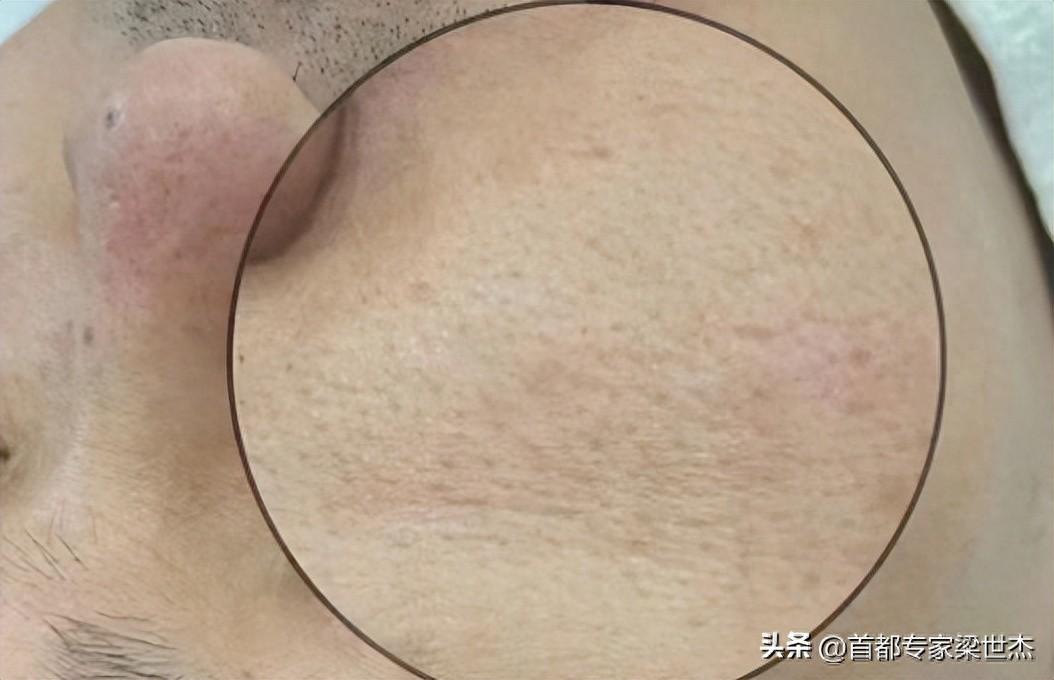
遙想猿人時期,我們的祖先們身披厚重的“毛皮大衣”,那角化層較厚的皮膚,如同堅實的鎧甲,全身密佈的保暖密毛,是他們抵禦嚴寒的天然屏障。然而,那時的汗腺卻遠不如現代人發達,散熱能力極爲有限。正如嚴健民在《中國醫學起源新論》中所言,隨着猿人直立行走,用手勞動日益增多,身體的各個器官開始了翻天覆地的變化。
在炎炎烈日下,爲了獲取維持生命的食物,古人不得不四處奔忙。出汗散熱,成了他們保持健康的必要手段。於是,汗腺在歲月的磨礪中逐漸發達起來,如同辛勤的工匠不斷雕琢着自己的技藝。而在寒冷的日子裏,聰明的古人學會了穴居、烤火、穿上獸皮樹葉,皮脂腺也在這過程中逐漸發達。漸漸地,靠密毛厚皮保暖似乎變得不再那麼必要,“用進廢退”的自然法則開始發揮作用。人類的皮膚變薄了,密毛大部分退化,而與體溫調節緊密相關的汗腺、皮脂腺卻愈發發達。吳汝康在《人類發展史》中提到:“一個人有二百到五百餘萬條汗腺,這是任何猿、猴所不及的。”相比之下,耗子僅有腳底板纔有汗腺,狗若汗腺發達,夏天便無需吐舌頭散熱,馬雖有汗腺,常被贊“汗馬功勞”,但其汗腺的發達程度也遠遠不及人類。
這場皮膚與汗腺的進化之旅,讓人類從相對變溫的古猿,搖身一變成爲相對恆溫的新人。這不僅是人類進化史上的重大飛躍,更爲中醫的誕生與發展奠定了堅實的生理基礎。
中醫智慧:於皮膚之上洞察乾坤
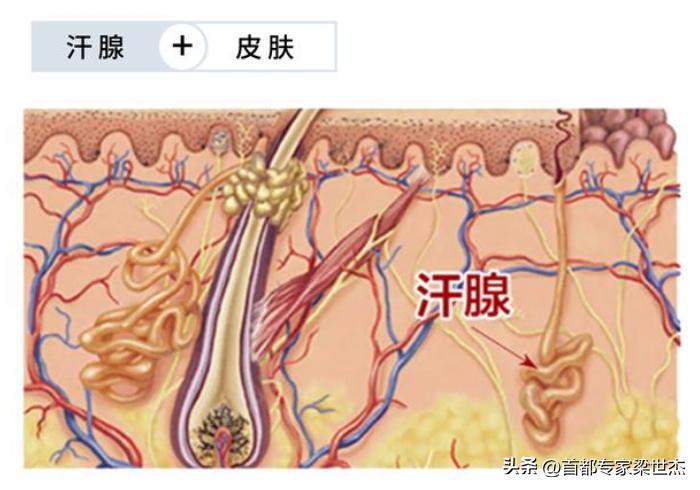
中醫,這門承載着中華民族千年智慧的醫學體系,對皮膚的重視程度超乎想象。它就像一位技藝精湛的偵探,從皮膚的細微變化中探尋疾病的蛛絲馬跡。中醫的望診、切診,皆以皮膚爲基礎。望神、望色,通過觀察皮膚的色澤、神態,判斷人體的氣血盛衰、臟腑功能;切尺膚、切脈,以觸摸皮膚的溫度、質地,感知人體的陰陽平衡、氣血運行。這些“客觀”的診斷措施,如同中醫手中的一把把鑰匙,開啓了通往人體健康奧祕的大門。而動物實驗,由於缺乏人類皮膚獨特的進化歷程,很難模擬出中醫診斷所依據的這些關鍵信息。
病人的皮膚“主觀感覺”,更是中醫診斷不可或缺的重要資料。就拿中醫對傳染病過程中發熱的辨別來說,它強調辨別表裏,主要依據有無怕冷的“惡寒”證候。少陽病的往來寒熱,如同潮水的漲落,忽冷忽熱;陽明病的單熱不寒,似烈火熊熊燃燒,只覺燥熱;溼溫的身熱不揚,彷彿被一層溼布包裹,熱勢不揚。這些細緻入微的辨別,都要依靠皮膚的“主客觀”反應。
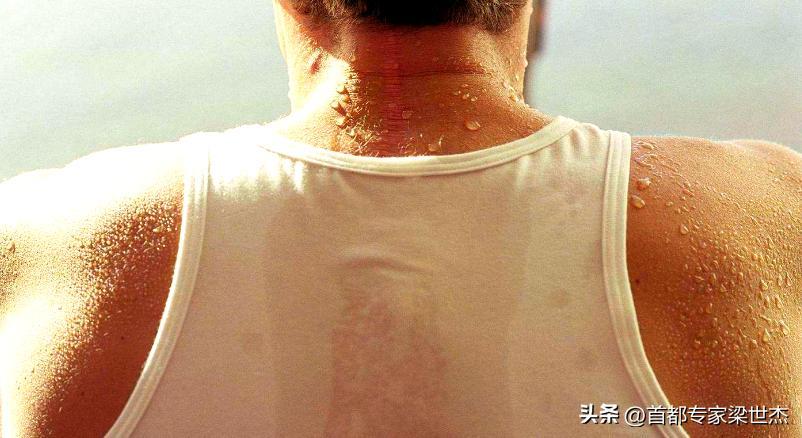
中醫學在病人的皮膚上“做足了”學問。皮膚的潤澤與否,如同大地的乾溼狀況,反映着人體的津液盈虧;溫度的高低,好似天氣的冷暖,暗示着人體的陰陽失衡;色彩的變化,宛如四季的更替,揭示着人體的氣血瘀滯;豐腴與乾溼,恰似土地的肥沃與貧瘠,體現着人體的營養狀況。毛髮的多少、光澤、疏密、分佈,如同森林的繁茂與稀疏,與人體的腎氣盛衰息息相關;汗液的有無、多少、出汗的時間、程度,好似天氣的陰晴雨雪,反映着人體的腠理開合、氣血運行。這些看似平常的皮膚表現,在中醫眼中,卻都是判斷病情的重要依據。
汗法傳奇:古老智慧綻放現代光芒
中醫不僅善於從皮膚上診斷疾病,更擅長通過皮膚來治療疾病。“善治者,治皮毛”,這句古老的中醫名言,道盡了中醫治療的精妙之處。其中,發汗治病方法(簡稱汗法),更是中醫治療的一大瑰寶,其悠久的歷史和豐富的內容,令現代醫學望塵莫及。
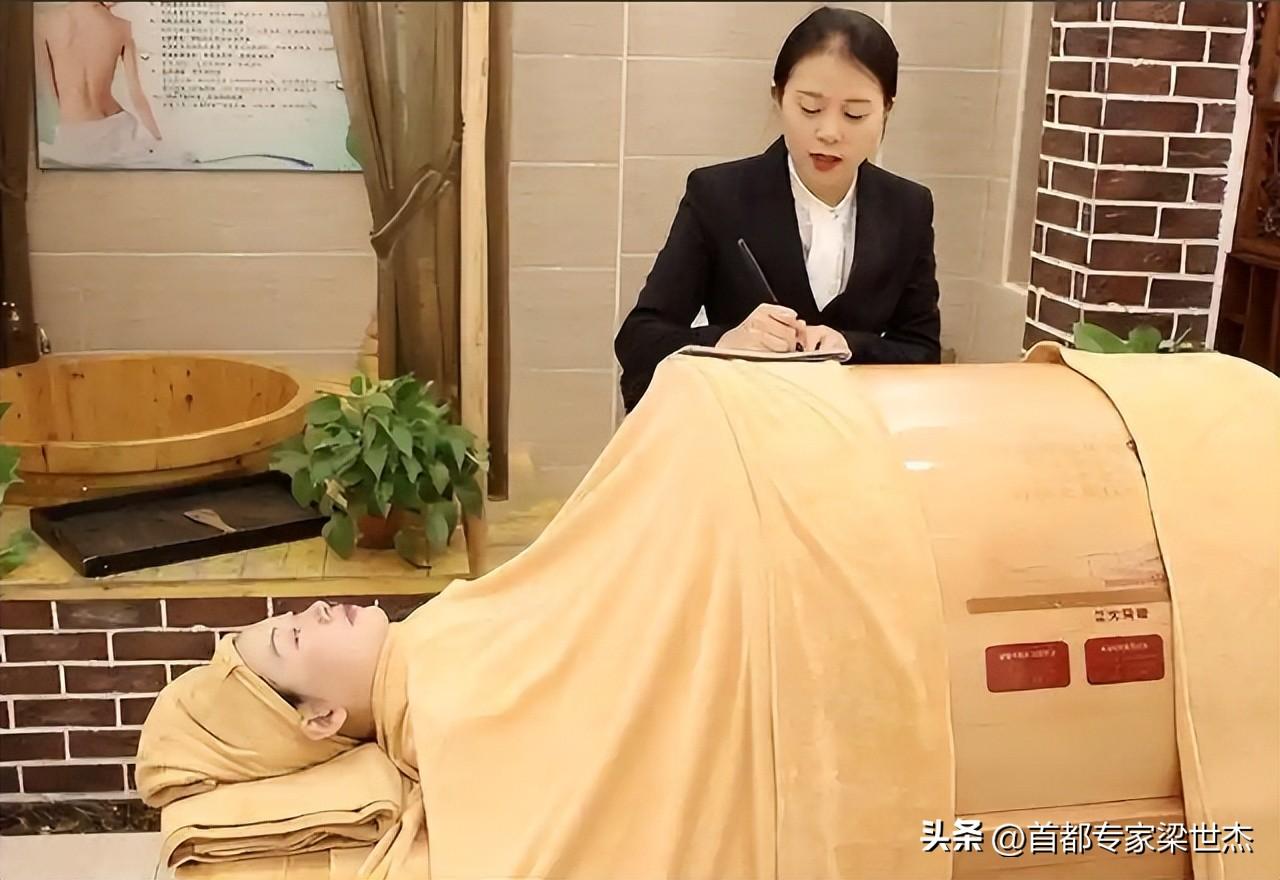
汗法的起源,已經久遠得幾乎無法說清。它就像一顆深埋在歷史土壤中的種子,經過歲月的滋養,生根發芽,枝繁葉茂。在中醫的治療過程中,通過使病人汗出,達到驅邪外出、調和營衛、疏通經絡的目的。比如,當外感風寒之邪,人體出現惡寒發熱、頭痛身痛等症狀時,中醫會運用辛溫解表的方劑,如麻黃湯,使患者微微汗出,讓風寒之邪隨汗而解,就像給身體打開了一扇窗戶,讓邪氣有了出路。又如,對於一些風溼痹痛的患者,中醫會採用發汗祛溼的方法,通過汗出,使溼邪從皮膚排出,緩解關節疼痛、肢體沉重等症狀,彷彿給身體進行了一次徹底的清潔。
在現代醫學高度發達的今天,中醫的汗法依然散發着獨特的魅力。它以其溫和、安全、有效的特點,爲許多疾病的治療提供了新的思路和方法。據相關統計,在臨牀治療風寒感冒、風溼性疾病等方面,運用汗法的有效率可達90%以上,且副作用小,深受患者的歡迎。
皮膚,這層看似平凡的外衣,實則是人類進化賦予我們的珍貴禮物,也是中醫智慧的重要載體。它見證了人類從猿到人的偉大進化歷程,承載着中醫數千年的診療經驗。讓我們珍惜這份饋贈,傳承和發揚中醫的智慧,讓這顆古老的醫學明珠在新時代綻放更加耀眼的光芒。
作者簡介:梁世傑 原首都醫科大學中醫門診部中醫主治醫師,本科學歷,從事中醫臨牀工作25年,積累了較豐富的臨牀經驗。師從首都醫科大學附屬北京中醫院肝病科主任醫師、著名老中醫陳勇,侍診多載,深得器重,盡得真傳!擅用“商湯經方分類療法”、專病專方結合“焦樹德學術思想”“關幼波十綱辨證”學術思想治療疑難雜症爲特色。現任北京樹德堂中醫研究院研究員,北京中醫藥薪火傳承新3+3工程—焦樹德門人(陳勇)傳承工作站研究員,國際易聯易學與養生專委會常務理事,中國中醫藥研究促進會焦樹德學術傳承專業委員會委員,中國藥文化研究會中醫藥慢病防治分會首批癌症領域入庫專家。榮獲2020年中國中醫藥研究促進會仲景醫學分會舉辦的第八屆醫聖仲景南陽論壇“經方名醫”榮譽稱號。2023年首屆京津冀“扁鵲杯”燕趙醫學研究主題徵文優秀獎獲得者。事蹟入選《當代科學家》雜誌、《中華英才》雜誌。
Skin: Human Evolution and the Wisdom of Chinese Medicine
During the long evolutionary journey of life, human beings are like a shining star, shining with a unique glow. The skin, the magic outer layer that encloses our bodies, is undoubtedly one of the most successful organs of human evolution. It is like a silent history book, chronicling the evolution of humankind from ape to man, and becoming an indispensable code of wisdom in the ancient medical system of traditional Chinese medicine.
Evolutionary epic: The gorgeous transformation of the skin and sweat glands
Back in the time of the apes, our ancestors wore heavy "fur coats," a thick layer of horned skin that resembled solid armor, and a blanket of warm fur that protected them from the cold. However, the sweat glands of that time were far less developed than modern humans, and the ability to dissipate heat was extremely limited. As Yan Jianmin says in the New Theory of the Origins of Chinese Medicine, as apes walked upright and made more manual labor, the various organs of the body began to change over and over again.
In the heat of the sun, the ancient people had to go about their business in order to obtain life-sustaining food. Sweating has become a necessary way for them to stay healthy. Thus, the sweat gland gradually developed over the years, like a hard-working craftsman constantly carved out his craft. In the cold days, the clever ancient people learned to live in caves, roast fires, and wear animal skin leaves, and the sebaceous glands gradually developed in the process. Gradually, it seemed less necessary to keep warm with thick fur and thick skin, and the laws of nature began to come into play. Human skin has thinned, most of the dense hair has degenerated, while sweat glands and sebaceous glands, which are closely related to body temperature regulation, are increasingly developed. Wu Ruikang said in "The History of Human Development" that "a human has two to five million sweat glands, which is less than that of any ape or monkey." In contrast, mice only have sweat glands on the soles of their feet, and if the sweat gland is developed in dogs, they do not need to spit their tongues to dissipate heat in summer. Although horses have sweat cells, and are often praised for "the work of sweating horses," their sweat gland does not develop much as humans.
This evolutionary journey of skin and sweat glands has transformed humans from relatively warm apes into relatively stable newcomers. This is not only a major leap in human evolutionary history, but also laid a solid physical foundation for the birth and development of Chinese medicine.
Traditional Chinese Medicine Wisdom: Insight into Nature Beneath the Skin
Traditional Chinese medicine, a medical system that carries the wisdom of the Chinese nation for thousands of years, attaches greater importance to the skin than could be imagined. It is like a skilled detective, looking for signs of disease in the subtle changes in the skin. Traditional Chinese medicine is based on the skin. Look at the gods and look at the color. By observing the color and appearance of the skin, you can judge the strength and weakness of the human body''s blood and blood and the function of the internal organs. Scaling the skin and cutting the veins to touch the temperature and texture of the skin and to sense the yin-yang balance and the qi-blood movement of the human body. These "objective" diagnostic measures, like keys in the hand of traditional Chinese medicine, open the door to the mystery of human health. Animal studies, which lack the unique evolutionary history of human skin, make it difficult to model these crucial information on which traditional Chinese medicine is based.
The patient''s skin "subjective feeling" is also an indispensable information for traditional Chinese medicine diagnosis. Take traditional Chinese medicine for the identification of fever during infectious diseases, which emphasizes the identification process mainly based on whether there are "bad cold" signs of fear of cold. The circulation of juvenile diseases is cold and hot, like the rise and fall of a tide, from cold to hot; The monsoon fever is cold, like a fiery fire burning, and the only feeling is hot; The body with a wet temperature does not heat up, as if it is wrapped in a wet cloth, and the heat does not increase. These nuanced distinctions depend on the skin''s "objective" response.
Chinese medicine "does a good job" on the patient''s skin. The moisture of the skin, like the dryness of the earth, reflects the balance of the body''s hydration. The high and low temperature, like the warm and cold weather, indicates the yin and yang imbalance of the human body. The change of color, like the transition of the four seasons, reveals the body''s blood and blood stagnation; The abundance and dryness of the earth are like the richness and barrenness of the land, and reflect the nutritional status of the human body. The amount, gloss, denseness and distribution of hair, like the growth and sparseness of forests, are closely related to the strength and weakness of the human kidneys. The amount, amount, time and extent of sweat are like the weather, reflecting the opening of the human body''s meridians and the movement of the qi and blood. These seemingly ordinary skin manifestations are, in the eyes of traditional Chinese medicine, an important basis for determining the condition.
The Legend of Khana: Ancient Wisdom Shine In Modern Times
Traditional Chinese medicine is not only good at diagnosing diseases on the skin, but also better at treating diseases through the skin. "A good governor cures the skin and hair," says an ancient Chinese traditional saying, which tells us all about the wonderful qualities of Chinese medicine. Among them, the method of sweating to cure diseases (short for sweating) is also a great treasure of traditional Chinese medicine, and its long history and rich content are beyond the reach of modern medicine.
The origins of Khana are almost impossible to explain. It is like a seed buried deep in the historical soil, nourished over the years, taking root and sprouting vigorously. In the course of traditional Chinese medicine, by causing the patient to sweat, the purpose is to expel evil from the house, reconcile the guard, and clear the meridian. For example, when the external cold is evil and the human body develops symptoms such as cold, fever, headache and body pain, traditional Chinese medicine will use spicy and mild remedies for the healing of the pulse, such as lavender soup, so that the patient sweats slightly, and the cold is solved with sweat, like opening a window for the body to allow the evil spirit to have a way out. For example, for some patients with rheumatic paralysis, traditional Chinese medicine will adopt the method of sweating to remove the damp evil from the skin by sweating, relieving the symptoms of joint pain and heavy limbs, as if it gave the body a thorough cleansing.
In today''s highly developed modern medicine, the traditional Chinese sweating technique still radiates a unique charm. With its mild, safe and effective features, it has provided new ideas and methods for the treatment of many diseases. According to relevant statistics, in clinical treatment of cold, cold and rheumatic diseases, the effectiveness of sweating can reach more than 90%, with little side effects, and is widely welcomed by patients.
Skin, this seemingly ordinary coat, is a precious gift that human evolution has given us, and an important vehicle for traditional Chinese medicine wisdom. It bears witness to the great evolution of humankind from ape to man, and carries thousands of years of Chinese medicine''s experience in diagnosis and treatment. Let us cherish this gift, carry forward and promote the wisdom of traditional Chinese medicine, and let this ancient pearl of medicine shine even brighter in the new era.
Author Profile: Liang Shi-jie was a chief physician of traditional Chinese medicine at the Traditional Chinese Medicine Outpatient Clinic of Capital Medical University. He holds a bachelor’s degree and has been involved in clinical work in traditional Chinese medicine for 25 years, accumulating extensive clinical experience. He studied under Chen Yong, a renowned senior traditional Chinese medicine practitioner at the Hepatology Department of Beijing Hospital Affiliated to Capital Medical University. Over the years, he gained great respect and acquired genuine expertise. He specializes in using the “Shang Tang Classic Classification Therapy” and combining specific treatments for specific diseases with the “Jiao Shu-de Academic Thought” and the “Guan You-bo Ten-Principle Diagnosis” approach to treat complex and rare conditions. Currently, he serves as a researcher at the Beijing Shu-de-Tang Traditional Chinese Medicine Research Institute and a researcher at the Jia Shu-de Disciples (Chen Yong) Heritage Workstation of the Beijing New 3+3 Project for the Succession of Traditional Chinese Medicine. He is a member of the Executive Committee of the International Yi-lian Yi-xue and Health Preservation Committee, a member of the Jia Shu-de Academic Heritage Committee of the China Research Promotion Association for Traditional Chinese Medicine, and a first-batch expert in the cancer field of the China Cultural Research Association for Traditional Chinese Medicine’s Prevention of Chronic Diseases. He was awarded the title of “Expert in Classic Prescriptions” at the Eighth Symposium of the Medicine Saint Zhang Zhongjing of Nanyang, organized by the China Research Promotion Association of Traditional Chinese Medicine in 2020. In 2023, he won the Excellence Award in the First Beijing-Tianjin-Hebei “Bian Que Cup” Symposium on Yan-Zhao Medical Research. His achievements have been featured in the magazines “Contemporary Scientists” and “China’s Elite”.