寒冬“凍”住的健康,中醫教你如何破局
在時光的長河中,四季更迭宛如一場盛大的戲劇,每個季節都有其獨特的角色和劇情。而冬天,這位冷峻的“演員”,帶着它凜冽的寒風和刺骨的低溫,悄然登場。在這看似平常的季節變換裏,卻隱藏着一個關乎健康的“隱形殺手”——腦梗塞,而中醫,這位古老而智慧的“健康守護者”,早已洞悉了其中的奧祕。
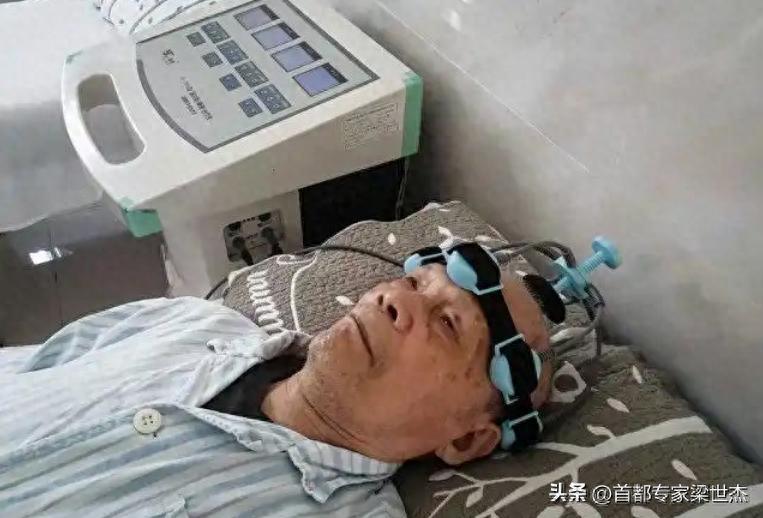
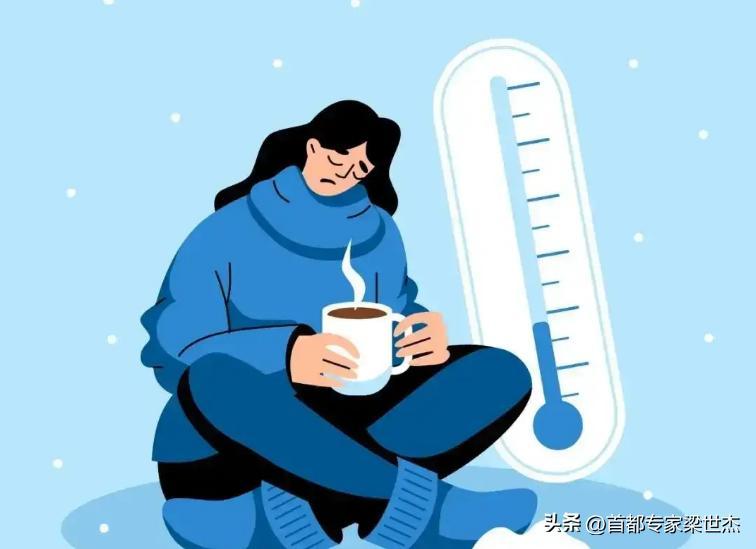
中醫有云:“血得溫而行,得寒而凝。”這短短八個字,就像一把精準的鑰匙,打開了理解人體氣血運行規律的神祕大門。想象一下,我們的身體就像一條奔騰不息的河流,血液就是那潺潺流淌的河水。在溫暖的季節裏,河水歡快地奔騰向前,滋養着兩岸的土地;而當寒冷的冬天來臨,河水就會逐漸結冰,流速變慢,甚至停滯不前。我們的血液也是如此,在寒冷的刺激下,會變得黏稠,流動不暢,就像被“凍住”了一樣。
冬天的氣候寒冷,就像一個無形的“健康陷阱”,讓腦梗塞這個“大壞蛋”有了可乘之機。據《歐洲流行病學雜誌》的相關研究顯示,氣溫低會增加30%的中風風險。這可不是一個小數目,就像一場突如其來的暴風雨,讓原本平靜的生活變得危機四伏。低溫爲何會有如此大的“威力”呢?原來,它就像一個調皮的小搗蛋鬼,會偷偷地影響我們血液循環的速度。當血液循環變慢,血管就像一條狹窄的小巷,血液中的雜質和垃圾就容易堆積起來,形成阻塞,增加腦梗塞的發生幾率。而且,低溫還會刺激我們的交感神經,就像給交感神經打了一針“興奮劑”,導致血壓上升。血壓一升高,血管就像被吹脹的氣球,隨時都有破裂的危險,這無疑又給腦梗塞的發生添了一把火。
生活中,這樣的例子並不少見。我的鄰居張大爺,是個勤勞樸實的老人,平時身體還算硬朗。可有一年冬天,天氣格外寒冷,張大爺爲了節省家裏的暖氣費,穿得比較單薄就出門去買菜。回來後,他就覺得頭暈乎乎的,手腳也有些麻木。一開始,他以爲是走路走累了,沒太在意。可到了晚上,症狀越來越嚴重,家人趕緊把他送到了醫院。經過檢查,醫生診斷爲輕度腦梗塞。原來,張大爺在寒冷的刺激下,血液黏稠度增加,血管發生了阻塞,差點釀成大禍。經過一段時間的治療和調養,張大爺才逐漸恢復了健康。從那以後,他再也不敢在冬天“耍單”了,總是把自己裹得嚴嚴實實的。
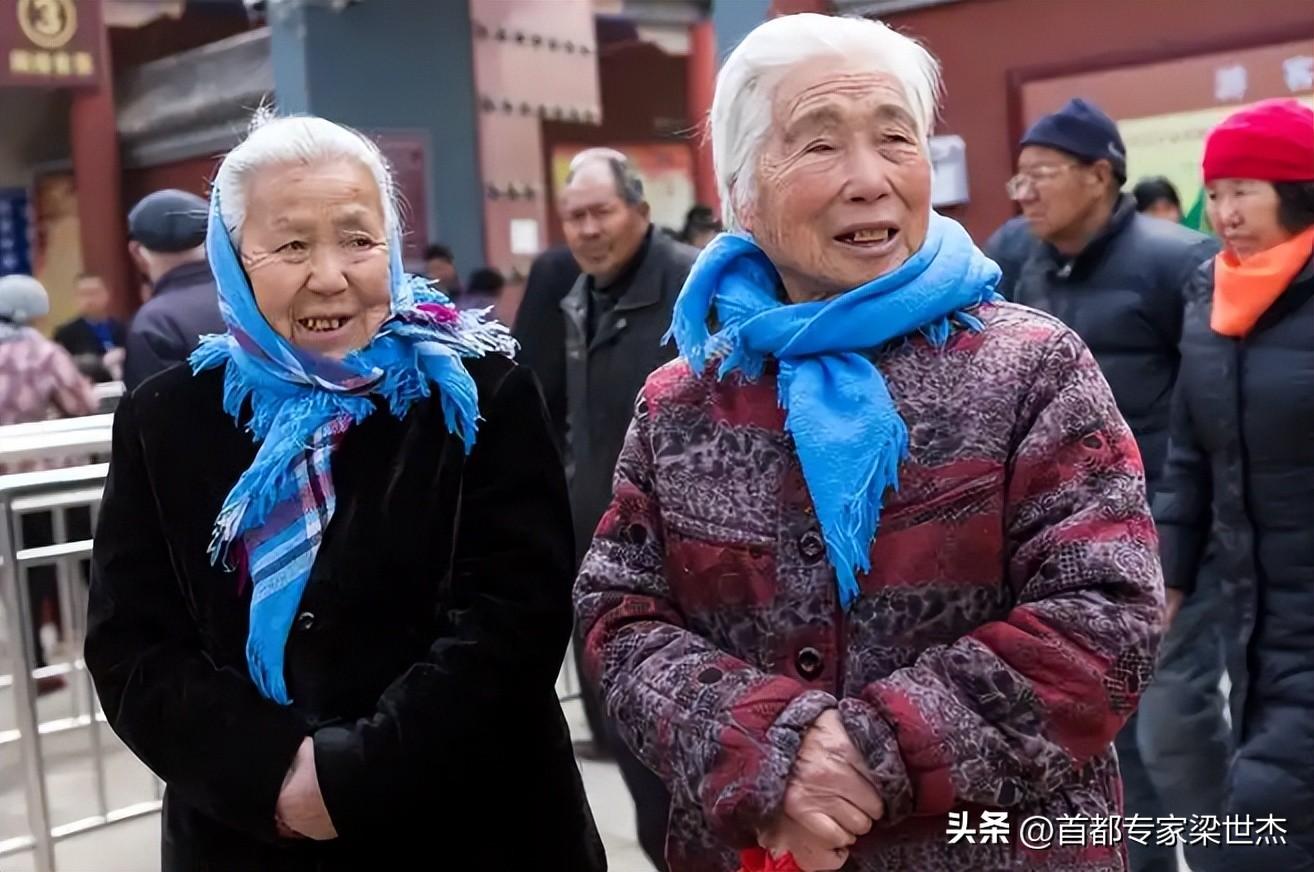
面對冬天這個腦梗塞的“高發季”,我們該如何應對呢?中醫爲我們提供了許多寶貴的建議。首先,要注意保暖,就像給身體穿上一層厚厚的“鎧甲”,抵禦寒冷的侵襲。尤其是頭部、頸部、腳部等容易受寒的部位,更要重點保護。頭部是諸陽之會,寒邪最容易從頭部侵入,所以冬天出門一定要戴帽子;頸部是連接頭部和身體的“交通要道”,圍上一條溫暖的圍巾,可以防止寒邪入侵;腳部是人體的第二心臟,俗話說“寒從腳下生”,穿上厚厚的棉鞋,讓雙腳暖起來,全身都會感到溫暖。
其次,要適當運動。運動就像給身體注入了一股活力,可以促進血液循環,增強身體的抵抗力。不過,冬天的運動要講究方式方法,不能像夏天那樣劇烈運動。可以選擇一些溫和的運動,如散步、太極拳、八段錦等。就像我的朋友李阿姨,她每天早上都會去公園打太極拳。在悠揚的音樂聲中,她一招一式地打着拳,彷彿與大自然融爲一體。堅持一段時間後,她不僅身體更加健康,精神狀態也好了很多,再也沒有出現過冬天手腳冰涼的情況。
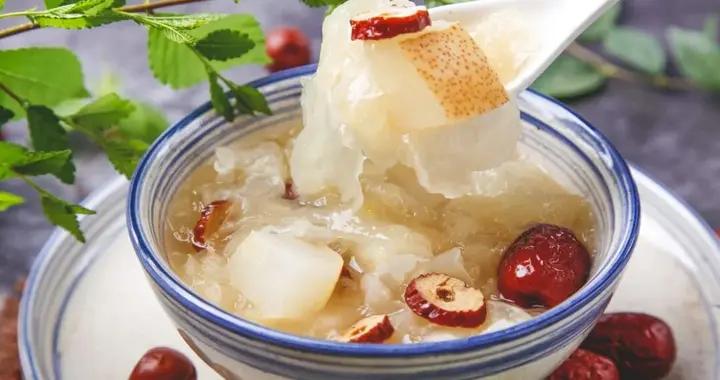
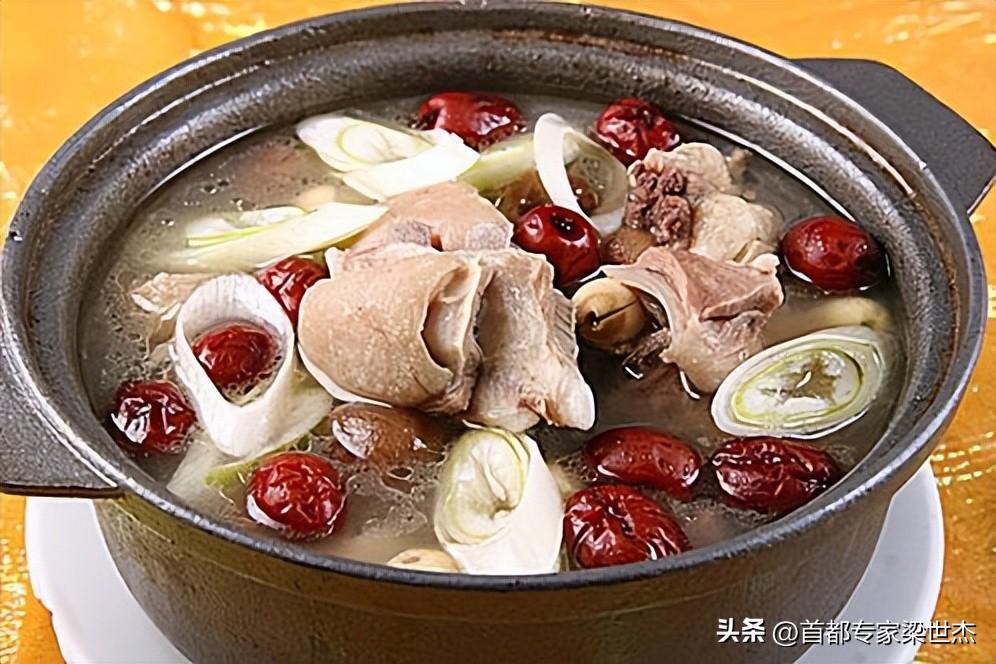
最後,飲食調理也很重要。中醫認爲,冬天是進補的好時節,但要講究科學進補,不能盲目地喫大魚大肉。可以多喫一些溫熱性的食物,如羊肉、牛肉、桂圓、紅棗等,這些食物就像冬日裏的暖陽,可以溫暖我們的身體,促進氣血運行。同時,要少喫一些寒涼、油膩、辛辣的食物,以免加重身體的負擔。
冬天雖然寒冷,但只要我們聽從中醫的智慧指引,做好保暖、運動和飲食調理,就能像給身體築起一道堅固的防線,讓腦梗塞這個“大壞蛋”無機可乘。讓我們在這個寒冷的季節裏,用中醫的智慧呵護自己的健康,迎接每一個溫暖的春天。
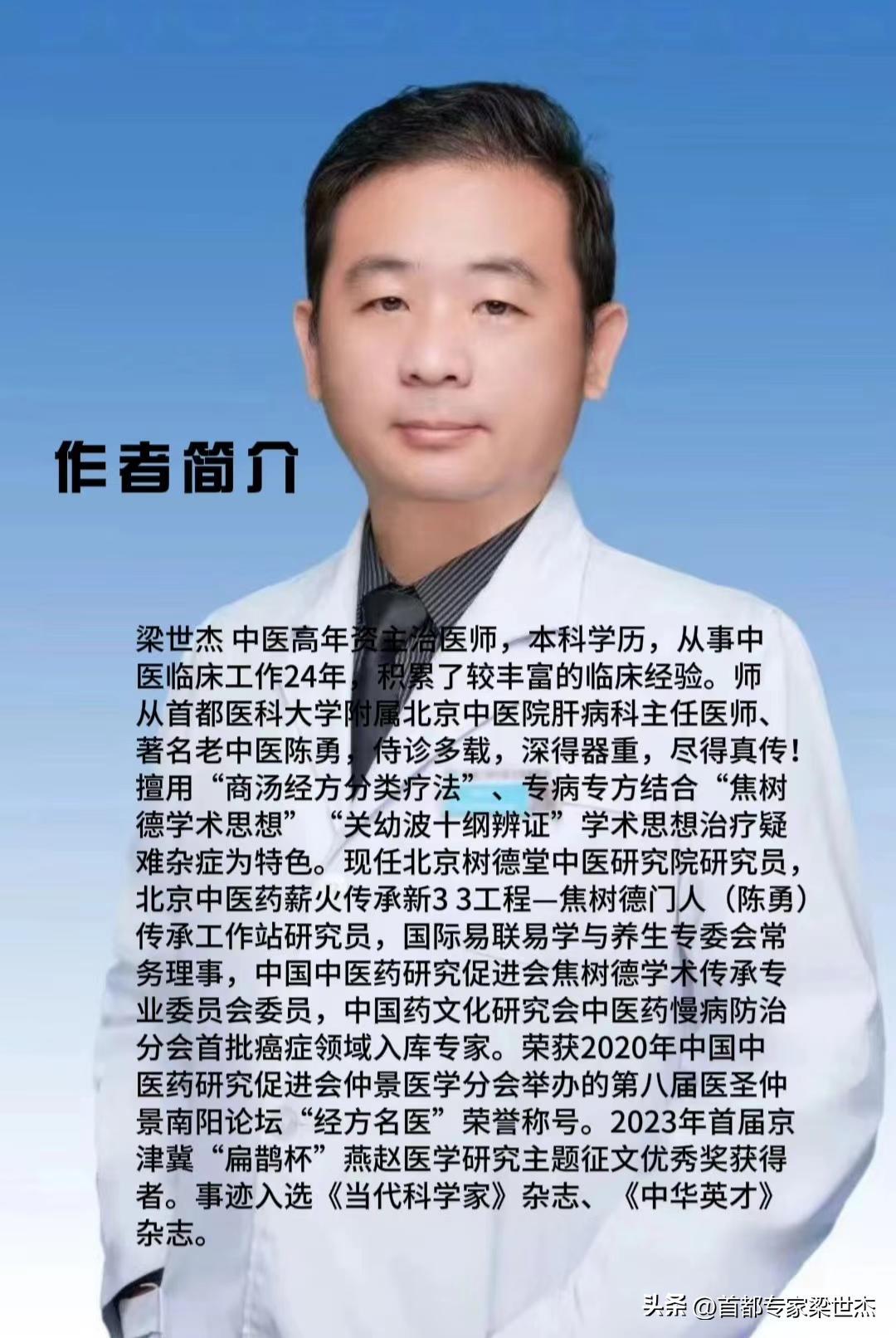
作者簡介:梁世傑 中醫高年資主治醫師,本科學歷,從事中醫臨牀工作24年,積累了較豐富的臨牀經驗。師從首都醫科大學附屬北京中醫院肝病科主任醫師、著名老中醫陳勇,侍診多載,深得器重,盡得真傳!擅用“商湯經方分類療法”、專病專方結合“焦樹德學術思想”“關幼波十綱辨證”學術思想治療疑難雜症爲特色。現任北京樹德堂中醫研究院研究員,北京中醫藥薪火傳承新3+3工程—焦樹德門人(陳勇)傳承工作站研究員,國際易聯易學與養生專委會常務理事,中國中醫藥研究促進會焦樹德學術傳承專業委員會委員,中國藥文化研究會中醫藥慢病防治分會首批癌症領域入庫專家。榮獲2020年中國中醫藥研究促進會仲景醫學分會舉辦的第八屆醫聖仲景南陽論壇“經方名醫”榮譽稱號。2023年首屆京津冀“扁鵲杯”燕趙醫學研究主題徵文優秀獎獲得者。事蹟入選《當代科學家》雜誌、《中華英才》雜誌。
Winter’s “freezing” effects on health: Traditional Chinese medicine teaches you how to overcome these challenges.
In the vast expanse of time, the changing of the seasons is akin to a grand theatrical performance, with each season having its own distinct roles and storylines. Winter, the stoic “actor,” arrives with its biting cold winds and freezing temperatures, quietly taking center stage. Amidst these seemingly ordinary seasonal changes, there lies a “silent killer” related to health – cerebral infarction. The ancient and wise “guardian of health” known as traditional Chinese medicine has long understood the secrets involved.
Traditional Chinese medicine states, “Blood flows when it is warm, and becomes stagnant when it is cold.” These brief eight words serve as a precise key, unlocking the enigmatic door to understanding the laws governing the circulation of qi and blood in the human body. Imagine our body as a relentless river, with blood being the flowing water. In warm seasons, the water flows joyfully and nourishes the land on both banks; however, when the cold winter arrives, the water gradually freezes, its flow slows, and it even comes to a standstill. Similarly, our blood becomes thick and difficult to flow under the influence of cold, much like it has been “frozen.”
The cold climate in winter acts like an invisible “health trap,” providing an opportunity for the “big baddie” of cerebral infarction to strike. According to research published in the European Journal of Epidemiology, low temperatures increase the risk of stroke by 30%. This is no small matter; it’s akin to a sudden storm that turns a previously peaceful life into one fraught with danger. Why does low temperature have such a significant “impact”? It’s as if it’s a mischievous little troublemaker that secretly influences the speed of our blood circulation. When blood circulation slows down, the blood vessels become like narrow alleys, making it easier for impurities and waste in the blood to accumulate and form blockages, thereby increasing the likelihood of cerebral infarction. Additionally, low temperatures stimulate our sympathetic nerves, akin to giving them an “adrenaline shot,” causing blood pressure to rise. When blood pressure increases, the blood vessels become like inflated balloons, with a constant risk of rupture. This undoubtedly fuels the occurrence of cerebral infarction.
Such examples are not uncommon in everyday life. My neighbor, Mr. Zhang, is an industrious and down-to-earth elderly man. Normally, he is in good health. However, one winter, the weather was exceptionally cold. To save money on the heating costs at home, Mr. Zhang dressed lightly and went out to buy groceries. Upon returning, he felt dizzy and his hands and feet were numb. At first, he thought it was due to fatigue from walking. But as the night progressed, the symptoms worsened. His family quickly took him to the hospital. After examination, the doctor diagnosed him with mild cerebral infarction. It turned out that the cold had caused his blood to thicken, leading to a blockage in his blood vessels, which almost resulted in a serious accident. After some time of treatment and recuperation, Mr. Zhang gradually regained his health. From then on, he never dared to be “lone” in the winter again and always wrapped himself up tightly.
How should we respond to the “high-incidence season” of cerebral infarction during winter? Traditional Chinese medicine offers many valuable suggestions. Firstly, it is essential to maintain warmth, much like wearing a thick “armor” over the body to protect against the cold. In particular, areas such as the head, neck, and feet, which are prone to cold exposure, require extra protection. The head is the gathering point of all yang energy, and cold pathogens are most likely to enter through the head. Therefore, it is crucial to wear a hat when going out in winter. The neck is a “transportation artery” connecting the head and the body; wrapping oneself in a warm scarf can prevent cold pathogens from entering. The feet are the second heart of the body; as the saying goes, “cold arises from the feet.” Wearing thick cotton shoes can keep the feet warm, which in turn makes the entire body feel warm.
Secondly, engage in appropriate exercise. Exercise is like infusing the body with vitality, which can promote blood circulation and enhance the body’s resistance. However, exercising in winter requires careful consideration of methods and techniques, as vigorous exercise cannot be performed in the same way as during the summer. One can opt for milder activities such as walking, Tai Chi, or Ba Duan Jin. Take, for example, my friend Mrs. Li, who goes to the park every morning to practice Tai Chi. Under the soothing sounds of music, she performs each move with precision, as if merging with nature. After consistently practicing for some time, not only did her physical health improve, but her mental state also became much better, and she no longer experienced cold hands and feet in the winter.
Lastly, proper dietary management is also crucial. Traditional Chinese medicine believes that winter is an ideal time for nourishment, but it’s essential to approach this process scientifically and avoid indiscriminately consuming large amounts of meat and fish. One can opt for warmer-natured foods such as mutton, beef, goji berries, and red dates, which serve as the warm sunshine of winter, warming our bodies and promoting the circulation of qi and blood. At the same time, it’s advisable to consume fewer foods that are cold, greasy, or spicy, as this could exacerbate the burden on the body.
Although winter is cold, as long as we follow the wise guidance of traditional Chinese medicine and take measures to stay warm, engage in exercise, and maintain proper nutrition, we can create a robust defense for our bodies, making it impossible for cerebral infarction, this “big bad guy,” to take advantage of us. Let us use the wisdom of traditional Chinese medicine to care for our health during this cold season and look forward to every warm spring that comes our way.
Author Bio: Liang Shijie is a senior medical practitioner in traditional Chinese medicine with an undergraduate degree. He has been engaged in traditional medicine clinical work for 24 years and has accumulated a wealth of clinical experience. Following Chen Yong, chief physician of liver disease at Beijing Traditional Medicine Hospital, affiliated with Capital Medical University, and renowned old Chinese medicine, he has been treated for many years and received great attention. He specializes in the treatment of difficult diseases using "conversational traditional therapy" and special treatments combined with the academic ideas of Jiao Shude and Guan Yubo''s ten-level diagnosis.He is currently a researcher at the Shude Tang TCM Research Institute in Beijing, a fellow at the new 3 + 3 project of traditional Chinese medicine flame inheritance in Beijing - a scholar at the inheritance workstation of Jiao Shude''s protégés (Chen Yong),He is a standing committee member of the International Expert Committee on E-learning and Health Care, a member of the Jiao Shude Academic Heritage Special Committee of the Chinese Association for the Advancement of Chinese Medicine Research, and the first cancer specialist to be included in the chapter of the Chinese Pharmaceutical Culture Research Association. Won the 2020 China Association for the Promotion of Traditional Chinese Medicine Zhongjing Medical Branch held the eighth session of the Medical Saint Zhongjing Nanyang Forum "Classic Prescription Famous Doctor" honorary title. The winner of the first Beijing-Tianjin-Hebei "Pingui Cup" Yanzhao Medical Research Essay Award in 2023. His work was featured in the journal Current Scientist and the journal Chinese Talent.