梁世傑:複診調方那點事兒,您可得上點心!
咱老話說得好,“病來如山倒,病去如抽絲”。這看病啊,就跟打一場持久戰似的,尤其是中醫治療,那講究的是一個循序漸進、穩紮穩打。今天咱就嘮嘮這中醫複診調方的門道,您可聽好了,這裏面的學問大了去了,就跟那說相聲的包袱,一個接一個,讓您聽得明明白白,還樂在其中。
中醫複診要不要調方,這事兒可不能一拍腦袋就決定,得根據好幾個方面來綜合考量。就好比您開車去一個地方,得看看路況、天氣、車輛狀況啥的,才能決定是勻速前進,還是得踩踩剎車、換換擋。
首先得看病情控制情況。這就好比打仗,敵我雙方打得熱火朝天,您得時刻關注着戰局的變化。要是病情控制得不錯,就像敵人的攻勢被咱成功擋住了,那咱就沒必要大動干戈地換方子,這時候往往就是“效不更方”。啥叫“效不更方”呢?就是說原來的方子有效果,那就接着用,就跟您喫一道菜覺得好喫,那就接着點這道菜一個道理。有數據統計啊,在中醫治療一些慢性病的過程中,大概有七成左右的患者在病情穩定期採用“效不更方”的策略,病情都能得到持續的改善。
可要是總是取不到療效,那就跟開車老是走錯路似的,得趕緊打方向盤,換換方子。這就好比您去一個地方,走了一條路老是堵車,那您肯定得換條路走。比如說有個患者,得了頑固性的失眠,喫了好幾個星期的中藥,還是翻來覆去睡不着,這時候醫生就得重新審視方子,看看是不是藥不對症,然後調整用藥,換個“路線”,說不定就能把失眠這個“攔路虎”給打敗了。
再一個,得看身體臟腑恢復情況。咱的身體就像一個精密的機器,各個臟腑就像機器的零件,一個零件出了問題,整個機器就可能運轉不順暢。中醫治療就是修復這些零件,讓機器重新正常運轉。要是臟腑恢復得不錯,就像零件修好了,那原來的方子可能就不需要大調整,頂多去掉幾味藥或者加上幾味藥微調一下。比如說有個患者,本來脾胃虛弱,喫了中藥後,胃口好了,消化也正常了,但是還有點口乾舌燥的小毛病,這時候醫生可能就會在原來的方子里加上幾味滋陰潤燥的藥,就像給機器加點潤滑油,讓機器運轉得更順暢。
還有啊,如果是多種慢性病交替治療或者階段性治療,這調方就更得講究了。這就好比您同時要完成好幾個任務,得合理安排時間和精力。一個慢性病治完了,要治下一個慢性病的時候,那肯定得換方子,這就叫“效要更方”。比如說有個患者,先是有高血壓,經過一段時間的中醫治療,血壓穩定了,接着又查出了糖尿病,這時候醫生就得根據糖尿病的病情重新開方子,不能還按治療高血壓的方子來。
有些患者啊,總是覺得醫生方子維持處方不變,就是白掏了掛號費。這可就大錯特錯了!這就好比您花錢請了個導遊,導遊帶着您按照既定路線走,您覺得沒變化就抱怨導遊不稱職。其實啊,複診就是“抬頭看路”的過程,醫生得根據您病情的變化,及時調整治療方向,就像導遊得根據路況和遊客的需求調整行程一樣。要是醫生每次都給您換方子,那您又得擔心是不是病情嚴重了,或者醫生水平不行。所以啊,患者得理解醫生的良苦用心,信任醫生的專業判斷。
咱再舉個例子,有個老患者,得了多年的關節炎,一直找一位中醫大夫看病。一開始病情比較嚴重,醫生開的方子藥味比較多,劑量也比較大。經過一段時間的治療,病情有了明顯好轉,關節疼痛減輕了,活動也自如了。這時候複診,醫生就根據病情的變化,去掉了一些溫陽散寒力量比較強的藥,加上了幾味活血化瘀、通絡止痛的藥,進行微調。又過了一段時間,關節炎基本治好了,但是患者又說自己最近有點失眠,醫生就根據失眠的情況,重新開了一個方子,治療失眠。這就是典型的根據不同情況調方的例子。
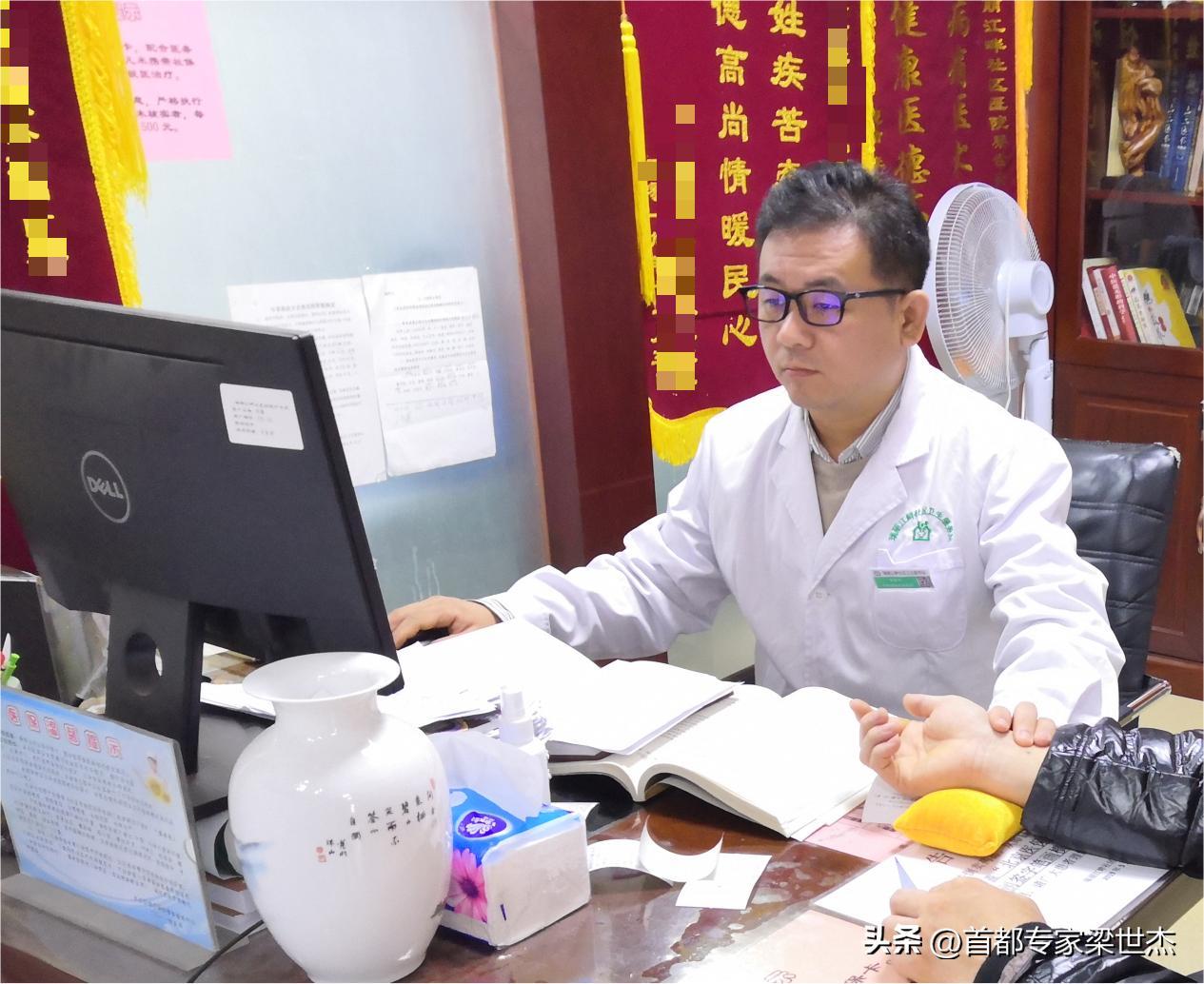
總之啊,中醫複診調方是一門大學問,得綜合考慮病情控制情況、身體臟腑恢復情況、治療進程等多個因素。患者和醫生得相互配合,就像說相聲的搭檔,一個捧哏一個逗哏,才能把這場“看病大戲”演好。希望大家都能重視中醫複診調方,讓身體在中醫的呵護下,健健康康、平平安安!
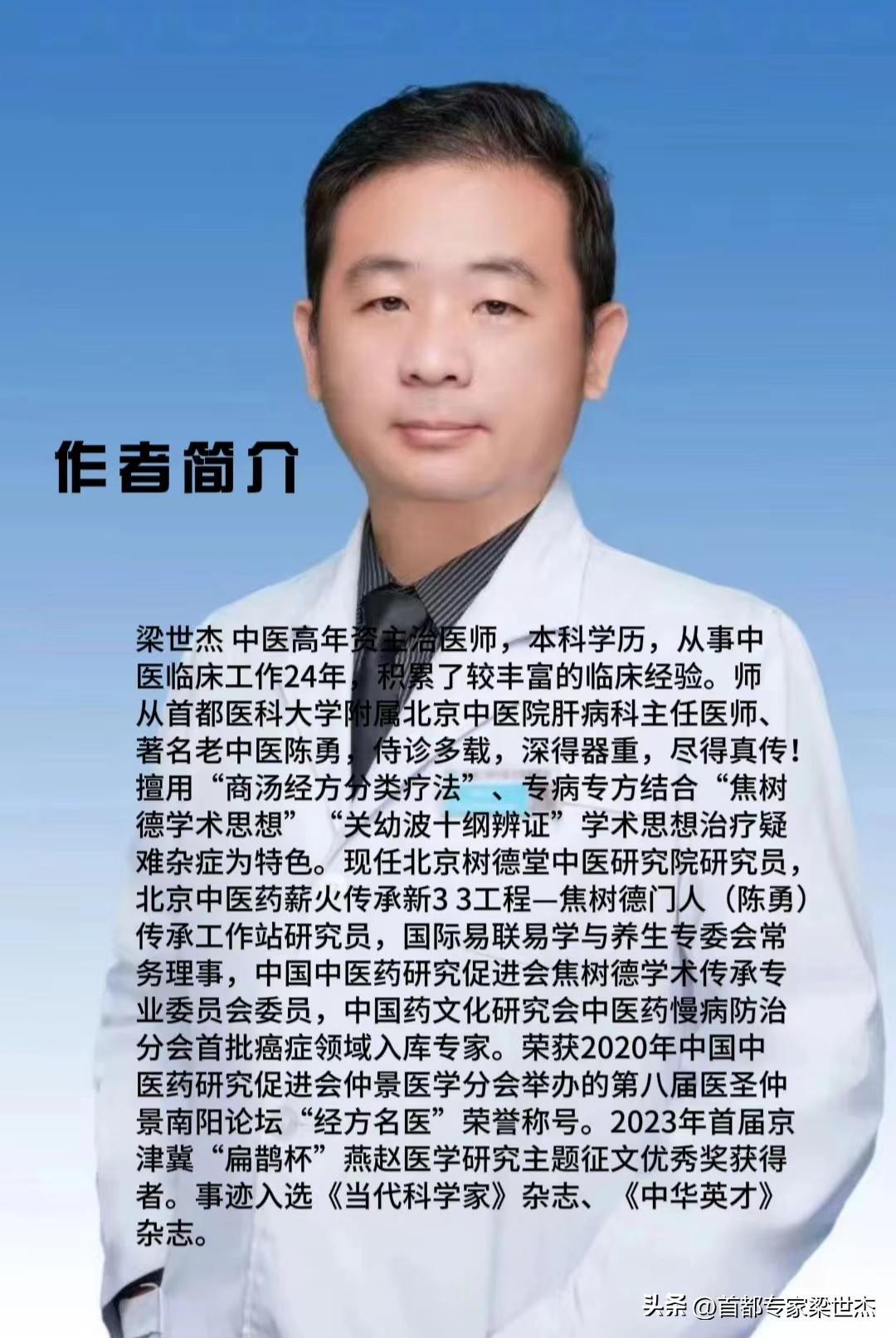
作者簡介:梁世傑 中醫高年資主治醫師,本科學歷,從事中醫臨牀工作24年,積累了較豐富的臨牀經驗。師從首都醫科大學附屬北京中醫院肝病科主任醫師、著名老中醫陳勇,侍診多載,深得器重,盡得真傳!擅用“商湯經方分類療法”、專病專方結合“焦樹德學術思想”“關幼波十綱辨證”學術思想治療疑難雜症爲特色。現任北京樹德堂中醫研究院研究員,北京中醫藥薪火傳承新3+3工程—焦樹德門人(陳勇)傳承工作站研究員,國際易聯易學與養生專委會常務理事,中國中醫藥研究促進會焦樹德學術傳承專業委員會委員,中國藥文化研究會中醫藥慢病防治分會首批癌症領域入庫專家。榮獲2020年中國中醫藥研究促進會仲景醫學分會舉辦的第八屆醫聖仲景南陽論壇“經方名醫”榮譽稱號。2023年首屆京津冀“扁鵲杯”燕趙醫學研究主題徵文優秀獎獲得者。事蹟入選《當代科學家》雜誌、《中華英才》雜誌。
Liang Shi-jie: When it comes to reviewing and adjusting prescriptions, you really need to pay close attention!
As the old saying goes, “Illness comes like a mountain collapsing, and recovery is like unwinding a thread.” Going to the doctor is akin to engaging in a prolonged battle. Especially with traditional Chinese medicine treatments, which emphasize gradual progress and steady, methodical approaches. Today, let’s discuss the intricacies of traditional Chinese medicine’s recheck and adjustment of prescriptions. Pay close attention, as there’s a lot of wisdom involved. It’s like listening to a comedian’s jokes, one after another, making you understand everything clearly and even enjoy the experience.
Whether or not to adjust the prescription during a follow-up consultation with traditional Chinese medicine cannot be decided haphazardly. It must be considered based on multiple factors. Just like when you’re driving to a destination, you need to assess the road conditions, weather, and the condition of your vehicle before deciding whether to maintain a steady pace or need to apply the brakes and change gears.
Firstly, it depends on the control of the condition. This is akin to warfare, where both sides are engaged in intense combat. You need to keep a close eye on the changing dynamics of the battle. If the condition is well-controlled, it’s like the enemy’s offensive has been successfully thwarted by us. In such cases, there’s no need for drastic changes in treatment methods. This is often referred to as “the efficacy of the original method remains unchanged.” What does this mean? Simply put, if the original treatment method is effective, it should continue to be used. It’s like when you enjoy a dish and decide to order it again. According to statistics, approximately 70% of patients with chronic conditions during their periods of stable disease use the “the efficacy remains unchanged” strategy, and their conditions continue to improve.
But if the treatment always fails to yield results, it’s like constantly driving the wrong way. You need to quickly adjust the steering wheel and change your approach. It’s like when you go to a place and find that a particular road is always congested. In such a case, you would definitely need to take a different route. For instance, a patient suffering from persistent insomnia had been taking traditional Chinese medicine for several weeks but still couldn’t fall asleep. In this situation, the doctor would need to reassess the treatment plan to determine if the medicine was ineffective and then adjust the dosage or switch to a different approach. Perhaps by doing so, they could overcome the obstacle of insomnia.
Furthermore, it depends on the recovery of the body’s internal organs. Our body is like a sophisticated machine, with various organs acting like its components. If one of these components malfunctions, the entire machine may not function smoothly. Traditional Chinese medicine treatment aims to repair these components and restore the machine to normal operation. If the internal organs have recovered well, much like the repair of a faulty component, the original formula may not require significant adjustments. At most, a few herbs might be removed or added to make minor adjustments. For instance, a patient who originally had weak digestion might experience some dryness in their mouth after taking traditional Chinese medicine. In this case, the doctor might add some herbs that are nourishing and moisturizing, much like adding lubricant to the machine to make it run more smoothly.
Furthermore, when treating multiple chronic conditions in a cyclical or phased manner, the formulation of the remedies becomes even more crucial. It’s akin to having to complete multiple tasks simultaneously, requiring careful allocation of time and energy. Once one chronic condition has been treated, a new one must be addressed, necessitating a change in the treatment plan. This is known as “efficacy requiring a different approach.” For instance, a patient initially had high blood pressure. After undergoing some time of traditional Chinese medicine treatment, their blood pressure stabilized. Subsequently, they were diagnosed with diabetes. In this case, the doctor would need to re-formulate the treatment plan based on the condition of diabetes, rather than continuing with the treatment plan for high blood pressure.
Some patients always feel that when a doctor’s prescription remains unchanged, it’s a waste of the registration fee. This is a huge mistake! It’s like hiring a tour guide who takes you on a predetermined route, and you complain about the tour guide’s incompetence because you don’t feel any changes. In reality, a follow-up visit is a process of “looking at the road ahead.” The doctor must adjust the treatment direction based on the changes in your condition, just like a tour guide adjusts the itinerary based on road conditions and tourists’ needs. If a doctor constantly changes your prescription, you would worry whether your condition has worsened or if the doctor’s skills are inadequate. Therefore, patients need to understand the doctor’s good intentions and trust their professional judgment.
Let me provide another example. There was an elderly patient who had suffered from arthritis for many years and had consistently sought treatment from a traditional Chinese medicine practitioner. Initially, the condition was quite severe, and the doctor prescribed a complex formula with numerous ingredients and large doses. After some time of treatment, the condition showed significant improvement, with reduced joint pain and increased mobility. When the patient returned for a follow-up visit, the doctor adjusted the treatment plan based on the changes in the patient’s condition. Some of the herbs with stronger warming and dispersing cold properties were removed, and several herbs that promote blood circulation, resolve blood stasis, and relieve pain were added. After another period of treatment, the arthritis had largely been cured. However, the patient reported experiencing insomnia recently. Based on the symptoms of insomnia, the doctor prescribed a new formula to treat the sleep disorder. This is a classic example of adjusting the treatment plan based on different conditions.
In short, reviewing and adjusting traditional Chinese medicine prescriptions is a complex process that requires careful consideration of various factors, including the control of the disease condition, the recovery of the body’s internal organs, and the progress of treatment. Patients and doctors must work together, much like the partners in a comedic performance, with one providing support and the other bringing humor, in order to deliver a successful performance of this “medical drama.” I hope everyone will take traditional Chinese medicine reviews and adjustments seriously and allow their bodies to remain healthy and safe under the care of traditional Chinese medicine!
Author Bio: Liang Shijie is a senior medical practitioner in traditional Chinese medicine with an undergraduate degree. He has been engaged in traditional medicine clinical work for 24 years and has accumulated a wealth of clinical experience. Following Chen Yong, chief physician of liver disease at Beijing Traditional Medicine Hospital, affiliated with Capital Medical University, and renowned old Chinese medicine, he has been treated for many years and received great attention. He specializes in the treatment of difficult diseases using "conversational traditional therapy" and special treatments combined with the academic ideas of Jiao Shude and Guan Yubo''s ten-level diagnosis.He is currently a researcher at the Shude Tang TCM Research Institute in Beijing, a fellow at the new 3 + 3 project of traditional Chinese medicine flame inheritance in Beijing - a scholar at the inheritance workstation of Jiao Shude''s protégés (Chen Yong),He is a standing committee member of the International Expert Committee on E-learning and Health Care, a member of the Jiao Shude Academic Heritage Special Committee of the Chinese Association for the Advancement of Chinese Medicine Research, and the first cancer specialist to be included in the chapter of the Chinese Pharmaceutical Culture Research Association. Won the 2020 China Association for the Promotion of Traditional Chinese Medicine Zhongjing Medical Branch held the eighth session of the Medical Saint Zhongjing Nanyang Forum "Classic Prescription Famous Doctor" honorary title. The winner of the first Beijing-Tianjin-Hebei "Pingui Cup" Yanzhao Medical Research Essay Award in 2023. His work was featured in the journal Current Scientist and the journal Chinese Talent.