醫林改錯:一場錯位的鬧劇與中醫的堅守
在醫學的悠悠長河中,中醫與西醫宛如兩條風格迥異的航船,各自沿着獨特的航線駛向健康的彼岸。然而,在中醫的航程中,曾有一場名爲《醫林改錯》的“風暴”,它看似帶着探索的勇氣,卻最終掀起了一場方向性的錯亂,讓中醫這艘古老而智慧的航船在波濤中一度迷失了方向。
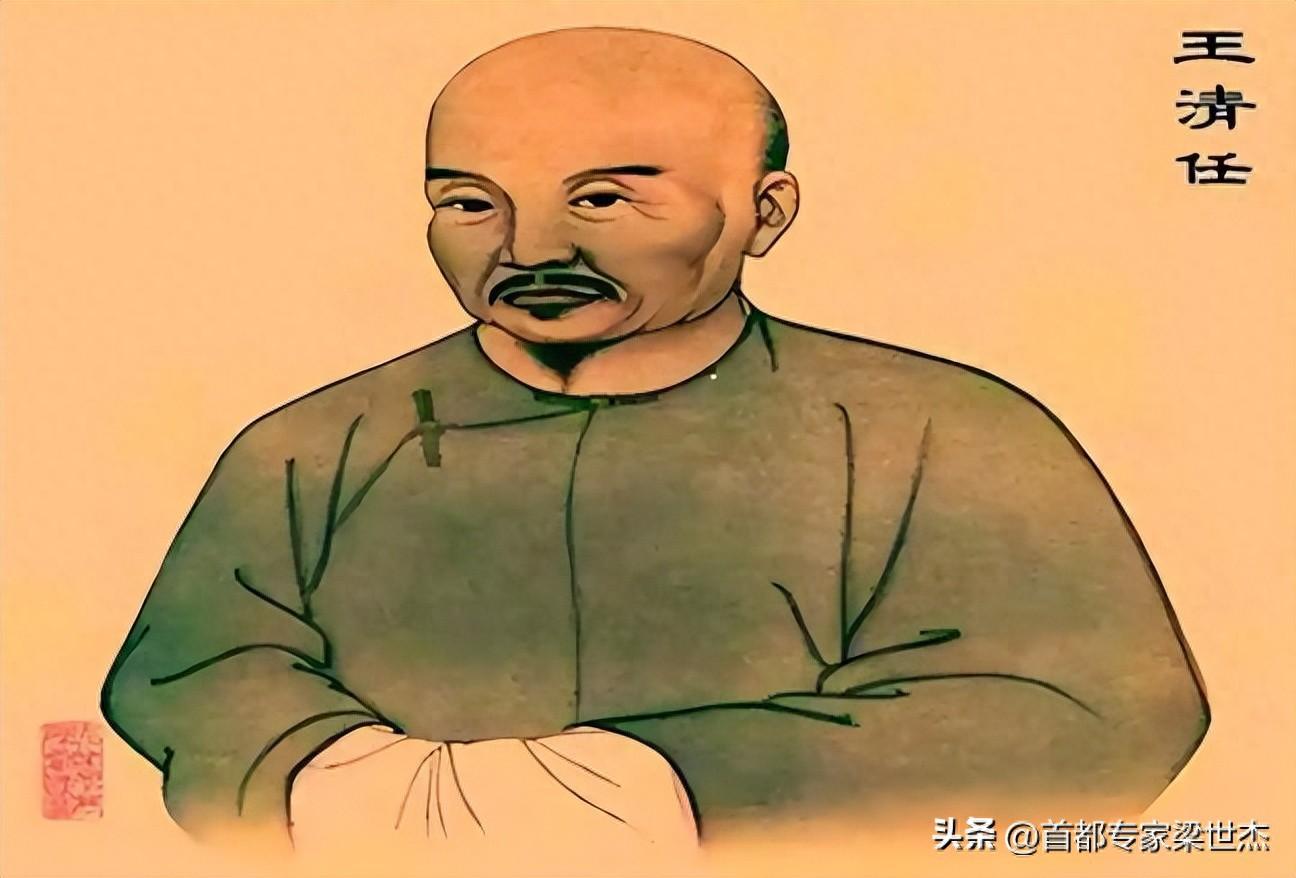
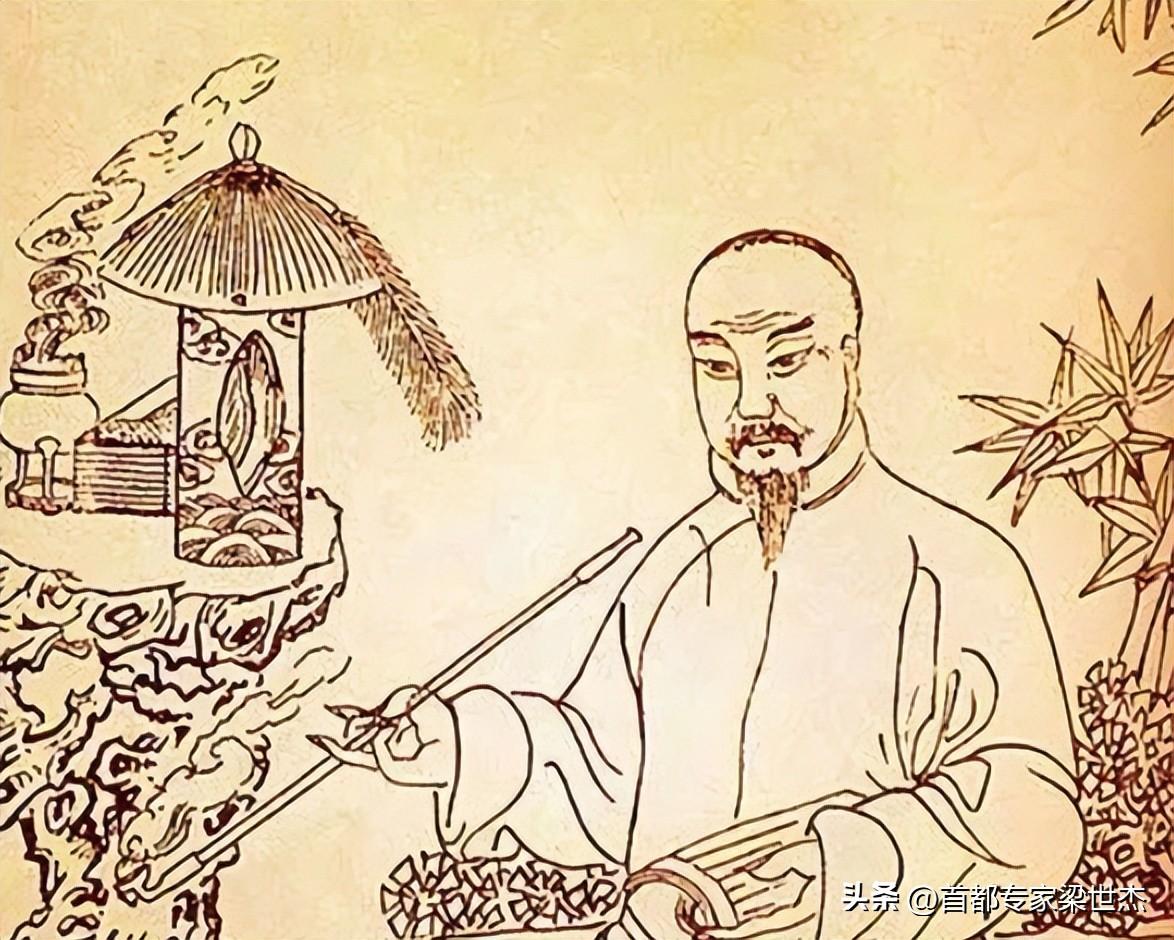
王清任的《醫林改錯》,本意或許是想爲中醫的發展開闢一條新的航道,可沒想到卻成了一場方向性的錯誤航行。這就好比一個經驗豐富的老船長,原本熟悉着一片神祕海域的暗礁與洋流,卻突然聽從了一個外行人的建議,改變了既定的航線,結果陷入了未知的漩渦。中醫,可不是那種按照解剖結構來決定器官功能的“刻板學者”。它就像一位睿智的哲人,把人放在天地萬物相互聯繫和影響的大棋盤上,用“生成論”這把獨特的鑰匙,去解開生命健康的謎題,而不是像西醫那樣,用“構成論”的尺子去丈量人體的每一個部件。
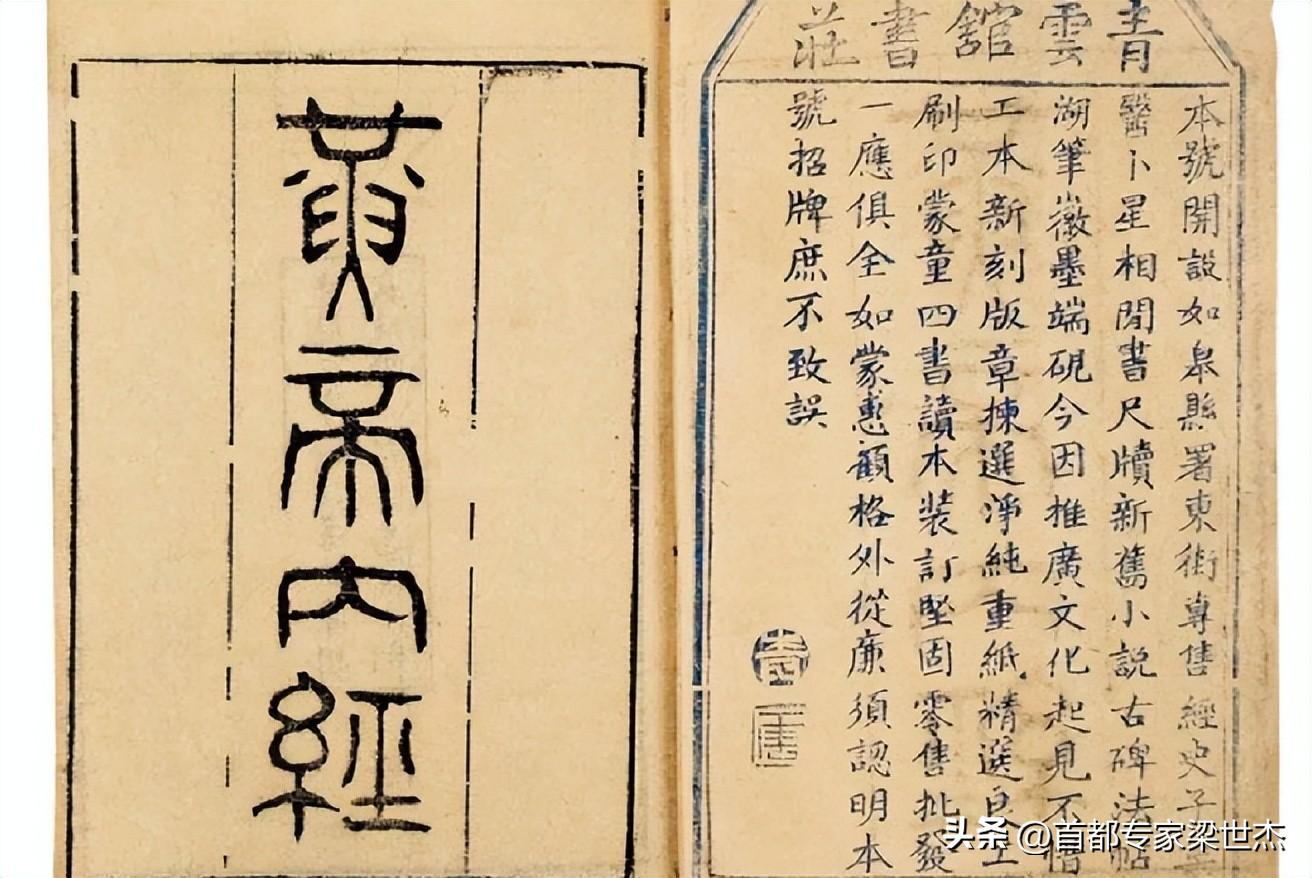
中醫的理論範式,那可是有着深厚的文化底蘊和獨特的思維邏輯。“生成論”就是它的靈魂所在。就像《內經》裏說的“生氣通天論”,中醫把人體看作是陰陽五行氣化運動的產物,是一個充滿生機與活力的動態整體。這就好比一個神奇的魔法世界,各種元素相互交融、相互影響,共同創造出生命的奇蹟。而西醫呢,它就像是一個嚴謹的工匠,建立在解剖實證的構成論基礎上,追求器官組織的物質結構確定性,把人體拆分成一個個獨立的零件來研究。這兩種範式,一個注重整體與動態,一個注重局部與靜態,就像兩條永不相交的平行線,有着本質的區別。
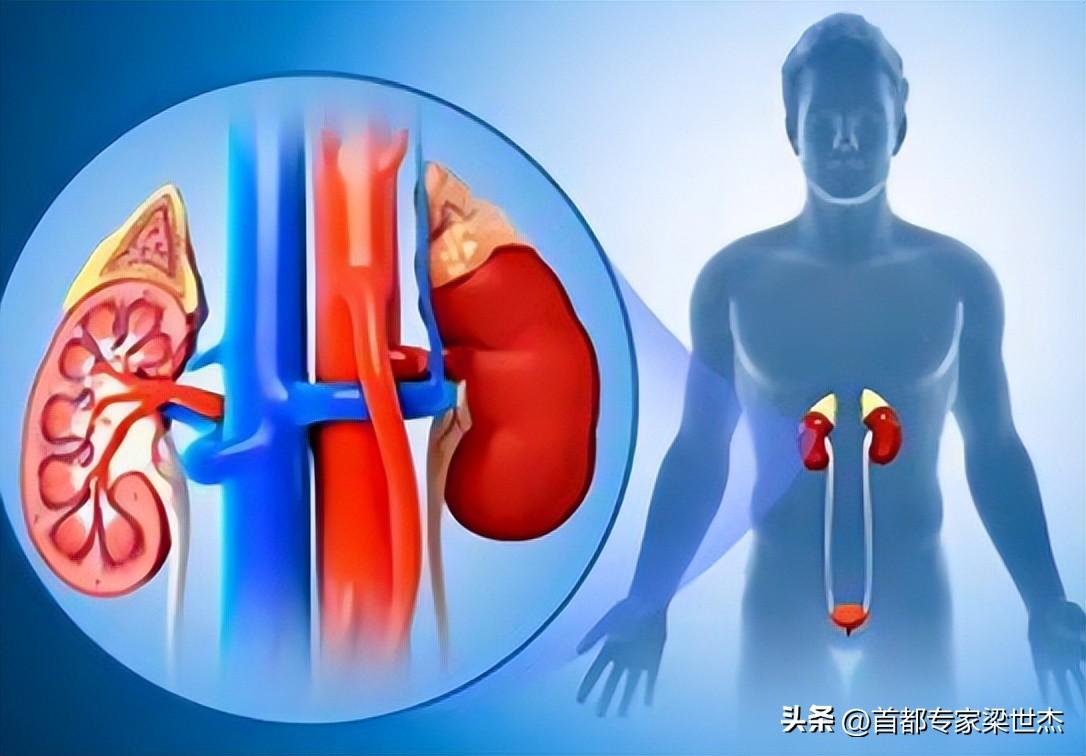
王清任在《醫林改錯》裏,試圖用解剖實體來對應中醫臟腑的功能,這就像是用一把西方的鑰匙去開東方的鎖,根本就是牛頭不對馬嘴。中醫的臟腑,可不是簡單的解剖學上的器官,而是“藏象”功能系統。就拿“腎主生殖”來說吧,這可不是解剖學上那個小小的腎臟所能涵蓋的。它就像是一個神祕的黑盒子,裏面蘊含着無數與生殖相關的功能和信息,遠遠超出了我們肉眼所能看到的解剖腎的範疇。王清任的這種做法,本質上就是混淆了兩種不同的醫學範式,就像把蘋果和橘子放在一起比較,根本無法得出正確的結論。
有趣的是,王清任在臨牀上其實還是取得了一些成就的,可這些成就靠的可不是他對臟腑解剖的精準研究,而是中醫固有的氣血理論。這就好比一個武林高手,雖然他拿着一把看似華麗的寶劍,但真正讓他戰無不勝的,還是他深厚的內功。氣血理論,就是中醫的內功祕籍。它貫穿於中醫的各個方面,無論是診斷、治療還是養生,都離不開氣血的調和。王清任在臨牀上的成功,恰恰證明了中醫理論的正確性和實用性,而不是他那些所謂的“改錯”之舉。
然而,《醫林改錯》的影響卻不止於此。它就像一顆投入平靜湖面的石子,在中醫界激起了層層漣漪。此後,中醫界逐漸失去自信,就像一個原本自信滿滿的舞者,突然被別人說舞姿不對,於是開始懷疑自己,甚至迷失了方向。據相關統計數據顯示,在《醫林改錯》之後的一段時間裏,中醫的發展速度明顯放緩,一些中醫的特色療法和理論也逐漸被邊緣化。這不得不讓我們反思,一場錯誤的“改錯”,竟然能給中醫帶來如此巨大的衝擊。
但中醫就像一棵堅韌不拔的老樹,雖然經歷了風雨的洗禮,但依然紮根於中華大地,生生不息。它有着悠久的歷史和豐富的經驗,有着獨特的理論體系和治療方法。我們應該堅定地相信中醫,傳承和發揚中醫的優秀傳統,讓中醫這顆璀璨的明珠在新時代煥發出更加耀眼的光芒。
讓我們記住這場醫林的“改錯”鬧劇,從中吸取教訓,堅守中醫的正確方向。就像一位勇敢的航海家,在茫茫大海中堅定地朝着自己的目標前行,不被外界的干擾和誘惑所左右。相信在中醫的智慧引領下,我們一定能夠駛向健康幸福的彼岸。
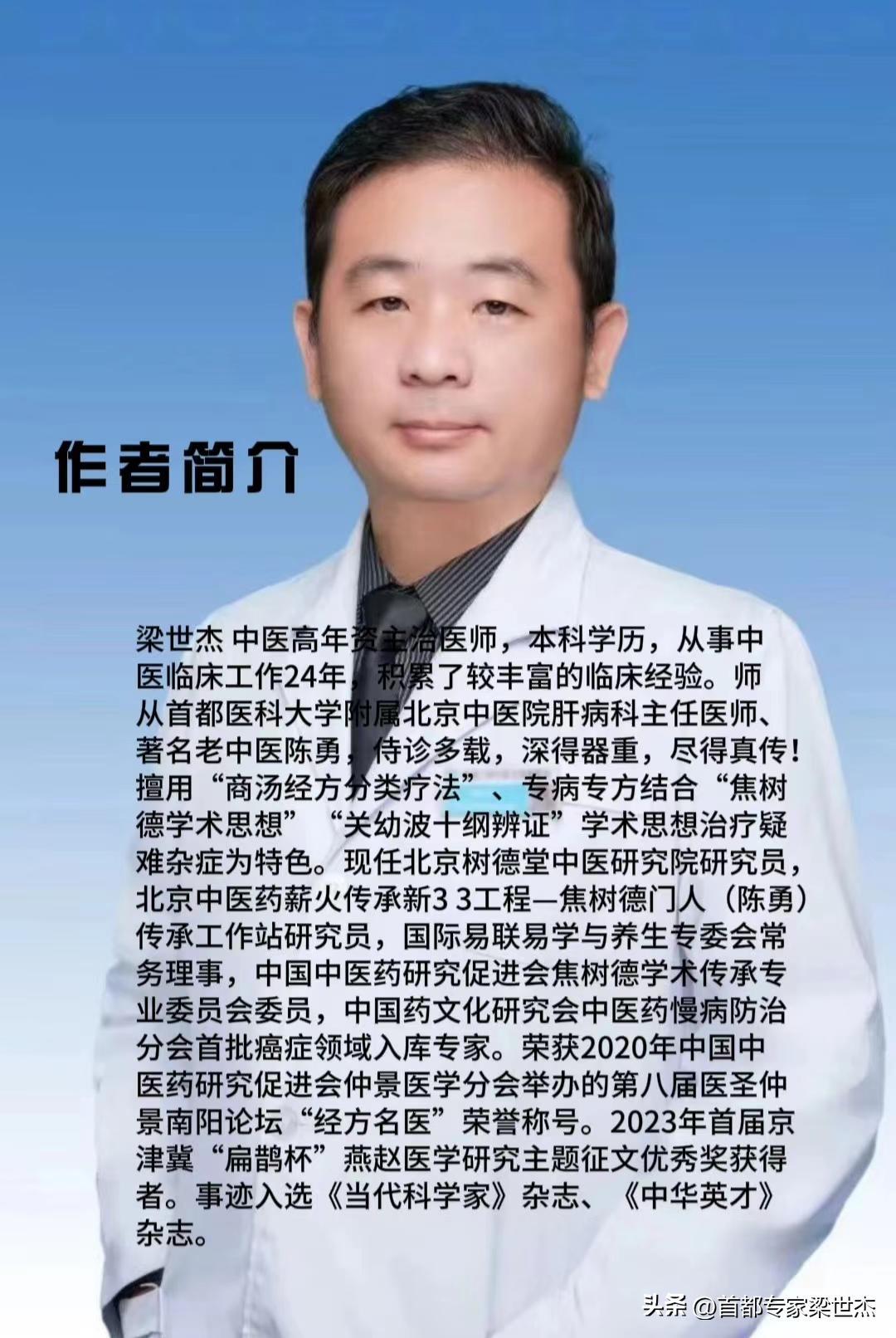
作者簡介:梁世傑 中醫高年資主治醫師,本科學歷,從事中醫臨牀工作24年,積累了較豐富的臨牀經驗。師從首都醫科大學附屬北京中醫院肝病科主任醫師、著名老中醫陳勇,侍診多載,深得器重,盡得真傳!擅用“商湯經方分類療法”、專病專方結合“焦樹德學術思想”“關幼波十綱辨證”學術思想治療疑難雜症爲特色。現任北京樹德堂中醫研究院研究員,北京中醫藥薪火傳承新3+3工程—焦樹德門人(陳勇)傳承工作站研究員,國際易聯易學與養生專委會常務理事,中國中醫藥研究促進會焦樹德學術傳承專業委員會委員,中國藥文化研究會中醫藥慢病防治分會首批癌症領域入庫專家。榮獲2020年中國中醫藥研究促進會仲景醫學分會舉辦的第八屆醫聖仲景南陽論壇“經方名醫”榮譽稱號。2023年首屆京津冀“扁鵲杯”燕趙醫學研究主題徵文優秀獎獲得者。事蹟入選《當代科學家》雜誌、《中華英才》雜誌。
Medical Reform: A Misplaced Farce and the Resilience of Traditional Chinese Medicine
In the long and winding journey of medicine, traditional Chinese medicine (TCM) and Western medicine resemble two ships with distinctly different styles, each navigating its own unique course towards health. However, during TCM’s voyage, there was a “storm” known as “Medical Reform Errors.” Although it appeared to embody a spirit of exploration, it ultimately caused a fundamental shift in direction, causing the ancient and wise vessel of TCM to lose its way amidst the waves.
Wang Qingren’s “Medical Errors Corrected” was perhaps intended to open up a new path for the development of traditional Chinese medicine. However, it turned out to be a misguided journey in terms of direction. It’s akin to a seasoned old captain who was originally familiar with the hidden reefs and ocean currents of a mysterious sea area, but suddenly listened to the advice of an amateur and changed the established course, only to find himself ensnared in an unknown whirlpool. Traditional Chinese medicine is not a “rigid scholar” who determines organ functions based on anatomical structures. It is more like a wise philosopher who places humans within the intricate web of interconnectedness and influence between all things in the universe. Using the unique key of “generative theory,” it seeks to unravel the mysteries of human health, rather than measuring every component of the body using the yardstick of “constitutive theory” like in Western medicine.
The theoretical paradigm of traditional Chinese medicine is steeped in profound cultural heritage and possesses a unique mode of thought. “Generative theory” is its very essence. As stated in the “Inner Canon,” “the theory of qi governing heaven and earth,” traditional Chinese medicine views the human body as a product of the movement of yin and yang, five elements, and qi, a dynamic whole brimming with vitality. This is akin to a magical world where various elements intermingle and influence each other, collectively creating marvels of life. In contrast, Western medicine is like a meticulous craftsman, founded on the principles of anatomical observation and empirical evidence. It seeks to determine the material structure of organs and tissues, breaking down the human body into individual components for study. These two paradigms, one emphasizing the whole and dynamics, the other focusing on the individual and static aspects, are fundamentally distinct, much like two parallel lines that never intersect.
In “Medical Errors Corrected,” Wang Qingren attempted to correlate the functions of traditional Chinese medicine’s internal organs with the anatomy of physical entities. This is akin to using a Western key to unlock an Eastern lock; it is fundamentally mismatched. The internal organs of traditional Chinese medicine are not merely anatomical structures but rather functional systems known as “concealed images.” Take, for example, the concept that “the kidney governs reproduction.” This is not something that can be encompassed by the small kidney found in anatomy. It is like a mysterious black box containing countless functions and information related to reproduction, far beyond what can be observed through the naked eye by examining the anatomical kidney. Wang Qingren’s approach essentially confuses two distinct medical paradigms, much like comparing apples and oranges and being unable to draw a valid conclusion.
Interestingly, Wang Qingren actually achieved some success in clinical practice. However, these accomplishments were not due to his precise study of the anatomy of internal organs, but rather to the inherent theory of qi and blood in traditional Chinese medicine. It’s akin to a martial arts master who wields a seemingly magnificent sword, but what truly makes him invincible is his profound inner strength. The theory of qi and blood is the secret manual of traditional Chinese medicine. It permeates every aspect of traditional Chinese medicine, from diagnosis and treatment to health preservation. Wang Qingren’s success in clinical practice serves as proof of the correctness and practicality of the principles of traditional Chinese medicine, rather than his so-called “corrections.”
However, the impact of “Medical Errors Corrected” goes beyond this. It is akin to a stone thrown into a tranquil lake, creating ripples throughout the world of traditional Chinese medicine. From that point on, the traditional Chinese medicine community gradually lost confidence, much like a dancer who was initially confident but suddenly became self-doubting after someone pointed out that their dance moves were incorrect. According to relevant statistical data, the development of traditional Chinese medicine slowed significantly during the period following “Medical Errors Corrected,” and some of its unique therapies and theories began to be marginalized. This situation compels us to reflect on how a misguided “correction” can have such a profound impact on traditional Chinese medicine.
However, traditional Chinese medicine is like an indomitable old tree that, despite having weathered storms and hardships, remains firmly rooted in the Chinese land and continues to thrive. It boasts a long history and rich experience, as well as a unique theoretical framework and treatment methods. We should firmly believe in traditional Chinese medicine, pass on and promote its excellent traditions, and allow this brilliant pearl to shine even more brightly in the new era.
Let us remember this farce of “errors correction” in the medical field, learn from it, and firmly adhere to the correct direction of traditional Chinese medicine. Just as a brave seafarer steadfastly moves forward towards his goal in the vast ocean, unwavering in the face of external disturbances and temptations, we are confident that, guided by the wisdom of traditional Chinese medicine, we will surely reach the shores of health and happiness.
Author Bio: Liang Shijie is a senior medical practitioner in traditional Chinese medicine with an undergraduate degree. He has been engaged in traditional medicine clinical work for 24 years and has accumulated a wealth of clinical experience. Following Chen Yong, chief physician of liver disease at Beijing Traditional Medicine Hospital, affiliated with Capital Medical University, and renowned old Chinese medicine, he has been treated for many years and received great attention. He specializes in the treatment of difficult diseases using "conversational traditional therapy" and special treatments combined with the academic ideas of Jiao Shude and Guan Yubo''s ten-level diagnosis.He is currently a researcher at the Shude Tang TCM Research Institute in Beijing, a fellow at the new 3 + 3 project of traditional Chinese medicine flame inheritance in Beijing - a scholar at the inheritance workstation of Jiao Shude''s protégés (Chen Yong),He is a standing committee member of the International Expert Committee on E-learning and Health Care, a member of the Jiao Shude Academic Heritage Special Committee of the Chinese Association for the Advancement of Chinese Medicine Research, and the first cancer specialist to be included in the chapter of the Chinese Pharmaceutical Culture Research Association. Won the 2020 China Association for the Promotion of Traditional Chinese Medicine Zhongjing Medical Branch held the eighth session of the Medical Saint Zhongjing Nanyang Forum "Classic Prescription Famous Doctor" honorary title. The winner of the first Beijing-Tianjin-Hebei "Pingui Cup" Yanzhao Medical Research Essay Award in 2023. His work was featured in the journal Current Scientist and the journal Chinese Talent.