老年病治療如何選:中醫整體觀與西醫還原論的思辨
在醫學發展的漫漫長河中,西醫與中醫宛如兩條並行的溪流,各自流淌着獨特的智慧與光芒,在人類對抗疾病的征程中發揮着不可替代的作用。然而,當我們聚焦於老年病這一特殊領域時,會發現中醫的整體觀與西醫的還原論呈現出截然不同的治療思路與效果,而中醫的整體觀在老年病治療中似乎展現出更爲顯著的優勢。
西醫還原論:精準背後的侷限
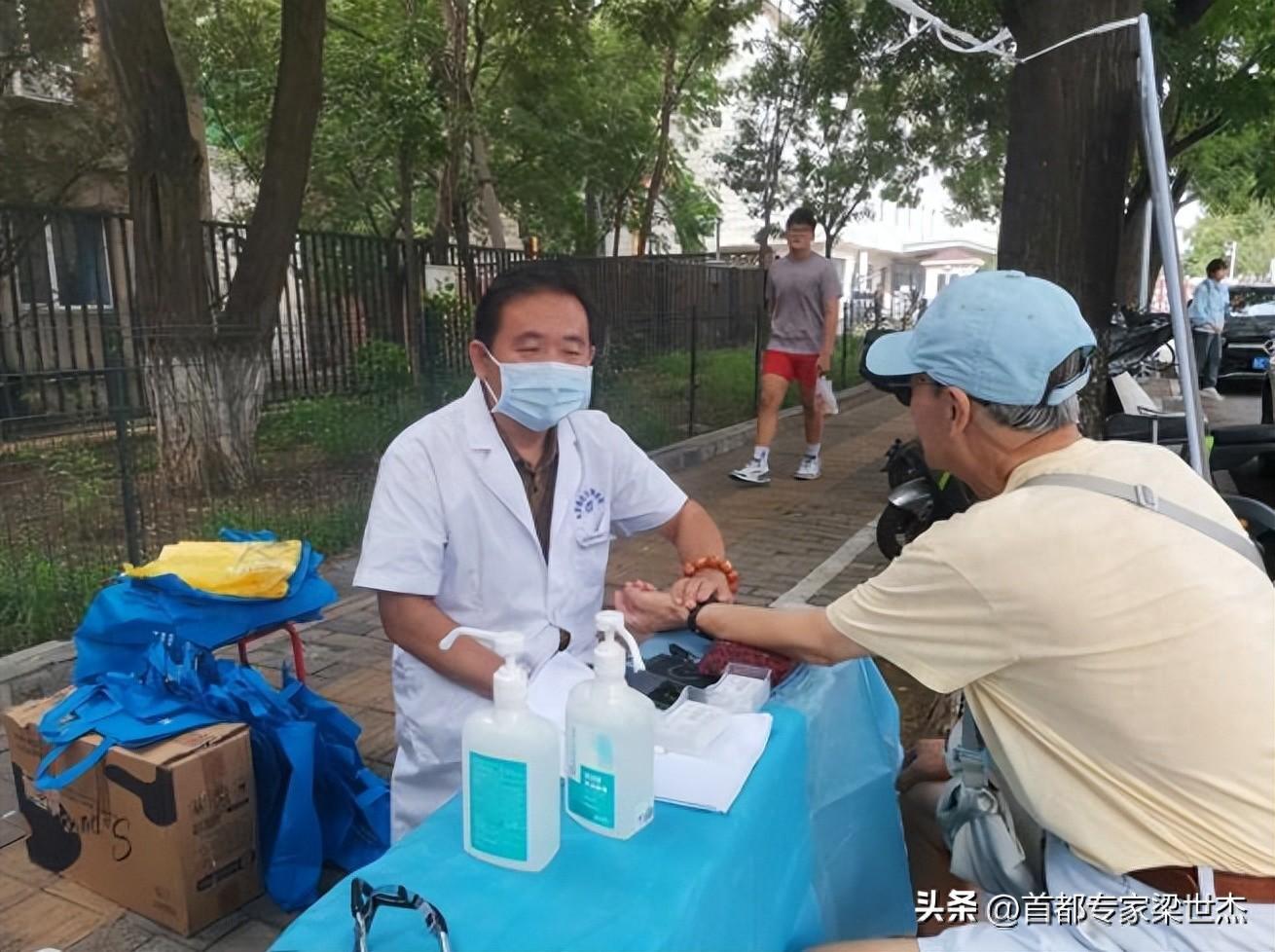
現代西醫,以其精密的儀器、先進的檢測技術和對微觀世界的深入探索,在診治單獨病理病竈方面堪稱卓越。它如同一位技藝精湛的工匠,能夠精準地定位疾病的根源,針對特定的靶點設計出相應的藥物或治療方案。例如,對於高血壓這一常見疾病,西醫可以通過一系列的檢查,明確是血管緊張素系統的問題,還是腎素 - 血管緊張素 - 醛固酮系統(RAAS)的異常,然後針對性地使用血管緊張素轉換酶抑制劑(ACEI)或血管緊張素Ⅱ受體拮抗劑(ARB)等藥物進行治療,在控制血壓方面往往能取得立竿見影的效果。
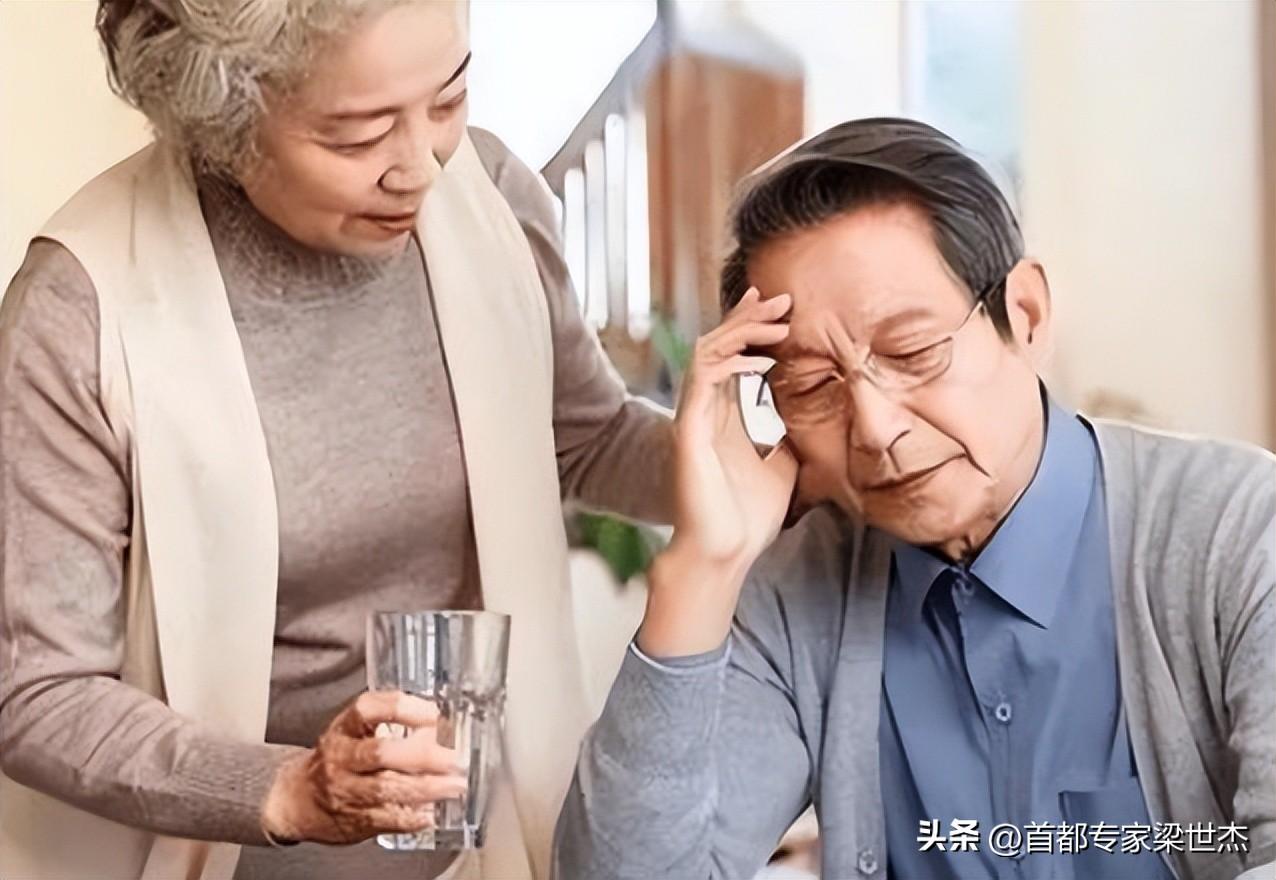
然而,當面對老年人的疾病時,西醫的這種還原論方法卻逐漸顯露出其侷限性。老年人往往患有多種疾病,可謂是“從頭到腳”的“全毛病”,病理病竈繁多複雜。在這種情況下,如果仍然不顧整體而只追求“局部最佳”,讓患者在各個專家門診之間徘徊,按照各位專家依據科學依據開出的全部藥物治療,其綜合結果和相互作用就如同一個難以解開的謎團。據相關統計數據顯示,在老年患者中,同時服用5種以上藥物的比例高達40%以上,而這些藥物之間的相互作用導致的不良反應發生率也顯著增加。例如,一位患有高血壓、糖尿病和冠心病的老年患者,可能需要同時服用降壓藥、降糖藥、抗血小板藥、調脂藥等多種藥物。這些藥物都是按照一個個的靶點設計的,對於它們在人體內形成的複雜“因果網絡”的影響,目前還沒有完善的評價方法。而且,隨着科學儀器的不斷精密,分子水平的“高表達”“低表達”的數量爆發式地增加,需要拮抗、阻斷的靶點越來越多,人體“需要”的化學制劑也將會越來越多。這種還原論指導下的方法論,就像是在一個錯綜複雜的迷宮中不斷尋找出口,卻忽略了整個迷宮的結構和佈局,其缺陷將會越來越明顯。
中醫整體觀:方劑背後的智慧
與西醫的還原論不同,中醫秉持着整體觀的哲學思想,將人體視爲一個有機的整體,認爲人體的各個臟腑、組織、器官之間相互關聯、相互影響,同時人體與外界環境也存在着密切的聯繫。這種整體觀在老年病治療中體現得淋漓盡致。中醫一張方子可以治整體,它不是針對某一個具體的病理病竈進行治療,而是從整體出發,綜合考慮患者的體質、症狀、病因等多方面因素,通過調整人體的陰陽平衡、氣血運行和臟腑功能,達到治療疾病的目的。
以一位患有多種慢性疾病的老年患者爲例,他可能既有咳嗽、氣喘等呼吸系統症狀,又有食慾不振、腹脹等消化系統症狀,同時還伴有失眠、乏力等全身症狀。中醫在診治時,不會僅僅關注某一個系統的症狀,而是會通過望、聞、問、切四診合參,全面瞭解患者的病情,然後根據中醫的理論進行辨證論治,開具一張綜合性的方劑。這張方劑中可能包含了多種中藥,每一種中藥都有其獨特的功效,它們相互配合、協同作用,共同調節人體的整體功能。例如,方劑中可能會使用黃芪來補氣昇陽、益衛固表,增強人體的免疫力;使用茯苓來健脾滲溼、寧心安神,改善消化系統和神經系統的症狀;使用桔梗來宣肺利咽、祛痰排膿,緩解呼吸系統的症狀。通過這樣一張方劑,就可以同時對患者的多個系統的症狀進行治療,達到整體調理的效果。
而且,中醫的整體觀還強調人與自然的和諧統一。中醫認爲,人體的疾病與季節、氣候、環境等因素密切相關。例如,在春季,風邪易侵,人體容易出現感冒、咳嗽等疾病,此時中醫在治療時會注重疏風解表;在夏季,暑溼之氣較重,人體容易出現中暑、腹瀉等疾病,治療時則會注重清熱祛溼。這種因時制宜的治療方法,體現了中醫對人體與自然關係的深刻認識,也使得中醫在治療老年病時能夠更加貼合患者的實際情況,提高治療效果。
傳承與展望:中醫治療的啓示
老年病的治療是一個複雜而艱鉅的任務,中醫的整體觀爲我們提供了一種獨特的思路和方法。讓我們以科學的態度、開放的胸懷,探索中醫的奧祕,傳承中醫的智慧,讓中醫這一中華民族的瑰寶在老年病治療領域綻放出更加耀眼的光芒,爲人類的健康事業做出更大的貢獻。
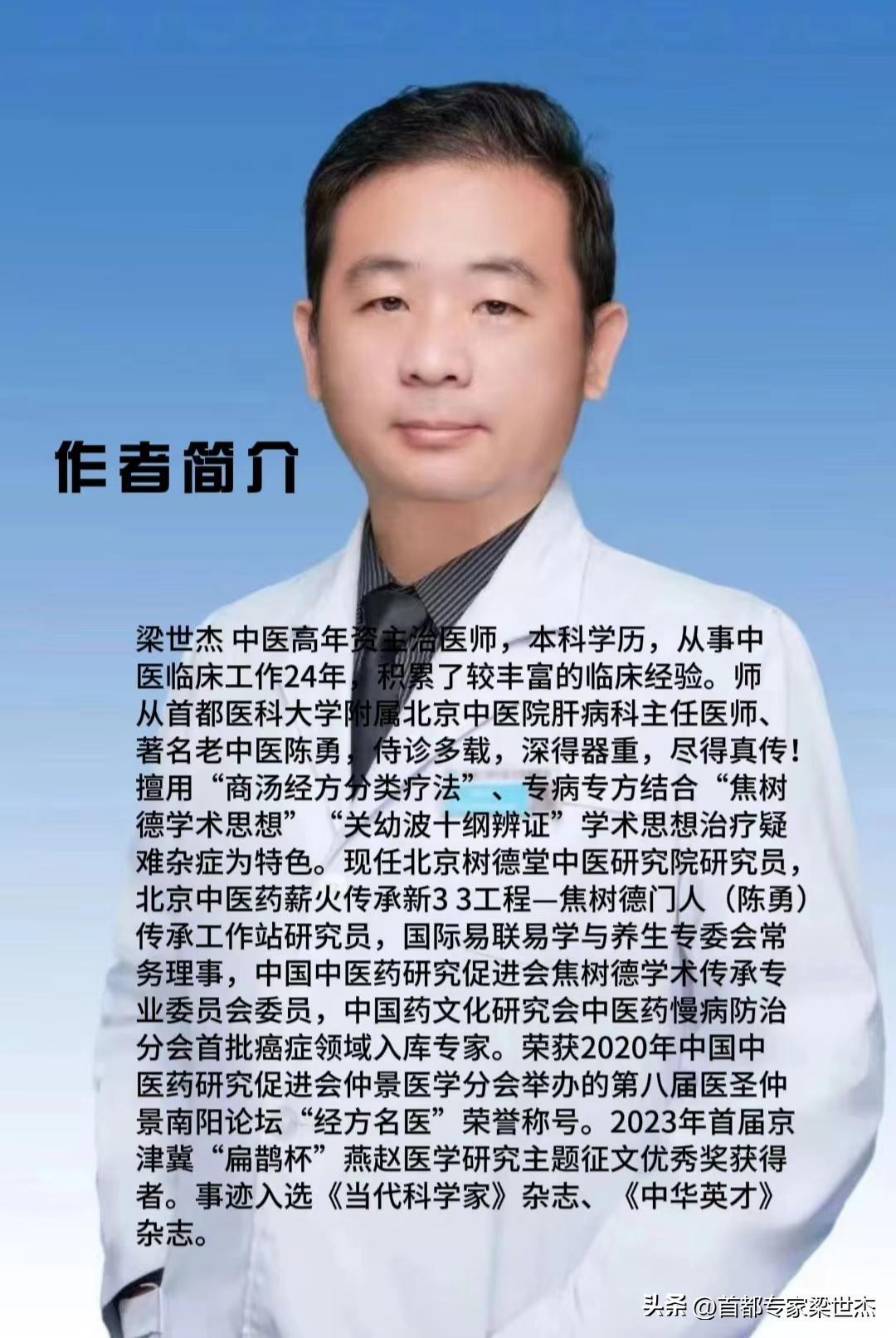
作者簡介:梁世傑 中醫高年資主治醫師,本科學歷,從事中醫臨牀工作24年,積累了較豐富的臨牀經驗。師從首都醫科大學附屬北京中醫院肝病科主任醫師、著名老中醫陳勇,侍診多載,深得器重,盡得真傳!擅用“商湯經方分類療法”、專病專方結合“焦樹德學術思想”“關幼波十綱辨證”學術思想治療疑難雜症爲特色。現任北京樹德堂中醫研究院研究員,北京中醫藥薪火傳承新3+3工程—焦樹德門人(陳勇)傳承工作站研究員,國際易聯易學與養生專委會常務理事,中國中醫藥研究促進會焦樹德學術傳承專業委員會委員,中國藥文化研究會中醫藥慢病防治分會首批癌症領域入庫專家。榮獲2020年中國中醫藥研究促進會仲景醫學分會舉辦的第八屆醫聖仲景南陽論壇“經方名醫”榮譽稱號。2023年首屆京津冀“扁鵲杯”燕趙醫學研究主題徵文優秀獎獲得者。事蹟入選《當代科學家》雜誌、《中華英才》雜誌。
How to choose treatments for age-related diseases: A contemplation of traditional Chinese medicine’s holistic view versus Western medicine’s reductionist approach.
In the long and winding journey of medical development, Western medicine and traditional Chinese medicine resemble two parallel streams, each flowing with its own unique wisdom and brilliance, playing irreplaceable roles in humanity’s struggle against disease. However, when we focus on the specific field of geriatric medicine, we find that the holistic view of traditional Chinese medicine differs markedly from the reductionist approach of Western medicine, with the holistic view of traditional Chinese medicine seemingly demonstrating greater advantages in the treatment of geriatric diseases.
Western medicine’s reductionist approach: The limitations behind precision.
Modern Western medicine, with its sophisticated instruments, advanced diagnostic techniques, and in-depth exploration of the microcosmic world, is exceptionally effective in diagnosing and treating individual pathological conditions. It functions like a highly skilled craftsman, capable of pinpointing the root cause of a disease with precision and designing corresponding medications or treatment plans tailored to specific targets. For example, in the case of hypertension, a common condition, Western medicine can conduct a series of examinations to determine whether the issue lies with the angiotensin system or the renin-angiotensin-aldosterone system (RAAS). Based on this diagnosis, targeted treatments such as angiotensin-converting enzyme inhibitors (ACEIs) or angiotensin II receptor blockers (ARBs) can be employed, often resulting in immediate improvements in blood pressure control.
However, when dealing with the illnesses of the elderly, the reductionist approach of Western medicine has gradually revealed its limitations. Elderly individuals often suffer from multiple ailments, which can be described as having “all kinds of problems” from head to toe. The pathological lesions are numerous and complex. In such cases, if one only pursues “local optimality” without considering the overall situation and leaves patients to navigate between various specialist clinics and medications prescribed by each expert based on scientific evidence, the combined outcomes and interactions can be akin to a puzzle that is difficult to unravel. According to relevant statistical data, the proportion of elderly patients taking more than five medications simultaneously is as high as over 40%. The incidence of adverse reactions caused by the interactions between these medications has also significantly increased. For example, an elderly patient with hypertension, diabetes, and coronary heart disease may need to take multiple medications, including antihypertensive drugs, antidiabetic drugs, antiplatelet drugs, and lipid-lowering drugs. These medications are designed to target specific points, but there is currently no comprehensive evaluation method for the complex “causal networks” they form within the human body. Moreover, with the continuous refinement of scientific instruments, the number of “highly expressed” and “lowly expressed” molecules has exploded, leading to an increasing number of targets that need to be antagonized or blocked, and the human body will require an increasing number of chemical agents. This reductionist-guided methodology resembles searching for an exit in a complex maze while ignoring the structure and layout of the entire maze. Its flaws will become increasingly apparent.
The Holistic View of Traditional Chinese Medicine: The Wisdom Behind Formulas
Unlike the reductionist approach of Western medicine, traditional Chinese medicine upholds a philosophical perspective of holism, viewing the human body as an organic whole. It believes that the various viscera, tissues, and organs of the body are interconnected and influence one another, and that the body also has a close connection with the external environment. This holistic view is vividly demonstrated in the treatment of age-related diseases. A traditional Chinese medicine prescription can address the whole person, rather than targeting a specific pathological lesion. It takes a holistic approach, considering various factors such as the patient’s constitution, symptoms, causes, and other aspects, and aims to achieve the goal of treating the disease by adjusting the balance of yin and yang, the flow of qi and blood, and the functions of the viscera.
Take an elderly patient with multiple chronic conditions as an example. He may experience respiratory symptoms such as coughing and shortness of breath, as well as digestive symptoms like loss of appetite and abdominal bloating. He may also experience general symptoms like insomnia and fatigue. When diagnosing and treating this patient, traditional Chinese medicine (TCM) does not focus solely on the symptoms of one particular system. Instead, it employs the four diagnostic methods of observation, smelling, asking questions, and palpation to comprehensively understand the patient’s condition. Based on TCM theory, a comprehensive treatment plan is then formulated, which may include a combination of various herbs. Each of these herbs has its unique properties, and when used together, they work synergistically to regulate the overall functions of the body. For instance, the formula might include astragalus to invigorate the qi and enhance immunity; rehmannia to tonify the spleen, remove dampness, and calm the mind, thereby alleviating symptoms related to the digestive and nervous systems; and rhizoma gromeri to clear the lungs, relieve phlegm, and eliminate pus, thus addressing respiratory symptoms. By using such a formula, multiple symptoms of the patient’s different systems can be treated simultaneously, leading to a holistic healing effect.
Furthermore, the holistic view of traditional Chinese medicine emphasizes the harmonious unity between humans and nature. Traditional Chinese medicine believes that diseases in the human body are closely linked to factors such as seasons, climate, and environment. For example, during spring, wind-borne pathogens are more likely to invade, and people are more prone to illnesses like colds and coughs. In this case, traditional Chinese medicine focuses on clearing wind and relieving exterior symptoms. During summer, when heat and dampness are more prevalent, people are more likely to suffer from heatstroke and diarrhea. In treatment, traditional Chinese medicine emphasizes clearing heat and removing dampness. This time-sensitive approach reflects the profound understanding of traditional Chinese medicine regarding the relationship between humans and nature, allowing it to tailor treatments more closely to the actual conditions of elderly patients and thereby improving treatment outcomes.
Legacy and Prospects: Insights from Traditional Chinese Medicine Therapy
The treatment of age-related diseases is a complex and arduous task, and the holistic view of traditional Chinese medicine offers a unique approach and method. Let us approach this with a scientific mindset and an open-minded attitude, explore the mysteries of traditional Chinese medicine, and pass on its wisdom. By doing so, we can allow this treasure of the Chinese nation to shine even brighter in the field of treating age-related diseases and make greater contributions to the cause of human health.
Author Bio: Liang Shijie is a senior medical practitioner in traditional Chinese medicine with an undergraduate degree. He has been engaged in traditional medicine clinical work for 24 years and has accumulated a wealth of clinical experience. Following Chen Yong, chief physician of liver disease at Beijing Traditional Medicine Hospital, affiliated with Capital Medical University, and renowned old Chinese medicine, he has been treated for many years and received great attention. He specializes in the treatment of difficult diseases using "conversational traditional therapy" and special treatments combined with the academic ideas of Jiao Shude and Guan Yubo''s ten-level diagnosis.He is currently a researcher at the Shude Tang TCM Research Institute in Beijing, a fellow at the new 3 + 3 project of traditional Chinese medicine flame inheritance in Beijing - a scholar at the inheritance workstation of Jiao Shude''s protégés (Chen Yong),He is a standing committee member of the International Expert Committee on E-learning and Health Care, a member of the Jiao Shude Academic Heritage Special Committee of the Chinese Association for the Advancement of Chinese Medicine Research, and the first cancer specialist to be included in the chapter of the Chinese Pharmaceutical Culture Research Association. Won the 2020 China Association for the Promotion of Traditional Chinese Medicine Zhongjing Medical Branch held the eighth session of the Medical Saint Zhongjing Nanyang Forum "Classic Prescription Famous Doctor" honorary title. The winner of the first Beijing-Tianjin-Hebei "Pingui Cup" Yanzhao Medical Research Essay Award in 2023. His work was featured in the journal Current Scientist and the journal Chinese Talent.