醫學“黑白灰”:中西醫攜手探祕未知宇宙
咱今兒個就嘮嘮這科學和醫學裏的“黑白灰”那些事兒,您可別一聽這詞兒就覺得玄乎,這裏頭的門道,就跟咱說相聲似的,妙趣橫生,還蘊含着大智慧呢!
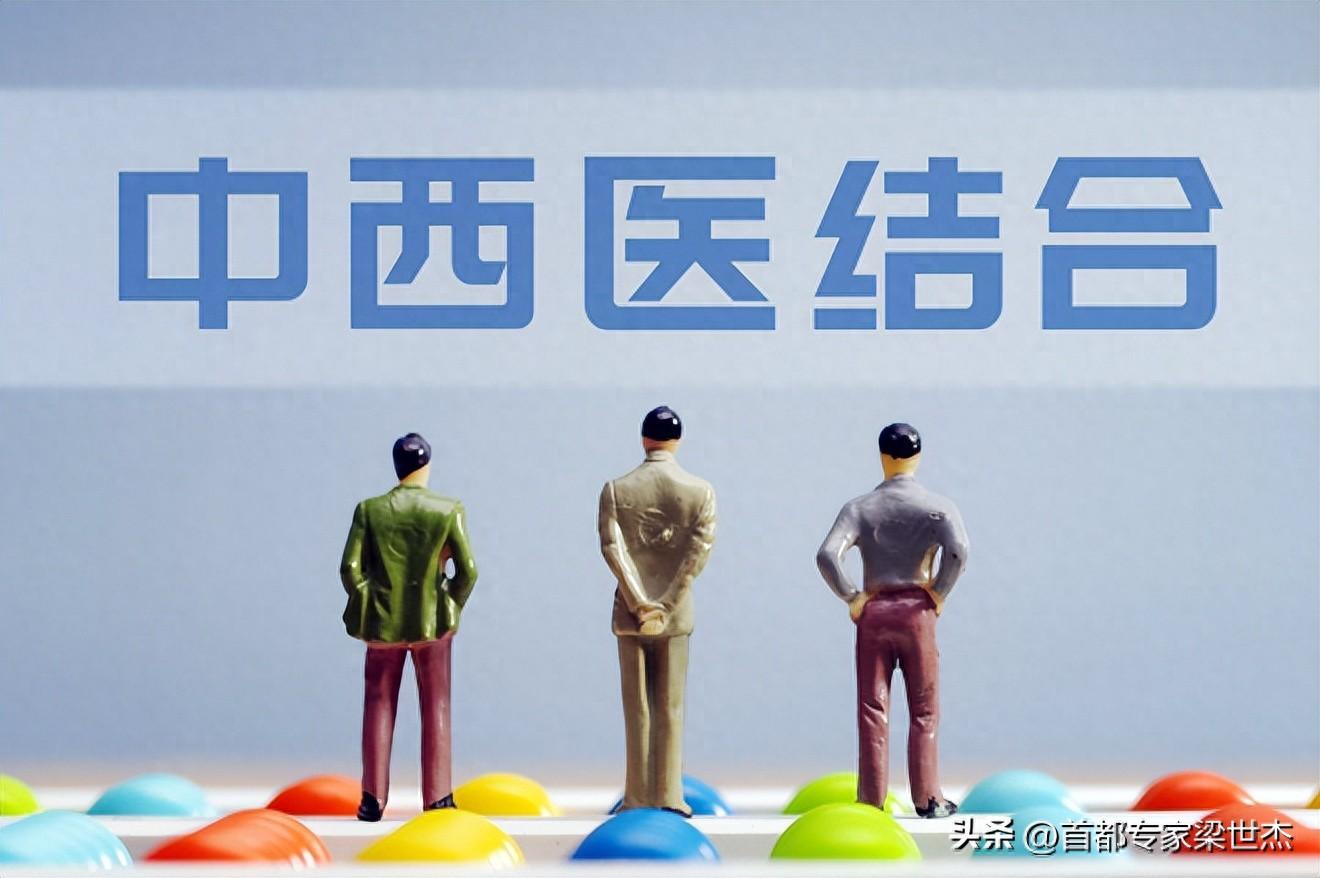
中國社會科學院的閔家胤研究員說了,傳統科學啊,就像是個實打實的工匠,一門心思研究實體,就像咱研究一塊實實在在的磚頭,得搞清楚它啥材質、啥形狀、啥用途。可系統科學就不一樣了,它像個高明的偵探,專門研究緯度、關係,就好比研究這磚頭在房子裏的位置,和別的磚頭是咋搭在一起的。這就好比說相聲,逗哏和捧哏之間的關係,那得研究得透透的,才能把包袱抖得響亮,把觀衆逗得樂不可支。
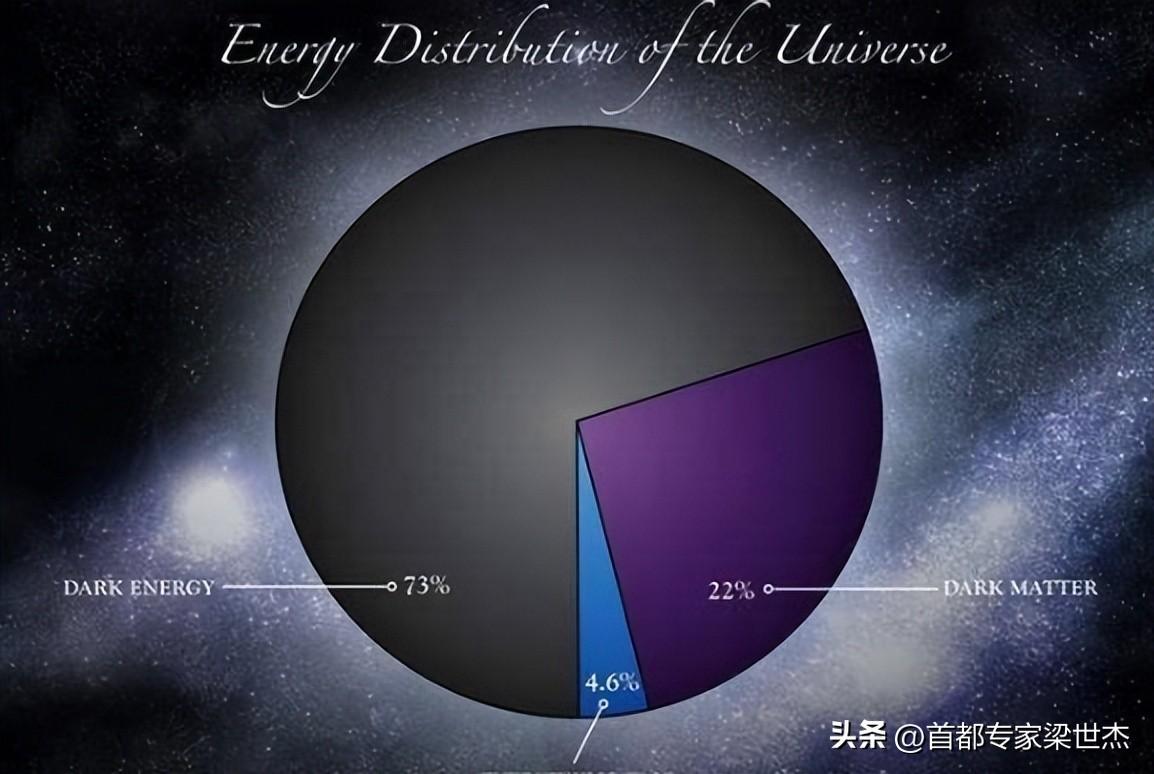
您知道嗎?科學現在還處於幼年時代呢,就像個剛學走路的小孩兒,啥都還在摸索。最新的科學成果可把人驚着了,宇宙裏明物質只佔4%,而暗物質佔了96%!這就好比咱以爲自己住在一個大房子裏,結果發現,咱能看得見、摸得着的傢俱啥的,只佔了房子的一小部分,剩下那96%的空間裏,藏着好多咱看不見、摸不着,但又實實在在存在的東西。人類對這4%的明物質,那研究得還遠遠不夠透徹呢,就像咱對家裏那幾件常用的傢俱,雖然天天用,但說不定還有很多隱藏的功能沒發現。而對那96%的暗物質、暗能量、隱能量的研究,纔剛剛開始,就像小孩兒剛學會走路,前面還有好長的路要走呢。
在研究對象的劃分上,有人用黑箱、白箱來區分。啥叫黑箱呢?就是啥都不知道,裏面裝着啥、咋運作的,一概不清楚,就像一個神祕的盒子,你只能看到外面,看不到裏面。白箱呢,就是啥都知道,裏面的零件、線路、運作原理,都清清楚楚,就像一個透明的盒子。可這世上哪有那麼多絕對的黑箱和白箱啊,於是就有人提出來“灰箱理論”,也就是半知半不知的狀態。這就好比咱說相聲,有時候一個包袱,你知道大概的笑點在哪兒,但具體觀衆會咋反應,能不能逗樂大家,心裏也沒底,這就是一種灰箱狀態。
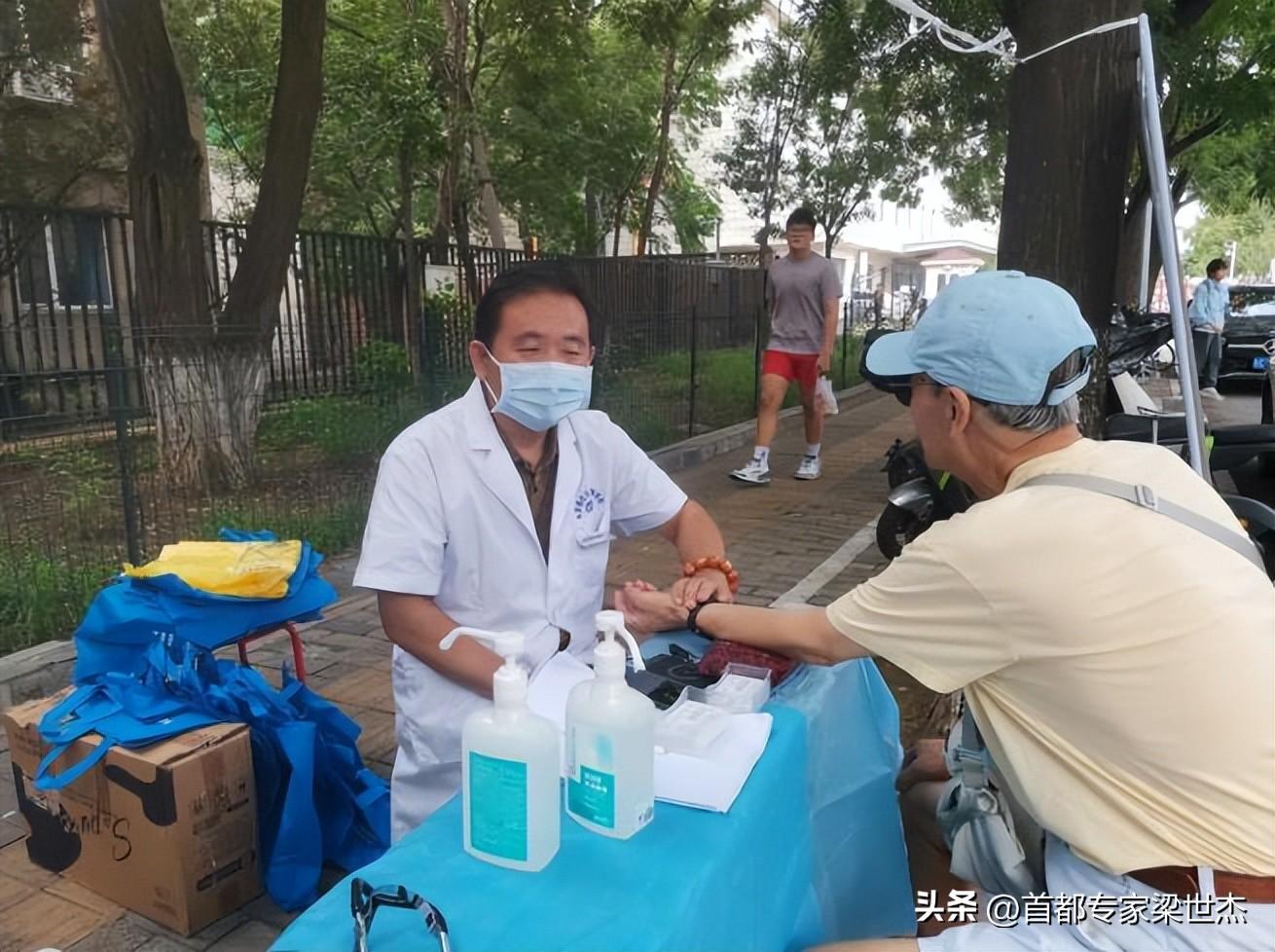
您再瞧瞧中醫,好多問題都是灰箱狀態。中醫看病,講究望聞問切,通過觀察病人的氣色、聽病人的聲音、詢問病人的症狀、切病人的脈象,來推斷病情。這就像偵探通過觀察現場的蛛絲馬跡,來推斷案件的真相。可中醫的理論體系,和西醫有很大的不同。西醫就像那個研究白箱的,通過各種儀器檢查,把人體的每一個零件、每一個細胞都研究得清清楚楚。而中醫呢,更注重整體,把人看作一個有機的整體,注重人體內部的關係和平衡。這就好比說相聲,逗哏和捧哏得相互配合,才能把節目演好,人體各個器官也得相互協調,才能保持健康。
就拿治療感冒來說,西醫可能會用抗生素來殺死病毒,就像用炸彈去轟炸敵人。可中醫呢,會根據病人的症狀,判斷是風寒感冒還是風熱感冒,然後開出不同的方劑。風寒感冒,可能會用麻黃湯來發汗解表;風熱感冒,可能會用銀翹散來清熱解毒。這就好比根據不同的敵人,採用不同的戰術,有的放矢。可中醫的這些理論和治療方法,在西醫看來,就像是一個灰箱,裏面的原理和機制,他們不太清楚。同樣,西醫的一些檢查方法和治療手段,在中醫看來,也有很多不明白的地方。
所以啊,中醫和西醫要很好地合作,未來的道路還很漫長。就像兩個不同風格的相聲演員,一個擅長傳統相聲,一個擅長現代相聲,他們要是能相互學習、相互借鑑,把各自的優點結合起來,那演出的效果肯定棒極了。中醫和西醫也是一樣,如果能把各自的優勢發揮出來,相互補充,那在治療疾病、保障人類健康方面,肯定能取得更大的成就。
咱可不能小瞧了這合作的力量。就像一場精彩的相聲演出,逗哏和捧哏缺一不可;在醫學領域,中醫和西醫的合作也是必不可少的。咱得抱着開放的心態,歡迎兩種醫學相互交流、共同發展。說不定在不久的將來,咱就能看到一種全新的醫學模式,就像一場融合了傳統與現代、東方與西方的超級相聲演出,讓全世界都爲之驚歎!
總之,這醫界的“黑白灰”,就像一個神祕的寶藏,等待着我們去探索、去發現。中醫和西醫攜手同行,就像兩個勇敢的探險家,一起揭開這未知宇宙的神祕面紗,爲人類的健康事業闖出一片新天地!您說是不是這個理兒?
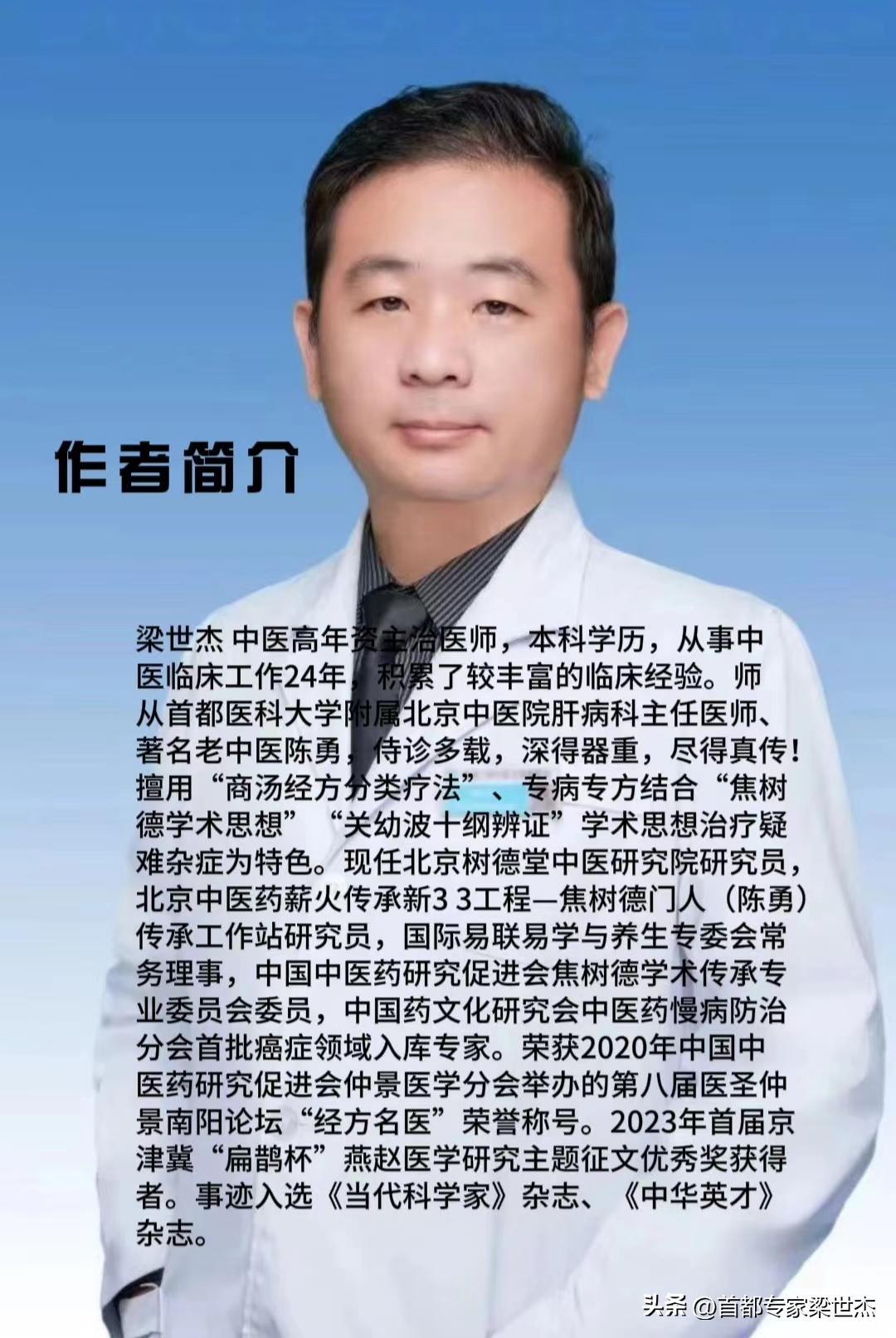
作者簡介:梁世傑 中醫高年資主治醫師,本科學歷,從事中醫臨牀工作24年,積累了較豐富的臨牀經驗。師從首都醫科大學附屬北京中醫院肝病科主任醫師、著名老中醫陳勇,侍診多載,深得器重,盡得真傳!擅用“商湯經方分類療法”、專病專方結合“焦樹德學術思想”“關幼波十綱辨證”學術思想治療疑難雜症爲特色。現任北京樹德堂中醫研究院研究員,北京中醫藥薪火傳承新3+3工程—焦樹德門人(陳勇)傳承工作站研究員,國際易聯易學與養生專委會常務理事,中國中醫藥研究促進會焦樹德學術傳承專業委員會委員,中國藥文化研究會中醫藥慢病防治分會首批癌症領域入庫專家。榮獲2020年中國中醫藥研究促進會仲景醫學分會舉辦的第八屆醫聖仲景南陽論壇“經方名醫”榮譽稱號。2023年首屆京津冀“扁鵲杯”燕趙醫學研究主題徵文優秀獎獲得者。事蹟入選《當代科學家》雜誌、《中華英才》雜誌。
Medicine’s “Black, White, and Gray”: Traditional Chinese Medicine and Western Medicine Team Up to Explore the Unknown Universe
Today, let’s discuss the concepts of “black,” “white,” and “gray” in science and medicine. Don’t be surprised when you hear these terms; the intricacies involved are akin to our comedic performances. They are fascinating and contain profound wisdom!
Researcher Min Jiayin from the Chinese Academy of Social Sciences pointed out that traditional science is akin to a skilled craftsman who solely focuses on studying tangible objects. Just as we study a solid brick to understand its material composition, shape, and purpose, system science is different. It functions like a skilled detective, specializing in studying dimensions and relationships. It’s akin to examining the position of this brick within the house and how it interacts with other bricks. This is similar to the relationship between the lead comedian and the supporting comedian in a comedic performance. To effectively deliver a punchline and entertain the audience, one must thoroughly understand their roles.
Did you know that science is still in its infancy, much like a toddler learning to walk and still figuring things out? The latest scientific findings are astonishing: only 4% of the universe consists of ordinary matter, while 96% is composed of dark matter! It’s like thinking you live in a large house, only to discover that the furniture and objects you can see and touch make up only a small portion of the house. The remaining 96% contains countless unseen and unfeasible things that truly exist. Humans’ understanding of this 4% of ordinary matter is far from thorough, just as we might have many hidden functions for the furniture we use daily in our homes that we have yet to discover. Meanwhile, research into the 96% of dark matter, dark energy, and hidden energy has only just begun, much like a child learning to walk and having a long way to go.
In terms of categorizing research subjects, some people distinguish between “black boxes” and “white boxes.” What does a black box mean? It means that everything about it is unknown. You have no idea what’s inside or how it operates. It’s like a mysterious box where you can only see the outside but not the inside. A white box, on the other hand, means that everything about it is known. The components, circuits, and operating principles are all clear. It’s like a transparent box. But in this world, there are hardly any absolute black boxes or white boxes. As a result, some people have proposed the “gray box theory,” which refers to a state of partial knowledge and partial ignorance. This is akin to performing comedy in a way where, sometimes, you have a general idea of the comedic effect, but you’re unsure about how the audience will react or whether it will entertain them. This is akin to a gray box state.
Take a closer look at traditional Chinese medicine. Many issues are in a state of uncertainty. In traditional Chinese medicine, diagnosis involves observing a patient’s complexion, listening to their voice, inquiring about their symptoms, and feeling their pulse. This process allows practitioners to infer the patient’s condition. It’s akin to a detective using clues from the scene to deduce the truth of a case. However, the theoretical framework of traditional Chinese medicine differs significantly from that of Western medicine. Western medicine is like the approach that examines the “white box,” using various instruments to thoroughly study every component and cell of the human body. In contrast, traditional Chinese medicine places greater emphasis on the whole system, viewing the human body as an integrated entity, and focusing on the internal relationships and balance within the body. This is similar to performing a comedy skit, where the lead comedian and the supporting comedian must work together to deliver a successful performance. Similarly, the various organs of the human body must coordinate with each other to maintain health.
Take the treatment of a cold as an example. Western medicine might use antibiotics to kill the virus, much like using bombs to bombard the enemy. However, traditional Chinese medicine takes into account the patient’s symptoms to determine whether they have a cold caused by wind and cold or one caused by wind and heat, and then prescribes different remedies accordingly. For a cold caused by wind and cold, Ma Huang Tang might be used to induce sweating and relieve the exterior; for a cold caused by wind and heat, Yin Qiao Powder might be used to clear heat and detoxify. This is akin to employing different tactics based on different enemies, striking precisely where needed. Yet, to Western medicine, the theories and treatment methods of traditional Chinese medicine appear like a gray box, with principles and mechanisms that they are not entirely clear about. Similarly, some diagnostic methods and treatment techniques used by Western medicine are also unfamiliar to traditional Chinese medicine practitioners.
Therefore, traditional Chinese medicine and Western medicine need to collaborate effectively, and the road ahead is still long. It’s like two comedians with different styles; one excels in traditional comedy, while the other excels in modern comedy. If they can learn from and draw inspiration from each other, combining their respective strengths, the outcome of their performances would undoubtedly be fantastic. The same principle applies to traditional Chinese medicine and Western medicine. If they can leverage their respective strengths and complement each other, they will undoubtedly achieve greater success in treating diseases and safeguarding human health.
We must not underestimate the power of this collaboration. Just as a captivating performance of traditional Chinese comedy requires both the lead comedian and the supporting comedian, cooperation between traditional Chinese medicine and Western medicine is essential in the medical field. We need to maintain an open mindset and welcome the exchange and mutual development of both types of medicine. Who knows? In the near future, we might witness a completely new model of medicine, akin to a spectacular performance that seamlessly blends tradition and modernity, East and West, leaving the entire world in awe!
In short, the “black, white, and gray” of the medical world is like a mysterious treasure waiting to be explored and discovered. Traditional Chinese medicine and Western medicine work hand in hand, much like two brave explorers who together uncover the enigmatic veil of this unknown universe, paving the way for a new era in the pursuit of human health. Isn’t that true?
Author Bio: Liang Shijie is a senior medical practitioner in traditional Chinese medicine with an undergraduate degree. He has been engaged in traditional medicine clinical work for 24 years and has accumulated a wealth of clinical experience. Following Chen Yong, chief physician of liver disease at Beijing Traditional Medicine Hospital, affiliated with Capital Medical University, and renowned old Chinese medicine, he has been treated for many years and received great attention. He specializes in the treatment of difficult diseases using "conversational traditional therapy" and special treatments combined with the academic ideas of Jiao Shude and Guan Yubo''s ten-level diagnosis.He is currently a researcher at the Shude Tang TCM Research Institute in Beijing, a fellow at the new 3 + 3 project of traditional Chinese medicine flame inheritance in Beijing - a scholar at the inheritance workstation of Jiao Shude''s protégés (Chen Yong),He is a standing committee member of the International Expert Committee on E-learning and Health Care, a member of the Jiao Shude Academic Heritage Special Committee of the Chinese Association for the Advancement of Chinese Medicine Research, and the first cancer specialist to be included in the chapter of the Chinese Pharmaceutical Culture Research Association. Won the 2020 China Association for the Promotion of Traditional Chinese Medicine Zhongjing Medical Branch held the eighth session of the Medical Saint Zhongjing Nanyang Forum "Classic Prescription Famous Doctor" honorary title. The winner of the first Beijing-Tianjin-Hebei "Pingui Cup" Yanzhao Medical Research Essay Award in 2023. His work was featured in the journal Current Scientist and the journal Chinese Talent.