中醫解剖:國畫大寫意般的智慧傳奇
咱今兒個就嘮嘮這中醫解剖學,您可別一聽解剖學就覺得是西醫那套拿着手術刀、對着屍體切切剁剁的玩意兒。中醫的解剖學啊,那可跟國畫裏的“大寫意”有一拼,別有一番風味,充滿了咱老祖宗的智慧和獨特韻味!
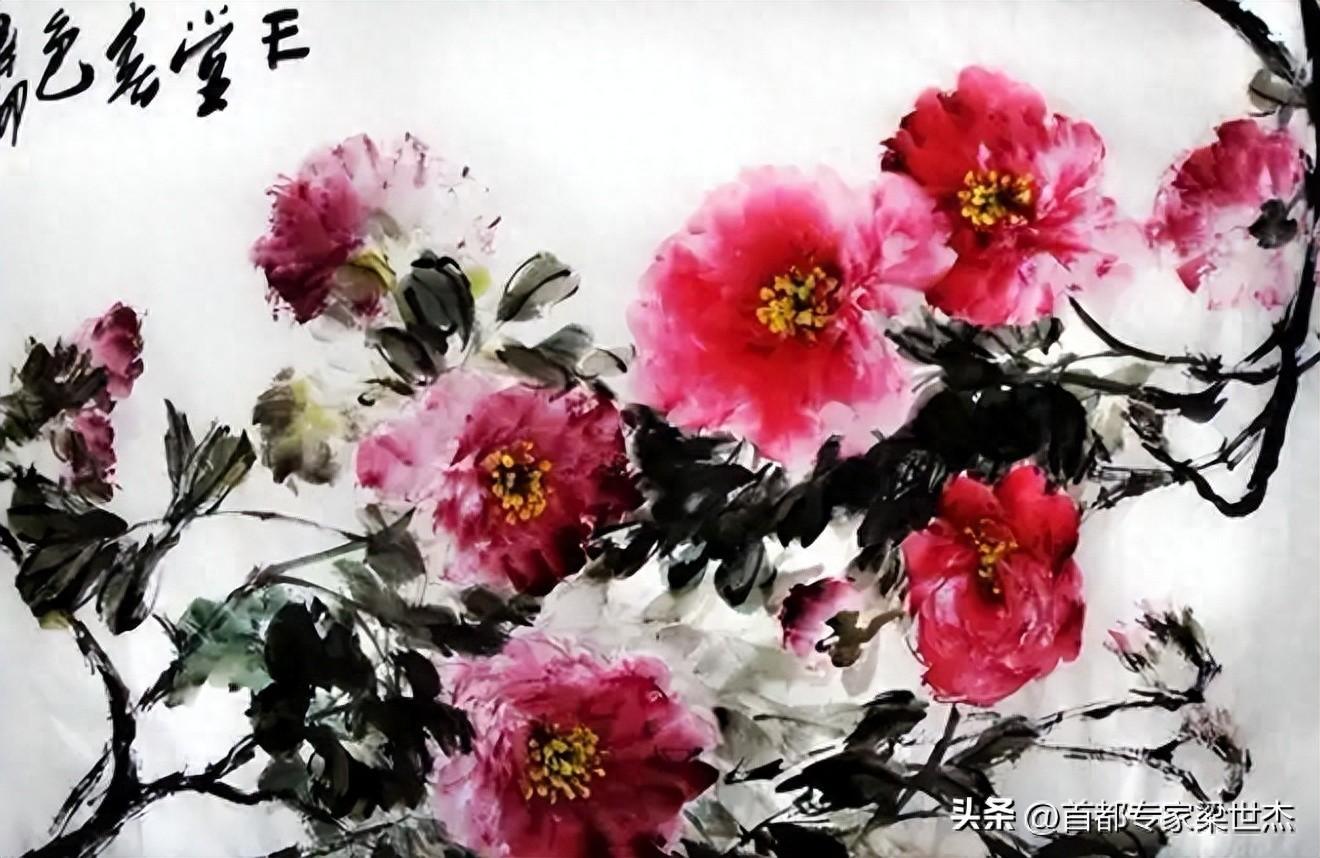
您瞧瞧國畫裏的大寫意,那畫起花鳥魚蟲、山水人物來,不追求形似,講究的是神似。一筆下去,看似隨意,實則韻味無窮,把那事物的精氣神兒全給勾勒出來了。中醫的解剖學就跟這大寫意似的,不搞那種精細入微、一絲不苟的寫實風格。
古人聰明着呢,用肝、心、脾、肺、腎這五個漢字,就像給五個重要的“大管家”貼上了標籤,代表五個臟器。還有胃、大腸、小腸、膀胱、膽、腦、女子胞、骨髓、皮膚、肌肉、筋膜、脈絡等等,這些器官組織在古人的記載裏那也是明明白白的。這說明啥?說明咱老祖宗確實在器官解剖這個層次上,對人體有了認識,就像畫家先勾勒出了畫面的大致輪廓。據史料記載,早在先秦時期,古人就有對人體器官的一些基本描述和認知了,這可是有據可查的,不是咱在這兒瞎忽悠。
但是呢,受限於當時的觀察手段,那時候可沒有現在這些先進的顯微鏡、CT掃描儀啥的。而且啊,內科治療方法豐富又有效,就像畫家有了自己獨特的繪畫技巧和風格,不需要再在細節上死摳。所以啊,從器官進一步細緻解剖的研究方法就沒再繼續深入開展下去。而是在這個層次的解剖知識基礎上,發展出了一套相互聯繫、相互影響的“髒象學說”。這就好比畫家在勾勒出輪廓後,開始潑墨揮毫,用色彩和線條來表現畫面的意境和情感。
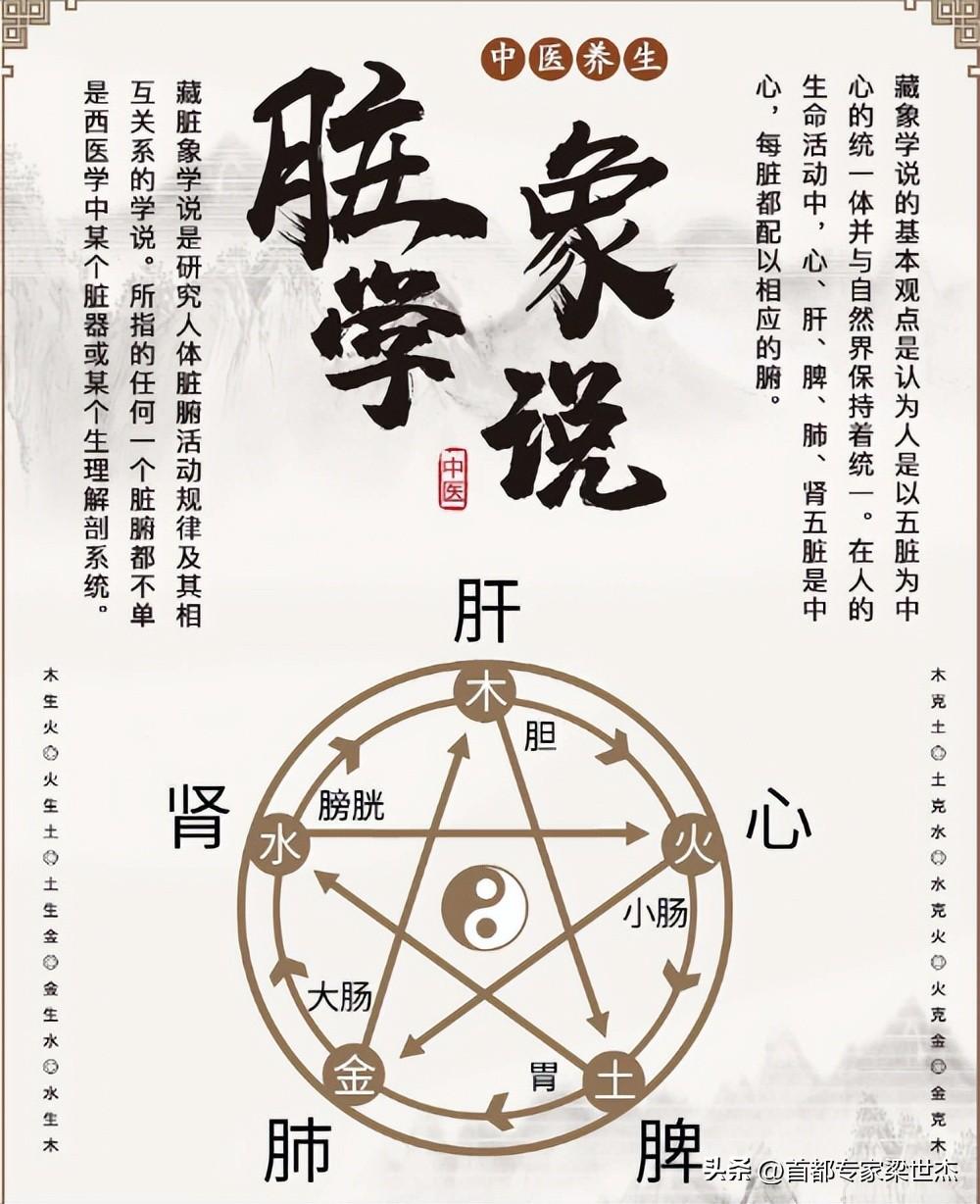
這“髒象學說”可厲害啦!它是根據人體外在的生理病理變化,去探索內在的規律,建立起一整套完整的理論。比如說,一個人臉色發黃,中醫通過髒象學說就能推斷出可能是脾胃出了問題。因爲脾胃在五行中屬土,土對應的顏色是黃色,這就好比畫家通過畫面上的色彩,就能感受到畫家想要表達的情感和主題。再比如,一個人經常失眠、心煩,中醫會認爲這可能是心火旺盛,因爲心在中醫理論裏主神明,心火擾亂了神明,就會出現這些症狀。這就跟畫家通過筆墨的濃淡、疏密來表現畫面的節奏和韻律一樣。
中醫關於臟腑解剖的概念,那就是寫意而不寫實,傳神而不傳形。它不追求把人體的每一個器官、每一根血管都畫得清清楚楚、明明白白,而是注重整體的把握和內在的聯繫。就像國畫裏的大寫意,不追求把每一片葉子、每一根樹枝都畫得一模一樣,而是通過整體的構圖和筆墨的運用,傳達出一種意境和神韻。
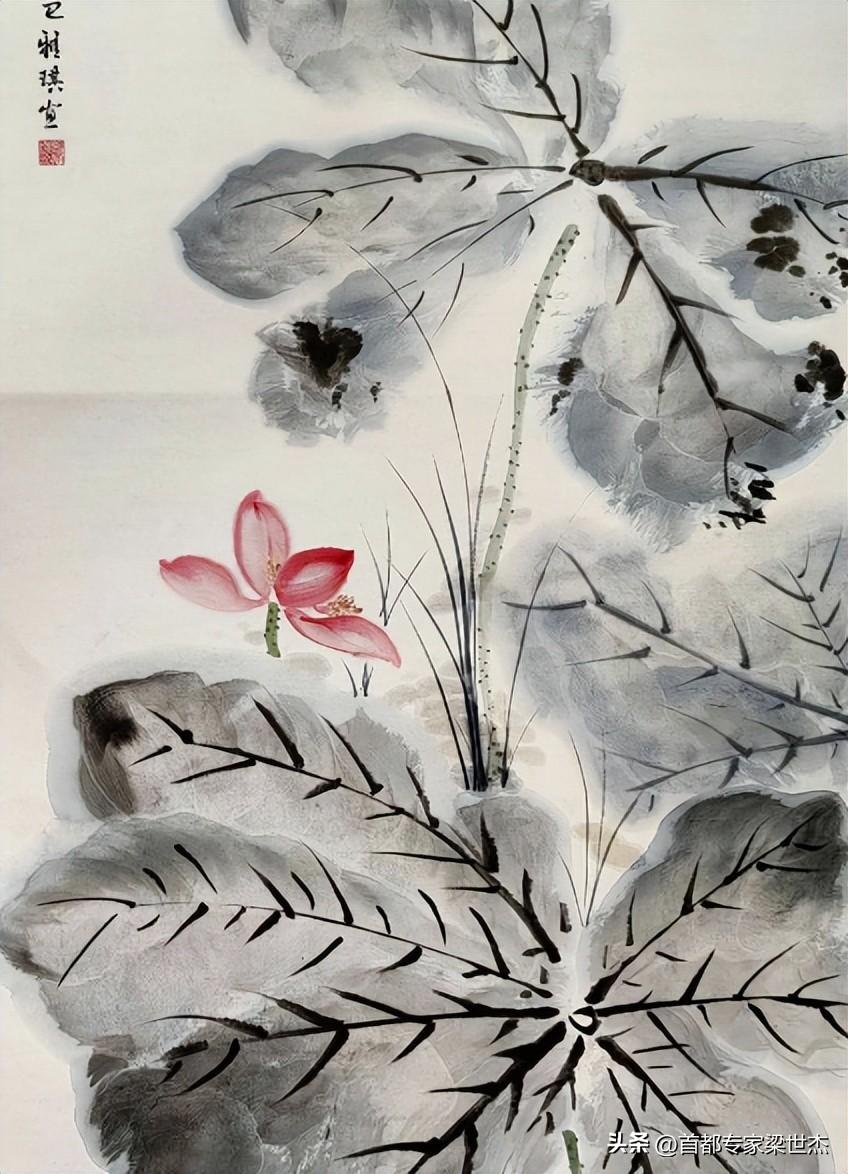
有人可能會說,中醫這解剖學不夠精細,不如西醫。嘿,這可就大錯特錯了!這就好比說國畫不如西洋畫精細一樣。國畫有國畫的魅力,西洋畫有西洋畫的風格,各有千秋。中醫和西醫也是一樣,它們是從不同的角度、用不同的方法來認識和治療人體的疾病。西醫就像是一個精細的工匠,把人體的每一個零件都拆開來研究;而中醫則像是一個高明的指揮家,注重整體的協調和平衡。
在現實生活中,有很多疾病用西醫的方法治療效果不佳,而中醫卻能起到意想不到的效果。比如說一些慢性疾病、功能性疾病,中醫通過調理人體的臟腑功能、疏通經絡氣血,往往能讓患者的症狀得到緩解,身體逐漸恢復健康。這就好比一幅有些暗淡的國畫,經過畫家的巧妙修飾,重新煥發出光彩。
所以啊,咱可不能小瞧了中醫的解剖學,它就像國畫裏的大寫意,雖然看似簡單,實則蘊含着無盡的智慧和奧祕。咱應該尊重和傳承中醫這門古老的醫學,讓它在現代社會里繼續發光發熱,爲咱老百姓的健康保駕護航!您說是不是這個理兒?
作者簡介:梁世傑 中醫高年資主治醫師,本科學歷,從事中醫臨牀工作24年,積累了較豐富的臨牀經驗。師從首都醫科大學附屬北京中醫院肝病科主任醫師、著名老中醫陳勇,侍診多載,深得器重,盡得真傳!擅用“商湯經方分類療法”、專病專方結合“焦樹德學術思想”“關幼波十綱辨證”學術思想治療疑難雜症爲特色。現任北京樹德堂中醫研究院研究員,北京中醫藥薪火傳承新3+3工程—焦樹德門人(陳勇)傳承工作站研究員,國際易聯易學與養生專委會常務理事,中國中醫藥研究促進會焦樹德學術傳承專業委員會委員,中國藥文化研究會中醫藥慢病防治分會首批癌症領域入庫專家。榮獲2020年中國中醫藥研究促進會仲景醫學分會舉辦的第八屆醫聖仲景南陽論壇“經方名醫”榮譽稱號。2023年首屆京津冀“扁鵲杯”燕趙醫學研究主題徵文優秀獎獲得者。事蹟入選《當代科學家》雜誌、《中華英才》雜誌。
Traditional Chinese medicine anatomy: The captivating tale of wisdom, akin to the loose, expressive style of Chinese painting.
Let’s talk about traditional Chinese medical anatomy today. Please don’t immediately think of it as the kind of thing practiced by Western medicine, where people wield surgical knives and cut and chop at corpses. The anatomy in traditional Chinese medicine is quite different from that. It’s akin to the “freehand brushwork” style in Chinese painting, with its own unique flavor and rich in the wisdom and distinctive charm of our ancestors!
Take a look at the loose and expressive style of Chinese painting. When it comes to depicting flowers, birds, fish, insects, mountains, and figures, it does not aim to capture realistic appearances but rather emphasizes the essence and spirit. A stroke of the brush may seem casual, but it actually conveys profound charm, capturing the essence and vitality of the subject. The anatomy of traditional Chinese medicine is similar to this loose and expressive style; it does not adopt the meticulous and precise realistic approach.
The ancients were very clever. They used the five Chinese characters for liver, heart, spleen, lung, and kidney to label five important “housekeepers,” representing the five internal organs. There were also descriptions of the stomach, large intestine, small intestine, bladder, gallbladder, brain, uterus, bone marrow, skin, muscles, fascia, and blood vessels. These organ structures are clearly documented in ancient records. What does this imply? It implies that our ancestors indeed had some understanding of the human body at the level of organ anatomy, much like a painter first outlines the general contours of a scene. According to historical records, as early as the pre-Qin period, the ancients had some basic descriptions and knowledge of human organs. This is verifiable and not something we are making up out of thin air.
However, due to the limitations of the observation methods available at that time, there were no advanced microscopes, CT scanners, or other modern diagnostic tools. Moreover, internal medicine treatments were diverse and effective, much like a painter who possesses their unique painting techniques and style and does not need to obsess over minute details. As a result, further detailed research into the anatomy of organs did not proceed. Instead, based on the existing knowledge of anatomical structures, a system of interconnected and interdependent “zang xiang theory” was developed. This is akin to a painter who, after sketching out the outline, begins to apply strokes and colors to convey the mood and emotions of the scene.
This “Disease Pattern Theory” is quite remarkable! It is based on the external physiological and pathological changes of the human body to explore the underlying laws and establish a comprehensive set of theories. For example, if a person’s complexion appears yellowish, traditional Chinese medicine can infer that there might be issues with the spleen and stomach. This is because the spleen and stomach belong to the element of earth in the Five Elements theory, and earth’s corresponding color is yellow. Just as a painter can sense the emotions and themes the artist wishes to convey through the colors on the canvas, a person who frequently experiences insomnia and restlessness might be considered to have excessive fire in the heart according to traditional Chinese medicine, as the heart is responsible for spiritual functions in this theory, and when the heart fire disrupts these functions, such symptoms arise. This parallels how a painter uses the thickness and density of brushstrokes to convey the rhythm and harmony of a scene.
The concept of internal organ anatomy in traditional Chinese medicine is that it is expressive but not realistic, conveying spirit rather than form. It does not aim to depict every organ and every blood vessel of the human body clearly and distinctly; instead, it focuses on grasping the whole and understanding the internal connections. It is akin to the grand expressive style in Chinese painting, where the emphasis is not on rendering every leaf and branch exactly the same but rather on conveying an atmosphere and aura through the overall composition and the use of brushwork and ink.
Some people might argue that traditional Chinese medicine’s anatomy is not as refined as that of Western medicine. Well, that would be a huge mistake! It’s akin to saying that Chinese painting is not as intricate as Western painting. Chinese painting has its own charm, while Western painting has its own style. Both have their own strengths. The same applies to traditional Chinese medicine and Western medicine. They approach the understanding and treatment of human diseases from different perspectives and employ different methods. Western medicine is like a meticulous craftsman who dissects every component of the human body to study it; traditional Chinese medicine, on the other hand, is akin to a skilled conductor who focuses on the overall harmony and balance.
In real life, there are many diseases for which traditional Western medicine’s treatment methods are ineffective, yet traditional Chinese medicine can produce unexpected results. For example, certain chronic and functional diseases can often be alleviated and the patient’s condition gradually restored through traditional Chinese medicine’s methods of regulating the body’s internal organs, unblocking the flow of meridians and qi, and blood. It’s akin to an initially dim Chinese painting that, after the artist’s skillful touch, regains its brilliance.
So, we mustn’t underestimate the anatomy of traditional Chinese medicine. It’s akin to the loose, expressive style of Chinese painting. While it may appear simple on the surface, it actually embodies boundless wisdom and mysteries. We should respect and preserve this ancient form of medicine, allowing it to continue shining and making a positive impact in modern society, safeguarding the health of our common people. Isn’t that the truth?
Author Bio: Liang Shijie is a senior medical practitioner in traditional Chinese medicine with an undergraduate degree. He has been engaged in traditional medicine clinical work for 24 years and has accumulated a wealth of clinical experience. Following Chen Yong, chief physician of liver disease at Beijing Traditional Medicine Hospital, affiliated with Capital Medical University, and renowned old Chinese medicine, he has been treated for many years and received great attention. He specializes in the treatment of difficult diseases using "conversational traditional therapy" and special treatments combined with the academic ideas of Jiao Shude and Guan Yubo''s ten-level diagnosis.He is currently a researcher at the Shude Tang TCM Research Institute in Beijing, a fellow at the new 3 + 3 project of traditional Chinese medicine flame inheritance in Beijing - a scholar at the inheritance workstation of Jiao Shude''s protégés (Chen Yong),He is a standing committee member of the International Expert Committee on E-learning and Health Care, a member of the Jiao Shude Academic Heritage Special Committee of the Chinese Association for the Advancement of Chinese Medicine Research, and the first cancer specialist to be included in the chapter of the Chinese Pharmaceutical Culture Research Association. Won the 2020 China Association for the Promotion of Traditional Chinese Medicine Zhongjing Medical Branch held the eighth session of the Medical Saint Zhongjing Nanyang Forum "Classic Prescription Famous Doctor" honorary title. The winner of the first Beijing-Tianjin-Hebei "Pingui Cup" Yanzhao Medical Research Essay Award in 2023. His work was featured in the journal Current Scientist and the journal Chinese Talent.