一個好漢三個幫:古代名醫也帶隊上陣
在當今這繁華喧囂的時代,中醫領域裏科研團隊、學術團隊、傳承團隊、醫療隊如璀璨星辰般閃耀,他們以各自獨特的方式,爲中醫的傳承與發展添磚加瓦。科研團隊於臨牀、實驗室中探尋微觀世界的奧祕,學術團隊在浩如煙海的古籍中挖掘智慧的結晶,傳承團隊如薪火相傳的守護者,將古老醫術的火種代代延續,醫療隊則奔走在治病救人的第一線,用雙手托起生命的希望。然而,若我們穿越時光的長河,回溯到那遙遠的古代,便會發現,中醫治病同樣講究團隊合作,重視集體力量,那是一種跨越時空的默契與傳承。
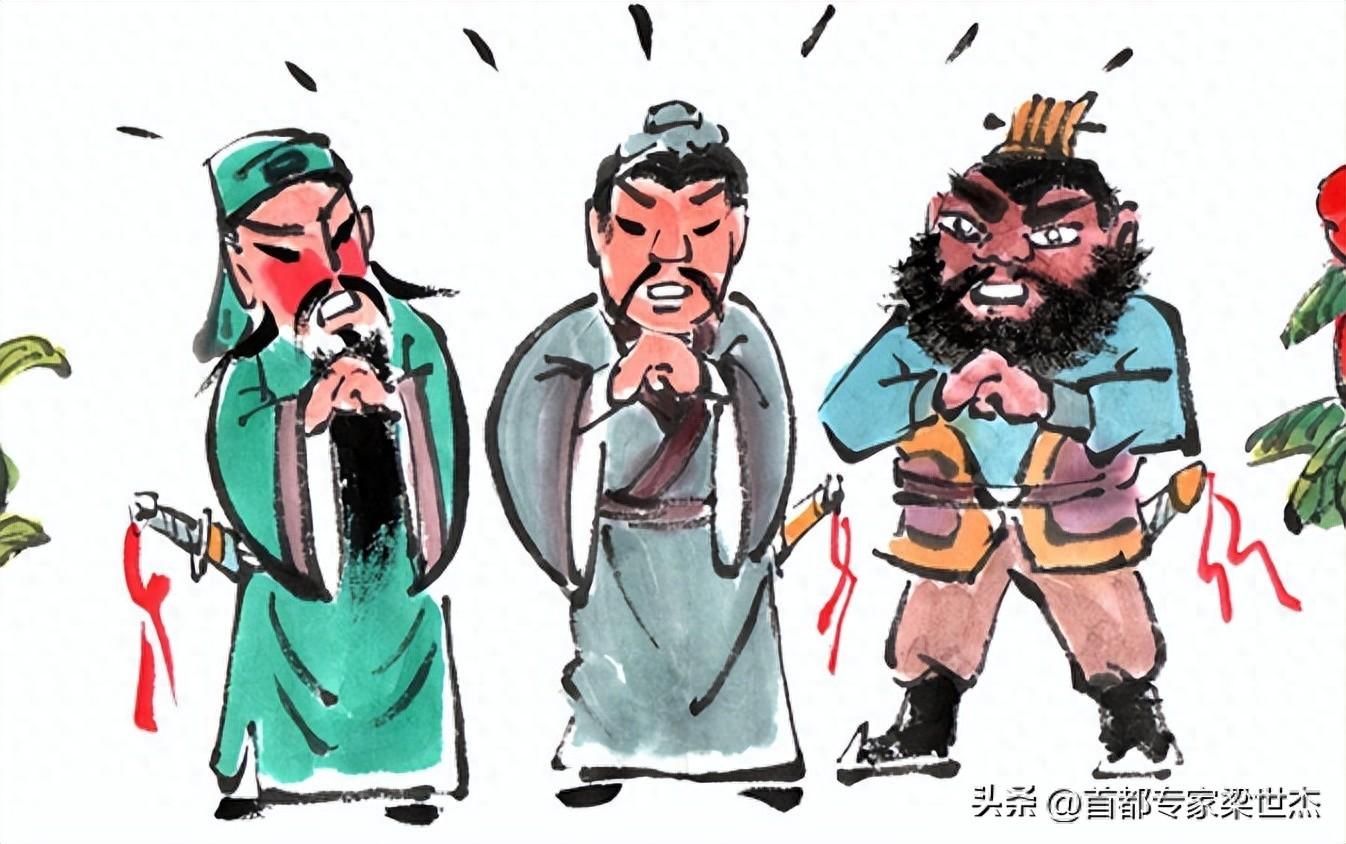
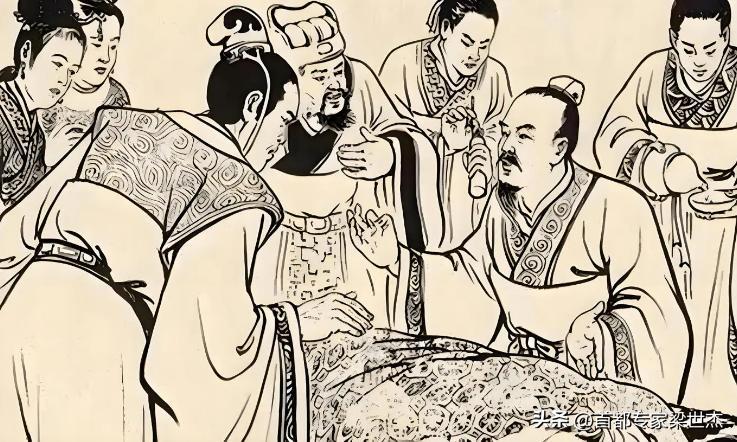
且說那扁鵲,這位聞名遐邇的神醫,宛如一顆耀眼的巨星,在古代醫學的天空中熠熠生輝。一日,扁鵲師徒幾人聽聞虢太子病危,二話沒說,便急忙進宮急救。扁鵲帶領着子同、子明、子游、子儀、子越五位弟子,一路風馳電掣般來到太子的病榻旁邊。那場景,恰似一支訓練有素的精銳部隊,接到緊急任務後迅速奔赴戰場,眼神中透露出堅定與果敢。
他們來到病榻前,沒有絲毫的猶豫與遲疑,經過簡單的診察,便立即取出治病的工具,一場與死神賽跑的戰鬥就此打響。扁鵲,這位團隊的領袖,猶如一位指揮若定的將軍,一邊沉穩地進針,精準地刺激着穴位,一邊有條不紊地讓弟子準備艾灸。那進針的動作,如行雲流水般順暢,彷彿每一針都蘊含着無盡的力量,直擊病魔的要害。緊接着,他又吩咐煎煮湯藥,那聲音雖不大,卻充滿了不容置疑的威嚴。
再看那幾位弟子,各司其職,忙而不亂。子同在一旁專心致志地搗藥,那搗藥的杵起起落落,彷彿是在敲打着生命的鼓點,爲這場戰鬥增添着節奏與力量。子明則忙着按穴位施灸法,他的雙手如同溫暖的小太陽,將艾灸的熱量傳遞到太子的身體裏,驅散着體內的寒邪。子游順着經絡按摩,他的手指在太子的肌膚上輕輕滑動,如同春風拂面,疏通着經絡,讓氣血得以順暢流通。子儀則施展復甦神志的妙法,他的眼神專注而堅定,彷彿在與太子的靈魂對話,呼喚着他從昏迷中甦醒過來。子越舒展虢太子的肢體,他的動作輕柔而有力,讓太子僵硬的身體逐漸放鬆下來,重新煥發出生機與活力。
在這場緊張而激烈的戰鬥中,扁鵲師徒幾人緊密配合,心有靈犀一點通。他們就像一個精密的儀器,每一個零件都發揮着不可或缺的作用,共同爲了一個目標而努力——拯救虢太子的生命。經過一番精心治療,奇蹟終於發生了,虢太子慢慢地睜開了眼睛。那一刻,彷彿時間都凝固了,所有人的目光都聚焦在太子身上,那是一種期待與希望的交織。
虢太子被眼前忙亂的一切弄糊塗了,他疑惑地問道:“你們這是做什麼?!我怎麼了?”這聲音雖微弱,卻充滿了對生命的渴望與迷茫。虢君看到太子轉危爲安,激動得破涕爲笑,他大聲說道:“我的兒啊!你可嚇死我了!你快謝謝扁鵲先生吧,如果不是他和他的弟子們,你的性命就難說了!他可是你的再生父母哇!”這番話,飽含着一個父親對兒子的深情,也充滿了對扁鵲師徒的感激與敬意。
在古代,醫療條件遠不如現代發達,沒有先進的儀器設備,沒有豐富的藥物資源,但中醫們憑藉着團隊的力量,憑藉着對醫術的精湛掌握和對生命的敬畏之心,創造了一個又一個生命的奇蹟。據史書記載,扁鵲在行醫過程中,多次帶領弟子們共同救治患者,他們的團隊作戰能力堪稱一流。這種團隊合作的精神,不僅提高了治療的效率和成功率,也爲中醫的傳承與發展奠定了堅實的基礎。
反觀現代,雖然我們的醫療技術有了巨大的進步,但在一些重大疾病的救治中,團隊合作依然至關重要。以癌症治療爲例,據統計,經過多學科團隊協作治療的癌症患者,其生存率和生活質量明顯高於單一學科治療的患者。這就如同古代扁鵲師徒救治虢太子一樣,不同的學科專家就像扁鵲的弟子們,各自發揮着自己的專業優勢,共同爲患者制定個性化的治療方案,從而取得更好的治療效果。
無論是古代還是現代,中醫治病都離不開團隊合作。團隊的力量,就像一座堅固的堤壩,能夠抵禦病魔的洶湧來襲;團隊的力量,就像一盞明亮的燈塔,能夠爲患者指引生命的方向。讓我們銘記扁鵲師徒的故事,傳承中醫團隊合作的精神,在現代醫學的道路上,攜手共進,共築生命之堤,爲人類的健康事業貢獻自己的力量。
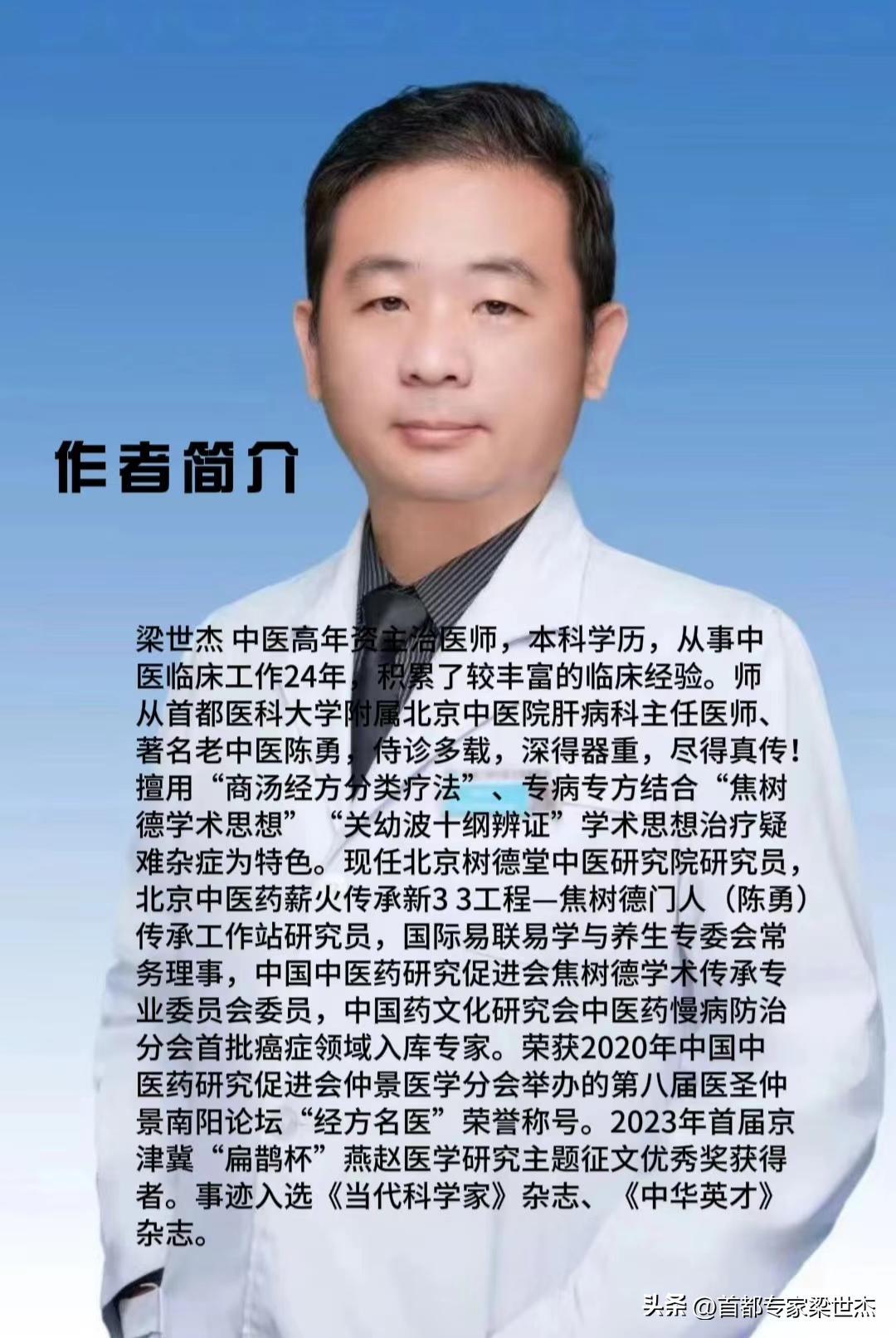
作者簡介:梁世傑 中醫高年資主治醫師,本科學歷,從事中醫臨牀工作24年,積累了較豐富的臨牀經驗。師從首都醫科大學附屬北京中醫院肝病科主任醫師、著名老中醫陳勇,侍診多載,深得器重,盡得真傳!擅用“商湯經方分類療法”、專病專方結合“焦樹德學術思想”“關幼波十綱辨證”學術思想治療疑難雜症爲特色。現任北京樹德堂中醫研究院研究員,北京中醫藥薪火傳承新3+3工程—焦樹德門人(陳勇)傳承工作站研究員,國際易聯易學與養生專委會常務理事,中國中醫藥研究促進會焦樹德學術傳承專業委員會委員,中國藥文化研究會中醫藥慢病防治分會首批癌症領域入庫專家。榮獲2020年中國中醫藥研究促進會仲景醫學分會舉辦的第八屆醫聖仲景南陽論壇“經方名醫”榮譽稱號。2023年首屆京津冀“扁鵲杯”燕趙醫學研究主題徵文優秀獎獲得者。事蹟入選《當代科學家》雜誌、《中華英才》雜誌。
A hero needs three trusted companions: even ancient medical experts led their own teams into battle.
In the bustling and vibrant times we live in today, research teams, academic teams, transmission teams, and medical teams in the field of traditional Chinese medicine shine like brilliant stars. Each contributes uniquely to the transmission and development of traditional Chinese medicine. Research teams explore the mysteries of the microcosm in clinical and laboratory settings. Academic teams unearth the wisdom contained in vast collections of ancient texts. The transmission team acts as the guardians of this ancient medical knowledge, passing it down from generation to generation. Medical teams work at the forefront of treating and saving lives, holding up the hope of life with their hands. However, if we were to travel back through the ages, to the distant past, we would discover that traditional Chinese medicine also relied heavily on teamwork and collective strength. It was a form of tacit understanding and transmission that transcended time and space.
Now, let us speak of Bian Que, the renowned physician of renown. He was like a dazzling superstar, shining brightly in the ancient medical landscape. One day, Bian Que and his disciples heard that the Crown Prince of Gou was critically ill. Without hesitation, they rushed into the palace to provide emergency treatment. Bian Que led his five disciples, Zi-tong, Zi-ming, Zi-you, Zi-yi, and Zi-yue, racing swiftly to the prince’s bed. The scene was akin to that of a well-trained elite unit receiving an urgent mission and swiftly advancing to the battlefield, with determination and boldness evident in their eyes.
They approached the bed without any hesitation or delay. After a brief examination, they immediately retrieved the tools needed for treatment, and a battle against death was launched. Bian Que, the leader of the team, acted like a confident general, calmly inserting needles and precisely stimulating acupoints while simultaneously instructing his disciples to prepare for moxibustion. The movements of inserting the needles were as smooth and effortless as flowing water, as if each needle held boundless power aimed directly at the source of the illness. Next, he ordered the preparation of herbal decoctions. Although his voice was not loud, it conveyed an undeniable sense of authority.
Observing the other disciples, each was performing their duties with efficiency and composure. Zi-tong was intently pounding the medicinal herbs, the pestle moving up and down, as if striking the rhythm of life, adding rhythm and strength to the battle. Zi-ming was busy applying moxibustion to specific acupoints. His hands moved like warm little suns, transferring the warmth of the moxa to the Prince’s body, dispelling the coldness within. Zi-you massaged the meridians, his fingers gliding gently over the Prince’s skin, akin to the gentle touch of spring breeze, unblocking the meridians and allowing the blood and qi to flow freely. Zi-yi employed a miraculous method to restore the Prince’s consciousness. His gaze was focused and resolute, as if he were conversing with the Prince’s soul, urging him to awaken from his coma. Zi-yue gently and forcefully stretched the Prince’s limbs, helping his stiff body gradually relax and regain vitality.
In this intense and fierce battle, Bian Que and his disciples worked closely together, sharing a deep understanding. They functioned like a finely tuned instrument, with each component playing an indispensable role, all working towards a common goal: saving Duke Guo’s life. After a series of meticulous treatments, a miracle finally occurred. Duke Guo slowly opened his eyes. At that moment, it was as if time had come to a standstill, with everyone’s attention focused on the duke. It was a blend of anticipation and hope.
The Crown Prince of Guo was bewildered by the chaos unfolding before him. He asked with confusion, “What are you all doing here? What’s happening to me?” Although his voice was weak, it conveyed a deep longing for life and a sense of bewilderment. Seeing the Crown Prince transition from danger to safety, Duke Guo was so moved that he burst into tears and then burst into laughter. He exclaimed, “My son! You almost scared me to death! Please thank Bian Que right away. If it weren’t for him and his disciples, your life would have been in jeopardy! He is like a second parent to you!” These words expressed the deep affection a father has for his son, as well as gratitude and respect for Bian Que and his disciples.
In ancient times, medical conditions were far less advanced than they are today. There were no sophisticated medical equipment or abundant drug resources. However, Chinese physicians, relying on the strength of their teams, their mastery of medical techniques, and their reverence for life, created numerous miracles in saving lives. According to historical records, Bian Que often led his disciples in treating patients together. Their teamwork capabilities were truly exceptional. This spirit of teamwork not only improved the efficiency and success rate of treatments but also laid a solid foundation for the inheritance and development of traditional Chinese medicine.
Looking at modern times, while our medical technology has made tremendous progress, teamwork remains crucial in the treatment of certain major diseases. Take cancer treatment as an example. According to statistics, patients with cancer who receive treatment through multidisciplinary team collaboration have significantly higher survival rates and quality of life compared to those who receive treatment from a single discipline. This is similar to the treatment of the Duke of Guo by Bian Que and his disciples in ancient times. Different discipline experts, much like Bian Que’s disciples, each utilize their own professional strengths to jointly develop personalized treatment plans for patients, thereby achieving better therapeutic outcomes.
Whether in ancient times or the present day, traditional Chinese medicine treatment cannot function without teamwork. The strength of a team is like a sturdy dike that can withstand the surging onslaught of disease; the strength of a team is like a bright lighthouse that can guide patients toward the path of life. Let us remember the story of Bian Que and his disciples, carry forward the spirit of teamwork in traditional Chinese medicine, and work together on the path of modern medicine to build a life-saving dike and contribute our own efforts to the cause of human health.
Author Bio: Liang Shijie is a senior medical practitioner in traditional Chinese medicine with an undergraduate degree. He has been engaged in traditional medicine clinical work for 24 years and has accumulated a wealth of clinical experience. Following Chen Yong, chief physician of liver disease at Beijing Traditional Medicine Hospital, affiliated with Capital Medical University, and renowned old Chinese medicine, he has been treated for many years and received great attention. He specializes in the treatment of difficult diseases using "conversational traditional therapy" and special treatments combined with the academic ideas of Jiao Shude and Guan Yubo''s ten-level diagnosis.He is currently a researcher at the Shude Tang TCM Research Institute in Beijing, a fellow at the new 3 + 3 project of traditional Chinese medicine flame inheritance in Beijing - a scholar at the inheritance workstation of Jiao Shude''s protégés (Chen Yong),He is a standing committee member of the International Expert Committee on E-learning and Health Care, a member of the Jiao Shude Academic Heritage Special Committee of the Chinese Association for the Advancement of Chinese Medicine Research, and the first cancer specialist to be included in the chapter of the Chinese Pharmaceutical Culture Research Association. Won the 2020 China Association for the Promotion of Traditional Chinese Medicine Zhongjing Medical Branch held the eighth session of the Medical Saint Zhongjing Nanyang Forum "Classic Prescription Famous Doctor" honorary title. The winner of the first Beijing-Tianjin-Hebei "Pingui Cup" Yanzhao Medical Research Essay Award in 2023. His work was featured in the journal Current Scientist and the journal Chinese Talent.