百變郎中:比演戲還熱鬧的治病妙法
咱老話說得好,“金剛怒目,菩薩低眉”,您瞧瞧,這金剛一瞪眼,那氣勢,能把小鬼兒都嚇跑;菩薩一低頭,那慈悲,能讓頑石都點頭。這世間的事兒啊,就跟這相聲裏的包袱似的,一正一反,相映成趣。就說咱中醫吧,自古以來就有情志致病的學問,這學問深了去了,就跟那大海里的針似的,您得慢慢撈,才能撈着那寶貝。
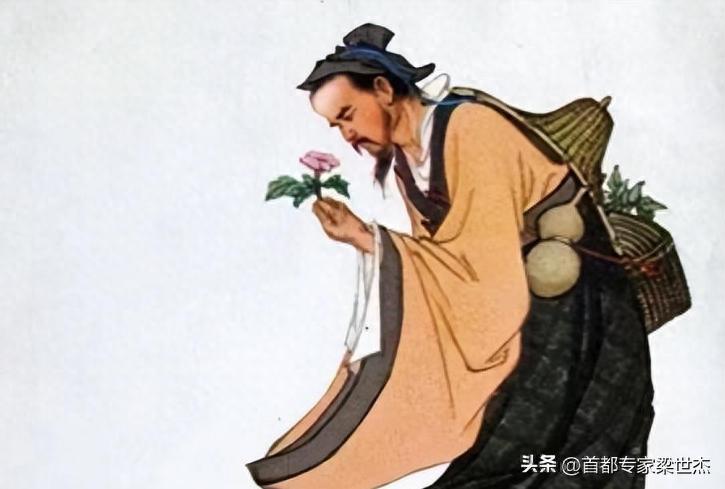
您知道嗎?咱中醫大夫給病人看病,那可不只是開方抓藥,還得跟演員似的,在病人面前表演一番。針對不同情志問題的患者,大夫得使出喜、怒、思、悲、恐等各種手段,就跟那變戲法似的,讓病人的情緒跟着大夫的節奏走。我就深有體會啊,給不同的患者看病,我就得拿出不同的情感和態勢來配合中藥治療。有的患者說我熱情得像冬天裏的一把火,有的說我嚴厲得像那包公斷案,還有的說我性急暴躁得像那孫猴子,啥評價都有,五花八門的。
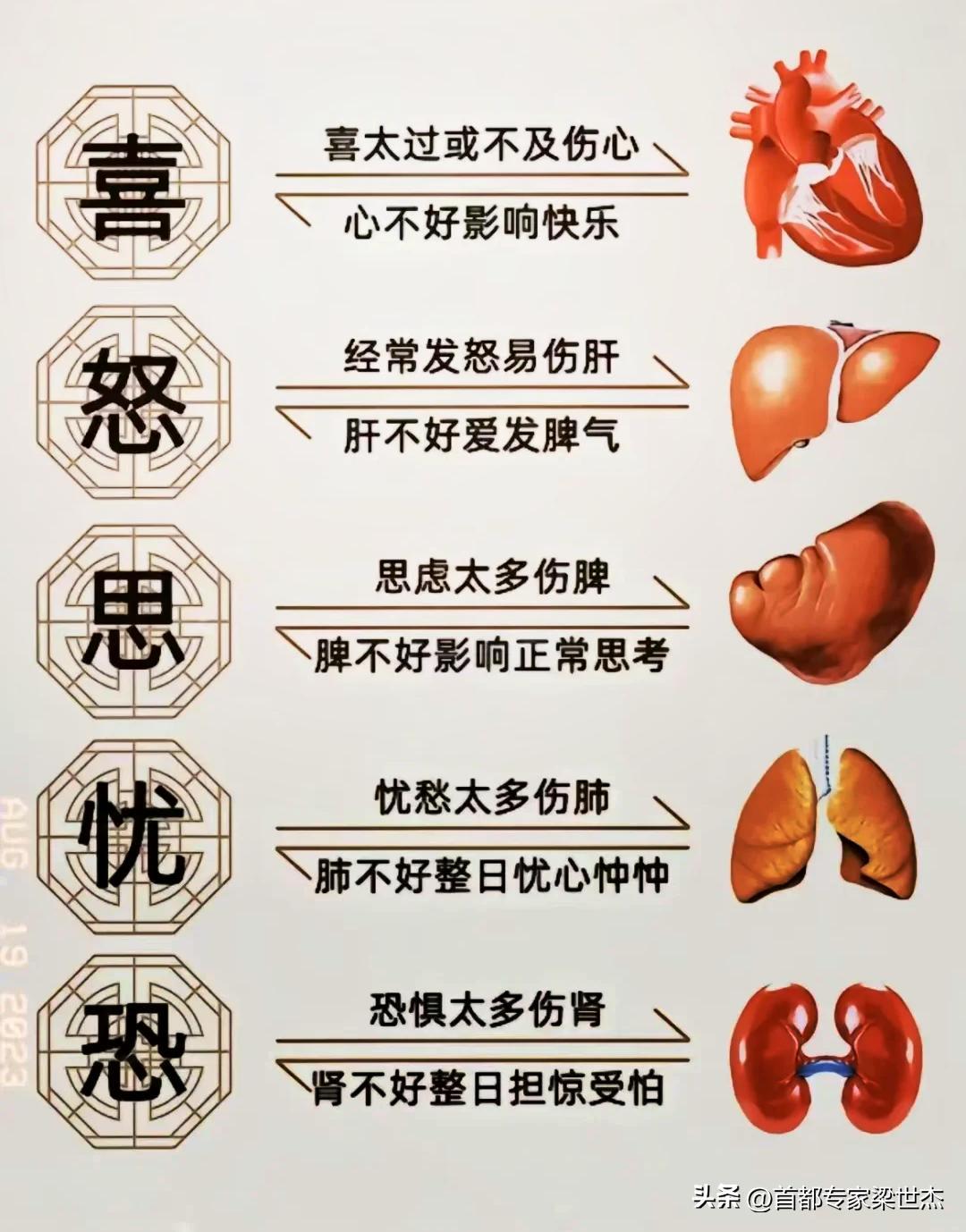
咱中醫講究啊,“心在志爲喜,又說過喜傷心,喜勝悲”。您想啊,一個人要是整天樂呵呵的,跟那彌勒佛似的,那當然好。可要是樂過頭了,那就麻煩了,就像那氣球吹大了,容易爆炸。喜能勝悲,就好比您心裏頭正難過着呢,突然來了個天大的喜事兒,那悲傷的情緒一下子就被衝散了。比如說,有個患者因爲親人去世,整天悲悲慼慼的,喫不下飯,睡不着覺。大夫就跟他說了個好消息,說他中了大獎,這患者一聽,立馬就樂了,悲傷的情緒一下子就沒了,這病啊,也就好了一大半。
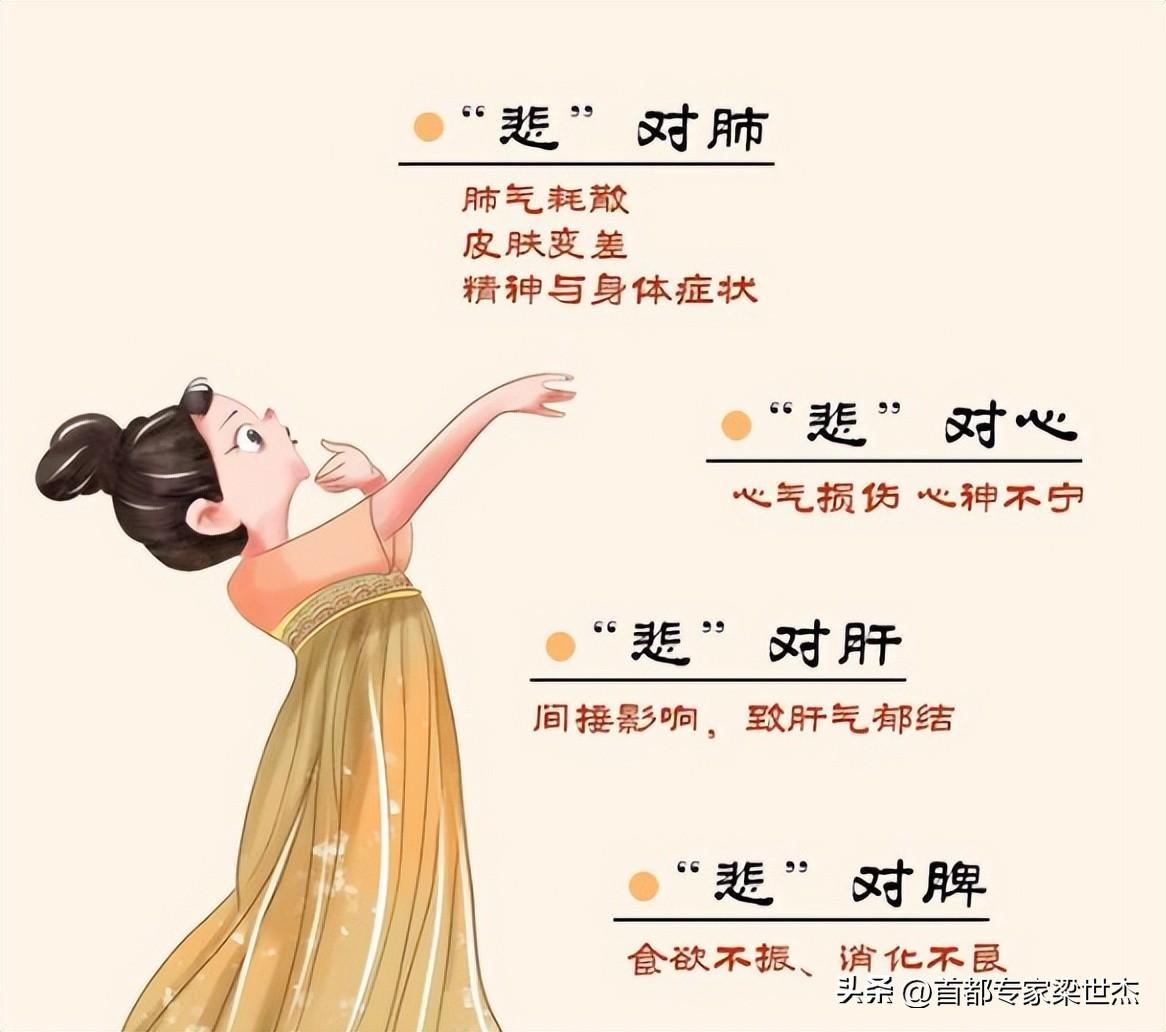
“肺在志爲悲,過悲傷肺,悲勝怒”。這悲傷的情緒啊,就像那烏雲,能把人心裏頭的陽光都給遮住。要是悲傷過度了,就會傷到肺,就像那花兒缺了水,慢慢就蔫兒了。可這悲傷也能勝怒,就好比您正跟人發脾氣呢,突然聽到個讓人傷心的事兒,那火氣一下子就沒了。有個患者因爲工作上的事兒,跟同事大吵了一架,氣得渾身發抖。大夫就給他講了個悲傷的故事,這患者聽着聽着,眼淚就下來了,那怒氣也就消了。
“脾在志爲思,過思傷脾,思勝恐”。這思慮啊,就像那蜘蛛網,能把人纏得死死的。要是思慮過度了,就會傷到脾,就像那機器超負荷運轉,容易出故障。可這思慮也能勝恐,就好比您正害怕着呢,突然開始思考怎麼解決問題,那恐懼的情緒就慢慢減輕了。有個患者因爲怕黑,晚上不敢一個人睡覺。大夫就教他一些思考問題的方法,讓他在黑暗中思考一些有趣的事兒,這患者慢慢地就不怕黑了。
“肝在志爲怒,大怒傷肝,怒勝思”。這憤怒的情緒啊,就像那火山爆發,威力可大了。要是憤怒過度了,就會傷到肝,就像那房子着火了,不及時撲滅,就會燒成灰燼。可這憤怒也能勝思,就好比您正爲一件事兒糾結呢,突然發了一頓火,那糾結的情緒一下子就解開了。有個患者因爲一件事兒反覆思考,怎麼也想不明白,都快把自己逼瘋了。大夫就激了他一下,讓他發了一頓火,這患者發完火後,突然就想明白了,那糾結的情緒也沒了。
您瞧瞧,這喜怒憂思悲恐驚啊,是人的正常情緒,就跟那天氣似的,有晴天,有雨天,有陰天。可要是放任任何一種情緒滋長,那就像那洪水氾濫,會產生疾病。這就好比您種莊稼,要是隻給一種肥料,不給別的,那莊稼肯定長不好。
可這有針對性的心理情緒治療,現在還沒引起現代醫學的重視。現代醫學啊,還沉浸在弗洛伊德的精神分析法裏,把許多問題都歸結爲“戀母情結”、“戀父情結”,甚至把性的因素無限擴展,試圖以此解決一切心理問題。這就跟那拿着舊地圖找新地方似的,根本不對路。咱中國人的思維方式跟這可不一樣,咱講究的是整體觀念,是陰陽平衡。
用激怒的方法治療疾病,最早記載於《呂氏春秋·至忠篇》。這方法雖然效果好,可也有悖人倫綱常,就像那走鋼絲似的,一不小心就會摔下來。曾經就有醫學家因爲運用這一方法,引起了許多人的誤解,甚至還造成了人身傷害,有的還爲此獻出了寶貴的生命。您說這中醫學,是不是博大精深得讓人驚歎?就像那深不可測的大海,您永遠不知道里面藏着多少寶貝。
所以啊,咱得好好傳承和發揚這中醫的情志治病學問,讓更多的人受益。這可比說相聲還有意義呢,說相聲是逗大家樂,這中醫情志治病啊,是救大家的命啊!咱可不能讓這寶貝失傳了,得讓它在咱這新時代裏,繼續發光發熱!
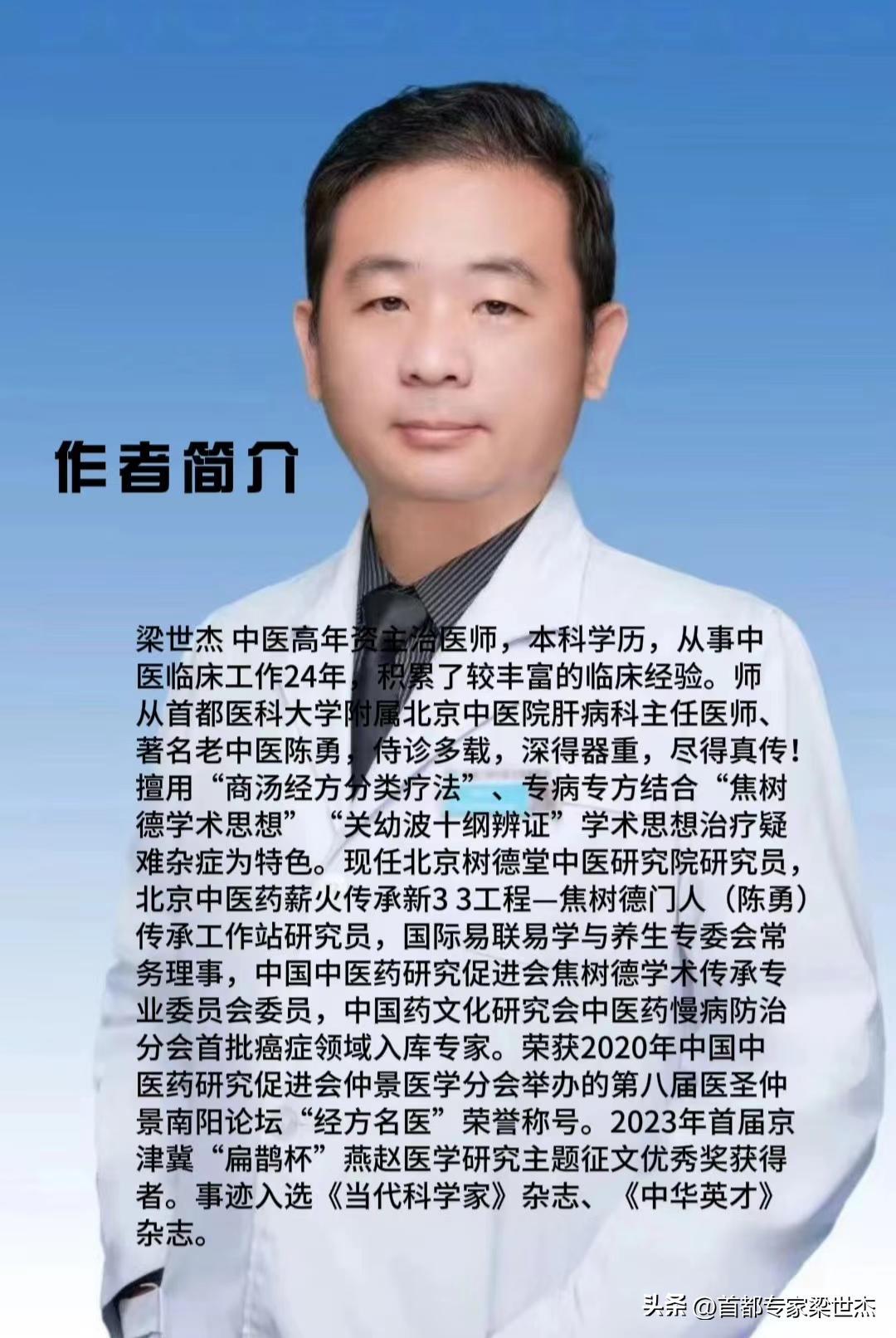
作者簡介:梁世傑 中醫高年資主治醫師,本科學歷,從事中醫臨牀工作24年,積累了較豐富的臨牀經驗。師從首都醫科大學附屬北京中醫院肝病科主任醫師、著名老中醫陳勇,侍診多載,深得器重,盡得真傳!擅用“商湯經方分類療法”、專病專方結合“焦樹德學術思想”“關幼波十綱辨證”學術思想治療疑難雜症爲特色。現任北京樹德堂中醫研究院研究員,北京中醫藥薪火傳承新3+3工程—焦樹德門人(陳勇)傳承工作站研究員,國際易聯易學與養生專委會常務理事,中國中醫藥研究促進會焦樹德學術傳承專業委員會委員,中國藥文化研究會中醫藥慢病防治分會首批癌症領域入庫專家。榮獲2020年中國中醫藥研究促進會仲景醫學分會舉辦的第八屆醫聖仲景南陽論壇“經方名醫”榮譽稱號。2023年首屆京津冀“扁鵲杯”燕趙醫學研究主題徵文優秀獎獲得者。事蹟入選《當代科學家》雜誌、《中華英才》雜誌。
The Versatile Doctor: Ingenious Methods for Healing That Are More Exciting Than Acting
As the old saying goes, “The Buddha lowers his eyebrows, while the Bodhisattva bares his fangs.” Just look! When the Bodhisattva raises his eyes, his fierce demeanor can scare away even the tiniest of spirits. Conversely, when he lowers his head, his compassion can bring even the most stubborn stones to acquiesce. The affairs of this world are akin to the comedic elements in a skit – there’s a clear contrast between the positive and negative aspects, which together create a fascinating interplay. Take traditional Chinese medicine, for example. Since ancient times, there has been a theory that emotions and mental states can cause illnesses. This theory is incredibly profound, much like finding a needle in the vast ocean – one must take their time to carefully search before discovering the treasure.
Do you know? When our traditional Chinese medicine practitioners examine patients, it’s not just about prescribing remedies and dispensing medications. They also need to act like performers in front of their patients. Depending on the specific emotional issues of each patient, the practitioner must employ various techniques such as joy, anger, thought, sorrow, and fear. It’s like performing magic tricks, allowing the patient’s emotions to follow the practitioner’s rhythm. I have personally experienced this. When treating different patients, I had to adopt varying emotional states and postures to complement the use of traditional Chinese medicine. Some patients described me as warm and energetic like a fire in winter, while others saw me as stern and authoritative like Bao Gong in court. Some even likened me to impulsive and irritable like Sun Wukong. The comments were diverse and varied.
In traditional Chinese medicine, we emphasize the concept that “the heart’s emotions are joy, and it has also been said that excessive joy can harm the heart. Joy can overcome sorrow.” Think about it: if a person is constantly cheerful, like the Maitreya Buddha, that’s certainly wonderful. However, if joy becomes excessive, it can become problematic. Just like a balloon that has been inflated too much is prone to bursting. Joy can indeed overcome sorrow. For instance, a patient was deeply saddened by the loss of a loved one, unable to eat or sleep. The doctor then shared some good news with him, revealing that he had won a major prize. Upon hearing this, the patient immediately felt joyful, and his sorrow vanished almost instantly. As a result, his condition improved significantly.
“The lungs are associated with sorrow; excessive sorrow harms the lungs. Sorrow prevails over anger.” This sorrowful emotion is like the dark clouds that can obscure the sunshine within one’s heart. If sorrow becomes overwhelming, it can harm the lungs, just as a flower deprived of water gradually wilts. However, sorrow can also overcome anger. For instance, when you’re in the middle of an argument with someone and suddenly hear something heart-wrenching, the anger dissipates instantly. A patient had a heated argument with a colleague over work-related issues, causing him to tremble with anger. The doctor told him a story of sorrow, and as he listened, tears began to fall, and his anger subsided.
“The spleen governs the emotions of contemplation. Excessive contemplation harms the spleen. Contemplation prevails over fear.” This kind of thinking is like a spider web, capable of ensnaring one tightly. If one becomes overly preoccupied, it can harm the spleen, just as a machine overloaded with work is prone to malfunction. However, contemplation can also overcome fear. For instance, when someone is afraid, suddenly beginning to think about how to solve a problem can gradually alleviate the feelings of fear. A patient was afraid of the dark and refused to sleep alone at night. The doctor taught him some methods for thinking through problems, allowing him to contemplate interesting things in the dark. Gradually, the patient became less afraid of the dark.
“The liver governs emotions related to anger. Great anger harms the liver; anger overcomes melancholy.” This sense of anger is like an erupting volcano, incredibly powerful. If anger becomes excessive, it can harm the liver, just as a house engulfed in flames, if not promptly extinguished, will be reduced to ashes. However, anger can also overcome melancholy. For instance, when someone is deeply troubled by a particular issue and suddenly erupts in anger, the sense of turmoil instantly dissipates. A patient was so consumed by thoughts about a particular matter that he was on the verge of losing his mind. The doctor encouraged him to unleash his anger, and after doing so, the patient suddenly understood the issue and the sense of turmoil vanished.
Take a look at these emotions of joy, anger, worry, sorrow, grief, and fear. These are normal human emotions, just like the weather – there are sunny days, rainy days, and cloudy days. However, if we allow any of these emotions to grow unchecked, it would be like a flood, causing illness. It’s similar to farming; if you only apply one type of fertilizer and not any others, the crops will certainly not grow well.
However, this targeted form of psychological and emotional therapy has not yet gained the attention of modern medicine. Modern medicine is still entrenched in Freud’s psychoanalytic approach, attributing many issues to “Oedipus complex” and “Puerperal complex,” and even extending the concept of sexuality to an absurd degree in an attempt to solve all psychological problems. This is akin to using an outdated map to find a new location; it’s completely misguided. The Chinese way of thinking is quite different; we emphasize the concept of wholeness and the balance of yin and yang.
The use of provocation as a method for treating diseases was first documented in “The Book of Loyalty” from the “Lüshi Chunqiu” anthology. While this method is effective, it also goes against the principles of human ethics and social norms, much like walking a tightrope—one misstep could result in a fall. There have been instances where medical practitioners using this method have caused misunderstandings among many people, even resulting in physical harm, and some have even lost their precious lives as a result. Doesn’t this traditional Chinese medicine seem incredibly profound and awe-inspiring? Just like an ocean that is seemingly bottomless, you never know how many treasures lie hidden within.
That’s why we need to diligently pass down and promote the knowledge of traditional Chinese medicine’s emotional and mental treatment methods, so that more people can benefit from it. This is more meaningful than performing comedy routines, which merely aims to entertain the audience. In contrast, traditional Chinese medicine’s treatment methods aim to save people’s lives! We must ensure that this valuable knowledge does not disappear and continues to shine and contribute in our new era!
Author Bio: Liang Shijie is a senior medical practitioner in traditional Chinese medicine with an undergraduate degree. He has been engaged in traditional medicine clinical work for 24 years and has accumulated a wealth of clinical experience. Following Chen Yong, chief physician of liver disease at Beijing Traditional Medicine Hospital, affiliated with Capital Medical University, and renowned old Chinese medicine, he has been treated for many years and received great attention. He specializes in the treatment of difficult diseases using "conversational traditional therapy" and special treatments combined with the academic ideas of Jiao Shude and Guan Yubo''s ten-level diagnosis.He is currently a researcher at the Shude Tang TCM Research Institute in Beijing, a fellow at the new 3 + 3 project of traditional Chinese medicine flame inheritance in Beijing - a scholar at the inheritance workstation of Jiao Shude''s protégés (Chen Yong),He is a standing committee member of the International Expert Committee on E-learning and Health Care, a member of the Jiao Shude Academic Heritage Special Committee of the Chinese Association for the Advancement of Chinese Medicine Research, and the first cancer specialist to be included in the chapter of the Chinese Pharmaceutical Culture Research Association. Won the 2020 China Association for the Promotion of Traditional Chinese Medicine Zhongjing Medical Branch held the eighth session of the Medical Saint Zhongjing Nanyang Forum "Classic Prescription Famous Doctor" honorary title. The winner of the first Beijing-Tianjin-Hebei "Pingui Cup" Yanzhao Medical Research Essay Award in 2023. His work was featured in the journal Current Scientist and the journal Chinese Talent.