遠離宗教與黨爭:不偏不倚是“中醫”
在華夏大地這片古老而神奇的土地上,醫學宛如一條奔騰不息的長河,源遠流長,滋養着無數中華兒女的生命與健康。佛醫、道醫、儒醫、易醫,這些如繁星般璀璨的醫學分支,皆應匯聚於“中醫”這一浩瀚星河之中,不偏不倚,共同書寫着中醫的輝煌篇章。
中醫,它不僅僅是一門治病救人的技藝,更是一部承載着中華民族智慧與文化的厚重史書。它融合了儒家的仁愛、道家的自然、佛家的慈悲以及易學的陰陽平衡,形成了獨特而完備的理論體系。就如同一位技藝高超的大廚,將各種食材巧妙搭配,烹製出一道道美味佳餚,中醫也將各種醫學理念和方法融會貫通,爲人類的健康保駕護航。
然而,中醫的發展並非一帆風順,它如同在狂風巨浪中航行的船隻,時常受到宗教和政治浪潮的衝擊。漢末時期,道教興起,其興衰對醫學發展產生了深遠而複雜的影響,宛如一場波瀾壯闊的歷史大戲,在這舞臺上,華佗和張仲景兩位醫家,以各自不同的命運,爲我們演繹了醫學與宗教、政治之間微妙而深刻的關係。
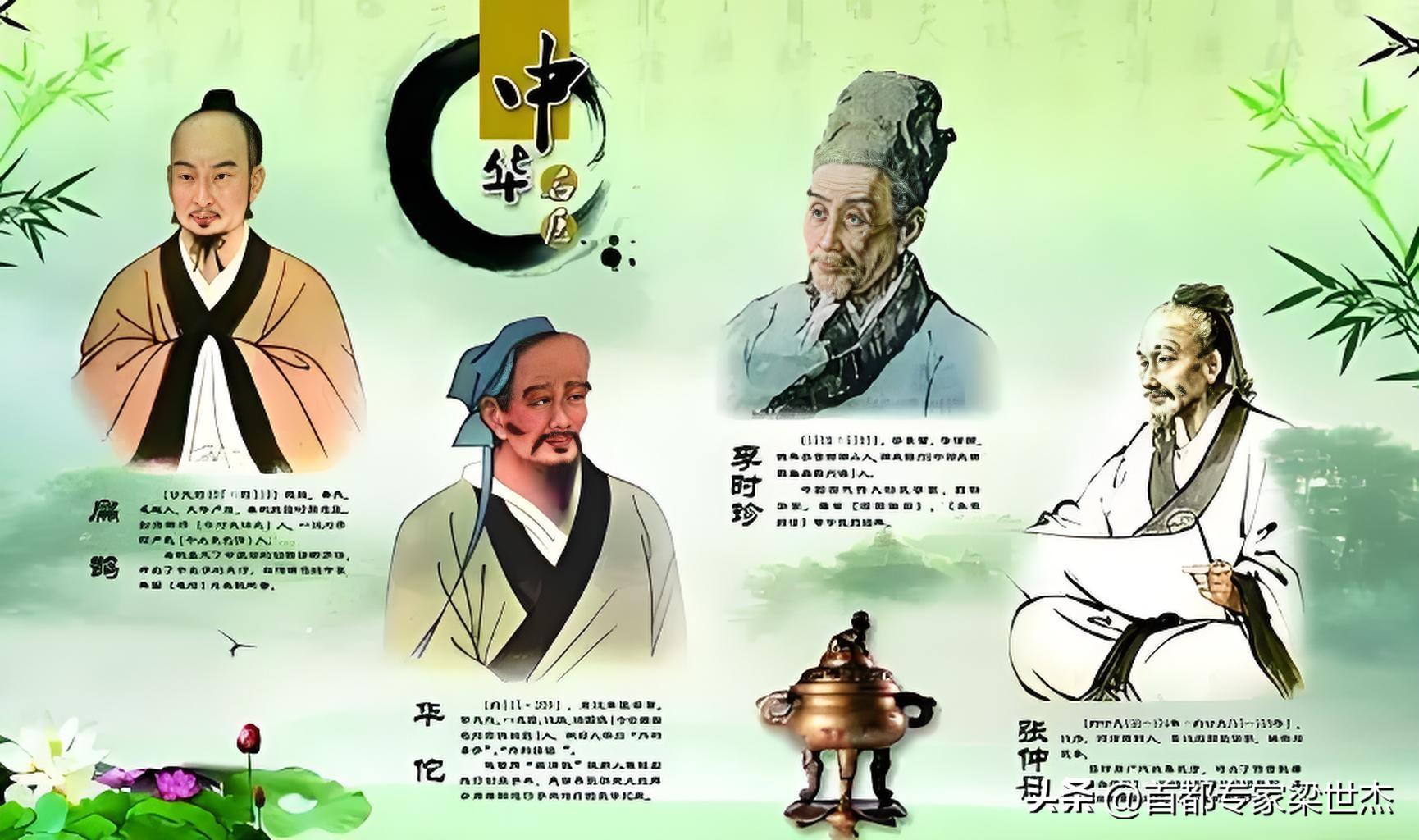
華佗,這位醫術高超、才華橫溢的醫家,宛如一顆耀眼的流星,劃過漢末的夜空。他精通內、外、婦、兒、鍼灸各科,尤其擅長外科手術,發明了“麻沸散”,讓病人在麻醉狀態下接受手術,這一創舉比西方的麻醉術早了整整一千六百多年。他醫術精湛,醫德高尚,無論達官貴人還是平民百姓,他都一視同仁,盡心救治。然而,就是這樣一位偉大的醫家,卻因爲與道教有着千絲萬縷的聯繫,最終遭遇了悲劇性的結局。
當時,道教在漢末社會動盪的背景下迅速崛起,一些道教組織打着“救世”的旗號,聚衆起義,企圖推翻朝廷統治。華佗雖然一心只想治病救人,但他的行爲和影響力卻被一些別有用心的人利用,將他與道教起義聯繫在一起。曹操,這位亂世梟雄,生性多疑,爲了鞏固自己的統治,不惜一切代價剷除潛在的威脅。他聽信讒言,將華佗下獄,最終華佗冤死於獄中。華佗的悲劇,就像一朵盛開的鮮花突然被狂風暴雨摧殘,讓人痛心疾首。它警示我們,當醫學與特定宗教結合過密時,就像把雙刃劍,既可能借助宗教的力量得到發展,也可能因宗教的政治命運而遭受牽連,陷入萬劫不復的深淵。
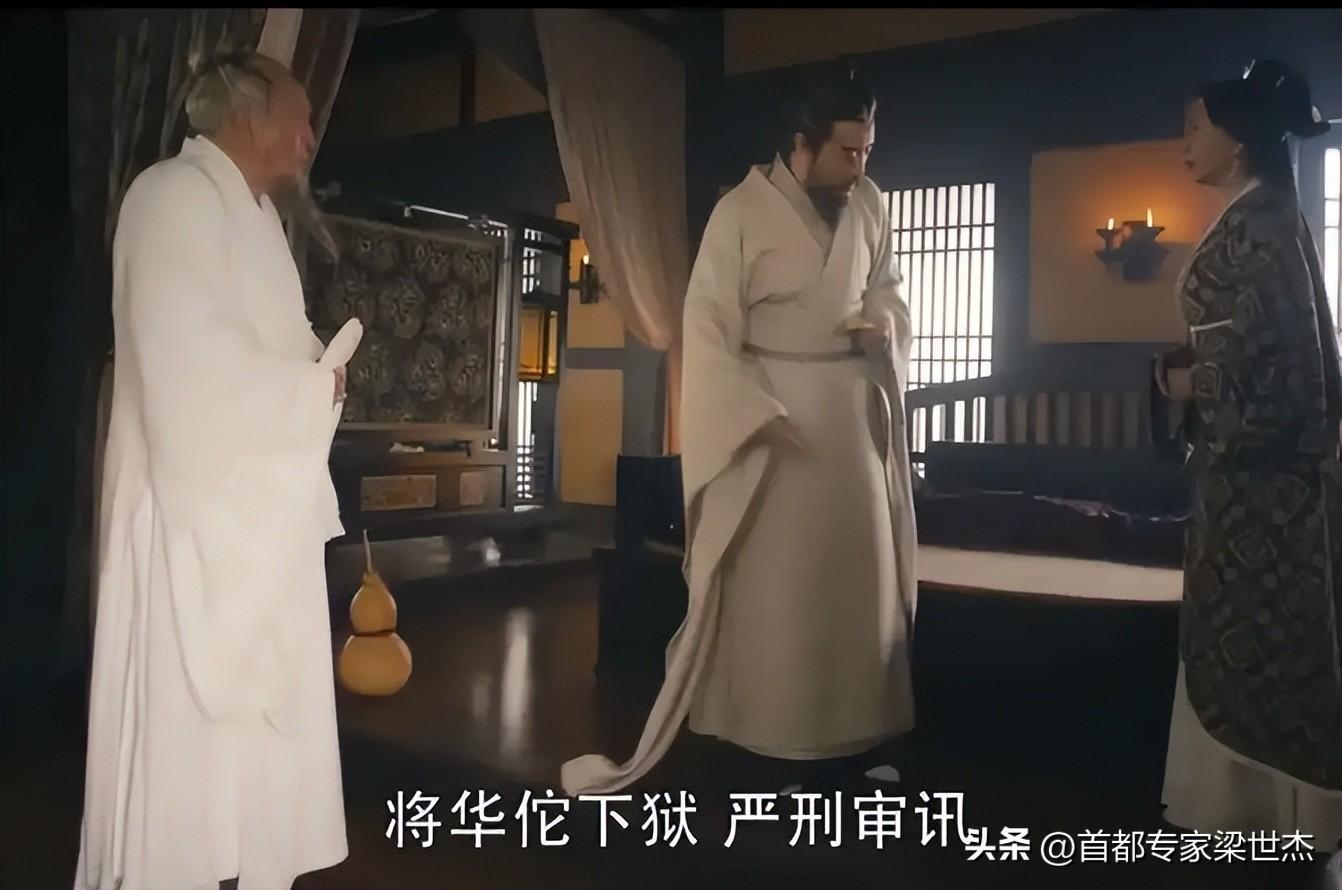
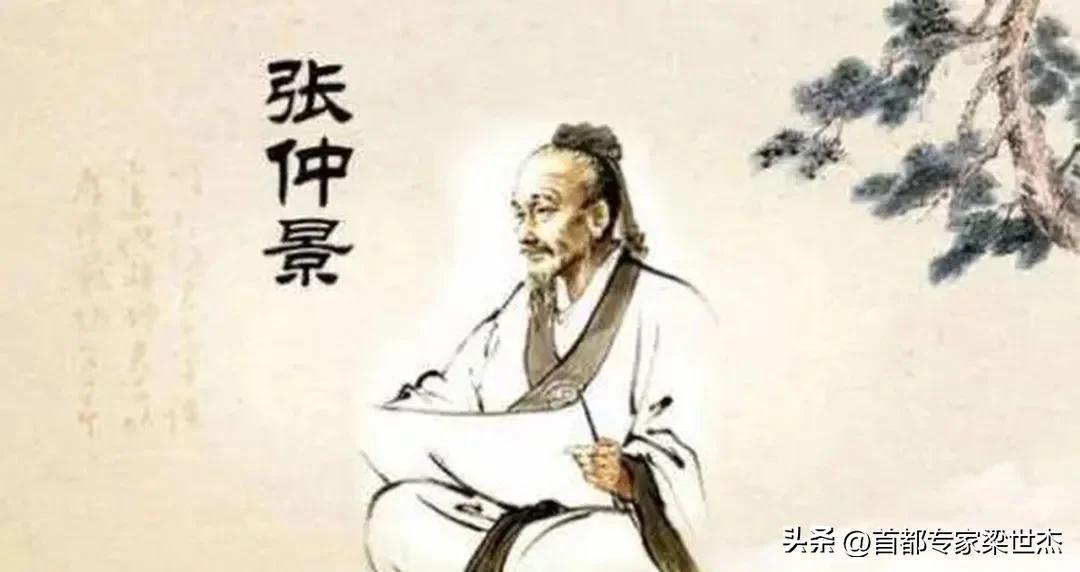
與華佗形成鮮明對比的是張仲景。張仲景生活在東漢末年,同樣面臨着社會動盪、戰亂頻繁、疫病流行的嚴峻形勢。他目睹了無數百姓因疾病而痛苦掙扎,甚至失去生命,心中充滿了悲憤和同情。於是,他立志要成爲一名濟世救人的良醫。他刻苦鑽研醫學經典,廣泛收集民間驗方,結合自己的臨牀實踐,撰寫了《傷寒雜病論》這部醫學鉅著。這部著作系統地分析了傷寒的原因、症狀、發展階段和處理方法,創造性地確立了對傷寒病的“六經分類”的辨證施治原則,奠定了理、法、方、藥的理論基礎。書中收錄了三百多個方劑,許多方劑至今仍被廣泛應用於臨牀治療,療效顯著。
張仲景在醫學發展的道路上,始終保持着一定的獨立性。他沒有盲目地依附於某個宗教或政治勢力,而是專注於醫學的研究和實踐。他深入民間,爲百姓治病送藥,不辭辛勞。他的醫術和醫德得到了廣大百姓的認可和讚譽,被譽爲“醫聖”。張仲景的成功,就像一顆堅韌不拔的松樹,在狂風暴雨中屹立不倒。它告訴我們,醫學只有保持自身的獨立性,才能在變動的政治環境中持續發展,才能更好地爲人類的健康服務。
華佗和張仲景的不同命運,不僅僅是個人的選擇和遭遇,更揭示了醫學發展與宗教、政治環境互動的歷史規律。這就如同自然界的生態系統,各種生物之間相互依存、相互制約,共同維持着生態平衡。醫學與宗教、政治也是如此,它們之間既相互影響,又需要保持一定的距離和平衡。如果醫學過度依賴宗教或政治,就會失去自身的獨立性和自主性,成爲宗教或政治的工具;而如果醫學完全脫離宗教和政治的影響,又可能會失去一些發展的機遇和資源。
在當代社會,醫學與人文社會的關係依然緊密相連。隨着科技的飛速發展和社會的不斷進步,醫學面臨着前所未有的機遇和挑戰。一方面,現代醫學技術日新月異,爲疾病的診斷和治療提供了更多的手段和方法;另一方面,醫學也面臨着倫理、法律、社會等諸多方面的問題和挑戰。例如,基因編輯技術、人工智能在醫學領域的應用等,都引發了人們對於倫理道德的深刻思考。
在這個複雜多變的時代,我們更應該從華佗和張仲景的經驗中汲取智慧和啓示。我們要堅持醫學的獨立性和自主性,不被宗教和政治的浪潮所左右;同時,我們也要積極與人文社會各界進行交流和合作,共同推動醫學的發展和進步。就像一艘在茫茫大海中航行的船隻,既要堅定自己的航向,又要藉助風力和洋流的力量,才能順利到達彼岸。
讓我們銘記華佗的悲劇和張仲景的成功,在中醫的傳承和發展道路上,不偏不倚,砥礪前行。讓中醫這一古老而又年輕的醫學體系,在新時代煥發出更加璀璨的光芒,爲人類的健康事業做出更大的貢獻!
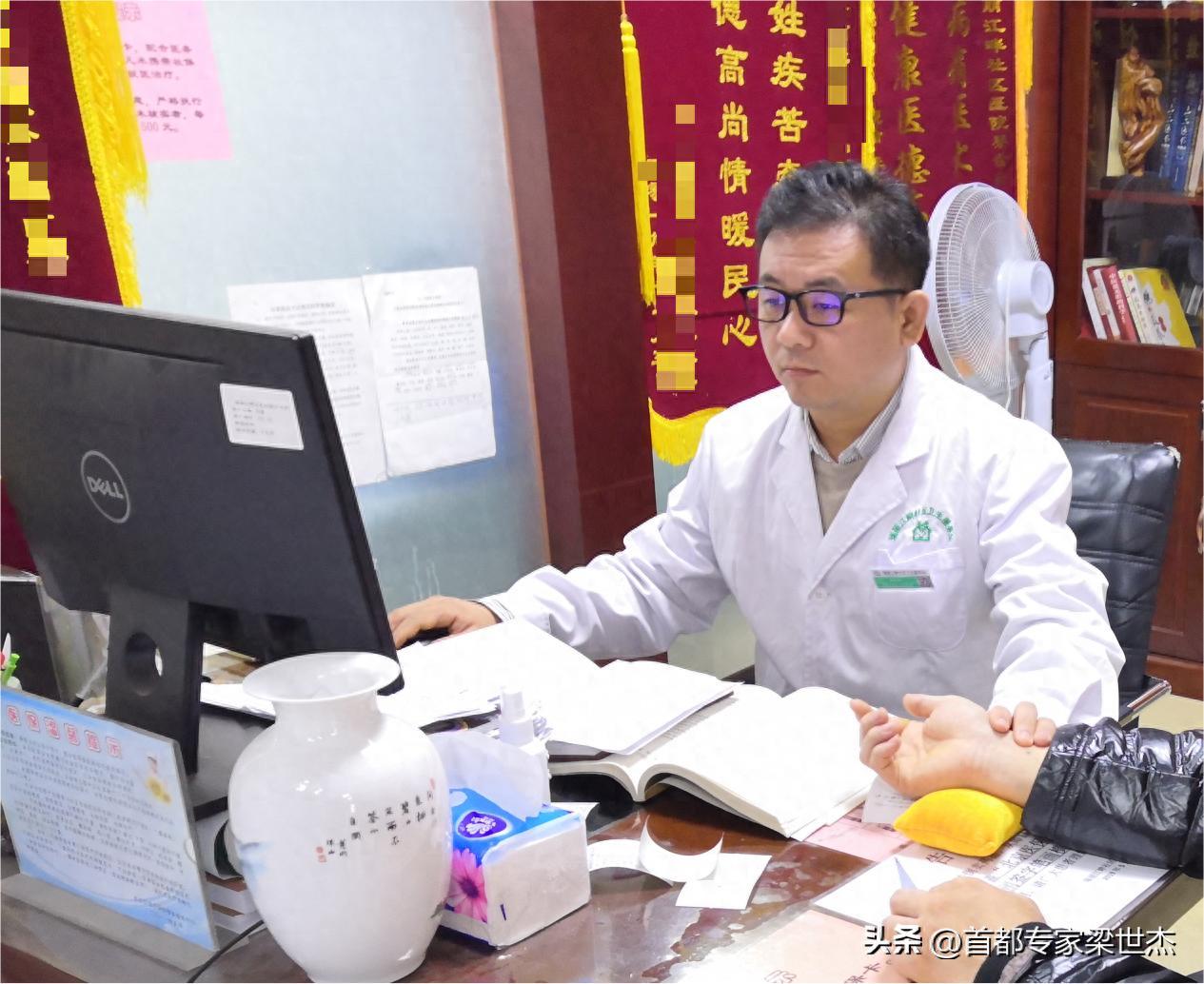
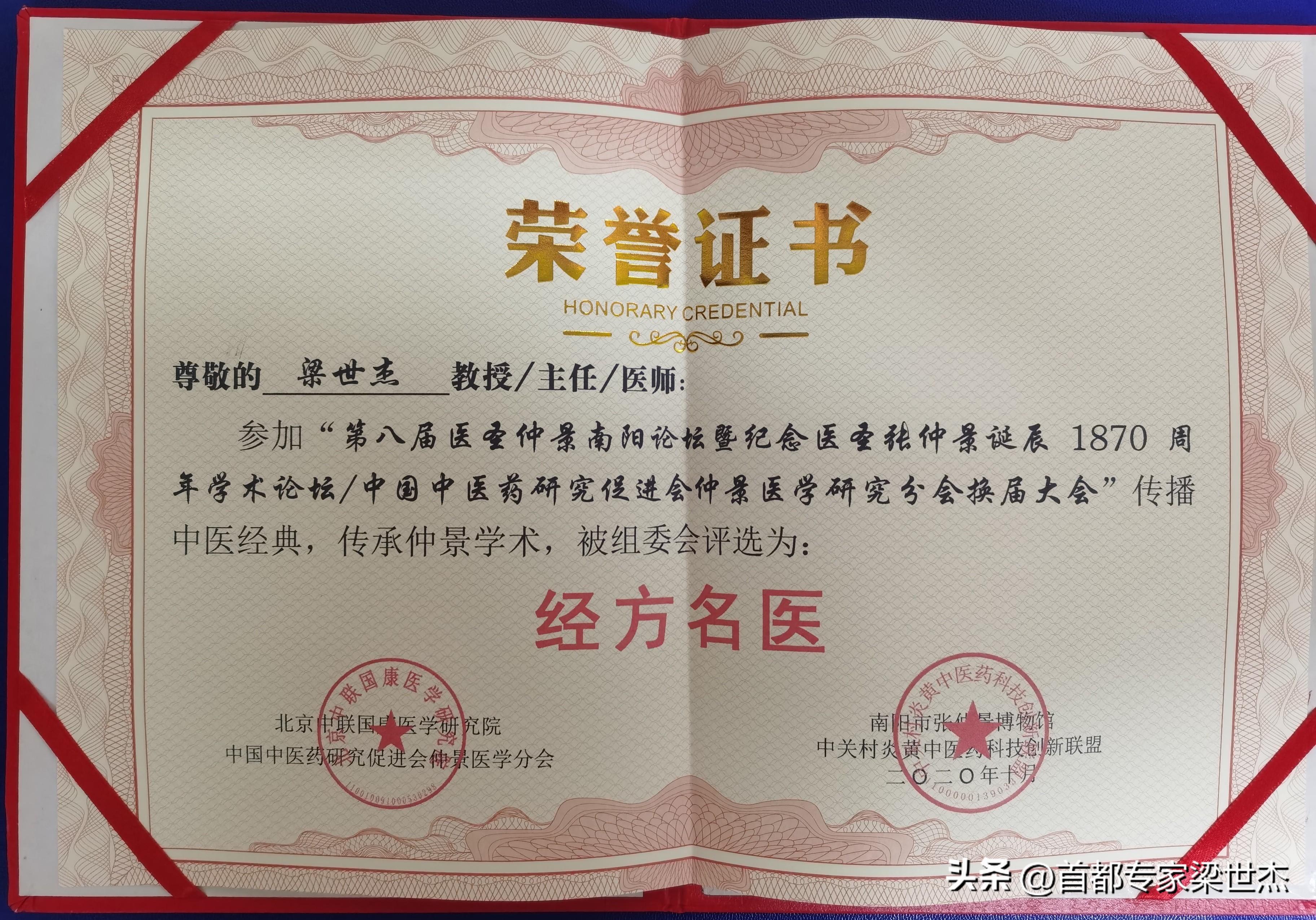
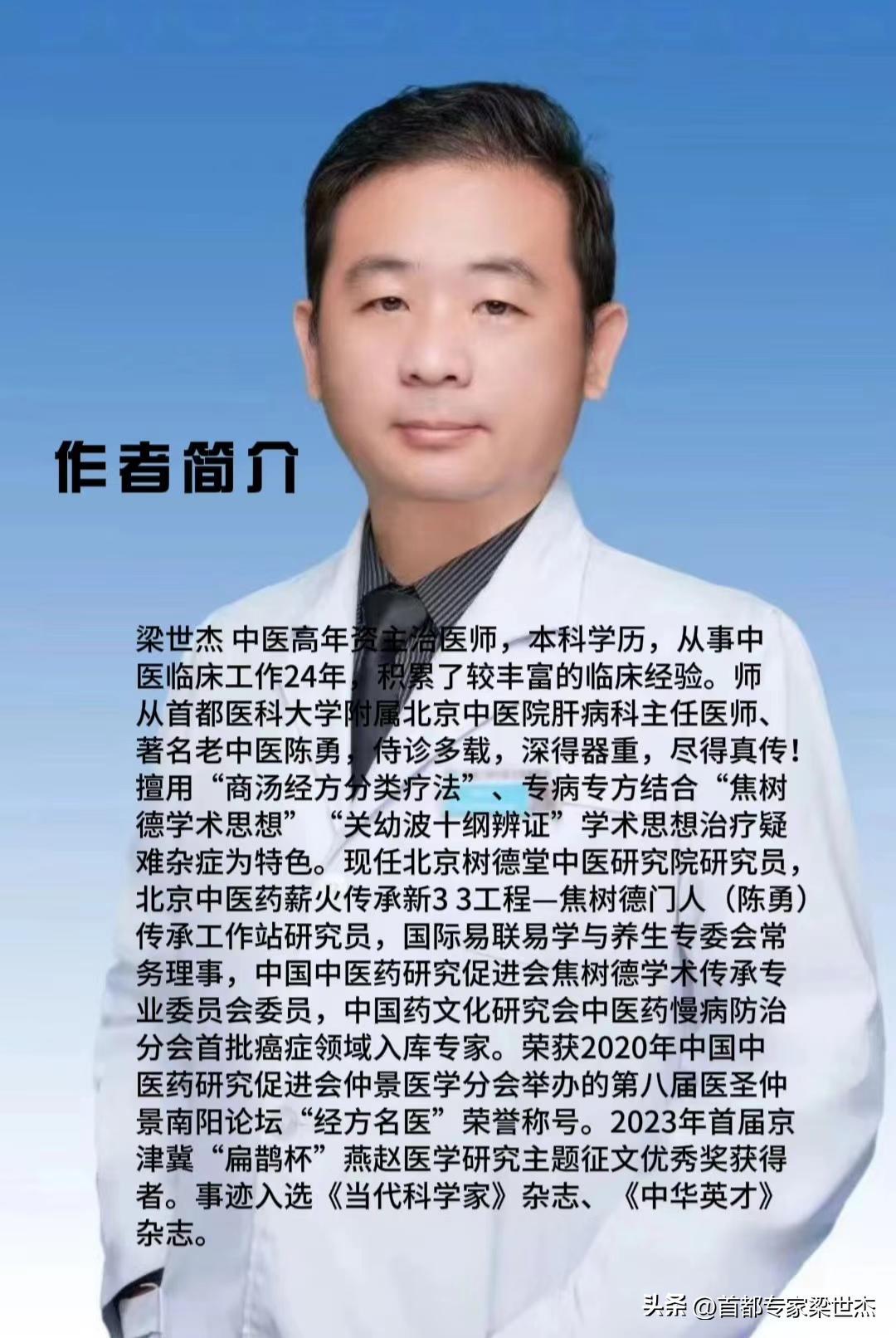
作者簡介:梁世傑 中醫高年資主治醫師,本科學歷,從事中醫臨牀工作24年,積累了較豐富的臨牀經驗。師從首都醫科大學附屬北京中醫院肝病科主任醫師、著名老中醫陳勇,侍診多載,深得器重,盡得真傳!擅用“商湯經方分類療法”、專病專方結合“焦樹德學術思想”“關幼波十綱辨證”學術思想治療疑難雜症爲特色。現任北京樹德堂中醫研究院研究員,北京中醫藥薪火傳承新3+3工程—焦樹德門人(陳勇)傳承工作站研究員,國際易聯易學與養生專委會常務理事,中國中醫藥研究促進會焦樹德學術傳承專業委員會委員,中國藥文化研究會中醫藥慢病防治分會首批癌症領域入庫專家。榮獲2020年中國中醫藥研究促進會仲景醫學分會舉辦的第八屆醫聖仲景南陽論壇“經方名醫”榮譽稱號。2023年首屆京津冀“扁鵲杯”燕趙醫學研究主題徵文優秀獎獲得者。事蹟入選《當代科學家》雜誌、《中華英才》雜誌。
Stay away from religion and party rivalry: impartiality is "traditional Chinese medicine."
In this ancient and miraculous land of China, medicine is like an endless river that has a long history and nourishes the life and health of countless Chinese children. Buddhist doctors, Taoist doctors, Confucian doctors, and ecologists - these branches of medicine as brilliant as a star should gather in the vast river of "Chinese medicine" and write the glorious chapter of Chinese medicine together.
Traditional Chinese medicine is not only a technique for healing diseases and saving people, but also a historical book that carries the wisdom and culture of the Chinese nation. It combines Confucian love, Taoist nature, Buddhist compassion, and easily learned yin and yang balance to form a unique and complete theoretical system. Just like a skilled chef, who skillfully combines various ingredients to make delicious dishes, TCM also integrates various medical concepts and methods to safeguard human health.
However, the development of traditional Chinese medicine has not been a smooth one. It is like a ship sailing in a great storm, often struck by religious and political waves. During the late Han Dynasty, the rise of Taoism, and its rise and fall had a profound and complex influence on the development of medicine. Like a great historical drama, on this stage, two healers, Huamou and Zhang Zhongjing, with their different fates, depicted the delicate and profound relationship between medicine and religion and politics.
Huamou, a highly skilled and talented medical doctor, was like a brilliant meteor that struck the night sky of the late Han Dynasty. He was proficient in internal medicine, surgery, gynecology, pediatrics and acupuncture, especially in surgery. He invented the "Ma Fei San" (Ma Fei San), a powder for anesthesia, which was more than 1,600 years earlier than the western anesthesia. He had excellent medical skills and a high moral ethic. He treated both senior officials and the common people equally and took pains to heal them. However, it was this great medical practitioner who, because of his intricate connection with Taoism, eventually suffered a tragic end.
At that time, Taoism rose rapidly against the backdrop of social unrest in the late Han Dynasty, and some Taoist organizations, under the banner of "salvation of the world," gathered masses to revolt in an attempt to overthrow the imperial rule. Although Huamou was focused solely on healing diseases and saving people, his actions and influence were exploited by some people with ulterior motives to link him to the Taoist uprising. Cao Cao, a disturbing man with a suspicious nature, would do whatever it took to root out potential threats in order to consolidate his rule. He listened to his wretched words and put Huaiu in prison, and eventually Huaiu died in prison.Hua佗''s tragedy is like a flower that is blossoming suddenly destroyed by the fierce wind and rain, and it makes people feel sad. It warns us that when medicine is too closely aligned with a particular religion, it is like a double-edged sword, one that either advances through the power of religion or is enmeshed in the political fate of religion and plunges into ruin.
In stark contrast to Hua佗 was Zhang Zhongjing.Zhang Zhongjing lived in the last year of the Eastern Han Dynasty, and he also faced a severe situation of social unrest, frequent warfare, and epidemics of disease. He witnessed countless people struggling and even losing their lives due to illness, and his heart was full of grief and compassion. He therefore set out to become a good doctor who would save the world. He dived deeply into medical classics, collected extensive folk remedies, and combined his own clinical practice to write the medical giant The Annals of Typhoid. This work systematically analyzes the causes, symptoms, development stages and treatment methods of typhoid fever, creatively establishes the principle of dialectical treatment of the "six stages" of typhoid disease, and laid down the theoretical basis of theory, theory, and theory of prescriptions. The book contains more than 300 prescriptions, many of which are still widely used in clinical treatment and have significant efficacy.
Zhang Zhongjing has always maintained a certain independence in the path of medical development. Instead of blindly attaching himself to a religious or political force, he focused on the study and practice of medicine. He went deep into the people and delivered medicines for the sick people, without relenting. His medical skills and ethics have been recognized and praised by the general public, and he is known as "the holy doctor." Zhang Zhongjing''s success is like a resilient pine tree that can stand up to the fierce winds and rain. It shows us that medicine can only continue to grow in a changing political environment and better serve human health if it maintains its independence.
The different fates of Huamou and Zhang Zhongjing are not only personal choices and encounters, but also reveal the historical laws of the interaction between medical development and the religious and political environment. This is like the ecosystem of nature, where all kinds of living things are interdependent and constrained by each other and jointly maintain the ecological balance. The same is true of medicine and religion and politics, which both influence each other and require a certain distance and balance. If medicine relies too heavily on religion or politics, it loses its independence and autonomy and becomes an instrument of religion or politics. And if medicine is completely divorced from religious and political influences, it may lose some of its opportunities and resources for development.
In contemporary society, the relationship between medicine and the humanities is still closely linked. With the rapid development of science and technology and the continuous progress of society, medicine faces unprecedented opportunities and challenges. On the one hand, modern medical technology is changing rapidly, providing more means and methods for the diagnosis and treatment of diseases. On the other hand, medicine also faces many ethical, legal, social and other problems and challenges. For example, gene editing technology and the application of artificial intelligence in the field of medicine have all prompted people to think deeply about ethics.
In this time of complexity and change, it is even more important that we draw wisdom and inspiration from the experience of Hua Man and Zhang Zhongjing. We must maintain the independence and autonomy of medicine and not be swayed by religious and political waves. At the same time, we should actively engage in exchanges and cooperation with all sectors of humanities and society to jointly promote the development and progress of medicine. Like a ship sailing through the sea, it must both determine its course and use the force of the wind and the current to reach the other side smoothly.
Let us remember the tragedy of Huamou and the success of Zhang Zhongjing, and move forward in the path of the inheritance and development of Chinese medicine without bias. Let traditional Chinese medicine, an ancient and young medical system, shine brighter in the new era and make greater contributions to human health.
Author Bio: Liang Shijie is a senior medical practitioner in traditional Chinese medicine with an undergraduate degree. He has been engaged in traditional medicine clinical work for 24 years and has accumulated a wealth of clinical experience. Following Chen Yong, chief physician of liver disease at Beijing Traditional Medicine Hospital, affiliated with Capital Medical University, and renowned old Chinese medicine, he has been treated for many years and received great attention. He specializes in the treatment of difficult diseases using "conversational traditional therapy" and special treatments combined with the academic ideas of Jiao Shude and Guan Yubo''s ten-level diagnosis.He is currently a researcher at the Shude Tang TCM Research Institute in Beijing, a fellow at the new 3 + 3 project of traditional Chinese medicine flame inheritance in Beijing - a scholar at the inheritance workstation of Jiao Shude''s protégés (Chen Yong),He is a standing committee member of the International Expert Committee on E-learning and Health Care, a member of the Jiao Shude Academic Heritage Special Committee of the Chinese Association for the Advancement of Chinese Medicine Research, and the first cancer specialist to be included in the chapter of the Chinese Pharmaceutical Culture Research Association. Won the 2020 China Association for the Promotion of Traditional Chinese Medicine Zhongjing Medical Branch held the eighth session of the Medical Saint Zhongjing Nanyang Forum "Classic Prescription Famous Doctor" honorary title. The winner of the first Beijing-Tianjin-Hebei "Pingui Cup" Yanzhao Medical Research Essay Award in 2023. His work was featured in the journal Current Scientist and the journal Chinese Talent.