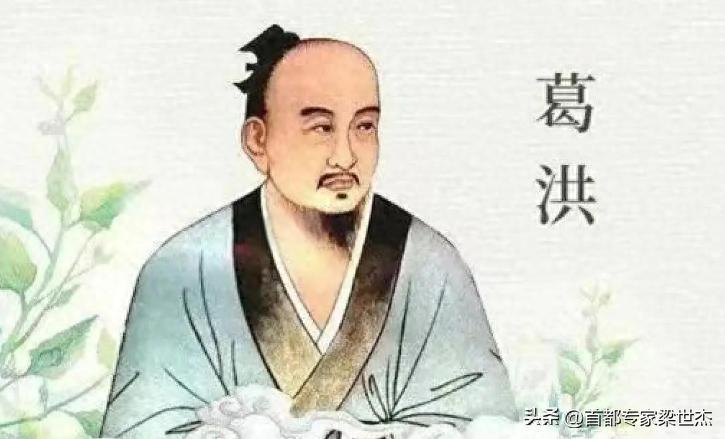
葛洪:醫易交融裏走出的傳奇醫者
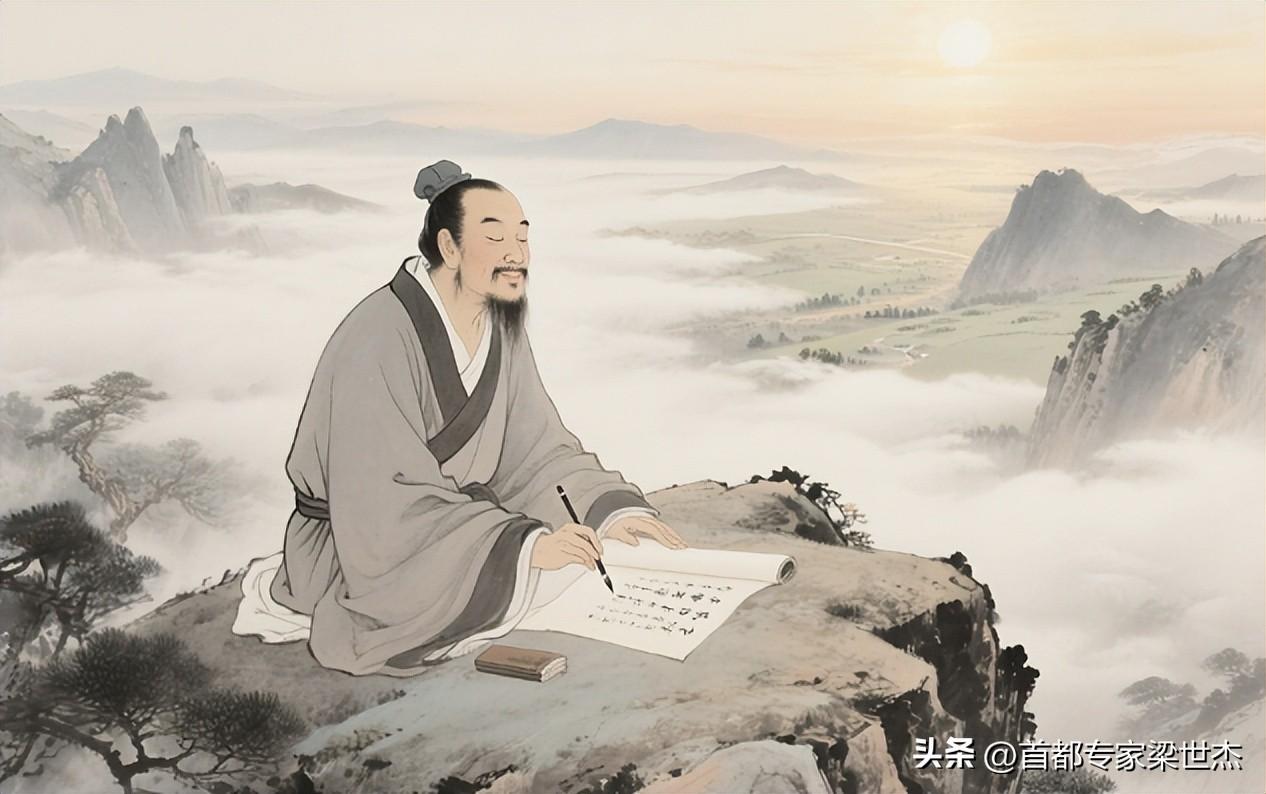
在醫學那浩瀚如星河的歷史長河中,總有那麼幾顆璀璨星辰,以其獨特的光芒,穿透歲月的迷霧,照亮我們前行的道路。葛洪,便是這樣一位在醫與易的交融中熠熠生輝的傳奇人物,他宛如一座橫跨醫學與哲學兩界的橋樑,將道家哲學與醫學實踐巧妙地編織在一起,開創出了一片獨屬於自己的醫學天地。
亂世奇人:葛洪的傳奇生平
葛洪出生在東晉那個動盪不安的時代,那是一個戰亂頻繁、疫病橫行的歲月,就像一片黑暗的森林,處處隱藏着危機。然而,正是這樣的時代背景,卻如同肥沃的土壤,孕育出了葛洪這顆醫學與哲學的參天大樹。
他自幼便對醫學和道家思想產生了濃厚的興趣,彷彿是命運之神在他心中種下了一顆神奇的種子。年少時,他便四處尋訪名師,刻苦鑽研醫術和道家經典。想象一下,一個年輕的少年,揹着簡單的行囊,穿梭在山川之間,不畏路途遙遠,不懼艱難險阻,只爲追尋那醫與道的真諦,這是何等的執着與堅定!
葛洪一生遊歷甚廣,他就像一位勇敢的探險家,深入到民間,瞭解百姓的疾苦和醫療需求。據記載,他曾在嶺南地區生活過一段時間,那裏氣候溼熱,疫病流行。葛洪親眼目睹了無數百姓被病痛折磨的慘狀,他的內心深受觸動,從此更加堅定了自己懸壺濟世的決心。他用自己的醫術,爲當地的百姓治療疾病,拯救了無數生命,就像黑暗中的一盞明燈,給人們帶來了希望和溫暖。
醫哲融合:道家智慧在醫學中的綻放
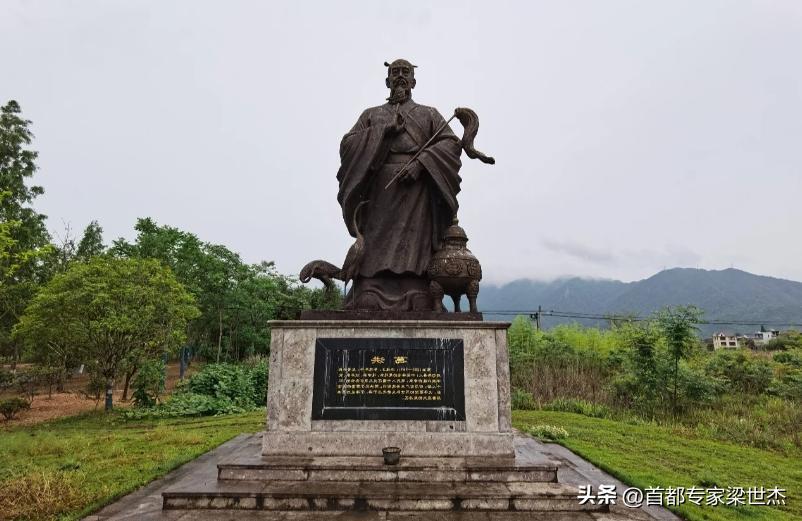
葛洪的獨特之處在於,他不僅僅是一位醫術高明的醫生,更是一位深諳道家哲學的智者。他將道家哲學中的“道”“氣”“無爲”等思想巧妙地融入到醫學實踐中,開創了一種全新的醫學理論體系。
在道家哲學中,“道”是宇宙萬物的本源和規律,是一切事物的根本。葛洪認爲,人體的健康與疾病也遵循着“道”的規律。他強調人體與自然的和諧統一,認爲人體就像一個小宇宙,只有與外界的大宇宙保持平衡和協調,才能保持健康。這就好比一個和諧的交響樂團,每個樂器都有自己獨特的音色和節奏,只有當它們相互配合、協調一致時,才能演奏出美妙的音樂。如果其中一個樂器出了問題,整個樂團的演奏就會受到影響。同樣,如果人體的某個器官或系統出現了失調,就會導致疾病的發生。
“氣”在道家哲學中是構成萬物的基本物質,也是人體生命活動的動力源泉。葛洪認爲,人體的健康與否取決於氣的充足與流通。如果氣不足或氣機不暢,就會導致各種疾病。他提出了“養氣”的理論,主張通過調整呼吸、飲食、運動等方式來培養和調養人體的氣,以達到預防和治療疾病的目的。這就如同給汽車加油和保養一樣,只有保證汽車有足夠的燃料和良好的運行狀態,才能行駛得更加順暢和安全。
“無爲”是道家哲學中的一個重要思想,強調順應自然,不強行干預。葛洪將這一思想運用到醫學中,主張在治療疾病時要順應人體的自然規律,不要過度治療。他認爲,人體的自身有一定的修復和調節能力,醫生的作用只是輔助人體恢復平衡。就像給一棵生病的樹治病,我們不能過度修剪它的枝葉,而應該根據樹的自然生長規律,適當地進行修剪和護理,讓樹自己恢復健康。
《肘後方》:濟世良方的智慧結晶
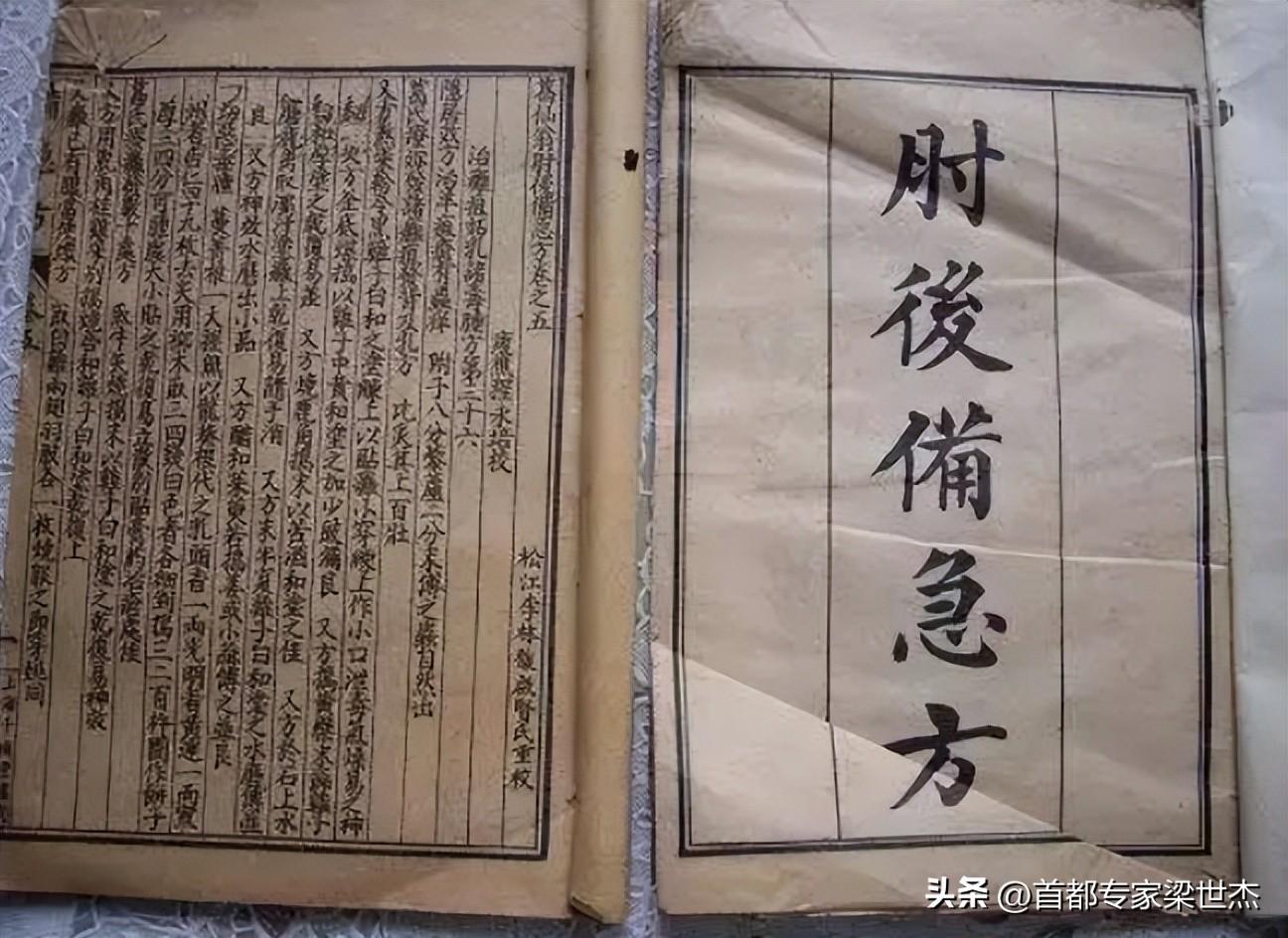
葛洪的醫學思想在他的著作《肘後方》中得到了充分的體現。《肘後方》,全名《肘後備急方》,就像是一本放在肘後的急救手冊,方便人們在緊急情況下隨時查閱和使用。這本書收錄了許多簡單易行、療效顯著的方劑和治療方法,對於當時的百姓來說,無疑是一本救命寶典。
在《肘後方》中,葛洪記載了許多治療傳染病的方劑和方法。例如,他提出了用青蒿治療瘧疾的方法,這一方法在後來經過屠呦呦等科學家的研究和發展,最終獲得了諾貝爾生理學或醫學獎,爲全球瘧疾的防治做出了巨大貢獻。這就好比葛洪在黑暗中點燃了一盞明燈,雖然當時的光芒可能並不耀眼,但卻爲後人指引了前進的方向。
除了治療傳染病,《肘後方》中還記載了許多治療常見病和多發病的方劑和方法,如治療感冒、咳嗽、腹瀉等。這些方劑大多采用常見的中藥材,製作方法簡單,成本低廉,非常適合廣大百姓使用。據統計,《肘後方》中記載的方劑和治療方法,有超過70%至今仍然在臨牀上應用,這充分證明了其科學性和實用性。
深遠影響:照亮後世醫學之路
葛洪的醫學哲學不僅在當時具有重要的現實意義,而且對後世醫學的發展產生了深遠的影響。他的醫哲融合的思想,爲後世醫學家們提供了一個全新的視角和思路,啓發了一代又一代的醫者。
在唐代,孫思邈在撰寫《千金方》時,就受到了葛洪思想的啓發。他在書中強調醫者要具備高尚的醫德和精湛的醫術,要以人爲本,關注患者的身心健康。這與葛洪“懸壺濟世”的思想是一脈相承的。
到了宋代,醫學進一步發展,許多醫家在研究葛洪的著作時,不斷挖掘其中的精華,並將其運用到臨牀實踐中。他們借鑑葛洪的養氣理論和治療方法,結合自己的實踐經驗,開創了許多新的醫學流派和治療方法。
在現代,葛洪的醫學思想仍然具有重要的價值。隨着人們生活水平的提高和健康意識的增強,越來越多的人開始關注自然療法和預防醫學。葛洪強調的順應自然、養氣調神的思想,正好符合了現代人的健康需求。同時,他的一些簡單易行的方劑和治療方法,也爲現代醫學提供了一些有益的參考和借鑑。
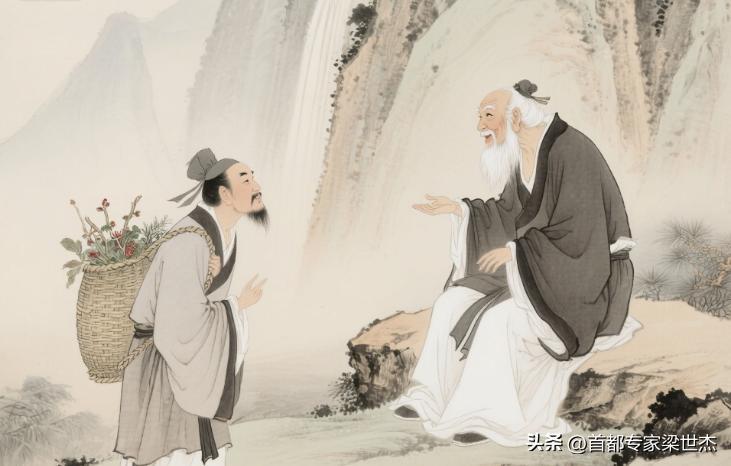
葛洪,這位醫哲融合、道術並重的傳奇醫者,就像一顆璀璨的星辰,在醫學的歷史長河中閃耀着獨特的光芒。他的醫學哲學思想,不僅代表了魏晉時期醫學與哲學融合的最高成就,也爲中國傳統醫學的發展提供了重要的思想資源。讓我們銘記這位偉大的醫者,傳承和發揚他的醫學精神,爲人類的健康事業做出更大的貢獻!
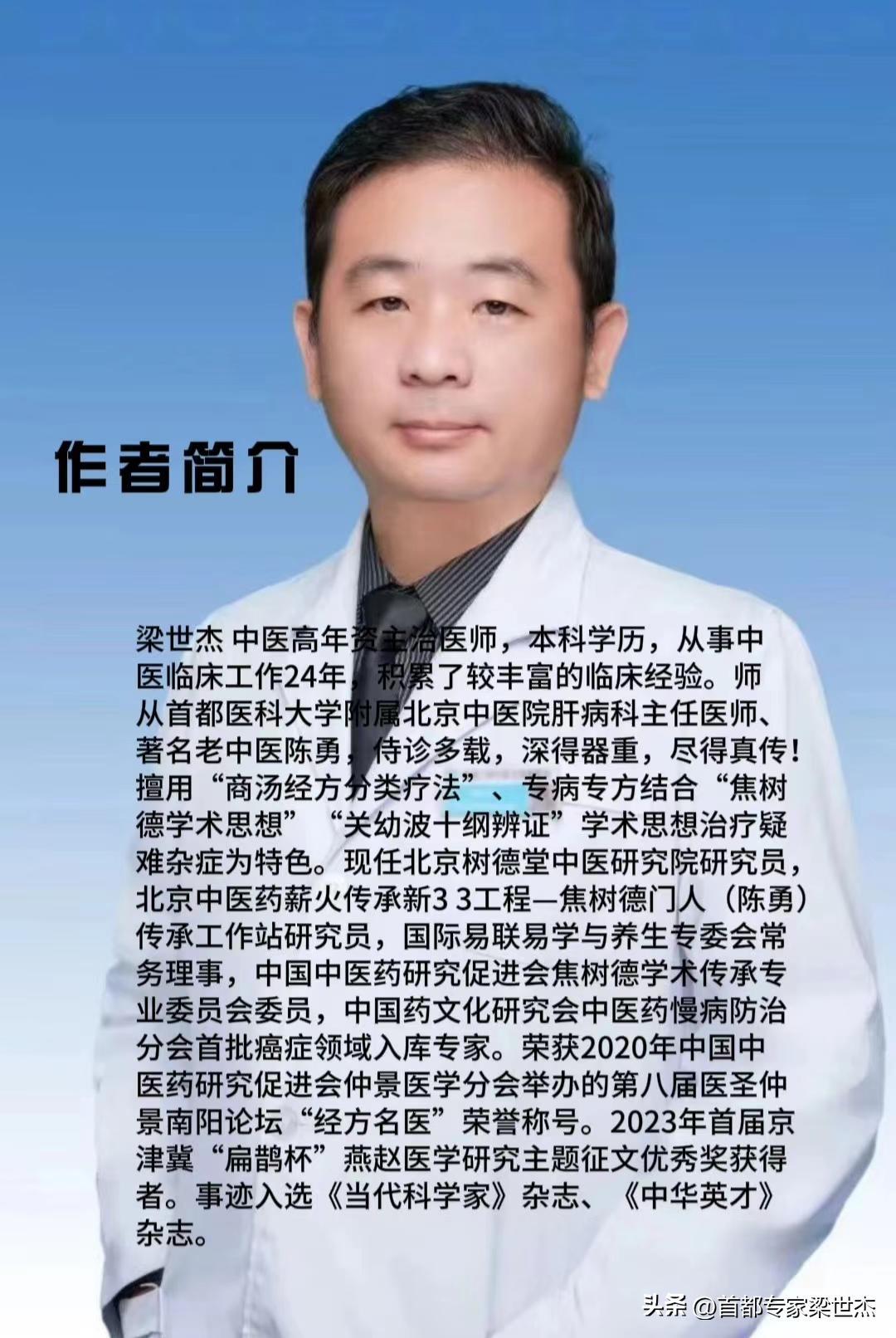
作者簡介:梁世傑 中醫高年資主治醫師,本科學歷,從事中醫臨牀工作24年,積累了較豐富的臨牀經驗。師從首都醫科大學附屬北京中醫院肝病科主任醫師、著名老中醫陳勇,侍診多載,深得器重,盡得真傳!擅用“商湯經方分類療法”、專病專方結合“焦樹德學術思想”“關幼波十綱辨證”學術思想治療疑難雜症爲特色。現任北京樹德堂中醫研究院研究員,北京中醫藥薪火傳承新3+3工程—焦樹德門人(陳勇)傳承工作站研究員,國際易聯易學與養生專委會常務理事,中國中醫藥研究促進會焦樹德學術傳承專業委員會委員,中國藥文化研究會中醫藥慢病防治分會首批癌症領域入庫專家。榮獲2020年中國中醫藥研究促進會仲景醫學分會舉辦的第八屆醫聖仲景南陽論壇“經方名醫”榮譽稱號。2023年首屆京津冀“扁鵲杯”燕趙醫學研究主題徵文優秀獎獲得者。事蹟入選《當代科學家》雜誌、《中華英才》雜誌。
Ge Hong: The legendary healer who emerged from the transition to healing
In the long history of medicine as a vast river of stars, there are always a few bright stars that, with their unique glow, penetrate the fog of the years and illuminate our way forward. Ge Hong is such a legend that shines in the intersection of medicine and easierness. He is like a bridge between medicine and philosophy, skillfully woven together Taoist philosophy and medical practice, and created a medical field that is unique to himself.
Stranger in a Lost World: The Legend of Ge Hong
Ge Hong was born in the turbulent era of the Eastern Jin Dynasty, a time of frequent warfare and epidemics, like a dark forest with hidden crises. However, it was this time frame that was like fertile soil that gave birth to Gehong, a remarkable tree of medicine and philosophy.
From an early age, he had developed a keen interest in medicine and Taoist thought, as if the gods of fate had planted a magical seed in his heart. As a young man, he went around looking for famous teachers and studied the healing arts and Taoist classics. Imagine a young teenager, carrying a simple bag, traveling between mountains and rivers, without fear of the distance, without difficulties and obstacles, in pursuit of the true meaning of medicine and Taoism. How committed and determined he is!
Ge Hong traveled extensively throughout his life. He was like a brave explorer who went deep into the people and learned about the suffering and medical needs of the people. It is recorded that he lived for some time in the Lingnan area, where the climate was hot and humid and epidemics were endemic. Ge Hong witnessed the plight of countless people suffering from illnesses firsthand, and was deeply touched by his heart, and he has since strengthened his determination to raise the kettle for the rest of the world. He used his medical expertise to treat diseases for the local people, saving countless lives, like a bright light in the dark, bringing hope and warmth to people.
Merger of Medicine and Philosophy: the blossoming of Taoist wisdom in medicine
What makes Ge Hong unique is that he is not only a brilliant doctor, but also a wise man who understands Taoist philosophy. He skillfully incorporated the ideas of Taoist philosophy such as "dao," "qi" and "action" into medical practice, pioneering a completely new system of medical theory.
In Taoist philosophy, "dao" is the source and law of everything in the universe, and is the foundation of everything. Ge Hong believes that human health and disease also follow the laws of the Tao. He emphasized the harmonious unity of the human body with nature, believing that the human body is like a small universe, and only by maintaining balance and coordination with the larger universe of the outside world can we maintain health. It is like a harmonious symphony orchestra, each instrument has its own unique tone and rhythm, and only when they cooperate and coordinate with each other can they play wonderful music. If something goes wrong with one of the instruments, the orchestra''s performance will be affected. Similarly, if one of the organs or systems of the human body becomes dysregulated, it can lead to the development of a disease.
In Taoist philosophy, "qi" is the basic substance that makes up everything, and also the driving source of human life activities. Ge Hong believes that the health of the human body depends on the adequacy and circulation of gas. If there is not enough air or the air is not working properly, it can lead to various diseases. He proposed the theory of "nurturing the qi," which advocates cultivating and regulating the qi of the human body by adjusting breathing, diet, exercise, etc., to achieve the purpose of preventing and treating diseases. This is the same as for the car refueling and maintenance, only to ensure that the car has enough fuel and good state in service, in order to travel more smoothly and safely.
"Doing nothing" is an important idea in Taoist philosophy, which emphasizes conformity with nature and not forced intervention. Ge Hong applied this idea to medicine, advocating that when treating diseases, we should conform to the natural laws of the human body and not over-treat. He believes that the human body has some ability to repair and regulate itself, and the role of the doctor is only to assist the body to restore balance. Just like treating a sick tree, we cannot over prune its branches, but we should prune and care for the tree properly according to its natural growth laws so that the tree can return to health on its own.
Behind your elbow: the crystallization of wisdom for a miracle cure
Ge Hong''s medical ideas are fully reflected in his book The Back of the elbow. "Zhouhou Beiji Fang," the full name of "Zhouhou Beiji Fang," is like a first aid manual placed behind the elbow, convenient for people to consult and use at any time in case of emergency. This book contains many simple and effective remedies and treatments, which were undoubtedly a life-saving dictionary for the people of the time.
In Behind the elbow, Ge Hong documented many prescriptions and methods for treating infectious diseases. For example, he proposed a method of treating malaria with artemisinin, which was later studied and developed by scientists such as Tu Youyou and eventually won the Nobel Prize in Physiology or Medicine, making a huge contribution to the global malaria prevention and treatment. It''s like Ghong lighting a bright light in the dark, and although the light may not be brilliant at the time, it points the way forward for posterity.
In addition to treating infectious diseases, the Back of the elbow also contains a number of remedies and methods for treating common and multiple diseases, such as colds, coughs, diarrhea, etc. Most of these remedies use common Chinese herbal medicines, the preparation method is simple, the cost is low, and they are very suitable for the general public. According to statistics, more than 70% of the remedies and treatments documented in the Back of the elbow are still used in clinical practice today, which fully proves its scientific and practical usefulness.
Profound impact: illuminating the path of medicine for generations to come
The philosophy of medicine of Ge Hong not only has the important realistic significance at that time, but also has the profound influence to the later generation medicine. His ideas of integrated medicine and philosophy have provided future medical practitioners with a new perspective and thinking, inspiring generations of practitioners.
In the Tang Dynasty, Sun Simian was inspired by the ideas of Ge Hong when he wrote "The Hand of a Thousand Golden Women." In his book, he emphasized that a doctor should have high morals and excellent medical skills, put people first, and pay attention to the physical and mental health of the patient. This is in line with Ge Hong''s idea of "hanging kettle for all."
In the Song Dynasty, medicine further developed, and many medical practitioners, when studying Ge Hong''s writings, continued to digest the essence of it and apply it to clinical practice. Drawing on Ge Hong''s theory and treatment of qi, and combining their own practical experience, they have pioneered many new medical schools and treatments.
In modern times, Gerhon''s medical ideas remain of great value. With the improvement of people''s living standards and the increase of health awareness, more and more people are beginning to pay attention to natural remedies and preventive medicine. Ge Hong''s emphasis on being compatible with nature and nourishing the spirit meets the health needs of modern people. At the same time, some of his simple and easy-to-use remedies and treatments also provide some useful references and lessons for modern medicine.
Ge Hong, the legendary healer who combined philosophy and Taoism, is like a bright star that shines a unique light in the long history of medicine. His philosophy of medicine not only represents the highest accomplishment of the fusion of medicine and philosophy in the Wei and Jin Dynasties, but also provides an important ideological source for Chinese traditional medicine. Let us remember this great healer, carry forward his medical spirit and make greater contributions to the cause of human health!
Author Bio: Liang Shijie is a senior medical practitioner in traditional Chinese medicine with an undergraduate degree. He has been engaged in traditional medicine clinical work for 24 years and has accumulated a wealth of clinical experience. Following Chen Yong, chief physician of liver disease at Beijing Traditional Medicine Hospital, affiliated with Capital Medical University, and renowned old Chinese medicine, he has been treated for many years and received great attention. He specializes in the treatment of difficult diseases using "conversational traditional therapy" and special treatments combined with the academic ideas of Jiao Shude and Guan Yubo''s ten-level diagnosis.He is currently a researcher at the Shude Tang TCM Research Institute in Beijing, a fellow at the new 3 + 3 project of traditional Chinese medicine flame inheritance in Beijing - a scholar at the inheritance workstation of Jiao Shude''s protégés (Chen Yong),He is a standing committee member of the International Expert Committee on E-learning and Health Care, a member of the Jiao Shude Academic Heritage Special Committee of the Chinese Association for the Advancement of Chinese Medicine Research, and the first cancer specialist to be included in the chapter of the Chinese Pharmaceutical Culture Research Association. Won the 2020 China Association for the Promotion of Traditional Chinese Medicine Zhongjing Medical Branch held the eighth session of the Medical Saint Zhongjing Nanyang Forum "Classic Prescription Famous Doctor" honorary title. The winner of the first Beijing-Tianjin-Hebei "Pingui Cup" Yanzhao Medical Research Essay Award in 2023. His work was featured in the journal Current Scientist and the journal Chinese Talent.