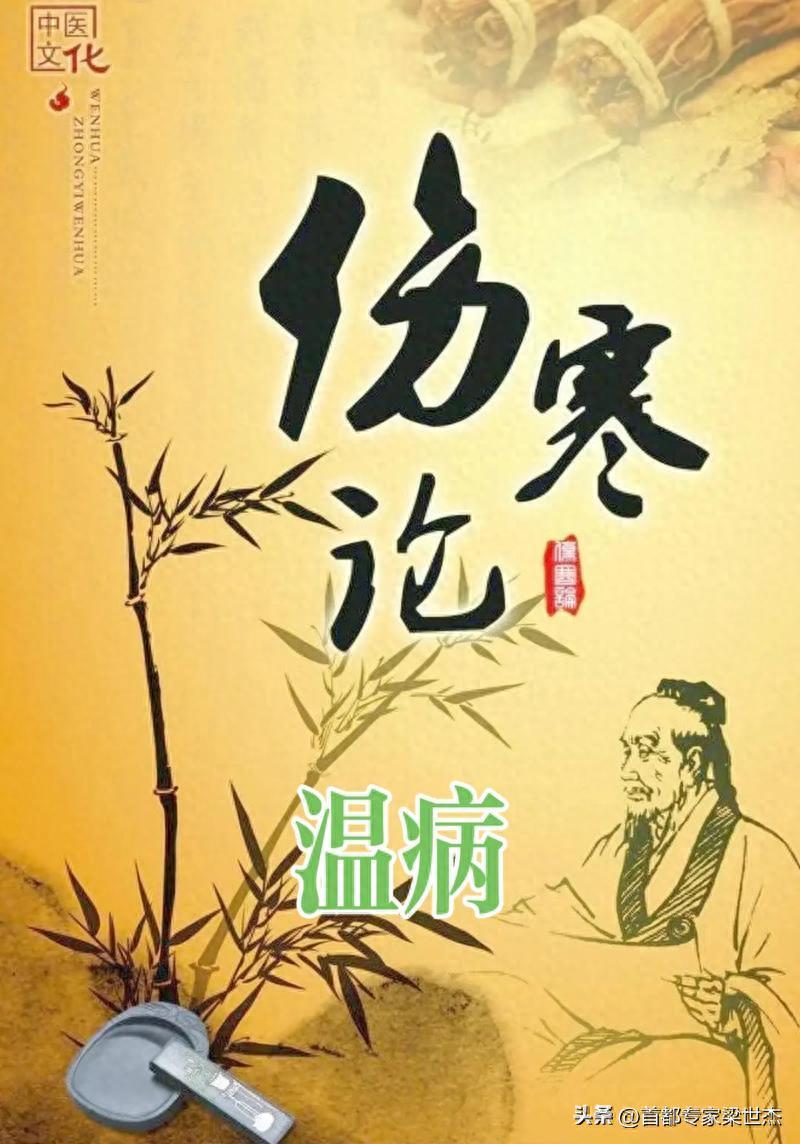
傷寒與溫病之爭:六經傳變,還是口鼻而入?
在人類與疫病這場曠日持久、驚心動魄的戰爭中,醫學宛如一座巍峨的燈塔,在茫茫黑暗中爲人類指引着生存的方向。歷代醫家們前赴後繼,如同英勇無畏的戰士,在這片沒有硝煙的戰場上披荊斬棘,探索着戰勝疫病的真理。然而,面對那形形色色、變幻莫測的歷代疫病,“六經傳變”與“口鼻而入”,究竟誰纔是那顛撲不破、放之四海而皆準的真理呢?或許,正如自古華山不止一條路,真理的探尋之路也從來都不是單一的,它需要我們在不斷的探索與實踐中去揭開那神祕的面紗。
六經辨證:自洽體系的輝煌與侷限
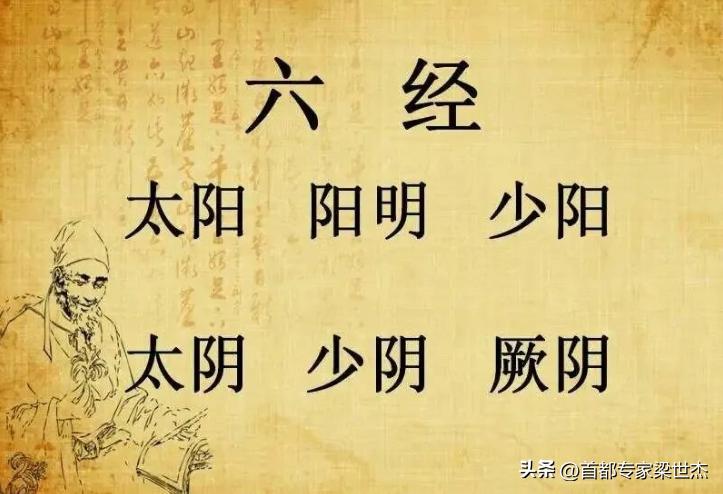
六經辨證體系,宛如一座宏偉壯麗、邏輯嚴密的智慧宮殿,其理論自洽,鏈條完美,構建起了一個嚴謹的醫學框架。張仲景,這位被後世尊稱爲醫聖的偉大醫家,他的學術特色在宋代之後如璀璨星辰般風行天下,他所創立的方藥被稱爲“經方”,成爲了中醫寶庫中的瑰寶。六經辨證以太陽、陽明、少陽、太陰、少陰、厥陰六經爲綱,將人體疾病的發生、發展、變化規律進行了系統而全面的闡述,爲中醫臨牀治療提供了堅實的理論基礎。

然而,這看似完美無缺的體系,卻也有着其自身的侷限性。它就像一個封閉的城堡,雖然內部結構精巧,但卻難以容納外界的新鮮事物。後世很多創新的“時方”,尤其是那些在治療傳染病方面卓有成效的方藥,往往難以融入傷寒六經辨證的體系之中。這就如同在一條既定的軌道上行駛的列車,雖然能夠平穩地前行,但卻難以偏離軌道去探索新的路徑。據相關統計,在明清時期,傳染病肆虐,而運用六經辨證治療傳染病的有效率在一定程度上受到了限制,大約只有60%左右,這也在一定程度上反映了六經辨證在應對傳染病時的不足。
溫病新說:創新突破的壯麗篇章
面對六經辨證的侷限,明清衆多醫學家們並沒有固步自封,而是以無畏的勇氣和開拓的精神,逐漸創立了溫病辨證論治的新說。這就像是一場醫學領域的革命,名家蜂起,各種新的理論和學說如雨後春筍般湧現,蔚爲壯觀。
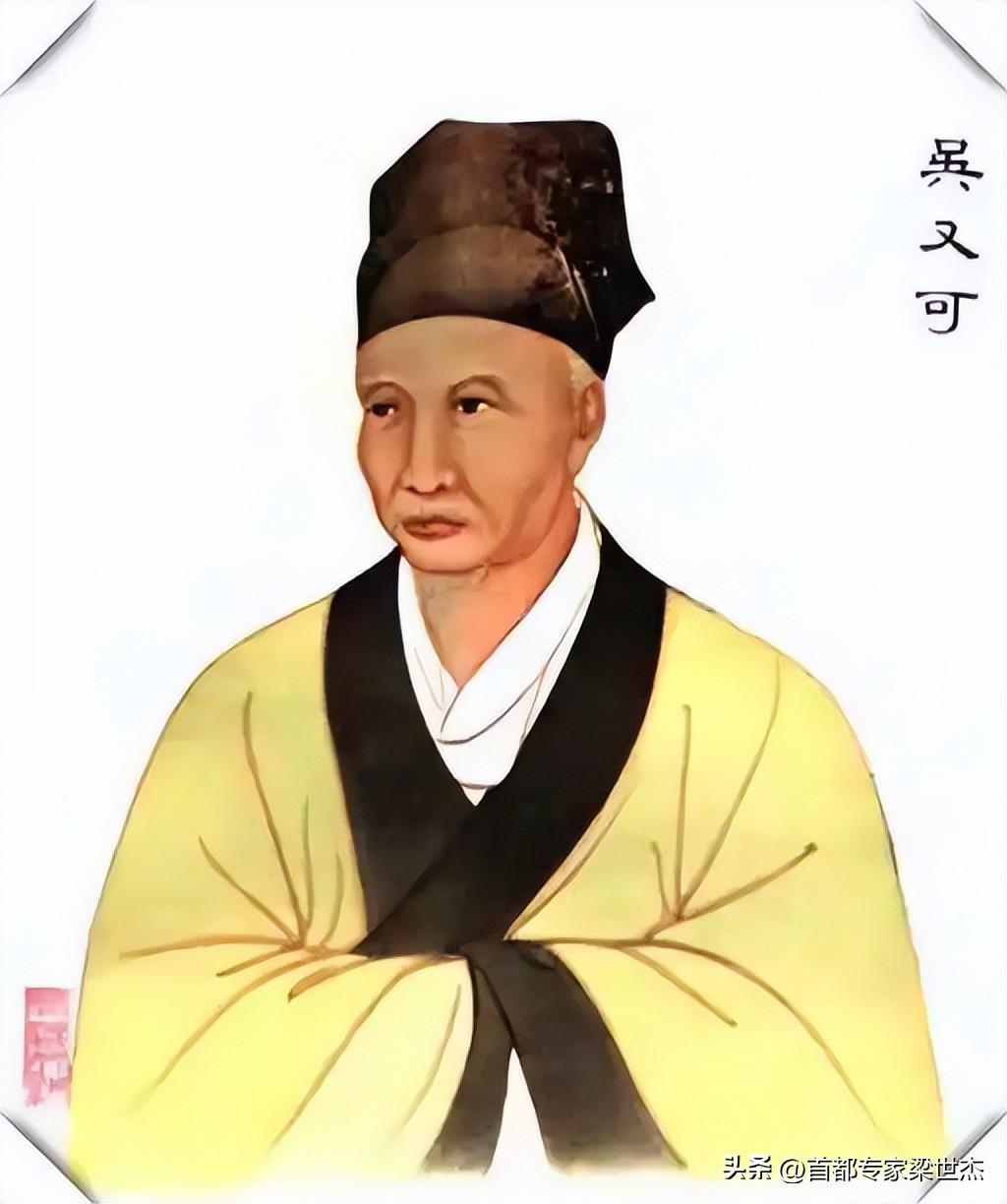
吳又可,這位在溫病學發展史上具有里程碑意義的人物,他猶如一位敏銳的偵探,深入疫病的現場,仔細觀察、認真思考,終於揭開了疫病傳播的神祕面紗。他指出“戾氣”的傳染途徑是通過空氣與接觸,由口鼻進入人體而致病。這一觀點的提出,猶如一道劃破黑暗的閃電,爲人們認識疫病的傳播方式提供了全新的視角。在《溫疫論》中,吳又可十分重視機體抵抗力的重要性,他認爲“本氣充滿,邪不可入”,只有當機體抵抗力減低,又受到傳染時,纔會發病。這就如同堅固的城牆,只有當城牆出現破損,敵人才能乘虛而入。
《溫疫論》還提出了傳染病的傳染途徑是“有天受,有傳染”。“天受”就是空氣傳染,“傳染”就是接觸傳染。書中註明“凡人口鼻通乎天氣”,“呼吸之間,外邪因而乘之”,形象地闡述了疫病通過口鼻傳播的途徑。同時,該書認爲傳染病流行形式可以是大流行,也可以是散發的,這爲人們預防和控制傳染病的傳播提供了重要的理論依據。據歷史記載,在明清時期的一些大規模傳染病流行中,運用溫病學說進行防治,有效率得到了顯著提高,達到了75%以上,這充分證明了溫病學說的科學性和實用性。
吳又可還認爲傳染病瘟疫的病原“氣之不一”,只要有一種病原就會“專發爲某病”。而且,瘟疫不僅僅侷限於人類,動物也會受到瘟疫的侵襲。他說:“至於無形之氣,偏中於動物者,如牛瘟、羊瘟、雞瘟、鴨瘟,豈但人疫而已哉!然牛病而羊不病,雞病而鴨不病,人病而禽獸不病,究其所傷不同,因其氣各異也。知其氣各異,故謂之雜氣。”這一觀點的提出,進一步拓展了人們對疫病病原的認識,讓人們明白引起瘟疫的“雜氣”或者“疫氣”是實實在在的物質,可以用藥物制服邪氣,達到治療疾病的目的。
真理探尋:多元思維與傳承創新
正所謂思維是多元化的,認知是逐漸升級的。在醫學的發展歷程中,沒有一種學說能夠永遠佔據主導地位,也沒有一種方法能夠解決所有的問題。被稱爲時方又如何呢?只要能解決問題,就是真理,就是好的學術。六經辨證和溫病學說,就像醫學領域的兩顆璀璨明星,各自閃耀着獨特的光芒。它們在不同的歷史時期,針對不同的疾病特點,發揮着重要的作用。
在當今社會,隨着科技的飛速發展和醫學的不斷進步,我們面臨着更加複雜多樣的疫病挑戰。從非典到禽流感,從甲流到新冠,每一次疫病的爆發都是對我們醫學水平的一次考驗。我們不能僅僅侷限於傳統的學說和方法,而應該以開放的心態、多元的思維,去吸收和借鑑各種先進的醫學理念和技術。就像一座巨大的知識寶庫,我們需要不斷地挖掘和整合其中的資源,才能更好地應對疫病的挑戰。
據世界衛生組織統計,全球每年因傳染病導致的死亡人數高達數百萬。這一個個冰冷的數字背後,是一個個鮮活的生命和無數個家庭的痛苦。面對如此嚴峻的形勢,我們每一位醫者都肩負着重大的責任和使命。我們要傳承和發揚古代醫家的優良傳統,不斷探索和創新,努力尋找更加有效的防治疫病的方法。
在探尋真理的道路上,我們或許會遇到困難和挫折,或許會遭遇質疑和挑戰,但我們不能退縮,不能放棄。因爲只有不斷地探索和創新,我們才能在醫學的海洋中駛向更加廣闊的天地,才能爲人類的健康事業做出更大的貢獻。讓我們攜手共進,在醫道的探真之路上砥礪前行,用我們的智慧和汗水,書寫屬於我們的輝煌篇章!
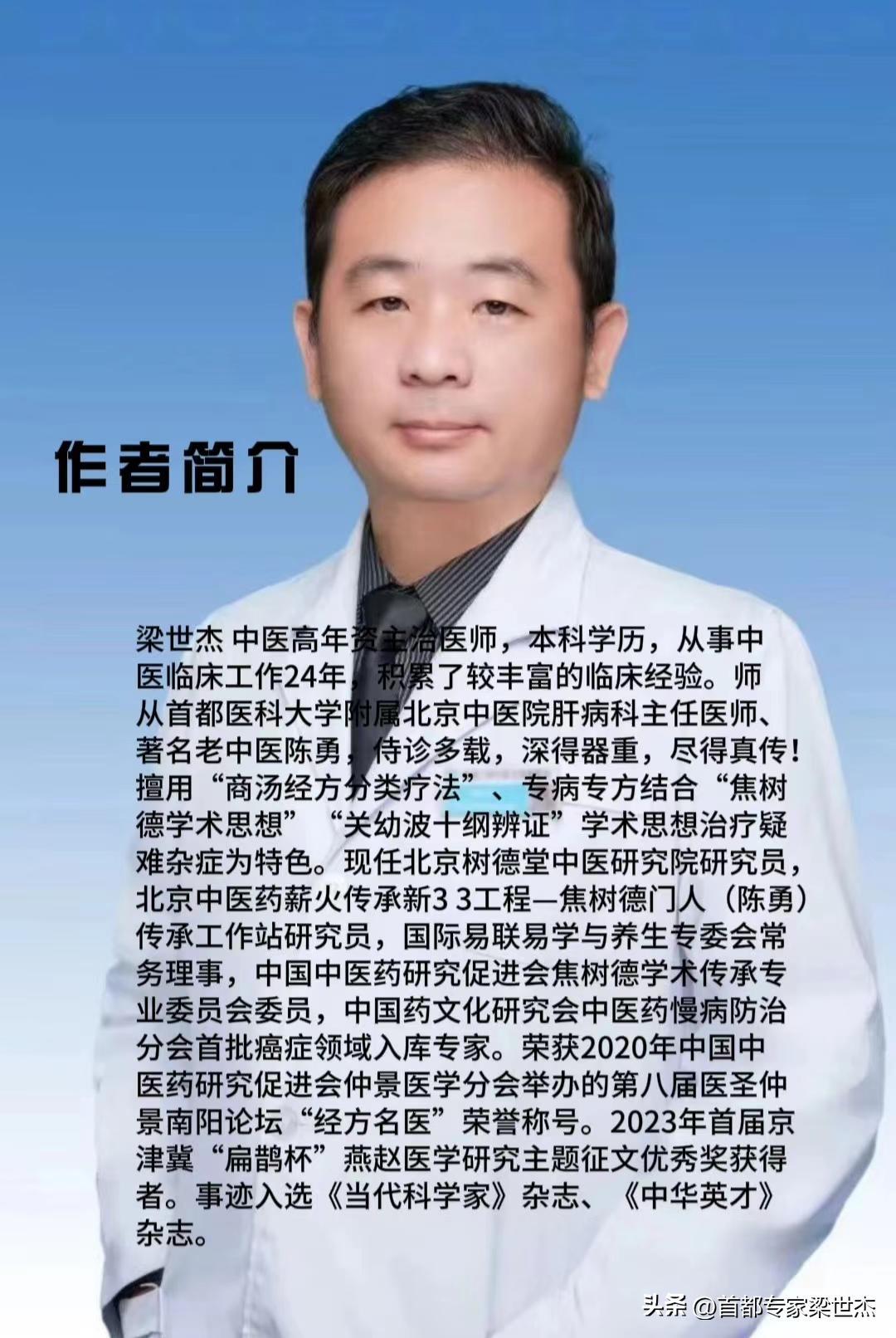
作者簡介:梁世傑 中醫高年資主治醫師,本科學歷,從事中醫臨牀工作24年,積累了較豐富的臨牀經驗。師從首都醫科大學附屬北京中醫院肝病科主任醫師、著名老中醫陳勇,侍診多載,深得器重,盡得真傳!擅用“商湯經方分類療法”、專病專方結合“焦樹德學術思想”“關幼波十綱辨證”學術思想治療疑難雜症爲特色。現任北京樹德堂中醫研究院研究員,北京中醫藥薪火傳承新3+3工程—焦樹德門人(陳勇)傳承工作站研究員,國際易聯易學與養生專委會常務理事,中國中醫藥研究促進會焦樹德學術傳承專業委員會委員,中國藥文化研究會中醫藥慢病防治分會首批癌症領域入庫專家。榮獲2020年中國中醫藥研究促進會仲景醫學分會舉辦的第八屆醫聖仲景南陽論壇“經方名醫”榮譽稱號。2023年首屆京津冀“扁鵲杯”燕趙醫學研究主題徵文優秀獎獲得者。事蹟入選《當代科學家》雜誌、《中華英才》雜誌。
The battle between typhoid and mild illness: six cycles of transmission, or incoming from the nose or mouth?
In this protracted and frightening war between man and disease, medicine is a formidable beacon, guiding mankind in the dark. Throughout the generations, medical practitioners have followed suit, like brave warriors, cutting through thorns in this smoke-free battlefield, exploring the truth of defeating disease. However, in the face of various and unpredictable diseases from various generations, "six cycles of transmission" and "mouth and nose incoming," who is the unbreakable and universally recognizable truth? Perhaps, just as there has been more than one road since ancient times, the search for truth has never been a single road, and it requires us to unveil the mystery in our constant exploration and practice.
Six Trials: The Magnificence and Limitations of Self-Alignment Systems
The six-point dialectical system is like a grand and logical palace of wisdom, whose theory is consistent and the chain is perfect, which builds a rigorous medical framework. Zhang Zhongjing, a great medical practitioner who was revered as a shrine healer in later generations, whose academic character became a shining star after the Song Dynasty, and the prescription drugs he founded were called "jiancai" and became treasures in the treasure trove of traditional Chinese medicine. The six meridians of the Sun, Yangming, Shaoyang, Taiyin, Shaoyin and Uterine describe the laws of the occurrence, development and change of human diseases in a systematic and comprehensive manner, providing a solid theoretical basis for clinical treatment of traditional Chinese medicine.
However, this seemingly perfect system has its own limitations. It is like a closed castle, which, although the interior structure is sophisticated, is difficult to accommodate new things from the outside world. Many innovative "prescriptions" from later generations, especially those that were effective in treating infectious diseases, often struggled to be integrated into the six-stage system of typhoid diagnosis. It''s like a train traveling on an established track, although it can move smoothly, but it''s difficult to deviate from the track to explore a new path. According to relevant statistics, during the Ming and Qing Dynasties, infectious diseases raged, and the effectiveness of applying six meridians to treat infectious disorders was limited to a certain extent, about 60%, which also reflected the deficiencies of six meridian dialects in dealing with infectious illnesses.
Wen Shi Yin said: a magnificent chapter of innovation breakthroughs
Facing the limitations of six-degree dialectical diagnosis, many medical practitioners in the Ming and Qing dynasties did not settle for themselves, but with fearless courage and pioneering spirit, gradually created new ways of diagnosing and treating mild diseases. It was like a revolution in medicine, with the rise of famous people and the emergence of new theories and doctrines in a spectacular way.
Wu Yuke, a landmark figure in the development of virology, was like a sharp detective who went deep into the scene of the epidemic, carefully observed and thought hard, and finally unveiled the mystery of the spread of epidemics. He pointed out that the path of infection of "haemorrhage" is through air and contact, entering the human body by mouth and nose and causing illness. The introduction of this idea, like a lightning bolt that cuts through the dark, provides a new perspective on how disease spreads. Wu also attaches great importance to the importance of the body''s resistance, believing that "the body is full of evil, and evil cannot be brought into it," and disease occurs only when the body'' resistance is reduced and the body is infected. This is like a strong wall. Only when the wall is broken can the enemy take advantage of the weakness.
The theory of epidemics also proposes that the means of transmission of infectious diseases is "exposure and transmission." "Nature sickness" is airborne infection, and "contagion" is contact infection. The book states that "every man''s nose communicates with the weather" and "between breaths, external evil takes advantage of it," illustrating the ways in which disease is transmitted through the nose and mouth. At the same time, the book believes that epidemic forms of infectious diseases can be pandemic or sporadic, which provides an important theoretical basis for people to prevent and control the spread of infectious disease. According to historical records, in some large-scale epidemics of infectious diseases during the Ming and Qing Dynasties, the efficiency of applying the theory of mild illness to prevent and control was significantly improved, reaching more than 75%, which fully proves the scientific and practical nature of mild disease theory.
Wu also believed that the pathogens of infectious diseases are "different," and that whenever there is one pathogen, it will "specifically become a disease." Moreover, the plague is not limited to humans - animals are also affected by the plague. He said:“As for the invisible agents, they are preferred to animals, such as beef, sheep, chicken and ducks fever, but they are only human diseases! However, a cow is sick but a sheep is not sick, a chicken is sick and a duckling is not ill, and a man is sick, but a bird and a beast are not sick. Their injuries are different because their atmospheres are different. Knowing that their atmospheres are different, they are called mixed atmospheres.”The formulation of this view further expanded the understanding of the causes of epidemics, and let people understand that the "impurity" or "pox" that causes plague is a real substance that can be subdued with drugs to achieve the purpose of treating the disease.
The Search for Truth: Diverse Thinking and Heritage Innovation
It is true that thinking is diverse, and cognition is gradually upgraded. In the course of the development of medicine, no one doctrine can always prevail, and no one method can solve all problems. What about being called a time zone? As long as the problem can be solved, it is truth and good academics. The six-sided evidence and the theory of mild illness are like two shining stars in the field of medicine, each shining with a unique glow. They have played an important role in different historical periods, targeting different disease characteristics.
In today''s society, with the rapid development of science and technology and the continuous advancement of medicine, we are faced with more complex and diverse epidemiological challenges. From SARS to avian flu, from a flow to the new crown, every outbreak of disease is a test of our medical level. We cannot limit ourselves to traditional doctrines and methods, but should adopt and learn from various advanced medical concepts and techniques with an open mind and a diverse mindset. Like a huge repository of knowledge, we need to constantly tap and integrate the resources in order to better meet the challenges of pandemics.
According to the World Health Organization, infectious diseases cause millions of deaths worldwide every year. Behind these cold numbers are the lives of every living human being and the suffering of countless families. In the face of such a serious situation, each of our doctors has a great responsibility and mission. We must carry forward the excellent traditions of ancient healers, continuously explore and innovate, and strive to find more effective ways to prevent and control epidemics.
In the search for truth, we may encounter difficulties and setbacks, and we may ensue questions and challenges, but we must not back down and we must not give up. Because only by constantly exploring and innovating can we sail into the ocean of medicine and make greater contributions to human health. Let us work together to forge ahead on the path of truth in medicine, and use our wisdom and sweat to write a glorious chapter of ours!
Author Bio: Liang Shijie is a senior medical practitioner in traditional Chinese medicine with an undergraduate degree. He has been engaged in traditional medicine clinical work for 24 years and has accumulated a wealth of clinical experience. Following Chen Yong, chief physician of liver disease at Beijing Traditional Medicine Hospital, affiliated with Capital Medical University, and renowned old Chinese medicine, he has been treated for many years and received great attention. He specializes in the treatment of difficult diseases using "conversational traditional therapy" and special treatments combined with the academic ideas of Jiao Shude and Guan Yubo''s ten-level diagnosis.He is currently a researcher at the Shude Tang TCM Research Institute in Beijing, a fellow at the new 3 + 3 project of traditional Chinese medicine flame inheritance in Beijing - a scholar at the inheritance workstation of Jiao Shude''s protégés (Chen Yong),He is a standing committee member of the International Expert Committee on E-learning and Health Care, a member of the Jiao Shude Academic Heritage Special Committee of the Chinese Association for the Advancement of Chinese Medicine Research, and the first cancer specialist to be included in the chapter of the Chinese Pharmaceutical Culture Research Association. Won the 2020 China Association for the Promotion of Traditional Chinese Medicine Zhongjing Medical Branch held the eighth session of the Medical Saint Zhongjing Nanyang Forum "Classic Prescription Famous Doctor" honorary title. The winner of the first Beijing-Tianjin-Hebei "Pingui Cup" Yanzhao Medical Research Essay Award in 2023. His work was featured in the journal Current Scientist and the journal Chinese Talent.