慢性病療效差?這些“坑”你踩了嗎?
在慢性病的治療這場漫長而艱辛的馬拉松裏,不少患者彷彿陷入了迷霧森林,明明努力前行,卻始終看不到顯著的效果,甚至病情還反覆無常,讓人心力交瘁。其實,除了疾病本身的客觀因素以外,這背後有着諸多客觀因素在“搗亂”,就像隱藏在暗處的絆腳石,稍不留意就會讓我們摔個跟頭。今天,咱們就來好好扒一扒這些影響慢性病療效的“罪魁禍首”。
一、“固執己見”的用藥誤區:一藥到底或頻繁換將
有些慢性病患者,在治療初期嚐到了甜頭,發現某個方子有效後,就像抓住了救命稻草,死死不放。要麼讓當地醫生抄方,一直喫下去,彷彿這個方子就是包治百病的“神藥”;要麼短期內沒見到明顯效果,就火急火燎地停藥換醫生,如同戰場上的逃兵,稍有不利就臨陣脫逃。
這就好比打仗,指揮官得根據戰場形勢靈活調整戰術。一個方子就像是一套作戰方案,剛開始可能對敵人有一定的壓制作用,但敵人也在不斷變化和適應。如果一直用同一套方案,就像用一把生鏽的刀去砍堅硬的石頭,時間久了,刀會變鈍,方案也會失去效力,出現“藥過病所”的情況,藥物無法精準打擊疾病。而短期沒效果就換醫生,就像還沒摸清敵人的底細就頻繁更換指揮官,新的指揮官又要重新瞭解戰場,重新制定策略,這期間不僅浪費了時間,還可能因爲策略的不連貫讓敵人有機可乘,導致“不及病所”,無法有效控制病情。
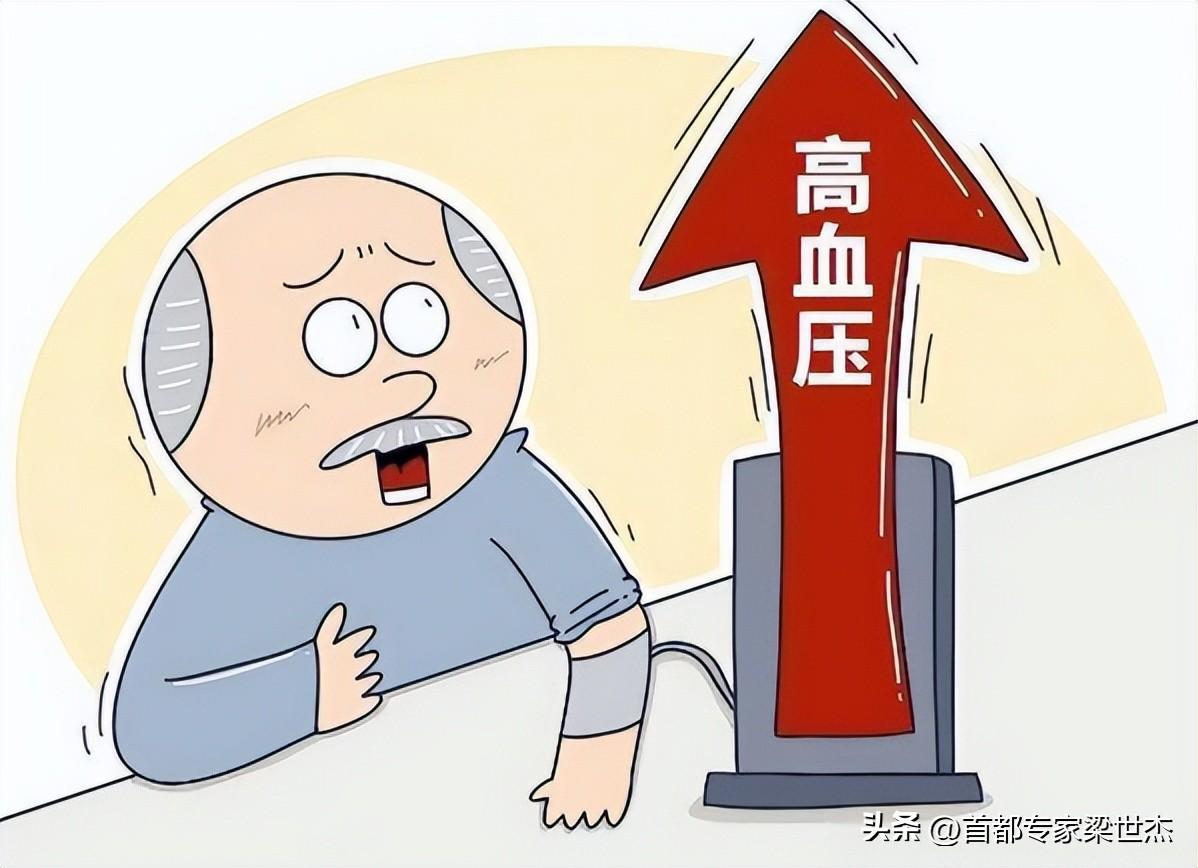
據不完全統計,在慢性病治療中,因爲不能按時就診調方而導致病情反覆或加重的患者比例高達30%左右。就拿高血壓患者來說,有些患者一開始服用某種降壓藥效果不錯,血壓控制得比較穩定。但隨着時間的推移,身體可能會對藥物產生耐受性,或者出現其他併發症,這時候如果還是堅持原來的用藥方案,血壓就可能再次升高,甚至引發更嚴重的心腦血管疾病。而有些患者喫了幾天藥,發現血壓沒降下來,就立刻換藥,結果新的藥物可能還沒起效,又因爲頻繁換藥打亂了身體的調節機制,導致血壓波動更大。
二、“小氣”與“怕麻煩”的複診難題:掛號費與路途的雙重阻礙
個別患者心疼掛號費,或者覺得路途遙遠,不願意在複診上多花一分錢、多走一步路。他們覺得反正藥還有,身體也沒什麼大毛病,就懶得去複診。可他們不知道,慢性病的治療就像培育一棵小樹苗,需要定期澆水、施肥、修剪,才能茁壯成長。不及時複診,醫生就無法瞭解病情的變化,無法根據實際情況調整治療方案,就像園丁不知道樹苗缺不缺水、有沒有病蟲害,只能盲目地照顧,樹苗怎麼能長得好呢?
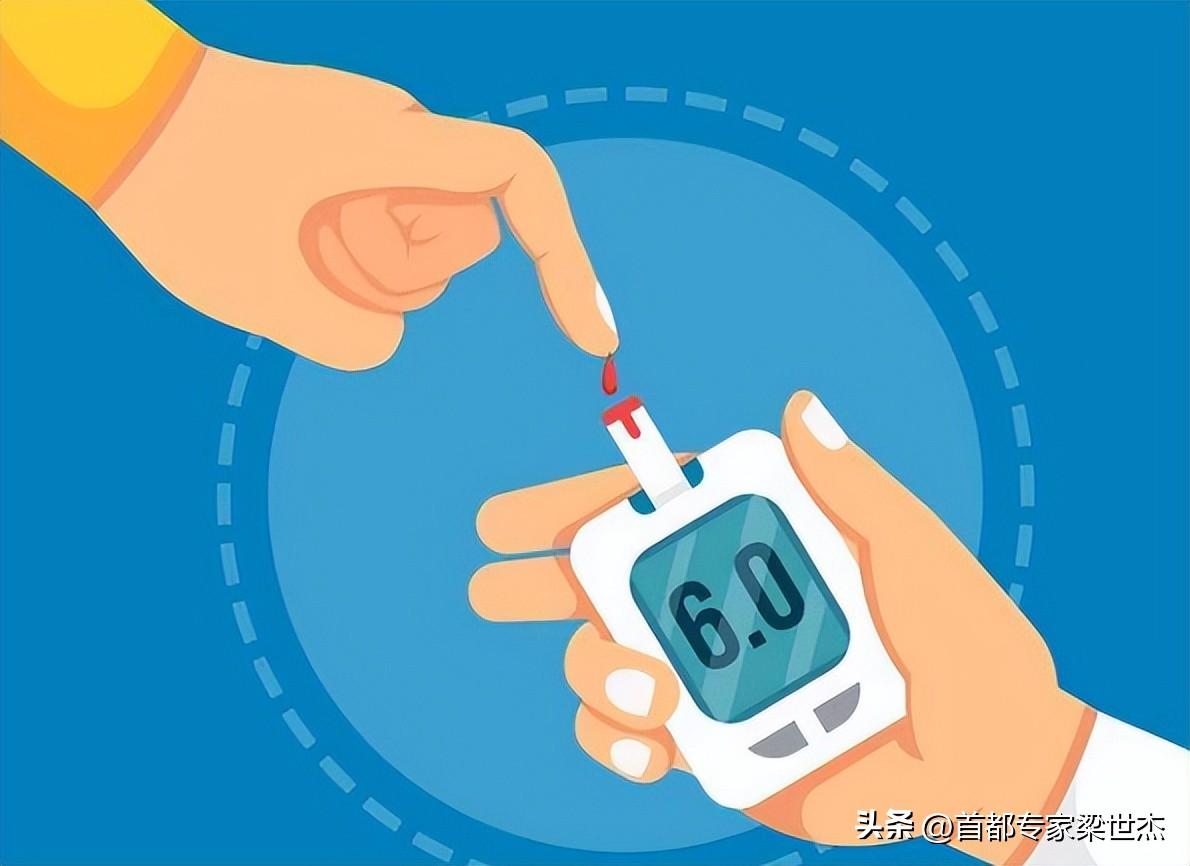
有調查顯示,因爲心疼掛號費、差旅費或路途遠而不及時複診的患者中,約40%的人病情出現了不同程度的惡化。曾經有一位糖尿病患者,一開始按照醫生的囑咐按時服藥、定期複診,血糖控制得還不錯。但後來他覺得每次複診都要花掛號費,而且醫院離得遠,來回奔波很麻煩,就減少了複診次數。結果,他的血糖逐漸升高,出現了視力模糊、手腳麻木等併發症,這時候再去醫院治療,不僅花費更多,治療難度也大大增加了。這就好比一輛汽車,如果不定期保養,小毛病就會變成大故障,最後可能連修都修不好了。
三、“季節的惡作劇”:春秋兩季的病情“大考驗”
春秋兩季,就像兩個調皮的孩子,總是喜歡給慢性病患者出難題。這兩個季節季節更替明顯,氣溫、溼度等環境因素變化較大,就像給疾病打開了一扇“方便之門”,讓它們更容易復發或者加重。
從中醫的角度來看,春季陽氣升發,人體的陽氣也隨之向上向外發散,如果本身陽氣不足或者陰陽失衡,就容易出現各種不適症狀,比如慢性支氣管炎患者在春季容易咳嗽、氣喘加重;秋季氣候乾燥,燥邪容易傷肺,肺主氣司呼吸,肺受損傷,呼吸系統疾病就容易發作,像哮喘患者在這個季節就可能頻繁發作。從西醫的角度分析,季節變化會影響人體的免疫系統、內分泌系統等功能,使身體的抵抗力下降,給疾病可乘之機。
據醫學研究表明,在春秋兩季,慢性病患者的複發率比其他季節高出20% - 30%。比如,關節炎患者在春秋季節,由於氣溫變化大,關節周圍的血液循環受到影響,關節腔內的壓力改變,就容易引發疼痛、腫脹等症狀。這就好比一座橋樑,在惡劣的天氣條件下,橋樑的結構會受到更大的壓力,容易出現損壞一樣。
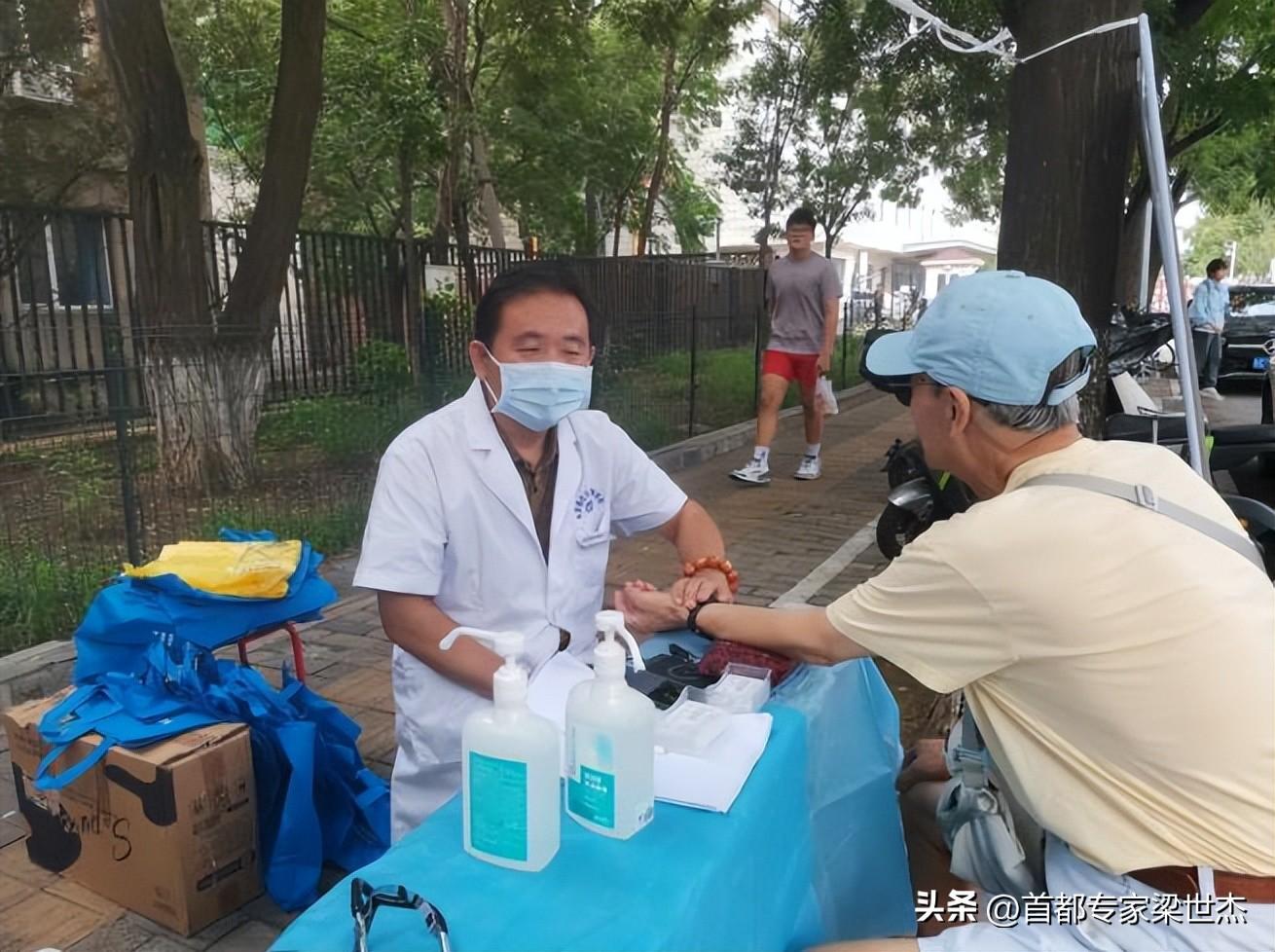
慢性病的治療是一場持久戰、拉鋸戰,療效往往是螺旋式上升的。我們不能因爲一時的困難或者小挫折就放棄治療,也不能因爲一些客觀因素而忽視了自己的健康。作爲患者,我們要積極配合醫生的治療,按時就診調方,不要心疼那點掛號費,也不要怕路途遙遠,畢竟健康是無價的。同時,我們也要了解季節變化對病情的影響,提前做好預防措施。只有這樣,我們才能在這場與慢性病的戰鬥中取得勝利,重新擁抱健康美好的生活。讓我們一起行動起來,跨越這些影響療效的“坑”,向着健康的方向大步前進!
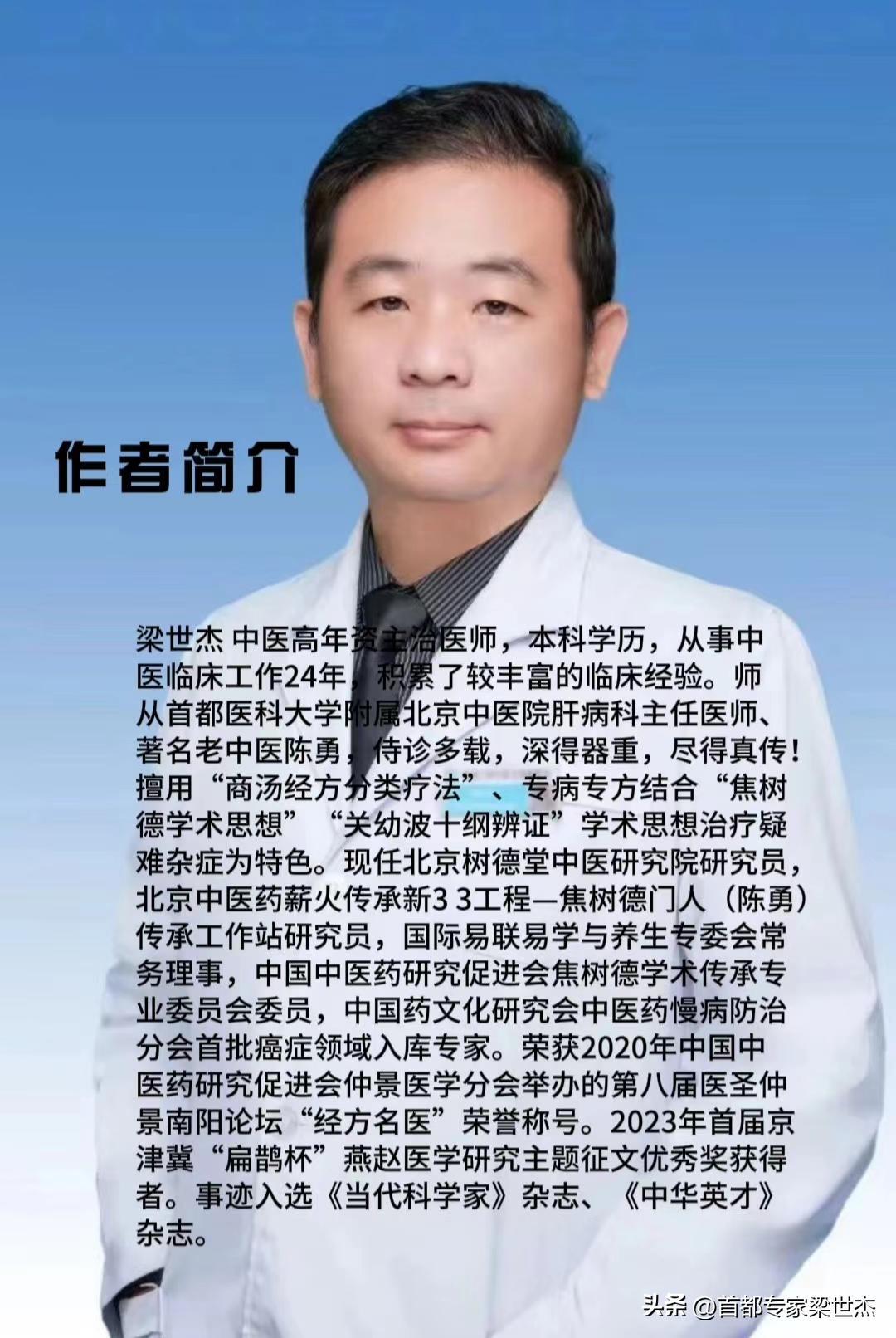
作者簡介:梁世傑 中醫高年資主治醫師,本科學歷,從事中醫臨牀工作24年,積累了較豐富的臨牀經驗。師從首都醫科大學附屬北京中醫院肝病科主任醫師、著名老中醫陳勇,侍診多載,深得器重,盡得真傳!擅用“商湯經方分類療法”、專病專方結合“焦樹德學術思想”“關幼波十綱辨證”學術思想治療疑難雜症爲特色。現任北京樹德堂中醫研究院研究員,北京中醫藥薪火傳承新3+3工程—焦樹德門人(陳勇)傳承工作站研究員,國際易聯易學與養生專委會常務理事,中國中醫藥研究促進會焦樹德學術傳承專業委員會委員,中國藥文化研究會中醫藥慢病防治分會首批癌症領域入庫專家。榮獲2020年中國中醫藥研究促進會仲景醫學分會舉辦的第八屆醫聖仲景南陽論壇“經方名醫”榮譽稱號。2023年首屆京津冀“扁鵲杯”燕趙醫學研究主題徵文優秀獎獲得者。事蹟入選《當代科學家》雜誌、《中華英才》雜誌。
Poor treatment for chronic diseases? Have you stepped on these "holes"?
In the long and painful marathon of treatment of chronic diseases, many patients seem to be trapped in a fog forest, and even though they strive hard, they always see no significant results, and even the condition is erratic, which is heart-wracking. In fact, in addition to the objective factors of the disease itself, there are many objective factor "disturbing" behind this, like stumbling blocks hidden in the dark, and if we don''t pay attention, we will fall overboard. Today, let''s take a closer look at these culprits that affect the efficacy of treatment for chronic diseases.
I. The "condescending" medication misconception: a drug is changed frequently
Some patients with chronic diseases, when they taste the benefits early in treatment, find that a certain formula works, and feel like they have grabbed a life saving straw and will not let go. Or ask the local doctor to copy the recipe and keep eating it as if it is a "miracle cure" for all diseases. Or when they see no visible results in a short period of time, they immediately stop medication and change doctors, like deserters on the battlefield, and flee at a moment''s notice.
This is like fighting a war, where the commander has to be flexible in adjusting his tactics according to the situation on the battlefield. A formula is like a war strategy, which may initially have a certain oppressive effect on the enemy, but the enemy is constantly changing and adapting. If the same regimen is used all the time, like using a rusty knife to chop a hard stone, the knife will become blurry over time, the regimen will lose its effectiveness, and the drug will become "over-the-path" - the drug cannot fight the disease accurately. And changing doctors when they don''t work in the short term is like frequently changing commanders when you don''t know the enemy. The new commander, in turn, has to re-learn the battlefield and re-formulate strategy, not only wasting time, but also might be able to capitalize on the enemy because of incoherent tactics, leading to a "downtime" and inability to effectively control the disease.
According to incomplete statistics, in the treatment of chronic diseases, the proportion of patients whose condition is repeated or aggravated because they cannot consult on time is as high as 30%. Take patients with high blood pressure, for example, some patients have good results when they start taking some kind of blood pressure medication, and their blood pressure is controlled relatively steadily. But over time, the body may become resistant to the drugs or develop other complications, and if the original medication is adhered to, blood pressure may rise again, even triggering more serious cardiovascular disease. However, some patients who have taken a few days of medication find that their blood pressure has not fallen, and immediately change the medication, the new medication may not be effective, and because frequent changes of medication disrupt the body''s regulatory mechanism, causing greater blood pressure fluctuations.
II. The problem of "niceness" and "fear of trouble" re-examining: the double barrier of registration fees and the road
Individual patients have a heartache registered fee, or feel the road is far away, and are unwilling to spend a penny or take a step more on a re-examination. They felt that there were still medications and there was nothing serious wrong with their health anyway, so they didn''t bother to go back to the doctor. But they don''t know that treating a chronic disease is like growing a small tree, which needs to be watered, fertilized and pruned regularly to grow. Without timely follow-up visits, doctors cannot understand the changes in the condition and cannot adjust the treatment plan according to the actual situation. Just like a gardener does not know whether a tree seedling lacks water or whether there are diseases or insects, but can only care blindly. How can a tree grow well?
Surveys have shown that about 40% of patients who do not see a doctor in time because of heartache registered fees, travel expenses or long journeys have experienced varying degrees of deterioration. There was once a man with diabetes mellitus who, at first, followed the doctor''s instructions to take medicine on time and visit doctors regularly, and his blood sugar was well controlled. But then he decided that each visit costs a registration fee and that the hospital is far away and it is very difficult to travel back and forth, so he reduced the number of visits. As a result, his blood sugar gradually increased, and he developed complications such as blurred vision and numbness in his hands and feet, which not only cost more, but also made it much more difficult to treat. It is like a car, if it is not maintained regularly, a small defect will turn into a major failure, and eventually it may not be able to be repaired.
III. The "seasonal prank": the "great test" of the condition in spring and autumn
Spring and autumn, like two mischievous children, always like to make problems for people with chronic diseases. The two seasons are markedly different, with environmental factors such as temperature and humidity varying greatly, which is like opening a "convenience door" to diseases, making them more likely to recur or worsen.
From the perspective of traditional Chinese medicine, in the spring, the qi of the human body is emitted upward and outward. If the qi is insufficient or the yin and yang are imbalanced, it is easy to develop various uncomfortable symptoms. For example, patients with chronic bronchitis are prone to coughing and wheezing in the spring; In autumn, when the weather is dry and dry, it is easy to hurt the lung. The lung governing qi is responsible for breathing. The lung is damaged and the respiratory system is easy to break out. From the perspective of western medicine, seasonal variation will affect the body''s immune system, endocrine system and other functions, so that the body''s resistance to decline, giving illness an opportunity.
According to medical research, in the spring and fall, the recurrence rate of patients with chronic diseases is 20% -30% higher than in other seasons. For example, in the spring and fall season, arthritis patients are affected by the large changes in temperature, and the pressure in the joint cavity is changed, which is easily causing pain, swelling and other symptoms. This is like a bridge, which under severe weather conditions will put more pressure on its structure and be prone to damage.
The treatment of chronic diseases is a long-term battle and a tug of war, and the efficacy is often spiraling upwards. We cannot give up treatment because of a temporary difficulty or small setback, nor can we ignore our health because of some objective factor. As patients, we should actively cooperate with the doctor''s treatment, see the doctor on time, and adjust the prescription. Don''t worry about the registration fee, and don''t be afraid of the long road, after all, health is invaluable. At the same time, we should also understand the impact of seasonal changes on the condition and make preventive measures in advance. Only in this way can we win the battle against chronic disease and re-embrace a healthy and beautiful life. Together, let''s move beyond these "pitches" that affect efficacy and make big strides in the direction of health!
Author Bio: Liang Shijie is a senior medical practitioner in traditional Chinese medicine with an undergraduate degree. He has been engaged in traditional medicine clinical work for 24 years and has accumulated a wealth of clinical experience. Following Chen Yong, chief physician of liver disease at Beijing Traditional Medicine Hospital, affiliated with Capital Medical University, and renowned old Chinese medicine, he has been treated for many years and received great attention. He specializes in the treatment of difficult diseases using "conversational traditional therapy" and special treatments combined with the academic ideas of Jiao Shude and Guan Yubo''s ten-level diagnosis.He is currently a researcher at the Shude Tang TCM Research Institute in Beijing, a fellow at the new 3 + 3 project of traditional Chinese medicine flame inheritance in Beijing - a scholar at the inheritance workstation of Jiao Shude''s protégés (Chen Yong),He is a standing committee member of the International Expert Committee on E-learning and Health Care, a member of the Jiao Shude Academic Heritage Special Committee of the Chinese Association for the Advancement of Chinese Medicine Research, and the first cancer specialist to be included in the chapter of the Chinese Pharmaceutical Culture Research Association. Won the 2020 China Association for the Promotion of Traditional Chinese Medicine Zhongjing Medical Branch held the eighth session of the Medical Saint Zhongjing Nanyang Forum "Classic Prescription Famous Doctor" honorary title. The winner of the first Beijing-Tianjin-Hebei "Pingui Cup" Yanzhao Medical Research Essay Award in 2023. His work was featured in the journal Current Scientist and the journal Chinese Talent.