張仲景避嫌背後的時代悲歌
在那風雲變幻、動盪不安的東漢末年,歷史的車輪無情地碾過,留下一道道滿目瘡痍的轍痕。政治腐敗如毒瘤般侵蝕着王朝的根基,軍閥混戰似狂風暴雨般席捲大地,百姓們在苦難中掙扎,如同風中殘燭,隨時可能熄滅。與此同時,氣候異常與衛生條件的惡劣,更是讓瘟疫如惡魔般肆虐,傷寒等疫病大規模流行,人口銳減,整個社會陷入了一片黑暗與絕望之中。
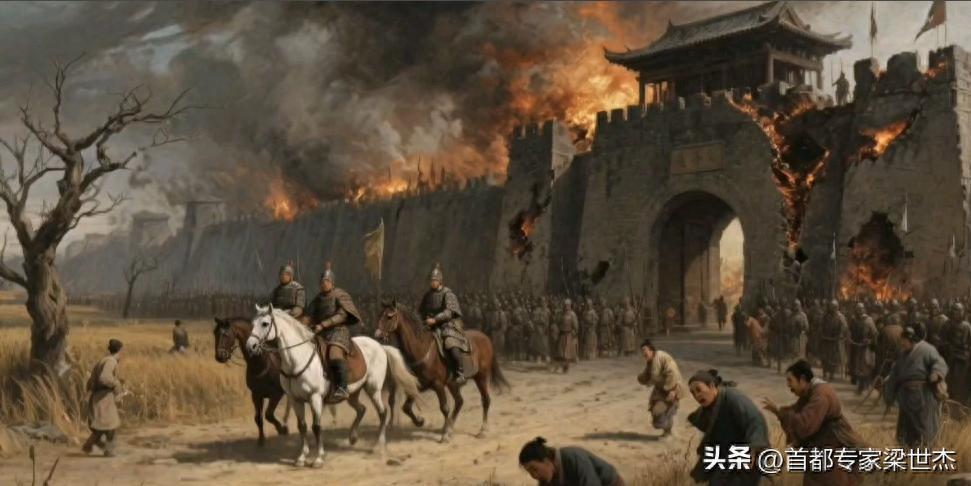
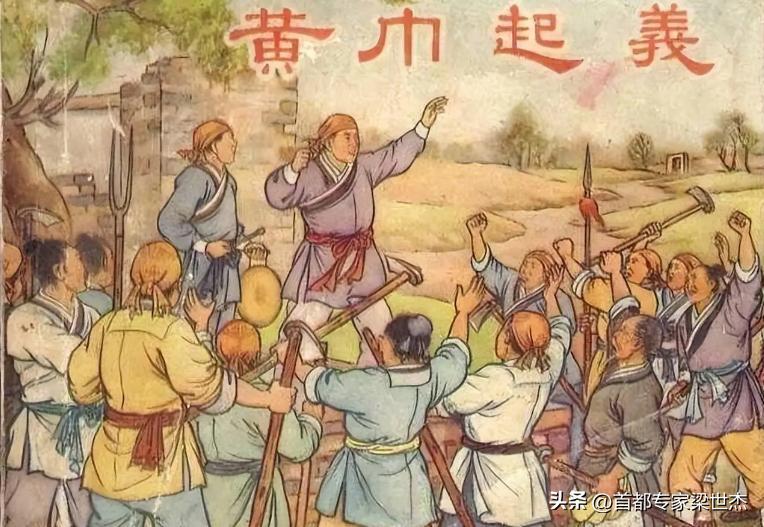
就在這黑暗的深淵邊緣,一場影響深遠的民變——黃巾起義,如一聲驚雷,炸響在歷史的天空。道教領袖張角,以太平道這一原始道教爲旗幟,打着傳道和治病的幌子,在農民羣體中四處宣揚教義,祕密開展活動。十餘年間,其徒衆如野草般瘋長,竟達十萬之衆,遍佈青、徐、幽、冀、荊、揚、兗、豫八州。他們被分爲三十六方,皆是經過訓練的武裝戰鬥人員,猶如三十六把鋒利的匕首,隱藏在社會的各個角落。中平元年(公元184 年),三十六方“一時俱起”,如洶湧的潮水般攻城奪邑,試圖衝破這黑暗的枷鎖。然而,戰爭的殘酷遠超想象,起義最終因作戰失利而走向失敗,部分殘餘勢力竟接受了曹操的收編。
黃巾起義雖未能徹底改變黑暗的社會現狀,卻如一顆投入平靜湖面的巨石,引發了長期的軍閥混戰和地方割據。經濟在這無盡的戰火中凋敝不堪,據史料記載,戰亂地區的經濟產出較戰前下降了近七成;人口銳減更是觸目驚心,許多地區的人口數量不足戰前的三分之一;百姓們流離失所,背井離鄉,據統計,因戰亂而被迫遷移的人口高達數百萬。整個社會陷入了嚴重的無序狀態,道德淪喪,人心惶惶,彷彿世界末日即將來臨。
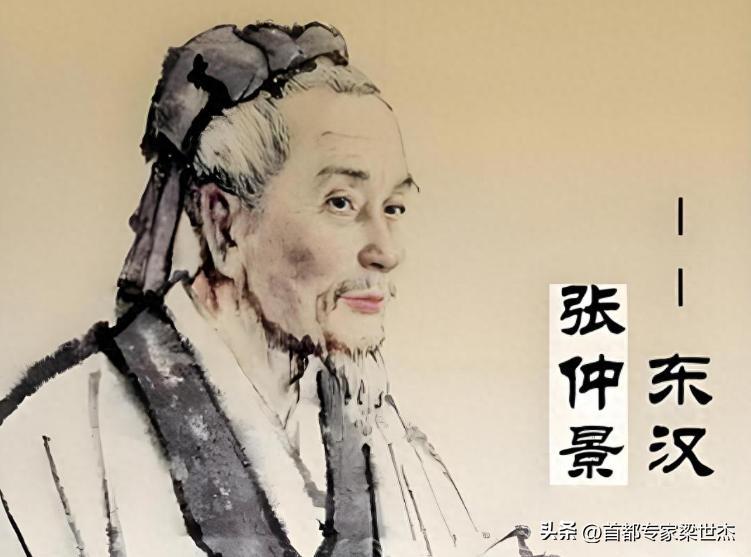
在這黑暗的時代背景下,一位偉大的醫者——張仲景,如同一盞明燈,照亮了人們求生的道路。他撰寫《傷寒雜病論》的初衷,源於東漢末年戰亂頻發、瘟疫肆虐的社會環境,以及其家族遭受傷寒病重創的個人經歷。張仲景在《傷寒雜病論》序言中沉痛地描述當時“家家有殭屍之痛,室室有號泣之哀”,其家族在不到十年內因傷寒病死亡者達三分之二。這一慘狀,如同一把鋒利的匕首,刺痛了他的心,直接激發了他鑽研醫學、救治民衆的決心。
然而,在這看似純粹的醫學追求背後,卻隱藏着張仲景不得已的避嫌之苦衷。當時,道教與政治、社會的關係錯綜複雜,黃巾起義更是將道教推到了風口浪尖。太平道作爲原始道教的一支,與張仲景所處的醫學領域雖看似無關,但在那個敏感的時代,任何與道教相關的元素都可能引發不必要的麻煩。
《湯液經》,這部在醫學史上有着重要地位的醫書,其方劑體系嚴謹有序,方子在前,病症居中,藥物隨後,最後詳細闡述熬製方法與主治病症。而張仲景的《傷寒雜病論》則另闢蹊徑,以病爲先導,先詳細闡述病症的病理病機,再娓娓道來如何進行治療,最後纔給出具體的方藥。這種獨特的編排方式,與《湯液經》形成了鮮明的對比。
張仲景在書中確實學習並運用了《湯液經》的許多藥方,如大青龍、小青龍湯等。但他卻不像《湯液經》那樣將方劑整齊排列,而是前後交錯,讓人難以看出整個體系。他還對一些方劑的名稱進行了更改,將青龍湯安排在太陽篇,白虎湯放到陽明篇,玄武湯改爲真武湯弄到少陰篇,朱鳥變成了黃連阿膠雞子黃湯;陰旦陽旦也改頭換面,桂枝湯本爲陽旦湯,小陽旦湯就是桂枝湯,正陽陽旦是小建中湯,黃芪建中湯則是大陽旦湯。甚至張仲景的小青龍湯在《輔行訣·湯液經》裏是大青龍湯,他所說的麻黃湯在《輔行訣·湯液經》裏就是小青龍湯。
這一切的改變,並非張仲景的無端創新或故意隱晦,而是他在那個特殊時代背景下的無奈之舉。在那個道教與政治緊密相連,黃巾起義餘波未平的時期,任何與道教相關的學術概念和原處方名稱都可能讓他陷入政治漩渦,遭受不必要的猜忌和迫害。爲了避免引起不必要的麻煩,爲了能夠安心地鑽研醫學、救治百姓,他不得不選擇避嫌,對《湯液經》的方藥進行改名、換藥、重新編排。
張仲景的這種避嫌,並非是懦弱的表現,而是一種智慧與擔當。他在黑暗的時代中,以自己的方式堅守着醫者的道德底線,用自己的醫學知識爲百姓撐起一片生命的天空。他的《傷寒雜病論》,不僅是一部醫學經典,更是他在困境中不屈不撓、勇於擔當的精神象徵。
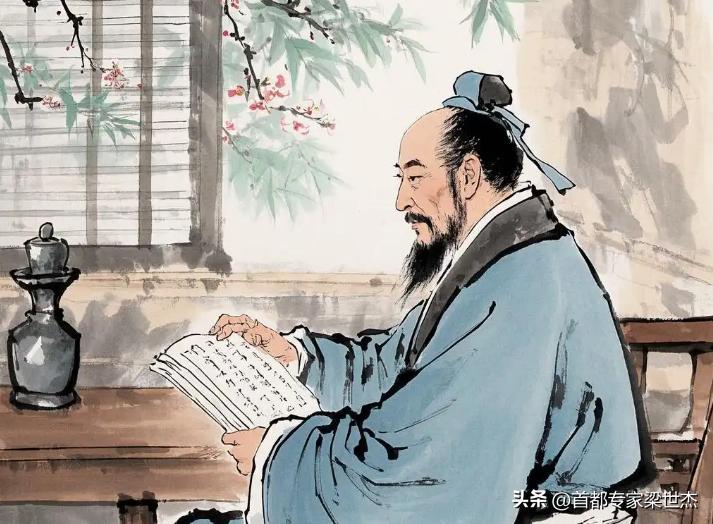
歷史的車輪滾滾向前,東漢末年的黑暗早已成爲過去,但張仲景的精神卻如同一座不朽的豐碑,永遠屹立在醫學的歷史長河中。他讓我們明白,在困境中,我們要堅守自己的信念,勇於擔當責任,用自己的智慧和力量去改變世界,哪怕這力量微不足道,也能在黑暗中綻放出耀眼的光芒。讓我們銘記張仲景,傳承他的精神,在醫學的道路上不斷前行,爲人類的健康事業貢獻自己的力量。
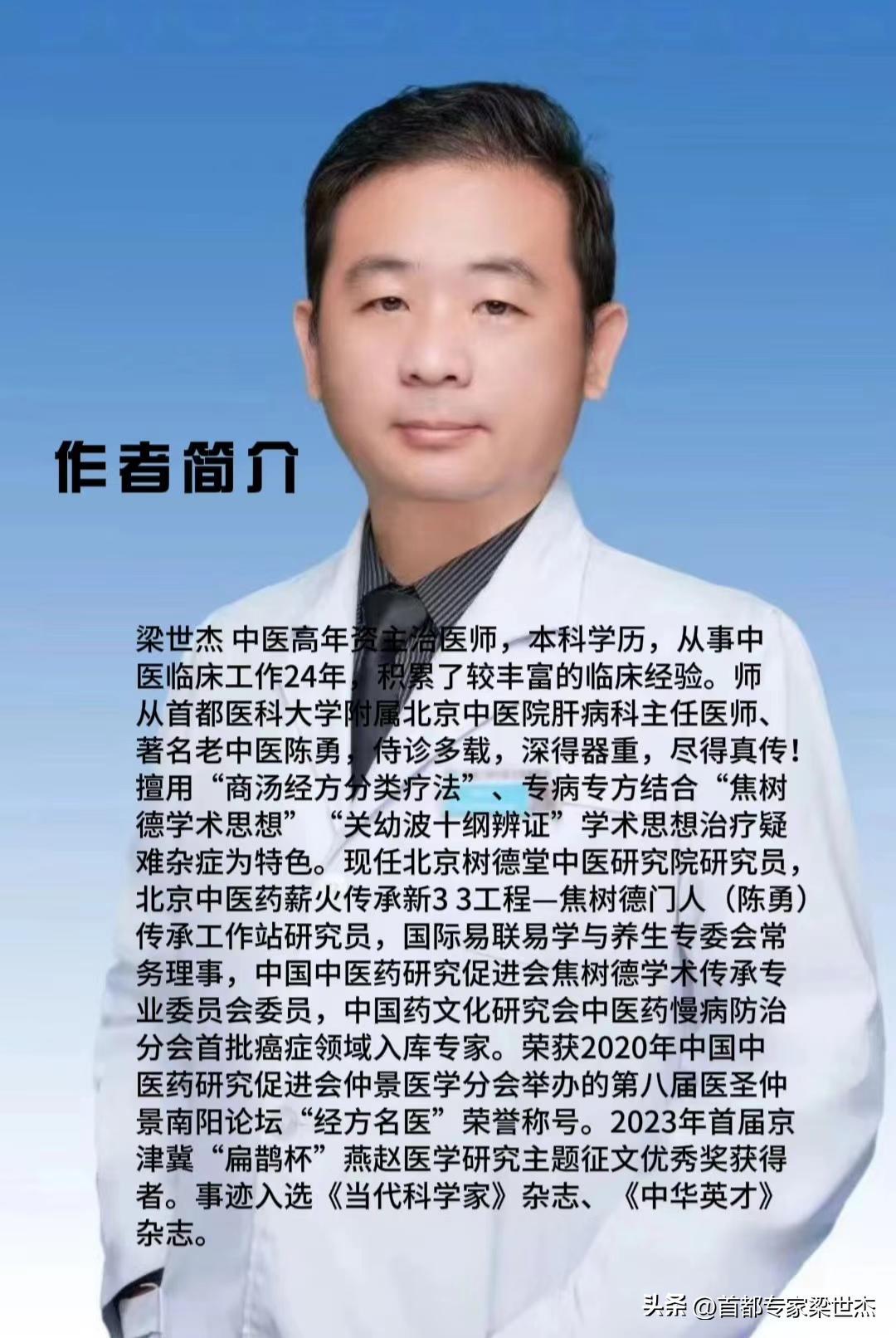
作者簡介:梁世傑 中醫高年資主治醫師,本科學歷,從事中醫臨牀工作24年,積累了較豐富的臨牀經驗。師從首都醫科大學附屬北京中醫院肝病科主任醫師、著名老中醫陳勇,侍診多載,深得器重,盡得真傳!擅用“商湯經方分類療法”、專病專方結合“焦樹德學術思想”“關幼波十綱辨證”學術思想治療疑難雜症爲特色。現任北京樹德堂中醫研究院研究員,北京中醫藥薪火傳承新3+3工程—焦樹德門人(陳勇)傳承工作站研究員,國際易聯易學與養生專委會常務理事,中國中醫藥研究促進會焦樹德學術傳承專業委員會委員,中國藥文化研究會中醫藥慢病防治分會首批癌症領域入庫專家。榮獲2020年中國中醫藥研究促進會仲景醫學分會舉辦的第八屆醫聖仲景南陽論壇“經方名醫”榮譽稱號。2023年首屆京津冀“扁鵲杯”燕趙醫學研究主題徵文優秀獎獲得者。事蹟入選《當代科學家》雜誌、《中華英才》雜誌。
The Tragic Tale Behind Zhang Zhongjing''s Actions to Avoid Conflict of Interest
In the tumultuous and unstable late Eastern Han Dynasty, the wheels of history relentlessly rolled forward, leaving behind a trail of devastation and destruction. Political corruption festered like a malignant tumor, threatening the very foundation of the dynasty. Warlord conflicts raged like wild storms, engulfing the land. The common people struggled against their hardships, akin to a flickering candle in the wind, with the potential to extinguish at any moment. Simultaneously, the abnormal climate and poor sanitary conditions further exacerbated the spread of diseases, with plagues and epidemics such as typhoid fever becoming widespread. The population plummeted, plunging the entire society into a state of darkness and despair.
At the edge of this dark abyss, a far-reaching popular uprising, the Yellow Turban Rebellion, erupted like a thunderclap in the annals of history. Zhang Jue, a leader of the Taoist sect known as the Taiping Sect, used this primitive form of Taoism as a rallying cry, spreading his teachings and offering medical treatments under the guise of spreading the faith. Over a period of more than a decade, his followers grew like wild grass, eventually numbering in the hundreds of thousands and spreading across the eight provinces of Qing, Xu, You, Ji, Jing, Yang, Yuan, and Yu. These followers were organized into thirty-six factions, each consisting of trained fighters who functioned like thirty-six sharp daggers, hidden in various parts of society. In the first year of the Zhongping era (184 AD), the thirty-six factions "rose simultaneously," attacking cities and towns like a surging tide, attempting to break free from the shackles of oppression. However, the brutality of the conflict surpassed all expectations, and the rebellion ultimately ended in defeat due to military setbacks. Some remnants of the rebellion even accepted incorporation into the forces of Cao Cao.
Although the Yellow Turban Rebellion failed to bring about a complete transformation of the dark social conditions, it acted like a massive stone thrown into a tranquil lake, triggering a prolonged period of warlord conflicts and regional fragmentation. The economy suffered greatly due to these endless wars, with historical records indicating that the economic output in war-torn regions decreased by nearly 70% compared to the pre-war period. The drastic reduction in population was particularly alarming, with many regions experiencing a decline in population to less than one-third of their pre-war levels. The people were displaced and forced to leave their homes; according to statistics, millions of people were displaced due to the wars. The entire society was engulfed in a state of severe disorder, with moral decay, widespread anxiety, and a sense that the end of the world was approaching.
Against the backdrop of this dark era, a great physician named Zhang Zhongjing served as a beacon, illuminating the path for people seeking survival. The primary motivation behind Zhang Zhongjing''s writing of "Treatise on Febrile and Miscellaneous Diseases" was rooted in the chaotic and war-torn social environment of the late Eastern Han Dynasty, as well as his personal experience of suffering from severe illnesses within his family. In the preface to "Treatise on Febril and Miscellaneous Diseases," Zhang Zhongjing poignantly described the situation of "every household experiencing the pain of death and every household mourning the loss of loved ones." His family lost up to two-thirds of its members due to febrile diseases within a span of less than ten years. This tragic scenario, like a sharp dagger, struck deep into his heart and directly fueled his determination to study medicine and help save people''s lives.
However, behind this seemingly pure pursuit of medicine lies Zhang Zhongjing''s unavoidable desire to distance himself from any potential conflicts of interest. At that time, the relationship between Taoism and politics, as well as society, was intricate, and the Yellow Turban Rebellion further thrust Taoism into the spotlight. As a branch of primitive Taoism, the Taiping Dao, although seemingly unrelated to the medical field in which Zhang Zhongjing worked, any element related to Taoism during that sensitive period could potentially lead to unnecessary trouble.
The "Tangye Jing," a medical text that holds significant importance in the history of medicine, features a meticulously organized system of prescriptions. The formulas are presented first, followed by the corresponding diseases, then the medications, and finally, there is a detailed explanation of the preparation methods and the primary conditions being treated. Zhang Zhongjing''s "Treatise on Febrile and Miscellaneous Diseases," on the other hand, takes a different approach. It begins by elaborating on the pathological mechanisms and conditions of the diseases, then proceeds to describe the treatment methods, and finally provides specific prescriptions. This unique arrangement contrasts sharply with that of the "Tangye Jing."
Zhang Zhongjing did indeed study and apply many of the formulas from the "Tangye Jing" in his book, such as the Da Qinglong and Xiao Qinglong Decoctions. However, unlike the "Tangye Jing," where the formulas are presented in a structured and organized manner, Zhang Zhongjing arranged them in a way that made it difficult to discern the overall system. He also modified some of the names of the formulas, placing the Qinglong Decoction in the "Taiyang" chapter, the Baiwu Decoction in the "Yangming" chapter, changing the name of the Xuanwu Decoction to Zhenwu Decoction and placing it in the "Xiuyin" chapter, transforming the Zhuoniao Decoction into the Huanglian Jia''E Jiyu Huang Decoction; Yin Dan and Yang Dan were also rebranded, with the Gui Zhi Decoction originally being the Yang Dan Decoction, the Xiao Yang Dan Decoction being the Gui Zhi Decoction, the Zheng Yang Yang Dan Decoction being the Xiao Jianzhong Decoction, and the Huangqi Jianzhong Decoction being the Da Yang Dan Decoction. Even Zhang Zhongjing''s Xiao Qinglong Decoction was referred to as Da Qinglong Decoction in the "Fu Xing Jue · Tangye Jing," and the formula he described as "Ma Huang Decoction" in the same text was actually Xiao Qinglong Decoction.
These changes were not the result of Zhang Zhongjing''s arbitrary innovation or deliberate obfuscation, but rather a pragmatic response to the circumstances of that particular era. In a time when Taoism was intricately linked with politics and the aftermath of the Huangjin Uprising was still unsettled, any academic concept or original prescription name related to Taoism could potentially lead him into political trouble, resulting in unwarranted suspicion and persecution. To avoid causing unnecessary complications and to be able to focus on studying medicine and treating the populace with peace of mind, he had no choice but to distance himself and rename, alter, and reorganize the formulas in the "Tangye Jing."
Zhang Zhongjing''s approach of avoiding involvement is not a sign of weakness, but rather a demonstration of wisdom and responsibility. In a time of darkness, he upheld the ethical standards of a physician, using his medical knowledge to provide hope and safety to the people. His "Treatise on Febrile and Miscellaneous Diseases" is not just a medical classic, but also a symbol of his indomitable spirit and willingness to take responsibility in challenging circumstances.
The wheels of history are rolling forward, and the darkness of the late Eastern Han Dynasty is already a thing of the past. However, Zhang Zhongjing''s spirit stands as an enduring monument, ever-present in the annals of medical history. It reminds us that, even in challenging times, we should hold fast to our convictions, be willing to take responsibility, and use our wisdom and strength to make a difference in the world, even if our efforts may seem insignificant. Let us remember Zhang Zhongjing, carry forward his spirit, and continue to advance along the path of medicine, contributing our own efforts to the cause of human health.
Author Bio: Liang Shijie is a senior medical practitioner in traditional Chinese medicine with an undergraduate degree. He has been engaged in traditional medicine clinical work for 24 years and has accumulated a wealth of clinical experience. Following Chen Yong, chief physician of liver disease at Beijing Traditional Medicine Hospital, affiliated with Capital Medical University, and renowned old Chinese medicine, he has been treated for many years and received great attention. He specializes in the treatment of difficult diseases using "conversational traditional therapy" and special treatments combined with the academic ideas of Jiao Shude and Guan Yubo''s ten-level diagnosis.He is currently a researcher at the Shude Tang TCM Research Institute in Beijing, a fellow at the new 3 + 3 project of traditional Chinese medicine flame inheritance in Beijing - a scholar at the inheritance workstation of Jiao Shude''s protégés (Chen Yong),He is a standing committee member of the International Expert Committee on E-learning and Health Care, a member of the Jiao Shude Academic Heritage Special Committee of the Chinese Association for the Advancement of Chinese Medicine Research, and the first cancer specialist to be included in the chapter of the Chinese Pharmaceutical Culture Research Association. Won the 2020 China Association for the Promotion of Traditional Chinese Medicine Zhongjing Medical Branch held the eighth session of the Medical Saint Zhongjing Nanyang Forum "Classic Prescription Famous Doctor" honorary title. The winner of the first Beijing-Tianjin-Hebei "Pingui Cup" Yanzhao Medical Research Essay Award in 2023. His work was featured in the journal Current Scientist and the journal Chinese Talent.