金元醫道:一場關乎學術的爭鳴
在歷史的長河中,醫學的發展猶如波瀾壯闊的史詩,每一頁都寫滿了人類與疾病抗爭的智慧與勇氣。金元時期,那片古老而神祕的土地上,一場醫學領域的激烈爭鳴,如同一場驚心動魄的烽火,照亮了中醫發展的漫漫征途,其影響深遠……
時代侷限下的醫學困局
張仲景,這位中醫史上的巨擘,其《傷寒雜病論》宛如一座巍峨的豐碑,矗立在中醫發展的道路上。然而,受時代的桎梏,他亦未能窮盡中醫對傳染病治療的全部奧祕。彼時,辛溫解表是唯一的治療手段,而辛涼解表的方法尚未誕生,這無疑是一大侷限。
據史料記載,在東晉時期,傷寒病如同一片陰霾,籠罩着人們的健康。許多人對其下包含的衆多疾病和證候混淆不清,無法做到精準的辨證論治。葛洪在《肘後方》中雖提出用大蔥、豆豉煎湯發汗治療外感病,可這僅僅是初步的探索,未能從根本上突破辛溫解表的侷限。
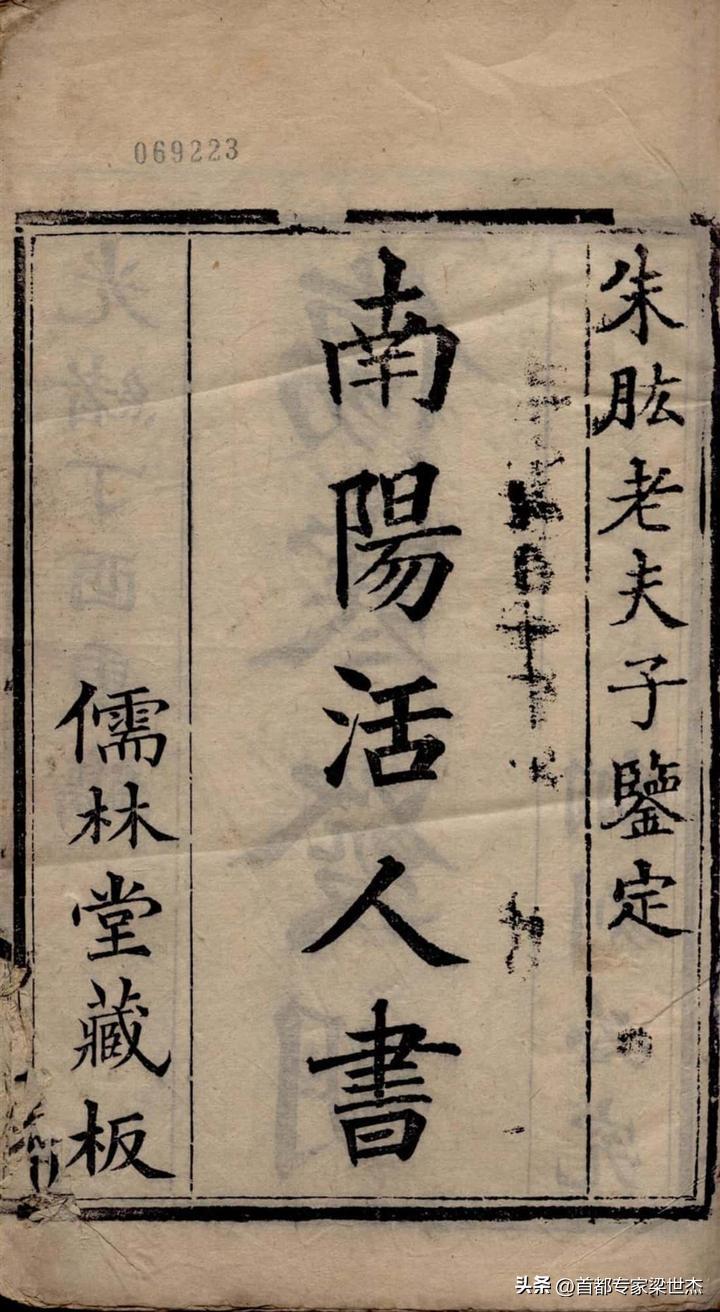
到了宋代,傷寒學家韓祗和勇敢地站了出來,他反對張仲景的麻黃湯、桂枝湯辛溫發汗之法,在《傷寒微旨論》中創立了偏於辛涼的發汗解表藥方。這一創舉,如同在黑暗中點燃了一盞明燈,爲醫學的發展帶來了新的希望。龐安常的《傷寒總病論》和朱肱的《南陽活人書》也紛紛響應,提出在春夏季節或南方使用張仲景方劑時應加入涼藥,這實際上是對辛溫解表的一種改良,儘管在理論上尚未闡述透徹,但已邁出了重要的一步。
寒涼與攻下:創新與爭議並存
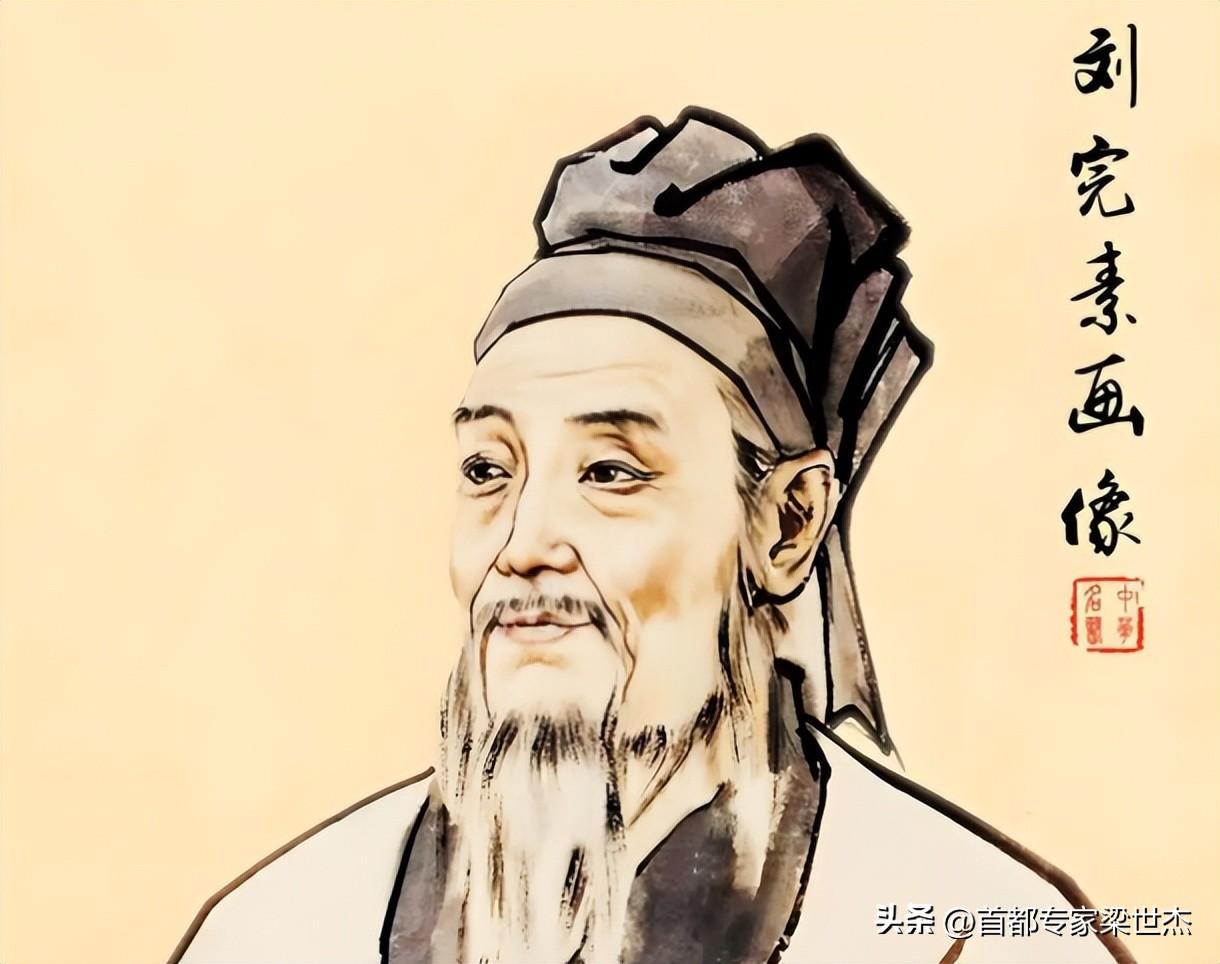
金代,劉完素如一顆耀眼的流星劃過醫學的天空。他大張旗鼓地提倡用寒涼方法治療傷寒熱病,認爲傷寒發病後從頭到尾皆是熱病,不能使用熱藥發汗,而應採用涼藥治療。他自創的涼膈散、雙解散等方藥,既能發汗解表,又能兼清在裏之鬱熱,臨牀療效頗高,一時之間,學習他的人如潮水般湧來,形成了寒涼派,亦稱“河間學派”。
張子和對劉完素的學說推崇備至,並將其發揮到了極致,形成了“攻下派”。他主張“百病皆邪”,認爲所有疾病皆由邪氣引起,根據邪氣所在部位的不同,分別採用發汗、吐法、下法進行治療。劉完素和張子和的學說,猶如兩把鋒利的寶劍,在醫學的戰場上披荊斬棘,取得了顯著的療效,深受學者歡迎。
然而,任何創新都伴隨着風險。劉完素寒涼治傷寒、張子和攻下治百病,若不善於掌握適應症,或“擴大化應用”,就可能損傷人體正氣,造成不良後果。就像《金史·張元素傳》中所記載的那個故事,劉完素因年老體衰,感受風寒後,按照自己的思路開方服藥,卻不見療效。張元素一語道破其中關鍵:臨牀病證複雜多樣,對於平素體質陽氣不足、寒邪未入裏化熱的患者,仍需大膽使用辛溫解表;若表寒證象重或天氣過於寒冷,使用涼膈散、雙解散會導致發汗無力、陽氣受挫,疾病遷延不愈。這一故事,如同一記警鐘,提醒着後人在追求創新的同時,不可忽視醫學的嚴謹性和個體差異。
內傷外感:辨惑與傳承的征程
在中醫學的歷史長河中,外感熱病傷寒與內科雜病的治療,猶如兩條不同的河流,有着各自的特點和規律。外感熱病傷寒大多屬於熱性實證,可攻可下;而內科雜病多爲慢性病,常見正氣虛損證候,需以補益爲主。然而,在劉河間寒涼派、張子和攻下派學說盛行之後,許多學習者不加辨別地套用他們的方藥,造成了諸多弊端。當時甚至流行一種“無病服藥”的療法,類似於今天的“排毒療法”,聲稱春天服用催吐、瀉下藥物可排出冬天積累的火氣,防病強身、延年益壽。這種濫用攻下的做法,無疑是對人體健康的極大傷害。
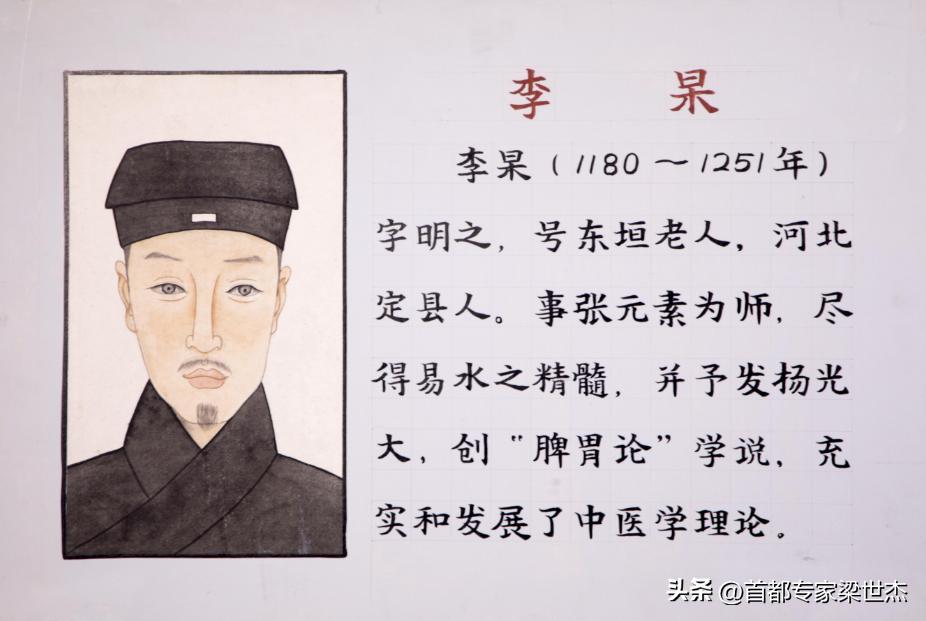
李杲,這位醫學界的智者,敏銳地察覺到了這一問題的嚴重性。他寫作了《內外傷辨惑論》《脾胃論》,區分外感病與內傷病的不同治療方法,提出“脾胃一虛,百病由生”的觀點,善於使用補中益氣、昇陽散火的方法治療疾病,取得了前所未有的療效,被後人稱爲“補土派”。
李杲不僅醫術高超,更有着高尚的醫德。他家庭富有,學習醫學並非爲了生計,而是爲了救民疾苦。當羅天益前來拜師時,他首先詢問羅天益是來學衣食醫還是傳道醫。得知羅天益願學傳道醫後,他拿出金錢資助羅天益,讓他安心學習。他語重心長地說:“我的醫學創造,不爲你羅天益,也不爲我李杲,爲的是天下的黎民百姓。”這份博大的胸懷和高尚的情操,令人動容。羅天益不負師恩,不僅行醫天下,爲民解除痛苦,還撰寫了《衛生寶鑑》,弘揚中醫學,傳承老師開創的內傷溫補學說。
滋陰學說:江南醫學的新曙光
明朝時期,醫學的思想中心逐漸從北方轉移到了江南。朱丹溪,這位醫學界的傳奇人物,如同一顆璀璨的明星,在江南的天空中閃耀着獨特的光芒。他30歲時,母親患病,衆醫束手無策,這讓他立志學醫。他刻苦鑽研《素問》等醫學典籍,克服重重困難,經過5年的勤奮苦學,不僅治好了母親的病,也爲日後的醫學事業打下了堅實的基礎。
後來,朱丹溪四處求學,歷經波折,終於拜羅知悌爲師。羅知悌精於醫,得金劉完素之學,旁參張從正、李東垣兩家。在羅知悌的悉心教導下,朱丹溪的醫術有了長足的進步。他經過長期實踐,總結出“陰易乏,陽易亢,攻擊宜詳審,正氣須保護”的重要論點,爲創立丹溪學派奠定了堅實的基礎。
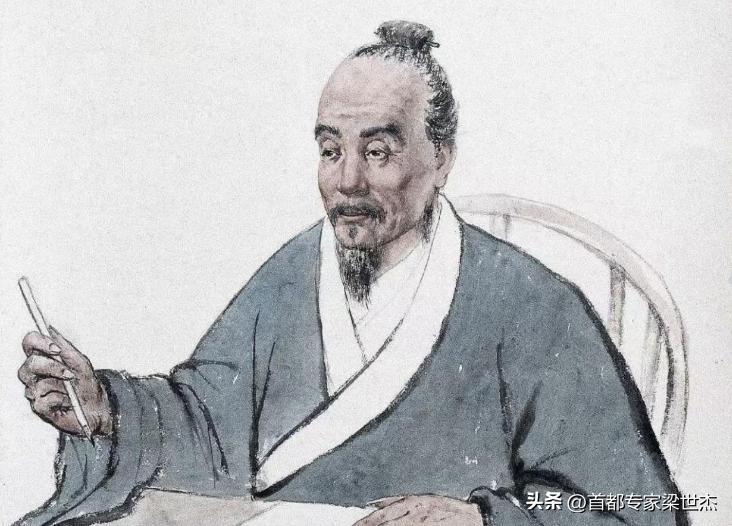
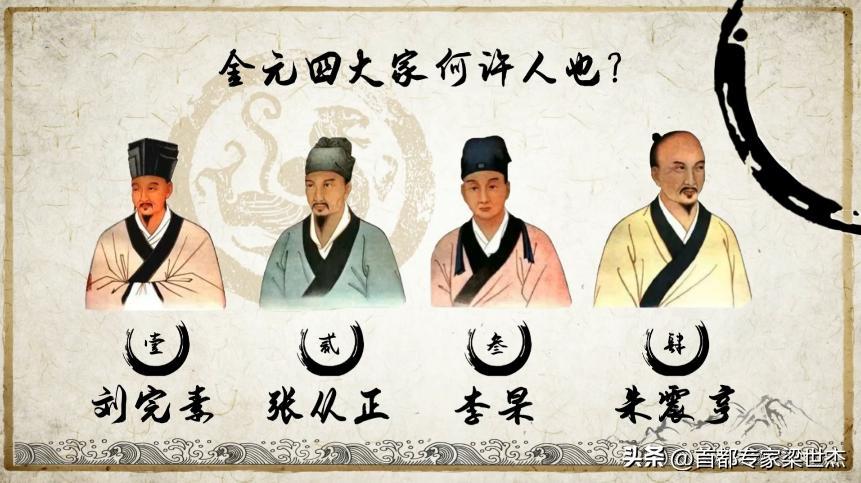
朱丹溪倡導滋陰學說,他認爲人體陰氣易虧,陽氣易亢,治療時應注重保護正氣,謹慎使用攻擊性的方法。他的學說如同一股清泉,爲江南醫學的發展帶來了新的活力。後人將他與劉完素、張從正、李東垣一起,譽爲“金元四大醫家”,他們的學說和思想,如同四座巍峨的山峯,撐起了中醫發展的天空。
醫學爭鳴:生命至上的永恆追求
金元四大家的相互爭鳴,是一場關乎生命健康的學術盛宴。他們各自提出了獨特的理論和治療方法,在碰撞中激發出智慧的火花,在交流中推動了醫學的進步。這場爭鳴,讓我們深刻認識到外感內傷要分開治療,不能盲目套用方藥,否則會對身體造成傷害。
據統計,在現代醫學實踐中,因誤用藥物或治療方法不當而導致的醫療事故屢見不鮮。這警示着我們,醫學是一門嚴謹的科學,必須尊重個體差異,遵循醫學規律。金元四大家的爭鳴,爲我們樹立了榜樣,他們以生命至上爲宗旨,不斷探索和創新,爲人類的健康事業做出了巨大貢獻。
如今,我們站在巨人的肩膀上,回顧金元醫學爭鳴的歷史,更應汲取其中的智慧和力量。在醫學的道路上,我們要保持嚴謹的態度,勇於創新,同時要注重傳承和發揚前人的優秀成果。讓我們以金元四大家爲楷模,爲了人類的健康事業,不斷前行,書寫屬於我們這個時代的醫學華章。因爲,在生命的面前,我們永遠都是探索者,永遠都在追求着那無盡的真理和光明。
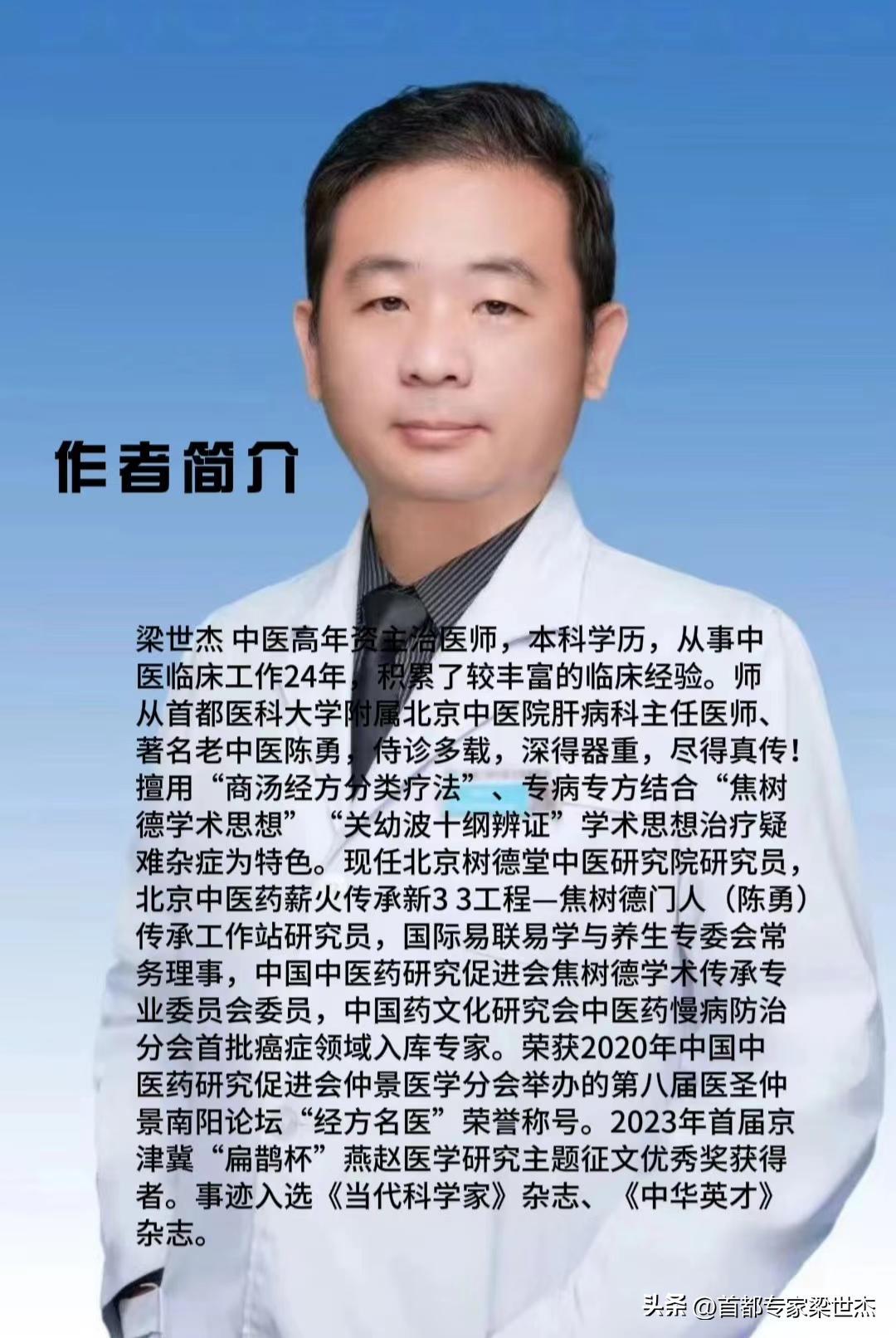
作者簡介:梁世傑 中醫高年資主治醫師,本科學歷,從事中醫臨牀工作24年,積累了較豐富的臨牀經驗。師從首都醫科大學附屬北京中醫院肝病科主任醫師、著名老中醫陳勇,侍診多載,深得器重,盡得真傳!擅用“商湯經方分類療法”、專病專方結合“焦樹德學術思想”“關幼波十綱辨證”學術思想治療疑難雜症爲特色。現任北京樹德堂中醫研究院研究員,北京中醫藥薪火傳承新3+3工程—焦樹德門人(陳勇)傳承工作站研究員,國際易聯易學與養生專委會常務理事,中國中醫藥研究促進會焦樹德學術傳承專業委員會委員,中國藥文化研究會中醫藥慢病防治分會首批癌症領域入庫專家。榮獲2020年中國中醫藥研究促進會仲景醫學分會舉辦的第八屆醫聖仲景南陽論壇“經方名醫”榮譽稱號。2023年首屆京津冀“扁鵲杯”燕趙醫學研究主題徵文優秀獎獲得者。事蹟入選《當代科學家》雜誌、《中華英才》雜誌。
The Gold and Yuan Debate: An Academic Fire that Matters to Life
In the long history, the development of medicine is like a magnificent epic, and each page is filled with the wisdom and courage of mankind to fight disease. During the Golden Yuan period, in that ancient and mysterious land, a fierce battle in the field of medicine, like a heart-rending fire, illuminated the long journey of the development of traditional Chinese medicine, and its impact was profound.
Medical dilemmas within the limits of the times
Zhang Zhongjing, a giant in the history of traditional Chinese medicine, has a monumental theory of typhoid fever that stands on the road to the development of traditional medicine. However, under the yoke of the times, he was unable to exhaust the full mysteries of traditional Chinese medicine for the treatment of infectious diseases. At that time, simvastatin was the only treatment, and simvastatin methods had not yet been invented, which was undoubtedly a major limitation.
According to historical records, in the Eastern Jin Dynasty, typhoid fever was like a shadow that enveloped people''s health. Many people are so confused about the many diseases and symptoms that they cannot accurately diagnose and treat them. Although Ge Hong proposed in "Behind the elbow" to use scallops and tempeh to sweat to treat external infections, this was only a preliminary exploration and failed to fundamentally break through the limitations of Sinovac.
In the Song Dynasty, typhoid scholar Han Jihe bravely stood up. He opposed Zhang Zhongjing''s method of sweating with a combination of ephedra and guiyang soup, and founded a more sinister prescription for sweating and relieving the symptoms in the "Minanism of Typhoid." This initiative, like lighting a bright light in the darkness, brought new hope for the development of medicine. Pang Anchang''s The General Theory of Typhoid and Zhu Zuo''s The Book of Living People in Nanyang also responded. The suggestion that a cold medicine should be added when using Zhang Zhongjing''s prescription in spring and summer or in the South is in fact an improvement of the Sinovac prescription, although it has not been thoroughly explained in theory, but has taken an important step.
Cold and Attack: Innovation and controversy coexist
Kim Dae and Liu Junsu were like a dazzling meteor across the medical sky. He advocated with great fanfare the use of cold methods to treat typhoid fever, believing that typhoid is a fever from start to finish after the illness, and that it cannot be sweated with hot medicine, but should be treated with cold medicine. His own prescriptions for cool diarrhoea and double dissolution, which could both sweat and dissolve the symptoms of depression in the body, were highly effective in clinical treatment. In a few moments, people who had studied him came in as a tide, forming the cool school, also known as the "river school."
Zhang Ziwa highly admired Liu Guansu''s doctrine and played it to the extreme, forming the "attacking party." He maintained that "all diseases are evil," believing that all diseases are caused by evil spirits, and according to the location of evil spirit, sweating, spitting, and lowering are treated respectively. The doctrines of Liu Junsu and Zhang Zihe, like two sharp swords, have broken down thorns in the battlefield of medicine and achieved remarkable therapeutic effects, which have been widely welcomed by scholars.
However, any innovation comes with risks. Liu Chuansu treated typhoid, chikungu and a hundred diseases coldly, but if he is not good at mastering the indications or "expanding the application," he may damage the human qi, causing undesirable consequences. As is the story reported in the Jin Shi Chronicle of Zhang Yuanyuan, Liu Guansu suffered from age-related illnesses and felt the cold, and took a prescription of medication according to his own thinking, but saw no effectiveness. Zhang Yin said that there is a key point: the clinical evidence is complex and diverse. For patients with insufficient testosterone in the normal body and colds that do not enter into the fever, it is still necessary to boldly use a systolic scale. If cold symptoms are severe or the weather is too cold, the use of cold diaphragm or double dissolution will cause weak sweating, frustration of the yang, and prolongation of the disease. This story is a wake-up call for future generations to not lose sight of the rigor and individual differences of medicine while pursuing innovation.
Inside and outside: The Journey of Discovery and Heritage
In the long history of Chinese medicine, the treatment of exposure to fever, typhoid fever and internal medicine disorders are like two different rivers with their respective characteristics and laws. Most of the cases of exposure to fever typhoid are thermal evidence and can be attacked or treated. However, medical problems are mostly chronic diseases, and the symptoms of hypoxia and hypoxia are common, and need to be mainly supplemented. However, after the prevalence of the doctrines of Liuhe-Shi, Zhang Zi, and Attackon, many learners applied their prescription drugs indiscriminately, causing a number of disadvantages. At that time, there was even a popular "drug-free" treatment, similar to today''s "detoxification therapy," which claimed that taking exhalation and laxative drugs in spring could drain the accumulated fever from winter, prevent illness, strengthen the body, and prolong life. Such abusive practices undoubtedly cause great harm to human health.
Li Jiong, a wise man in medicine, was acutely aware of the seriousness of the problem. He wrote The Theory of Internal Injury and the Theory of Spleen, He distinguished the different treatment methods of foreign sickness from internal injury diseases, proposed the view that "a weakened spleen and stomach leads to the development of a hundred diseases." He was good at treating diseases using the methods of healing the middle, enhancing the qi, raising the yang and slashing the fire. He achieved unprecedented therapeutic results, and was called "healing the earth" by posterity.
Li Jio was not only skilled in medicine, but also had noble medical ethics. He had a wealthy family and studied medicine not for a living, but to save the lives of the people. When Luo Tianyi came to visit his teachers, he first asked Luo Tianyyi whether he had come to learn to be a dietitian or a preacher. After learning that Luo Tianyi would like to study as an evangelist, he offered money to support Luo Tianyie so that he could have peace of mind to study. He said with great emphasis, "My medical creations are not for you to benefit, nor for me, but for the people of the world." This enormous heart and noble disposition is touching. Luo Tianyi did not live up to his teachings. He not only practiced medicine all over the world to alleviate the suffering of the people, but also wrote "Treasures of Health," promoting Chinese medicine and inheriting the doctrine of healing internal injuries pioneered by his teacher.
The theory of yin and yang: the new dawn of Jiangnan medicine
During the Ming Dynasty, the ideological center of medicine gradually moved from the north to the south of the Yangtze River. Zhu Danxi, a legend in the medical field, is like a shining star that shines a unique light in the skies of Jiangnan. When he was 30 years old, his mother was ill and the doctors were unable to help, which made him decide to study medicine. He painstakingly studied medical textbooks such as The Usual Questionnaire, overcame many difficulties, and after five years of hard work, he not only cured his mother''s illness, but also laid a solid foundation for his future medical career.
Later, Jiudan went around to study, and went through many trials, and finally came to believer Joel Jie as a teacher. Luo Zhiji was a good doctor and learned from Jin Liu Junsu, and he visited the family of Zhang Zhongzheng and Li Dongjing. Under the careful teaching of Luo Jizhi, the healing arts at Judan Creek made great progress. After long-term practice, he concluded the important arguments that "the yin is prone to lack of energy, the yang is prone, the attack should be reviewed carefully, and the right spirit must be protected," laying a solid foundation for the creation of the Danxi School.
Chudanxi advocated the doctrine of yin shui, believing that the human body is prone to hypoxia and hyperaxia, and that treatment should focus on protecting the positive qi and using aggressive methods with caution. His teachings were like a spring that brought new vitality to the development of Jiangnan medicine. Later generations will associate him with Liu Guansu, Zhang Zunzheng, and Li Dongjian as "the four great healers of the Golden Yuan." Their teachings and ideas, like four mountains, supported the sky for the development of traditional Chinese medicine.
The Medical Debate: The Eternal Quest for the Preservation of Life
The fight between the four dynasties of the Golden and Yuan is an academic feast about life and health. They each proposed unique theories and treatments, sparked a spark of wisdom in collisions, and advanced medicine in communication. This controversy has given us a deep understanding that external injuries should be treated separately, and we cannot blindly apply prescription drugs, otherwise they will cause harm to the body.
According to statistics, in modern medical practice, medical malpractice caused by the misuse of drugs or improper treatment methods is not uncommon. This is a reminder that medicine is a rigorous science and we must respect individual differences and follow the rules of medicine. The struggles of the Golden and Yuan families have set an example for us. They put life first, continuously explore and innovate, and have made great contributions to human health.
Now, as we stand on the giant''s shoulders and look back at the history of the gold-and-silver medical controversy, we should draw wisdom and strength from it. In the path of medicine, we must maintain a rigorous attitude and be courageous in innovation, while paying attention to inheriting and developing the outstanding results of previous people. Let us follow the example of the four gold and yuan people, continue to advance for the cause of human health, and write the medical chapter of our time. For, in the face of life, we are always explorers, always in pursuit of the endless truth and light.
Author Bio: Liang Shijie is a senior medical practitioner in traditional Chinese medicine with an undergraduate degree. He has been engaged in traditional medicine clinical work for 24 years and has accumulated a wealth of clinical experience. Following Chen Yong, chief physician of liver disease at Beijing Traditional Medicine Hospital, affiliated with Capital Medical University, and renowned old Chinese medicine, he has been treated for many years and received great attention. He specializes in the treatment of difficult diseases using "conversational traditional therapy" and special treatments combined with the academic ideas of Jiao Shude and Guan Yubo''s ten-level diagnosis.He is currently a researcher at the Shude Tang TCM Research Institute in Beijing, a fellow at the new 3 + 3 project of traditional Chinese medicine flame inheritance in Beijing - a scholar at the inheritance workstation of Jiao Shude''s protégés (Chen Yong),He is a standing committee member of the International Expert Committee on E-learning and Health Care, a member of the Jiao Shude Academic Heritage Special Committee of the Chinese Association for the Advancement of Chinese Medicine Research, and the first cancer specialist to be included in the chapter of the Chinese Pharmaceutical Culture Research Association. Won the 2020 China Association for the Promotion of Traditional Chinese Medicine Zhongjing Medical Branch held the eighth session of the Medical Saint Zhongjing Nanyang Forum "Classic Prescription Famous Doctor" honorary title. The winner of the first Beijing-Tianjin-Hebei "Pingui Cup" Yanzhao Medical Research Essay Award in 2023. His work was featured in the journal Current Scientist and the journal Chinese Talent.