梁世傑:多因素現代病如何破局?
在這繁華又喧囂的現代世界裏,疾病如影隨形,像隱藏在暗處的幽靈,悄無聲息地侵襲着人們的健康。尤其是那“多因素”的現代疾病,以及“多網絡因素”繁複如迷宮的中老年慢性病,在歲月的悄然流轉中,如潛藏的暗流,逐漸湧動出巨大的波瀾,而此時,中醫的優勢恰似那破雲而出的曙光,愈發凸顯出來。
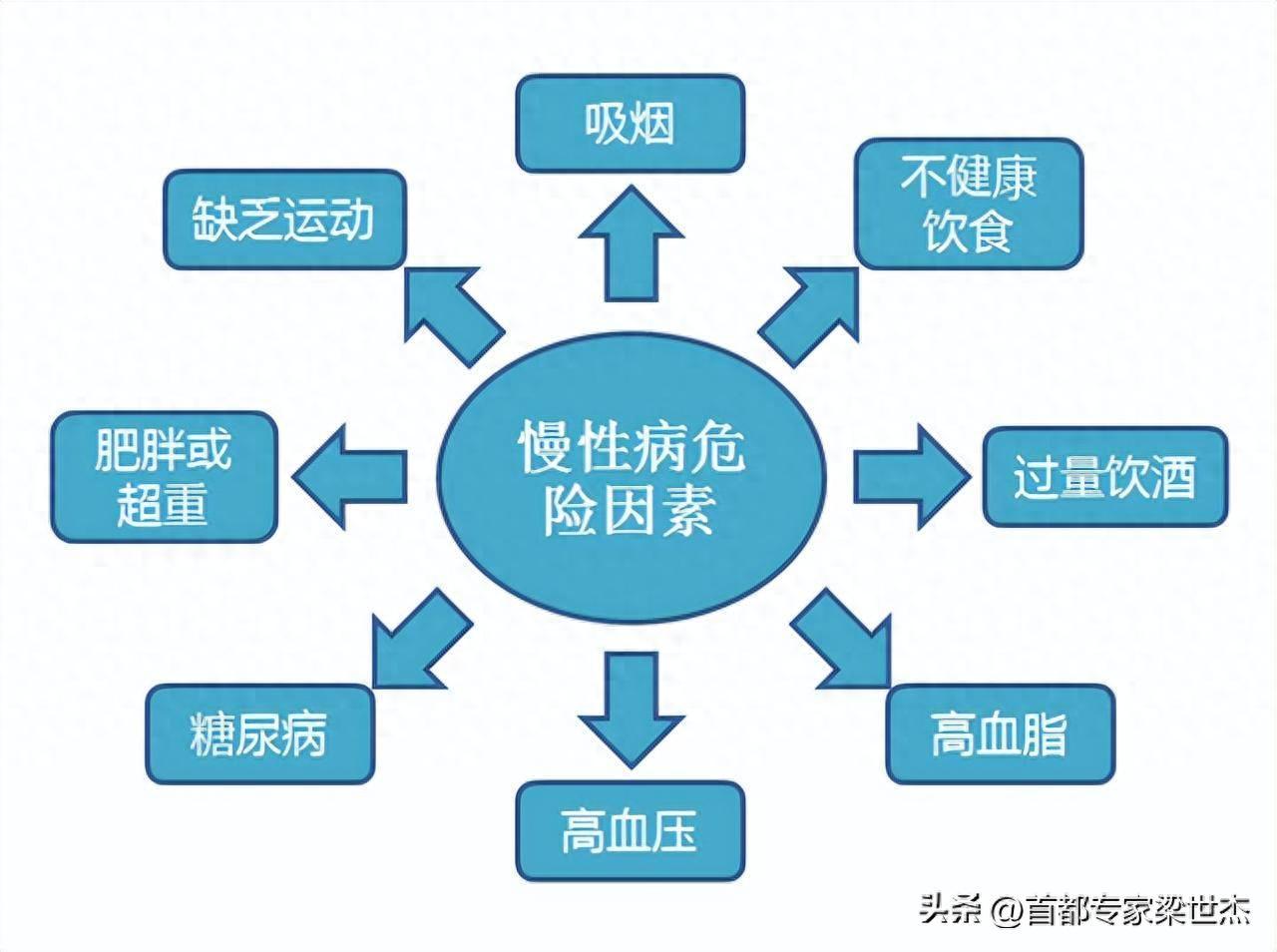
現代西醫,宛如一位技藝精湛的工匠,在面對單獨一個病理病竈時,總能憑藉其先進的儀器和精準的治療手段,展現出非凡的能力。就好比一位神槍手,在靶場上能百發百中,將疾病這個“靶子”精準擊中。然而,當面對老年人那“從頭到腳”的“全毛病”,病理病竈如繁星般繁多時,西醫的這種“局部最佳”策略便顯得捉襟見肘了。
想象一下,一位老人身患多種慢性疾病,心腦血管問題、糖尿病、關節炎等紛紛找上門來。他就像一個被無數問題纏繞的線團,在各個專家門診之間來回奔波。每個專家都依據自己領域的科學依據,開出相應的藥物。這些藥物就像一羣各自爲戰的士兵,雖然都有着明確的目標(靶點),但卻缺乏一個統一的指揮。據統計,在同時服用多種藥物的患者中,有超過三分之一的人會出現藥物相互作用導致的不良反應。而這些藥物綜合起來對整體“多因素網絡”的影響,就像一團亂麻,沒有哪個專家能說得清楚。因爲它們都是按照一個一個的靶點設計的,對於人體這個複雜系統的整體影響,目前還沒有有效的評價方法。
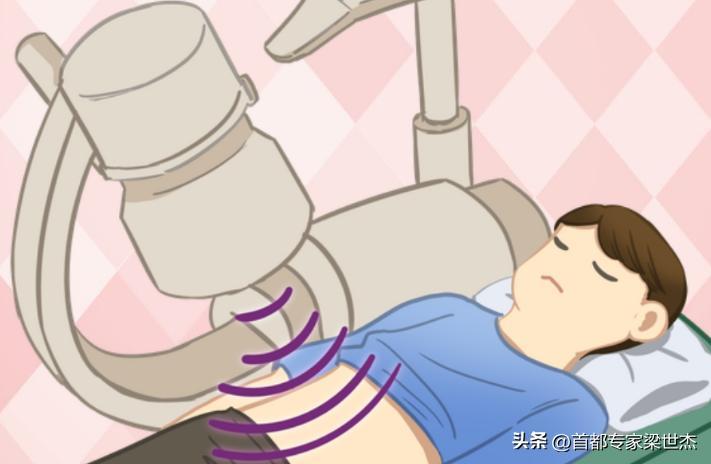
隨着科學儀器的不斷精密,分子水平的“高表達”“低表達”數量如火山噴發般爆發式增加。這就像是一場永無止境的追逐遊戲,需要拮抗、阻斷的靶點越來越多,人體“需要”的化學制劑也越來越多。這彷彿是一個無底洞,不斷地吞噬着患者的健康和金錢。這種還原論指導下的方法論,就像一個只會拆解零件卻不會組裝整體的工匠,雖然能看清每一個零件,但卻無法把握整個機器的運行。其缺陷,在日益複雜的疾病面前,將會越來越明顯,就像一道無法跨越的鴻溝,橫亙在患者與健康之間。
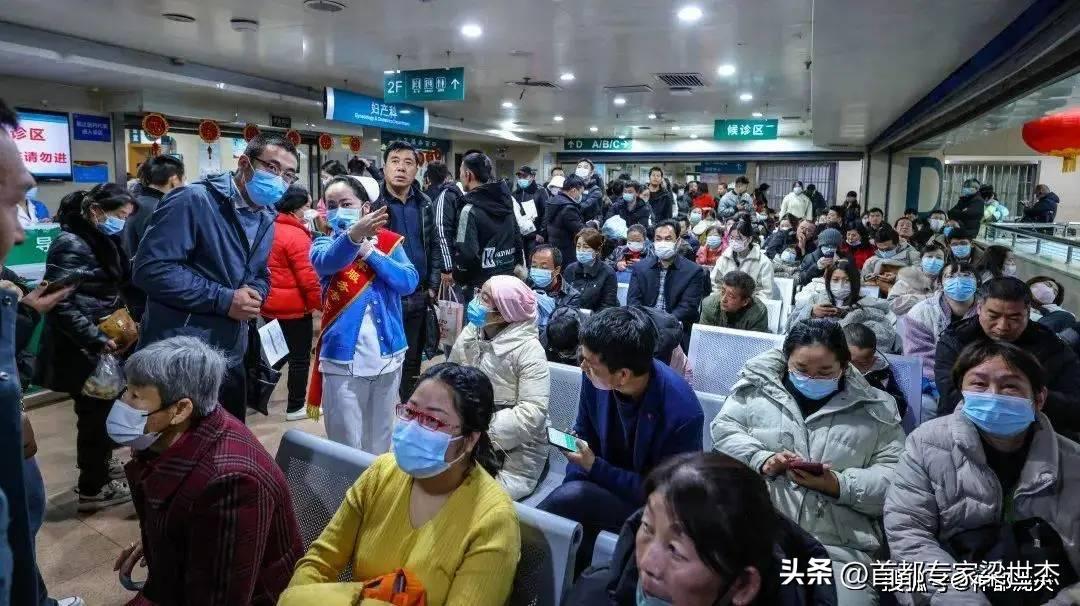
中國中醫科學院著名專家陸廣莘研究員一針見血地指出,現代的疾病模式,是用科學主導醫學,“努力找病,除惡務盡”的結果。這種模式就像一個貪婪的獵人,不斷地在人體這個“森林”中尋找疾病的“獵物”,卻忽略了森林的生態平衡。最終,導致“看病難、看病貴”的趨勢難於逆轉。醫院裏人滿爲患,掛號難、排隊長,患者爲了看病不惜花費大量的時間和金錢。據相關數據顯示,我國居民每年在醫療方面的支出佔家庭收入的比重逐年上升,這無疑給家庭和社會帶來了沉重的負擔。
那麼,該如何解決這一難題呢?答案就在中醫的健康理念裏。中醫就像一位智慧的哲人,它倡導大家一起去尋找健康,而不是一味地追逐疾病。人體對於“慢長的複雜微觀變化”並非渾然無知、無法感知。人類經過漫長的進化,形成了智慧的思維和語言,就像一臺精密的儀器,能夠把自己身體裏的種種變化整合起來,形成“自我檢測報告”。我們每天感覺到的疲勞、疼痛、不適等,都是身體發出的信號,把這些動態的健康狀況彙總起來,就是主訴,而中醫可以從中捕捉到證候。
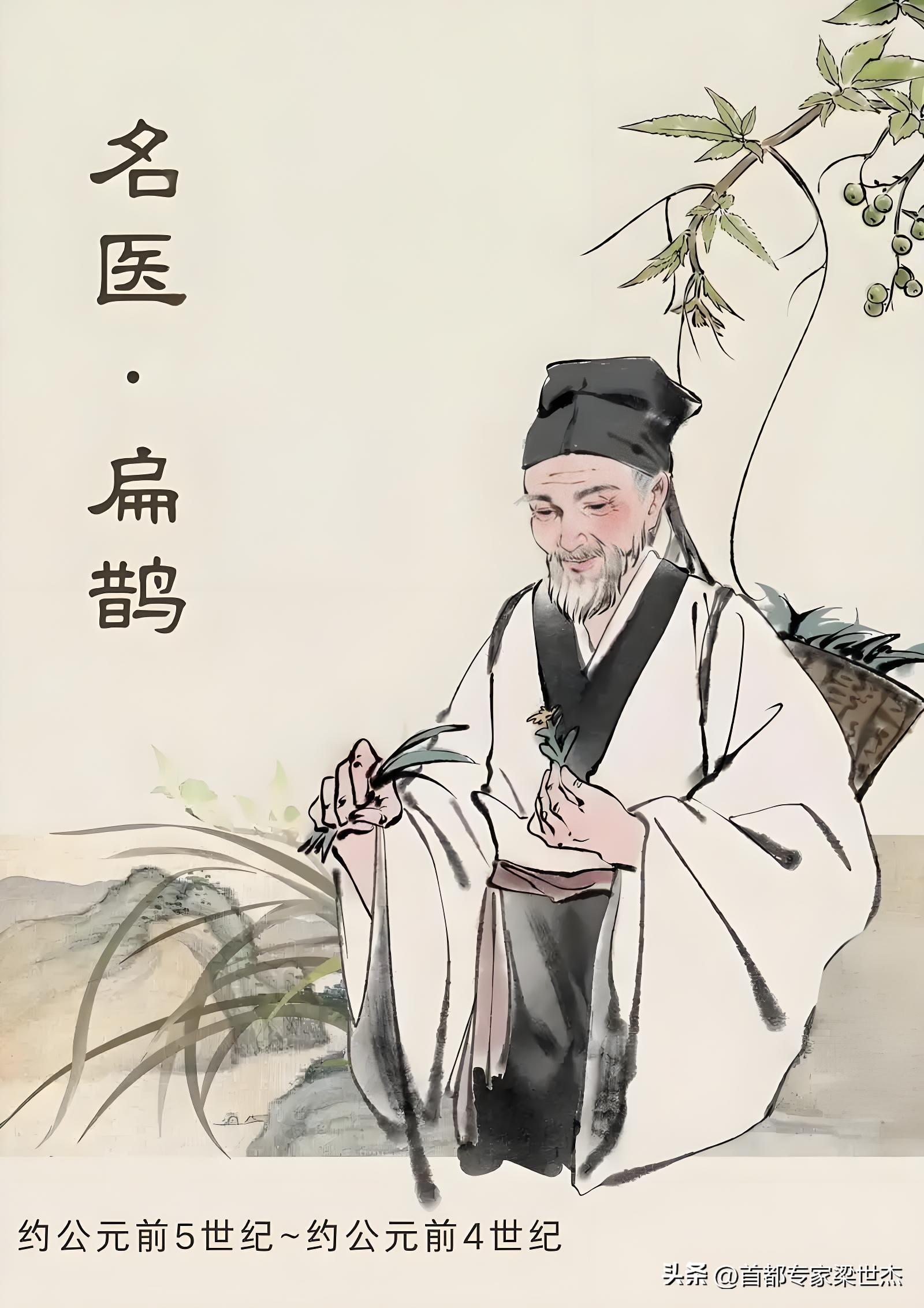
在病理病竈形成之前,中醫就像一位敏銳的偵探,能夠辨別證候,治療證候,消除證候。這就好比在火災剛剛冒出小火苗的時候,就及時撲滅,避免了一場大火的發生。中醫實現了“治未病”的健身目的和“治已病”的有病早治思想。就像古代的名醫扁鵲,他三兄弟中,大哥能在病人還沒有發病的時候就將其治好,二哥能在病人剛有輕微症狀時治癒,而扁鵲自己則是在病人病情嚴重的時候才進行治療。可見,“治未病”纔是中醫的最高境界。
有一位老張,患有多種慢性疾病,長期在西醫的各個科室之間奔波,喫了不少藥,但病情卻時好時壞。後來,他嘗試了中醫治療。中醫大夫通過望、聞、問、切,全面瞭解他的身體狀況,辨別出他的證候,然後採用中藥調理和鍼灸等方法進行治療。經過一段時間的治療,老張的身體狀況有了明顯的改善,不再像以前那樣頻繁地往醫院跑,生活質量也大大提高了。這個例子就像一面鏡子,清晰地映照出中醫在治療複雜疾病方面的獨特優勢。
在這個充滿挑戰的醫療時代,我們不能被西醫的侷限所束縛,而應該重新審視中醫的價值。中醫就像一座古老的寶庫,裏面蘊藏着無數的智慧和奧祕。讓我們破除西醫的困局,彰顯中醫的華光,讓中醫這一中華民族的瑰寶在新時代綻放出更加耀眼的光芒,爲人類的健康事業做出更大的貢獻。
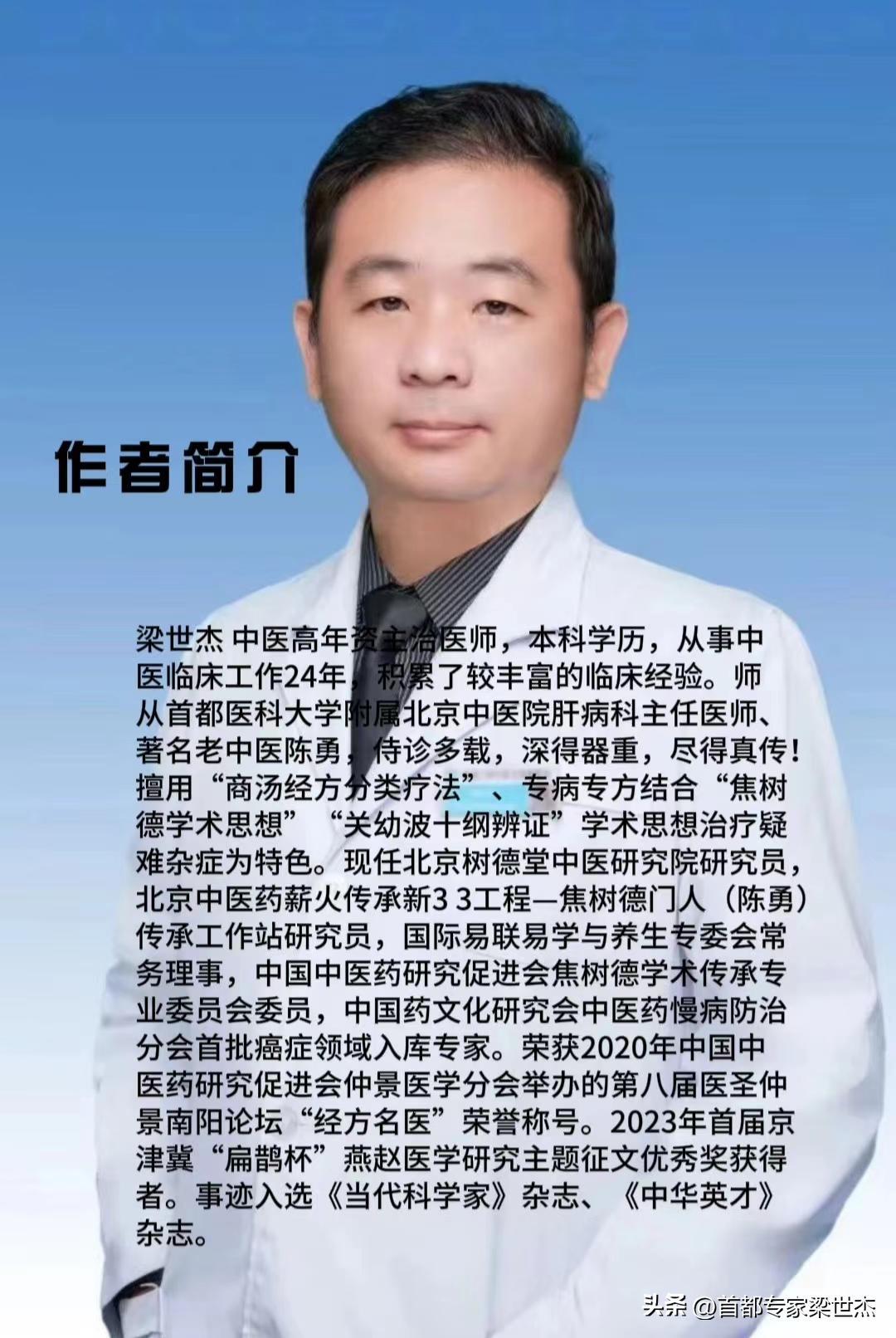
作者簡介:梁世傑 中醫高年資主治醫師,本科學歷,從事中醫臨牀工作24年,積累了較豐富的臨牀經驗。師從首都醫科大學附屬北京中醫院肝病科主任醫師、著名老中醫陳勇,侍診多載,深得器重,盡得真傳!擅用“商湯經方分類療法”、專病專方結合“焦樹德學術思想”“關幼波十綱辨證”學術思想治療疑難雜症爲特色。現任北京樹德堂中醫研究院研究員,北京中醫藥薪火傳承新3+3工程—焦樹德門人(陳勇)傳承工作站研究員,國際易聯易學與養生專委會常務理事,中國中醫藥研究促進會焦樹德學術傳承專業委員會委員,中國藥文化研究會中醫藥慢病防治分會首批癌症領域入庫專家。榮獲2020年中國中醫藥研究促進會仲景醫學分會舉辦的第八屆醫聖仲景南陽論壇“經方名醫”榮譽稱號。2023年首屆京津冀“扁鵲杯”燕趙醫學研究主題徵文優秀獎獲得者。事蹟入選《當代科學家》雜誌、《中華英才》雜誌。
Liang Shijie: How do multi-factorial modern diseases break the bank?
In this bustling and noisy modern world, diseases are a shadowy phenomenon, like ghosts hidden in the dark, silently invading people''s health. In particular, modern diseases are "multifactorial," and middle-aged and elderly chronic diseases are a maze of "multinetwork factors." In the quiet flow of the years, like a hidden undercurrent, a great wave gradually bursts, and at this time, the advantages of traditional Chinese medicine are more and more prominent like the dawn coming out of the cloud.
Modern Western medicine, like a skilled craftsman, can always demonstrate extraordinary capabilities with its advanced instruments and precision treatment when faced with a single pathological lesion. It is like a sharpshooter who can hit the "target" of disease with precision on the field. However, when faced with the "whole disease" of the elderly "from head to toe," the pathological lesions are as numerous as a thousand, this "local best" strategy of Western medicine becomes stretched thin.
Imagine an elderly person suffering from chronic illnesses such as cardiovascular and cerebrovascular disorders, diabetes mellitus, and arthritis. He was like a ball entangled in a myriad of problems, moving back and forth between specialist clinics. Each expert prescribes the appropriate drug based on the scientific evidence in his or her field. These drugs are like a group of individual soldiers, each with a clear goal (target) but without a unified command. According to statistics, more than one-third of patients who take multiple drugs at the same time will experience adverse reactions caused by drug interactions. The combined effects of these drugs on the overall "multifactorial network" are like a mess that no expert can say for sure. Because they are all designed on a target-by-target basis, there is no effective way to evaluate the overall impact of the complex system of the human body.
With the continuous precision of scientific instruments, the number of "high expression" and "low expression" at the molecular level has increased explosively like a volcanic eruption. It''s like a never-ending chase game, with more and more targets that need to be antagonistized and blocked, and more and more of the chemicals that the human body "needs." It''s like a bottomless hole that keeps devouring patients'' health and money. The methodology guided by this reductionism is like a craftsman who can only disassemble parts but not assemble the whole; although he can see each part clearly, he cannot grasp the operation of the entire machine. Its flaws will become increasingly apparent in the face of increasingly complex diseases, like an unbridgeable gulf between the patient and the health.
China Academy of Traditional Chinese Medicine Department renowned expert Lu Guangxin researcher pointed out sharply that the modern disease model, is the use of science-led medicine, "efforts to find disease, eliminate evil to do." This pattern is like a greedy hunter, constantly looking for disease "prey" in the human "forest," but ignoring the ecological balance of the forest. In the end, the trends that have led to "harder and more expensive healthcare" are difficult to reverse. Hospitals are overcrowded, waiting lists are difficult, and patients spend a lot of time and money in order to see a doctor. According to relevant data, the proportion of household income spent on medical care in China is rising year by year, which undoubtedly imposes a heavy burden on families and society.
So how can we solve this problem? The answer lies in traditional Chinese medicine''s concept of health. Traditional Chinese medicine is like a wise sage who advocates a common search for health rather than a steady pursuit of disease. The human body is not ignorant and unable to perceive "slow and complex micro-changes." Humans have evolved over a long period of time to form intelligent thinking and language, like a sophisticated instrument that can integrate the various changes in its body into a "self-detection report." The fatigue, pain, discomfort we feel every day are all signals sent by the body. Taking these dynamic health conditions together is the main complaint, and traditional Chinese medicine can capture the symptoms.
Before the pathological lesions form, traditional Chinese medicine is like a keen detective, able to identify symptoms, treat symptoms, and eliminate symptoms. It is like extinguishing a small fire in time when it has just started, avoiding the occurrence of a major fire. Traditional Chinese Medicine (TCM) has realized the purpose of "preventive treatment of disease" and the idea of "early treatment of disease after treatment." Like the famous ancient healer Panjiu, of his three brothers, the oldest brother could cure a patient before he had developed a serious illness, the second brother could heal a patient when he had a mild symptom, and Panjiu himself treated the patient when the illness was serious. Visible, "preventive treatment of disease" is the highest state of traditional Chinese medicine.
There was an old Zhang, who suffered from a variety of chronic diseases. He had long moved between various departments of Western medicine, took a lot of medication, but his condition was sometimes good and sometimes bad. Later, he tried traditional Chinese medicine. Traditional Chinese medicine doctors can fully understand his physical condition by looking, smelling, asking, and cutting, discerning his symptoms, and then applying traditional Chinese medicine conditioning and acupuncture to treat him. After a period of treatment, old Zhang''s physical condition has improved significantly, he no longer runs to the hospital as frequently as he used to, and his quality of life has greatly improved. This example is like a mirror that clearly reflects the unique advantages of traditional Chinese medicine in treating complex diseases.
In this challenging era of medical care, we cannot be bound by the limitations of Western medicine and should re-examine the value of traditional Chinese medicine. Chinese medicine is like an ancient treasure trove containing countless wisdom and mysteries. Let us break the difficulties of Western medicine and show the splendor of traditional Chinese medicine, so that this treasure of the Chinese nation will shine brighter in the new era and make greater contribution to the cause of human health.
Author Bio: Liang Shijie is a senior medical practitioner in traditional Chinese medicine with an undergraduate degree. He has been engaged in traditional medicine clinical work for 24 years and has accumulated a wealth of clinical experience. Following Chen Yong, chief physician of liver disease at Beijing Traditional Medicine Hospital, affiliated with Capital Medical University, and renowned old Chinese medicine, he has been treated for many years and received great attention. He specializes in the treatment of difficult diseases using "conversational traditional therapy" and special treatments combined with the academic ideas of Jiao Shude and Guan Yubo''s ten-level diagnosis.He is currently a researcher at the Shude Tang TCM Research Institute in Beijing, a fellow at the new 3 + 3 project of traditional Chinese medicine flame inheritance in Beijing - a scholar at the inheritance workstation of Jiao Shude''s protégés (Chen Yong),He is a standing committee member of the International Expert Committee on E-learning and Health Care, a member of the Jiao Shude Academic Heritage Special Committee of the Chinese Association for the Advancement of Chinese Medicine Research, and the first cancer specialist to be included in the chapter of the Chinese Pharmaceutical Culture Research Association. Won the 2020 China Association for the Promotion of Traditional Chinese Medicine Zhongjing Medical Branch held the eighth session of the Medical Saint Zhongjing Nanyang Forum "Classic Prescription Famous Doctor" honorary title. The winner of the first Beijing-Tianjin-Hebei "Pingui Cup" Yanzhao Medical Research Essay Award in 2023. His work was featured in the journal Current Scientist and the journal Chinese Talent.