梁世傑:破形式樊籬,顯療效真章
數年之前,我踏上了泰國那片神祕而旖旎的土地。漫步街頭巷尾,那尊尊四面佛像宛如夜空中閃爍的繁星,瞬間吸引了我的目光。與國內常見的佛像相較,這四面佛似蘊含着別樣的深邃意蘊,彷彿在靜謐中娓娓訴說着“八面玲瓏,面面俱到”的處世之道。於做人做事、經商治學而言,皆需如這四面佛一般,毫無疏漏,能接納世間萬物,讓一切皆在其包容的懷抱之中。
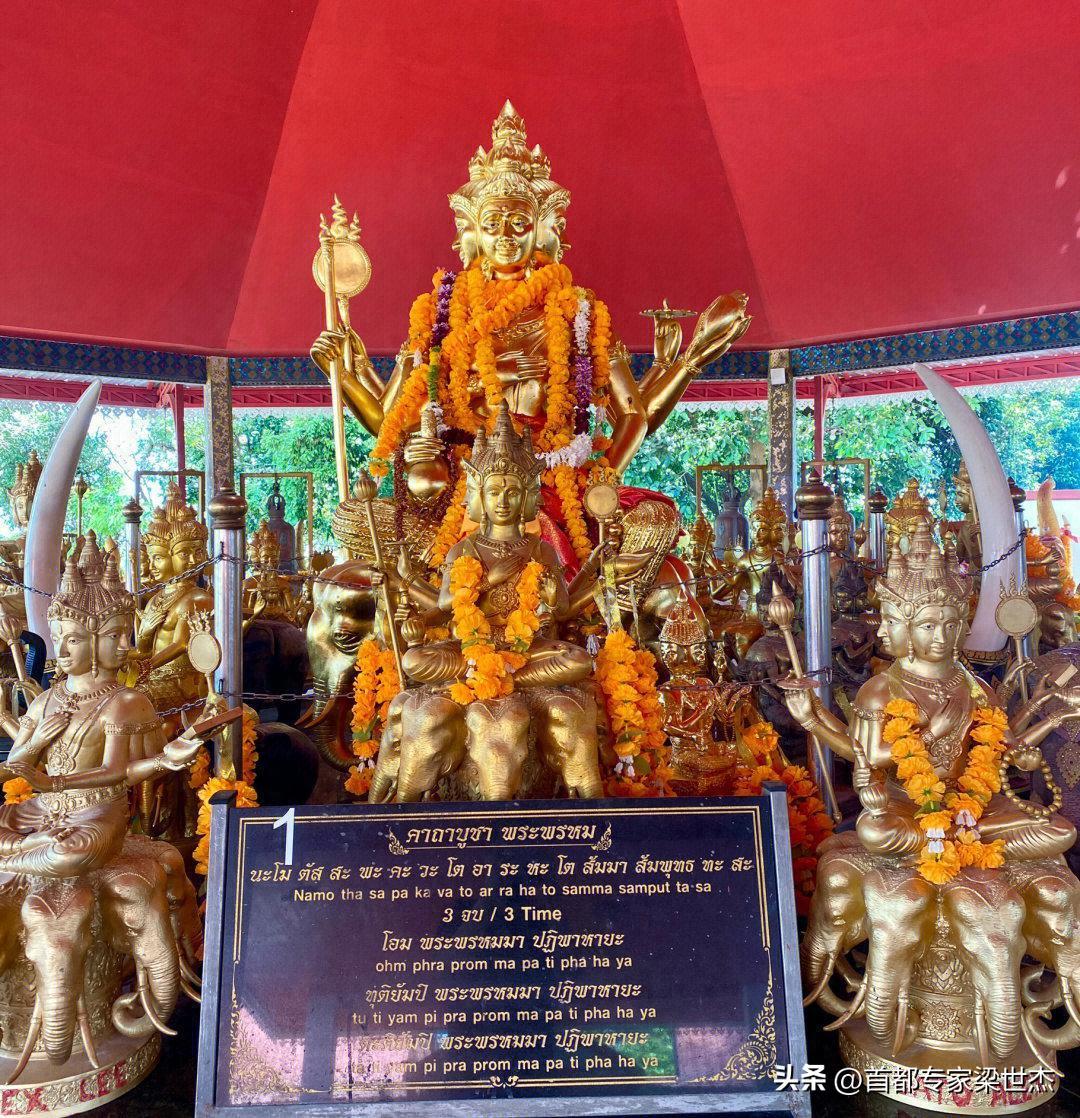
《楞嚴經》中的“觀世音菩薩圓通章”,將觀世音耳根圓通法門讚譽爲無上妙法。世間萬物之聲,自六合上下毫無阻礙地傳入耳中,觀世音之名便由此而來。古人提及“八面觀音”,並非僅僅讚歎其法相的莊嚴肅穆,實則蘊含着萬事萬物圓融無礙、萬法歸宗、面面俱到的至高境界。此境界如同一盞明燈,無論置於何處,皆能照亮人間,指引方向。
中醫處方,又何嘗不是這般蘊含着“八面玲瓏”的精妙智慧呢?中醫流派衆多,猶如繁花似錦,各展風姿;辨證方法各異,恰似百川歸海,各有其源。然而,無論何種流派,在開具處方之時,皆能做到理論自洽,圓融通達,靈活應變。每一條醫理,皆如堅實的基石,穩穩地支撐起處方的架構。這架構不僅四平八穩,更如一座精巧的迷宮,八面玲瓏,能將萬法融會貫通。這,纔是中醫處方所追求的最高境界。
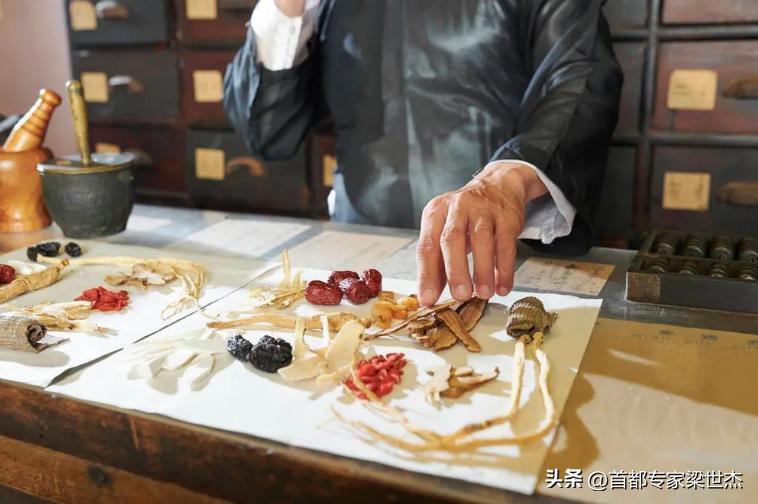
然而,在現實的中醫世界裏,卻存在着諸多與這至高境界漸行漸遠的現象。有些人,如同被書本束縛的囚徒,拘泥於書本所載的證型,對藥味的多寡斤斤計較,吹毛求疵。他們彷彿認爲,患者生病定會如書本所描述的那般“循規蹈矩”。可事實果真如此嗎?據相關統計,當下諸多老年人同時患有二、三種慢性病的情況極爲常見。疾病的表現錯綜複雜,猶如一團亂麻,哪有患者會數着藥味去生病呢?那些要求按照仲景聖人“藥過十三百病不沾”的思路去苛求患者和醫生的做法,實在是有些刻板與狹隘。這就如同幻想用一把萬能鑰匙打開世間所有的門,在複雜多變的病情面前,十六味藥之內包治百病的想法,無疑是天方夜譚。尤其是面對癌症等複雜疑難病症時,這種形式主義的處方思維,就如同紙糊的燈籠,不堪一擊。
中醫的生命,在於療效,而非那些華而不實的處方形式主義。這就好比戰場上的勇士,需根據敵人的變化靈活調整戰術,而非死守一套固定的招式。焦樹德教授便是深諳此道的高手。他擅長運用合方治病,三合湯、四合湯、麻杏二三湯等皆是他的常用效方。他常常在這些合方的基礎上,根據不同的病情進行加減變化,靈活運用。這就如同一位技藝精湛的廚師,面對不同的食材和客人的口味,巧妙地調整烹飪方法,做出一道道美味佳餚,令人回味無窮。
反觀中醫處方中那些教條、形式主義的現象,實在值得我們深思。儒家文化中的君臣倫理對中醫藥影響深遠,處方講究君臣佐使,這原本是中醫理論的精妙之處,如同音樂中的和聲,相互配合,和諧美妙。然而,有些人卻將其演變成了封建倫理的形式、教條主義,如同小說中梁山英雄排座次,搞出天罡地煞等各種名頭,卻忽略了處方的核心——療效。這就好比建造一座房子,只注重外表的華麗裝飾,卻忽略了房子的結構是否穩固,能否抵禦風雨的侵襲。
中醫的病情複雜多變,猶如一片迷霧籠罩的森林,醫生需在這迷霧中找準方向,把病機搞清楚。針對單一或複雜的病機,採用各種合適的方藥,符合中醫理法,見招拆招,消除病因病機,獲得療效,這纔是中醫的真諦。太多的形式主義,就像沉重的枷鎖,束縛着醫生的手腳,讓他們在面對病情時畏首畏尾,無法施展真正的本領。
正所謂“一招一式基本功,靈活應變顯神通”,把教學的歸教學,讓臨牀的融臨牀。胡適曾說:“少一些主義,多一些方法!”在中醫領域,這句話同樣如黃鐘大呂,振聾發聵。教條主義和形式主義就像隱藏在暗處的毒瘤,悄然侵蝕着中醫的健康發展。孫思邈說:“人命至重,有貴千金!”在挽救患者生命和解除病人痛苦面前,一切形式主義都顯得那麼蒼白無力,如同秋日裏的落葉,隨風飄散。
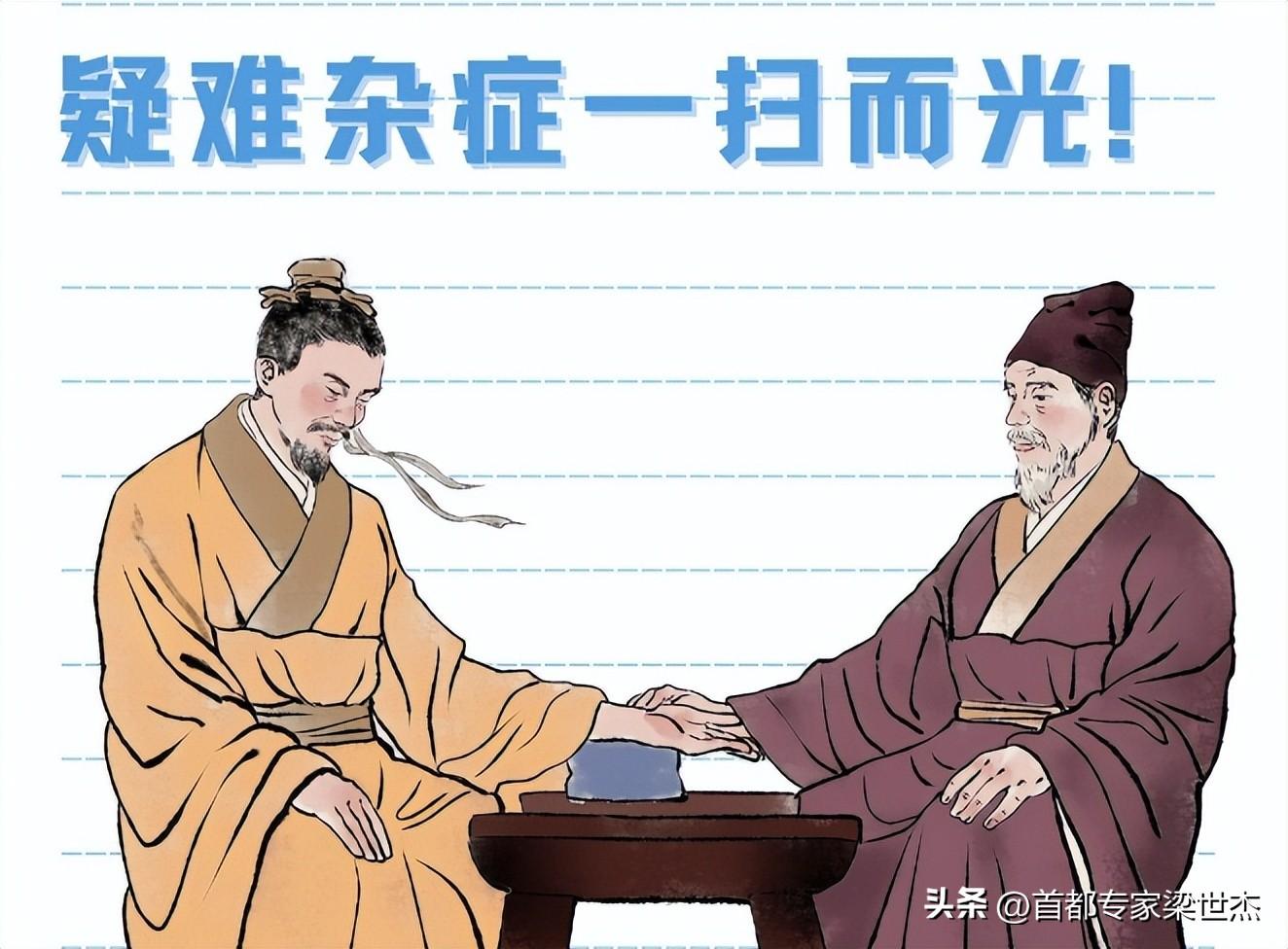
我們應當打破形式主義的樊籬,讓中醫迴歸到以療效爲核心的正軌上來。醫生要像勇敢的探險家,在中醫的海洋中不斷探索,根據病情的變化靈活運用各種方法,爲患者驅散病痛的陰霾。只有這樣,中醫這顆古老的明珠,才能在新時代的浪潮中綻放出更加璀璨的光芒,爲人類的健康事業做出更大的貢獻。讓我們摒棄形式主義的虛榮,以療效爲帆,以智慧爲槳,在中醫的浩瀚海洋中乘風破浪,駛向健康的彼岸,迎接那充滿希望的曙光。
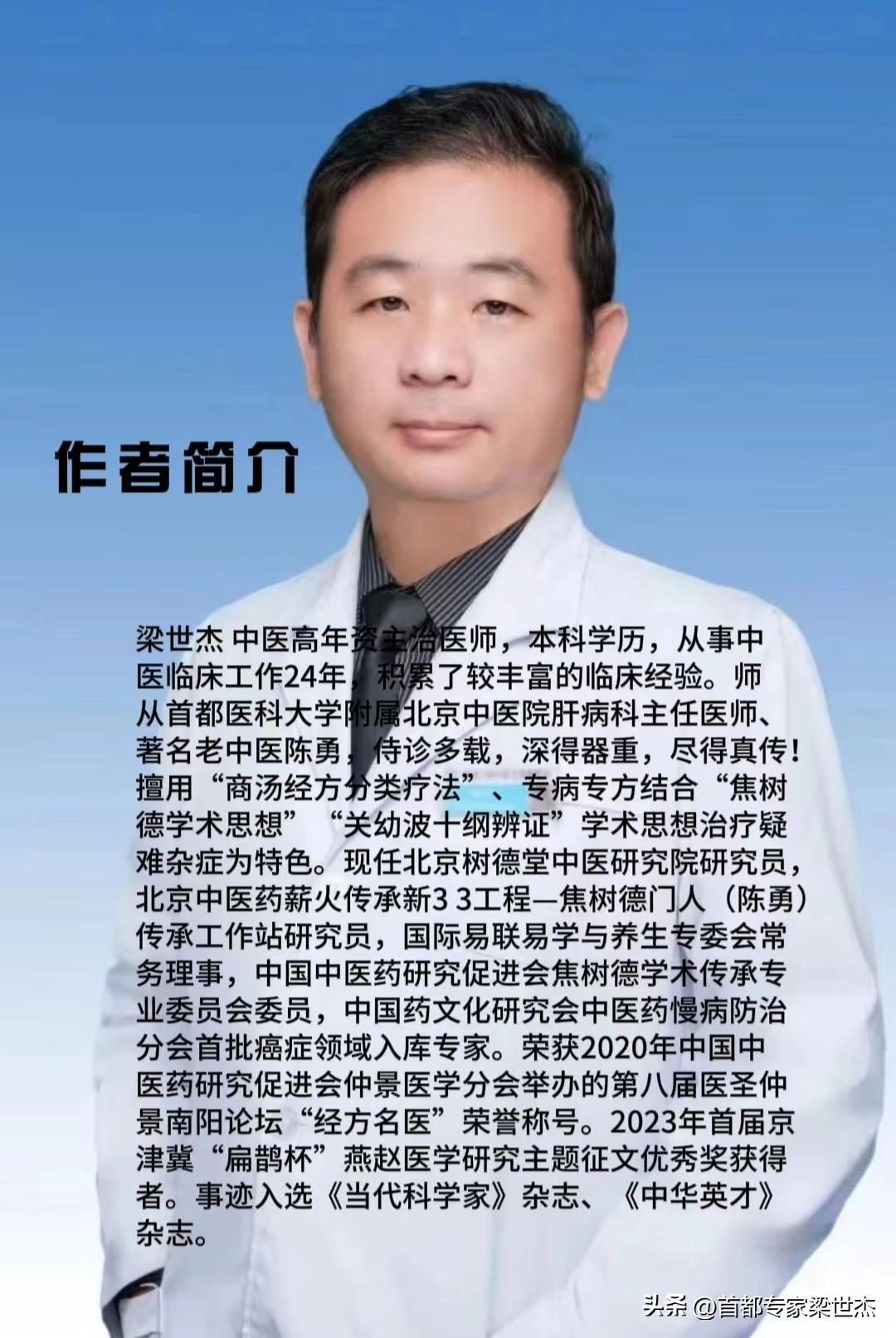
作者簡介:梁世傑 中醫高年資主治醫師,本科學歷,從事中醫臨牀工作24年,積累了較豐富的臨牀經驗。師從首都醫科大學附屬北京中醫院肝病科主任醫師、著名老中醫陳勇,侍診多載,深得器重,盡得真傳!擅用“商湯經方分類療法”、專病專方結合“焦樹德學術思想”“關幼波十綱辨證”學術思想治療疑難雜症爲特色。現任北京樹德堂中醫研究院研究員,北京中醫藥薪火傳承新3+3工程—焦樹德門人(陳勇)傳承工作站研究員,國際易聯易學與養生專委會常務理事,中國中醫藥研究促進會焦樹德學術傳承專業委員會委員,中國藥文化研究會中醫藥慢病防治分會首批癌症領域入庫專家。榮獲2020年中國中醫藥研究促進會仲景醫學分會舉辦的第八屆醫聖仲景南陽論壇“經方名醫”榮譽稱號。2023年首屆京津冀“扁鵲杯”燕趙醫學研究主題徵文優秀獎獲得者。事蹟入選《當代科學家》雜誌、《中華英才》雜誌。
Liang Shijie: Breaking through Formal Barriers to Reveal the Authentic Efficacy
Several years ago, I set foot on the mysterious and enchanting land of Thailand. Strolling through the streets and alleys, the numerous four-faced Buddha statues seemed like stars twinkling in the night sky, instantly capturing my attention. Compared to the common Buddha statues found in my home country, these four-faced Buddhas seemed to embody a unique depth of meaning. It was as if they were softly narrating the principle of being "all-encompassing and meticulous" in one''s approach to life and work, as well as in business and scholarly pursuits. It is essential to approach life and work, as well as business and studies, with the same level of thoroughness and inclusivity that these four-faced Buddhas embody.
The "Comprehensive Chapter on Avalokitesvara Bodhisattva" from the "Lingyan Sutra" extols the ear-based comprehensive practice of Avalokitesvara as an ultimate and wondrous method. The sounds of all things in the world effortlessly reach the ears, which is why the name Avalokitesvara is associated with this practice. When ancient sages speak of the "Eight-Faceted Avalokitesvara," they are not merely praising the solemn and majestic appearance of the deity; rather, they are conveying a profound concept of the seamless and harmonious integration of all things, the unity of all phenomena, and the comprehensive approach that encompasses every aspect. This state of being is akin to a beacon of light; wherever it is placed, it illuminates the path and provides guidance.
The prescriptions in traditional Chinese medicine also embody the subtle wisdom of being "versatile and adaptable." There are numerous schools of thought in traditional Chinese medicine, each with its unique style; the methods of diagnosis vary, much like how rivers converge into a single sea, each with its own origin. However, regardless of the school of thought, the prescriptions can all be formulated in a way that ensures theoretical coherence, flexibility, and adaptability. Each principle of medicine serves as a solid foundation, firmly supporting the structure of the prescription. This structure is not only balanced and stable but also resembles a sophisticated maze, capable of integrating and harmonizing various methods. This is the ultimate goal pursued by traditional Chinese medicine prescriptions.
However, in the real world of traditional Chinese medicine, there are numerous phenomena that are gradually drifting away from this supreme state. Some individuals, acting like prisoners confined by books, become rigidly attached to the diagnostic patterns described in their texts and become overly concerned with the quantity of medicinal ingredients, scrutinizing even the slightest details. It seems as though they believe that patients will always fall ill in accordance with the prescribed patterns described in the books. But is this really the case? According to relevant statistics, it is quite common for elderly individuals to suffer from two or three chronic diseases simultaneously. The manifestations of these diseases are complex and intertwined, making it seem like a tangled mess. How could patients possibly fall ill by counting the number of medicinal ingredients? The approach of demanding that patients and doctors adhere to the principles of the ancient physician Zhang Zhongjing, who claimed that "more than 130 medicinal ingredients will prevent illness," is quite rigid and narrow-minded. This is akin to trying to use a single, universal key to open every door in the world. In the face of complex and variable medical conditions, the notion that 16 medicinal ingredients can cure a wide range of illnesses is nothing short of fantastical. Particularly when dealing with complex and rare diseases such as cancer, this formalized prescription mindset is like a paper lantern that is easily broken.
The essence of traditional Chinese medicine lies in its efficacy rather than in the superficial and formalized approach to prescribing treatments. This is akin to how warriors on the battlefield adapt their tactics based on the changing strategies of their enemies, rather than sticking rigidly to a fixed set of techniques. Professor Jiao Shude is a master who understands this well. He excels in using combination formulas to treat illnesses. Formulas such as the Three-Combination Soup, the Four-Combination Soup, and the Ma Xing Ersan Soup are among his commonly used effective formulas. He often makes adjustments to these combination formulas based on the different conditions of the patients, applying them flexibly. This approach is similar to that of a highly skilled chef who, when faced with various ingredients and the preferences of different diners, skillfully adjusts the cooking methods to create a variety of delicious dishes that leave a lasting impression.
Reflecting on the dogmatic and formalistic aspects present in some traditional Chinese medicine prescriptions, it indeed prompts us to reflect deeply. The ethical principles governing the relationship between rulers and subjects in Confucian culture have a profound impact on traditional Chinese medicine. The prescription system emphasizes the roles of the sovereign, ministers, assistants, and auxiliary agents. This was originally a sophisticated aspect of the traditional Chinese medicine theory, akin to the harmonies in music, where different elements work together in a harmonious and beautiful manner. However, some individuals have misinterpreted this system, transforming it into a form of feudal ethical doctrine and dogmatism, much like how the heroes of the Liangshan Marsh were ranked according to various titles such as Tian Gang and Di Sha, thereby neglecting the essence of the prescription—its efficacy. This situation is analogous to building a house, where the focus is on the house''s outward appearance rather than its structural integrity and ability to withstand the elements.
The conditions treated by traditional Chinese medicine are complex and changeable, much like a forest shrouded in mist. The doctor must find the right direction amidst this mist and clarify the underlying mechanisms of the disease. For both simple and complex underlying mechanisms, a variety of suitable formulas and medicines are employed, adhering to the principles of traditional Chinese medicine. By addressing each specific situation and eliminating the underlying causes and mechanisms, effective treatment can be achieved. This is the essence of traditional Chinese medicine. Excessive formalism acts like a heavy burden, restricting the doctor''s actions and causing them to hesitate when dealing with cases, thereby preventing them from fully utilizing their skills.
As the saying goes, "The fundamental skills are essential, and the ability to adapt flexibly demonstrates true mastery." Separate the teaching aspects from the clinical aspects. Hu Shi once said, "Less emphasis on ideologies, more focus on methods!" This principle holds true in the field of traditional Chinese medicine, where it serves as a clarion call to shun dogmatic and formalistic approaches. These tendencies are akin to hidden tumors that silently undermine the healthy development of traditional Chinese medicine. Sun Simiao emphasized, "The life of a person is of utmost importance and is worth more than gold." In the context of saving patients'' lives and alleviating their suffering, all forms of formalism appear weak and futile, much like the fallen leaves in autumn that are carried away by the wind.
We should break free from the shackles of formalism and bring traditional Chinese medicine back onto the right track, where efficacy is the core focus. Doctors should act like courageous explorers, continually seeking knowledge in the vast ocean of traditional Chinese medicine. They should apply various methods flexibly based on the changes in the patient''s condition, thus dispelling the shadows of illness for the patients. Only in this way can the ancient gemstone of traditional Chinese medicine shine even brighter in the waves of the modern era and make greater contributions to the cause of human health. Let us discard the vanity of formalism, use efficacy as our sail, and employ wisdom as our oars. Together, we can navigate the vast ocean of traditional Chinese medicine, facing challenges head-on and reaching the shore of health, where we can welcome the promising dawn.
Author Bio: Liang Shijie is a senior medical practitioner in traditional Chinese medicine with an undergraduate degree. He has been engaged in traditional medicine clinical work for 24 years and has accumulated a wealth of clinical experience. Following Chen Yong, chief physician of liver disease at Beijing Traditional Medicine Hospital, affiliated with Capital Medical University, and renowned old Chinese medicine, he has been treated for many years and received great attention. He specializes in the treatment of difficult diseases using "conversational traditional therapy" and special treatments combined with the academic ideas of Jiao Shude and Guan Yubo''s ten-level diagnosis.He is currently a researcher at the Shude Tang TCM Research Institute in Beijing, a fellow at the new 3 + 3 project of traditional Chinese medicine flame inheritance in Beijing - a scholar at the inheritance workstation of Jiao Shude''s protégés (Chen Yong),He is a standing committee member of the International Expert Committee on E-learning and Health Care, a member of the Jiao Shude Academic Heritage Special Committee of the Chinese Association for the Advancement of Chinese Medicine Research, and the first cancer specialist to be included in the chapter of the Chinese Pharmaceutical Culture Research Association. Won the 2020 China Association for the Promotion of Traditional Chinese Medicine Zhongjing Medical Branch held the eighth session of the Medical Saint Zhongjing Nanyang Forum "Classic Prescription Famous Doctor" honorary title. The winner of the first Beijing-Tianjin-Hebei "Pingui Cup" Yanzhao Medical Research Essay Award in 2023. His work was featured in the journal Current Scientist and the journal Chinese Talent.