多因素疾病時代,中醫撐起健康“保護傘”
在時光的長河中,疾病如隱藏在暗處的礁石,隨着時代的變遷不斷變換着模樣,給人類的健康之舟帶來重重挑戰。回首上世紀九十年代以前,那時的中國,危害人民健康的“元兇”主要是傳染性疾病、呼吸系統疾病以及外傷等單因單果疾病。這些疾病就像直來直往的莽夫,病因單一明確,發生發展機制和演進路徑如同清晰的地圖,西醫憑藉其精準的“武器”,找準病因,精準施策,或如利劍般殺滅細菌、病毒,或似巧匠般切除病變器官組織,便能讓人恢復健康。那時候,人們面對疾病,彷彿有了一把可靠的鑰匙,能輕鬆打開健康之門。

然而,時代的車輪滾滾向前,進入新世紀以來,疾病的面貌發生了翻天覆地的變化。惡性腫瘤、心腦血管疾病、代謝病等慢性病如同洶湧的潮水,成爲了威脅人民健康的主要“殺手”。這類疾病被冠以多因多果疾病的名號,其病因就像一團迷霧,不明或具有多種可能,發生發展機制和演進路徑如同錯綜複雜的迷宮,讓人摸不着頭腦。以病因明確爲前提、精準施策爲手段的西醫,在這片迷霧中往往顯得力不從心,效果有限。
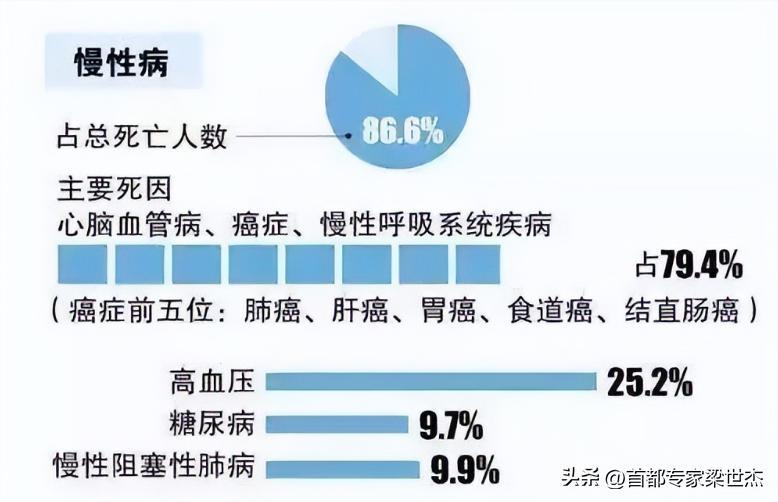
據世界衛生組織統計,全球每年因慢性病死亡的人數高達數千萬,在中國,慢性病導致的死亡更是佔總死亡人數的八成以上。這一個個冰冷的數字背後,是無數家庭的痛苦與無奈。就像一場沒有硝煙的戰爭,多因多果疾病時代,我們急需新的“戰略”和“武器”來應對。
而此時,中醫宛如一位深藏不露的武林高手,悄然登場,成爲了應對這類疾病的有力武器。中醫不針對特定病因,而是立足於培育自身正氣,就像給身體築起一道堅固的城牆,讓疾病難以侵襲。就拿慢性腎病、慢性胃炎、腸易激綜合徵、高血壓頭疼等慢性病來說,中醫取得了明顯優於西醫的療效。有一位慢性腎病患者,長期被病情折磨,西醫的治療方法雖然能緩解一些症狀,但始終無法根治。後來,他轉而尋求中醫治療,中醫通過辨證論治,根據他的體質和病情,開出了一副副中藥。經過一段時間的調理,患者的病情得到了顯著改善,生活質量也大大提高。這樣的例子在中醫臨牀中屢見不鮮。
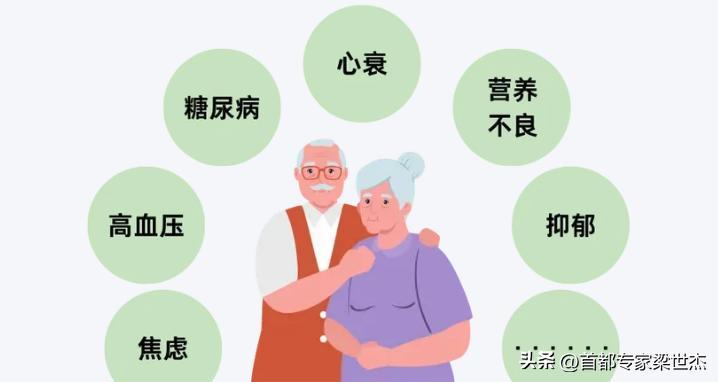
從中醫自身的辨證論治來看,當下中老年慢性病患者的病情愈發複雜。以前,針對中老年慢性病患者單一病機、單一症型的疾病較爲常見,就像一條筆直的道路,治療起來相對簡單。但現在,慢性病如同肆虐的藤蔓,在老年人身上瘋狂生長。高血壓、糖尿病、冠心病、高血脂、腦梗塞、癌症等疾病越來越普遍,一個老年人往往同時患有兩種以上慢性病。同時,根據中醫體質學說,許多中老年患者具有不同的異常體質,處於長期亞健康狀態。疾病就像一團亂麻,寒熱錯雜,虛實夾雜,證型混合,症狀繁多。
我鄰居家的一位老人,就是典型的例子。他既患有高血壓,又有糖尿病,還時常感到胃部不適。治療時,如果只針對一種疾病或幾個症狀,就如同“摁倒葫蘆起來瓢”,沒完沒了。中醫在治療這類患者時,往往是多方面、多臟腑整體調理,遣方以合方治療爲主,單方治療爲輔。就像一位高明的指揮官,統籌全局,協調各方力量,共同對抗疾病。這種整體觀念和辨證論治的方法,正是中醫的獨特優勢。
中醫強調人與自然的和諧統一,認爲人體是一個有機的整體,疾病的發生與發展與外界環境、人體內部的氣血陰陽等因素密切相關。在治療多因多果疾病時,中醫不侷限於局部的症狀,而是從整體出發,調整人體的陰陽平衡,增強人體的自我修復能力。
正所謂“一隻羊也是趕,一羣羊也是趕”!這就好比給一臺老舊的機器進行全面的檢修和保養,而不僅僅是更換某個損壞的零件,列一個單一的清單。
在這個多因多果疾病時代,我們不能盲目地依賴西醫的精準打擊,也不能忽視中醫的整體調理。西醫和中醫就像鳥之雙翼、車之兩輪,各有其優勢和不足。我們應該以開放的心態,汲取兩者的精華,形成一套適合中國國情的醫療體系。
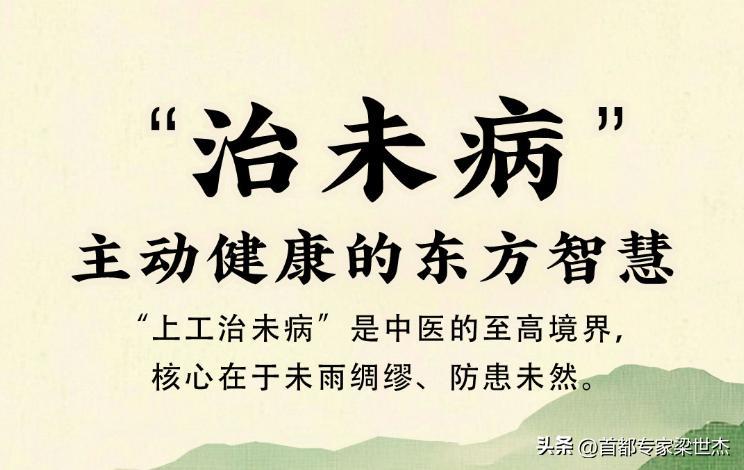
“上工治未病”,中醫還注重預防保健,通過調節飲食、運動、情志等方面,增強人體的正氣,預防疾病的發生。這就如同在疾病來臨之前,築起一道堅固的防線。在日常生活中,我們可以學習一些中醫的養生知識,如太極拳、八段錦等養生功法,以及合理的飲食搭配,讓身體保持健康的狀態。
多因多果疾病時代,是一場沒有硝煙的健康保衛戰。中醫以其獨特的理論和方法,爲我們撐起了一把堅實的健康“保護傘”。讓我們珍惜這把“保護傘”,在中醫的智慧引領下,共同守護我們的健康,迎接更加美好的未來。
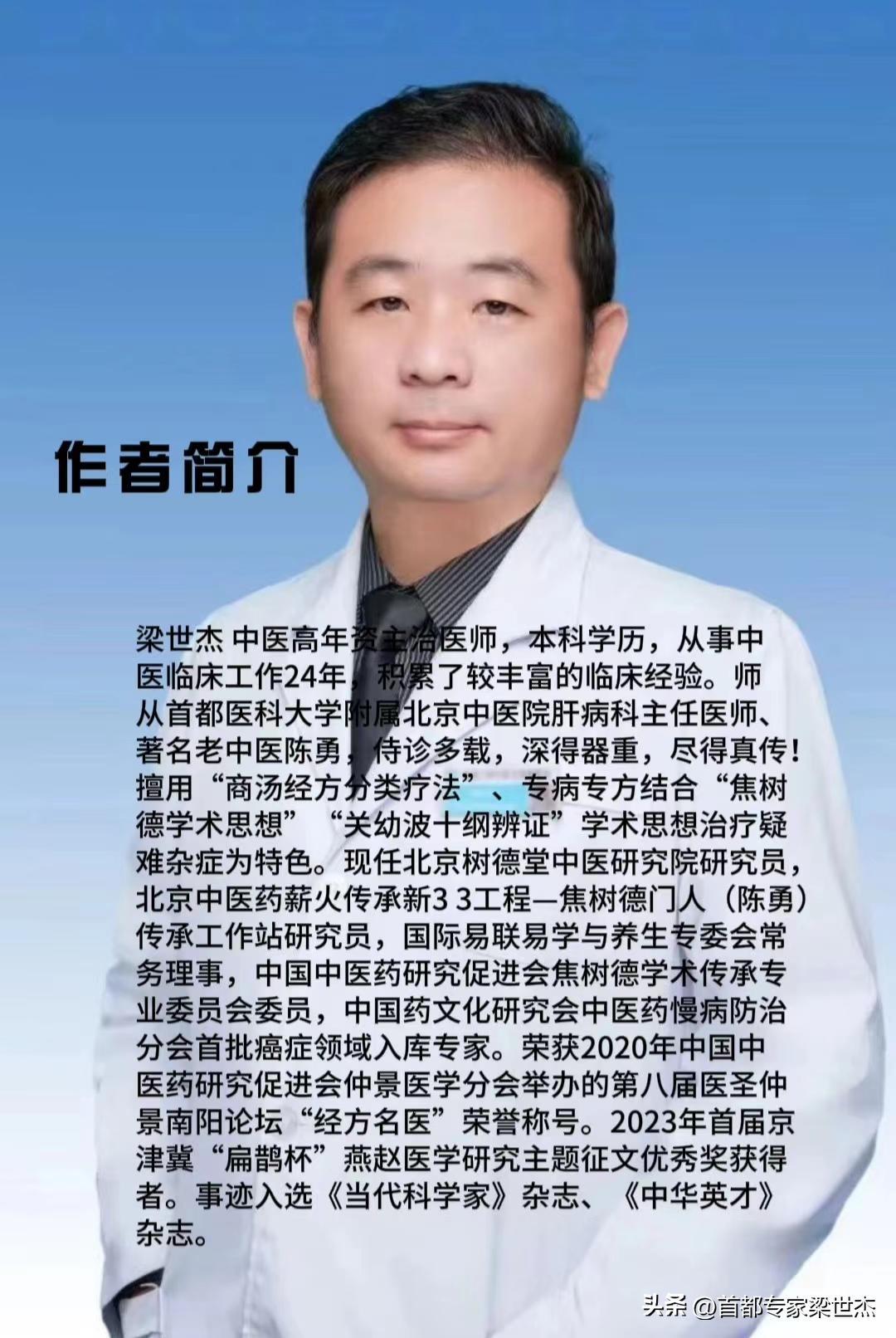
作者簡介:梁世傑 中醫高年資主治醫師,本科學歷,從事中醫臨牀工作24年,積累了較豐富的臨牀經驗。師從首都醫科大學附屬北京中醫院肝病科主任醫師、著名老中醫陳勇,侍診多載,深得器重,盡得真傳!擅用“商湯經方分類療法”、專病專方結合“焦樹德學術思想”“關幼波十綱辨證”學術思想治療疑難雜症爲特色。現任北京樹德堂中醫研究院研究員,北京中醫藥薪火傳承新3+3工程—焦樹德門人(陳勇)傳承工作站研究員,國際易聯易學與養生專委會常務理事,中國中醫藥研究促進會焦樹德學術傳承專業委員會委員,中國藥文化研究會中醫藥慢病防治分會首批癌症領域入庫專家。榮獲2020年中國中醫藥研究促進會仲景醫學分會舉辦的第八屆醫聖仲景南陽論壇“經方名醫”榮譽稱號。2023年首屆京津冀“扁鵲杯”燕趙醫學研究主題徵文優秀獎獲得者。事蹟入選《當代科學家》雜誌、《中華英才》雜誌。
In an era of multiple causes and consequences of diseases, traditional Chinese medicine serves as an umbrella for health
Over the course of time, diseases like hidden rocks have changed their appearance with the changes of time, posing a great deal of challenges to the human health boat. Back to the 1990s, when China''s health "culprit" is mainly infectious diseases, respiratory system disorders and trauma, such as single-cause single-fruit disease. These diseases are like straightforward fools with a single cause, The development mechanism and evolution path are like a clear map. With its precise "weapon," Western medicine can identify the cause of the illness and take precise measures, or kill bacteria and viruses like a sword, or remove diseased organ tissue like a carpenter, so as to restore people to health. At that time, people faced illness as if they had a reliable key that could easily open the door to health.
However, the wheels of the times are rolling forward, and since the beginning of the new century, the face of disease has changed dramatically. Chronic diseases such as malignant tumors, cardiovascular diseases, metabolic diseases and other diseases are like a raging tide, becoming the main "killers" threatening people''s health. These diseases are known as multifactorial, multifactorial diseases. The causes of these diseases are like a fog, unknown or multiple possibilities, and the development mechanisms and pathways of these developments are like intricate mazes that are unfathomable. Western medicine, which uses clear cause as a prerequisite and precision treatment as a means, often appears ineffective and has limited effectiveness in this fog.
According to the World Health Organization, chronic diseases kill tens of millions of people worldwide every year, and in China, chronic disease accounts for more than 80% of all deaths. Behind these cold numbers is the pain and helplessness of countless families. Like a war without smoke, an era of multi-cause disease, we urgently need new "strategies" and "weapons" to deal with it.
At this time, Chinese medicine, like an undisclosed martial arts master, quietly came onto the scene and became a powerful weapon to deal with such diseases. Traditional Chinese medicine does not target specific causes, but is based on cultivating self-righteous qi, like building a strong wall of the body to make diseases difficult to invade. For chronic diseases such as chronic kidney disease, chronic gastritis, irritable bowel syndrome, high blood pressure and headaches, traditional Chinese medicine has obtained significantly better treatment than Western medicine. There was a patient with chronic kidney disease who was afflicted by the disease for a long time. Western medical treatments, although they could relieve some of the symptoms, could never be cured. Later, he turned to TCM treatment, which, through dialectical treatment, prescribed a pair of TCM according to his physical condition and condition. After a period of treatment, the patient''s condition has improved significantly and the quality of life has also greatly improved. Such examples are common in traditional Chinese medicine.
From the perspective of traditional Chinese medicine''s own dialectical treatment, the condition of middle-aged and elderly patients with chronic diseases is becoming more and more complex. In the past, single-case, single-disease diseases for middle-aged and elderly patients with chronic diseases were more common, like a straight road, and relatively simple to treat. But now, chronic diseases are growing like rampant vines in the elderly. Hypertensive, diabetes mellitus, coronary heart disease, hyperlipidemia, cerebral infarction, cancer and other diseases are more and more common. At the same time, according to the constitution theory of traditional Chinese medicine, many middle-aged and elderly have different abnormal constitution, in a long-term sub-state of health. Illness is like a mess, intermingled cold and heat, deficiency and excess, mixed syndromes.
An old man in my neighbourhood is a classic example. He suffers from high blood pressure, diabetes mellitus and often feels sick to his stomach. When treating only one disease or a few symptoms, it is like "knocking down the gourd and lifting the stick" and it is endless. When treating such patients, traditional Chinese medicine often takes a multifaceted, multi-infectural holistic approach, which uses complementary treatment as the mainstay and unilateral treatment as a complement. Like a brilliant commander, he coordinates the whole situation and coordinates the forces of all parties to fight the disease together. This holistic concept and dialectical approach to healing is the unique advantage of traditional Chinese medicine.
TCM emphasizes the harmony and unity of man and nature, believes that the human body is an organic whole, and the occurrence and development of diseases are closely related to the external environment, the qi, blood, yin and yang within the human body, etc. In treating multiple causes and consequences of diseases, traditional Chinese medicine is not limited to local symptoms, but starts from the whole, adjusting the yin and yang balance of the human body, and enhancing the body''s ability to repair itself.
It is said that "a sheep also chases, and a flock of sheep chases." It''s like doing a comprehensive overhaul and maintenance on an old machine, rather than just replacing a broken part and making a single list.
In this era of multiple causes and consequences of disease, we cannot blindly rely on the precise treatment of Western medicine, nor can we ignore the holistic management of traditional Chinese medicine. Western medicine and Chinese medicine are like the two wings of a bird and the two wheels of a car, each has its advantages and disadvantages. We should take the best from both with an open mind and form a healthcare system suited to China''s national conditions.
"Preventive treatment of disease," Chinese medicine also pay attention to preventive health care, through the regulation of diet, exercise, emotion and other aspects, enhance the body''s healthy, prevent disease. It''s like building a strong line of defense before a disease strikes. In daily life, we can learn some traditional Chinese medicine healing knowledge, such as tai chi, eight dashes, and other traditional Chinese healing techniques, as well as a reasonable diet mix to keep the body in a healthy state.
The era of multiple causes and consequences of disease was a battle for health without smoke. With its unique theories and methods, traditional Chinese medicine has provided us with a solid ''protection umbrella'' for health. Let us cherish this "umbrella" and under the wisdom of traditional Chinese medicine, work together to safeguard our health and usher in a better future.
Author Bio: Liang Shijie is a senior medical practitioner in traditional Chinese medicine with an undergraduate degree. He has been engaged in traditional medicine clinical work for 24 years and has accumulated a wealth of clinical experience. Following Chen Yong, chief physician of liver disease at Beijing Traditional Medicine Hospital, affiliated with Capital Medical University, and renowned old Chinese medicine, he has been treated for many years and received great attention. He specializes in the treatment of difficult diseases using "conversational traditional therapy" and special treatments combined with the academic ideas of Jiao Shude and Guan Yubo''s ten-level diagnosis.He is currently a researcher at the Shude Tang TCM Research Institute in Beijing, a fellow at the new 3 + 3 project of traditional Chinese medicine flame inheritance in Beijing - a scholar at the inheritance workstation of Jiao Shude''s protégés (Chen Yong),He is a standing committee member of the International Expert Committee on E-learning and Health Care, a member of the Jiao Shude Academic Heritage Special Committee of the Chinese Association for the Advancement of Chinese Medicine Research, and the first cancer specialist to be included in the chapter of the Chinese Pharmaceutical Culture Research Association. Won the 2020 China Association for the Promotion of Traditional Chinese Medicine Zhongjing Medical Branch held the eighth session of the Medical Saint Zhongjing Nanyang Forum "Classic Prescription Famous Doctor" honorary title. The winner of the first Beijing-Tianjin-Hebei "Pingui Cup" Yanzhao Medical Research Essay Award in 2023. His work was featured in the journal Current Scientist and the journal Chinese Talent.