曹東義:破西醫“構成論”之繭,探中醫“精氣神”之妙
在醫學的浩瀚星空中,西醫與中醫宛如兩顆璀璨卻又風格迥異的星辰,各自散發着獨特的光芒,引領着人類對生命奧祕的探索。當下,西醫以“構成論”爲利刃,試圖剖析生命的本質,宣稱結構決定功能,這一觀點如同在醫學領域投下的一顆巨石,激起了層層漣漪,雖有一定道理,卻也陷入了局限的泥沼。
西醫的“構成論”,就像一位嚴謹的工匠,拿着精密的尺規,將生命拆解成一個個具體的結構部件,認爲只要搞清楚了這些結構,就能洞悉生命的功能奧祕。從微觀的細胞結構,到宏觀的器官系統,西醫憑藉先進的科學技術,繪製出了一幅幅詳細而精確的生命結構地圖。不可否認,這種研究方法在許多方面取得了巨大的成功。以外科手術爲例,醫生們依據對人體結構的精準瞭解,能夠準確地切除病變組織,修復受損器官,拯救了無數患者的生命。據統計,在全球範圍內,每年通過外科手術成功治療的疾病病例數以億計,這無疑是西醫“構成論”的一大輝煌成就。
然而,當我們深入探究生命的本質時,就會發現“構成論”存在着難以彌補的缺陷。細胞核,這個被視爲細胞“控制中心”的結構,並非像我們想象中那樣完全同質化。研究表明,即使在同一個細胞核內,基因的表達也存在着動態的變化,受到多種因素的調控。這就好比一個看似平靜的湖面,實則暗流湧動,隱藏着無數的奧祕。而且,生命的結構並非是僵硬不變的硬結構,而是以細胞爲基礎的網狀結構,是一種活的不穩定結構。它就像一個靈動的舞者,時刻處於變化的過程之中,隨着時間、環境等因素的影響而不斷調整和改變。
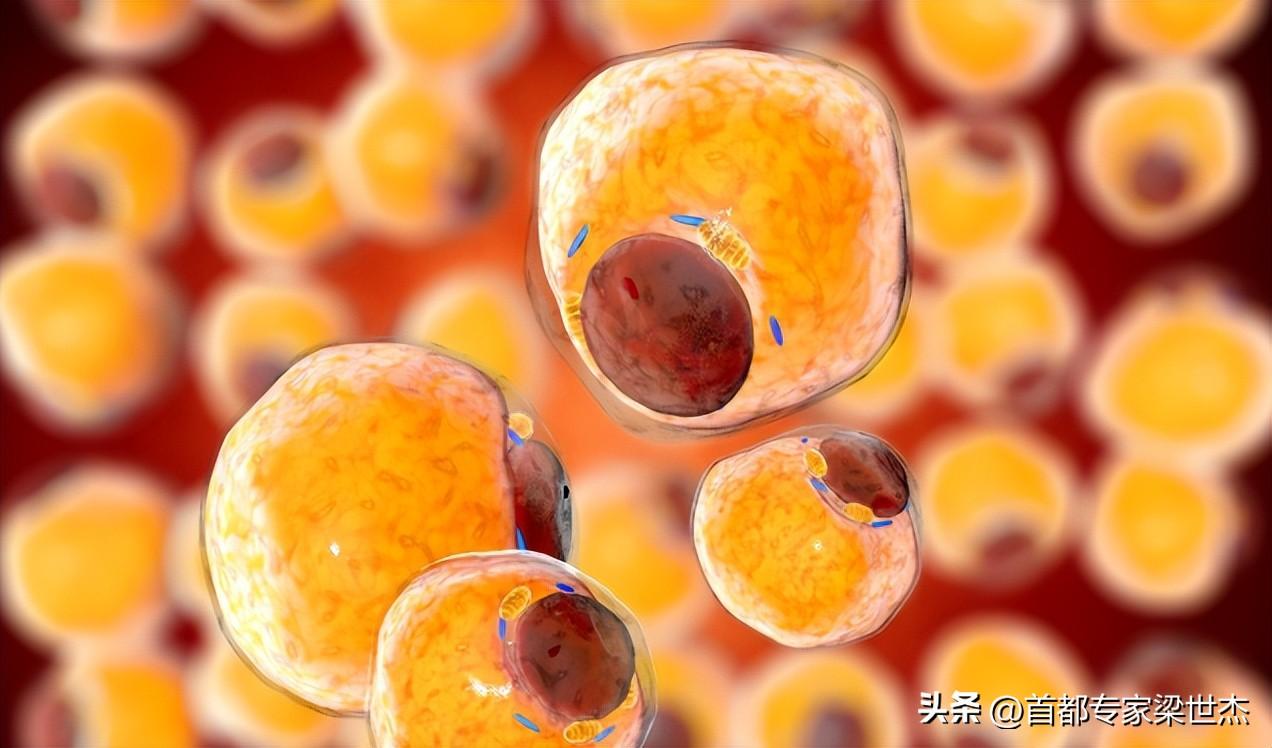
想象一下,我們的身體就像一座繁華的城市,細胞是城市中的居民,它們通過各種信號和聯繫構成了一個錯綜複雜的網絡。這個網絡不是一成不變的,而是時刻都在進行着信息的傳遞和物質的交換。如果僅僅用結構來決定功能,就如同只看到了城市的建築佈局,而忽略了城市中居民的活動和交流,顯然是無法全面理解城市的運行規律的。
更進一步說,明物質在生命中所佔的比例只是很少的一部分,而暗物質、暗能量卻佔據了大多數。這就如同冰山一角,我們看到的只是露出水面的那一小部分,而隱藏在水下的巨大部分纔是生命的真正奧祕所在。中醫所重視的精氣神,恰恰就在這看似神祕的暗物質和暗能量領域中佔有重要地位。
中醫的精氣神理論,就像一把神祕的鑰匙,試圖打開生命深層次的奧祕之門。精,是構成人體和維持生命活動的基本物質,如同生命的源泉,滋養着我們的身體;氣,是人體內運行不息的精微物質,是生命活動的動力,就像城市中的能源,推動着各個環節的正常運轉;神,則是人體生命活動的主宰和外在表現,是生命的靈魂,賦予了我們思想和意識。這三者相互依存、相互影響,共同構成了生命的整體。
有一位患者,長期感到身體虛弱、精神萎靡,西醫經過一系列的檢查,並未發現明顯的器質性病變,各項指標也都基本正常。按照西醫的“構成論”,似乎無法找到病因,也就難以給出有效的治療方法。而中醫通過辨證論治,認爲患者是精氣不足、神失所養,於是採用中藥調理、鍼灸等方法,滋補精氣、安神定志。經過一段時間的治療,患者的身體狀況得到了明顯的改善,精神也煥發起來。這個例子就充分說明了中醫精氣神理論在臨牀實踐中的獨特價值。
在探索生命的道路上,我們不能被西醫的“構成論”所束縛,就像不能被一隻精緻卻狹小的籠子困住我們的思維。我們應該以開放的心態,借鑑西醫的先進技術和方法,同時深入挖掘中醫的寶貴智慧,將兩者有機地結合起來。就像在黑暗中摸索的行者,既要藉助手電筒的光亮看清眼前的道路,又要仰望星空,尋找那指引方向的星辰。
讓我們打破西醫“構成論”的繭縛,探尋中醫“精氣神”的奇妙世界,在醫學的廣闊天地中開闢出一條更加全面、深入、科學的探索之路,爲人類的健康事業貢獻更多的智慧和力量。
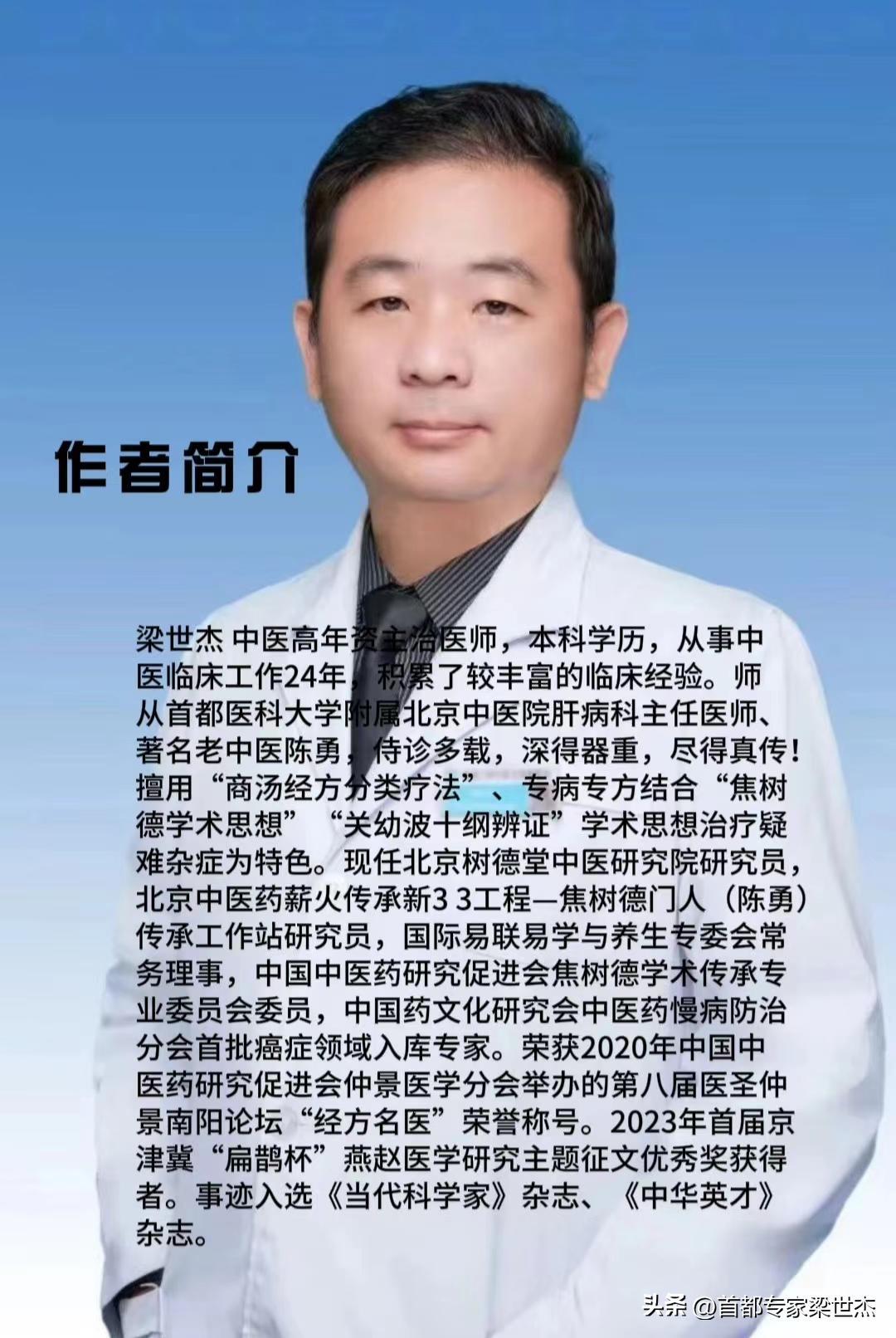
作者簡介:梁世傑 中醫高年資主治醫師,本科學歷,從事中醫臨牀工作24年,積累了較豐富的臨牀經驗。師從首都醫科大學附屬北京中醫院肝病科主任醫師、著名老中醫陳勇,侍診多載,深得器重,盡得真傳!擅用“商湯經方分類療法”、專病專方結合“焦樹德學術思想”“關幼波十綱辨證”學術思想治療疑難雜症爲特色。現任北京樹德堂中醫研究院研究員,北京中醫藥薪火傳承新3+3工程—焦樹德門人(陳勇)傳承工作站研究員,國際易聯易學與養生專委會常務理事,中國中醫藥研究促進會焦樹德學術傳承專業委員會委員,中國藥文化研究會中醫藥慢病防治分會首批癌症領域入庫專家。榮獲2020年中國中醫藥研究促進會仲景醫學分會舉辦的第八屆醫聖仲景南陽論壇“經方名醫”榮譽稱號。2023年首屆京津冀“扁鵲杯”燕趙醫學研究主題徵文優秀獎獲得者。事蹟入選《當代科學家》雜誌、《中華英才》雜誌。
Cao Dongyi: Breaking through the limitations of Western medicine''s "constituent theory" and exploring the profound essence of traditional Chinese medicine''s "qi, essence, and spirit"
In the vast expanse of medical knowledge, Western medicine and traditional Chinese medicine are like two brilliant yet distinct stars, each emitting its unique light and guiding humanity''s exploration of the mysteries of life. Currently, Western medicine wields the "constitution theory" as its weapon, attempting to dissect the essence of life, asserting that structure determines function. This viewpoint has the effect of throwing a massive stone into the field of medicine, creating ripples that, while having some validity, also lead to limitations and pitfalls.
The "constructionist" approach in Western medicine is akin to that of a meticulous craftsman, using precise measuring tools to dissect life into individual, specific structural components. The belief is that once these structures are understood, one can gain insight into the functional mysteries of life. From the microscopic cellular structures to the macroscopic organ systems, Western medicine, relying on advanced scientific technologies, has created detailed and precise maps of life''s structures. It is undeniable that this research approach has achieved significant success in many areas. To illustrate, in the field of surgery, doctors, with their precise understanding of human anatomy, can accurately remove diseased tissue and repair damaged organs, thereby saving countless lives. According to statistics, globally, millions of cases of diseases are successfully treated through surgical procedures each year. This undoubtedly represents a remarkable achievement of the Western medicine''s "constructionist" approach.
However, when we delve deeper into the nature of life, we find that the "constituent theory" has inherent flaws that are difficult to overcome. The nucleus, which is considered the "control center" of the cell, is not as homogeneous as we might initially assume. Research has shown that even within the same nucleus, gene expression undergoes dynamic changes, which are regulated by various factors. This is akin to a seemingly calm lake with hidden currents, concealing numerous mysteries. Moreover, the structure of life is not a rigid and unchanging entity but rather a network-like structure based on cells, a dynamic and unstable structure. It is like a lively dancer, constantly in a state of flux, adapting and changing in response to factors such as time and environment.
Imagine that our bodies are like a bustling city, with cells acting as the inhabitants. These cells form a complex network through various signals and interactions. This network is not static; it is constantly engaged in the exchange of information and materials. If functionality were solely determined by structure, it would be akin to focusing only on the architectural layout of the city while ignoring the activities and interactions of its inhabitants. This approach clearly fails to provide a comprehensive understanding of how the city functions.
To elaborate further, the proportion of ordinary matter in life is only a small part, while dark matter and dark energy occupy the majority. This is akin to the tip of an iceberg; what we see is just a small portion that is visible, while the vast majority that lies beneath the surface is the true essence of life. The essence, qi, and spirit, which are emphasized in traditional Chinese medicine, hold significant importance within this seemingly mysterious realm of dark matter and dark energy.
The theory of Jing, Qi, and Shen in traditional Chinese medicine is akin to a mysterious key, aiming to unlock the profound secrets of life. Jing represents the fundamental substance that constitutes the human body and sustains life activities, akin to the source of life, nourishing our bodies. Qi is the continuous, subtle substance within the human body, serving as the driving force for life activities, much like the energy in a city that propels the normal functioning of various components. Shen, on the other hand, governs and manifests the life activities within the body, acting as the soul of life, giving rise to our thoughts and consciousness. These three elements are interdependent and influence one another, collectively forming the holistic aspect of life.
There was a patient who had been experiencing persistent feelings of physical weakness and mental fatigue. After a series of examinations by Western medicine, no significant organic abnormalities were found, and all the test results were essentially normal. According to the "constitution theory" of Western medicine, it seemed impossible to identify the cause of the condition, making it challenging to provide an effective treatment plan. In contrast, Traditional Chinese Medicine (TCM), through the principle of differential diagnosis and treatment, believed that the patient''s condition was due to deficiency of vital energy (qi) and insufficient nourishment of the spirit. Therefore, TCM practitioners employed methods such as herbal medicine therapy and acupuncture to replenish qi and calm the mind and spirit. After a period of treatment, the patient''s physical condition improved significantly, and their mental state also became more vibrant. This example vividly demonstrates the unique value of the TCM theory of qi, spirit, and essence in clinical practice.
On the path of exploring life, we should not be bound by the "constituent theory" of Western medicine, just as we should not let a delicate yet confined cage restrict our thinking. We should adopt an open-minded approach, draw upon the advanced technologies and methods of Western medicine, while also delving deeply into the valuable wisdom of traditional Chinese medicine, and integrate these two approaches organically. It is akin to a traveler groping in the dark, needing to use the light from a flashlight to see the path ahead while also looking up at the stars to find the guiding celestial bodies.
Let us break free from the constraints of the "constituent theory" of Western medicine and explore the fascinating world of "qi, essence, and spirit" in traditional Chinese medicine. By opening up a more comprehensive, in-depth, and scientific path of exploration within the vast realm of medicine, we can contribute more wisdom and strength to the cause of human health.
Author Bio: Liang Shijie is a senior medical practitioner in traditional Chinese medicine with an undergraduate degree. He has been engaged in traditional medicine clinical work for 24 years and has accumulated a wealth of clinical experience. Following Chen Yong, chief physician of liver disease at Beijing Traditional Medicine Hospital, affiliated with Capital Medical University, and renowned old Chinese medicine, he has been treated for many years and received great attention. He specializes in the treatment of difficult diseases using "conversational traditional therapy" and special treatments combined with the academic ideas of Jiao Shude and Guan Yubo''s ten-level diagnosis.He is currently a researcher at the Shude Tang TCM Research Institute in Beijing, a fellow at the new 3 + 3 project of traditional Chinese medicine flame inheritance in Beijing - a scholar at the inheritance workstation of Jiao Shude''s protégés (Chen Yong),He is a standing committee member of the International Expert Committee on E-learning and Health Care, a member of the Jiao Shude Academic Heritage Special Committee of the Chinese Association for the Advancement of Chinese Medicine Research, and the first cancer specialist to be included in the chapter of the Chinese Pharmaceutical Culture Research Association. Won the 2020 China Association for the Promotion of Traditional Chinese Medicine Zhongjing Medical Branch held the eighth session of the Medical Saint Zhongjing Nanyang Forum "Classic Prescription Famous Doctor" honorary title. The winner of the first Beijing-Tianjin-Hebei "Pingui Cup" Yanzhao Medical Research Essay Award in 2023. His work was featured in the journal Current Scientist and the journal Chinese Talent.