梁世傑:治病要講節奏感
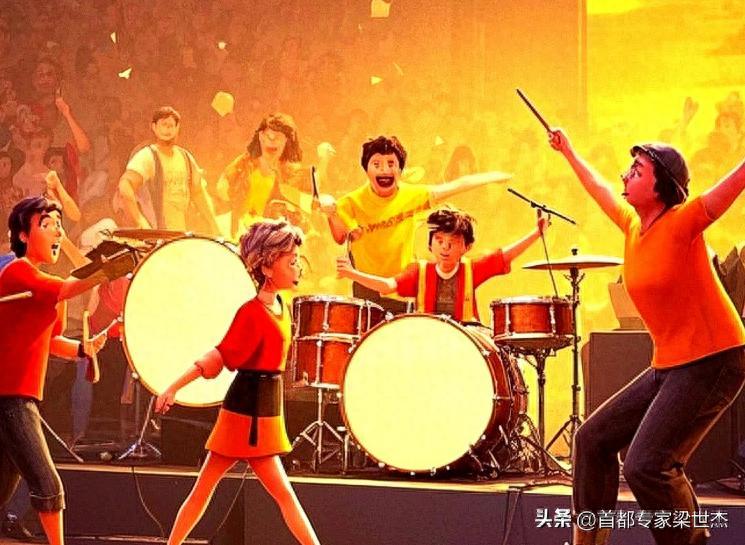
在咱這紛繁複雜、充滿未知的生命舞臺上,中醫治病就像是一場神祕而又精妙絕倫的舞蹈,每一個動作、每一個節奏,都蘊含着無盡的智慧和深意。你可別小瞧了這節奏,它就像音樂的節拍,快了亂了,舞就跳砸了;慢了拖沓,也失去了韻味。中醫治病亦是如此,講究的就是那恰到好處的節奏把控。
急性病:快節奏裏的雷霆出擊
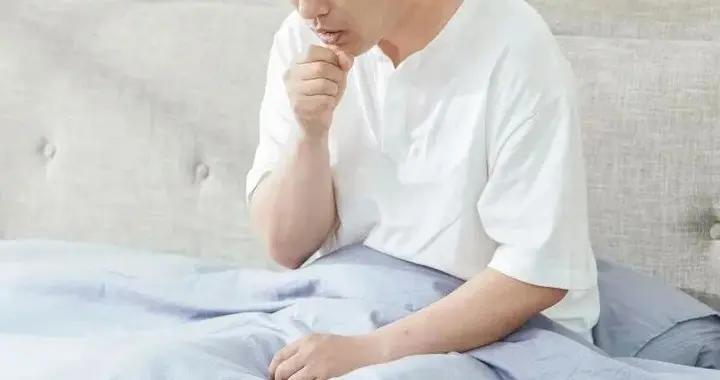
急性病,那就像是突然闖入生活的暴風雨,來勢洶洶,讓人猝不及防。這時候,中醫治病就得像一位英勇的戰士,迅速出擊,以快制快。就好比一場激烈的戰鬥,敵人已經兵臨城下,容不得你有半點猶豫和拖延。
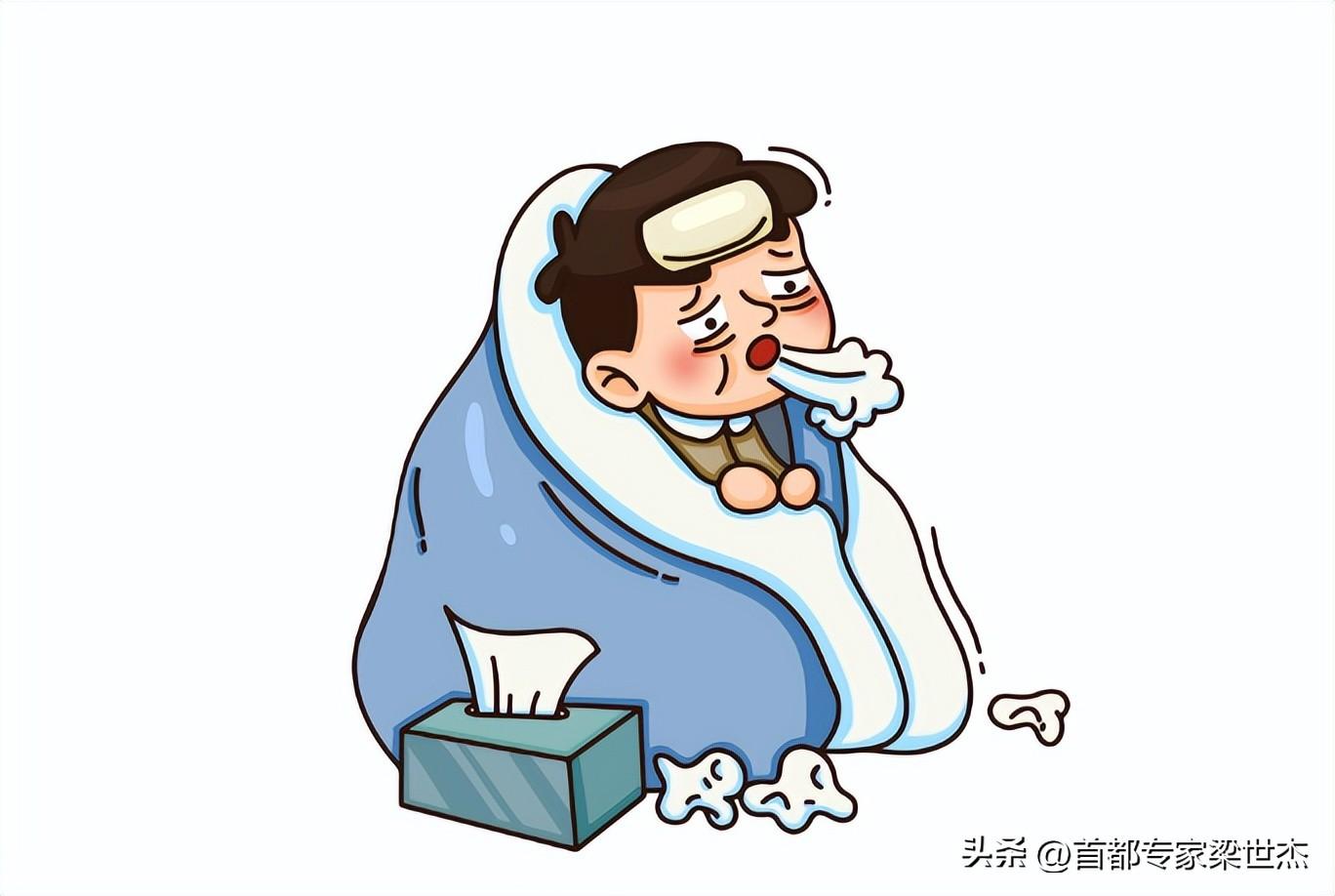
就拿感冒發燒來說吧,這可是最常見的急性病了。據統計,每個人每年平均會感冒 2 - 6 次,這感冒一來,整個人就像被一團火包裹着,渾身發熱、頭痛欲裂、四肢痠痛,難受得要命。這時候,中醫可不會慢悠悠地給你調理,而是果斷地採取措施。用上辛涼解表的方劑,就像給身體打開了一扇通風的大門,讓那些熱邪順着這扇門迅速排出體外。有些厲害的中醫,開上幾副藥,患者喝下去沒幾天,燒就退了,症狀也大大減輕,又能活蹦亂跳了。這速度,就像閃電一樣快,讓急性病在中醫的快節奏打擊下,無處遁形。
再比如急性腸胃炎,那肚子痛起來,簡直能要人命,一趟趟地跑廁所,整個人都快虛脫了。中醫這時候會迅速判斷病因,如果是飲食不潔引起的,就會用上清熱利溼、止瀉的方劑。就好比給混亂的腸胃來了一場大掃除,把那些有害的病菌和毒素統統清理出去。經過及時的治療,患者的病情很快就能得到控制,恢復往日的活力。這急性病的治療,講究的就是一個“快”字,就像在戰場上搶時間一樣,只有快速出擊,才能把敵人消滅在萌芽狀態。
慢性病:慢節奏中的穩紮穩打
與急性病不同,慢性病就像是一個潛伏在身體裏的定時炸彈,悄悄地侵蝕着我們的健康,它的治療可不能急於求成,得慢慢來,穩紮穩打。這就好比建造一座宏偉的大廈,不能一蹴而就,需要一磚一瓦地慢慢堆砌,才能保證大廈的堅固和穩定。
像高血壓、糖尿病這些慢性病,它們就像兩個頑固的敵人,長期潛伏在身體裏,很難在短時間內徹底消滅。據世界衛生組織統計,全球有超過 10 億人患有高血壓,糖尿病患者也達到了 4 億多人。對於這些慢性病,中醫採用的是整體調理的方法,通過調節人體的陰陽平衡、氣血運行,來改善身體的內環境,從而達到控制病情的目的。
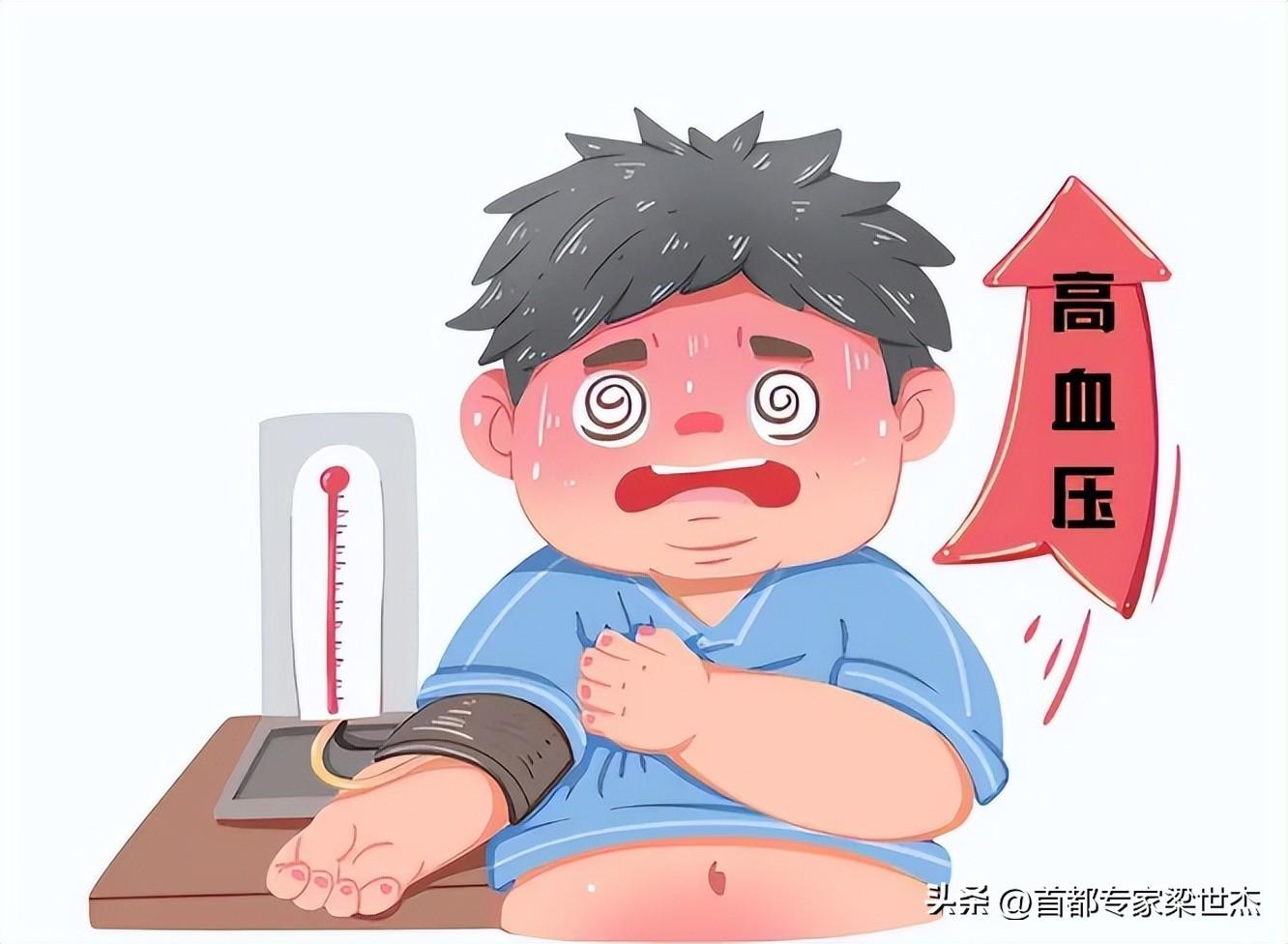
就拿高血壓來說吧,中醫認爲高血壓的發生與肝陽上亢、肝腎陰虛等因素有關。治療的時候,不會一味地用降壓藥把血壓強行降下來,而是會根據患者的具體症狀和體質,開出適合的方劑。有的患者可能會用上平肝潛陽的中藥,有的則需要滋補肝腎。這個過程就像是一場漫長的馬拉松,需要患者有足夠的耐心和毅力。經過一段時間的調理,患者的血壓會逐漸趨於穩定,身體的其他不適症狀也會得到改善。雖然治療過程比較慢,但卻能從根源上解決問題,減少併發症的發生。
年齡差異:節奏因人而異的精妙藝術
中醫治病,不僅講究疾病的急慢,還會根據患者的年齡來調整治療的節奏。年輕人和老年人,就像兩首不同風格的歌曲,有着不同的旋律和節奏。
年輕人,就像初升的太陽,充滿了活力和朝氣,身體素質好,抵抗力強。他們得病了,就像一輛性能良好的跑車,稍微加點油,就能快速恢復。所以中醫在治療年輕人疾病的時候,可以適當下點兒猛藥,縮短療程。比如說年輕人得了急性扁桃體炎,喉嚨腫痛得厲害,喫飯都成問題。中醫可能會用上一些清熱解毒、消腫利咽的猛藥,讓病情迅速得到控制。經過幾天的治療,年輕人就能恢復往日的活力,繼續投入到工作和生活中去。
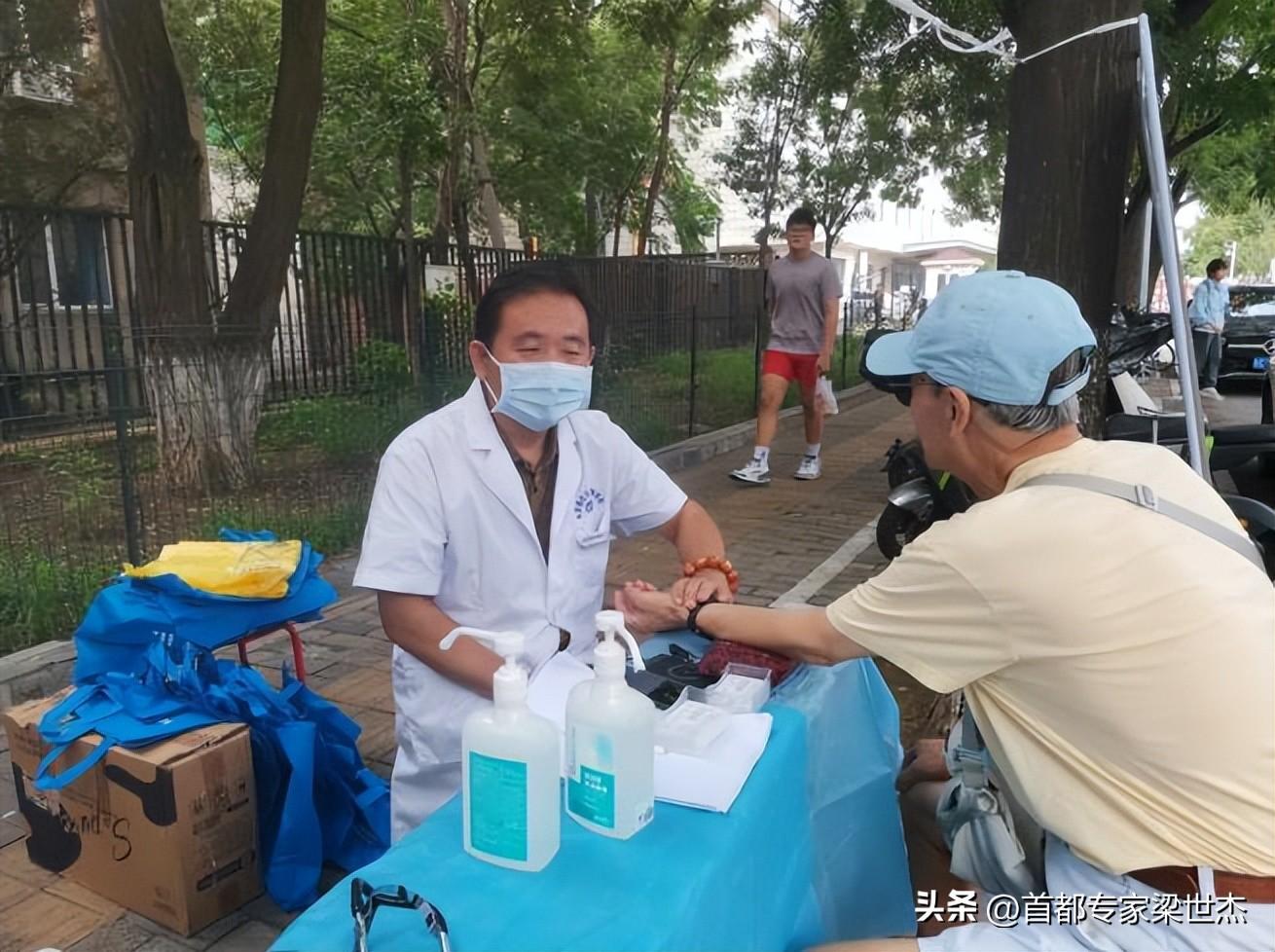
而老年人呢,就像一臺使用了多年的老機器,各個零件都有些磨損,身體機能下降,抵抗力也變弱了。他們得病了,就像一輛老舊的汽車,不能開得太快,否則容易出故障。所以中醫在治療老年人疾病的時候,用藥忌諱猛烈,要求慢一點,穩妥一些。比如老年人得了慢性支氣管炎,咳嗽、氣喘等症狀反覆發作。中醫會用一些溫和的方劑,慢慢調理肺氣,增強肺功能。這個過程可能需要幾個月甚至更長時間,但就像給老機器做精細的保養一樣,雖然慢,但卻能讓老年人的身體逐漸恢復健康,提高生活質量。
中醫治病的節奏,就像一首美妙的交響樂,有急有緩,有高有低,每一個音符都恰到好處。它根據疾病的急慢、患者的年齡等因素,靈活調整治療的節奏,以達到最佳的治療效果。讓我們在這場與身體共舞的節奏盛宴中,感受中醫的智慧和魅力,守護好我們的健康。畢竟,健康纔是人生最大的財富,只有擁有健康的身體,我們才能盡情地享受生活的美好。你說是不是這個理兒呢?
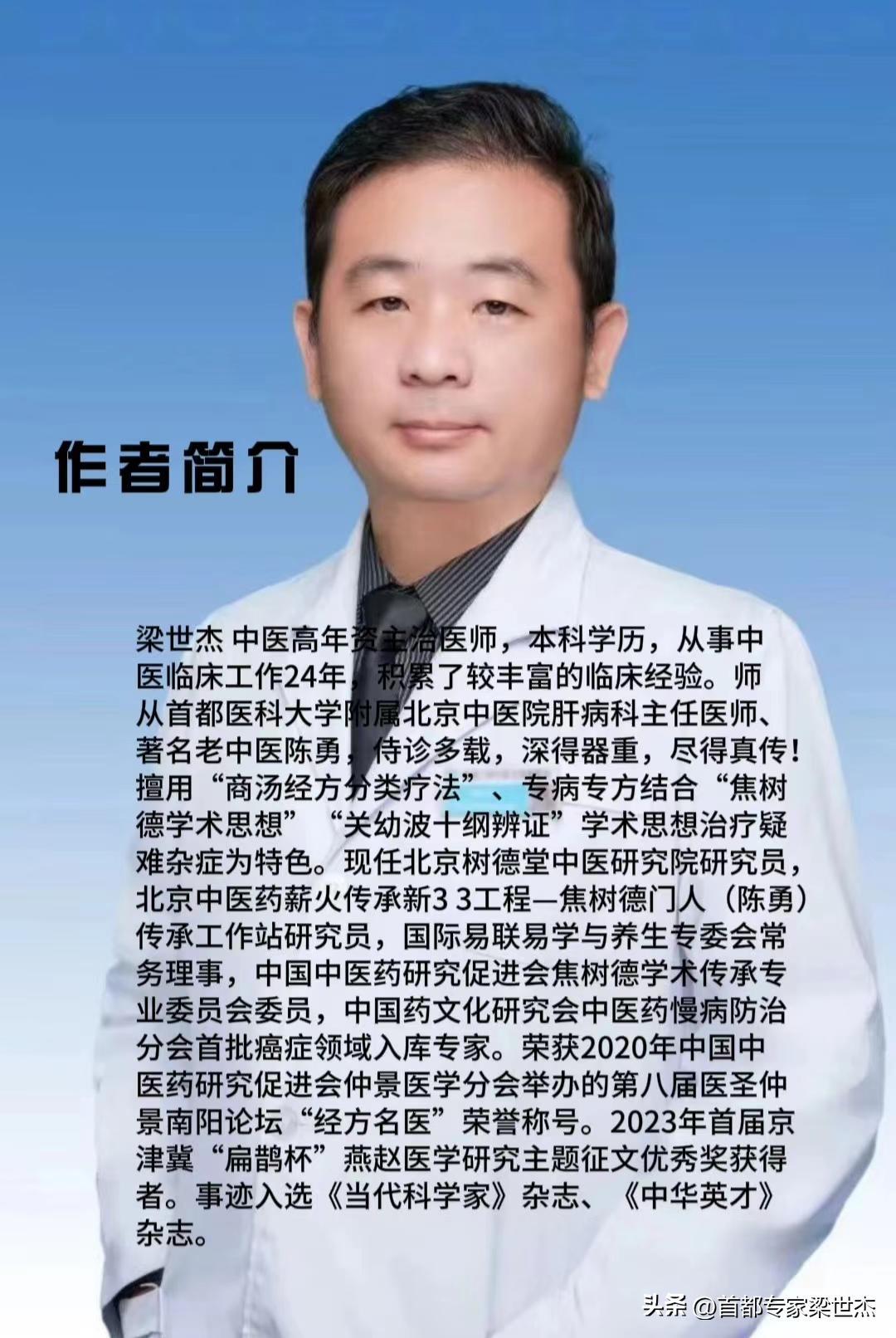
作者簡介:梁世傑 中醫高年資主治醫師,本科學歷,從事中醫臨牀工作24年,積累了較豐富的臨牀經驗。師從首都醫科大學附屬北京中醫院肝病科主任醫師、著名老中醫陳勇,侍診多載,深得器重,盡得真傳!擅用“商湯經方分類療法”、專病專方結合“焦樹德學術思想”“關幼波十綱辨證”學術思想治療疑難雜症爲特色。現任北京樹德堂中醫研究院研究員,北京中醫藥薪火傳承新3+3工程—焦樹德門人(陳勇)傳承工作站研究員,國際易聯易學與養生專委會常務理事,中國中醫藥研究促進會焦樹德學術傳承專業委員會委員,中國藥文化研究會中醫藥慢病防治分會首批癌症領域入庫專家。榮獲2020年中國中醫藥研究促進會仲景醫學分會舉辦的第八屆醫聖仲景南陽論壇“經方名醫”榮譽稱號。2023年首屆京津冀“扁鵲杯”燕趙醫學研究主題徵文優秀獎獲得者。事蹟入選《當代科學家》雜誌、《中華英才》雜誌。
Liang Shijie: Healing diseases requires a sense of rhythm
In our complex and unknown life stage, traditional Chinese medicine is like a mysterious and wonderful dance, with endless wisdom and profound meaning in every movement and rhythm. Don''t underestimate this rhythm. It''s like the beat of music. When it''s faster, the dance breaks down. It was slow and slow, and lost its flavor. The same is true of traditional Chinese medicine for healing diseases. It is all about the right rhythm.
Acute illness: A fast-paced thunder hits
An acute illness is like a storm that suddenly bursts into your life, and it''s so severe that you can''t catch it. At this time, a Chinese medicine practitioner must act like a heroic soldier, fighting quickly in order to speed up the situation. It is like a fierce battle in which the enemy is already on the ground, and you cannot afford to hesitate or delay.
Take colds and fever, which are the most common acute illnesses. According to statistics, everyone gets a cold on average two to six times a year, and the whole person is enveloped in a fire, with fever, a cracked headache, sore limbs and a terrible pain. At this time, traditional Chinese medicine does not slowly counsel you, but takes steps decisively. Using an antidote to the antidote is like opening a ventilating door to the body, allowing those hot evils to be quickly expelled through this door. Some powerful Chinese medicine prescribes several pairs of medicine, and within a few days, the fever subsides, the symptoms are greatly reduced, and the patient can live again. This speed, like lightning, makes acute diseases nowhere to escape under the fast-paced strike of traditional Chinese medicine.
Or, for example, acute gastroenteritis, when the belly pain becomes almost life-threatening, and the whole person is nearly exhausted by running to the toilet. Chinese medicine at this time will quickly determine the cause, if it is caused by unclean eating, will use clearing heat and promoting diuresis, antidiarrheal formula. It is like giving a sweeping cleansing to the chaotic intestine, cleaning out all the harmful germs and toxins. With timely treatment, the patient''s condition can soon be brought under control and his former vitality restored. The treatment of this acute disease is all about the word "fast," like stealing time on the battlefield, and only by striking quickly can the enemy be eliminated in the bud.
Chronic diseases: staying steady at a slow pace
Unlike acute diseases, chronic diseases are like a time bomb lurking in the body, quietly eroding our health, and their treatment cannot be rushed, it must be done slowly and steadily. It is like building a grand edifice, which cannot be built overnight, and needs to be slowly built one brick by one to ensure the solidity and stability of the edifice.
Chronic diseases, such as hypertension and diabetes mellitus, are like two stubborn enemies, lurking in the body for a long time and difficult to eradicate in a short period. According to the World Health Organization, more than 1 billion people worldwide have high blood pressure, and more than 400 million people have diabetes mellitus. For these chronic diseases, traditional Chinese medicine adopts a holistic approach to conditioning, by regulating the yin and yang balance of the human body, the qi and blood flow, to improve the internal environment of the body, thereby achieving the goal of controlling the condition.
Take high blood pressure, for example. Traditional Chinese medicine believes that the occurrence of high blood pressure is related to factors such as hyperthyroidism and liver and kidney weakness. During treatment, the blood pressure will not be forcefully reduced with blood pressure medication, but the appropriate formulation will be prescribed according to the specific symptoms and physical condition of the patient. Some patients may use traditional Chinese medicine to calm the liver and secrete the yang, while others need to nourish the liver or kidney. The process is like a long marathon and requires the patient to have enough patience and perseverance. After a period of conditioning, the patient''s blood pressure will gradually stabilize and other discomfort symptoms of the body will be improved. Although the treatment process is relatively slow, it can solve the problem at the root and reduce the occurrence of complications.
Age Differences: The Fine Art of rhythms that vary from person to person
Traditional Chinese medicine not only focuses on the urgency of the disease, but also adjusts the rhythm of treatment according to the age of the patient. Young people and old people, like two different styles of songs, have different melodies and rhythms.
Young people, like the rising sun, are full of vitality and freshness, good physical fitness and strong resistance. They got sick, like a good-performing sports car, and with a little more fuel, they recovered quickly. Therefore, when treating young people''s diseases, traditional Chinese medicine can appropriately put a little strong medicine to shorten the course of treatment. For example, young people have acute tonsillitis, their throat is sore and eating is a problem. Traditional Chinese medicine may use some clearing heat and removing toxicity, detumescence Li Yan''s fierce medicine, so that the disease can be quickly brought under control. After a few days of treatment, young people can regain their former vitality and continue to invest in their work and life.
The elderly, on the other hand, is like an old machine that has been in use for many years, and the parts have some wear and tear, the body functions less, and the resistance is weaker. They are sick, like an old car that can''t drive too fast or it''s prone to breakdowns. Therefore, when treating the diseases of the elderly, traditional Chinese medicine abstains from using forceful medicine, and requires a slower and more prudent approach. For example, the elderly have chronic bronchitis, with recurring symptoms such as cough and wheezing. TCM uses some mild remedies to slowly regulate the lungs and enhance lung function. The process can take months or even longer, but like fine maintenance of an old machine, it can be slow, but it can gradually restore the physical health of the elderly and improve the quality of life.
The rhythm of traditional Chinese medicine for healing is like a wonderful symphony, with a rush and a slow, a high and a low, and each note is right. It flexibly adjusts the pace of treatment according to factors such as the sickness of the disease, the age of the patient, etc. to achieve the best therapeutic effect. Let us enjoy the wisdom and charm of traditional Chinese medicine in this rhythmic feast of dancing with the body to safeguard our health. After all, health is the greatest asset of life, and only by having a healthy body can we enjoy the beauty of life to the fullest. Are you saying that''s the point?
Author Bio: Liang Shijie is a senior medical practitioner in traditional Chinese medicine with an undergraduate degree. He has been engaged in traditional medicine clinical work for 24 years and has accumulated a wealth of clinical experience. Following Chen Yong, chief physician of liver disease at Beijing Traditional Medicine Hospital, affiliated with Capital Medical University, and renowned old Chinese medicine, he has been treated for many years and received great attention. He specializes in the treatment of difficult diseases using "conversational traditional therapy" and special treatments combined with the academic ideas of Jiao Shude and Guan Yubo''s ten-level diagnosis.He is currently a researcher at the Shude Tang TCM Research Institute in Beijing, a fellow at the new 3 + 3 project of traditional Chinese medicine flame inheritance in Beijing - a scholar at the inheritance workstation of Jiao Shude''s protégés (Chen Yong),He is a standing committee member of the International Expert Committee on E-learning and Health Care, a member of the Jiao Shude Academic Heritage Special Committee of the Chinese Association for the Advancement of Chinese Medicine Research, and the first cancer specialist to be included in the chapter of the Chinese Pharmaceutical Culture Research Association. Won the 2020 China Association for the Promotion of Traditional Chinese Medicine Zhongjing Medical Branch held the eighth session of the Medical Saint Zhongjing Nanyang Forum "Classic Prescription Famous Doctor" honorary title. The winner of the first Beijing-Tianjin-Hebei "Pingui Cup" Yanzhao Medical Research Essay Award in 2023. His work was featured in the journal Current Scientist and the journal Chinese Talent.