寧守鍋空,勿讓胃脹:剩飯之思裏的生活哲學
在這煙火人間,飲食一事,看似尋常,實則暗藏諸多門道。那句“寧可鍋中存放,不讓肚子飽脹”,恰似一位歷經滄桑的老者,在我們耳邊輕聲唸叨着生活的至理。而“隔夜飯更得少喫”的叮囑,又像是一記警鐘,時刻提醒着我們莫要因一時之貪,壞了身體的和諧。
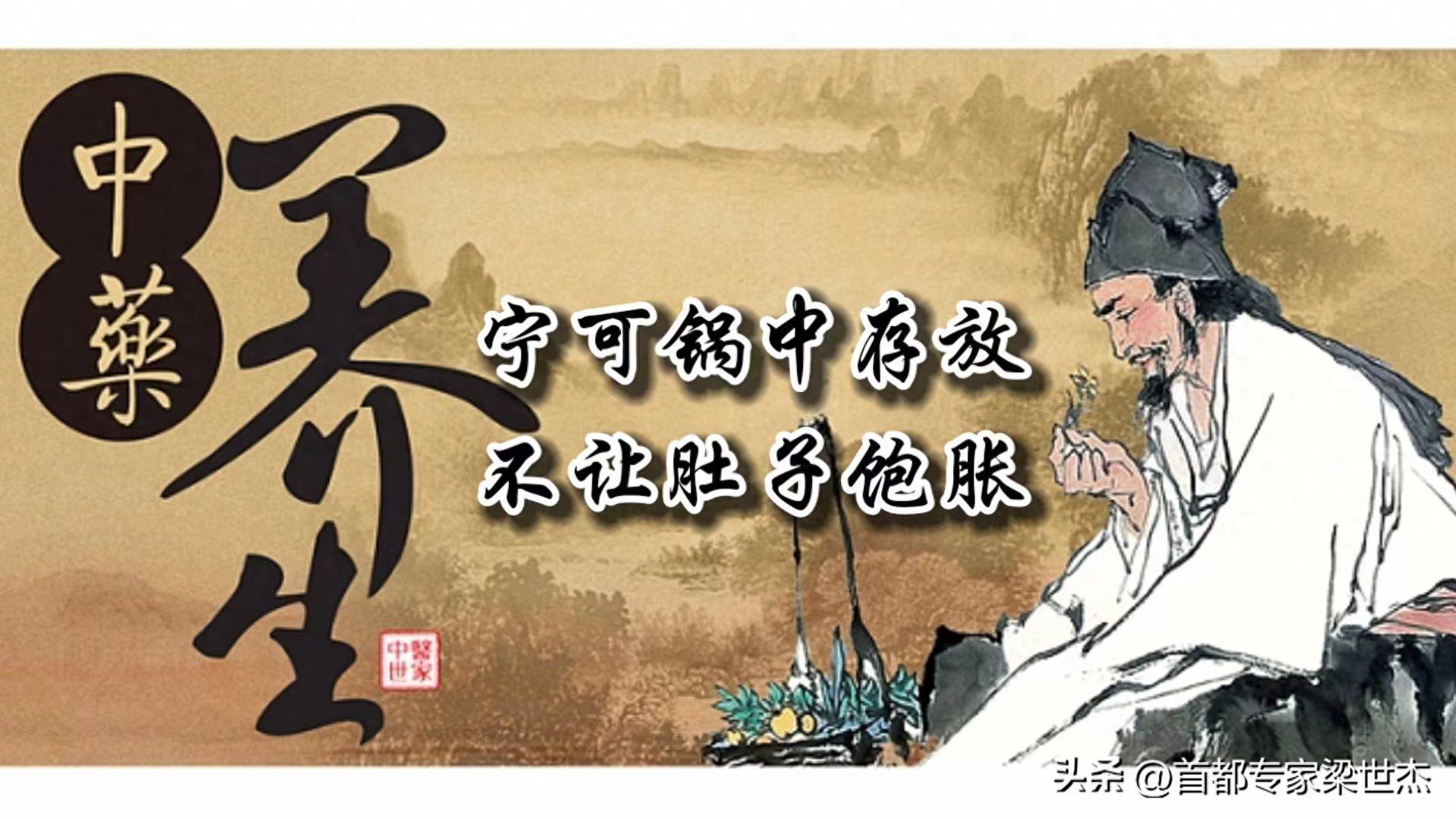
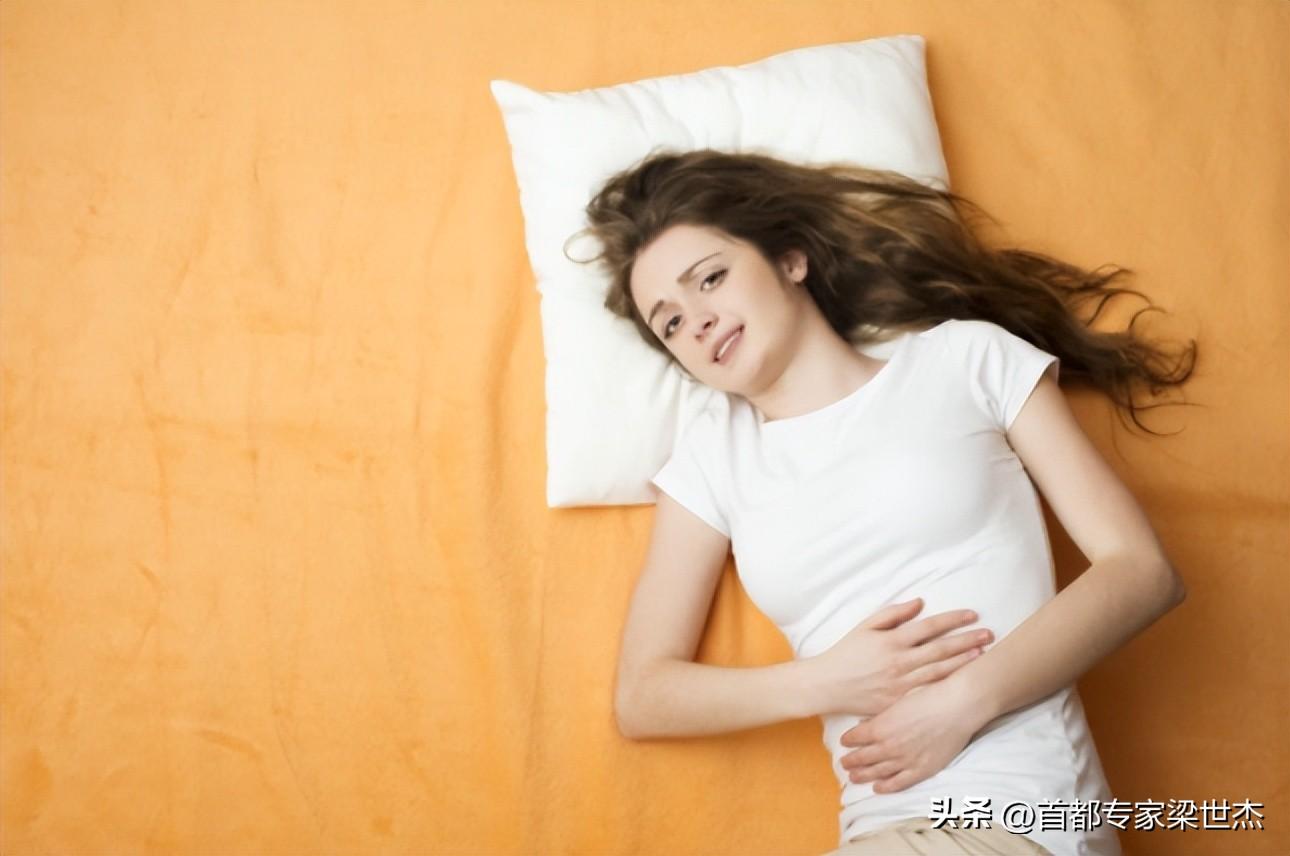
咱先說說這“寧可鍋中存放,不讓肚子飽脹”。你看那鍋中,即便空着,也似一位安靜的守候者,不爭不搶,悠然自得。可肚子一旦飽脹,就像一個被過度充氣的氣球,搖搖欲墜,難受至極。古人云:“飲食自倍,腸胃乃傷。”這話說得一點兒不假。據醫學研究顯示,長期過度進食,會使腸胃負擔過重,就像一臺不停運轉的機器,久而久之,零件磨損,故障頻發。腸胃亦是如此,飽脹之感會讓其消化功能紊亂,引發腹脹、腹痛、消化不良等諸多問題。
我有個朋友,平日裏就是個“喫貨”,每次喫飯都像是一場戰鬥,非得把肚子撐得圓滾滾的才罷休。有一回,他去喫自助餐,本着“不喫回本就是虧”的原則,各種美食一股腦兒地往肚子裏塞。結果,當天晚上就難受得不行,肚子脹得像個大鼓,翻來覆去睡不着覺,最後不得不去醫院,又是喫藥又是打針,折騰了好幾天才緩過來。從那以後,他算是明白了“寧可鍋中存放,不讓肚子飽脹”的道理,喫飯也變得節制起來。
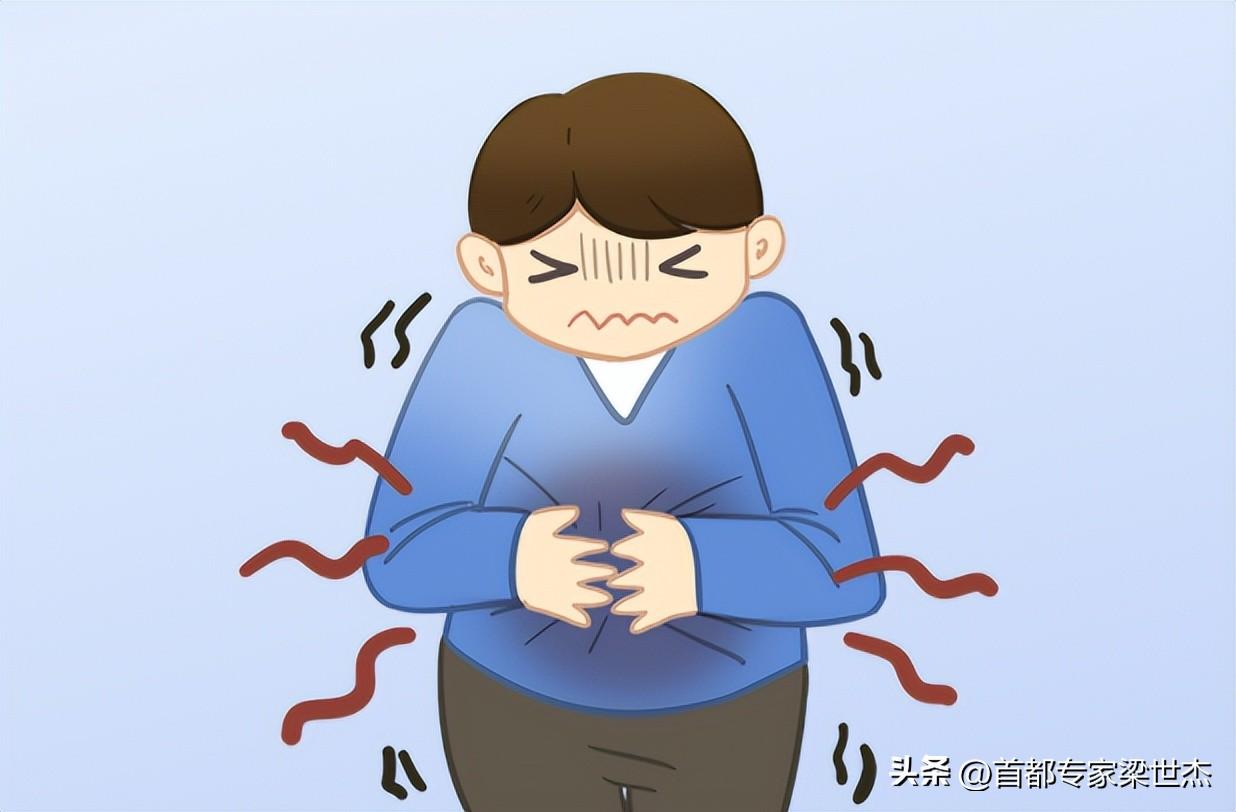
再說說這隔夜飯。有些剩飯,就像一個讓人糾結的難題,不喫吧,心裏總覺得可惜,彷彿浪費了糧食就是犯了罪;喫了吧,胃裏又難受得要命,就像有一羣小蟲子在裏面搗亂。這隔夜飯啊,就像一個隱藏的小炸彈,隨時可能給我們的身體帶來麻煩。
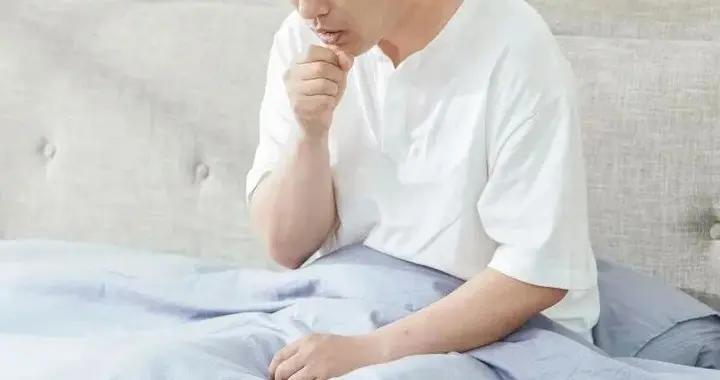
從科學的角度來講,隔夜飯在存放過程中,會發生一系列的變化。一方面,食物中的營養成分會逐漸流失,就像一個漏了的水桶,裏面的水越來越少。另一方面,細菌會大量繁殖,尤其是那些在常溫下存放的隔夜飯,簡直就是細菌的“溫牀”。有研究表明,放置時間過長的隔夜飯中,細菌數量會呈幾何級數增長,其中不乏一些對人體有害的病菌,如大腸桿菌、沙門氏菌等。這些病菌進入人體後,會引發各種疾病,輕則導致腹瀉、嘔吐,重則可能危及生命。
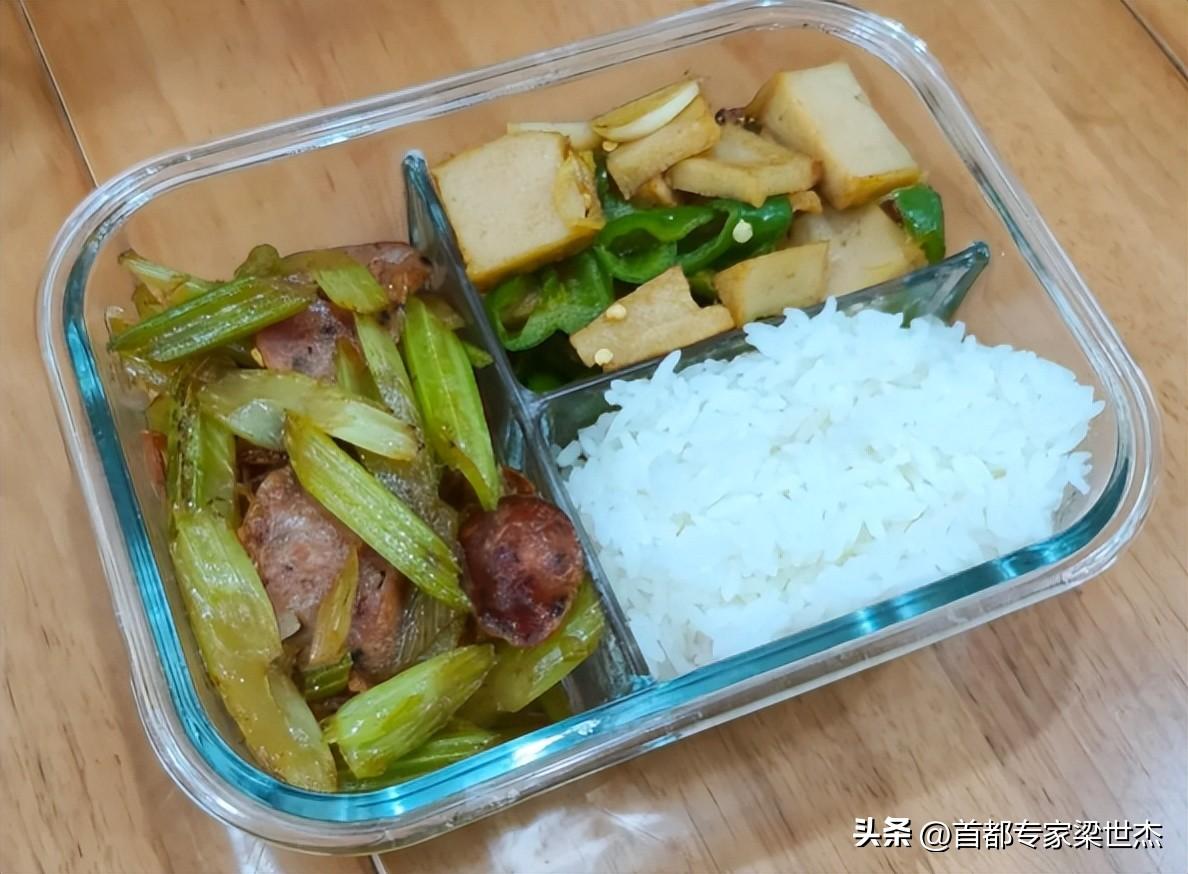
我有個鄰居,是個節儉的老太太。她總覺得剩飯剩菜倒了可惜,每次都捨不得扔,留着第二天接着喫。有一回,她喫了隔夜的炒飯,沒過多久就開始肚子疼、拉肚子,整個人虛弱得不行。家人趕緊把她送到醫院,一檢查,原來是食物中毒。從那以後,老太太也吸取了教訓,不再那麼執着於喫隔夜飯了。
其實,這飲食之道,就像一場人生的修行。我們要學會在滿足口腹之慾和保護身體健康之間找到平衡。“寧可鍋中存放,不讓肚子飽脹”,是一種節制,是對自己身體的負責;“隔夜飯更得少喫”,是一種智慧,是對健康生活的追求。
在這紛繁複雜的世界裏,讓我們守住鍋中的那份寧靜,莫讓肚子飽脹成爲健康的負擔;讓我們遠離隔夜飯的潛在危害,用新鮮、健康的食物滋養我們的身體。因爲,只有擁有健康的身體,我們才能在這漫漫人生路上,走得更加穩健,更加從容。讓我們從每一頓飯做起,踐行這簡單而又深刻的生活哲學,擁抱更加美好的未來。
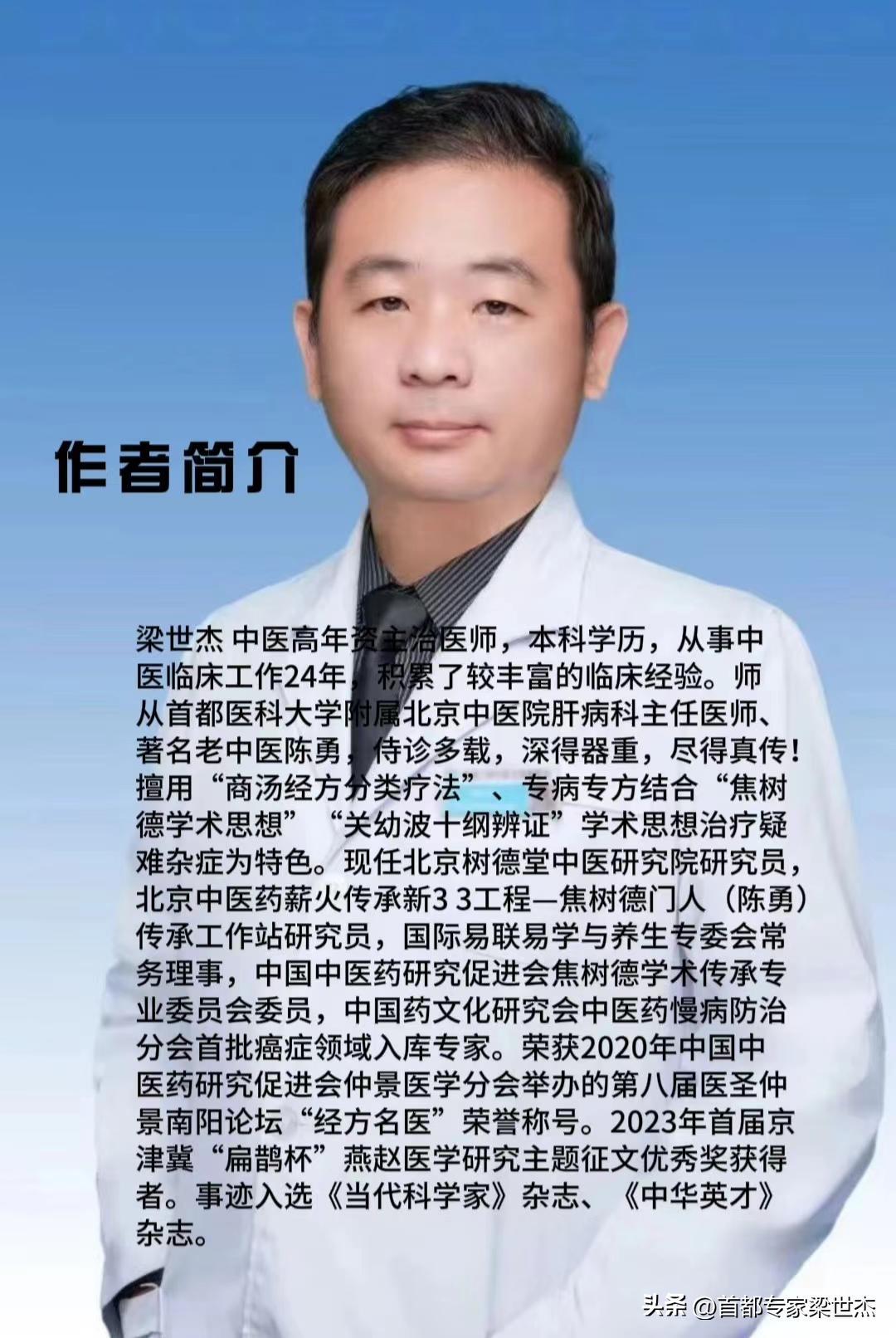
作者簡介:梁世傑 中醫高年資主治醫師,本科學歷,從事中醫臨牀工作24年,積累了較豐富的臨牀經驗。師從首都醫科大學附屬北京中醫院肝病科主任醫師、著名老中醫陳勇,侍診多載,深得器重,盡得真傳!擅用“商湯經方分類療法”、專病專方結合“焦樹德學術思想”“關幼波十綱辨證”學術思想治療疑難雜症爲特色。現任北京樹德堂中醫研究院研究員,北京中醫藥薪火傳承新3+3工程—焦樹德門人(陳勇)傳承工作站研究員,國際易聯易學與養生專委會常務理事,中國中醫藥研究促進會焦樹德學術傳承專業委員會委員,中國藥文化研究會中醫藥慢病防治分會首批癌症領域入庫專家。榮獲2020年中國中醫藥研究促進會仲景醫學分會舉辦的第八屆醫聖仲景南陽論壇“經方名醫”榮譽稱號。2023年首屆京津冀“扁鵲杯”燕趙醫學研究主題徵文優秀獎獲得者。事蹟入選《當代科學家》雜誌、《中華英才》雜誌。
Better to keep the pot empty than to let the stomach bloated: the philosophy of life in the thought of leftovers
In this fireworks world, food seems ordinary, but in fact there are many hidden ways. The sentence "I''d rather store it in a pot than let my stomach be full" is like an old man who has gone through vicissitudes of life, whispering the truth of life in our ears. The advice to "eat less overnight meals" is like a wake-up call, always reminding us not to ruin the harmony of the body because of momentary greed.
Let''s talk about this "better to store in a pot than to make your stomach full". You see, in the pot, even if it is empty, it is like a quiet waiter, not fighting or grabbing, leisurely and content. But once the stomach is full, it is like an overinflated balloon, shaky and extremely uncomfortable. The ancients said: "Eat twice as much, and the stomach and intestines will be hurt." This is not true at all. According to medical research, long-term overeating will overburden the stomach and intestines, just like a machine that is constantly running, over time, parts wear out and frequent failures. The same is true for the stomach and intestines, the feeling of fullness will cause digestive disorders, causing bloating, abdominal pain, indigestion and many other problems.
I have a friend who is a "foodie" on weekdays, and every time he eats, it''s like a battle, and he has to stretch his stomach to give up. Once, he went to a buffet, and in line with the principle of "if you don''t eat back, you will lose money", and all kinds of delicacies were stuffed into his stomach. As a result, I was so uncomfortable that night that night, my stomach was swollen like a big drum, I couldn''t sleep over and over again, and finally I had to go to the hospital, take medicine and injections, and tossed for several days before I recovered. Since then, he has understood the truth that "it is better to store in a pot than to fill his stomach", and his eating has become moderate.
Let''s talk about this overnight meal. Some leftovers are like a tangled problem, don''t eat it, always feel a pity in your heart, as if wasting food is a sin; Eat it, and my stomach is uncomfortable again, like a group of small insects making trouble in it. This overnight meal is like a hidden little bomb that can cause trouble to our bodies at any time.
From a scientific point of view, overnight meals will undergo a series of changes during storage. On the one hand, nutrients in food are gradually lost, like a leaky bucket with less and less water in it. On the other hand, bacteria can multiply in large numbers, especially those overnight meals stored at room temperature, which are simply a "breeding ground" for bacteria. Studies have shown that the number of bacteria in overnight meals that have been left for too long will increase geometrically, including some harmful bacteria to the human body, such as Escherichia coli, salmonella, etc. After these germs enter the human body, they can cause various diseases, ranging from diarrhea and vomiting to life-threatening at worst.
I have a neighbor who is a frugal old lady. She always felt that it was a pity that the leftovers were dumped, and she was reluctant to throw them away every time, so she kept them for the next day and ate them. Once, she ate fried rice overnight, and it didn''t take long for her stomach to hurt and have diarrhea, and her whole body was so weak that she couldn''t do it. The family hurriedly sent her to the hospital, and upon examination, it turned out to be food poisoning. Since then, the old lady has also learned her lesson and is no longer so obsessed with eating overnight meals.
In fact, this way of eating is like a practice of life. We need to learn to find a balance between satisfying our appetite and protecting our health. "I would rather store it in a pot than let my stomach be full", which is a kind of moderation and responsibility for one''s own body; "Eat less overnight meals" is a kind of wisdom and the pursuit of a healthy life.
In this complicated world, let us keep the tranquility in the pot and don''t let the full stomach become a burden on health; Let''s stay away from the potential harms of overnight meals and nourish our bodies with fresh, healthy food. Because, only by having a healthy body can we walk more steadily and calmly on this long road of life. Let''s start with every meal, practice this simple yet profound philosophy of life, and embrace a better future.
Author Bio: Liang Shijie is a senior medical practitioner in traditional Chinese medicine with an undergraduate degree. He has been engaged in traditional medicine clinical work for 24 years and has accumulated a wealth of clinical experience. Following Chen Yong, chief physician of liver disease at Beijing Traditional Medicine Hospital, affiliated with Capital Medical University, and renowned old Chinese medicine, he has been treated for many years and received great attention. He specializes in the treatment of difficult diseases using "conversational traditional therapy" and special treatments combined with the academic ideas of Jiao Shude and Guan Yubo''s ten-level diagnosis.He is currently a researcher at the Shude Tang TCM Research Institute in Beijing, a fellow at the new 3 + 3 project of traditional Chinese medicine flame inheritance in Beijing - a scholar at the inheritance workstation of Jiao Shude''s protégés (Chen Yong),He is a standing committee member of the International Expert Committee on E-learning and Health Care, a member of the Jiao Shude Academic Heritage Special Committee of the Chinese Association for the Advancement of Chinese Medicine Research, and the first cancer specialist to be included in the chapter of the Chinese Pharmaceutical Culture Research Association. Won the 2020 China Association for the Promotion of Traditional Chinese Medicine Zhongjing Medical Branch held the eighth session of the Medical Saint Zhongjing Nanyang Forum "Classic Prescription Famous Doctor" honorary title. The winner of the first Beijing-Tianjin-Hebei "Pingui Cup" Yanzhao Medical Research Essay Award in 2023. His work was featured in the journal Current Scientist and the journal Chinese Talent.