梁世傑:患者的報告單,醫生的照妖鏡
中醫,似一位睿智的老者,以千年傳承的智慧,憑藉望、聞、問、切,於細微處洞察人體陰陽的失衡;西醫,則如一位嚴謹的學者,憑藉先進的儀器與精確的數據,探尋人體內部結構的奧祕。而在這兩者之間,患者的報告單,恰似一座無形的橋樑,又似一面銳利的照妖鏡,映照出疾病的真面目,也檢驗着醫生的醫術與醫德。
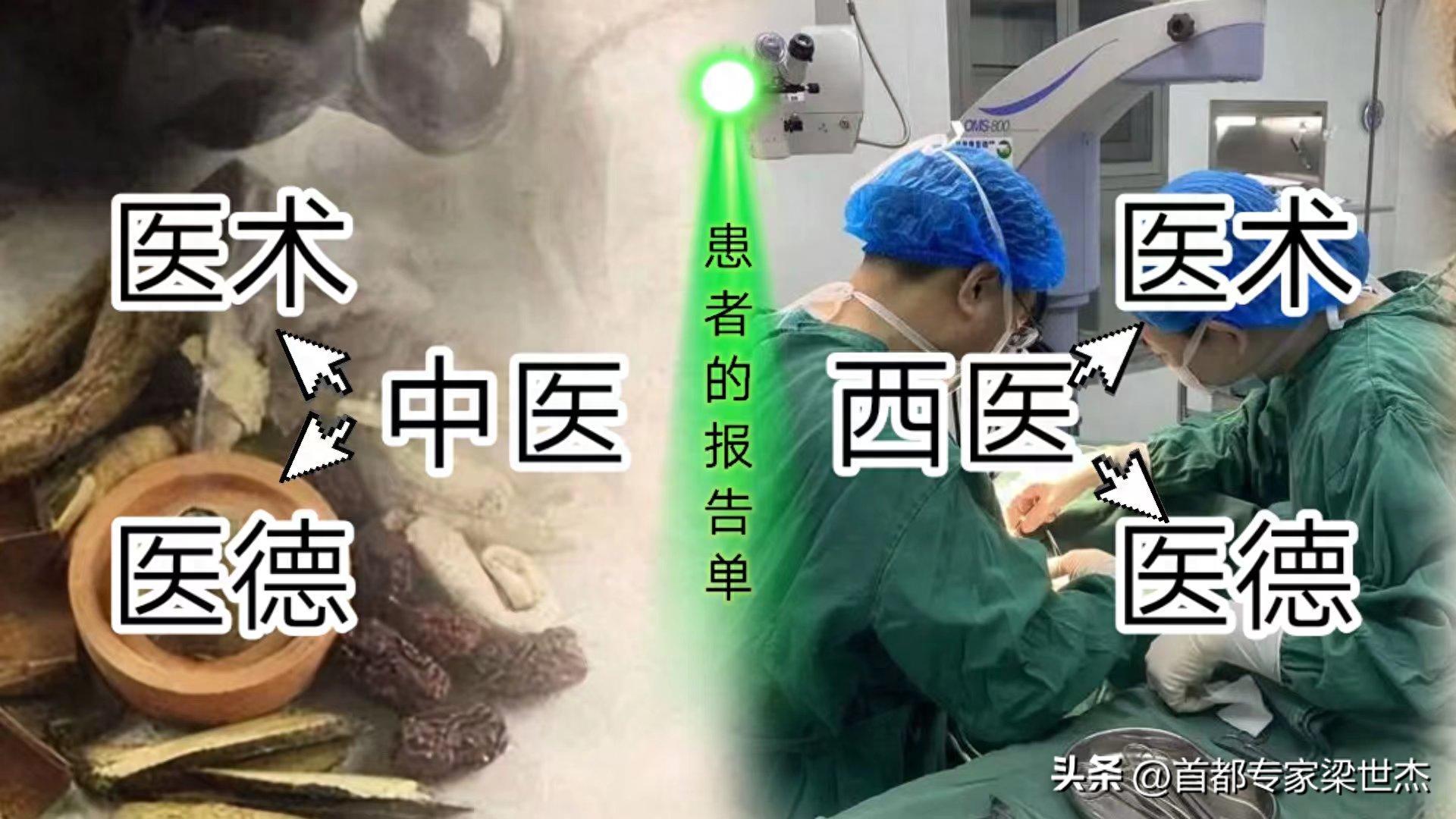
中醫,自其誕生之日起,便以症狀爲切入點,開啓對疾病的探索之旅。諸多疾病,皆以症狀命名,像頭痛、咳嗽、泄瀉等,這無不彰顯着中醫對症狀的敏銳捕捉。在中醫看來,症狀是人體發出的求救信號,是陰陽失調的外在表現。當中醫運用辨證論治之法,精準地辨別出病因病機,對症下藥,往往能在消除症狀的過程中及時取得療效。這就如同在黑暗中點亮一盞明燈,爲患者驅散病痛的陰霾。
然而,我們必須清醒地認識到,並非所有疾病都僅靠症狀的消除便可判定治癒。據相關統計數據顯示,在衆多疾病中,有相當一部分存在器質性病變或血液生化報告異常。這些病變和異常指標,猶如隱藏在身體深處的定時炸彈,隨時可能引發更嚴重的健康危機。此時,患者的報告單便顯得尤爲重要。它就像是一本詳細的健康日記,記錄着身體內部的每一次變化。醫生慧存這些報告單,每年進行療效對比,就如同在繪製一幅疾病的演變地圖。
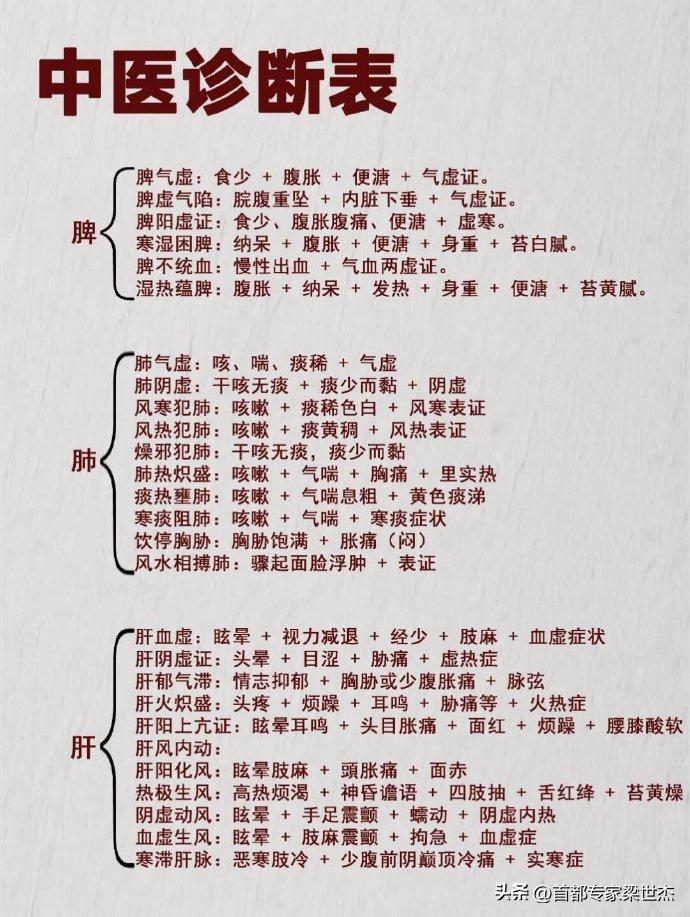
以慢性肝炎爲例,這種疾病往往伴隨着肝臟的器質性病變和血液生化指標的異常。從臨牀統計來看,經過一個療程的調理和治療,僅有約 30%的患者能在短期內使血液生化指標恢復正常,而大部分患者需要經過數個療程,甚至更長時間的治療,才能看到明顯的改善。這就需要醫生定期收集患者的報告單,通過對比不同時期的指標變化,準確判斷療效。若療效顯著,患者的信心會如春日裏的花朵般綻放,更加積極地配合治療;若療效不佳,醫生也能及時反思治療方案,像一位技藝精湛的工匠,精心雕琢,修正治療策略,爲患者尋找更有效的治療途徑。
除了報告單,醫生觀察患者舌苔也是診斷的重要環節。舌苔,猶如人體的一面鏡子,能反映出體內的氣血陰陽變化。此時,醫生準備一面小鏡子,讓患者拿着自個照一照,這一小小的舉動,卻蘊含着大大的智慧。我稱之爲準備一面“照妖鏡”。當患者親眼看到自己起初那厚膩、黃濁的舌苔,經過一段時間的治療後,逐漸變得薄白、潤澤,這種直觀的對比,就像一場神奇的魔術表演,讓患者深刻感受到治療的效果。
曾經有一位患者,長期被口臭、消化不良所困擾。初診時,他的舌苔厚膩如積雪,顏色黃濁。醫生在診斷後,爲他制定了個性化的治療方案。在治療過程中,醫生每次都會讓他拿着鏡子觀察舌苔的變化。隨着治療的推進,患者驚喜地發現,自己的舌苔一天比一天薄,顏色也逐漸變得正常。這種直觀的感受,讓他對治療充滿了信心,更加堅定地配合醫生的治療。最終,他的症狀完全消失,身體恢復了健康。這一例子充分說明,讓患者參與觀察舌苔的變化,不僅能增強醫患之間的信任,還能激發患者戰勝疾病的信心。
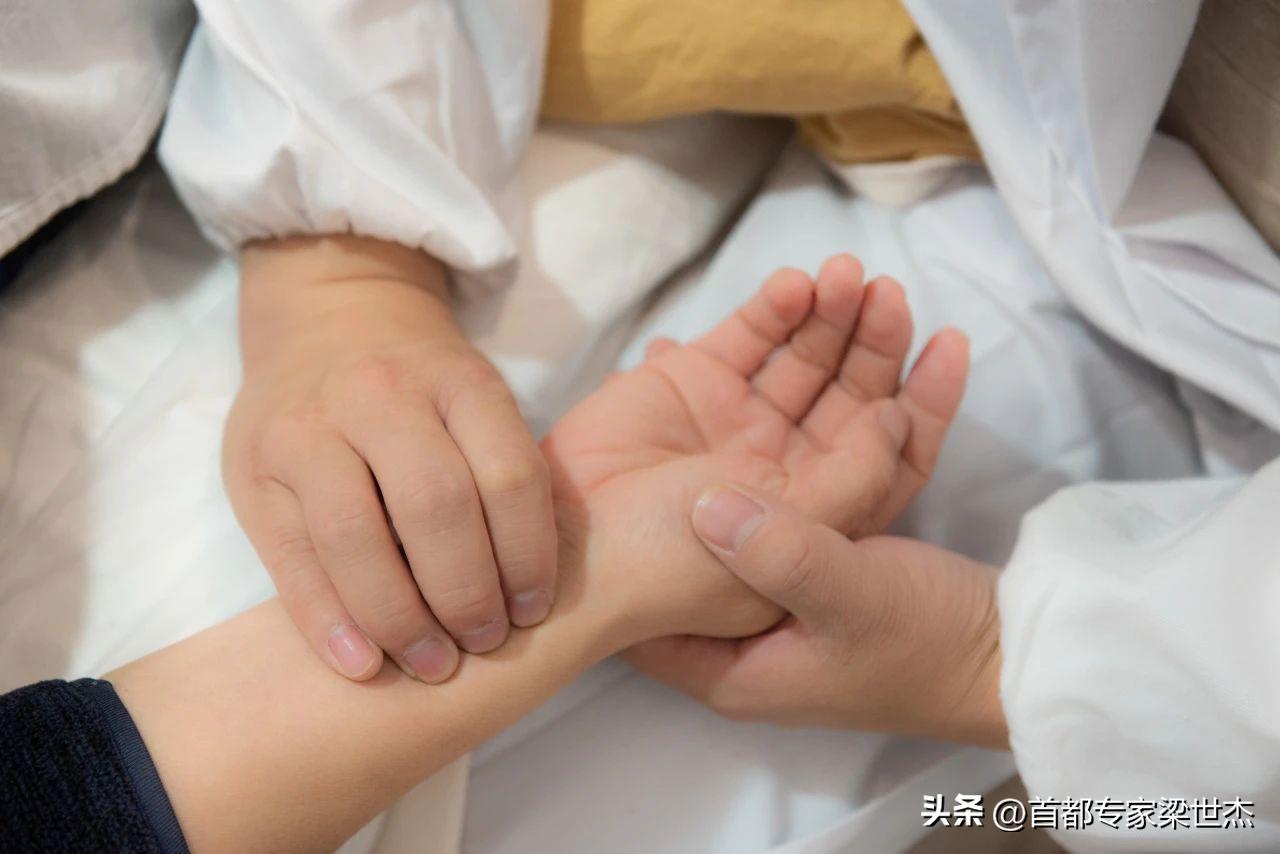
再說說摸脈,這可是中醫診斷的絕技之一。雖然患者自己不會像醫生那樣精準地判斷脈象的浮沉、遲數、虛實,但對於脈的有力無力,他們還是能夠體會出來的。醫生可以簡單指導患者,讓他們自己試一試。這就好比給患者一把打開健康之門的鑰匙,讓他們在治療的道路上不再迷茫。當患者感受到自己的脈象從虛弱無力逐漸變得有力有神時,那種對治療效果的肯定和對醫生的信任,會如同潺潺溪流,滋潤着醫患關係這片土地。
在醫學的道路上,患者的報告單、舌苔的觀察以及患者的自我感受,都是不可或缺的元素。它們相互交織,構成了一幅完整的健康畫卷。醫生的職責,便是用心去解讀這幅畫卷,用智慧和愛心爲患者驅散病痛的陰霾。而患者的報告單,就像那面照妖鏡,既能照出疾病的本質,也能映照出醫生的醫術與醫德。
讓我們珍惜這面照妖鏡,在醫學的征程中,攜手共進,爲患者的健康保駕護航。因爲,每一個患者的康復,都是對醫生最大的褒獎;每一份醫患之間的信任,都是對醫學事業最美好的詮釋。在這條充滿挑戰與希望的道路上,讓我們以患者的報告單爲指引,不斷探索,不斷前行,書寫屬於醫學的輝煌篇章。
作者簡介:梁世傑 中醫高年資主治醫師,本科學歷,從事中醫臨牀工作24年,積累了較豐富的臨牀經驗。師從首都醫科大學附屬北京中醫院肝病科主任醫師、著名老中醫陳勇,侍診多載,深得器重,盡得真傳!擅用“商湯經方分類療法”、專病專方結合“焦樹德學術思想”“關幼波十綱辨證”學術思想治療疑難雜症爲特色。現任北京樹德堂中醫研究院研究員,北京中醫藥薪火傳承新3+3工程—焦樹德門人(陳勇)傳承工作站研究員,國際易聯易學與養生專委會常務理事,中國中醫藥研究促進會焦樹德學術傳承專業委員會委員,中國藥文化研究會中醫藥慢病防治分會首批癌症領域入庫專家。榮獲2020年中國中醫藥研究促進會仲景醫學分會舉辦的第八屆醫聖仲景南陽論壇“經方名醫”榮譽稱號。2023年首屆京津冀“扁鵲杯”燕趙醫學研究主題徵文優秀獎獲得者。事蹟入選《當代科學家》雜誌、《中華英才》雜誌。
Liang Shijie: Patient''s Report Card, Doctor''s Mirror
Chinese medicine, like a wise old man, with the wisdom inherited over thousands of years, by looking, smelling, asking, and cutting, can discern the imbalance between yin and yang in the human body in the smallest places. Western medicine, for its part, is a serious scholar, using advanced instruments and accurate data to explore the mysteries of the internal structure of the human body. Between the two, the patient''s report card is like an invisible bridge, like a sharp mirror that reflects the true nature of the disease and tests the doctor''s skill and ethics.
Since its birth, traditional Chinese medicine has used symptoms as an entry point to begin the exploration of diseases. Many diseases are named after symptoms, such as headaches, coughs, and diarrhea, which shows the acute recognition of symptoms in traditional Chinese medicine. In the view of traditional Chinese medicine, symptoms are a signal sent by the body to ask for help and are an external manifestation of yin and yang imbalance. When traditional Chinese medicine applies the method of dialectical healing, accurately identifies the cause and mechanism of the disease, and applies medicine to the specific condition, often achieving therapeutic effect in time in the process of eliminating symptoms. This is like lighting a bright light in the dark to clear the haze of illness for the patient.
However, we must be aware that not all diseases can be judged to be cured by the elimination of symptoms alone. According to relevant statistics, in a large number of diseases, there are organological lesions or biochemical abnormalities in the blood. These pathological changes and abnormal indexes are like time bombs hidden in the body, which may cause more serious health crisis at any time. Patient reports are especially important at this time. It''s like a detailed health journal, keeping track of every change inside your body. Doctors keep these reports and compare their effectiveness annually, as if they were mapping the evolution of the disease.
Take chronic hepatitis, for example, which is often accompanied by organological lesions of the liver and abnormalities in the biochemical indicators of the blood. From a clinical point of view, after one course of conditioning and treatment, only about 30% of patients can return blood biochemical indicators to normal in a short period of time, and most patients need several courses or even longer to see significant improvement. This requires doctors to regularly collect patient reports and accurately judge the effectiveness of treatment by comparing the changes in indicators from different periods. If the efficacy of the treatment is significant, the patient''s confidence will blossom like a spring flower and cooperate more actively with the treatment; If the treatment is not effective, the doctor can also reflect on the treatment plan in time, like a skilled craftsman, carefully calibrate the treatment strategy, and find a more effective treatment for the patient.
In addition to the report form, the doctor''s observation of the patient''s tongue and tongue is also an important part of the diagnosis. The tongue and tongue, like a mirror of the human body, can reflect the yin and yang changes in the body. At this moment, the doctor prepared a small mirror and asked the patient to take a picture of himself. This small act, however, contained great wisdom. I call it preparing a "magic mirror." When the patient sees with his own eyes the thick, turbid tongue at first, after a period of treatment, it gradually becomes white and lush. This intuitive contrast is like a magical magic show, allowing the patient to deeply feel the effects of the treatment.
There was once a patient who had been plagued by bad breath and indigestion for a long time. At the first diagnosis, his tongue was thick as snow and yellowish in color. After the diagnosis, the doctor developed a personalized treatment plan for him. During the course of the treatment, the doctor would each time let him hold a mirror to observe changes in the tongue''s tongue. As the treatment progressed, the patient was pleasantly surprised to find that his tongue grew thinner every day, and the color gradually became normal. This intuitive feeling has made him feel confident in his treatment and more determined to cooperate with the doctor''s treatment. Eventually, his symptoms completely disappeared and his body returned to health. This example fully demonstrates that involving the patient in observing the changes of the tongue can not only enhance the trust between the doctor and the patient, but also inspire the patient''s confidence in defeating the disease.
Let''s also touch the pulse, which is one of the best techniques in traditional Chinese medicine for diagnosis. Although the patients themselves cannot judge the floating, late, and falseness of the pulse as precisely as the doctor, they can still appreciate the powerlessness of the Pulse. Doctors can simply instruct patients to give them a try for themselves. It''s like giving patients a key to open the door to health so they don''t get lost on the path to treatment. When a patient feels that his or her pulse has evolved from weakness to strength, that affirmation of the effectiveness of the treatment and trust in the doctor will irrigate the land of the doctor-patient relationship like a brook.
In the path of medicine, the patient''s report form, the observation of the tongue and the patient''''s self-perception are all indispensable elements. They are intertwined to form a complete picture of health. It is the doctor''s duty to interpret this painting with care and to use wisdom and love to clear the shadow of illness for the patient. Patient reports, like the mirror, can reflect both the nature of the disease and the medical skill and ethics of the doctor.
Let us cherish this mirror and work together in the medical journey to safeguard the health of patients. Because every patient''s recovery is the greatest reward for the doctor. Every trust between a doctor and a patient is the best expression of the medical profession. On this challenging and hopeful path, let us be guided by patient reports, keep exploring, keep moving forward, and write a brilliant chapter of medicine.
Author Bio: Liang Shijie is a senior medical practitioner in traditional Chinese medicine with an undergraduate degree. He has been engaged in traditional medicine clinical work for 24 years and has accumulated a wealth of clinical experience. Following Chen Yong, chief physician of liver disease at Beijing Traditional Medicine Hospital, affiliated with Capital Medical University, and renowned old Chinese medicine, he has been treated for many years and received great attention. He specializes in the treatment of difficult diseases using "conversational traditional therapy" and special treatments combined with the academic ideas of Jiao Shude and Guan Yubo''s ten-level diagnosis.He is currently a researcher at the Shude Tang TCM Research Institute in Beijing, a fellow at the new 3 + 3 project of traditional Chinese medicine flame inheritance in Beijing - a scholar at the inheritance workstation of Jiao Shude''s protégés (Chen Yong),He is a standing committee member of the International Expert Committee on E-learning and Health Care, a member of the Jiao Shude Academic Heritage Special Committee of the Chinese Association for the Advancement of Chinese Medicine Research, and the first cancer specialist to be included in the chapter of the Chinese Pharmaceutical Culture Research Association. Won the 2020 China Association for the Promotion of Traditional Chinese Medicine Zhongjing Medical Branch held the eighth session of the Medical Saint Zhongjing Nanyang Forum "Classic Prescription Famous Doctor" honorary title. The winner of the first Beijing-Tianjin-Hebei "Pingui Cup" Yanzhao Medical Research Essay Award in 2023. His work was featured in the journal Current Scientist and the journal Chinese Talent.