守古訓之韻,護中藥之魂
古人云:“絲桐合爲琴,中有太古聲。”那絲桐之弦,輕撥間流淌出的,是穿越千年的悠遠古韻,是歲月沉澱的深沉智慧。於中藥而言,又何嘗不是如此?中藥的種植、採收、炮製與煎煮,皆需如絲桐制琴般,嚴守古訓,方能奏響那守護健康的太古之音。
種植採收:循天時之律,汲大地精華
中藥的種植與採收,是一門與天地自然緊密相連的學問,需遵循《本草綱目》《千金方》《唐本草》等古籍所載的季節規律。這就如同農人耕種,春種秋收,順應天時,方能收穫豐碩的果實。
《本草綱目》中記載,人蔘宜在秋季採挖,此時人蔘根莖飽滿,藥效最佳。據現代研究統計,秋季採挖的人蔘,其人蔘皁苷等有效成分含量比其他季節高出 20% - 30%。若違背這一規律,過早採挖,人蔘尚未充分生長,藥效大打折扣;過晚採挖,人蔘又可能因養分流失而品質下降。
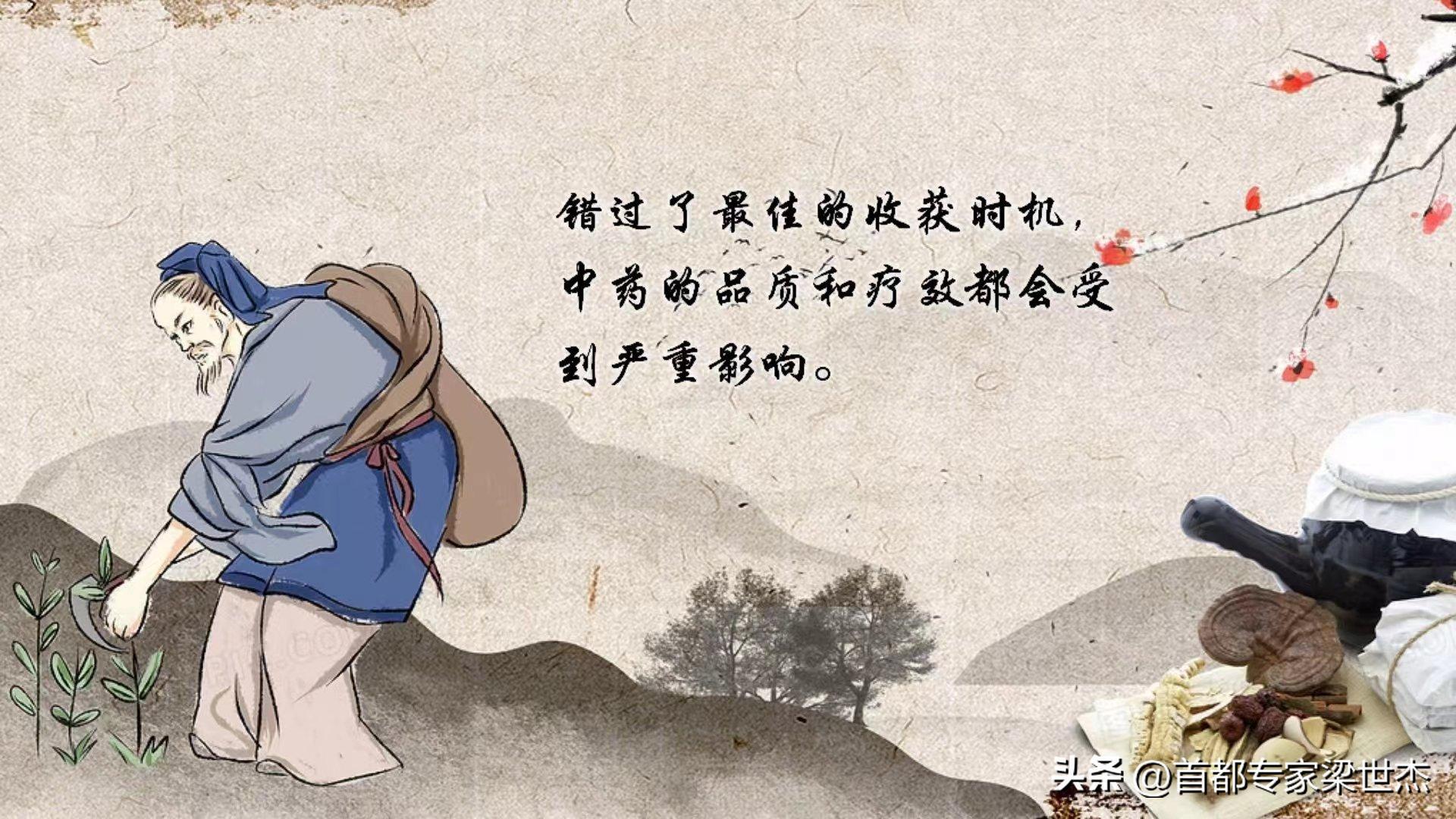
又如金銀花,應在花蕾期採收。此時金銀花中的綠原酸等活性成分含量最高。有數據表明,花蕾期採收的金銀花,其清熱解毒的藥效比盛花期後採收的要強 30%左右。若不遵循這一古訓,等到花朵完全開放後再採收,就如同錯過了最佳的收穫時機,中藥的品質和療效都會受到嚴重影響。
曾經有一箇中藥種植基地,爲了追求經濟效益,不顧季節規律,提前採挖人蔘。結果,這些人蔘不僅個頭小,而且藥效極差,在市場上根本賣不出去,損失慘重。這就是不遵循古訓,違背自然規律的慘痛教訓。
炮製之法:承古藝之妙,煥藥材生機
中藥炮製,是一門傳承千年的技藝,需遵循《雷公炮製》等古老方法。這就如同一位技藝精湛的工匠,對原材料進行精心雕琢,使其發揮出最大的價值。
以附子爲例,附子有大毒,但經過《雷公炮製》中的炮製方法處理後,毒性大大降低,藥效卻得以保留和增強。研究表明,未經炮製的附子,其烏頭鹼等有毒成分含量較高,服用後容易導致中毒反應;而經過正確炮製的附子,烏頭鹼含量可降低 80%以上,同時藥效更加溫和持久。
又如黃連,經過酒炙炮製後,其苦寒之性減弱,歸心經的作用增強,更適用於治療心火亢盛所致的失眠、煩躁等症狀。有臨牀統計顯示,使用酒炙黃連治療心火亢盛型失眠的患者,其有效率比使用生黃連的患者高出 25%。
然而,如今一些藥商爲了追求利潤,簡化炮製工藝,甚至不進行炮製就直接銷售中藥。這不僅影響了中藥的療效,還可能對患者造成安全隱患。曾經有一位患者,因爲服用了未經炮製的附子,出現了嚴重的心律失常,差點危及生命。這就是不遵循古訓炮製中藥所帶來的嚴重後果。
煎煮之道:守古方之規,得藥液真味
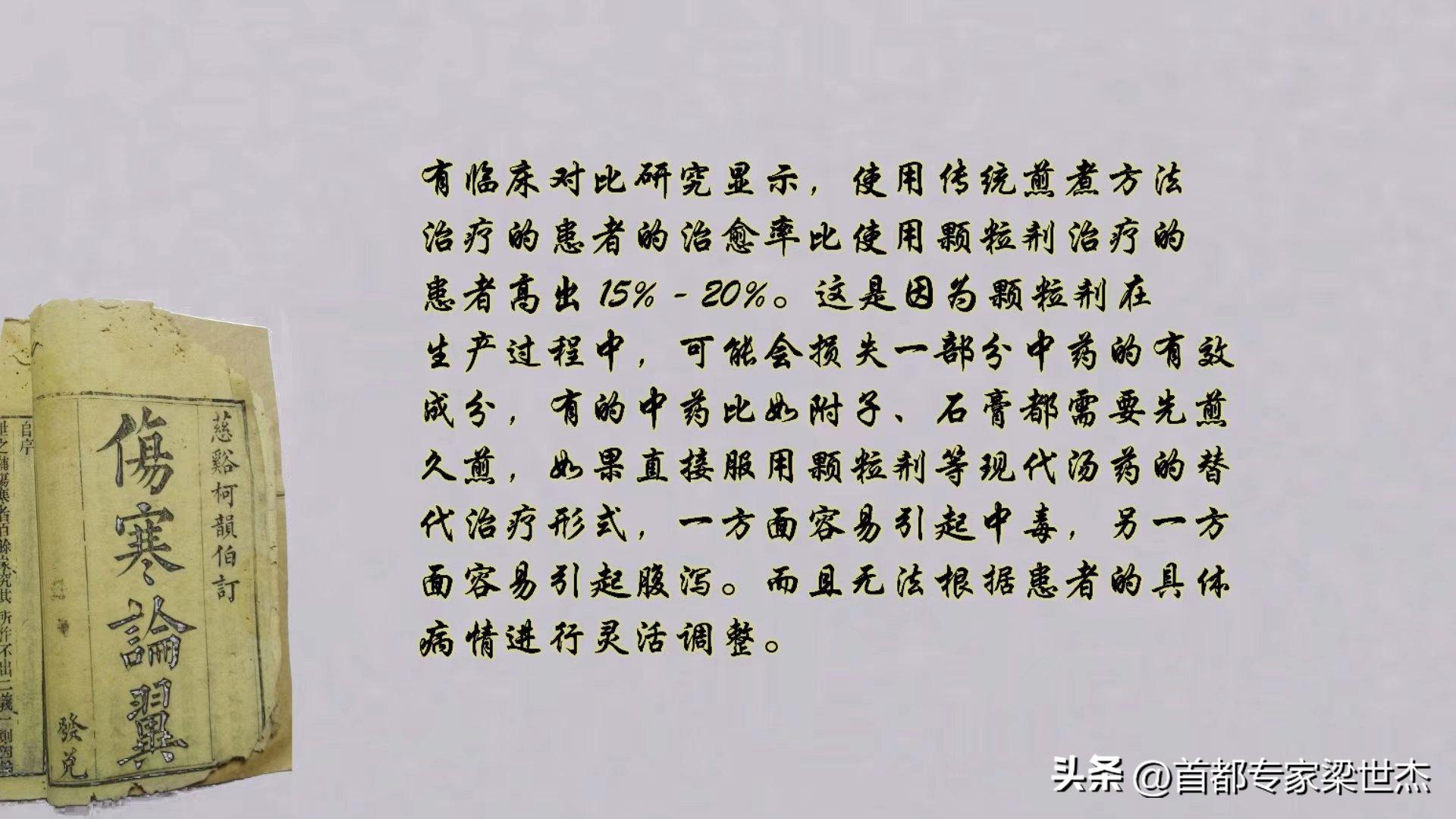
中藥的傳統煎煮方法,遵循如《傷寒論》等歷代著作中的記載,一般都煎煮飲片中藥。這就如同烹飪一道美味佳餚,需要掌握好火候和時間,才能做出色香味俱佳的菜品。
《傷寒論》中提到,煎煮中藥要用砂鍋,加水要適量,先武火後文火。用砂鍋煎煮中藥,是因爲砂鍋受熱均勻,化學性質穩定,不會與中藥中的成分發生反應。而加水過多或過少,都會影響中藥的煎出率。研究表明,按照古方加水煎煮的中藥,其有效成分煎出率可達 70% - 80%;而加水不當的中藥,有效成分煎出率可能只有 50% - 60%。
然而,現在市場上出現了很多顆粒劑等現代湯藥的替代治療形式。雖然顆粒劑方便攜帶和服用,但與傳統的煎煮方法相比,其療效卻大打折扣。有臨牀對比研究顯示,使用傳統煎煮方法治療的患者的治癒率比使用顆粒劑治療的患者高出 15% - 20%。這是因爲顆粒劑在生產過程中,可能會損失一部分中藥的有效成分,有的中藥比如附子、石膏都需要先煎久煎,如果直接顆粒沖服,一方面容易引起中毒,另一方面容易引起腹瀉。而且無法根據患者的具體病情進行靈活調整。
曾經有一位老中醫,他堅持讓患者使用傳統的煎煮方法服用中藥。他說,只有這樣才能真正發揮出中藥的療效,就像只有用古法釀造的酒,才能品嚐出那醇厚的酒香一樣。他的患者們也都深有體會,按照他的方法煎煮中藥服用後,病情都得到了明顯的改善。
“絲桐合爲琴,中有太古聲。”中藥的種植、採收、炮製與煎煮,就如同絲桐制琴的每一個環節,都需要嚴守古訓,尊重自然規律,傳承古老技藝。只有這樣,我們才能守護好中藥的靈魂,讓中藥在現代社會中繼續發揮出守護健康的巨大作用。讓我們循着古人的足跡,守護這份珍貴的文化遺產,爲人類的健康事業貢獻力量。
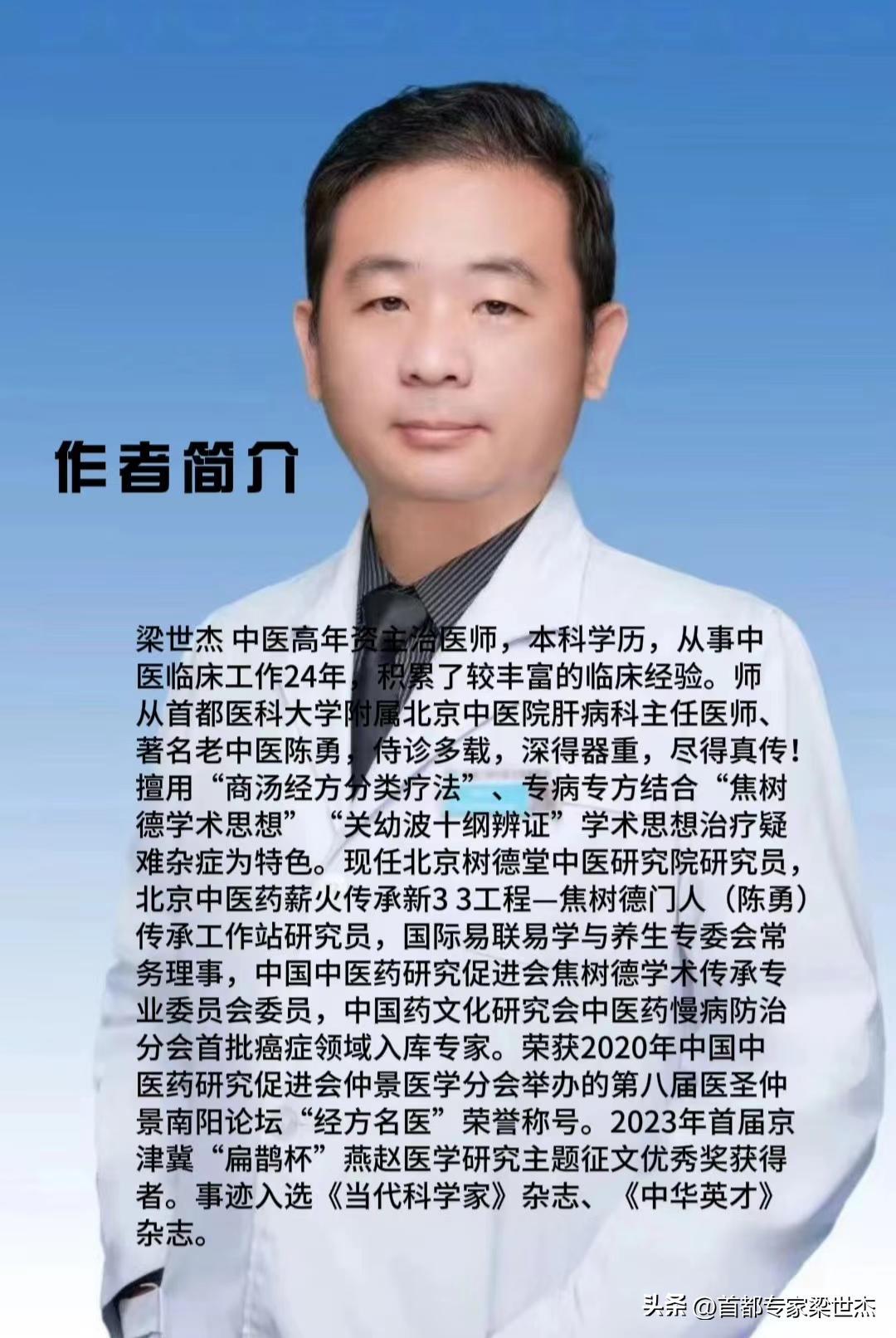
作者簡介:梁世傑 中醫高年資主治醫師,本科學歷,從事中醫臨牀工作24年,積累了較豐富的臨牀經驗。師從首都醫科大學附屬北京中醫院肝病科主任醫師、著名老中醫陳勇,侍診多載,深得器重,盡得真傳!擅用“商湯經方分類療法”、專病專方結合“焦樹德學術思想”“關幼波十綱辨證”學術思想治療疑難雜症爲特色。現任北京樹德堂中醫研究院研究員,北京中醫藥薪火傳承新3+3工程—焦樹德門人(陳勇)傳承工作站研究員,國際易聯易學與養生專委會常務理事,中國中醫藥研究促進會焦樹德學術傳承專業委員會委員,中國藥文化研究會中醫藥慢病防治分會首批癌症領域入庫專家。榮獲2020年中國中醫藥研究促進會仲景醫學分會舉辦的第八屆醫聖仲景南陽論壇“經方名醫”榮譽稱號。2023年首屆京津冀“扁鵲杯”燕趙醫學研究主題徵文優秀獎獲得者。事蹟入選《當代科學家》雜誌、《中華英才》雜誌。
Keep the ancient teachings and protect the spirit of traditional medicine
An ancient man once said, "The sycamore is a harmonium, and there is too much ancient sound in it." The string of sycamore, which flows between the soft strokes, is a distant ancient rhyme that has passed through thousands of years, and a deep wisdom that has been settled by the years. Why isn''t this true for Chinese medicine? The cultivation, harvesting, concoction and cooking of traditional Chinese medicine all require strict adherence to ancient teachings like the sycamore piano to strike the ancient sound that protects health.
Cultivation and Harvesting: Follow the laws of the day and extract the essence of the earth
The cultivation and harvest of traditional Chinese medicine is a science closely linked to the heavens and the earth and nature, and it needs to follow the seasonal laws contained in ancient books such as The Materia Medica, Thousand Golden Herbals, and Tang Materia Medica. It is like when a farmer cultivates crops in the spring and harvests in the autumn, and when he obeys the heavens, he can harvest fruitful harvests.
According to the Herbal Materia Medica, ginseng should be mined in the autumn, when the roots of ginseng are full and the medicinal effect is best. According to modern research statistics, the content of effective ingredients such as ginseng saponin is 20% -30% higher in ginseng excavated in autumn than in other seasons. If this rule is violated and ginseng is mined prematurely, the ginseng has not fully grown, and the effectiveness of the medicine is greatly reduced; Late harvesting may reduce the quality of ginseng due to nutrient loss.
Be like honeysuckle bud and flower, should be collected in bud period. At this time, the active components in honeysuckle bud and flower are the highest. Some data show that the effect of clearing heat and removing toxicity of honeysuckle bud and flower is about 30% stronger than that of honeysuckle after blooming. Without following this ancient teaching, waiting until the flowers are fully open before harvesting is like missing the best harvest time, and the quality and efficacy of Chinese medicine will be seriously affected.
There used to be a traditional Chinese medicine growing base, which, in pursuit of economic benefits, disregarded seasonal laws and mined ginseng ahead of time. As a result, these ginsengs were not only small in size, but also extremely ineffective, and they could not be sold on the market, resulting in heavy losses. This is the bitter lesson of not following the ancient teachings and going against the laws of nature.
The way of making a medicinal product: harnessing the benefits of ancient craftsmanship to revive the medicinal product
Traditional Chinese medicine canning is a skill that has been inherited for thousands of years, and it requires following ancient methods such as the Tin Dynasty canning. It is like a skilled craftsman who carefully carves the raw materials so that they display the greatest value.
Take ephedra, for example, which is highly toxic, but after being treated with the preparation method in the Tin Dynasty, the toxicity is greatly reduced, but the effectiveness is preserved and enhanced. Studies have shown that unconcocted ephedra has a high content of toxic components such as utophan, which can easily lead to a toxic reaction after consumption; With the correctly concocted appendices, the utaminate content can be reduced by more than 80%, and the effectiveness is more mild and long-lasting.
Also, Huang Lian, after wine roasting, its bitter cold nature is weakened, and the role of qigong is enhanced, which is more suitable for treating insomnia and irritability caused by high heart fire. There have been clinical statistics showing that the effectiveness of the use of wine-roasted yellow pills for patients with hyperactive insomnia was 25% higher than that of raw yellow pills.
However, some drug dealers today, in pursuit of profit, simplify the concoction process and sell Chinese medicine directly without even making it. This not only affects the efficacy of traditional Chinese medicine, but may also pose a safety risk to patients. There was a patient who had developed a severe arrhythmia that was almost life-threatening because he had been given an unconcocted appendix. This is the serious consequences of not following ancient teachings to make Chinese medicine.
How to cook: Follow the ancient rules to get the real taste of the medicinal liquid
The traditional method of cooking traditional Chinese medicine follows the records in ancient writings such as The Theory of Typhoid fever, which generally involves cooking pills of Chinese medicine. This is like cooking a delicious dish, and you need to master the fire and time in order to make a dish with good color and fragrance.
The Theory of Typhoid says that when cooking Chinese medicine, you should use a sand pan, add the right amount of water, and use fire first. The reason for cooking traditional Chinese medicine with a sand pot is that the sand pot is heated evenly and chemically stable, and does not react with the ingredients in traditional Chinese Medicine. Adding too much or too little water will affect the cooking rate of traditional Chinese medicine. Studies have shown that according to the ancient recipes of cooking traditional Chinese medicine with water, the cooking rate of its effective ingredients can reach 70% - 80%. When the water is not added properly in Chinese medicine, the frying rate of the effective ingredients may only be 50% - 60%.
However, there are now many alternative forms of treatment for modern remedies such as particulate agents on the market. Although particulate agents are easy to carry and take, their efficacy is significantly reduced compared to traditional cooking methods. Clinical comparison studies have shown that the use of traditional decoction treatment of patients with the cure rate of 15% -20% higher than the use of granular treatment of patients. This is because the particulate agent may lose some of the effective ingredients of Chinese medicine during the production process. Some Chinese medicines such as parsley and gypsum need to be cooked long before it is consumed. If the particles are taken directly, on the one hand, it is easy to cause poisoning and on the other hand, it can cause diarrhea. And there is no flexibility to adjust to a patient''s specific condition.
There was once an old Chinese medicine practitioner who insisted that his patients use traditional cooking methods to take Chinese medicine. Only in this way, he said, can the therapeutic effects of traditional Chinese medicine be truly realized, just as only wine made with ancient methods can you taste the rich aroma of wine. His patients also know well that after cooking traditional Chinese medicine in accordance with his method, their condition has improved significantly.
"The sycamore is a harmonium, and there is too much ancient sound in it." The cultivation, harvesting, making and cooking of traditional Chinese medicine, like every step of the process of making a sycamore piano, requires strict adherence to ancient teachings, respect for natural laws, and inherit ancient techniques. Only in this way can we safeguard the soul of traditional Chinese medicine and let traditional Chinese Medicine continue to play a tremendous role in protecting health in modern society. Let us follow in the footsteps of the ancient people, safeguard this precious cultural heritage, and contribute to the cause of human health.
Author Bio: Liang Shijie is a senior medical practitioner in traditional Chinese medicine with an undergraduate degree. He has been engaged in traditional medicine clinical work for 24 years and has accumulated a wealth of clinical experience. Following Chen Yong, chief physician of liver disease at Beijing Traditional Medicine Hospital, affiliated with Capital Medical University, and renowned old Chinese medicine, he has been treated for many years and received great attention. He specializes in the treatment of difficult diseases using "conversational traditional therapy" and special treatments combined with the academic ideas of Jiao Shude and Guan Yubo''s ten-level diagnosis.He is currently a researcher at the Shude Tang TCM Research Institute in Beijing, a fellow at the new 3 + 3 project of traditional Chinese medicine flame inheritance in Beijing - a scholar at the inheritance workstation of Jiao Shude''s protégés (Chen Yong),He is a standing committee member of the International Expert Committee on E-learning and Health Care, a member of the Jiao Shude Academic Heritage Special Committee of the Chinese Association for the Advancement of Chinese Medicine Research, and the first cancer specialist to be included in the chapter of the Chinese Pharmaceutical Culture Research Association. Won the 2020 China Association for the Promotion of Traditional Chinese Medicine Zhongjing Medical Branch held the eighth session of the Medical Saint Zhongjing Nanyang Forum "Classic Prescription Famous Doctor" honorary title. The winner of the first Beijing-Tianjin-Hebei "Pingui Cup" Yanzhao Medical Research Essay Award in 2023. His work was featured in the journal Current Scientist and the journal Chinese Talent.