後天之本:“脾”的千年中醫智慧
在中醫那浩如煙海的經典寶庫中,五臟之脾宛如一顆散發着神祕光芒的明珠,承載着兩千年來中醫學家理論與臨牀實際相結合所凝結的醫學智慧結晶。學中醫經典,深入瞭解脾的奧祕,就如同開啓了一扇通往健康奧祕殿堂的大門,對我們認識人體、守護健康大有裨益。
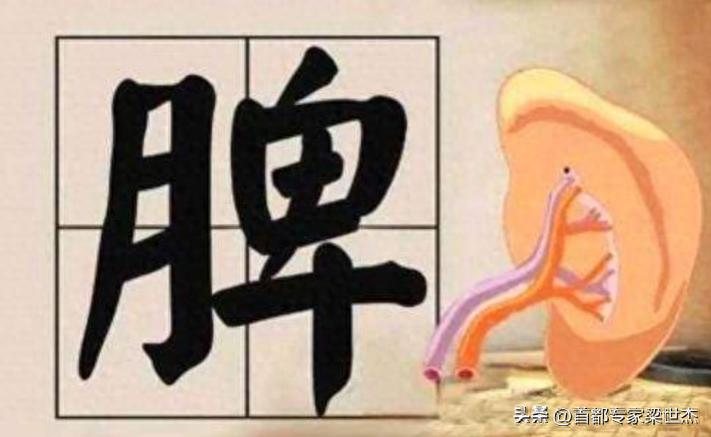
脾之形態與基礎認知:藏於經典的微妙描繪
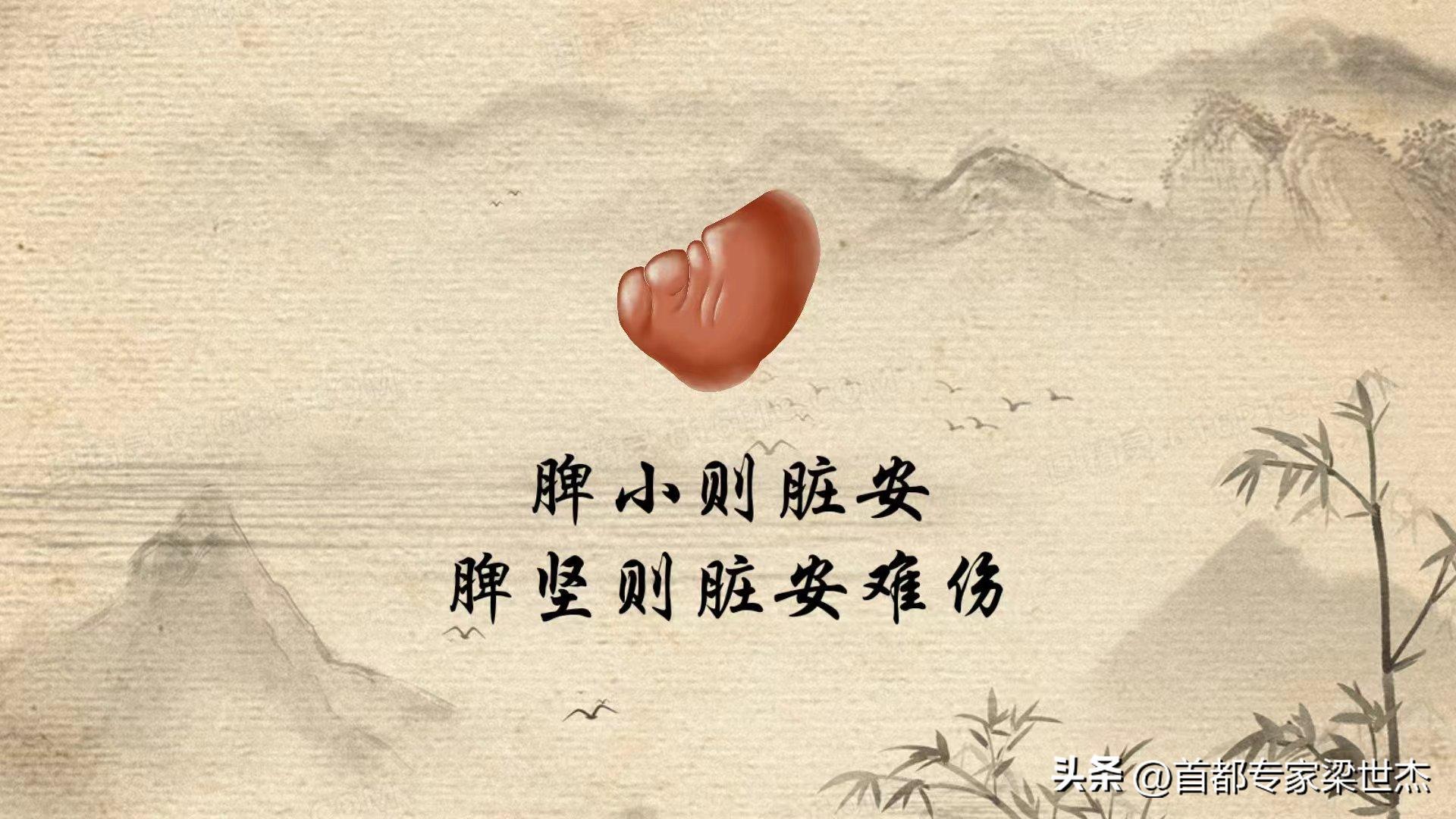
古人對脾的形態雖無如今精確的解剖數據,但從經典中也能窺探一二。《靈樞·本藏》提及“脾小則髒安”,這短短几個字,卻蘊含着深刻的哲理。就好比一座房屋,若結構緊湊合理,自然穩固安適。脾亦是如此,形態適中則功能正常,臟腑安和。而“脾堅則髒安難傷”,又彷彿在告訴我們,脾如同一位堅韌的衛士,質地堅實便能抵禦外邪的侵襲,守護身體的安寧。
從經絡學說來看,《靈樞·本輸》指出“脾出於隱白”,隱白穴作爲脾經的起始穴位,就像是一條大河的源頭,雖看似渺小,卻蘊含着無盡的能量,是脾經氣血輸注、運行的關鍵所在。這小小的穴位,如同一個神祕的開關,調控着脾經的氣血運行,影響着身體的健康。
脾之生理功能:多面手的健康守護
脾的生理功能可謂豐富多樣,堪稱人體的一位“多面手”。
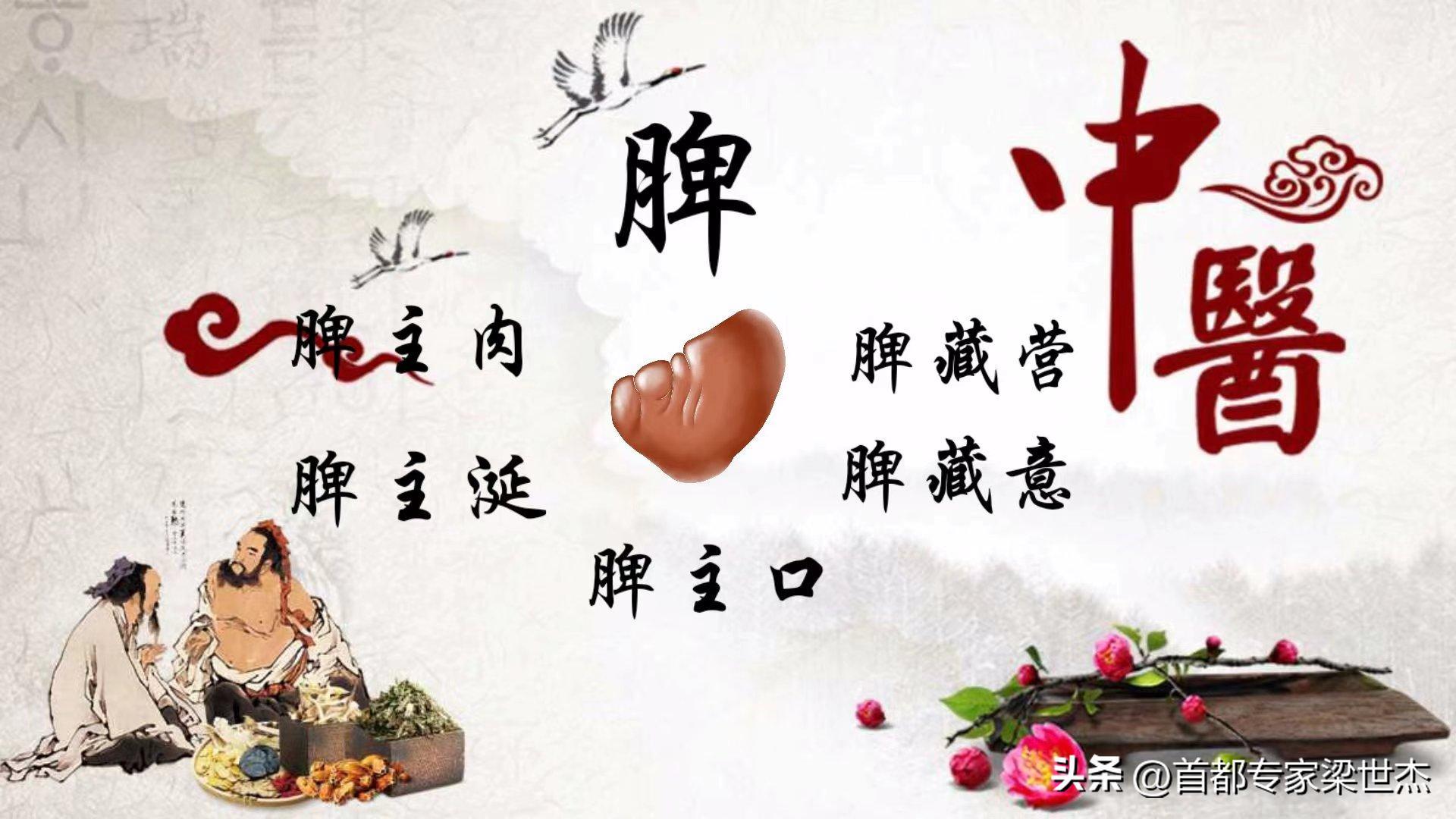
“脾主肉”“脾主肌”,《素問·宣明五氣》與《靈樞·九針論》中的這兩句話,揭示了脾與人體肌肉的緊密聯繫。肌肉的豐滿與強健,依賴於脾對營養物質的吸收和運化。就像蓋房子需要充足的建築材料一樣,身體的肌肉生長也需要脾輸送來的營養物質作爲支撐。有數據顯示,在脾胃功能良好的人羣中,肌肉發達、體力充沛的比例明顯高於脾胃虛弱者。比如那些長期堅持合理飲食、脾胃健康的人,往往能輕鬆完成各種體力活動,而脾胃不佳的人則容易感到乏力、肌肉鬆弛。
“脾主涎”“脾爲涎”,涎即唾液,脾的正常功能保證了唾液的分泌適度。唾液不僅能幫助我們咀嚼和消化食物,還具有殺菌、清潔口腔的作用。想象一下,如果脾的功能失調,唾液分泌異常,要麼口乾舌燥,食物難以下嚥;要麼唾液過多,頻繁吞嚥,那該是多麼尷尬的場景。
“脾主口”“脾開竅於口”,口是脾的外在表現。口的味覺、食慾以及口腔的健康都與脾息息相關。當脾的功能正常時,我們胃口大開,能品嚐出食物的美味;而一旦脾出現問題,就可能出現食慾不振、口淡無味等症狀。我有個朋友,前段時間總是覺得喫什麼都沒味道,還以爲是飯菜的問題,後來去看中醫,才知道是脾虛導致的。經過一段時間的調理,脾胃功能恢復,食慾也漸漸好了起來。
“脾藏意”“脾主意”,這裏的“意”指的是人的思維、記憶和意志。脾的功能正常,人的思維纔會清晰,記憶力纔會良好,意志也會堅定。就像一臺精密的計算機,只有硬件(脾)正常運行,軟件(思維、記憶等)才能高效工作。在學習和工作中,我們常常會發現,那些脾胃健康的人,思維敏捷,精力充沛,而脾胃虛弱的人則容易感到頭腦昏沉,注意力不集中。
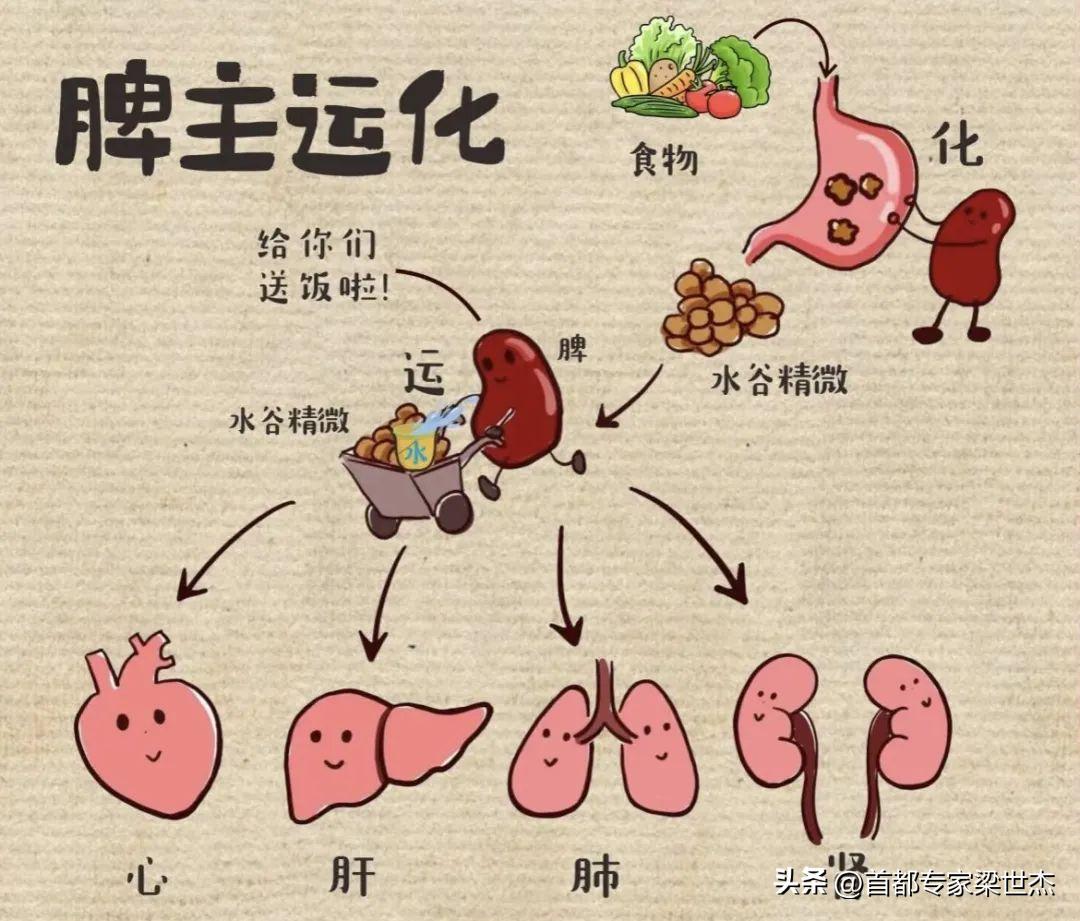
“脾藏營”,營即營氣,是血液的重要組成部分。脾將水谷精微化爲營氣,注入脈中,化爲血液,滋養全身。這就好比一個高效的工廠,將原材料加工成產品,爲身體各個部位提供必要的營養。如果脾的功能失常,營氣生成不足,就會導致血液虧虛,出現面色蒼白、頭暈眼花等症狀。
脾之病理表現:失衡帶來的健康危機
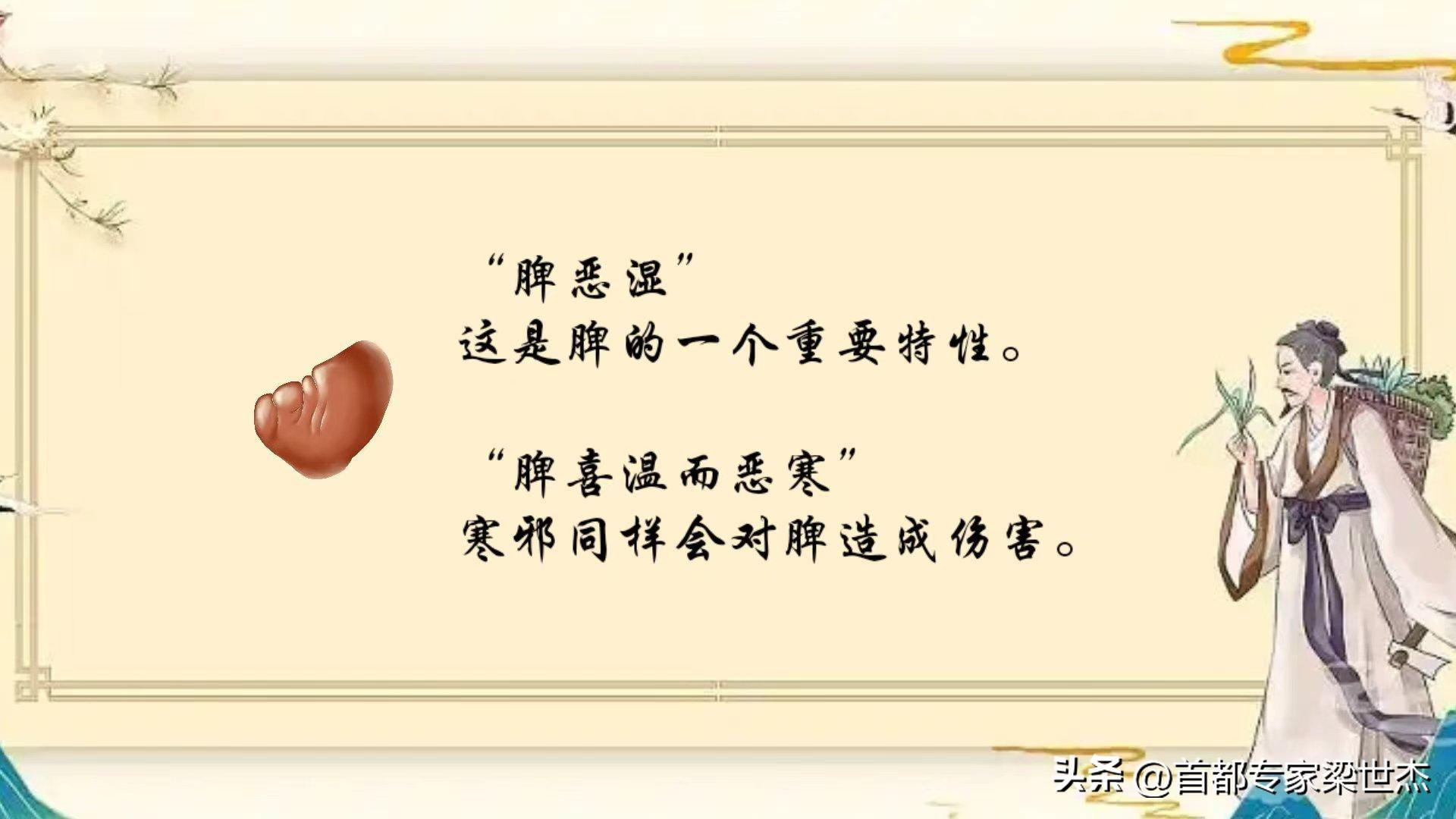
“脾惡溼”,這是脾的一個重要特性。溼邪就像一個頑固的敵人,容易侵襲脾臟,影響脾的正常功能。當人體受到溼邪侵襲時,脾的運化功能就會受到阻礙,出現腹脹、腹瀉、食慾不振等症狀。尤其是在潮溼的季節或環境中,很多人都會感到身體沉重、睏倦乏力,這就是溼邪困脾的表現。據統計,在梅雨季節,因溼邪困脾而就診的患者數量會明顯增加。
“脾喜溫而惡寒”,寒邪同樣會對脾造成傷害。過食生冷食物,就像給脾澆了一盆冷水,會使脾的陽氣受損,運化無力。比如有些人夏天喜歡喫大量的冷飲,結果導致腹痛、腹瀉,這就是寒邪傷脾的典型例子。
脾與其他臟腑的關係:錯綜複雜的健康網絡
“脾肺,母子也”,在中醫理論中,脾屬土,肺屬金,土生金,所以脾爲肺之母。脾的功能正常,能爲肺提供充足的營養,使肺的呼吸功能正常。如果脾虛,不能輸布水谷精微上歸於肺,就會導致肺氣虛,出現咳嗽、氣短等症狀。就像一棵大樹,根部(脾)營養不足,枝葉(肺)就會枯萎。
“脾爲五臟之本”“脾爲百骸之母”,這兩句話強調了脾在人體中的重要地位。脾是氣血生化之源,人體的各個臟腑和組織器官都需要脾輸送來的營養物質來維持正常的生理功能。如果脾的功能失調,就會影響其他臟腑的功能,導致全身性疾病的發生。
脾之養生與調理:順應天時的健康之道
“脾主長夏”,長夏時節,溼氣較重,正是養脾的關鍵時期。在這個季節裏,我們要注意飲食的調理,多喫一些健脾祛溼的食物,如薏米、紅豆、山藥等。同時,要避免過度勞累和情緒波動,保持心情舒暢。就像農民在農忙時節要合理安排勞作和休息一樣,我們也要順應天時,呵護好我們的脾臟。
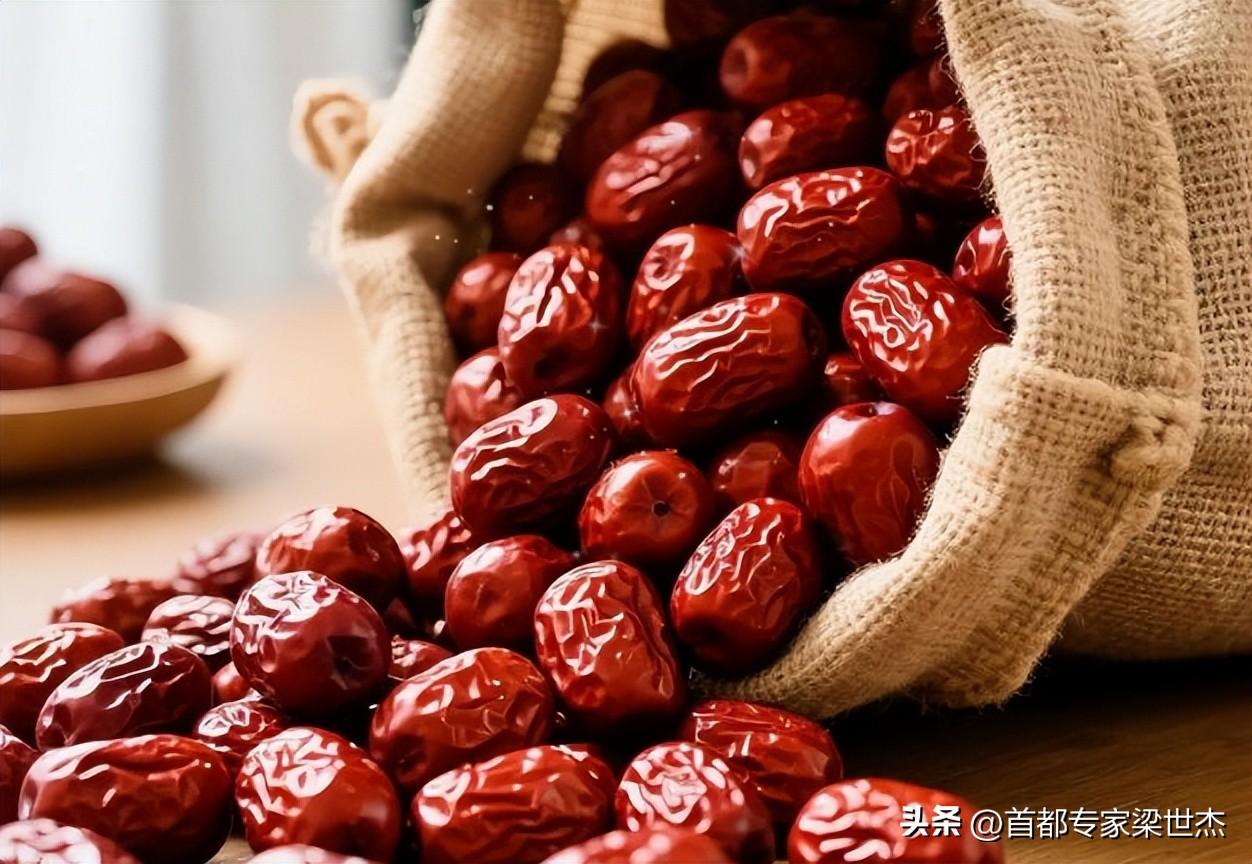
“脾欲甘”,甘味的食物有補益脾胃的作用。但這裏的甘味並非指那些高糖、高脂肪的甜食,而是指一些天然的、具有健脾作用的甘味食物,如大棗、蜂蜜等。適量食用這些食物,可以爲脾提供所需的營養,增強脾的功能。
中醫經典中對脾的論述猶如一幅絢麗多彩的畫卷,展現了脾在人體生理病理中的重要作用。我們學習中醫經典,瞭解脾的奧祕,不僅是爲了增長知識,更是爲了運用這些智慧來守護我們的健康。讓我們在中醫經典的指引下,順應自然,調理脾胃,開啓健康美好的人生之旅。
附:文獻考證
脾
脾黃。---《素問·經絡論》
脾主肉。---《素問·宣明五氣》脾主意。---唐孫思邈《千金要方》脾主肌。---《靈樞·九針論》脾主涎。---《靈樞·九針論》脾主吞。---《靈樞·九針論》
脾主口。---《素問·陰陽應象大論》脾藏肉。---《素問·調經論》脾藏意。---《素問·宣明五氣》脾藏營。---《靈樞·本神》
脾爲吞。---《素問·宣明五氣》脾爲涎。---《素問·宣明五氣》脾合胃。---《靈樞·本藏》脾應肉。---《靈樞·本藏》
脾生肉。---《素問·五運行大論》脾惡溼。---《靈樞·九針論》脾欲甘。---《素問·五臟生成》脾爲之使。---《素問·刺禁論》
脾喜剛燥。---清葉天士《臨證指南醫案》脾主長夏。---《素問·藏氣法時論》脾稟氣於胃。
脾出於隱白。---《靈樞·本輸》
脾乃營之源。---金李東垣《脾胃論》脾小則髒安。---《靈樞·本藏》
脾開竅於口。---《黃帝外經·五臟互根》脾肺,母子也。---清沈金鰲《幼科釋迷》脾喜溫而惡寒。---明萬全《幼科發揮》脾爲五臟之本。---明張景嶽《類經》
脾爲百骸之母。---明汪綺石《理虛元鑑》脾主身之肌肉。---《素問·痿論篇》
脾爲陰中之至陰。---《靈樞·陰陽系日月》脾堅則髒安難傷。---《靈樞·本藏》
脾者,諸陰之首也。---明傅仁宇《審視瑤函》脾主裹血,溫五臟。---先秦扁鵲《難經》
脾者土也,治中央。---《素問·陰陽應象大論》
作者簡介:梁世傑 中醫高年資主治醫師,本科學歷,從事中醫臨牀工作24年,積累了較豐富的臨牀經驗。師從首都醫科大學附屬北京中醫院肝病科主任醫師、著名老中醫陳勇,侍診多載,深得器重,盡得真傳!擅用“商湯經方分類療法”、專病專方結合“焦樹德學術思想”“關幼波十綱辨證”學術思想治療疑難雜症爲特色。現任北京樹德堂中醫研究院研究員,北京中醫藥薪火傳承新3+3工程—焦樹德門人(陳勇)傳承工作站研究員,國際易聯易學與養生專委會常務理事,中國中醫藥研究促進會焦樹德學術傳承專業委員會委員,中國藥文化研究會中醫藥慢病防治分會首批癌症領域入庫專家。榮獲2020年中國中醫藥研究促進會仲景醫學分會舉辦的第八屆醫聖仲景南陽論壇“經方名醫”榮譽稱號。2023年首屆京津冀“扁鵲杯”燕趙醫學研究主題徵文優秀獎獲得者。事蹟入選《當代科學家》雜誌、《中華英才》雜誌。
A legacy: the millennia-old Chinese medicine wisdom of "the spleen."
In the vast treasure trove of classical Chinese medicine, the spleen of the five organs is like a mysterious pearl, carrying the crystallization of medical wisdom concluded by the combination of theory and clinical practice between Chinese medicine practitioners for two thousand years. Learning the classics of Chinese medicine and understanding the mysteries of the spleen is like opening the door to the hall of health mysteries, which greatly benefits us in knowing the human body and protecting our health.
The morphology and basic cognition of the spleen: a subtle depiction hidden in the classics
Although there are no currently accurate anatomical data on the shape of the spleen in the ancients, one or two hints can be gleaned from the classics. The Book of Meditation refers to "a small spleen, but a dirty place," which is a few short words, but contains a profound philosophy. Like a house, if its structure is compact and reasonable, it is naturally stable and comfortable. The same is true of the spleen, which functions normally in a moderate form, and the internal organs are at peace. And "If the spleen is strong, then dirty and safe," it seems to tell us that the spleen, like a tough guardian, can resist the invasion of external evils and protect the peace of the body.
From the perspective of meridian theory, the Book of Lotus pointed out that "the spleen comes from the hiding white." The hiding white cave, as the starting point of the spleen meridian, is like the source of a large river. Although it seems small, it contains endless energy, and is the key to the spleen blood and blood infusion and operation. This small acupuncture, like a mysterious switch, regulates the aspiration and blood flow of the spleen meridian, affecting the health of the body.
Physiological function of the spleen: a multifaceted health guardian
The physiological functions of the spleen are rich and diverse, and can be called a "versatile hand" of the human body.
"The spleen''s flesh" and "the spleen''''s muscle," these two words in Suu Kyi''s Manifestation of the Five Spirits and the Theory of the Nine Needles, reveal the close connection between the spleen and the human muscle. The fullness and strength of muscles depend on the absorption and transport of nutrients by the spleen. Just as building a house requires adequate materials of construction, muscular growth of the body requires nutrients from the spleen. Data show that in the spleen and stomach in the good crowd, muscular, physical strength is significantly higher than the proportion of deficiency of spleen and stomach. For example, those who adhere to a reasonable diet and have a healthy spleen for a long time can easily complete various physical activities, while people with a poor spleen are prone to feeling tired and muscle relaxed.
"The spleen is saliva," and saliva is saliva, and the normal function of the spleen ensures that the secretion of saliva is moderate. Saliva not only helps us chew and digest food, but also has the effect of killing germs and cleaning the mouth. Imagine if the spleen is dysfunctional, the saliva is secreted abnormally, or if the mouth is dry and the food is difficult to swallow. Or saliva too much and swallow too often. What an embarrassing scene that would be.
"Spleen controlling mouth" and "spleen opening at mouth," mouth is the external performance of spleen. The taste, appetite and health of the mouth are all related to the spleen. When the function of the spleen is normal, our appetite is open and we can taste the deliciousness of food. Once there is a problem with the spleen, you may experience symptoms such as loss of appetite and tastelessness. I have a friend who always felt that nothing tasted at all a while ago. I thought it was a problem with the food. Then I went to traditional Chinese medicine and learned that it was due to a weakness. After a period of conditioning, the spleen function returned, and the appetite gradually improved.
"Spleen storing idea" and "spleen idea," here "idea" refers to people''s thinking, memory and will. The function of the spleen is normal, so that people can think clearly, have good memory, and have a firm will. Like a sophisticated computer, only the hardware (the spleen) can function properly, and the software (thinking, memory, etc.) can work efficiently. In study and work, we often find that those who have a sound spleen and stomach are alert and energetic, while those who have a deficiency of spleen and stomach are likely to feel dizzy and unfocused.
"Spleen storing nutrients," which means nutrient qi, is an important part of blood. The spleen refines the water valley into camp air, injects it into the pulse, turns it into blood, and nourishes the whole body. This is like a highly efficient factory that processes raw materials into products that provide essential nutrients to all parts of the body. If the function of the spleen is abnormal and the production of qi is insufficient, it will lead to blood deficiency and symptoms such as paleness and dizziness.
Pathology of the spleen: a health crisis of imbalance
"The spleen is wet," which is an important characteristic of the spleen. Like a stubborn enemy, wet sickness easily invades the spleen and affects the normal function of the spleen. When the human body is invaded by wet evil, the functioning of the spleen is hindered, and there are symptoms such as bloating, diarrhea, and loss of appetite. Especially in wet seasons or environments, many people will feel heavy and sleepy, which is the manifestation of wetness and weakness. According to statistics, during the rainy season, the number of patients who visit the doctor for illnesses caused by wet sickness will increase significantly.
"The spleen likes warmth and does not like cold," and cold can also cause harm to the spleen. Eating raw cold food is like pouring cold water on the spleen, which will damage the yang and render the spleen weak. For example, some people like to eat a lot of cold drinks in the summer, and the result is abdominal pain and diarrhea, which is a typical example of cold hurting the spleen.
The relationship between the spleen and other organs: an intricate health network
"The spleen and lungs are also mothers and sons." In Chinese medicine theory, the spleen is soil, the lung is gold, and the earth is gold, so the spleen becomes the mother of the lungs. The normal function of the spleen, to provide adequate nutrition for the lungs, so that the normal work of breathing. If the spleen is weak, it cannot transfer the water valley to the lungs slightly, which will cause hypoxia in the lungs, developing symptoms such as coughing and shortness of breath. Like a large tree, the roots (the spleen) are deficient in nutrients, and the branches (the lungs) will wither.
"The spleen is the basis of the five organs" and "the spleen is mother of the hundred remains," these two words emphasize the important position of the spleen in the human body. The spleen is the biochemical source of qi and blood, and the various organs and organs of the human body need the nutrients delivered by the spleen to maintain normal physiological functions. If the function of the spleen is dysregulated, it will affect the function of other organs, leading to the development of systemic diseases.
Spleen maintenance and conditioning: a way to maintain a healthy life according to the heavens
"The spleen masters long summer," during the long summer season, when the humidity is heavy, it is a crucial period for the preservation of the spleen. During this season, we should pay attention to dietary conditioning, and eat more foods that strengthen the spleen and detoxify the water, such as millet, red beans, yam, etc. At the same time, avoid overwork and mood swings and keep your mood in check. Just as farmers should arrange their work and rest reasonably during the busy agricultural season, we should also obey the heavens and take good care of our spleen.
"Gluttony," foods with a sweet taste have a beneficial effect on the spleen and stomach. However, the sweetness here does not refer to those sweet foods high in sugar and fat, but to some natural sweet foods that have a powerful effect on the spleen, such as dates and honey. Consuming these foods in moderation can provide the required nutrients for the spleen and enhance the function of the spleen.
The discussion of spleen in the classical Chinese medicine is like a gorgeous picture, showing the important role of spleen during human physiological pathologies. We study the classics of Chinese medicine and understand the mysteries of spleen not only to increase our knowledge, but also to use these wisdoms to protect our health. Let us follow the guidance of the classic Chinese medicine, follow nature, adjust our spleen and stomach, and start a healthy and beautiful life journey.
Annex: Documentation
spleen
The spleen yellow. - Quasi Quasi: The Theory of Lines.
The spleen is responsible for meat. - "Quasimodo: Visualizing the Five Spirits" Powerful ideas. --- Tang Sun Silian, "Thousands of Gentlemen Need a Formula" The spleen main muscle. - Meditation on the Nine Needles: The spleen is the man''s saliva. - The Oracle of Nine Needles: The spleen swallows. - The Theory of the Nine Needles
The spleen serves the mouth. - The Divine Question: The Yin and the Yang should be like the Great Theory: The spleen contains meat. --- Spleen storing idea. --- Spleen storing nutrients in Plain Questions. - The Spirit of God
The spleen is swallowing. - Suu Kyi: Understanding the Five Breaths. The spleen is saliva. --- Spleen being connected with stomach. --- The Lotus Bodhisattva: The spleen responds to the flesh. --- "Spiritual Guides. The Collection."
Spleen contains meat. - The Five General Theory of Physiology - The spleen is wet. - The Theory of the Nine Needles says that you have a desire for food. - Suu Kyi - The five organs are produced by the spleen. - Suu Kyi: The Prohibition of Slaying
My stomach is very dry. --- Qingye Tian Shi, "The Medical Guide on the Testimony Case" Long Xia, a spleen master. - Suu Kyi - The Time of the Tibetan Way: The spleen brings the qi to the stomach.
The spleen stems from a cryptic whiteness. --- "Spiritually Lost"
The spleen is the source of camp. --- Jin Li Dongji, "The Spleen Theory": Small spleen is dirty and safe. --- "Spiritual Guides. The Collection."
Spleen opening at mouth. - The Exodus of the Huangdi - The Five Roots: The spleen and lungs, the mother and the child. --- Shen Jin''ao, Qing, "The Interpretation of Juvenile Science" Enjoys a warm stomach and is cold. --- Ming Wanquan''s "Early Childhood Theory" The spleen is the basis of the five organs. --- Ming Zhang Jingyu''s "The Book of Classes"
The spleen is the mother of all bodies. --- Ming Dao Caishi''s "Revolutionary Yuanyin" - The spleen is the muscle of the body. - The Question of Morbidity.
The spleen is the ultimate yin in the yin. - "Spiritually, yin and yang regulate the sun and moon" The spleen is strong, but the stomach is dirty and cannot be hurt. --- "Spiritual Guides. The Collection."
The spleen is the first of the evils. - Fu Renyu, Ming Dynasty, "Examining Yao''s Letters": The spleen holds blood and warms the five organs. --- The Refuge Through the Reaching of Bian Li, a former Qin Dynasty
The spleen is also the earth, which rules the center. - The Great Theory of Yin and Yang: The Yin and Yang Should Be Liked.
Author Bio: Liang Shijie is a senior medical practitioner in traditional Chinese medicine with an undergraduate degree. He has been engaged in traditional medicine clinical work for 24 years and has accumulated a wealth of clinical experience. Following Chen Yong, chief physician of liver disease at Beijing Traditional Medicine Hospital, affiliated with Capital Medical University, and renowned old Chinese medicine, he has been treated for many years and received great attention. He specializes in the treatment of difficult diseases using "conversational traditional therapy" and special treatments combined with the academic ideas of Jiao Shude and Guan Yubo''s ten-level diagnosis.He is currently a researcher at the Shude Tang TCM Research Institute in Beijing, a fellow at the new 3 + 3 project of traditional Chinese medicine flame inheritance in Beijing - a scholar at the inheritance workstation of Jiao Shude''s protégés (Chen Yong),He is a standing committee member of the International Expert Committee on E-learning and Health Care, a member of the Jiao Shude Academic Heritage Special Committee of the Chinese Association for the Advancement of Chinese Medicine Research, and the first cancer specialist to be included in the chapter of the Chinese Pharmaceutical Culture Research Association. Won the 2020 China Association for the Promotion of Traditional Chinese Medicine Zhongjing Medical Branch held the eighth session of the Medical Saint Zhongjing Nanyang Forum "Classic Prescription Famous Doctor" honorary title. The winner of the first Beijing-Tianjin-Hebei "Pingui Cup" Yanzhao Medical Research Essay Award in 2023. His work was featured in the journal Current Scientist and the journal Chinese Talent.