楊振寧“寧拙勿巧”與中醫“四兩撥千斤”的精神交響
在科學的浩瀚星空中,物理學泰斗楊振寧先生與中醫的智慧之光,各自閃耀着獨特而迷人的光芒。楊先生一生秉持“寧拙勿巧”的治學精神,於物理的幽微處深耕細作,終成不朽之功業;中醫臨牀則以“四兩撥千斤”“小方治大病”爲追求,倡導“因勢利導,水到渠成”,二者同爲科學精神之典範,卻在治學與臨牀的道路上,演繹着別樣的異同與啓示。
拙巧之異:大道與微操的分野
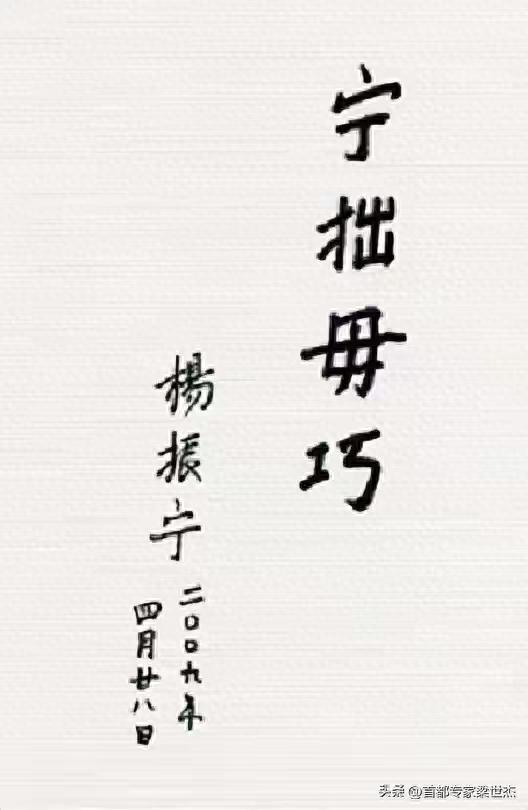
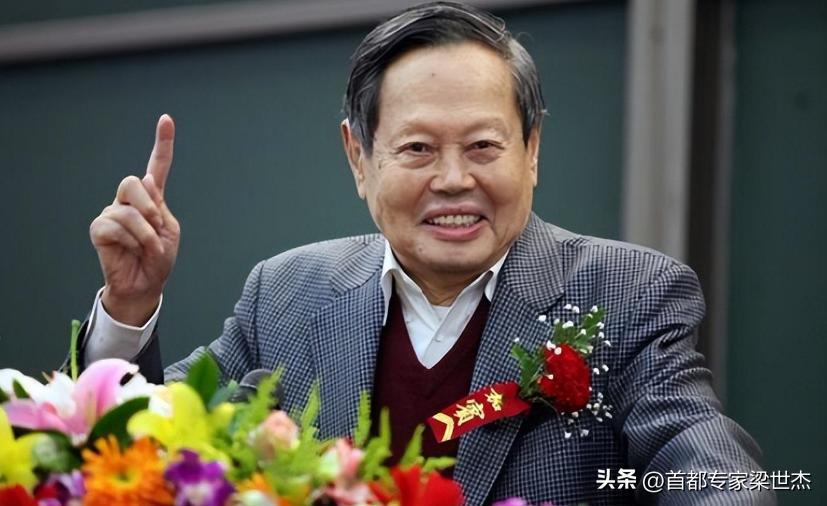
楊振寧先生的“寧拙勿巧”,宛如一座巍峨的高山,矗立在物理學的天地之間。這“拙”並非愚鈍,而是一種對基礎研究的執着堅守,是對科學本質的深度探尋。他深知,物理學的大廈需以堅實的理論基石爲支撐,任何投機取巧都可能使大廈搖搖欲墜。在探索宇宙基本規律的過程中,他摒棄了那些看似便捷卻可能偏離真相的捷徑,一步一個腳印地前行。就像他研究宇稱不守恆定律,沒有依賴已有的理論框架和經驗公式,而是從最基礎的現象觀察和嚴謹的邏輯推理入手,歷經無數個日夜的苦思冥想與反覆驗證,最終揭開了微觀世界中那隱藏已久的奧祕。這種“拙”,是對科學真理的無上敬畏,是對未知領域的無畏探索。
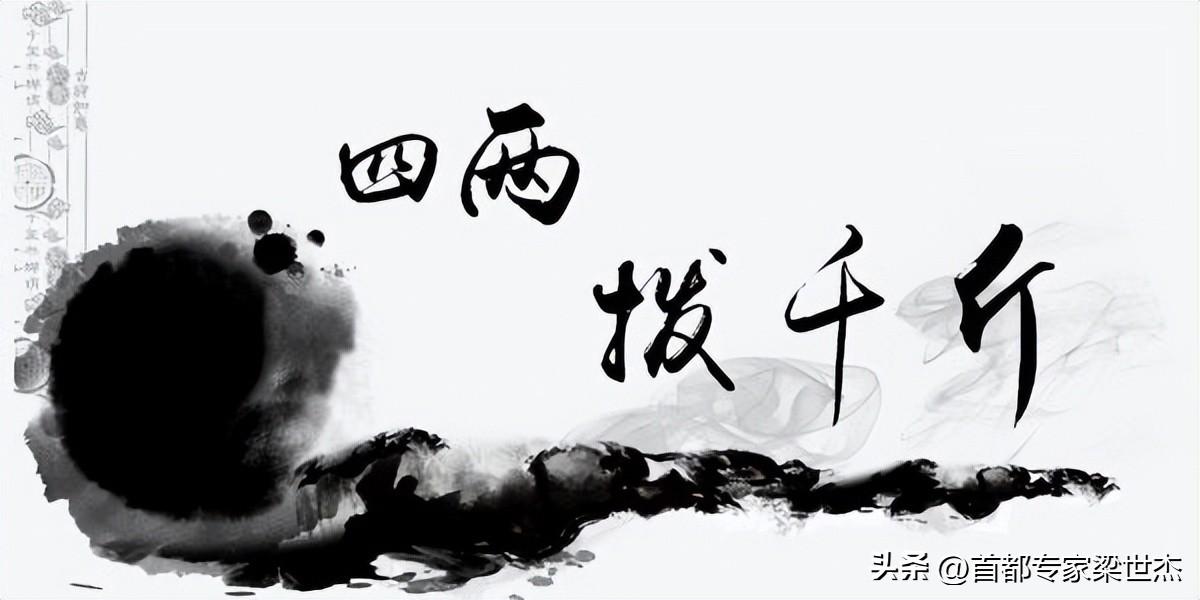
而中醫的“四兩撥千斤”“小方治大病”,則似靈動的溪流,在人體的經絡氣血間蜿蜒穿梭。中醫認爲,人體是一個複雜而精妙的系統,疾病的發生並非孤立的事件,而是人體內部陰陽失衡、氣血不暢的外在表現。因此,治療疾病不能一味地依靠猛烈的藥物和強硬的手法,而應順應人體的自然規律,“因勢利導,水到渠成”。比如,在治療一些慢性疾病時,中醫常常採用小劑量的方劑,通過調和人體的氣血陰陽,激發自身的免疫力和修復能力,從而達到治癒疾病的目的。據統計,在一些慢性病的調理中,採用中醫小方治療的患者,其病情穩定率和康復率並不低於使用大劑量西藥的患者,而且副作用明顯減少。這種“巧”,是對人體生理機能的深刻理解,是對治療藝術的精妙把握。
拙巧之同:求真與濟世的共鳴
儘管楊振寧先生的治學精神與中醫的臨牀理念在表現形式上有所不同,但它們在內核深處卻有着驚人的相似之處,那便是對科學真理的不懈追求和對人類福祉的深切關懷。
楊振寧先生在物理學的領域中不斷探索,其目的不僅僅是爲了個人的學術成就,更是爲了揭示宇宙的奧祕,推動人類對自然世界的認識。他的研究成果爲現代物理學的發展奠定了堅實的基礎,爲人類的技術進步和文明發展提供了強大的動力。從核能的利用到電子技術的革新,無不蘊含着物理學家的智慧與汗水。這體現了科學精神中求真的一面,即通過嚴謹的研究和探索,揭示事物的本質和規律。
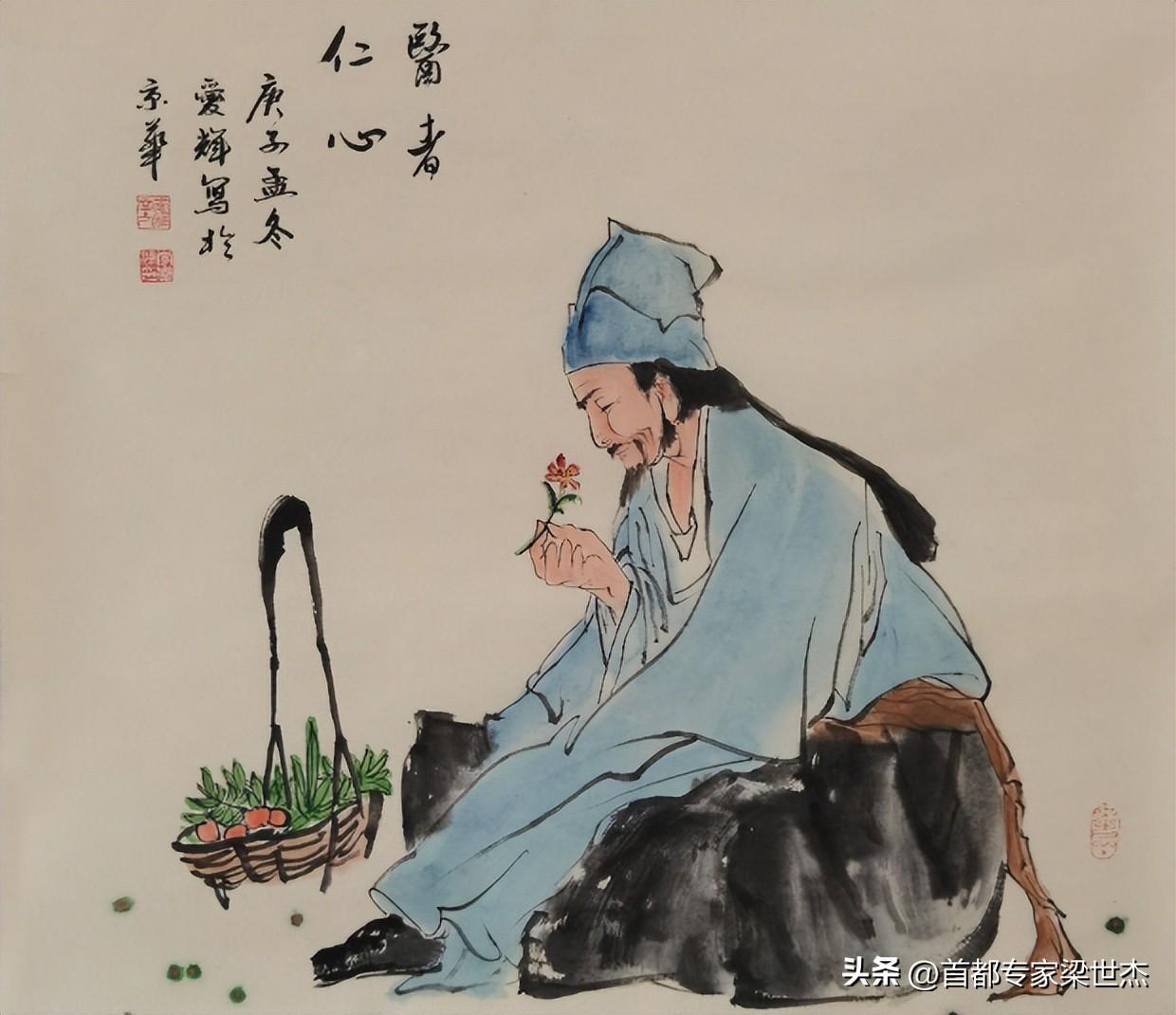
中醫亦是如此。中醫的產生和發展,源於對人類生命健康的關注。數千年來,中醫家們通過長期的實踐和總結,積累了豐富的治療經驗和理論知識,形成了一套獨特的醫學體系。他們以“仁心仁術”爲準則,運用各種治療手段,爲患者解除病痛,恢復健康。無論是面對瘟疫的肆虐還是日常的疾病困擾,中醫都發揮着重要的作用。據世界衛生組織統計,在全球範圍內,約有三分之一的人口接受過中醫的治療或保健服務。這充分說明了中醫在保障人類健康方面的巨大價值,體現了科學精神中濟世的一面。
拙巧之啓:融合與創新的未來
楊振寧先生的“寧拙勿巧”與中醫的“四兩撥千斤”,爲我們提供了寶貴的啓示。在當今科技飛速發展的時代,我們既需要像楊先生那樣,具備紮實的理論基礎和嚴謹的治學態度,在基礎研究領域深耕細作,爲科學的發展奠定堅實的基礎;也需要借鑑中醫的智慧,學會靈活運用各種方法,順應事物的發展規律,以最小的代價取得最大的效益。
在醫學領域,我們可以將現代醫學的精準診斷技術與中醫的整體觀念和辨證論治相結合。例如,在腫瘤的治療中,現代醫學可以通過先進的影像學技術和基因檢測手段,準確地定位腫瘤的位置和性質,爲治療提供依據;而中醫則可以通過調理患者的身體機能,增強免疫力,減輕放化療的副作用,提高患者的生活質量。這種中西醫結合的治療模式,已經在臨牀上取得了顯著的成效。據相關臨牀研究顯示,採用中西醫結合治療的患者,其生存率和康復率明顯高於單純採用西醫或中醫治療的患者。
在科學研究的其他領域,我們也可以從楊振寧先生和中醫的精神中汲取靈感。在面對複雜的科學問題時,我們既要保持腳踏實地的態度,深入研究問題的本質,又要善於運用巧妙的方法,尋找解決問題的突破口。只有這樣,我們才能在科學的道路上不斷前進,創造出更多的輝煌。
楊振寧先生的“寧拙勿巧”與中醫的“四兩撥千斤”,是科學精神在不同領域的生動體現。它們既有差異,又有共通之處,爲我們提供了豐富的思考和借鑑。讓我們在求真與濟世的道路上,融合拙與巧的智慧,不斷創新,爲人類的進步和發展貢獻自己的力量。
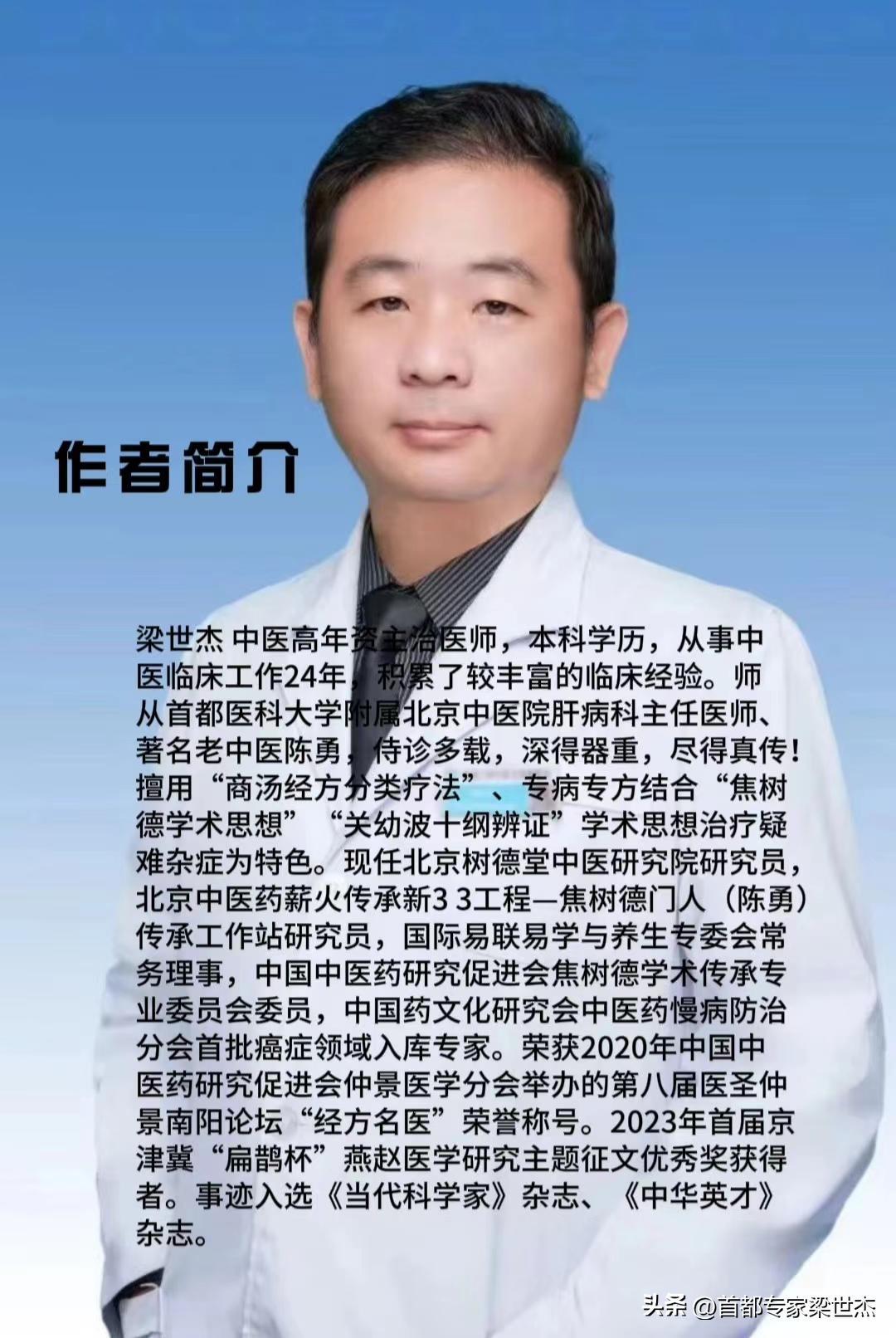
作者簡介:梁世傑 中醫高年資主治醫師,本科學歷,從事中醫臨牀工作24年,積累了較豐富的臨牀經驗。師從首都醫科大學附屬北京中醫院肝病科主任醫師、著名老中醫陳勇,侍診多載,深得器重,盡得真傳!擅用“商湯經方分類療法”、專病專方結合“焦樹德學術思想”“關幼波十綱辨證”學術思想治療疑難雜症爲特色。現任北京樹德堂中醫研究院研究員,北京中醫藥薪火傳承新3+3工程—焦樹德門人(陳勇)傳承工作站研究員,國際易聯易學與養生專委會常務理事,中國中醫藥研究促進會焦樹德學術傳承專業委員會委員,中國藥文化研究會中醫藥慢病防治分會首批癌症領域入庫專家。榮獲2020年中國中醫藥研究促進會仲景醫學分會舉辦的第八屆醫聖仲景南陽論壇“經方名醫”榮譽稱號。2023年首屆京津冀“扁鵲杯”燕趙醫學研究主題徵文優秀獎獲得者。事蹟入選《當代科學家》雜誌、《中華英才》雜誌。
Yang Zhenning''s spiritual symphony of "convenience rather than convenience" and Chinese medicine''s "four, two, and a thousand pounds"
In the vast sky of science, the brilliant rays of physics, Mr. Yang Zhenning, and the wisdom of traditional Chinese medicine, each shine with unique and fascinating light. Throughout his life, Mr. Yang adhered to the principle of "clums rather than cleverness" and worked deeply in the slightest aspects of physics, ultimately achieving immortal achievements. In the clinical practice of traditional Chinese medicine, the pursuit of "four, two, and a thousand pounds" and "small measures to cure major diseases," advocates "influence and influence, and water can be successfully applied." Both are examples of scientific spirit, but they reflect various similarities and revelations in the path of healing and clinical practice.
The difference between clumsiness: the difference between the highway and the small act.
Mr. Yang Zhenning''s "preference for clumsiness over luck" is like a huge mountain standing between the heavens and the earth of physics. This "clumsiness" is not stupidity, but a commitment to basic research and an in-depth search for the nature of science. He knew that the edifice of physics needed to be supported by solid theoretical foundations, and that any opportunism could cause it to falter. In exploring the basic laws of the universe, he abandoned seemingly convenient shortcuts that might detract from the truth, moving forward one step at a time. Just as he studied the law of entropy, he did not rely on existing theoretical frameworks and empirical formulas, but started from the most basic phenomena observation and rigorous logical reasoning, and after countless days and nights of meditation and repeated verification, he finally uncovered a long-hidden mystery in the microscopic world. This "clumsiness" is a supreme awe of scientific truth and a fearless exploration of the unknown.
Traditional Chinese medicine''s "four and two strokes of thousands of pounds" and "small squares for treating major diseases" are like a dynamic stream that whirls between the human body''s meridians, breath and blood. According to traditional Chinese medicine, the human body is a complex and delicate system, and the occurrence of diseases is not an isolated event, but an external manifestation of yin and yang imbalance within the human body, and a lack of qi and blood. Therefore, the treatment of diseases cannot rely solely on violent drugs and tough techniques, but should conform to the natural laws of the human body, "because of the tendency and appetite, water comes naturally." For example, when treating some chronic diseases, traditional Chinese medicine often uses small doses of prescriptions to cure diseases by reconciling the body''s qi, blood, yin and yang, stimulating its own immunity and repair ability. According to statistics, in the conditioning of some chronic diseases, the use of traditional Chinese medicine small treatment of patients, the stability of the condition and recovery rate is not lower than the use of large doses of western medicine, and side effects were significantly reduced. This "cleverness" is a profound understanding of the physiology of the human body and an exquisite grasp of the art of healing.
The Commonality of Clumsy: A Compassion for Truth and a Replication for All.
Although Mr. Yang''s scholarly spirit and the clinical philosophy of traditional Chinese medicine differ in form, they share a striking similarity deep within their core, namely the relentless pursuit of scientific truth and a deep concern for human well-being.
Mr. Yang Zhenning has constantly explored in the field of physics, with the aim not only of personal academic achievement, but also to reveal the mysteries of the universe and advance human understanding of the natural world. His research achievements laid a solid foundation for the development of modern physics and provided a powerful impetus for the technological progress and development of human civilization. From the use of nuclear energy to the innovation of electronic technology, there is a lot of wisdom and sweat from physicists. This reflects the truth-seeking side of the scientific spirit, which is to reveal the nature and laws of things through rigorous research and exploration.
The same is true of Chinese medicine. The origin and development of traditional Chinese medicine stems from the concern for human life and health. Over thousands of years, Chinese medicine practitioners have accumulated rich therapeutic experience and theoretical knowledge through long-term practice and summary, forming a unique medical system. Based on the principle of "compassionate heart and spirit," they use a variety of treatments to relieve patients of their pain and restore their health. Whether facing the ravages of plague or the daily problems of illness, traditional Chinese medicine plays an important role. According to the World Health Organization, around one-third of the world''s population has received treatment or health care from traditional Chinese medicine. This fully illustrates the tremendous value of traditional Chinese medicine in safeguarding human health, and embodies the world-saving side of the scientific spirit.
The dawn of clumsiness: the future of convergence and innovation
Mr. Yang Zhenning''s "need to be clumsy rather than clever" and Chinese medicine''s "four two strokes and a thousand pounds" provide us with valuable inspiration. In today''s era of rapid development of science and technology, we need to have a solid theoretical foundation and a strict attitude to teaching, like Mr. Yang, and work diligently in the field of basic research to lay a solid basis for scientific development. We also need to learn the wisdom of traditional Chinese medicine, learn to apply various methods flexibly, conform to the laws of development of things, and obtain the greatest benefit at the least.
In the field of medicine, we can combine the precision diagnostic techniques of modern medicine with the holistic concept and dialectical treatment of traditional Chinese medicine. For example, in the treatment of tumors, modern medicine can accurately locate the location and nature of tumors through advanced imaging technology and genetic testing to provide a basis for treatment. Traditional Chinese medicine can improve the quality of life of the sufferer by regulating his or her bodily functions, enhancing his or her immune system, and reducing the side effects of radiotherapy and chemotherapy. This combination of Chinese and Western medicine treatment model has achieved significant results in clinical practice. According to relevant clinical studies, the survival and rehabilitation rate of patients who use combination Chinese and Western medicine is significantly higher than that of patients who simply use Western medicine or traditional Chinese medicine.
In other areas of scientific research, we can also draw inspiration from the spirit of Mr. Yang Zhenning and traditional Chinese medicine. In the face of a complex problem in science, we should not only keep our feet on the ground and study the essence of the problem deeply, but also be good at using clever ways to find a breakthrough to solve the problem. Only in this way can we keep moving forward on the path of science and create more brilliant things.
Mr. Yang Zhenning''s "need to be clumsy rather than clever" and Chinese medicine''s "four to two strokes of a thousand pounds" are vivid expressions of scientific spirit in different fields. They are both different and common, providing us with a wealth of ideas and lessons to learn. Let us combine the wisdom of weakness and ingenuity in the path of truth and equity, continuously innovate, and contribute our own strength to the progress and development of mankind.
Author Bio: Liang Shijie is a senior medical practitioner in traditional Chinese medicine with an undergraduate degree. He has been engaged in traditional medicine clinical work for 24 years and has accumulated a wealth of clinical experience. Following Chen Yong, chief physician of liver disease at Beijing Traditional Medicine Hospital, affiliated with Capital Medical University, and renowned old Chinese medicine, he has been treated for many years and received great attention. He specializes in the treatment of difficult diseases using "conversational traditional therapy" and special treatments combined with the academic ideas of Jiao Shude and Guan Yubo''s ten-level diagnosis.He is currently a researcher at the Shude Tang TCM Research Institute in Beijing, a fellow at the new 3 + 3 project of traditional Chinese medicine flame inheritance in Beijing - a scholar at the inheritance workstation of Jiao Shude''s protégés (Chen Yong),He is a standing committee member of the International Expert Committee on E-learning and Health Care, a member of the Jiao Shude Academic Heritage Special Committee of the Chinese Association for the Advancement of Chinese Medicine Research, and the first cancer specialist to be included in the chapter of the Chinese Pharmaceutical Culture Research Association. Won the 2020 China Association for the Promotion of Traditional Chinese Medicine Zhongjing Medical Branch held the eighth session of the Medical Saint Zhongjing Nanyang Forum "Classic Prescription Famous Doctor" honorary title. The winner of the first Beijing-Tianjin-Hebei "Pingui Cup" Yanzhao Medical Research Essay Award in 2023. His work was featured in the journal Current Scientist and the journal Chinese Talent.