脈學奇談:中醫古韻裏的智慧
在華夏大地的悠悠歷史長河中,中醫宛如一顆璀璨的明珠,散發着神祕而迷人的光芒。而脈學,作爲中醫這門古老學問裏的精妙分支,恰似那明珠上最耀眼的一抹光澤,以其獨特的魅力,獨步天下。
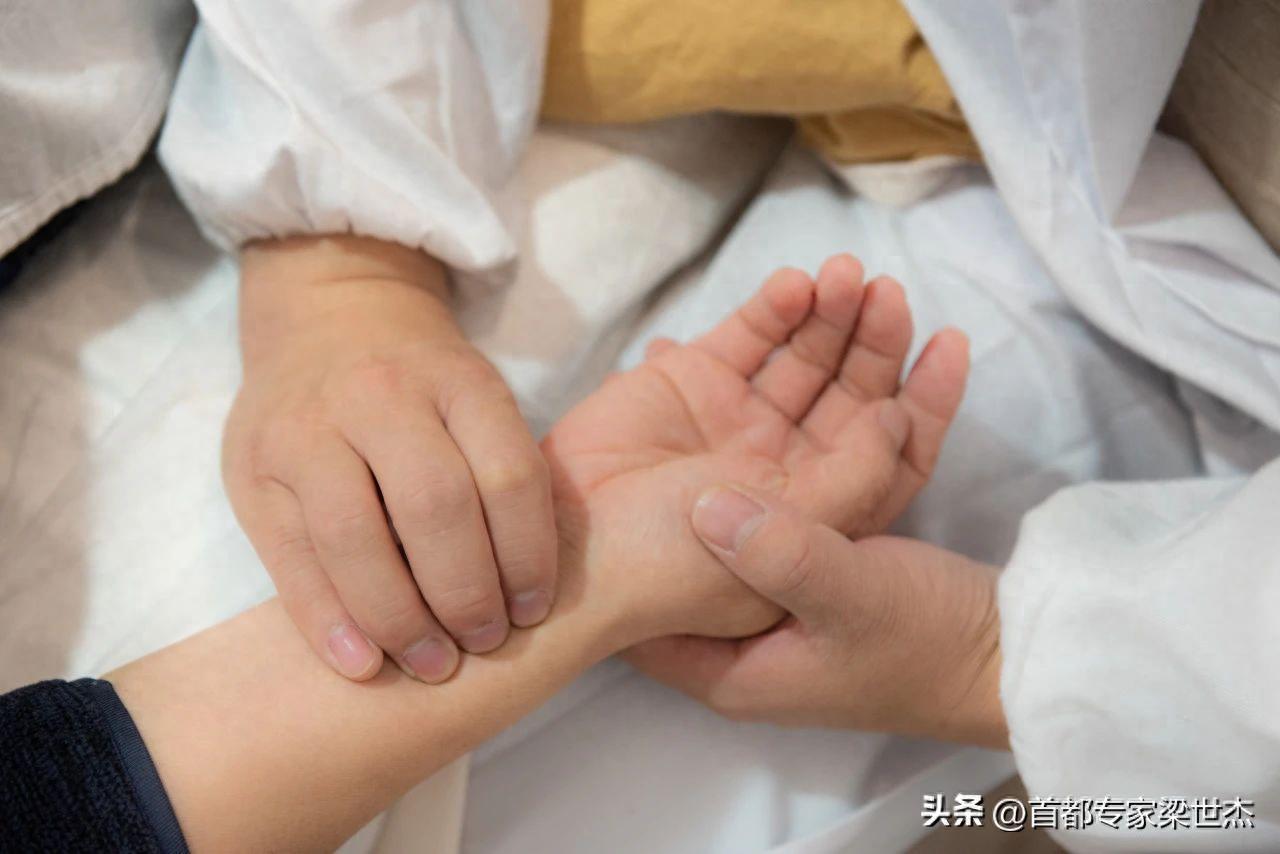
咱先說說這脈象,它就像是人體這部複雜機器的“儀表盤”,默默反映着人體的整體狀態。氣血,那是人體的精微物質,如同河流裏的水,在人體的經絡中流淌不息。氣血盛衰,就如同河流的水量變化,脈象能敏銳地捕捉到這一切。當氣血充足時,脈象就像那奔騰不息的大河,有力而流暢;當氣血虧虛時,脈象則似那乾涸的小溪,細弱而無力。陰陽平衡,更是人體健康的關鍵所在。陰陽就像一對歡喜冤家,相互制約又相互依存。一旦陰陽失調,脈象便會發出警報。陽盛則脈象洪大有力,彷彿夏日裏的驕陽,熾熱而強烈;陰盛則脈象沉細無力,恰似冬日裏的寒風,冰冷而微弱。
可這脈象啊,和現代醫學的診斷方式有着天壤之別。現代醫學就像一位嚴謹的偵探,拿着各種先進的儀器,試圖找出明確的病名診斷,就像給每一個案件貼上一個精確的標籤。而中醫脈象呢,更像是一位睿智的哲學家,它不追求具體的病名,而是着眼於人體的整體狀態。一位專業的中醫師會語重心長地告訴你:“脈象只能告訴你身體怎麼了,不能告訴你得了什麼病。”這話聽起來有點繞,但卻蘊含着深刻的道理。
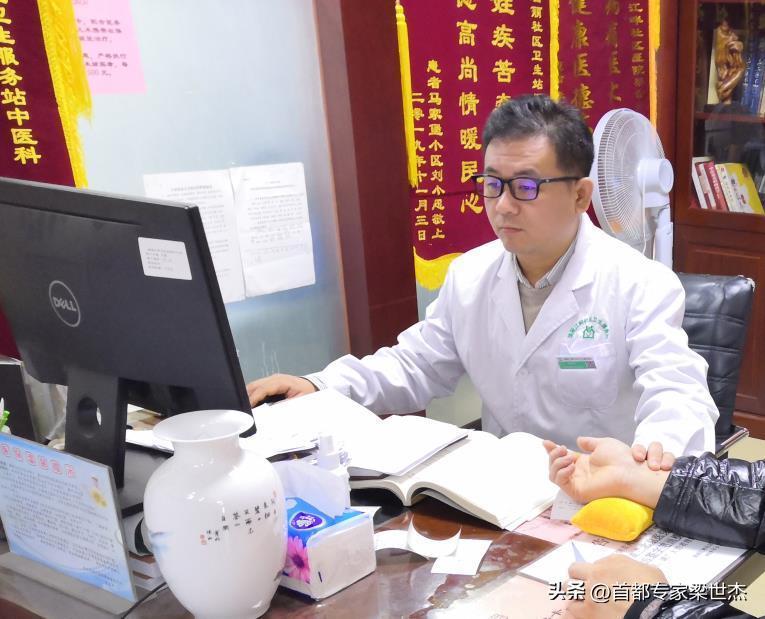
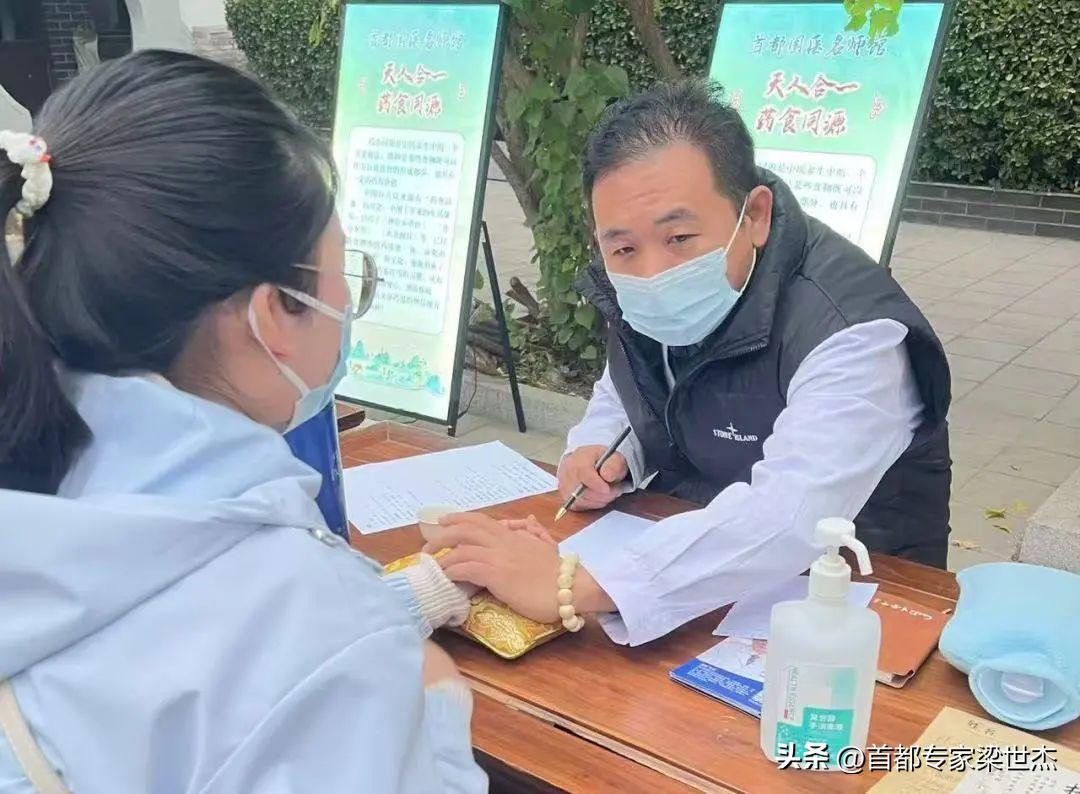
打個比方,就好比你去看一場演出。現代醫學像是拿着節目單,清楚地告訴你每個節目是什麼名字、由誰表演;而中醫脈象則像是讓你感受整場演出的氛圍,是歡快激昂還是低沉舒緩,是和諧統一還是雜亂無章。有一次,一位患者去找中醫師看病,他覺得自己渾身不舒服,但又說不出具體哪裏有問題。中醫師通過把脈,發現他的脈象弦細,這表明他可能存在肝鬱氣滯的情況。雖然不能直接說出他得了什麼現代醫學定義的病,但根據脈象的邏輯推理,中醫師可以判斷他大概率會有情緒抑鬱、胸脅脹痛等症狀。後來經過詳細詢問,患者果然承認自己最近工作壓力大,情緒低落,時常感覺胸口悶悶的。
有經驗的中醫就像一位經驗豐富的偵探,能從脈象這看似簡單的線索中,抽絲剝繭,推理出患者可能大概率的症狀和現代病名。這可不是什麼玄學,而是有着深厚的理論依據和豐富的實踐經驗。據不完全統計,在臨牀實踐中,通過脈象準確判斷出患者症狀和潛在疾病的案例數不勝數。曾經有一位患者,脈象表現出滑數的特點,中醫師根據脈象推斷他可能有體內溼熱、痰火內盛的情況,進而推測他可能會有口苦、咽乾、大便黏滯等症狀,還可能患有現代醫學中的高血脂、脂肪肝等疾病。後來經過進一步的檢查和問診,患者的症狀和疾病與中醫師的推斷高度吻合。
然而,脈學這門古老的學問,學習起來並非易事。它就像一座神祕的山峯,需要攀登者具備紮實的理論基礎、豐富的實踐經驗和敏銳的感知能力。古代的中醫名家們,爲了掌握脈學的精髓,不惜花費大量的時間和精力。扁鵲,這位傳說中的神醫,據說他能通過把脈就知道病人的病情,甚至能預測病人的生死。雖然這其中可能有一些傳奇的色彩,但也足以說明脈學在古代中醫中的重要地位。
在當今這個科技飛速發展的時代,現代醫學的診斷技術日新月異。但我們不能因此而忽視中醫脈學這門古老的智慧。它就像一棵歷經滄桑的古樹,雖然枝葉可能不如一些新興的醫學技術繁茂,但它的根系卻深深紮在中華文化的土壤中,蘊含着無盡的生機和活力。
我們應該以一種開放和包容的心態,去傳承和發揚中醫脈學。讓這門古老的學問在現代社會中煥發出新的光彩。因爲,脈學心悟,不僅僅是對人體奧祕的探索,更是對中華文化智慧的傳承。它就像一首悠揚的古曲,在歲月的長河中奏響着獨特的旋律,等待着我們去聆聽、去感悟、去傳承。讓我們在這脈學的世界裏,領略中醫的博大精深,感受古人的智慧光芒,共同守護這份獨步天下的文化瑰寶。
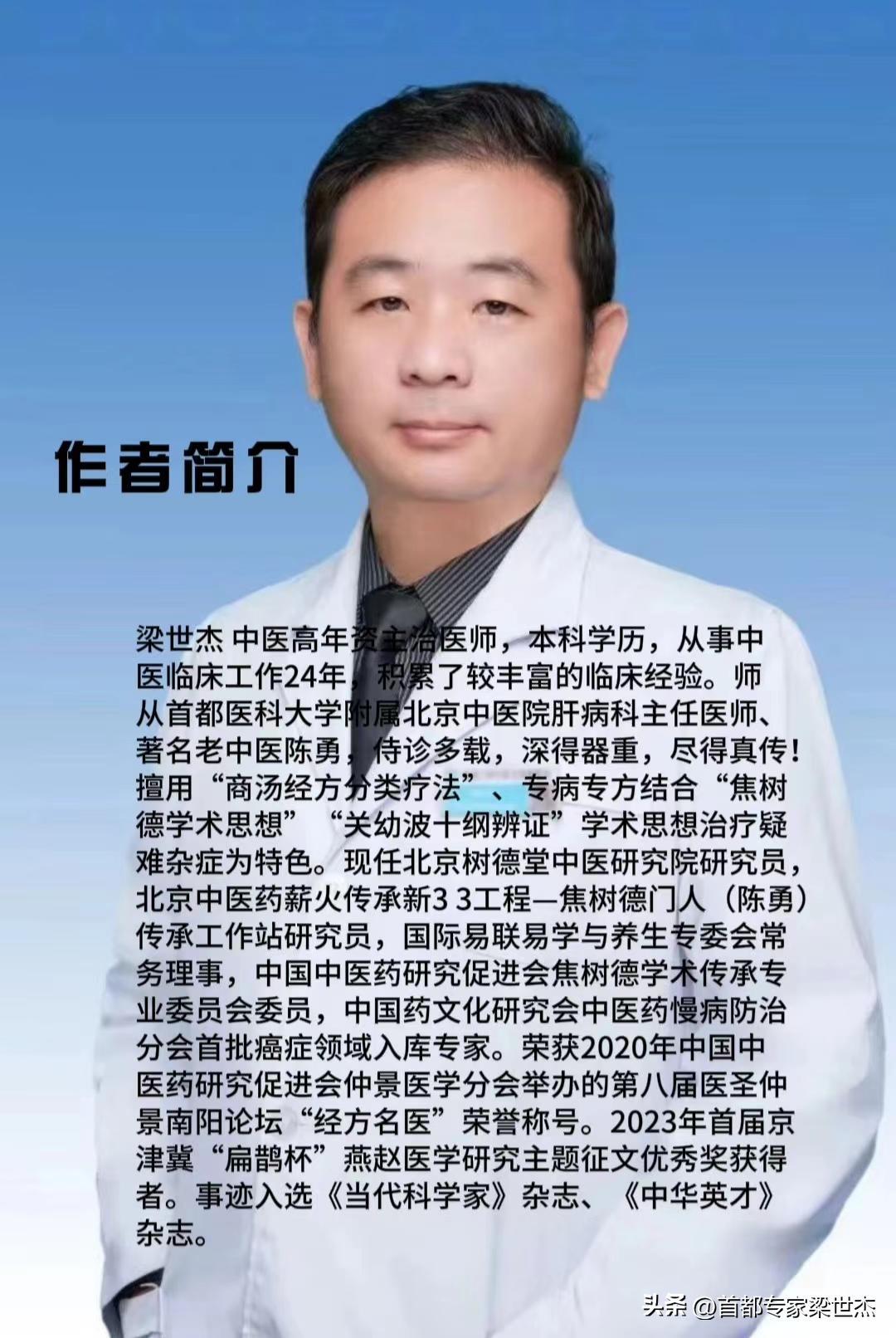
作者簡介:梁世傑 中醫高年資主治醫師,本科學歷,從事中醫臨牀工作24年,積累了較豐富的臨牀經驗。師從首都醫科大學附屬北京中醫院肝病科主任醫師、著名老中醫陳勇,侍診多載,深得器重,盡得真傳!擅用“商湯經方分類療法”、專病專方結合“焦樹德學術思想”“關幼波十綱辨證”學術思想治療疑難雜症爲特色。現任北京樹德堂中醫研究院研究員,北京中醫藥薪火傳承新3+3工程—焦樹德門人(陳勇)傳承工作站研究員,國際易聯易學與養生專委會常務理事,中國中醫藥研究促進會焦樹德學術傳承專業委員會委員,中國藥文化研究會中醫藥慢病防治分會首批癌症領域入庫專家。榮獲2020年中國中醫藥研究促進會仲景醫學分會舉辦的第八屆醫聖仲景南陽論壇“經方名醫”榮譽稱號。2023年首屆京津冀“扁鵲杯”燕趙醫學研究主題徵文優秀獎獲得者。事蹟入選《當代科學家》雜誌、《中華英才》雜誌。
Wisdom Embodied in the Ancient Aesthetics of Traditional Chinese Medicine
In the long history of the Chinese land, Chinese medicine is like a shining pearl that radiates a mysterious and charming light. And pulse therapy, as the delicate branch of the ancient Chinese medicine, is like the brightest glow on the pearl, walking alone with its unique charm.
Let me start with this pulse, which is like the "dashboard" of this complex machine of the human body, silently reflecting the overall state of the human being. Qi and blood, which are the fine substances of the human body, are like water in a river, and flow continuously through the human meridians. The rise and fall of the blood are like the changes in the amount of water in a river, and the pulse can sensitively capture all this. When the blood and oxygen are abundant, the pulse is like that running river, strong and flowing. When the blood and blood are weak, the pulse is like that of a dry stream, weak and weak. Yin-yang balance is also the key to human health. Yin and yang are like a happy couple, constrained and dependent on each other. When the yin and yang are disturbed, the pulse signal will give an alarm. When the sun is shining, the pulse appears huge and powerful, like the summer sun, hot and intense. In a sunny day, the pulse is thin and weak, like the cold wind in winter, cold and weak.
But this pulse is a far cry from modern medical diagnosis. Modern medicine is like a rigorous detective, holding a variety of advanced instruments to try to find a definitive diagnosis, like putting an exact label on each case. Chinese traditional meridians, on the other hand, are more like a wise philosopher who does not pursue specific medical names, but focuses on the overall state of the human body. A professional Chinese medicine practitioner will say with great precision, "The pulse can only tell you what''s wrong with your body, not what''s going on." It sounds a bit weird, but it contains a profound truth.
As an analogy, it''s like going to a show. Modern medicine is like holding a program list that clearly tells you what the name of each program is and who performs it. Traditional Chinese meridians are like allowing you to feel the atmosphere of the entire performance, whether it is cheerful or deep and soothing, harmonious or chaotic. Once, a patient went to see a Chinese doctor. He felt unwell, but he could not say exactly what was wrong. By taking his pulse, the Chinese doctor found that his pulse was thin, which suggested that he might be suffering from a condition of liver depression. Although it was not possible to directly say what ailment he had as defined by modern medicine, based on the logical reasoning of the pulse, the Chinese doctor could determine that he was likely to have symptoms such as depression and chest and hypertension. After a detailed inquiry, the patient admitted that he had recently had a lot of stress at work, was depressed, and often felt swollen chest.
An experienced Chinese medicine practitioner is like an experienced detective who can extract from the seemingly simple clues of pulse images and infer the likely symptoms and modern medical names of the patient. This is not some metaphysics, but has deep theoretical foundations and rich practical experience. According to incomplete statistics, in clinical practice, there are countless cases in which a patient''s symptoms and potential diseases can be accurately determined by pulse signals. Once there was a patient whose pulse showed slippery characteristics. According to the pulse condition, the doctor of traditional Chinese medicine concluded that he might have hot and humid in his body, and then speculated that he might have bitter mouth, dry throat, sticky stool and so on. He may also suffer from hyperlipidemia, fatty liver and other diseases in modern medicine. After further examination and consultation, the patient''s symptoms and illnesses were highly consistent with the Chinese physician''s inference.
However, the ancient knowledge of acupuncture is not easy to learn. It is like a mysterious mountain that requires climbers to have a solid theoretical foundation, a wealth of practical experience and a keen sense of sensation. In ancient times, the famous Chinese medicine practitioners spent a great deal of time and energy in order to master the essence of chakra science. The lentil, the legendary healer, is said to know a patient''s condition by taking a pulse and even predict the life or death of a patient. While there may be some legendary aspects to this, it is also enough to illustrate the importance of veinology in ancient Chinese medicine.
In today''s era of rapid technological development, the diagnostic techniques of modern medicine are constantly changing. But we must not lose sight of the ancient wisdom of Chinese traditional meridian healing. It is like an old tree that has experienced many vicissitudes. Although its branches and leaves may not be as luxuriant as some new medical technologies, its root system is deeply rooted in the soil of Chinese culture and contains endless vitality and vigor.
We should carry forward and promote traditional Chinese traditional healing with an open and inclusive mindset. Let this ancient knowledge shine anew in modern society. Because, the understanding of pulse is not only the exploration of the mystery of the human body, but also the inheritance of the wisdom of Chinese culture. It is like a rich old song, which has played a unique melody over the years, waiting for us to listen, to understand, and to pass on. Let us appreciate the profound prowess of traditional Chinese medicine in this world of acupuncture, feel the light of the wisdom of the ancient people, and jointly safeguard this cultural treasure that stands alone in the world.
Author Bio: Liang Shijie is a senior medical practitioner in traditional Chinese medicine with an undergraduate degree. He has been engaged in traditional medicine clinical work for 24 years and has accumulated a wealth of clinical experience. Following Chen Yong, chief physician of liver disease at Beijing Traditional Medicine Hospital, affiliated with Capital Medical University, and renowned old Chinese medicine, he has been treated for many years and received great attention. He specializes in the treatment of difficult diseases using "conversational traditional therapy" and special treatments combined with the academic ideas of Jiao Shude and Guan Yubo''s ten-level diagnosis.He is currently a researcher at the Shude Tang TCM Research Institute in Beijing, a fellow at the new 3 + 3 project of traditional Chinese medicine flame inheritance in Beijing - a scholar at the inheritance workstation of Jiao Shude''s protégés (Chen Yong),He is a standing committee member of the International Expert Committee on E-learning and Health Care, a member of the Jiao Shude Academic Heritage Special Committee of the Chinese Association for the Advancement of Chinese Medicine Research, and the first cancer specialist to be included in the chapter of the Chinese Pharmaceutical Culture Research Association. Won the 2020 China Association for the Promotion of Traditional Chinese Medicine Zhongjing Medical Branch held the eighth session of the Medical Saint Zhongjing Nanyang Forum "Classic Prescription Famous Doctor" honorary title. The winner of the first Beijing-Tianjin-Hebei "Pingui Cup" Yanzhao Medical Research Essay Award in 2023. His work was featured in the journal Current Scientist and the journal Chinese Talent.