梁世傑:都市行醫20載,好記性不如爛筆頭
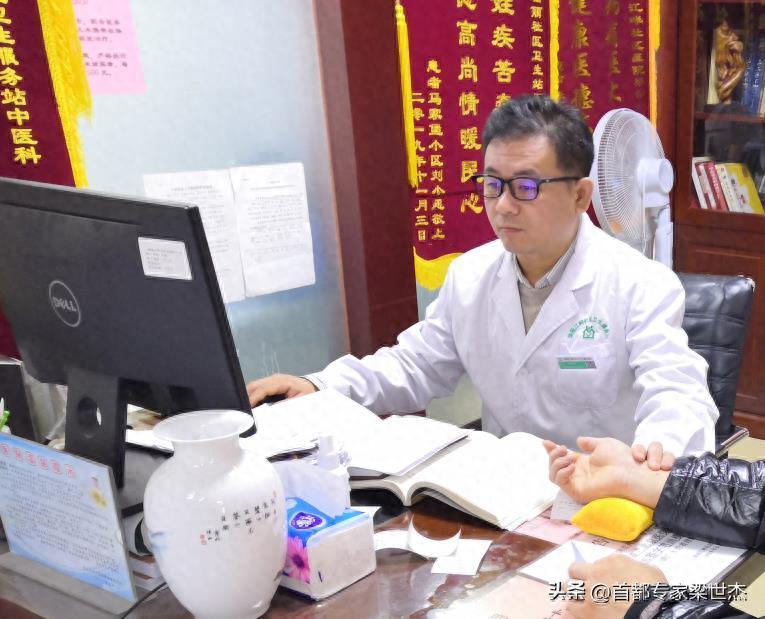
在大都市的喧囂與繁華中,我身着白袍,已行醫二十餘載。這二十多年,就像一部波瀾壯闊的長卷,每一頁都寫滿了患者的病痛與希望,也鐫刻着我對中醫傳承與發展的深刻感悟。
老一輩人,辛辛苦苦工作一輩子,或許就爲了攢下一套遮風擋雨的房子,那是他們安身立命的根基,是歲月沉澱後的安穩。而幹中醫的呢,往往幹了一輩子,攢下的卻是幾套方子。這些方子,可不簡單,它們是中醫智慧的結晶,是無數先輩在臨牀實踐中摸索出來的“治病密碼”。
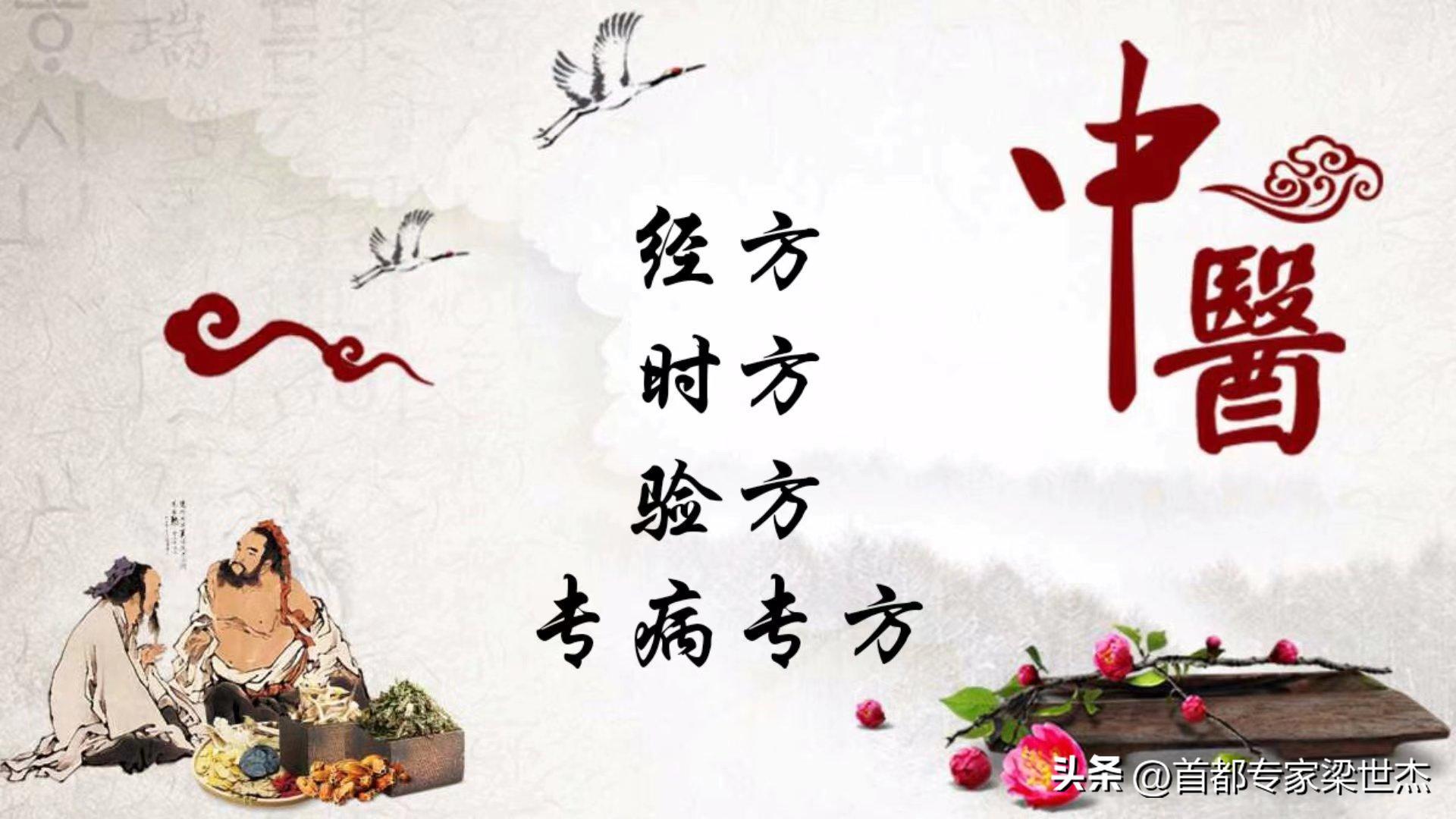
從歷史的維度看,無論是經方、時方、驗方還是專病專方,能在歷史長河中傳承下來的,往往都是療效可重複性比較高的。就像那璀璨星河中的恆星,歷經歲月的洗禮,依然閃耀着光芒。據不完全統計,在中醫古籍中記載的方子數以萬計,但真正被廣泛應用且療效顯著的,不過其中一小部分。這些經過時間考驗的方子,就像一位位沉默的老師,默默地傳授着治病的訣竅。
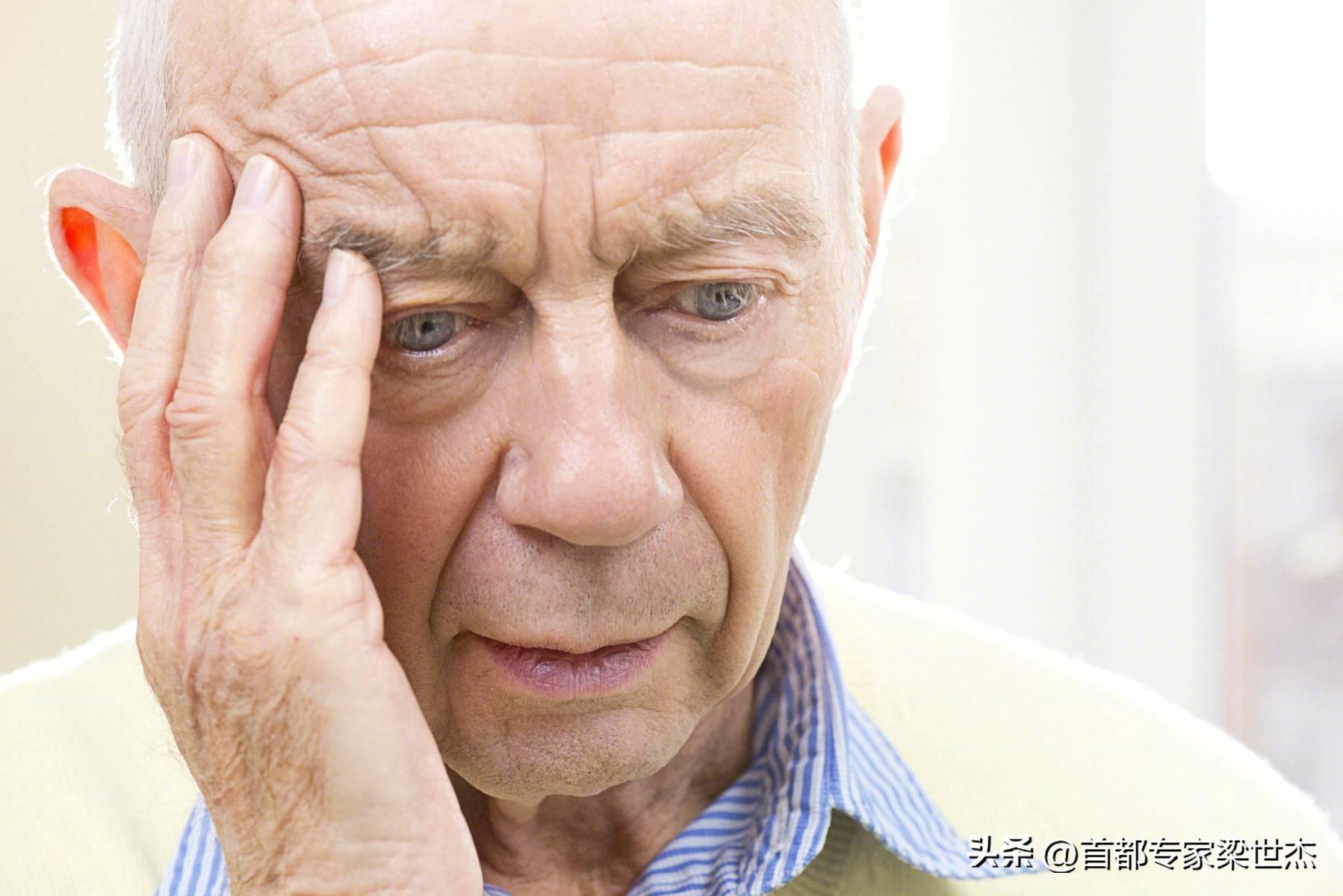
然而,問題也隨之而來。無數的方子,專靠醫生的大腦去儲備,這可不是一件輕鬆的事兒。就好比一個人要同時記住好幾本厚厚的書籍內容,隨着年齡的增長,大腦就像一臺用了多年的電腦,開始出現“卡頓”現象。我見過不少老中醫,年輕時記憶力超羣,處方時信手拈來,各種方劑爛熟於心。可到了年紀大了,寫起方子來就開始丟三落四,少一味藥,多一味藥,就像廚師做飯時放錯了調料,原本美味的菜餚,味道就變了。這看似小小的失誤,卻很有可能會影響療效的可重複性。要知道,在中醫的世界裏,每一味藥都像是戰場上的士兵,各有其職責和作用,少了一個,多了一個,都可能打亂整個治療的“戰術佈局”。
我就遇到過這麼一位老中醫,年輕時醫術高明,在當地頗有名氣。有一次,一位患者前來就診,症狀比較複雜。老中醫憑藉着多年的經驗,很快就在腦海中構思出了一個方子。可當他提筆書寫時,由於年紀大了,記憶力減退,竟然漏寫了一味關鍵的藥。患者按照這個方子抓藥服用後,病情並沒有得到明顯的改善。後來經過仔細覆盤,才發現是方子出了問題。這件事讓老中醫懊悔不已,也讓我深刻認識到,好記性不如爛筆頭。
現在進入了電子時代,科技的發展爲我們提供了便利。把有效的方子儲存在電腦裏、手機裏,用起來反而更方便。這就好比給大腦配備了一個“外置硬盤”,隨時可以調用所需的信息。不至於上了年紀,寫起方子來手忙腳亂,丟三落四。雖然看起來用筆記、用電子設備記錄顯得拖沓繁瑣,但這是對患者負責,對臨牀療效負責。就像工匠打造一件精美的器物,每一個細節都要精益求精,容不得半點馬虎。
中醫,作爲大方脈,面對現代分科細緻如內科、皮膚科、小兒科、婦科、男科、骨科、腫瘤科等等,各種疾病紛至沓來,就像一場沒有硝煙的戰爭,醫生要在不同的“戰場”上隨意切換思維邏輯,精準處方。這確實需要一個好的大腦,但更不能忽視記錄的重要性。老中醫隨着年齡的增長,記憶力、反應能力都會減退,這是自然規律,誰也無法抗拒。就像一輛汽車,開了多年,性能總會有所下降。
謙虛謹慎在這個時候就顯得尤爲重要。因爲醫生面對的是一個個鮮活的生命,每一個決策都可能影響到患者的健康和未來。辨病與辨證相結合,靈活準確地辨證使用每一套方子,這就像在一場複雜的棋局中,每一步都要深思熟慮。而爛筆頭做筆記,就像是棋手在棋盤上記錄下每一步的走法,以便回顧和總結。
我有一位同行,他非常注重方子的記錄和整理。他不僅把常用的方子整理成電子文檔,還按照不同的病症、體質進行分類。每次接診患者時,他都會先參考這些記錄,再結合患者的具體情況進行辨證論治。有一次,一位患有疑難雜症的患者前來就診,症狀十分複雜。他通過查閱自己整理的方子庫,結合患者的舌象、脈象等信息,經過一番仔細的斟酌,開出了一張精準的處方。患者按照這個方子服用後,病情逐漸好轉。這件事讓我深刻體會到,記錄和整理方子對於提高臨牀療效的重要性。
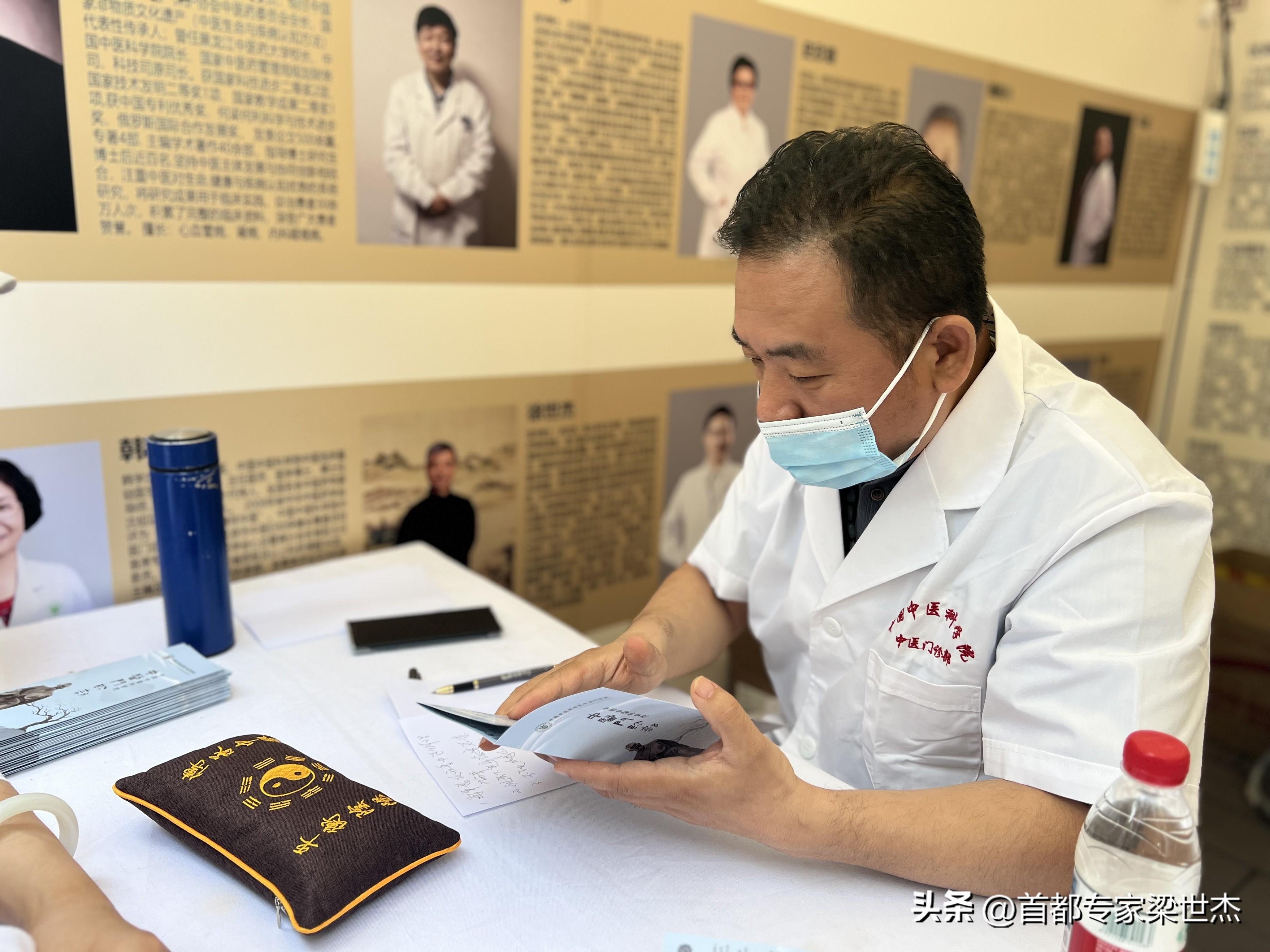
在這個快速發展的時代,中醫傳承面臨着諸多挑戰。我們不能僅僅依靠大腦去記憶那些寶貴的方子,而應該藉助現代科技的力量,讓中醫的智慧更好地傳承下去。讓爛筆頭、電子設備成爲我們傳承中醫的有力工具,爲更多的患者帶來健康和希望。因爲,中醫的傳承與發展,不僅僅是我們這一代醫生的責任,更是對無數先輩智慧的尊重和延續,是爲了讓中醫這門古老的醫學在新時代煥發出新的生機與活力。讓我們攜手共進,在中醫傳承的道路上,書寫屬於我們的輝煌篇章。
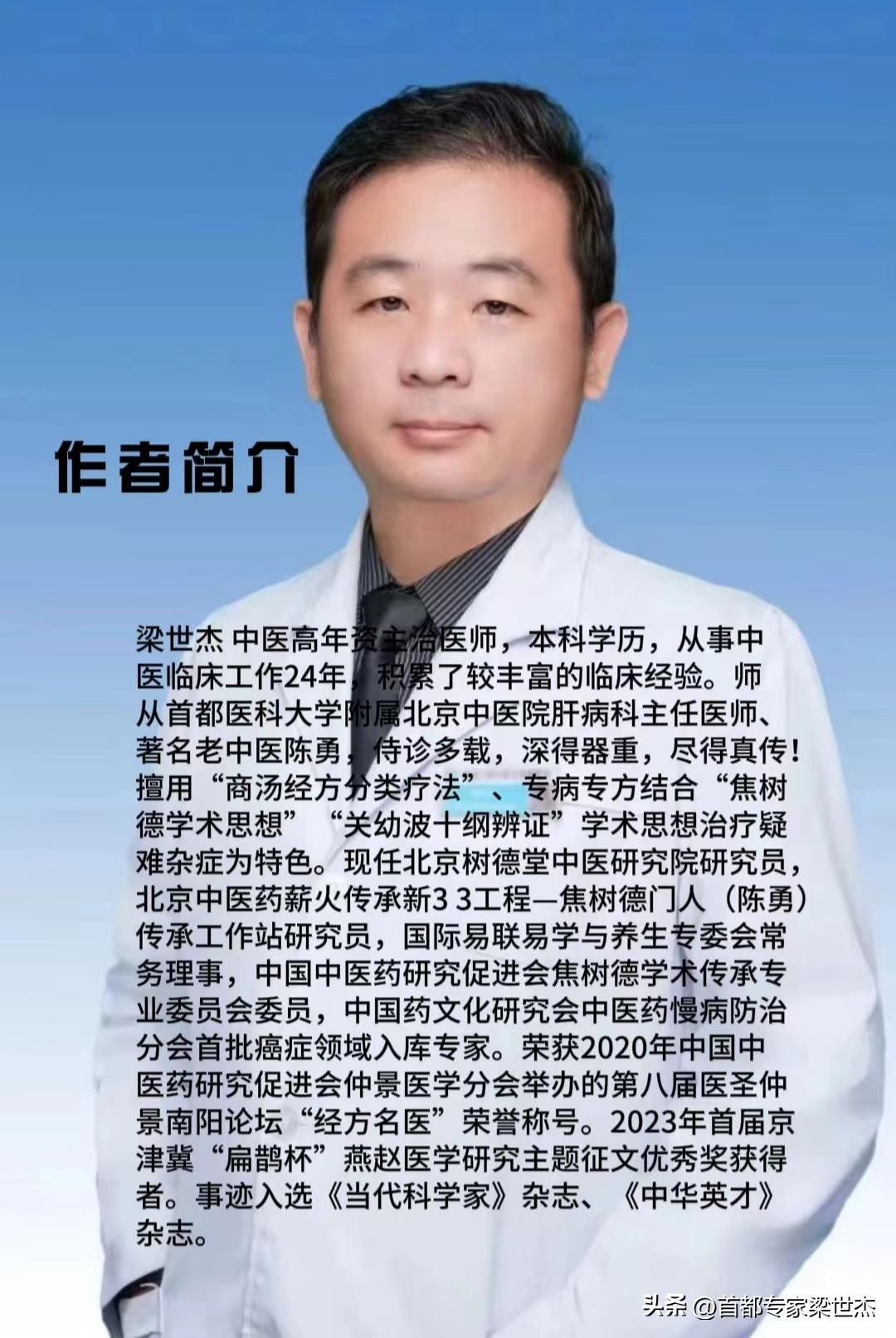
作者簡介:梁世傑 中醫高年資主治醫師,本科學歷,從事中醫臨牀工作24年,積累了較豐富的臨牀經驗。師從首都醫科大學附屬北京中醫院肝病科主任醫師、著名老中醫陳勇,侍診多載,深得器重,盡得真傳!擅用“商湯經方分類療法”、專病專方結合“焦樹德學術思想”“關幼波十綱辨證”學術思想治療疑難雜症爲特色。現任北京樹德堂中醫研究院研究員,北京中醫藥薪火傳承新3+3工程—焦樹德門人(陳勇)傳承工作站研究員,國際易聯易學與養生專委會常務理事,中國中醫藥研究促進會焦樹德學術傳承專業委員會委員,中國藥文化研究會中醫藥慢病防治分會首批癌症領域入庫專家。榮獲2020年中國中醫藥研究促進會仲景醫學分會舉辦的第八屆醫聖仲景南陽論壇“經方名醫”榮譽稱號。2023年首屆京津冀“扁鵲杯”燕趙醫學研究主題徵文優秀獎獲得者。事蹟入選《當代科學家》雜誌、《中華英才》雜誌。
Liang Shijie: After 20 years of practicing medicine in the city, it is better to have a bad memory than a messy notebook.
Amidst the hustle and bustle of the metropolis, I have been wearing a white robe and practicing medicine for over two decades. These twenty years have been like a grand and sweeping scroll, with each page filled with the sufferings and hopes of patients, as well as my profound insights into the inheritance and development of traditional Chinese medicine.
Older generations worked hard their whole lives, perhaps just to save up enough money to buy a house that could provide shelter from the wind and rain. This house was the foundation upon which they built their lives, a sense of security that came with the passage of time. In contrast, those who practice traditional Chinese medicine often spend their entire careers accumulating just a few sets of prescriptions. These prescriptions are no ordinary things; they are the culmination of the wisdom of traditional Chinese medicine and the "secret formulas" that countless predecessors discovered through years of clinical practice.
From a historical perspective, whether it is an ancient formula, a contemporary formula, a proven formula, or a specialized formula for a specific disease, those that have been passed down through the ages are often those with relatively high reproducibility of efficacy. Just like the stars in the magnificent cosmic expanse, after enduring the test of time, they continue to shine brightly. According to incomplete statistics, there are tens of thousands of formulas recorded in ancient Chinese medical texts, but only a small portion of them are widely used and have been shown to be highly effective. These time-tested formulas are like silent teachers, quietly imparting the secrets of treating various ailments.
However, problems also arise from this. With countless prescriptions, relying solely on a doctor''s brain to store them is not an easy task. It is akin to someone trying to remember the contents of several thick books at the same time. As one ages, the brain functions like a computer that has been used for many years and starts to experience "crashes." I have seen many elderly traditional Chinese medicine practitioners who, in their younger years, had exceptional memory and could easily recall prescriptions and various formulas. However, as they grew older, they began to make mistakes when writing prescriptions, such as forgetting or adding an ingredient. This is similar to a chef who accidentally adds the wrong seasoning to a dish, changing its original taste. These seemingly minor mistakes can potentially affect the reproducibility of the treatment''s efficacy. In the world of traditional Chinese medicine, each ingredient is like a soldier on the battlefield, each with its own role and function. The absence or presence of even one ingredient can disrupt the overall "tactical layout" of the treatment.
I have encountered such a senior traditional Chinese medicine practitioner. In his youth, he was highly skilled and well-known in his area. One time, a patient came to him with a complex set of symptoms. Based on his many years of experience, he quickly came up with a prescription in his mind. However, when he picked up his pen to write it down, due to age-related memory decline, he accidentally omitted a crucial ingredient. After the patient took the prescribed medicine, there was no significant improvement in their condition. It was only after a thorough review that it was discovered that the prescription was flawed. This incident left the senior practitioner deeply regretful, and it also made me realize that a good memory is not as reliable as a well-maintained notebook.
Now that we are in the electronic age, the development of technology has brought us many conveniences. Storing effective formulas in computers and mobile phones makes it even easier to access them. This is akin to equipping the brain with an "external hard drive" that can be called upon at any time to retrieve the necessary information. This way, one is not left flustered and disorganized when it comes to writing down formulas as one ages. Although it may seem tedious and cumbersome to use notes and electronic devices for recording, it is a responsible approach towards the patients and the clinical efficacy. It is akin to a craftsman meticulously crafting a beautiful piece of art; every detail must be perfected, with no room for error.
As a broad practitioner of traditional Chinese medicine, one must contend with the highly specialized fields of modern medicine, such as internal medicine, dermatology, pediatrics, obstetrics and gynecology, andrology, orthopedics, and oncology, among others. With so many different types of illnesses presenting themselves, it is akin to a war without any visible conflict. Doctors must be able to switch between different mental frameworks and apply precise prescriptions on various "battlefields." This indeed requires a sharp mind, but it is equally important not to overlook the significance of record-keeping. As one ages, both memory and reflexes tend to decline, which is a natural process that no one can escape. Just like a car that has been driven for many years, its performance will inevitably deteriorate.
In this situation, modesty and prudence are particularly important. This is because doctors are dealing with living individuals, and every decision made could have an impact on the patient''s health and future. Combining disease diagnosis with syndrome differentiation, and using each set of prescriptions in a flexible and accurate manner, is akin to making every move in a complex chess game with careful consideration of each step. Jotting down notes in a tattered notebook is similar to a chess player recording each move made on the board for review and reflection.
I have a colleague who places great emphasis on documenting and organizing prescriptions. Not only has he compiled a list of commonly used prescriptions into an electronic document, but he has also categorized them based on different conditions and patient characteristics. Whenever he sees a patient, he first reviews these records before making a diagnosis and formulating a treatment plan tailored to the patient''s specific situation. One time, a patient with a complex and difficult-to-diagnose condition came to see him. After reviewing his own collection of prescriptions and analyzing the patient''s tongue and pulse patterns, he carefully considered the situation and created a precise prescription. After taking the prescribed medicine, the patient''s condition gradually improved. This experience made me realize the significance of documenting and organizing prescriptions in improving clinical outcomes.
In this era of rapid development, the inheritance of traditional Chinese medicine is facing numerous challenges. We cannot rely solely on memory to recall those invaluable prescriptions; instead, we should harness the power of modern technology to ensure the better inheritance of the wisdom of traditional Chinese medicine. Letting notebooks and electronic devices become our powerful tools for the inheritance of traditional Chinese medicine can bring health and hope to more patients. Because the inheritance and development of traditional Chinese medicine is not only the responsibility of our generation of doctors, but also a respect and continuation of the wisdom of countless predecessors. It is meant to allow this ancient form of medicine to flourish with new vitality in the new era. Let us work together and write our own glorious chapter in the journey of the inheritance of traditional Chinese medicine.
Author Bio: Liang Shijie is a senior medical practitioner in traditional Chinese medicine with an undergraduate degree. He has been engaged in traditional medicine clinical work for 24 years and has accumulated a wealth of clinical experience. Following Chen Yong, chief physician of liver disease at Beijing Traditional Medicine Hospital, affiliated with Capital Medical University, and renowned old Chinese medicine, he has been treated for many years and received great attention. He specializes in the treatment of difficult diseases using "conversational traditional therapy" and special treatments combined with the academic ideas of Jiao Shude and Guan Yubo''s ten-level diagnosis.He is currently a researcher at the Shude Tang TCM Research Institute in Beijing, a fellow at the new 3 + 3 project of traditional Chinese medicine flame inheritance in Beijing - a scholar at the inheritance workstation of Jiao Shude''s protégés (Chen Yong),He is a standing committee member of the International Expert Committee on E-learning and Health Care, a member of the Jiao Shude Academic Heritage Special Committee of the Chinese Association for the Advancement of Chinese Medicine Research, and the first cancer specialist to be included in the chapter of the Chinese Pharmaceutical Culture Research Association. Won the 2020 China Association for the Promotion of Traditional Chinese Medicine Zhongjing Medical Branch held the eighth session of the Medical Saint Zhongjing Nanyang Forum "Classic Prescription Famous Doctor" honorary title. The winner of the first Beijing-Tianjin-Hebei "Pingui Cup" Yanzhao Medical Research Essay Award in 2023. His work was featured in the journal Current Scientist and the journal Chinese Talent.