衆人禮祭“神壇”,你卻跌落凡間?
在這熙熙攘攘、紛繁複雜的人世間,社會就像一臺永不停歇的巨大機器,高速運轉着,對各個行業都有着獨特的期許與要求。而醫生這一羣體,恰似站在社會這臺機器關鍵齒輪上的舞者,在衆人的目光聚焦下,於“神壇”與人間之間艱難地踱步。
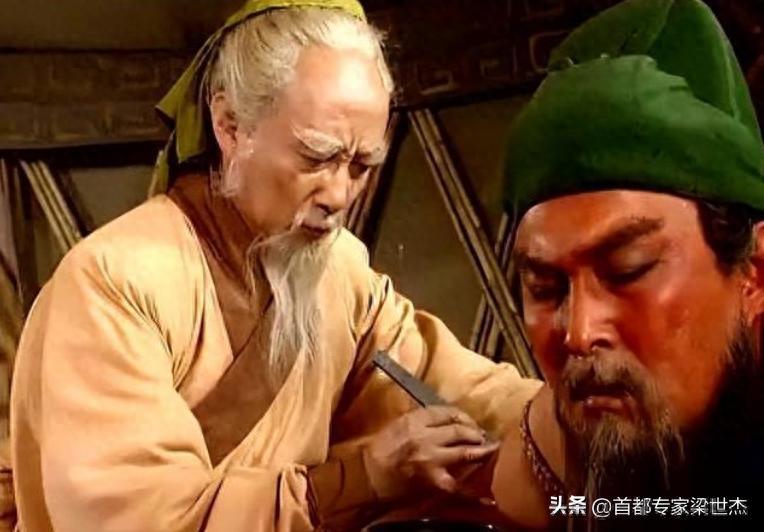
社會,彷彿一位急切又嚴苛的家長,內心深處呼喚着神醫的出現。這呼喚裏,飽含着對健康與生命的無限渴望,就如同在茫茫沙漠中渴望清泉的旅人。從社會意識形態的角度看,人們期望醫生能擁有超凡的能力,像神話中的神醫扁鵲,只需一眼便能洞察疾病的根源;又似華佗,能以精湛的醫術起死回生。從客觀現實來講,隨着生活節奏的加快、環境的變化,各種疑難病症層出不窮,人們太需要一個能“藥到病除”的神醫來拯救自己和家人的健康。據相關統計,近年來,重大疾病的發病率呈上升趨勢,僅癌症一項,每年新增病例就數以百萬計。在這樣的數據面前,社會對神醫的期盼愈發迫切。然而,這種期盼必須充分基於科學,畢竟醫學是一門嚴謹的科學,不是神話中的魔法。
可社會對醫生的這種高要求,就像一把無形的枷鎖,逐漸讓醫生“人”的屬性越來越少,“神”的屬性越來越多。醫生,本也是凡胎肉體,有着七情六慾,會在疲憊時感到睏倦,會在面對疑難病症時感到壓力。但社會卻似乎忘記了這一點,將他們推上了“神壇”。
在患者面前,醫生就像被放在天平上的砝碼,需要精準地平衡各種關係。他們既要微笑服務,那笑容得如同春日裏的暖陽,溫暖而又親切,讓患者感受到關懷。可這笑容又不能缺乏同理心,不能是那種職業化的、空洞的笑。就像有位患者,在病痛的折磨下心情極度低落,醫生如果只是機械地微笑,而不理解患者內心的痛苦,那這笑容就像冬日裏的寒風,只會讓患者更加心寒。
醫生既要給出專業意見,這是他們的職責所在,畢竟他們經過多年的學習和實踐,掌握了豐富的醫學知識。然而,又不能忽視患者意見只談專業。曾經有這樣一個案例,一位患者對某種治療方案心存疑慮,醫生卻只是一味地強調專業的科學性,沒有耐心傾聽患者的想法,結果患者對治療產生了牴觸情緒,影響了治療效果。這就像一場合作,醫生是技術專家,患者是項目的參與者,只有雙方充分溝通,才能達到最佳的效果。
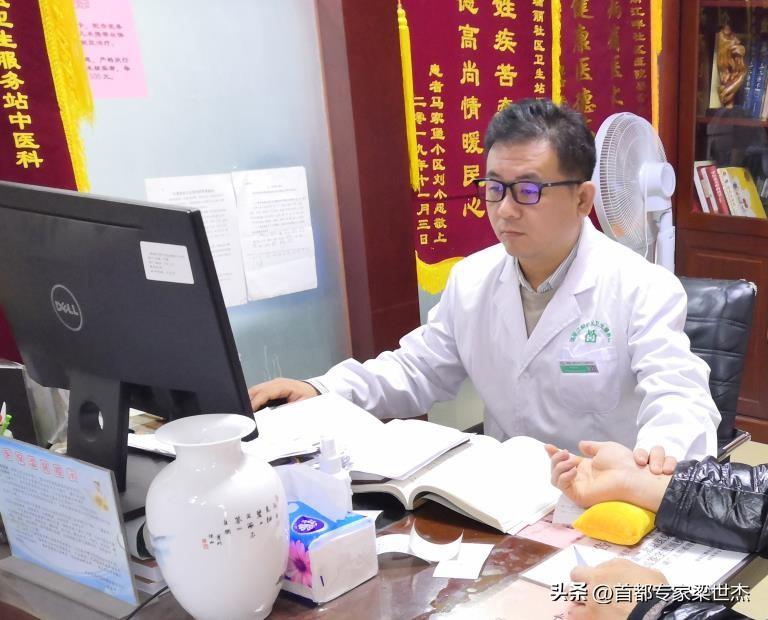
醫生既要維持就醫秩序,這是保證醫療工作順利進行的基礎。醫院就像一個繁忙的港口,每天都有大量的患者來來往往,如果沒有秩序,就會陷入混亂。但醫生又不能嚴苛對待擾亂秩序的患者而忘了將心比心。有位老人因爲着急看病,不小心插了隊,醫生如果只是嚴厲地批評,而不考慮老人焦急的心情,可能會讓老人更加無助。
醫生既要科學化地看病,運用各種先進的醫療技術和設備,依據科學的診斷方法進行治療。可又不能置人性化於不顧。曾經有一位重病患者,在生命的最後階段,身體極度虛弱,醫生如果只是按照常規的治療方案,而不考慮患者的身心感受,可能會讓患者在痛苦中度過最後的時光。這就像一場烹飪,科學是食材和調料,人性化是烹飪的火候和技巧,只有兩者完美結合,才能做出美味佳餚。
這種分裂的狀態,就像一把鋒利的劍,無情地揭示了一個殘酷真相:捧殺的本質,是一場精神剝削。社會將醫生捧上了“神壇”,賦予了他們太多的期望和責任,卻忽略了他們作爲人的基本需求。醫生們就像被抽打着前進的馬,爲了滿足社會的期望,不斷地奔跑,卻漸漸失去了自我。
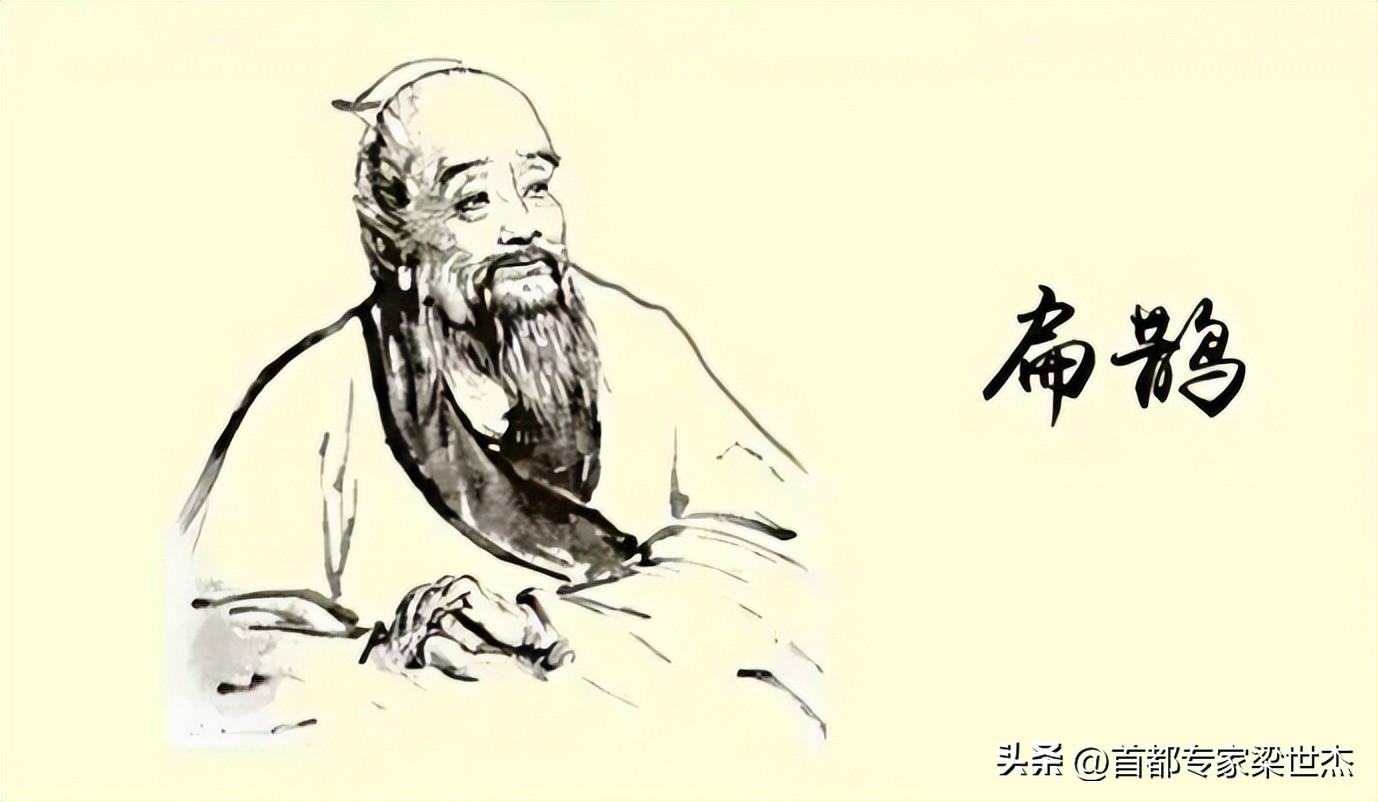
我們不妨看看歷史上的那些名醫,他們之所以被後人敬仰,不僅僅是因爲他們高超的醫術,更是因爲他們的人性關懷。扁鵲在治病的同時,會關心患者的心理狀態;華佗在手術時,會盡量減輕患者的痛苦。他們沒有把自己當成神,而是以一顆平常心對待患者,用自己的醫術和愛心拯救生命。
在這個社會呼喚神醫的時代,我們應該清醒地認識到,醫生不是神,他們只是比我們多掌握了一些醫學知識的普通人。我們不能將過高的期望強加在他們身上,讓他們在“神壇”與人間之間艱難地掙扎。讓我們以一顆理解和包容的心,尊重醫生的“人”性,給他們一些喘息的空間,讓他們在科學的道路上,帶着人性的溫暖,繼續爲我們的健康保駕護航。因爲,只有當醫生能自由地做回“人”,他們才能更好地成爲我們生命中的守護者。
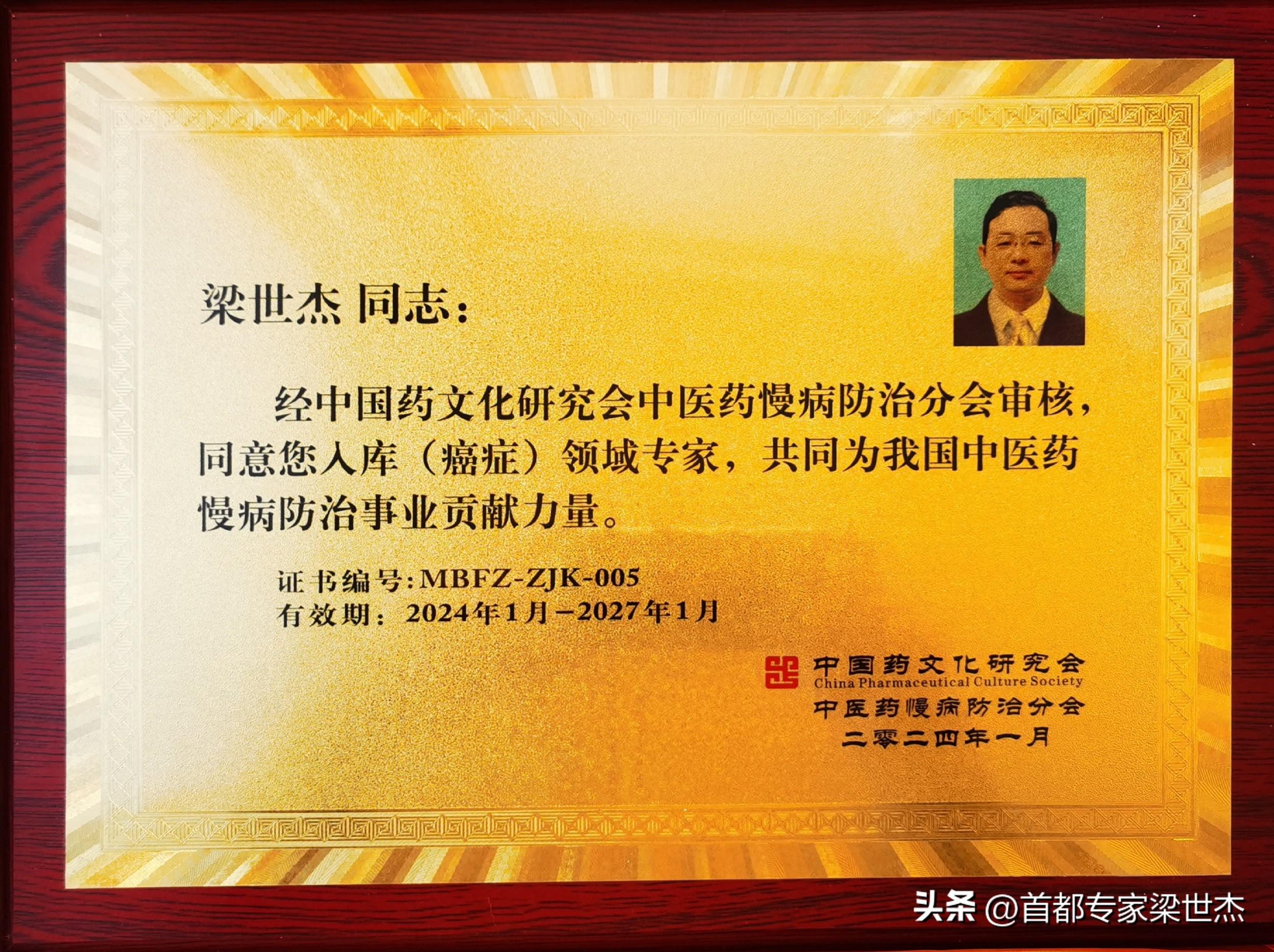
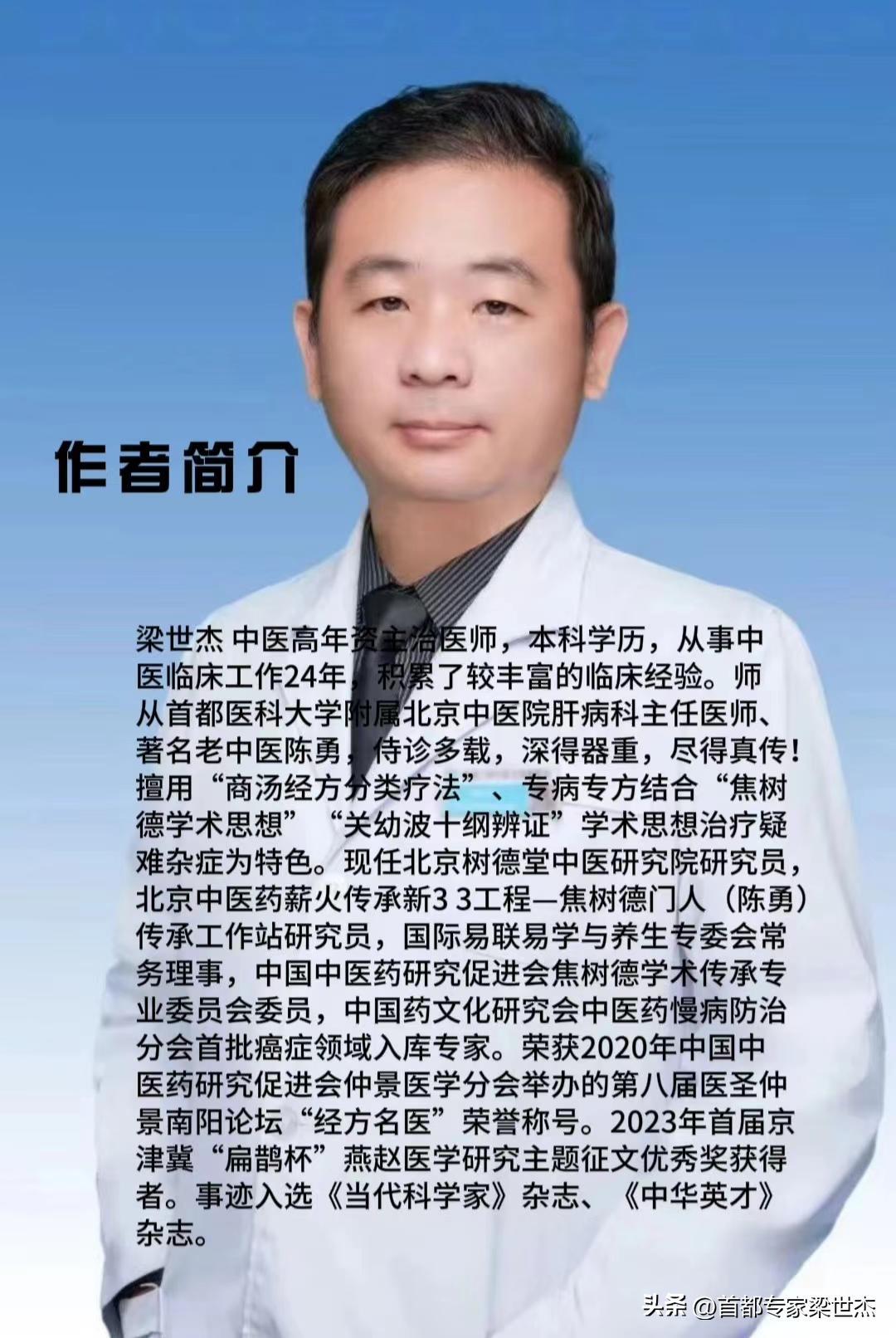
作者簡介:梁世傑 中醫高年資主治醫師,本科學歷,從事中醫臨牀工作24年,積累了較豐富的臨牀經驗。師從首都醫科大學附屬北京中醫院肝病科主任醫師、著名老中醫陳勇,侍診多載,深得器重,盡得真傳!擅用“商湯經方分類療法”、專病專方結合“焦樹德學術思想”“關幼波十綱辨證”學術思想治療疑難雜症爲特色。現任北京樹德堂中醫研究院研究員,北京中醫藥薪火傳承新3+3工程—焦樹德門人(陳勇)傳承工作站研究員,國際易聯易學與養生專委會常務理事,中國中醫藥研究促進會焦樹德學術傳承專業委員會委員,中國藥文化研究會中醫藥慢病防治分會首批癌症領域入庫專家。榮獲2020年中國中醫藥研究促進會仲景醫學分會舉辦的第八屆醫聖仲景南陽論壇“經方名醫”榮譽稱號。2023年首屆京津冀“扁鵲杯”燕趙醫學研究主題徵文優秀獎獲得者。事蹟入選《當代科學家》雜誌、《中華英才》雜誌。
Everyone sacrificed the ''altar'', and didn''t you want to fall into the world?
In this busy and complex world of people, society is like a giant machine that never stops, which operates at high speed and has unique expectations and requirements for various industries. The group of doctors, like dancers standing on the key cogs of society''s machine, trudged between the altar and human beings under the spotlight of everyone''s eyes.
Society, like an anxious and harsh parent, calls deep in its heart for the presence of a healer. In this call, there is an infinite desire for health and life, like a traveler who longs for a clear spring in a desert. From a social ideological point of view, doctors are expected to possess supernatural abilities, like the mythical healer Artemis, who can see the roots of diseases at a glance. Like Hu Mao, he was able to come back from the dead with his brilliant medical skills. From the objective reality, with the accelerated pace of life and changes in the environment, various difficult diseases are emerging, and people need a healer who can "cure to cure" to save their own health and the health of their family. According to relevant statistics, in recent years, the incidence of a disease is on the rise, only cancer alone, millions of new cases every year. In the face of such data, society''s expectations for the doctor are increasingly urgent. However, such hopes must be fully based on science, for after all, medicine is a rigorous science, not a mythical magic.
But this high demand on doctors by society is like an invisible chain that gradually makes doctors have less and less "human" attributes and more and more "deity" attributes. Doctors, who are also mortals, have all kinds of passions, can feel sleepy when they are tired, and can feel stressed when faced with difficult medical conditions. But society seems to have forgotten this and pushed them onto the "altar."
In front of patients, doctors are like weights on a scale and need to balance relationships precisely. They must serve with a smile like the warm sun in spring, warm and cordial, so that patients feel care. But this smile must not lack empathy, it must not be the kind of professional, empty smile. Like a patient who is depressed under the pain, if the doctor smiles mechanically and does not understand the pain in the patient, the smile is like the cold wind in winter, and will only chill the patient''s heart.
Doctors must give professional advice, which is their duty, after all, they have mastered a wealth of medical knowledge after years of study and practice. However, patient opinions cannot be ignored only as a professional matter. There was once a case where a patient had doubts about a certain treatment plan, but the doctor simply emphasized professional science and did not have the patience to listen to the patient''s thoughts. As a result, the patient developed a resistance to the treatment, which affected the effectiveness of the treatment. It''s like a collaboration where the doctor is a technical expert and the patient is a participant in the project. The best results can be achieved only if both parties are fully communicated.
Doctors must maintain order in medical treatment, which is the basis for ensuring the smooth progress of medical work. Hospitals are like a busy port, with large numbers of patients coming and going every day, and if there is no order, it can be thrown into chaos. But doctors cannot treat disorderly patients harshly and forget to compare their hearts. An old man accidentally missed a waiting list because he was in a hurry to see a doctor. If the doctor only harshly criticizes the old man without considering the old man''s anxious mood, it may make the old man even more helpless.
Physicians must treat patients scientifically, use various advanced medical technologies and equipment, and treat them according to scientific diagnostic methods. But human nature cannot be ignored. There was once a seriously ill patient who was extremely weak in the final stages of his life, and doctors who simply followed the usual treatment regimen without considering the patient''s physical and mental feelings might allow the patient to spend his final days in pain. It''s like a cooking. Science is the ingredients and spices, and humanity is the seasonings and techniques of cooking. Only a perfect combination of the two can make a delicious dish.
This state of division, like a sharp sword, relentlessly reveals a cruel truth: The essence of the killing is a form of spiritual exploitation. Society has placed doctors on the "altar," giving them too much expectation and responsibility while ignoring their basic needs as human beings. Doctors are like horses being beaten forward, running to meet the expectations of society, but gradually losing their identity.
Let us look at the famous doctors in history who were admired by the descendants not only for their skill, but also for their human concern. While treating the disease, the lentil cares about the patient''s psychological state; During surgery, Hu Mao would try to alleviate the pain of the patient. Instead of treating themselves as gods, they treat patients with a common heart and save lives with their healing and love.
In this age when society is calling for the divine doctor, we should wake up to the fact that doctors are not gods, they are just ordinary people who have some medical knowledge more than we do. We cannot impose excessive expectations on them and allow them to struggle between the altar and human beings. Let us respect the "human" nature of doctors with an understanding and tolerance, and give them some breathing space to continue to safeguard our health with a humane warmth on the path of science. Because only when doctors are free to be "people" can they be better able to be the guardians of our lives.
Author Bio: Liang Shijie is a senior medical practitioner in traditional Chinese medicine with an undergraduate degree. He has been engaged in traditional medicine clinical work for 24 years and has accumulated a wealth of clinical experience. Following Chen Yong, chief physician of liver disease at Beijing Traditional Medicine Hospital, affiliated with Capital Medical University, and renowned old Chinese medicine, he has been treated for many years and received great attention. He specializes in the treatment of difficult diseases using "conversational traditional therapy" and special treatments combined with the academic ideas of Jiao Shude and Guan Yubo''s ten-level diagnosis.He is currently a researcher at the Shude Tang TCM Research Institute in Beijing, a fellow at the new 3 + 3 project of traditional Chinese medicine flame inheritance in Beijing - a scholar at the inheritance workstation of Jiao Shude''s protégés (Chen Yong),He is a standing committee member of the International Expert Committee on E-learning and Health Care, a member of the Jiao Shude Academic Heritage Special Committee of the Chinese Association for the Advancement of Chinese Medicine Research, and the first cancer specialist to be included in the chapter of the Chinese Pharmaceutical Culture Research Association. Won the 2020 China Association for the Promotion of Traditional Chinese Medicine Zhongjing Medical Branch held the eighth session of the Medical Saint Zhongjing Nanyang Forum "Classic Prescription Famous Doctor" honorary title. The winner of the first Beijing-Tianjin-Hebei "Pingui Cup" Yanzhao Medical Research Essay Award in 2023. His work was featured in the journal Current Scientist and the journal Chinese Talent.