梁世傑:莫讓中醫科研困於“鼠籠”,臨牀實踐纔是真章
在醫學這片廣袤無垠的天地裏,中醫宛如一棵根深葉茂的參天古樹,歷經數千年的風雨洗禮,依然生機勃勃,散發着獨特的魅力。而西醫,則似一座現代化的科技大廈,以其精密的儀器和嚴謹的邏輯,在醫學領域佔據着重要的地位。二者猶如兩條並行的河流,各有其源,各有其流,卻有着根本的區別。中醫,這門實踐性極強的學科,就像一位久經沙場的將軍,其本領並非源自紙上的談兵,而是源於無數次臨牀實戰的磨礪。
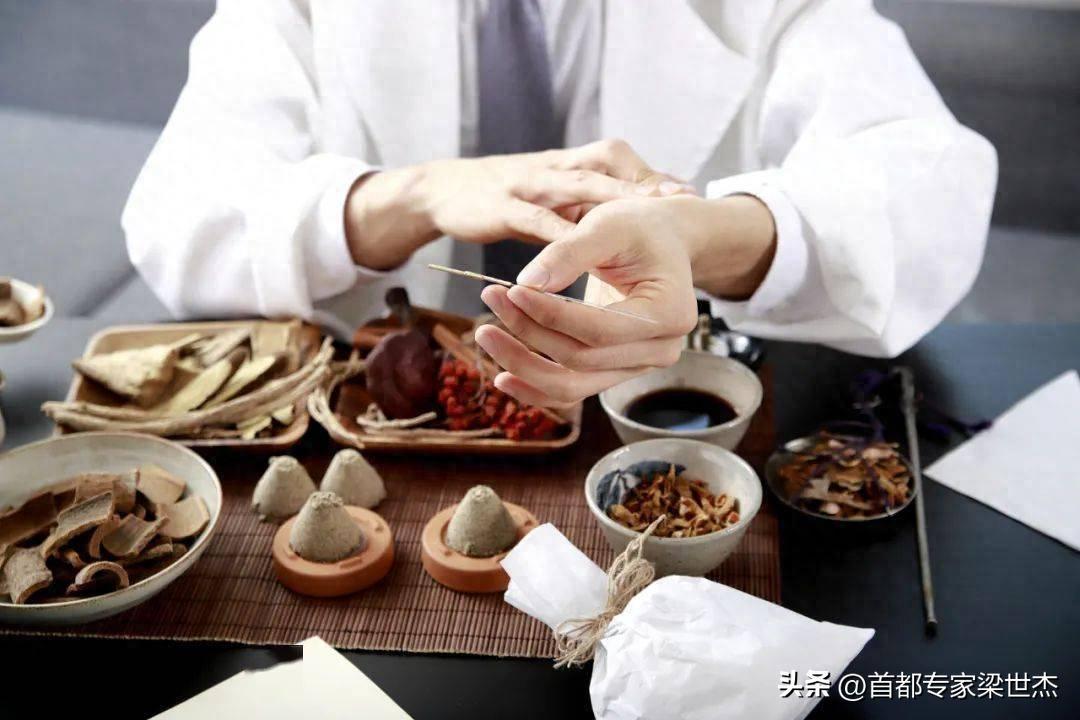
古人箴言:實踐出真知的中醫智慧
古人云:“熟讀王叔和,不如臨症多。”王叔和,這位中醫史上的脈學宗師,其著作《脈經》堪稱中醫脈學的經典之作。然而,即便將《脈經》倒背如流,若缺乏臨牀實踐的錘鍊,也難以成爲一名真正的良醫。這就好比一個人熟讀了所有的兵法,卻從未上過戰場,面對真正的敵人時,依然會手足無措。
中醫的理論體系博大精深,涵蓋了陰陽五行、臟腑經絡、氣血津液等諸多方面。但這些理論並非是抽象的空中樓閣,而是與臨牀實踐緊密相連的。只有在臨牀中,醫生才能真切地感受到患者的脈象變化、症狀表現,才能將所學的理論知識運用到實際診斷和治療中。就像一位廚師,即便掌握了所有的烹飪理論,若不親自下廚操作,也難以做出美味佳餚。
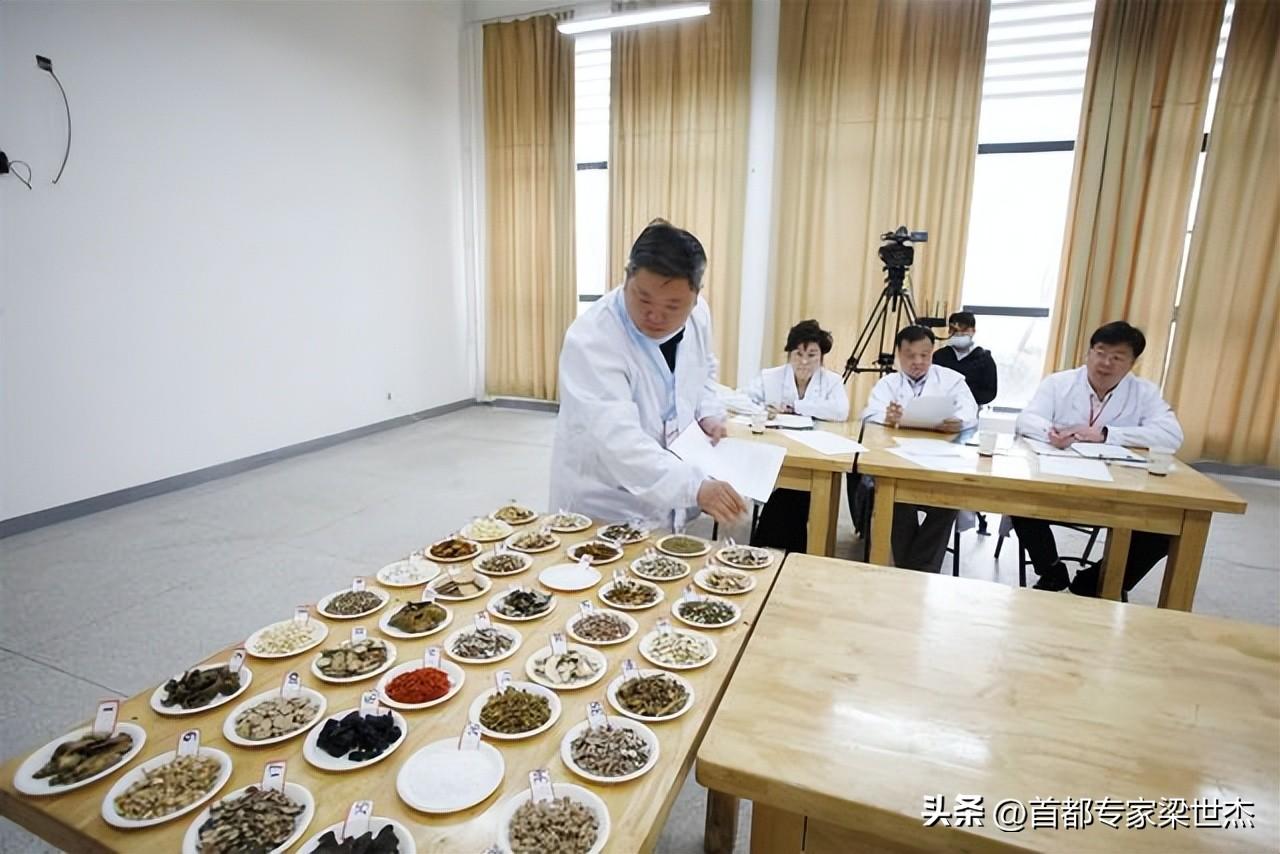
鼠籠之困:實驗室研究的侷限性
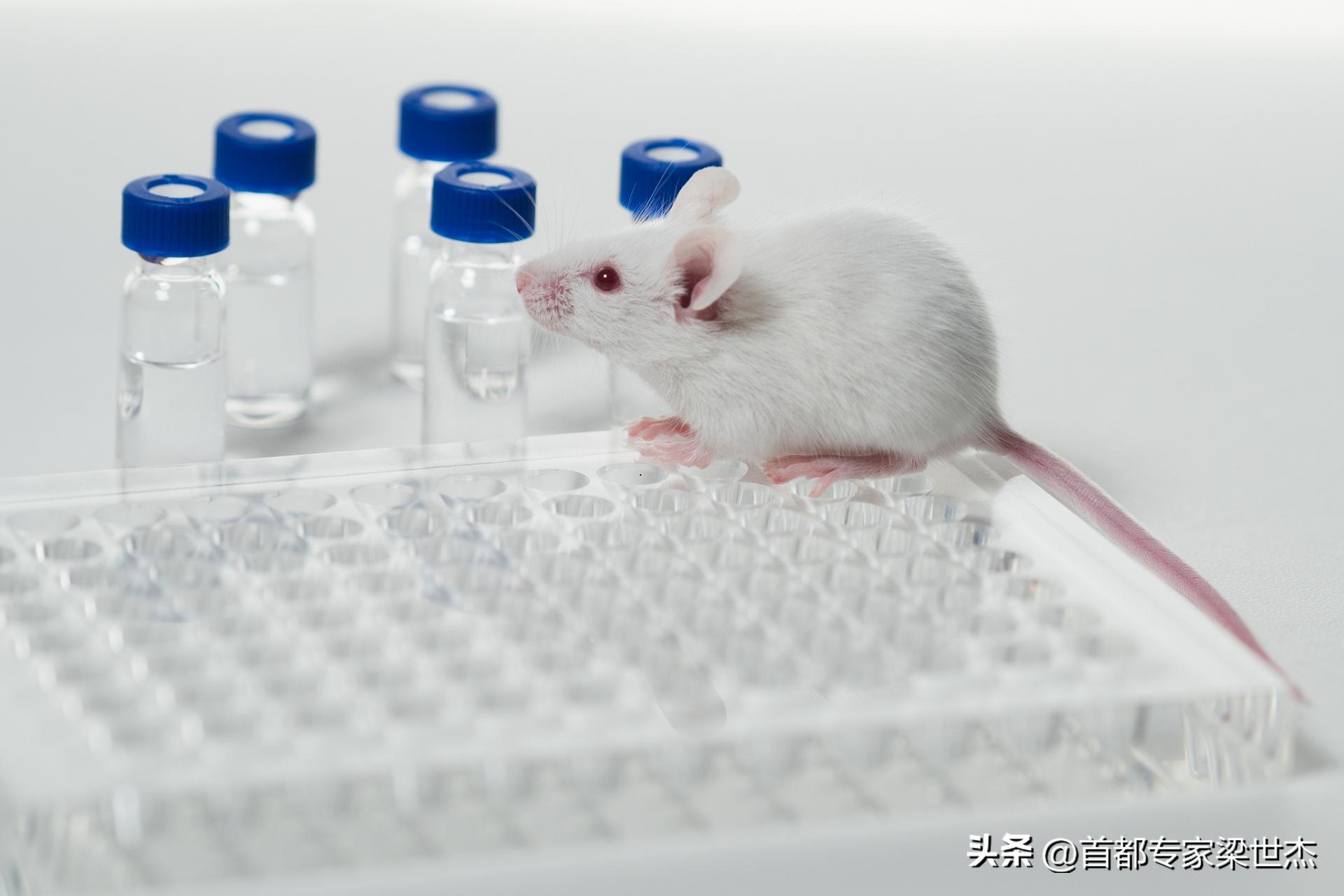
然而,在當今的醫學研究領域,卻出現了一種令人擔憂的現象:一些中醫科研脫離了臨牀實踐,將大量的精力投入到實驗室的小動物研究上。那些實驗室裏的小白鼠,成了中醫研究的“主角”。它們被注射各種藥物,接受各種實驗處理,彷彿成了中醫療效的“試金石”。
但我們必須清醒地認識到,實驗室小白鼠實驗是提升不了中醫臨牀療效和中醫學進步的。小白鼠與人類在生理結構、病理機制等方面存在着巨大的差異。一種在小白鼠身上有效的藥物或治療方法,在人體上未必能取得同樣的效果。據相關研究數據顯示,在中醫藥實驗中,約有 70%在小鼠身上顯示有效的藥物,在人體臨牀試驗中卻效果不佳。這就好比用一把適合小鎖的鑰匙去開大鎖,顯然是行不通的。
曾經有這樣一個案例,某科研團隊在實驗室裏通過對小白鼠的研究,發現了一種中藥方劑對某種疾病有顯著的抑制作用。於是,他們滿懷信心地將這種方劑應用於臨牀治療。然而,結果卻令人大失所望,患者的病情並沒有得到明顯的改善。這個案例就像一記響亮的耳光,狠狠地打在了那些脫離臨牀實踐搞研究的臉上。
臨牀科研:中醫發展的必由之路
中醫科研要緊密聯繫臨牀,多做臨牀科研,這纔是中醫發展的必由之路。中醫歷代經方驗方古方,是先輩們智慧的結晶,它們在臨牀實踐中經過了無數次的驗證,具有極高的療效。但這些寶貴的經驗並不能僅僅停留在古籍的記載中,而應該通過臨牀科研,進一步挖掘其潛力,使其發揮出最大的療效。
同時,臨牀科研還可以使中醫成果療效可重複。在中醫的臨牀治療中,經常會遇到這樣的情況:同樣的病症,不同的醫生使用相同的方劑,療效卻參差不齊。這其中的原因,很大程度上是由於缺乏規範的臨牀科研,導致治療方法不夠標準化、規範化。通過臨牀科研,我們可以制定出統一的治療方案和評價標準,使中醫的療效具有可重複性。
比如,在鍼灸治療頸椎病的研究中,科研人員通過大量的臨牀觀察和實驗,確定了最佳的鍼灸穴位、刺激強度和治療療程。經過多年的實踐驗證,這種治療方案在臨牀上取得了顯著的療效,並且可以被不同的醫生重複使用。這就好比爲中醫治療搭建了一座堅固的橋樑,讓更多的患者能夠走上健康之路。
迴歸本源:守護中醫的實踐精神
中醫的發展,離不開臨牀實踐這片肥沃的土壤。我們不能讓中醫困於“鼠籠”,被實驗室的小白鼠研究束縛住手腳。我們應該回歸中醫的本源,傳承和發揚中醫的實踐精神。
每一位中醫從業者都應該牢記古人的教誨,多臨症、多實踐。在臨牀中不斷總結經驗,提高自己的診療水平。同時,科研人員也應該將目光投向臨牀,開展更多有價值的臨牀科研,爲中醫的發展提供堅實的科學依據。
讓我們攜手共進,打破實驗室的“鼠籠”,讓中醫在臨牀實踐的舞臺上綻放出更加耀眼的光芒。讓這門古老的醫學,在新時代煥發出新的生機與活力,爲人類的健康事業做出更大的貢獻。因爲,只有紮根於臨牀實踐的中醫,纔是真正有生命力的中醫,纔是能夠造福人類的中醫。
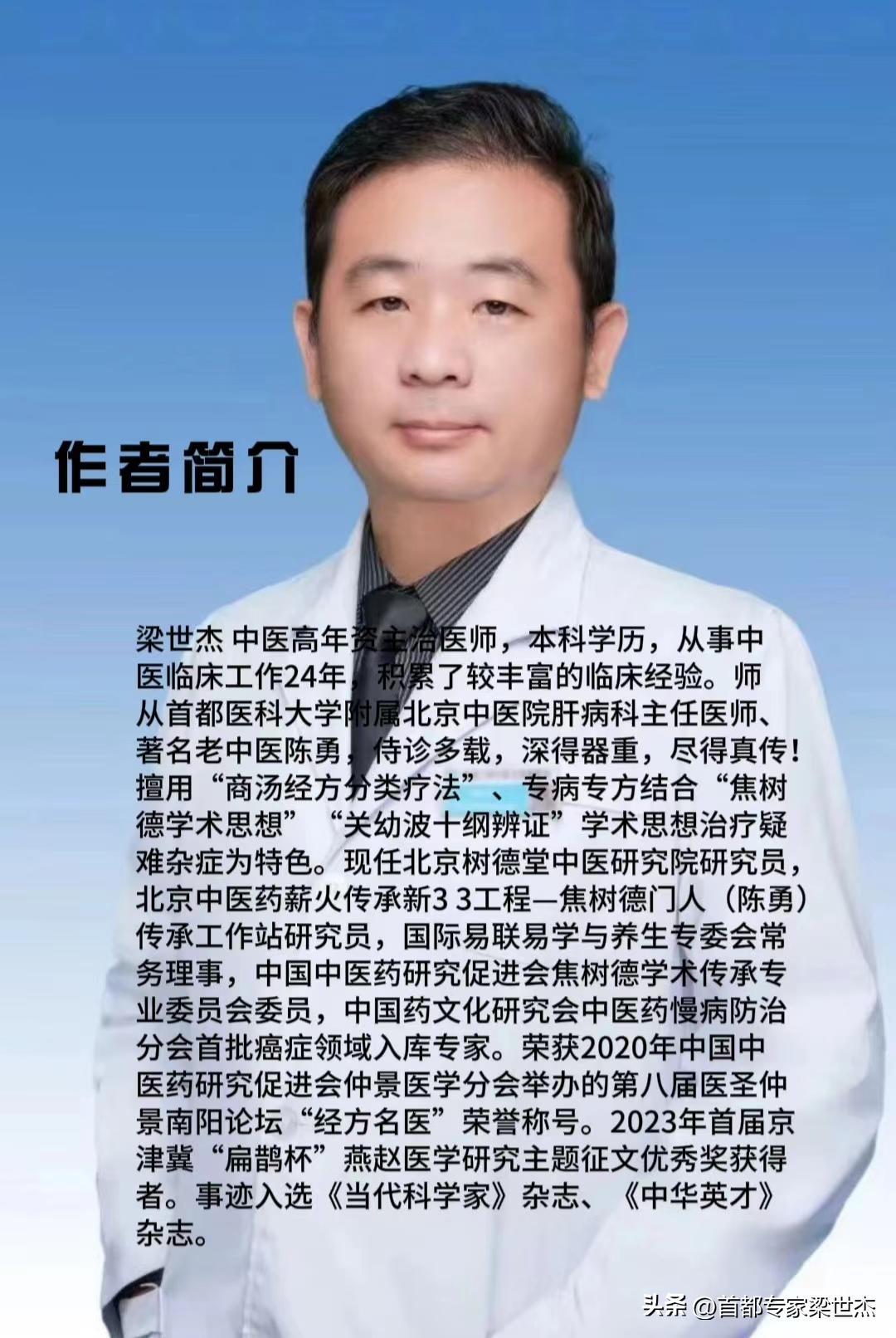
作者簡介:梁世傑 中醫高年資主治醫師,本科學歷,從事中醫臨牀工作24年,積累了較豐富的臨牀經驗。師從首都醫科大學附屬北京中醫院肝病科主任醫師、著名老中醫陳勇,侍診多載,深得器重,盡得真傳!擅用“商湯經方分類療法”、專病專方結合“焦樹德學術思想”“關幼波十綱辨證”學術思想治療疑難雜症爲特色。現任北京樹德堂中醫研究院研究員,北京中醫藥薪火傳承新3+3工程—焦樹德門人(陳勇)傳承工作站研究員,國際易聯易學與養生專委會常務理事,中國中醫藥研究促進會焦樹德學術傳承專業委員會委員,中國藥文化研究會中醫藥慢病防治分會首批癌症領域入庫專家。榮獲2020年中國中醫藥研究促進會仲景醫學分會舉辦的第八屆醫聖仲景南陽論壇“經方名醫”榮譽稱號。2023年首屆京津冀“扁鵲杯”燕趙醫學研究主題徵文優秀獎獲得者。事蹟入選《當代科學家》雜誌、《中華英才》雜誌。
Liang Shijie: Scientific Research of Traditional Chinese Medicine Department Should Not Be Confined in "Rat Cage," Clinical Practice Should Be the Real Chapter
In this vast and infinite world of medicine, Chinese medicine is like a deep-rooted ancient tree, which has been cleansed through thousands of years of rain and wind, and is still vibrant and radiates its unique charm. Western medicine, like a modern technological edifice, occupies an important position in the field of medicine with its precision instruments and rigorous logic. They are like two parallel rivers, each with its origin and its flow, but they are fundamentally different. Chinese medicine, a highly practical discipline, is like a battle-hardened general whose skills do not derive from paper soldiering, but from the training of countless clinical battles.
Ancient Proverbs: Practicing the Wisdom of Chinese Medicine to Know the Truth
As an ancient man once said, "Reading the king''s uncle well is not as good as suffering from a serious illness." Shuwei Wang, the master of acupuncture in the history of Chinese medicine, is known as the classic work of acupunctury in Chinese medicine. However, even if you can recite the meridian without repeating it, it is difficult to become a true good doctor without the training of clinical practice. It is like someone who has read all the military tactics, but has never been on a battlefield, and still is confused when faced with a real enemy.
The theoretical system of traditional Chinese medicine is vast and deep, covering many aspects such as yin and yang, meridians, qi, blood, and fluids. But these theories are not abstract palaces, but are closely linked to clinical practice. Only in the clinic can doctors really feel the changes in the patient''s pulse and symptoms, and can apply the theoretical knowledge learned to practical diagnosis and treatment. Like a chef, even if he has mastered all the culinary theories, he cannot make a delicious dish without cooking it himself.
Rat cage dilemma: limitations of laboratory research
However, in today''s medical research field, there is a worrying phenomenon: some scientific research of Traditional Chinese Medicine Department is divorced from clinical practice, and a lot of energy is devoted to laboratory research on small animals. The lab mice became the "main players" in traditional Chinese medicine research. They were injected with various drugs and subjected to various experimental treatments, as if they became "fingerprints" of the effectiveness of medical treatment in China.
However, we must wake up to the fact that laboratory mouse experiments cannot improve the clinical efficacy of traditional Chinese medicine and the progress of traditional medicine. There are huge differences between mice and humans in terms of physiological structure and pathological mechanism. A drug or treatment that worked well in mice may not have the same effect in humans. According to the relevant study data show that in traditional Chinese medicine, about 70% of the effective drugs in mice, but in human clinical trials are not good. It''s like using a key suitable for a small lock to open a large lock, which obviously doesn''t work.
In one such case, a team of researchers in the laboratory discovered that a Chinese herbal remedy had a significant inhibitory effect on a certain disease by studying mice. So they confidently applied this formulation to clinical treatment. However, the results were disappointing, with no significant improvement in the patient''s condition. The case was like a loud slap in the face at people who were doing research outside of clinical practice.
Clinical research: the road to the development of traditional Chinese medicine
The scientific research of Traditional Chinese Medicine Department should be closely related to clinical research, which is the only way for the development of Traditional Chinese Medicine. The ancient traditional prescriptions of traditional Chinese medicine are the crystallization of the wisdom of the forefathers, and they have been tested numerous times in clinical practice and have extremely high efficacy. However, these valuable experiences must not be limited to ancient texts, but should be further explored through clinical research to maximize their efficacy.
At the same time, clinical research can also make the results of traditional Chinese medicine repeatable. In the clinical treatment of traditional Chinese medicine, it is often encountered that different doctors use the same prescription for the same condition, but the efficacy is uneven. The reason for this is largely due to the lack of standardized clinical research, which leads to less standardized and standardized treatment methods. Through clinical research, we can formulate a unified treatment plan and evaluation criteria so that the efficacy of traditional Chinese medicine can be repeated.
For example, in the study of acupuncture treatment of cervical spondylosis, researchers determined the best acupuncture points, stimulation intensity and treatment course through a lot of clinical observations and tests. After years of practice validation, this treatment regimen has achieved significant efficacy in the clinic and can be repeated by different physicians. This is like building a strong bridge for traditional Chinese medicine, allowing more patients to embark on the path to health.
Returning to the Source: Protecting the Practice of Chinese Medicine
The development of traditional Chinese medicine cannot be achieved without the fertile soil of clinical practice. We cannot allow traditional Chinese medicine to be trapped in a "rat cage," bound by laboratory research on mice. We should return to the roots of traditional Chinese medicine and carry forward the practical spirit of traditional medicine.
Every practitioner of traditional Chinese medicine should bear in mind the teachings of the ancient people, and practice more frequently. Constantly learn from experience in clinical practice and improve their own diagnostic and therapeutic level. At the same time, researchers should also look to the clinic and conduct more valuable clinical research to provide a solid scientific basis for the development of traditional Chinese medicine.
Let us work together to break the laboratory''s "rat cages" and let traditional Chinese medicine shine even brighter on the stage of clinical practice. Let this ancient medicine breathe new life and vitality in the new era, and make a greater contribution to human health. Because only traditional Chinese medicine that is rooted in clinical practice is truly viable and can benefit mankind.
Author Bio: Liang Shijie is a senior medical practitioner in traditional Chinese medicine with an undergraduate degree. He has been engaged in traditional medicine clinical work for 24 years and has accumulated a wealth of clinical experience. Following Chen Yong, chief physician of liver disease at Beijing Traditional Medicine Hospital, affiliated with Capital Medical University, and renowned old Chinese medicine, he has been treated for many years and received great attention. He specializes in the treatment of difficult diseases using "conversational traditional therapy" and special treatments combined with the academic ideas of Jiao Shude and Guan Yubo''s ten-level diagnosis.He is currently a researcher at the Shude Tang TCM Research Institute in Beijing, a fellow at the new 3 + 3 project of traditional Chinese medicine flame inheritance in Beijing - a scholar at the inheritance workstation of Jiao Shude''s protégés (Chen Yong),He is a standing committee member of the International Expert Committee on E-learning and Health Care, a member of the Jiao Shude Academic Heritage Special Committee of the Chinese Association for the Advancement of Chinese Medicine Research, and the first cancer specialist to be included in the chapter of the Chinese Pharmaceutical Culture Research Association. Won the 2020 China Association for the Promotion of Traditional Chinese Medicine Zhongjing Medical Branch held the eighth session of the Medical Saint Zhongjing Nanyang Forum "Classic Prescription Famous Doctor" honorary title. The winner of the first Beijing-Tianjin-Hebei "Pingui Cup" Yanzhao Medical Research Essay Award in 2023. His work was featured in the journal Current Scientist and the journal Chinese Talent.