陳勇教授:於細微處見大功夫
在醫道的漫漫征途上,諸多話語如繁星閃爍,而師父陳勇教授那句“會治感冒的醫生就是好醫生”,恰似一顆劃破夜空的流星,帶着獨特的光芒與深邃的啓示,瞬間照亮了我對醫學認知的幽徑。初聞此語,我心中滿是疑惑,感冒,這般常見且看似輕淺的病症,怎會成爲衡量一個醫生好壞的關鍵標尺?這背後,究竟隱藏着怎樣不爲人知的醫道玄機?
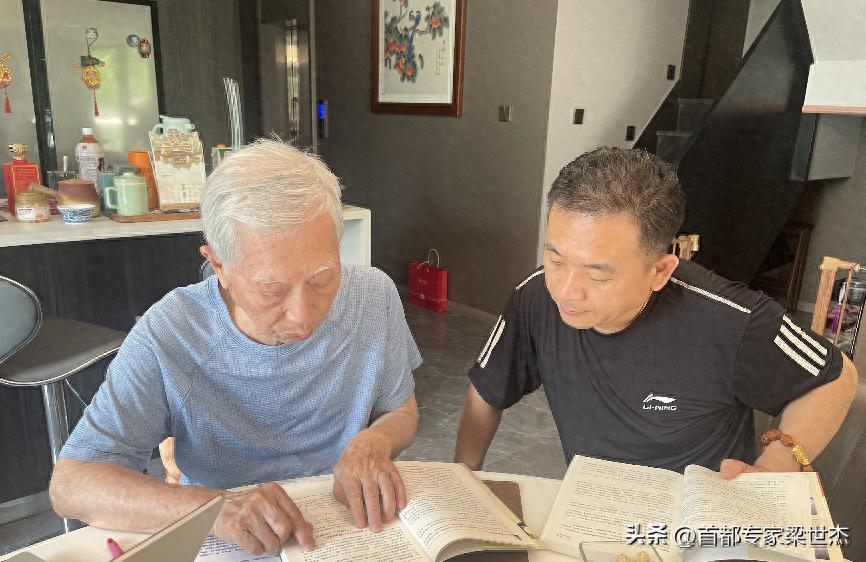
感冒之治:醫道綜合的大考場
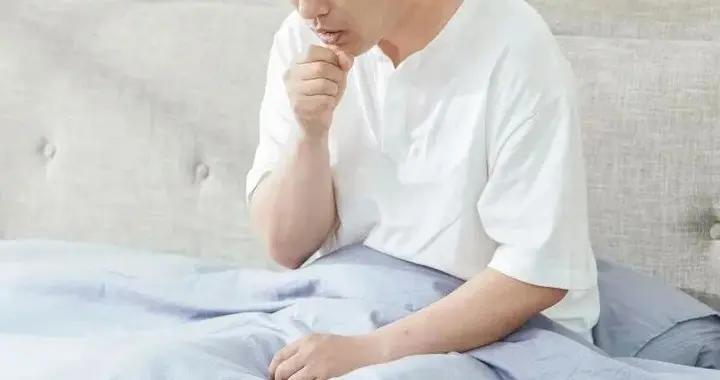
感冒,於常人眼中,不過是頭疼腦熱、鼻塞流涕的小毛病,街頭巷尾的診所,隨便一位醫生似乎都能應對。然而,在陳勇教授的眼中,它卻是醫道綜合實力的大考場。中醫的精髓,在於對陰陽、表裏、寒熱、虛實、氣血、升降的精準把握,這六對概念,猶如六把神祕的鑰匙,開啓着人體健康與疾病的大門。而六經辨證、三焦辨證、衛氣營血辨證、經絡辨證、八綱辨證等種種辯證法門,更是中醫先輩們歷經千年沉澱的智慧結晶,每一種辨證方法都像是一幅細緻入微的地圖,指引着醫生在複雜的病情迷宮中找到正確的方向。
只有將這些辯證的法門融會貫通,才能在面對感冒這一看似簡單的病症時,做到絲絲入扣、精準施治。這就好比一位技藝高超的琴師,只有將各種音符、節奏、韻律爛熟於心,才能在彈奏一曲簡單的小調時,展現出動人的旋律和深厚的功底。據統計,在臨牀實踐中,因辨證不準確而導致感冒治療無效或病情加重的案例不在少數。許多醫生僅僅根據表面的症狀,如發熱、咳嗽等,就輕易地開出藥方,卻忽略了患者體內的陰陽失衡、氣血不暢等深層次問題,結果往往是治標不治本,病情反覆發作。
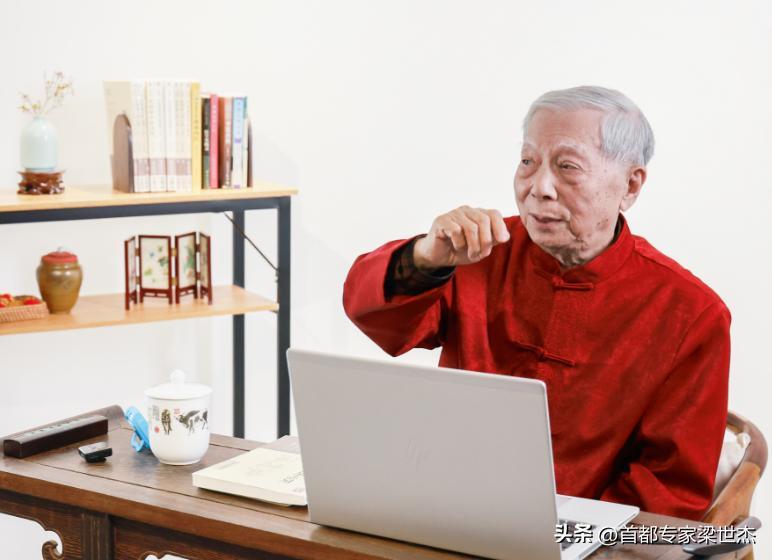
氣血爲綱:寒溫內外的統一橋樑
陳老遵循關幼波教授祖訓,將氣血上升到治病提綱的高度,這一舉措猶如在醫道的迷霧中點亮了一盞明燈。在中醫的理論體系中,表裏、寒溫、內傷外感等諸多概念,看似相互獨立,實則有着千絲萬縷的聯繫。它們就像是一張錯綜複雜的網,而氣血則是貫穿其中的主線。
以感冒爲例,外感風寒時,寒邪侵襲人體,首先影響的是體表的氣血運行,導致衛氣不固,出現惡寒、發熱等症狀。若此時不能及時調理氣血,使寒邪深入體內,就可能引發內傷疾病,如咳嗽、哮喘等。同樣,內傷疾病也可能導致人體氣血失調,使外邪更容易侵入,從而引發感冒。可見,表裏、寒溫並非可以強行分割的兩個世界,它們在氣血的紐帶下相互影響、相互轉化。
用陳老的學術思想,以“氣血”爲八綱引,爲統一寒溫、內傷外感提供了一個絕佳的切入點。氣血如同人體的河流,流淌在經絡之間,滋養着五臟六腑。當氣血運行順暢時,人體就像一座堅固的城堡,外邪難以侵入;當氣血運行不暢時,人體就像一座千瘡百孔的城牆,各種疾病就會乘虛而入。通過調理氣血,可以調節人體的陰陽平衡,增強人體的抵抗力,從而達到治療感冒和預防疾病的目的。有研究表明,採用以氣血調理爲主的中醫方法治療感冒,患者的康復時間平均縮短了 30%,且複發率明顯降低。
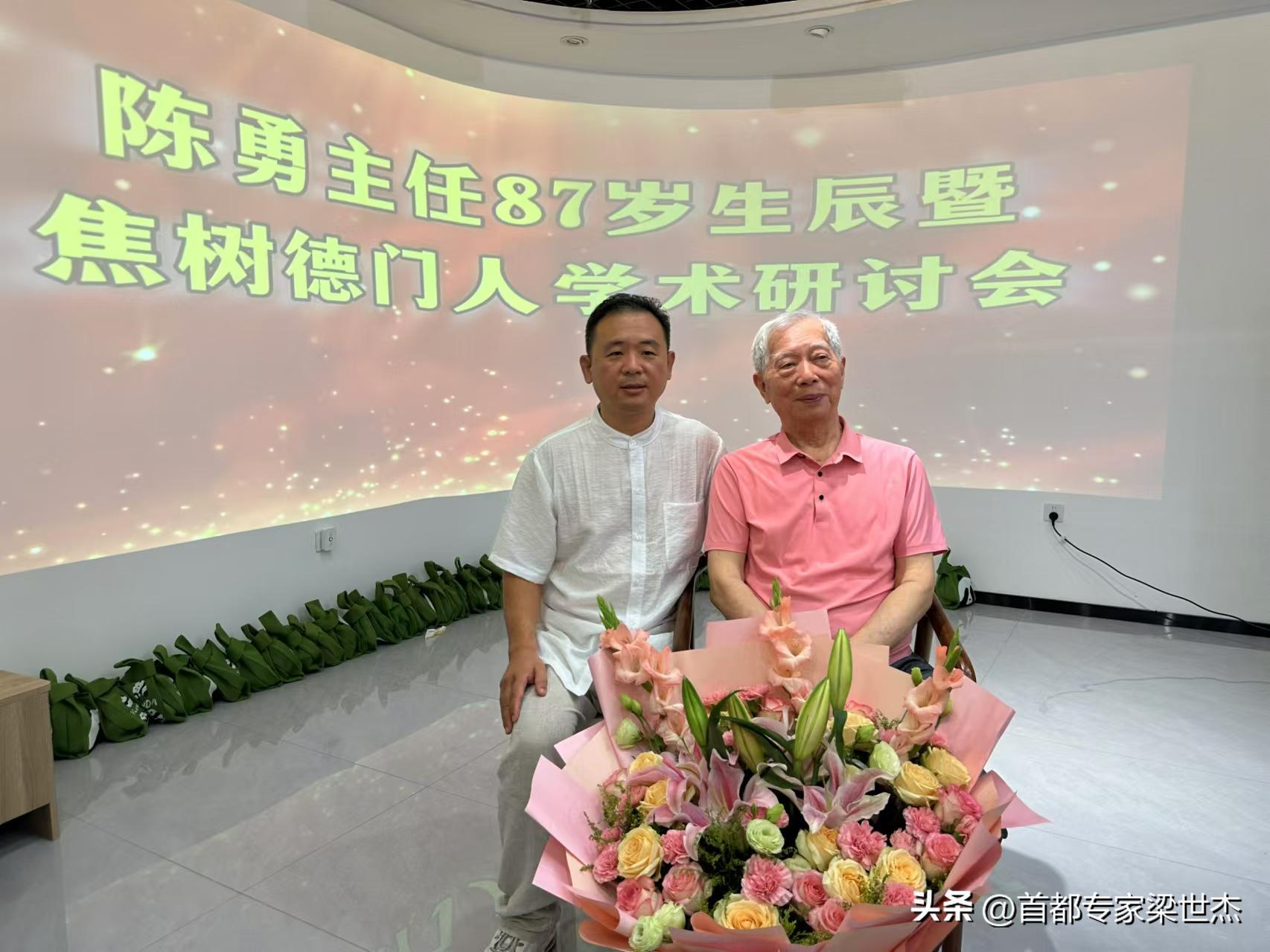
醫道真諦:於細微處見大功夫
“會治感冒的醫生就是好醫生”,這句話看似簡單,實則蘊含着醫道的真諦。它告訴我們,一個真正優秀的醫生,不應該只關注那些疑難雜症和重大疾病,而應該從最基礎的病症入手,打好紮實的醫學功底。就像建造一座高樓大廈,只有打好堅實的地基,才能確保大廈的穩固和安全。
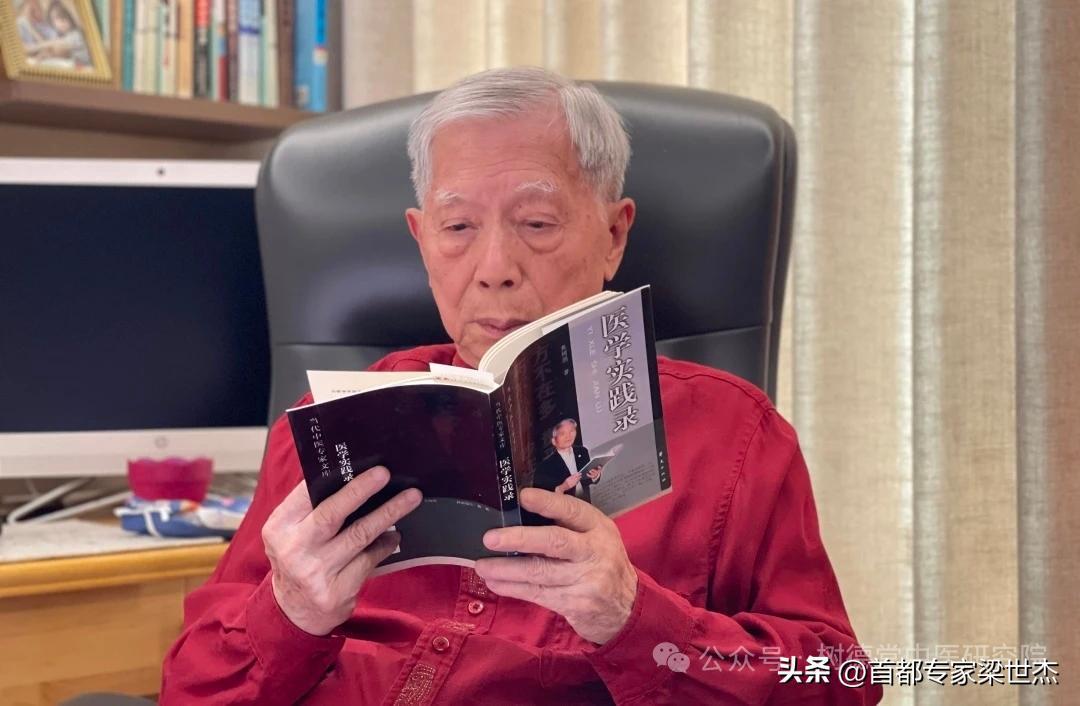
在當今社會,隨着醫學技術的不斷髮展,許多醫生過於依賴先進的檢查設備和治療方法,而忽略了中醫的基本理論和辨證思維。他們追求的是快速見效和立竿見影的效果,卻往往忽視了患者身體的整體調理和長期健康。然而,感冒這一常見病症的治療,卻提醒着我們,醫道的本質在於對人體的全面理解和精準調理,在於將各種醫學知識和技能融會貫通,運用到每一個細微的病症中。
同時,這句話也傳遞了一種價值觀念,那就是醫者應該具備謙遜和務實的態度。不要因爲治療的是小病症就掉以輕心,也不要因爲追求名利而忽視了醫學的本質。每一個患者都是獨一無二的個體,他們的病情和需求也各不相同。只有用心去感受、用智慧去分析、用愛心去治療,才能成爲一名真正的好醫生。
“會治感冒的醫生就是好醫生”,這不僅僅是一句簡單的話語,更是醫道真諦的生動體現。它讓我們明白,在醫道的征程中,沒有大小病症之分,只有對醫學的敬畏和對患者的責任。讓我們以感冒之治爲起點,在氣血的引領下,融會貫通各種辯證法門,探尋醫道的無盡奧祕,爲患者的健康撐起一片晴朗的天空。
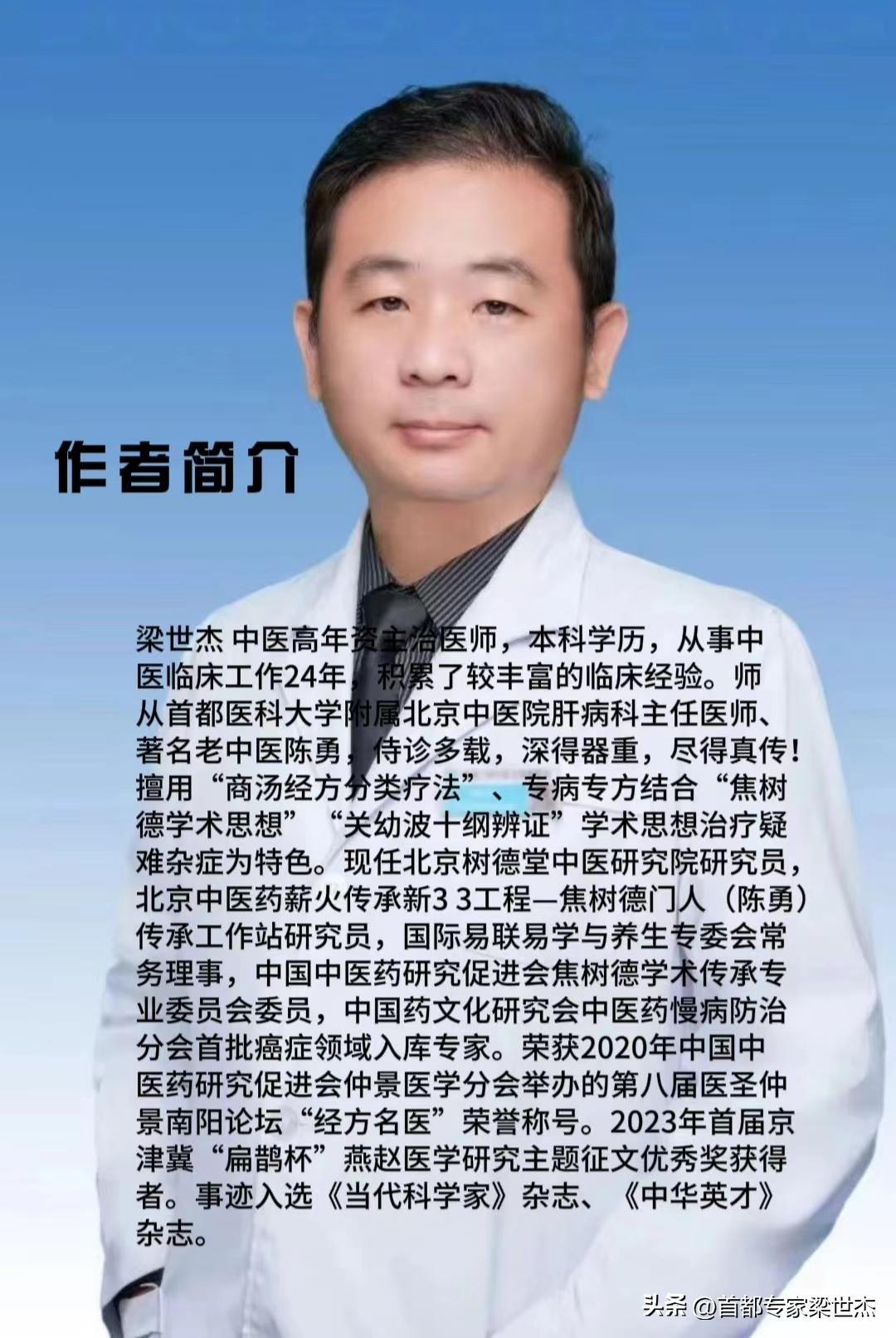
作者簡介:梁世傑 中醫高年資主治醫師,本科學歷,從事中醫臨牀工作24年,積累了較豐富的臨牀經驗。師從首都醫科大學附屬北京中醫院肝病科主任醫師、著名老中醫陳勇,侍診多載,深得器重,盡得真傳!擅用“商湯經方分類療法”、專病專方結合“焦樹德學術思想”“關幼波十綱辨證”學術思想治療疑難雜症爲特色。現任北京樹德堂中醫研究院研究員,北京中醫藥薪火傳承新3+3工程—焦樹德門人(陳勇)傳承工作站研究員,國際易聯易學與養生專委會常務理事,中國中醫藥研究促進會焦樹德學術傳承專業委員會委員,中國藥文化研究會中醫藥慢病防治分會首批癌症領域入庫專家。榮獲2020年中國中醫藥研究促進會仲景醫學分會舉辦的第八屆醫聖仲景南陽論壇“經方名醫”榮譽稱號。2023年首屆京津冀“扁鵲杯”燕趙醫學研究主題徵文優秀獎獲得者。事蹟入選《當代科學家》雜誌、《中華英才》雜誌。
Professor Chen Yong: Seeing big work in the small
In the long journey of medical science, many words flash like stars, and Professor Chen Yong''s sentence that "a doctor who can cure a cold is a good doctor" is like a meteor that cuts through the night sky, with unique light and profound revelation, and instantly illuminates the chasm of medical knowledge. When I heard this, I wondered how colds, a common and seemingly minor condition, could be a key measure of how good a doctor is. What hidden medical secrets lie behind this?
Cold cure: a comprehensive exam of medical science
Colds, in the eyes of ordinary people, are little more than a headache, fever, and runny nose, and any doctor in a street clinic seems to be able to deal with them. However, in Professor Chen Yong''s eyes, it is a test ground for the overall strength of medical science. The essence of traditional Chinese medicine lies in the precise grasp of yin and yang, inner, cold, hot, empty, qi and blood, rising and falling. These six concepts are like six mysterious keys that open the door to human health and disease. Syndrome differentiation of six meridians, syndrome differentiation of sanjiao theory, syndrome differentiation of meridians and collaterals, Syndrome differentiation of eight principles and other dialectics are the crystallization of the wisdom of the ancestors of traditional Chinese medicine after thousands of years. Each syndrome differentiation is like a nuanced map, guiding doctors to find the right direction in the complex maze of disease.
Only by integrating these dialectical approaches can we achieve a precise and precise treatment in the face of the seemingly simple disease of cold. It is like a highly skilled pianist, who only knows the various notes, rhythms, and rhythms well into his heart, so he can display a moving melody and deep foundation when playing a simple melody. According to statistics, in clinical practice, there are not few cases in which cold treatment is ineffective or worsened due to inaccurate diagnosis. Many doctors easily prescribe prescriptions based on superficial symptoms, such as fever and cough, but they ignore deep-seated problems such as yin and yang imbalance in the patient''s body, and the result is often to cure the symptoms rather than cure the root cause, and the condition recurs.
Blood and atmosphere: a unified bridge between cold and cold
Following Professor Guan Yibo''s ancestral teachings, Chen Lao raised qi and blood to the height of the medical guidelines, a move that was like lighting a bright light in the fog of medical science. In the theoretical system of traditional Chinese medicine, many concepts such as inner lining, cold and warmth, internal injury and external feelings, which may seem independent of each other, are in fact inextricably linked. They are like an intricate web, and blood is the main thread running through it.
Take colds as an example. When colds are felt outside, the cold invades the human body. First, it affects the air and blood flow on the surface of the body, leading to instability of the qi, and symptoms such as cold and fever. If the qi and blood cannot be adjusted in time, the cold will penetrate deep into the body, and it may trigger internal injury diseases, such as cough and asthma. Similarly, internal injuries may also lead to the disorder of qi and blood in the body, making it easier for exogenous pathogens to invade and cause colds. Therefore, the surface and the cold are not two worlds that can be forcibly separated, but they influence and transform each other under the bond of qi and blood.
Using the scholarly thinking of Chen Lao, using "qi and blood" as the eight guidelines provides an excellent entry point for unifying cold and cold, internal injury and external feelings. The qi and blood are like the river of the human body, flowing between the meridians and nourishing the inner and outer parts. When the qi and blood run smoothly, the human body is like a strong castle, and external evils are difficult to invade. When the qi and blood are not working well, the human body is like a broken wall, and various diseases will take advantage of the weakness. By regulating the qi and blood, the yin and yang balance of the human body can be adjusted, and the human body''s resistance can be enhanced, thereby achieving the purpose of treating colds and preventing diseases. Some studies have shown that using traditional Chinese medicine based on qi and blood conditioning to treat colds, patients'' recovery time is reduced by an average of 30%, and the recurrence rate is significantly reduced.
The true meaning of medicine: Seeing the big work in the small.
"A doctor who can cure a cold is a good doctor," a phrase that seems simple, but contains the true meaning of medical science. It shows us that a truly good doctor should not focus only on difficult diseases and major diseases, but should start with the most basic conditions and develop a solid medical foundation. Just like building a tall building, only by laying a solid foundation can the building be secure and secure.
In today''s society, with the continuous development of medical technology, many doctors rely too much on advanced examination equipment and treatment methods, and neglect the basic theory and dialectical thinking of traditional Chinese medicine. They are seeking quick results and immediate results, but often neglect the overall conditioning and long-term health of the patient''s body. However, the treatment of the common cold reminds us that the essence of medicine lies in the comprehensive understanding and precision treatment of the human body, in the integration of various medical knowledge and skills to apply to every subtle condition.
At the same time, the phrase also conveyed the value that a doctor should have a humble and pragmatic attitude. Don''t be complacent because you are treating a minor condition, and don''t neglect the essence of medicine in the pursuit of fame and fortune. Each patient is a unique individual, and their conditions and needs are different. Only by feeling with heart, by analyzing with wisdom, and by treating with love can we become a true good doctor.
"A doctor who can cure a cold is a good doctor." This is not only a simple statement, but also a vivid expression of the true meaning of medical science. It shows us that in the course of medicine, there is no difference between small and large diseases, only the awe of medicine and responsibility to the patient. Let us start with the cure of cold, and under the guidance of qi and blood, integrate various dialectics, explore the endless mysteries of medical treatment, and promote a clear sky for the health of patients.
Author Bio: Liang Shijie is a senior medical practitioner in traditional Chinese medicine with an undergraduate degree. He has been engaged in traditional medicine clinical work for 24 years and has accumulated a wealth of clinical experience. Following Chen Yong, chief physician of liver disease at Beijing Traditional Medicine Hospital, affiliated with Capital Medical University, and renowned old Chinese medicine, he has been treated for many years and received great attention. He specializes in the treatment of difficult diseases using "conversational traditional therapy" and special treatments combined with the academic ideas of Jiao Shude and Guan Yubo''s ten-level diagnosis.He is currently a researcher at the Shude Tang TCM Research Institute in Beijing, a fellow at the new 3 + 3 project of traditional Chinese medicine flame inheritance in Beijing - a scholar at the inheritance workstation of Jiao Shude''s protégés (Chen Yong),He is a standing committee member of the International Expert Committee on E-learning and Health Care, a member of the Jiao Shude Academic Heritage Special Committee of the Chinese Association for the Advancement of Chinese Medicine Research, and the first cancer specialist to be included in the chapter of the Chinese Pharmaceutical Culture Research Association. Won the 2020 China Association for the Promotion of Traditional Chinese Medicine Zhongjing Medical Branch held the eighth session of the Medical Saint Zhongjing Nanyang Forum "Classic Prescription Famous Doctor" honorary title. The winner of the first Beijing-Tianjin-Hebei "Pingui Cup" Yanzhao Medical Research Essay Award in 2023. His work was featured in the journal Current Scientist and the journal Chinese Talent.