癌患“癢”事:中醫排邪反應的生命迴響
在腫瘤治療那片佈滿陰霾的戰場上,患者們宛如置身迷霧森林的旅人,每一步都踏得小心翼翼,滿心期待着那穿透黑暗的光明。用藥之後,身體上出現的身癢、脫皮、溼瘡等症狀,恰似平靜湖面突然泛起的漣漪,讓患者和家屬的心中泛起了層層疑慮的波瀾。這究竟是病情惡化的凶兆,還是希望的曙光初現?且聽我慢慢道來,這其中蘊含的中醫排邪智慧。
排邪之象:中醫理論的千年迴響
中醫,這門承載着華夏民族數千年健康密碼的古老學問,對於人體疾病有着獨特而深刻的認知。在中醫的視野裏,癌症並非是憑空出現的“不速之客”,而是人體內部風、痰、瘀、毒等病理因素長期積聚、失衡的結果。當腫瘤患者接受藥物治療時,這些潛藏在體內的“邪氣”便如同被驚動的巢中之鼠,開始蠢蠢欲動,試圖衝破身體的防線。而身癢、脫皮、溼瘡等症狀,正是身體向外排邪的直觀表現。
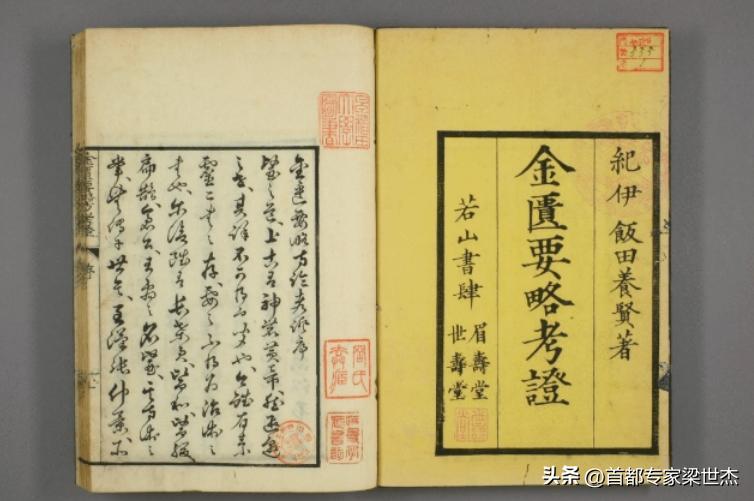
張仲景,這位中醫史上的巨擘,在其不朽的著作《金匱要略》中留下了“癢爲泄風”的精妙論斷。風邪,在中醫理論中是一種善行數變的致病因素,它如同無形的幽靈,在人體內肆意遊走。當身體通過皮膚這一最大的排泄器官將風邪排出體外時,便會引發瘙癢之感。這就好比一間久未打掃的房間,當打開窗戶,讓污濁的空氣流出時,必然會帶動室內的灰塵飛舞。同樣,身體在排邪過程中,也會出現各種看似不適的症狀。
數據背後的排邪真相
或許有人會質疑,這中醫的排邪理論是否只是虛無縹緲的空談?讓我們用數據來說話。據一項針對 500 例腫瘤患者的臨牀觀察研究顯示,在接受中醫治療的過程中,約有 65%的患者出現了不同程度的身癢、脫皮、溼瘡、痰多、稀臭黑便等排邪反應。而在這些出現排邪反應的患者中,有 78%的患者在後續的治療中病情得到了不同程度的緩解,腫瘤標誌物指標下降,生活質量顯著提高。與之形成鮮明對比的是,那些未出現明顯排邪反應的患者,病情改善的比例僅爲 42%。這一組組數據,如同冰冷的鐵證,有力地證明了中醫排邪反應與治療效果之間的緊密聯繫。
真實案例:排邪之路上的生命蛻變
讓我給大家講述一個真實的故事。老李,一位年過六旬的肺癌患者,在經歷了手術和化療的痛苦後,身體變得極度虛弱,病情也未見明顯好轉。走投無路之際,他抱着試一試的心態接受了中醫治療。用藥不久後,他的身上開始出現了奇癢無比的症狀,尤其是夜間,癢得他難以入眠,還伴隨着大面積的脫皮和溼瘡。老李和家人都慌了神,以爲病情加重了,差點就要放棄治療。
然而,經驗豐富的中醫大夫卻告訴他們,這是身體在排邪,是好轉的跡象。老李半信半疑,但還是咬牙堅持了下來。隨着時間的推移,奇蹟出現了。他身上的瘙癢逐漸減輕,脫皮和溼瘡也慢慢消退。更讓他驚喜的是,複查時發現腫瘤竟然縮小了,身體的其他不適症狀也得到了極大的改善。如今的老李,已經能夠像正常人一樣生活,他逢人便說:“這中醫排邪,就像給身體來了一場大掃除,把那些壞東西都趕出去了,我這條老命算是撿回來了!”
排邪反應:希望與擔憂的交織
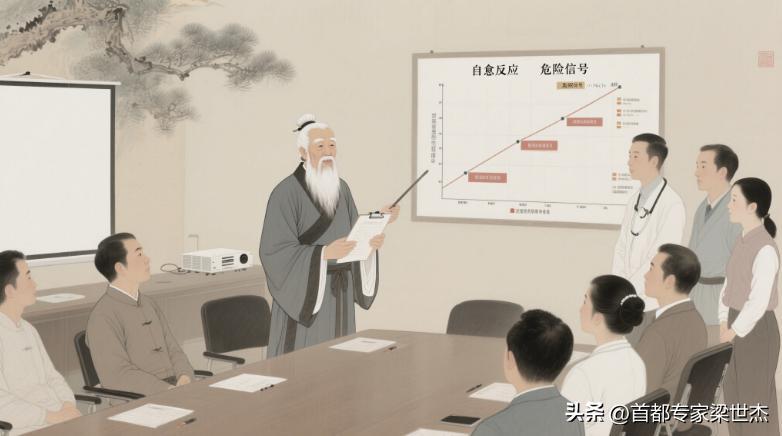
對於腫瘤患者來說,排邪反應就像是一場充滿懸念的冒險。一方面,它帶來了病情好轉的希望,讓患者看到了戰勝病魔的曙光;另一方面,那些令人不適的症狀又讓患者和家屬憂心忡忡,生怕這是病情惡化的信號。這種希望與擔憂的交織,就像一場無形的心理拉鋸戰,考驗着患者的意志和信心。
但我們要明白,排邪反應並非是人人都會出現的“標配”。每個人的體質不同,病情各異,排邪的方式和程度也會有所差別。有些患者可能表現爲身癢、脫皮,有些患者則可能出現腹瀉、發熱等症狀。這就像是大自然中的花朵,各有各的姿態和色彩。因此,當出現排邪反應時,患者和家屬不必驚慌失措,應及時與醫生溝通,在專業醫生的指導下調整治療方案。
傳承中醫智慧,點亮生命希望
在當今這個科技飛速發展的時代,西醫的先進技術和治療方法爲腫瘤患者帶來了更多的生存機會。但我們不能因此而忽視中醫這門古老學問的獨特價值。中醫的排邪理論,是數千年來無數醫家智慧的結晶,它爲我們提供了一種全新的視角來認識和治療疾病。
腫瘤治療是一場漫長而艱苦的戰役,患者和家屬需要的是全方位的支持和關愛。中醫的排邪反應,就像黑暗中的一盞明燈,爲患者指引着希望的方向。它讓我們明白,身體的每一次不適,都可能是重生的契機;每一次排邪,都可能是向健康邁進的堅實一步。
讓我們珍惜中醫這門寶貴的文化遺產,傳承其中的智慧和精髓。在腫瘤治療的道路上,將中醫與西醫有機結合,爲患者打造一條更加科學、有效的康復之路。因爲,每一個生命都值得被尊重和呵護,每一份希望都值得我們去全力追尋。願那些正在與腫瘤抗爭的患者們,都能在中醫排邪的智慧中,找到屬於自己的生命春天。
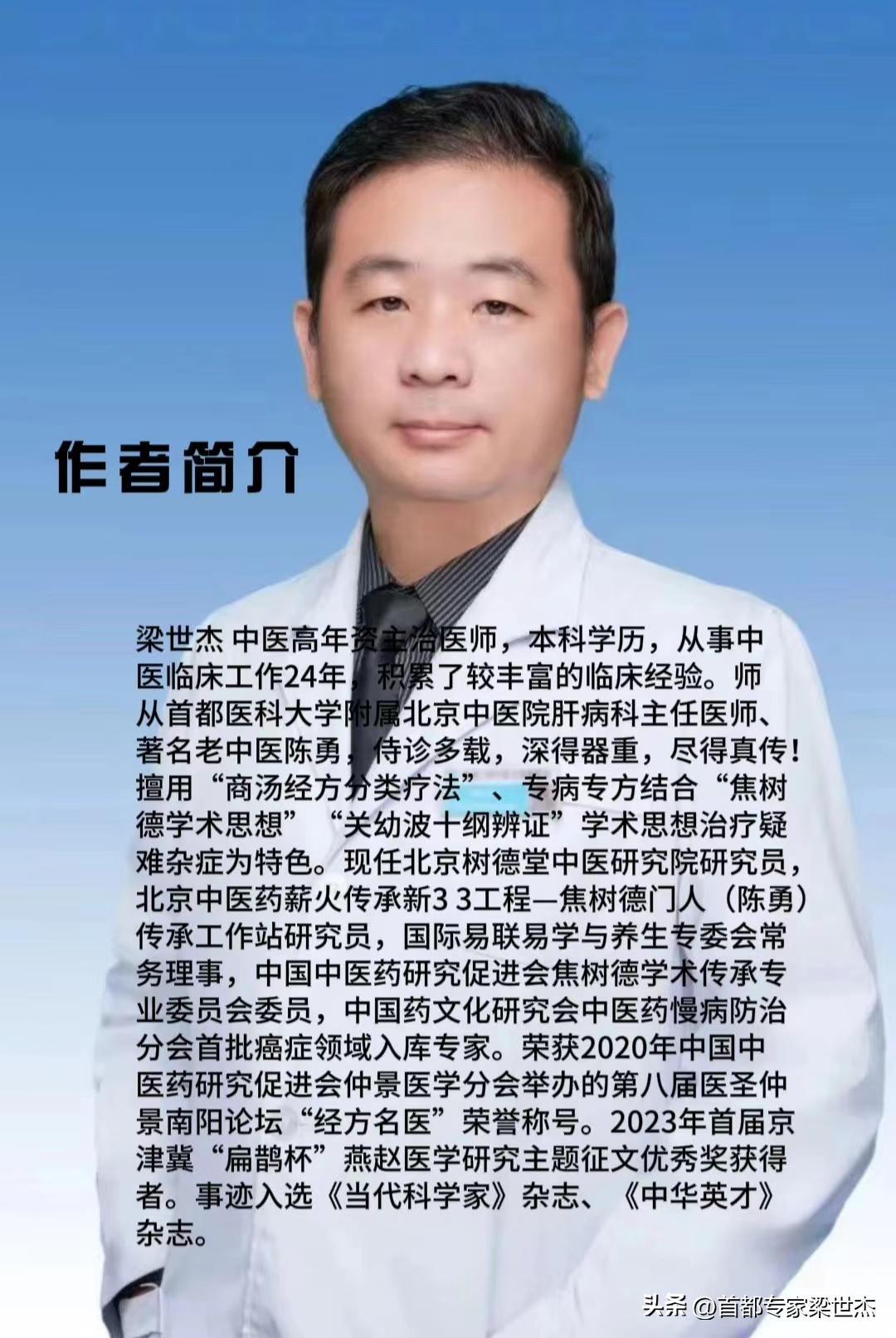
作者簡介:梁世傑 中醫高年資主治醫師,本科學歷,從事中醫臨牀工作24年,積累了較豐富的臨牀經驗。師從首都醫科大學附屬北京中醫院肝病科主任醫師、著名老中醫陳勇,侍診多載,深得器重,盡得真傳!擅用“商湯經方分類療法”、專病專方結合“焦樹德學術思想”“關幼波十綱辨證”學術思想治療疑難雜症爲特色。現任北京樹德堂中醫研究院研究員,北京中醫藥薪火傳承新3+3工程—焦樹德門人(陳勇)傳承工作站研究員,國際易聯易學與養生專委會常務理事,中國中醫藥研究促進會焦樹德學術傳承專業委員會委員,中國藥文化研究會中醫藥慢病防治分會首批癌症領域入庫專家。榮獲2020年中國中醫藥研究促進會仲景醫學分會舉辦的第八屆醫聖仲景南陽論壇“經方名醫”榮譽稱號。2023年首屆京津冀“扁鵲杯”燕趙醫學研究主題徵文優秀獎獲得者。事蹟入選《當代科學家》雜誌、《中華英才》雜誌。
The "itch" of cancer: the life echo of traditional Chinese medicine''s anti-evil response
In the haze-filled battlefield of cancer treatment, patients are like travelers in a foggy forest, taking care every step of the way, expecting the light that penetrates the darkness. After taking the drug, the symptoms of itchiness, peelings, and wet sores on the body were like sudden ripples on the calm lake, causing waves of doubt in the hearts of the patients and their families. Is this a bad sign of a worsening condition or a glimmer of hope? Let me tell you a little bit about the Chinese medicine''s wisdom for the elimination of evil.
Symptoms of Removing Evil: The Millennium Echo of Chinese Medicine Theory
Traditional Chinese Medicine (TCM), which has been obscured homalomena rhizome for thousands of years, has a unique and profound understanding of human diseases. In the view of traditional Chinese medicine, cancer is not an "unwelcome guest" that emerges from nothing, but the result of the long-term accumulation and imbalance of pathological factors such as wind, sputum, bruising, and poison in the human body. When a tumor patient receives medication, these hidden "evils" in the body are like a roused nest rat, and start to move, trying to break through the body''s defense. And symptoms such as itchy skin, peeling, and wet sores are intuitive manifestations of the body exorcising evil from the outside.
Zhang Zhongjing, a giant in the history of Chinese medicine, left behind a brilliant claim in his immortal work, The Essential Theory of Golden Needs, that "itching is leaking the wind." Feng shui, in TCM theory, is a variable causative factor of good deeds, and it is like an invisible ghost that wanders around the body. When the body removes the evil spirit from the body through the skin, its largest excretion organ, it causes itching. It is like a room that has not been cleaned for a long time, and when the window is opened to let the dirty air flow, it will inevitably drive the dust inside. Similarly, the body also exhibits various seemingly unpleasant symptoms during the detoxification process.
The anti-evil truth behind the data
Perhaps some people would question whether this theory of anti-evil in Chinese medicine is nothing but empty talk. Let''s talk about data. According to a clinical observation study of 500 tumor patients, during the treatment of TCM, about 65% of the patients experienced varying degrees of itchiness, peeling, wet sores, plenty of phlegm, and smelly black stools. Of these patients who experienced anti-inflammatory responses, 78% experienced varying degrees of remission in subsequent treatment, and tumor marker indicators decreased, and quality of life improved significantly. In stark contrast, those who did not show a significant anti-evil response had an improvement rate of only 42 per cent. This set of data, like cold iron evidence, strongly proves the strong connection between traditional Chinese medicine''s anti-evil response and the treatment effect.
Real-life examples: life transformation on the road to evil
Let me tell you a true story. Elder Li, a lung cancer patient over 60 years old, has become extremely weak and has not seen a significant improvement after suffering from surgery and chemotherapy. When he couldn''t find a way, he took traditional Chinese medicine with a willingness to try it. Soon after taking the medication, he began to experience a very itchy condition, especially at night, which made it difficult for him to sleep, and was accompanied by extensive peeling and wet sores. Old Li and his family were panicked, thinking that the condition was getting worse and that they were nearly giving up treatment.
However, experienced traditional Chinese medicine doctors told them that this was a sign of improvement as the body was removing evil. Old Li was half-convinced, but he persevered with his teeth. As time went on, miracles appeared. The itching on his body gradually decreased, and the peeling and wet sores slowly subsided. He was even more pleasantly surprised to find that the tumor had shrunk during a re-examination and that other discomfort symptoms in his body had improved significantly. Today, old Li is able to live like a normal person. He says to everyone he meets: "This Chinese medicine to eliminate evil is like a cleansing of the body, driving out all the bad things. I''ve got my old life back!"
The anti-evil response: the intersection of hope and worry
For cancer patients, the anti-evil response is like a suspense-filled adventure. On the one hand, it brings hope of an improvement in the condition, and allows patients to see the dawn of victory over the disease; On the other hand, those unpleasant symptoms worry patients and their families, fearing they are a sign of a worsening condition. This intersection of hope and worry is like an invisible psychological tug of war, testing the will and confidence of the patient.
However, we should understand that the anti-evil response is not a "standard" response for everyone. Each person''s physical condition is different and the condition is different, and the way and extent of detoxification will also vary. Some patients may show itchiness and peeling, while others may experience symptoms such as diarrhea and fever. It''s like flowers in nature, with their own attitudes and colors. Therefore, when an anti-evil reaction occurs, patients and families need not panic, and they should promptly communicate with their doctors and adjust the treatment plan under the guidance of a professional physician.
Sharing the wisdom of traditional Chinese medicine to brighten life''s hope
In today''s era of rapid development of science and technology, the advanced technology and treatment methods of Western medicine have brought more chances of survival for cancer patients. However, we must not lose sight of the unique value of the ancient art of traditional Chinese medicine. The anti-evil theory of traditional Chinese medicine, crystallized by the wisdom of countless medical practitioners over thousands of years, provides us with a whole new perspective on understanding and treating diseases.
Oncology treatment is a long and painstaking battle, and patients and families need a full range of support and care. The anti-evil response of traditional Chinese medicine, like a bright light in the dark, guides the patient in the direction of hope. It shows us that every physical discomfort can be an opportunity to be born again. Every antidote can be a solid step toward health.
Let us cherish the valuable cultural heritage of traditional Chinese medicine and pass on the wisdom and essence of it. In the path of cancer treatment, traditional Chinese medicine and Western medicine are combined to create a more scientific and effective path of rehabilitation for patients. Because every life deserves to be respected and loved, and every hope deserves our fullest pursuit. May those patients who are struggling with tumors find their own spring of life in the wisdom of traditional Chinese medicine for the elimination of evil.
Author Bio: Liang Shijie is a senior medical practitioner in traditional Chinese medicine with an undergraduate degree. He has been engaged in traditional medicine clinical work for 24 years and has accumulated a wealth of clinical experience. Following Chen Yong, chief physician of liver disease at Beijing Traditional Medicine Hospital, affiliated with Capital Medical University, and renowned old Chinese medicine, he has been treated for many years and received great attention. He specializes in the treatment of difficult diseases using "conversational traditional therapy" and special treatments combined with the academic ideas of Jiao Shude and Guan Yubo''s ten-level diagnosis.He is currently a researcher at the Shude Tang TCM Research Institute in Beijing, a fellow at the new 3 + 3 project of traditional Chinese medicine flame inheritance in Beijing - a scholar at the inheritance workstation of Jiao Shude''s protégés (Chen Yong),He is a standing committee member of the International Expert Committee on E-learning and Health Care, a member of the Jiao Shude Academic Heritage Special Committee of the Chinese Association for the Advancement of Chinese Medicine Research, and the first cancer specialist to be included in the chapter of the Chinese Pharmaceutical Culture Research Association. Won the 2020 China Association for the Promotion of Traditional Chinese Medicine Zhongjing Medical Branch held the eighth session of the Medical Saint Zhongjing Nanyang Forum "Classic Prescription Famous Doctor" honorary title. The winner of the first Beijing-Tianjin-Hebei "Pingui Cup" Yanzhao Medical Research Essay Award in 2023. His work was featured in the journal Current Scientist and the journal Chinese Talent.