醫患間的“知識溝”:一場別樣的“認知博弈”
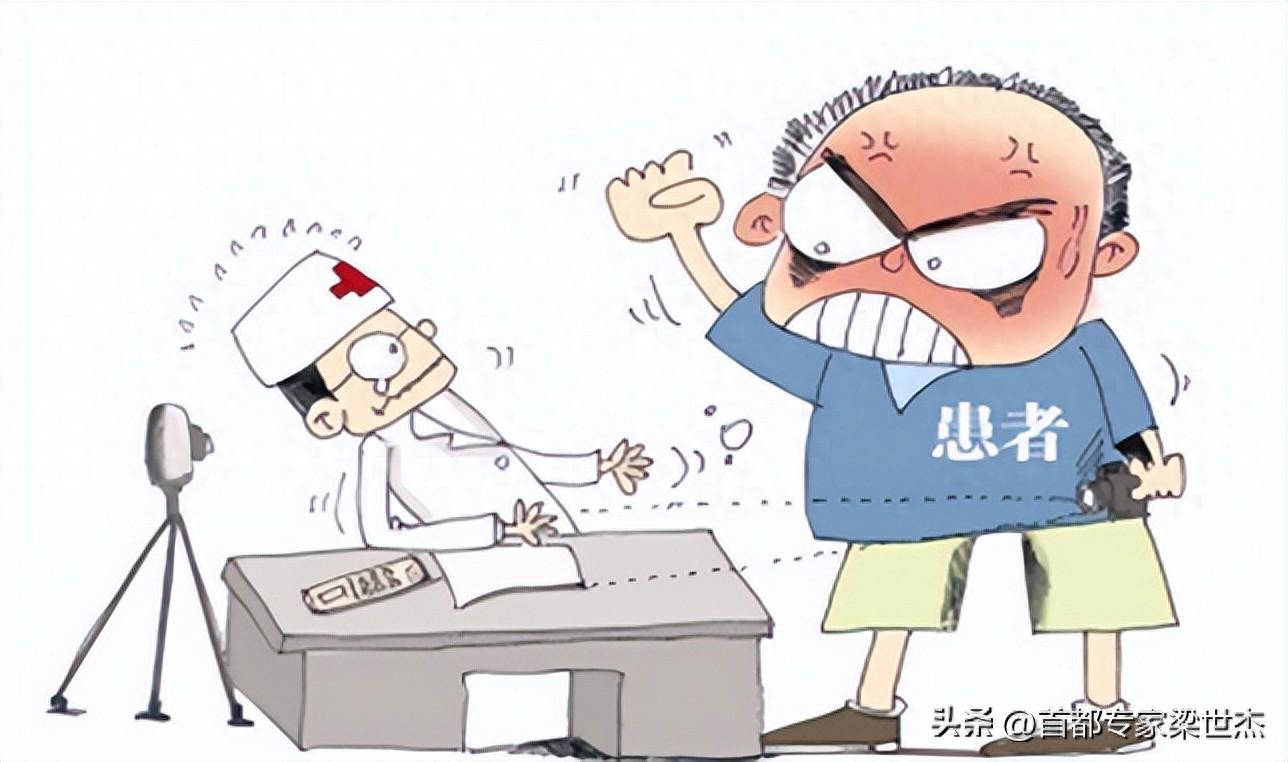
在生活的舞臺上,醫患之間的交流宛如一場精心編排卻又時常跑調的戲劇。醫生站在專業的講臺上,試圖將病情的奧祕如同抽絲剝繭般細細道來,可患者呢,卻像是置身於迷霧森林中的旅人,若沒有最基本的思維能力和常識認知作爲羅盤,便極易在這知識的叢林中迷失方向。這其中的知識壁壘,猶如一道無形卻又堅實的城牆,橫亙在醫患之間,不是醫生不賣力講解,實在是有些時候,哪怕耗上三天三夜,也難以讓那認知的鴻溝完全填平。
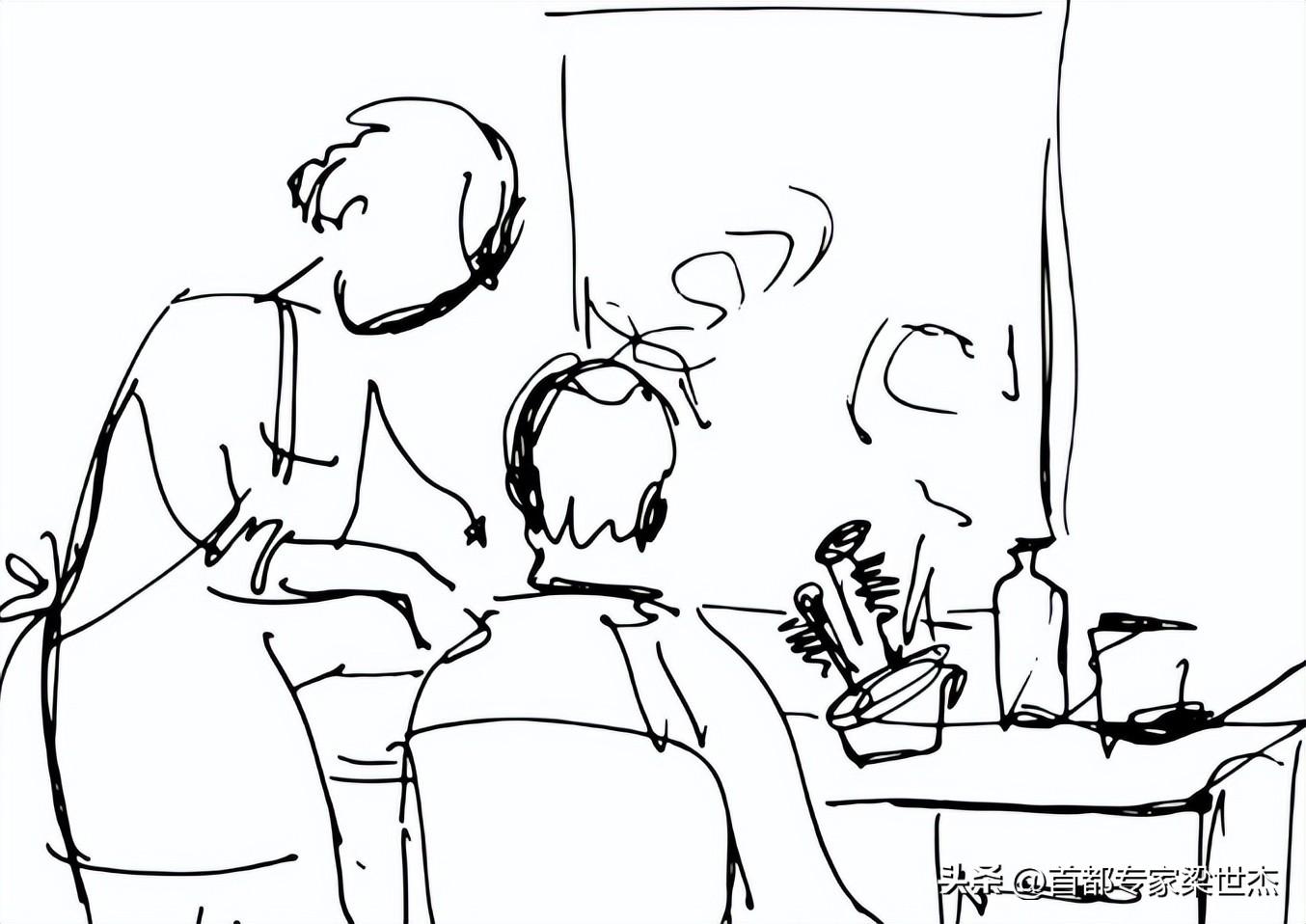
且讓我先講一個與這醫患交流困境看似風馬牛不相及,實則有着異曲同工之妙的故事。話說有一天,我走進門口那家理髮店,準備讓理髮師給我來個清爽的髮型。這位理髮師來自河南,爲人熱情健談,一邊揮舞着手中的剪刀,一邊和我嘮起了家常。他突然問我:“你去過北方呆過沒?”我答道:“天津我呆過一段時間,那地方的天氣可乾燥了。”本以爲這不過是尋常的閒聊,沒想到接下來卻引發了一場令人啼笑皆非的“地理爭論”。
他一本正經地說:“天津可沒有我們周口乾燥,也沒我們周口寒冷。”我心中暗自思量,天津地處北方,氣候乾燥寒冷那是出了名的,怎麼到了他這兒就變了味兒呢?於是我反駁道:“天津冷得多,畢竟它比較靠北。”可他卻語出驚人:“天津在河南南邊。”我瞬間瞪大了眼睛,彷彿聽到了世界上最不可思議的事情,趕忙解釋:“天津在河北的東部偏北,河北在河南北邊,天津離保定不遠,保定在北京南邊,天津怎麼可能比河南靠南?”他卻一臉篤定地說:“保定就挨着我們河南不遠。”那一刻,我真是哭笑不得,我自認爲對全國地級市的大概位置瞭如指掌,可眼前這位理髮師,卻連自己家鄉的地理位置都搞不清楚,這認知的差距,簡直就像一道無法跨越的天塹。我生怕爭得面紅耳赤後,他會一氣之下不給我理髮了,於是只好選擇沉默,可心中卻不禁感嘆:這世界上的認知差異,咋就這麼大呢?
回到醫患交流的場景,這其中的道理與我和理髮師的“地理之爭”何其相似。醫生就像那位試圖傳授知識的老師,而患者則是需要吸收知識的學生。醫生憑藉着多年所學和臨牀經驗,對病情有着深入而專業的理解,他們試圖用通俗易懂的語言將複雜的醫學知識講解給患者聽,就像理髮師試圖和我分享他對家鄉氣候和地理位置的看法一樣。然而,患者由於缺乏基本的醫學常識和思維能力,往往難以理解醫生所表達的內容,這就好比我對地理知識一知半解的理髮師,無法理解我對天津地理位置的正確闡述。
有數據表明,在醫患溝通中,超過六成的患者對醫學術語和專業概念存在理解困難。這就如同在一個充滿密碼的房間裏,患者手中沒有解鎖的鑰匙,只能對着那一串串陌生的符號乾瞪眼。醫生即便使出渾身解數,用最生動的比喻和最形象的例子來解釋病情,可如果患者連基本的常識都不具備,就像在沙灘上建房子,根基不穩,又怎能構建起對病情的完整認知呢?
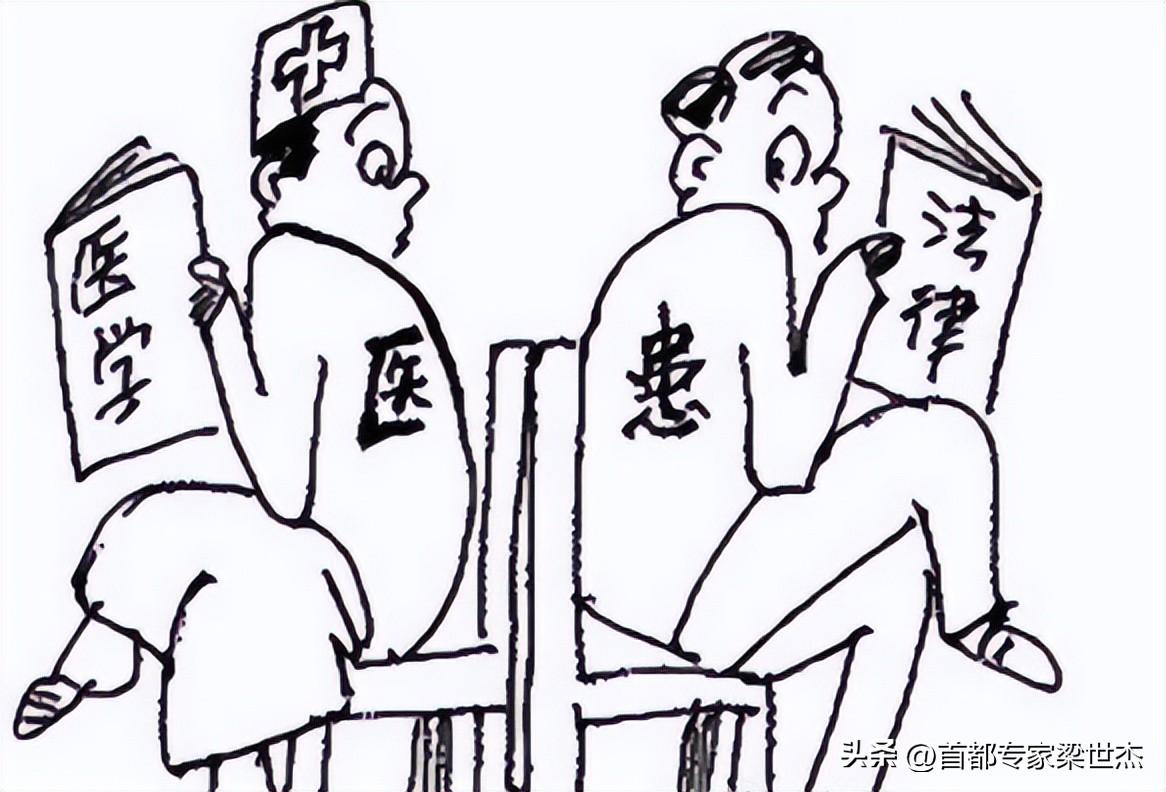
舉個例子來說,當醫生告訴一位患者他患有高血壓,需要控制飲食、適量運動並按時服藥時,如果患者連什麼是高血壓、血壓的正常範圍是多少這些基本常識都不知道,又怎能理解醫生爲什麼要他這樣做呢?他可能會覺得醫生是在小題大做,或者對醫生的建議置若罔聞。這就如同理髮師不理解天津的地理位置一樣,患者因爲缺乏常識,無法正確認識自己的病情,從而影響了治療的效果。
那麼,如何才能跨越這道醫患之間的“知識溝”呢?一方面,醫生需要更加耐心和細心,採用更加通俗易懂的方式與患者交流,就像一位優秀的導遊,用生動有趣的語言爲遊客介紹景點的歷史和文化。另一方面,患者也需要主動學習一些基本的醫學常識,提高自己的思維能力,就像學生在上課前要做好預習一樣。只有醫患雙方共同努力,才能在這場“認知博弈”中達成共識,讓治療之路更加順暢。
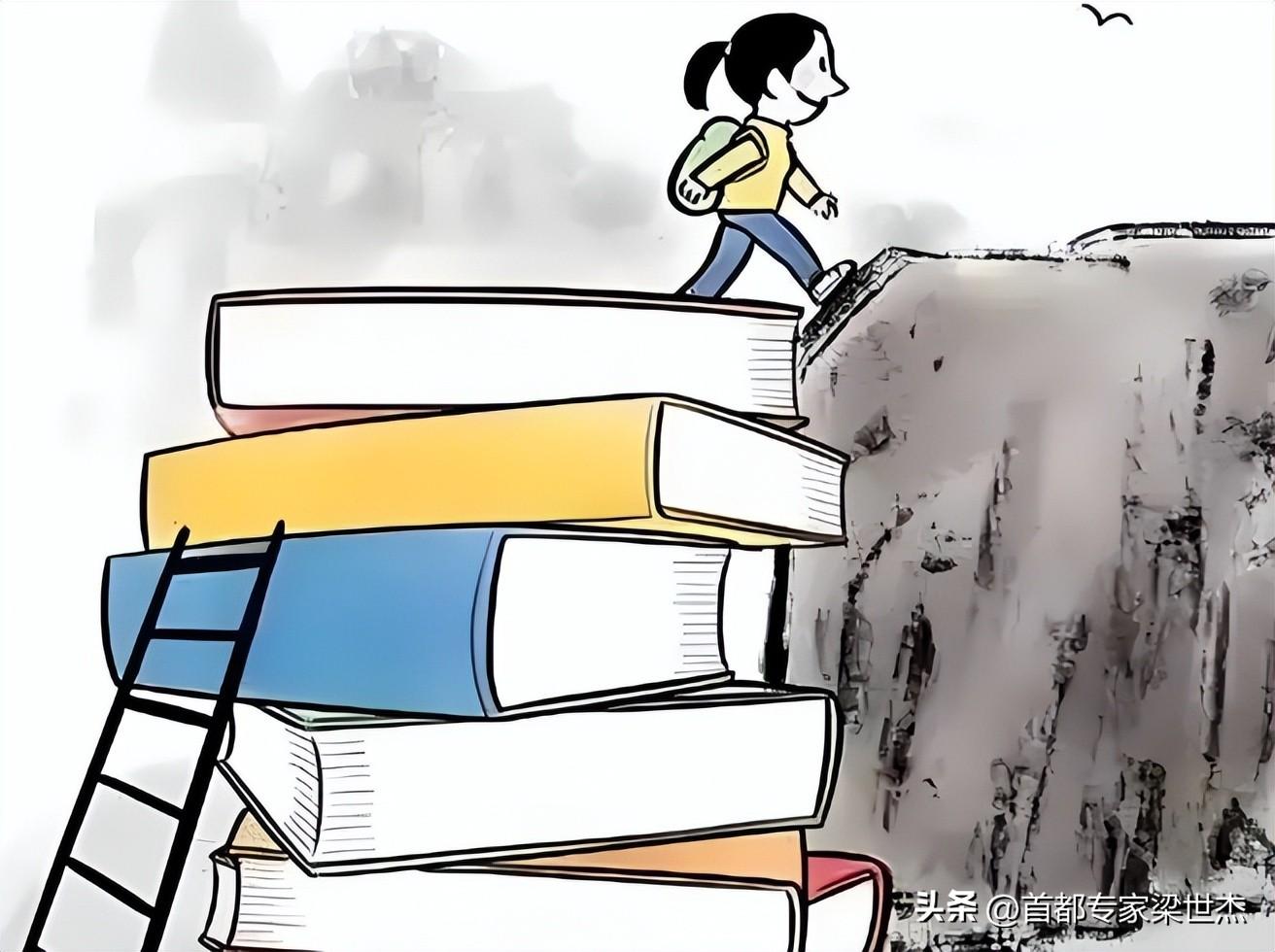
在這個信息爆炸的時代,我們每個人都應該成爲自己健康的第一責任人。不要讓知識的匱乏成爲我們與健康之間的絆腳石,就像不要讓對地理知識的無知阻礙我們認識世界的腳步一樣。讓我們攜手跨越這道“知識溝”,在醫患之間搭建起一座理解與信任的橋樑,共同走向健康的未來。因爲,只有醫患同心,才能在這場與疾病的戰鬥中,贏得最終的勝利。
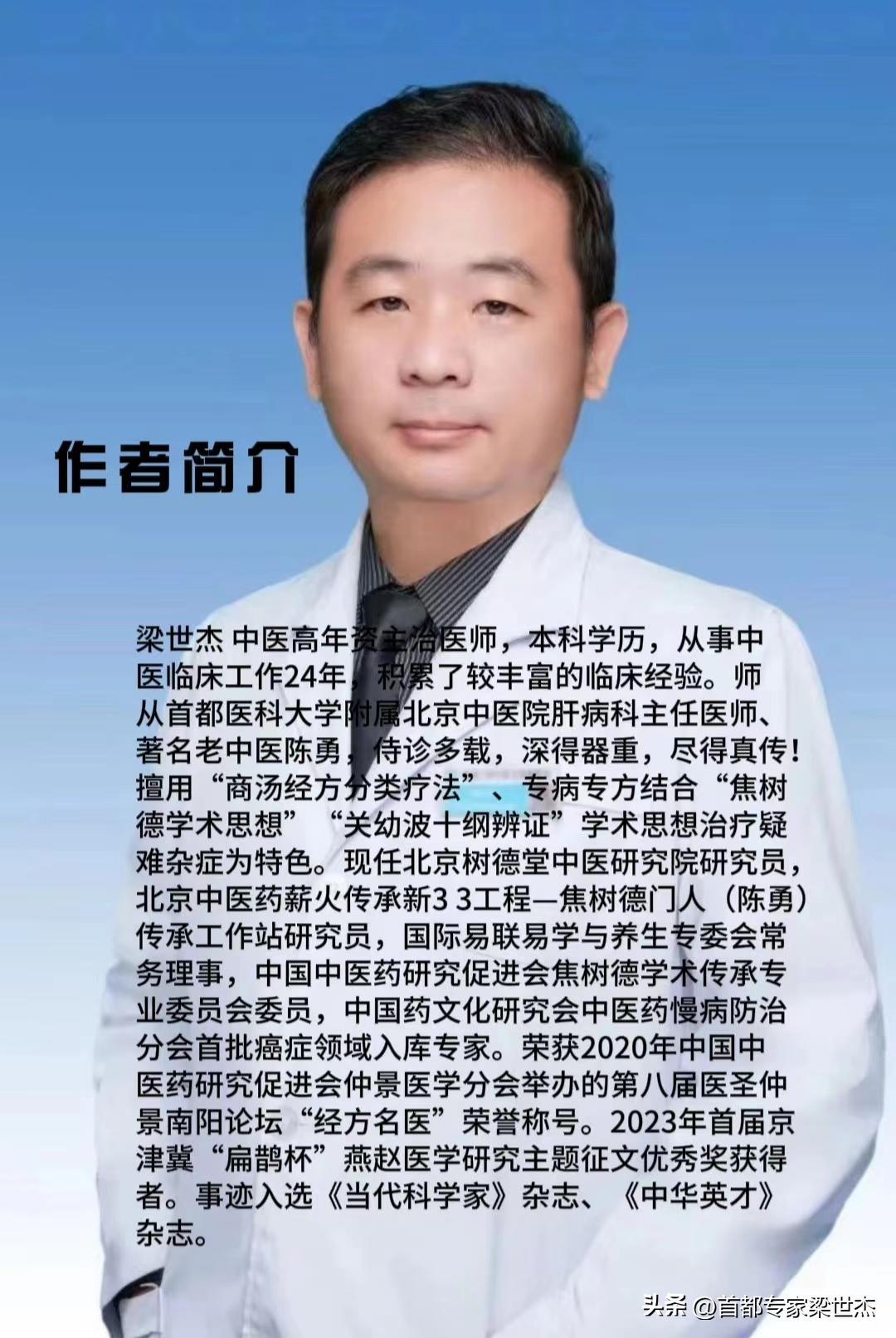
作者簡介:梁世傑 中醫高年資主治醫師,本科學歷,從事中醫臨牀工作24年,積累了較豐富的臨牀經驗。師從首都醫科大學附屬北京中醫院肝病科主任醫師、著名老中醫陳勇,侍診多載,深得器重,盡得真傳!擅用“商湯經方分類療法”、專病專方結合“焦樹德學術思想”“關幼波十綱辨證”學術思想治療疑難雜症爲特色。現任北京樹德堂中醫研究院研究員,北京中醫藥薪火傳承新3+3工程—焦樹德門人(陳勇)傳承工作站研究員,國際易聯易學與養生專委會常務理事,中國中醫藥研究促進會焦樹德學術傳承專業委員會委員,中國藥文化研究會中醫藥慢病防治分會首批癌症領域入庫專家。榮獲2020年中國中醫藥研究促進會仲景醫學分會舉辦的第八屆醫聖仲景南陽論壇“經方名醫”榮譽稱號。2023年首屆京津冀“扁鵲杯”燕趙醫學研究主題徵文優秀獎獲得者。事蹟入選《當代科學家》雜誌、《中華英才》雜誌。
The "knowledge gap" between doctors and patients: an alternative "cognitive game"
On the stage of life, the communication between doctors and patients is like a carefully choreographed but often off-key drama. The doctor stands on a professional podium and attempts to tell the mysteries of the condition like a skeleton, but the patient is like a tourist in a foggy forest, and without the basic thinking skills and common sense as a compass, he is very easily lost in this jungle of knowledge. The barrier to knowledge is like an invisible but solid wall between doctors and patients. It is not that doctors do not work hard to explain, but sometimes, even three days and three nights, it is difficult to fill the cognitive gap completely.
Let me start by telling a story that may seem unrelated to this physician-patient communication dilemma, but it has a wonderful parallel. Then one day, I walked into the hairdresser at the door and was going to ask the barber to give me a refreshing haircut. The hairdresser, originally from Henan, was a warm and talkative man, waving the scissors in his hand as he talked to me about home affairs. He suddenly asked me, "Have you ever been to the North?" I replied, "I spent some time in Tianjin, where the weather is so dry." This was supposed to be nothing more than ordinary chitchat, but it turned out to be an ironic "geography debate."
He said gravely, "Tianjin is not as dry as our Zhoukou, nor as cold as our zhoukou." I thought to myself. Tianjin is located in the north, and its climate is famous for its dry and cold. How did it change its taste when I came here? I retorted, "Tianjin is much colder, after all, it''s relatively north." But he said something astonishing: "Tianjin is south of Henan." I stared at once, as if I had heard the most incredible thing in the world, and hurriedly explained: "Tianjin is north of the east of Hebei, Hebei is north of Henan, Tianjin is not far from Baoding, Baoding is south of Beijing. How can Tianjin be south of Henan?" But with a certain face, he said, "Bading is not far from Henan." At that moment, I couldn''t laugh. I thought I knew the approximate location of the country''s prefecture-level cities, but the barber in front of me couldn ''t even figure out the geography of his hometown. The gap in knowledge was like an obstacle that couldn "t be crossed. I was afraid that when I flush, he would stop cutting my hair in anger, so I chose to remain silent, but I couldn''t help but wonder why there are so many cognitive differences in the world.
Back in the scene of doctor-patient communication, the lessons are very similar to the geography battle between me and the hairdresser. A doctor is like a teacher trying to impart knowledge, while a patient is a student who needs to absorb knowledge. Doctors have a deep and professional understanding of the condition through years of study and clinical experience, and they try to convey complex medical knowledge to patients in plain language, just as the hairdresser tried to share with me his views on the climate and geography of his hometown. However, patients often struggle to understand what doctors say because they lack basic medical knowledge and thinking skills, like a hairdresser who knows little about geography cannot understand my correct representation of the geographical location of Tianjin.
Data show that in medical-patient communication, more than 60% of patients have difficulty in understanding medical terminology and professional concepts. It''s like being in a password-filled room where the patient doesn''t have a key to unlock and can only stare at a string of strange symbols. Even if doctors can use the most vivid metaphors and vivid examples to explain the condition, how can the patient construct a complete understanding of the condition if he does not have even basic common sense, like building a house on a beach with unstable foundations?
For example, when a doctor tells a patient that he has high blood pressure, When a patient needs to eat a controlled diet, exercise in moderation, and take medication on time, how can he understand why a doctor wants him to do so if he doesn''t even know the basics of what hypertension is and what the normal range of blood pressure is? He may feel like the doctor is making a big deal or simply ignore the doctor''s advice. In the same way that barbers do not understand the geographical location of Tianjin, patients cannot correctly understand their condition because they lack common sense, thus affecting the effectiveness of treatment.
So how can we bridge this "knowledge gap" between doctors and patients? On the one hand, doctors need to be more patient and attentive and communicate with patients in a more accessible way, like a good tour guide who introduces visitors to the history and culture of the attraction in vivid and interesting language. Patients, on the other hand, need to actively learn some basic medical common sense and improve their thinking skills, just as students should do before they start classes. Only the doctor and patient can work together to reach a consensus in this "cognitive game" and make the path of treatment smoother.
In this era of information explosion, each of us should become the first responsible person for their own health. Don''t let a lack of knowledge become a stumbling block between us and our health, just as don''t let ignorance of geography hinder our ability to understand the world. Let us work together to bridge this "knowledge gap," build a bridge of understanding and trust between doctors and patients, and work together towards a healthy future. Because only a united doctor and patient can win the ultimate victory in this battle against disease.
Author Bio: Liang Shijie is a senior medical practitioner in traditional Chinese medicine with an undergraduate degree. He has been engaged in traditional medicine clinical work for 24 years and has accumulated a wealth of clinical experience. Following Chen Yong, chief physician of liver disease at Beijing Traditional Medicine Hospital, affiliated with Capital Medical University, and renowned old Chinese medicine, he has been treated for many years and received great attention. He specializes in the treatment of difficult diseases using "conversational traditional therapy" and special treatments combined with the academic ideas of Jiao Shude and Guan Yubo''s ten-level diagnosis.He is currently a researcher at the Shude Tang TCM Research Institute in Beijing, a fellow at the new 3 + 3 project of traditional Chinese medicine flame inheritance in Beijing - a scholar at the inheritance workstation of Jiao Shude''s protégés (Chen Yong),He is a standing committee member of the International Expert Committee on E-learning and Health Care, a member of the Jiao Shude Academic Heritage Special Committee of the Chinese Association for the Advancement of Chinese Medicine Research, and the first cancer specialist to be included in the chapter of the Chinese Pharmaceutical Culture Research Association. Won the 2020 China Association for the Promotion of Traditional Chinese Medicine Zhongjing Medical Branch held the eighth session of the Medical Saint Zhongjing Nanyang Forum "Classic Prescription Famous Doctor" honorary title. The winner of the first Beijing-Tianjin-Hebei "Pingui Cup" Yanzhao Medical Research Essay Award in 2023. His work was featured in the journal Current Scientist and the journal Chinese Talent.