梁世傑:莫讓“生意經”攪了醫患那池純淨的“藥湯”
在如今這全民皆商、人人心裏都揣着本“生意經”的時代,彷彿世間萬物都被裹上了商業的華服,就連那本應純淨如山間清泉的醫療領域,也漸漸泛起了市場的漣漪。醫療行爲,從昔日那帶着神聖公益光輝的殿堂,一步步邁向了市場的浪潮之中,於是,一些奇奇怪怪的念頭,就像雨後春筍般在患者心裏冒了出來,不少人開始用那“生意經”的眼光,去揣摩醫療過程中的一舉一動。
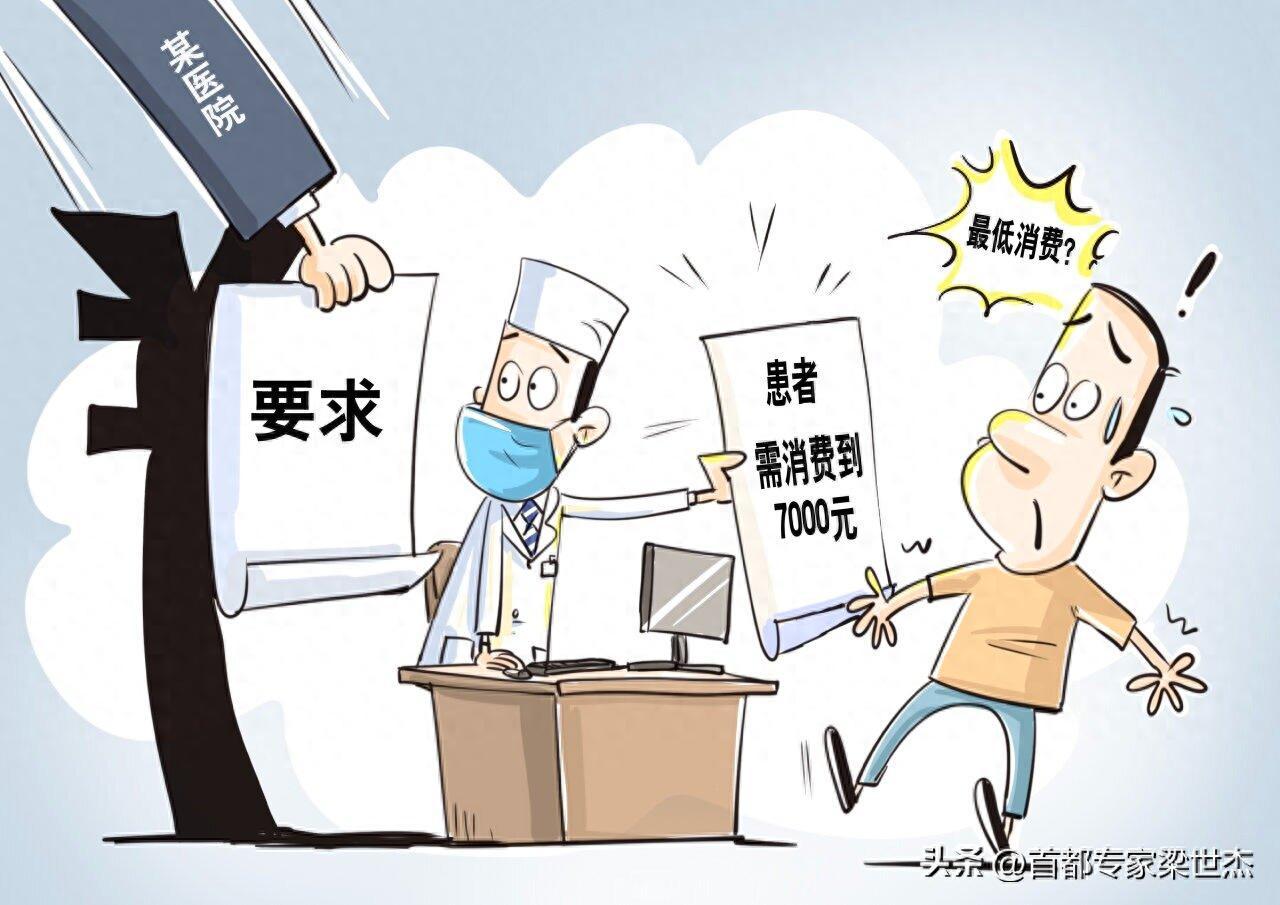
就拿慢性病治療這事兒來說吧,那可真是一場漫長的“馬拉松”。有些患者,患了慢性病,就像背了個甩不掉的包袱,療程長得很。雖說在治療過程中,也收到了不少療效,就像在黑暗中看到了一絲曙光,可這藥啊,就是還不能停。這時候,患者心裏就開始犯嘀咕了:“這醫生是不是有啥商業套路啊?咋就不讓我停藥呢?”這念頭一起,就像一顆種子在心裏生根發芽,越想越覺得不對勁。
我聽說有這麼個事兒,有個患者,自己慢性病纏身,治療了好久都不見能停藥。他心裏那個急啊,就像熱鍋上的螞蟻。這時候,他聽說要是能給醫生介紹更多患者,說不定就能縮短自己的治療療程,早點停藥。這患者一聽,覺得這主意不錯啊,就像抓住了救命稻草一樣,開始四處張羅着給醫生介紹患者。他心裏想着:“我幫醫生增加了患者量,醫生總得給我點好處吧,這療程說不定就能縮短了。”這心情啊,咱們都能理解,誰不想快點擺脫這病痛的折磨呢?可這方式,那可就大錯特錯啦!
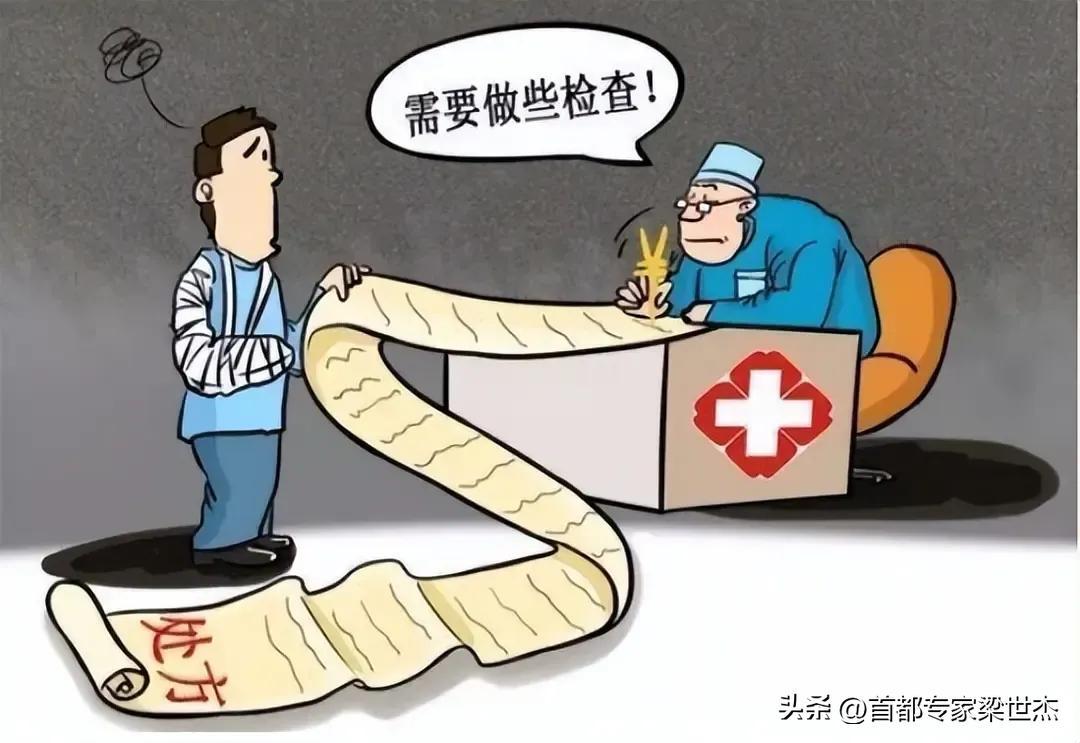
咱們都知道,走路有路程,這路程是固定的,你一步一個腳印,得走多少步就是多少步,少一步都不行。病呢,也有病程,就像一場看不見硝煙的戰爭,病菌在身體裏安營紮寨,醫生得一步步把它們趕出去。治病也有療程,這療程可不是醫生隨便定的,它是根據病情來的。小病呢,就像一陣小風,來得快,去得也快,治療時間短,很快就能好。可慢病就不一樣了,它就像一塊頑固的石頭,死死地嵌在身體裏,時間長,好得慢。尤其是那些年老體衰,還被多種慢性病纏身的老年人,他們的身體就像一座千瘡百孔的老房子,修復起來可沒那麼容易。
醫生可不是商人,他們不會因爲患者介紹了更多的患者,就像變魔術一樣縮短患者的治療療程。醫生遵循的是治病的康復規律,這規律就像大自然的法則,是客觀存在的,誰也不能違背。該停藥的時候,醫生自然會讓你停藥,就像春天到了,花兒自然會開;該鞏固的時候,就得繼續鞏固,就像蓋房子,得把地基打牢實了;該治療的時候,就得繼續治療,不能半途而廢,就像一場戰鬥,不能還沒把敵人消滅就撤退。
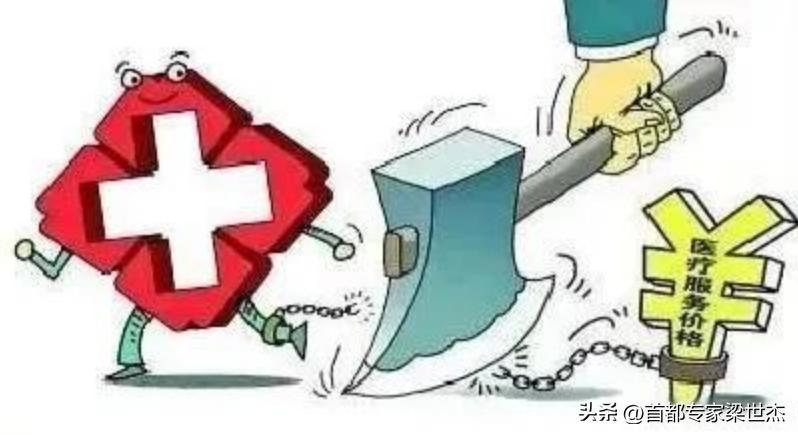
有數據表明,在慢性病治療中,如果隨意縮短療程,病情復發的概率會大大增加。就像給一棵生病的樹治病,你還沒把蟲子除乾淨,就停止治療,那蟲子很快又會捲土重來,樹還是會枯萎。曾經有個患者,患了高血壓,治療了一段時間後,感覺症狀有所緩解,就聽信了別人的話,覺得醫生是在故意延長療程賺錢,於是擅自停藥。結果沒過多久,血壓又飆升了,還引發了心臟病,差點丟了性命。這就是不遵循治療療程的後果啊!

醫患之間的關係,本應該是像戰友一樣,共同對抗病魔。醫生憑藉着自己的專業知識和經驗,爲患者制定最合適的治療方案;患者則應該信任醫生,積極配合治療。可要是患者都用那“生意經”去揣摩醫生,那這醫患關係可就變得像一潭渾水,再也清澈不起來了。
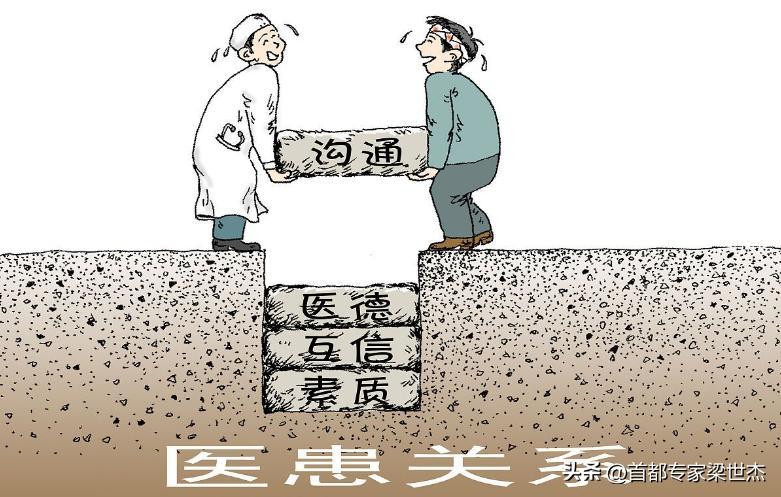
咱們想想,要是醫生都爲了那點利益,隨意縮短療程,那這醫療行業還不亂套了?患者又怎麼能放心地把自己的生命健康交給醫生呢?這就好比蓋房子,如果建築師爲了多賺錢,偷工減料,那這房子能住得安心嗎?
所以啊,咱們患者得收起那本“生意經”,別再用那功利的眼光去看待醫療過程。醫生也有醫生的難處,他們是爲了患者的健康着想,而不是爲了那點商業利益。咱們要相信醫生,遵循治療療程,這樣才能真正戰勝病魔,恢復健康。
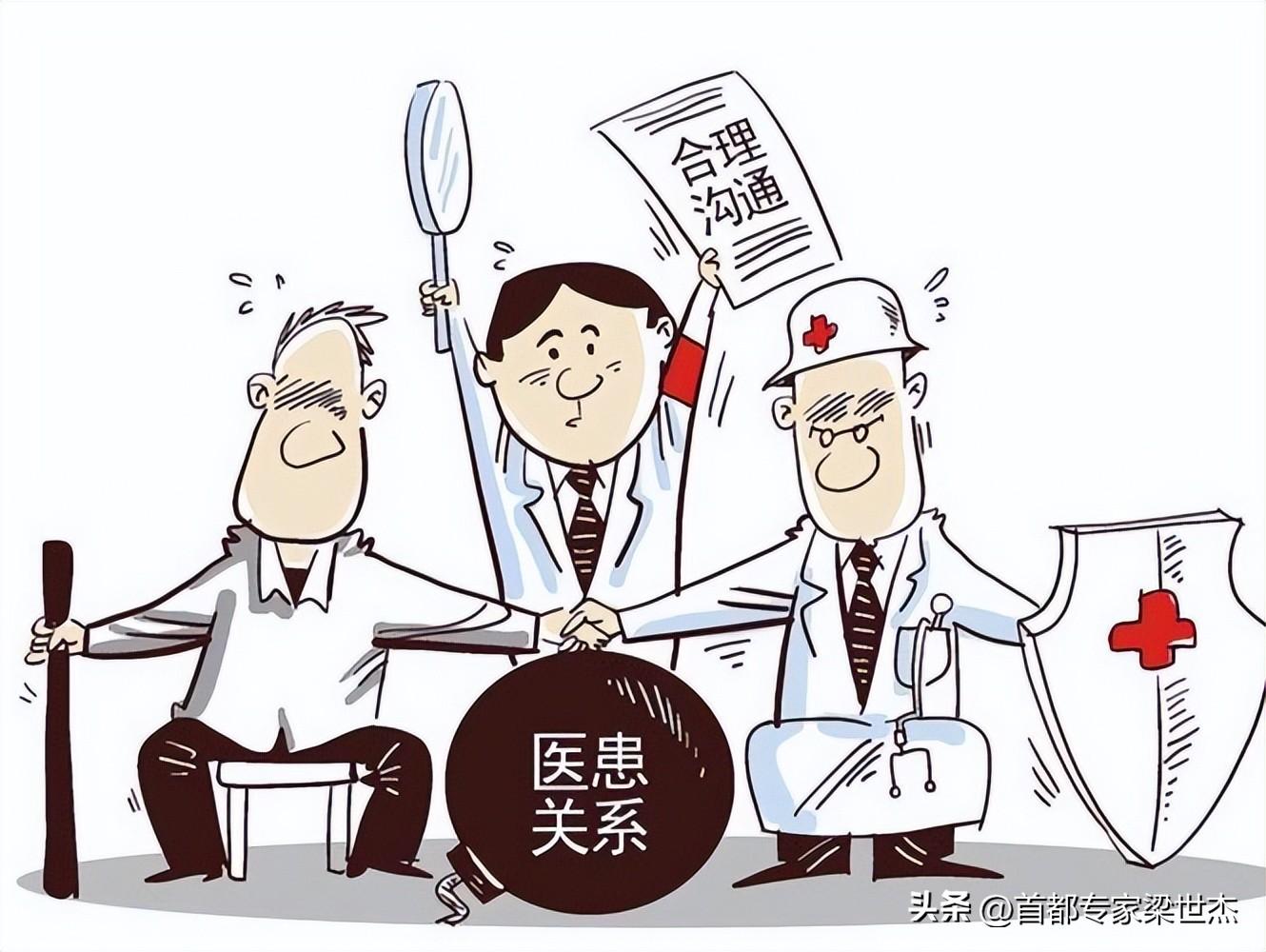
在這充滿商業氣息的時代,咱們得守護好醫患之間那池純淨的“藥湯”,別讓那“生意經”的雜質把它攪渾了。只有這樣,咱們才能在面對疾病時,攜手共進,迎來健康的曙光。
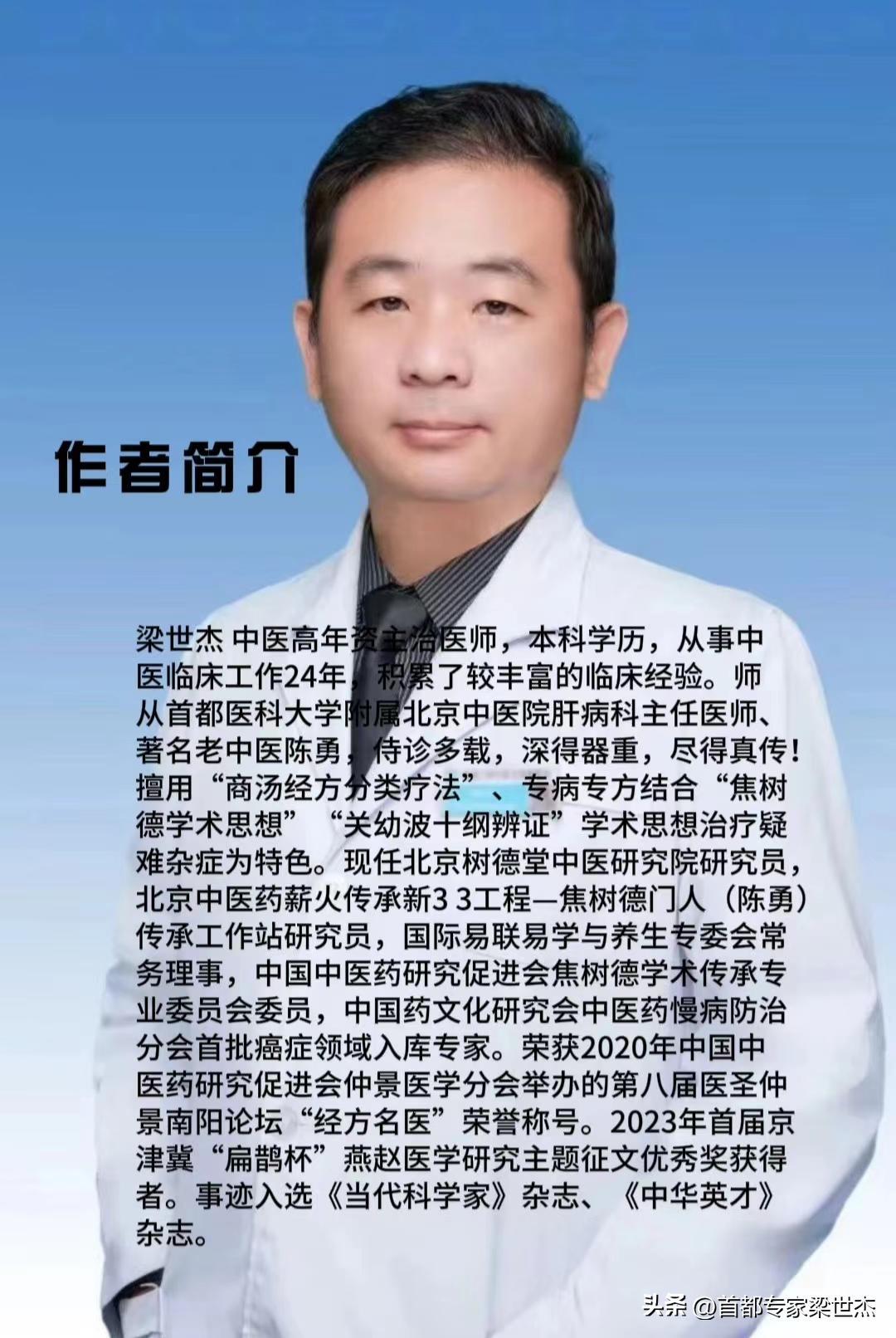
作者簡介:梁世傑 中醫高年資主治醫師,本科學歷,從事中醫臨牀工作24年,積累了較豐富的臨牀經驗。師從首都醫科大學附屬北京中醫院肝病科主任醫師、著名老中醫陳勇,侍診多載,深得器重,盡得真傳!擅用“商湯經方分類療法”、專病專方結合“焦樹德學術思想”“關幼波十綱辨證”學術思想治療疑難雜症爲特色。現任北京樹德堂中醫研究院研究員,北京中醫藥薪火傳承新3+3工程—焦樹德門人(陳勇)傳承工作站研究員,國際易聯易學與養生專委會常務理事,中國中醫藥研究促進會焦樹德學術傳承專業委員會委員,中國藥文化研究會中醫藥慢病防治分會首批癌症領域入庫專家。榮獲2020年中國中醫藥研究促進會仲景醫學分會舉辦的第八屆醫聖仲景南陽論壇“經方名醫”榮譽稱號。2023年首屆京津冀“扁鵲杯”燕趙醫學研究主題徵文優秀獎獲得者。事蹟入選《當代科學家》雜誌、《中華英才》雜誌。
Liang Shijie: Let''s not let the "business tactics" contaminate the pure "medicine pot" between doctors and patients.
In the current era where everyone is involved in commerce and everyone has a "business philosophy" in mind, it seems like everything in the world is dressed in the garb of commerce. Even the medical field, which should be pure like a mountain spring, is gradually becoming influenced by the market. Medical practices, once conducted in a sacred and altruistic environment, are now increasingly subject to the forces of the market. As a result, strange and unusual thoughts begin to emerge in the minds of patients. Many people start to analyze every action in the medical process with the mindset of "business philosophy."
Let''s take the treatment of chronic illnesses as an example. It''s truly a long and arduous "marathon." Some patients, having chronic illnesses, feel like they are carrying an inescapable burden. The treatment process is extremely lengthy. Although there have been some positive effects during the treatment, it''s like seeing a glimmer of hope in the darkness. However, the medication cannot be stopped yet. At this point, the patient starts to wonder: "Is there some sort of business tactic involved here? Why won''t the doctor let me stop taking the medication?" This thought, like a seed, starts to take root and grow in the patient''s mind, making them feel increasingly uneasy.
I heard about something like this: there was a patient who was plagued by a chronic illness and had been undergoing treatment for a long time without being able to stop taking medication. The patient was in such a state of urgency, like an ant on a hot pan. At that moment, he heard that if he could introduce more patients to the doctor, it might possibly shorten his treatment period and allow him to stop taking medication sooner. The patient thought this was a great idea and, feeling like he had found a lifeline, started making arrangements to introduce patients to the doctor. He was thinking, "By helping the doctor increase the number of patients, the doctor must be willing to reward me somehow. Maybe this will shorten my treatment period." We can all understand how it feels to want to get rid of the pain and suffering as quickly as possible. However, this approach is definitely not the right one!
As we all know, walking involves a certain distance, and that distance is fixed. You take one step at a time, and the number of steps you take is the number of steps you need to take. Missing even one step is not acceptable. Similarly, when it comes to illness, there is also a course of treatment. It is like a war that is not visible to the naked eye, where pathogens take up residence in the body. The doctor must work step by step to drive them out. Treating illness also involves a course of treatment, and this course is not set arbitrarily by the doctor; it is determined based on the condition of the illness. Minor illnesses are like a brief gust of wind; they come quickly and go just as quickly, and the treatment period is short, so recovery is swift. However, chronic illnesses are different. They are like stubborn rocks that are firmly embedded in the body, and they take a long time to resolve. Especially for the elderly who are frail and plagued by multiple chronic diseases, their bodies are like a dilapidated old house that is riddled with holes. Repairing it is not an easy task.
Doctors are not merchants; they do not magically shorten the treatment process simply because a patient introduces more patients. Doctors follow the principles of healing and recovery, which are like the laws of nature and are objective and unchangeable. When it is time to stop medication, the doctor will naturally advise you to do so, just as flowers bloom naturally when spring arrives. When it is time to consolidate progress, it is necessary to continue doing so, just as building a house requires a solid foundation. When it is time to continue treatment, it is important not to abandon it halfway through, just as in a battle, one should not retreat before the enemy has been completely eliminated.
Data shows that in the treatment of chronic diseases, if the treatment period is arbitrarily shortened, the likelihood of the disease recurring greatly increases. It''s like treating a sick tree; if you don''t get rid of the pests completely before stopping treatment, the pests will quickly return, and the tree will continue to wither. There was once a patient who suffered from high blood pressure. After being treated for a while, he felt that his symptoms had improved, so he believed what others said and thought that the doctor was intentionally extending the treatment period in order to make money. As a result, not long after, his blood pressure spiked again, and he even suffered a heart attack, almost losing his life. This is the consequence of not adhering to the treatment protocol!
The relationship between doctors and patients should be like that of comrades-in-arms, working together to combat the illness. Doctors rely on their professional knowledge and experience to devise the most suitable treatment plan for the patient. The patient, on the other hand, should trust the doctor and actively cooperate with the treatment. However, if patients start to view doctors through the lens of "business dealings," the doctor-patient relationship can become murky and lose its clarity.
Let''s think about it: if doctors were to shorten treatment durations solely for personal gain, wouldn''t the entire medical industry become chaotic? How could patients then trust that their health and lives would be in good hands? It''s like building a house; if the architect were to cut corners to make more money, could anyone feel secure living in such a structure?
So, patients need to put away their "business mindset" and stop viewing the medical process through a lens of self-interest. Doctors also have their own challenges and are motivated by the well-being of their patients, not just by commercial interests. We should trust doctors and follow the treatment plan in order to truly overcome the illness and regain health.
In this era filled with commercialism, we must protect the pure "medicinal soup" between doctors and patients, so as not to let the impurities of "business tactics" contaminate it. Only in this way can we work together to overcome diseases and look forward to the dawn of good health.
Author Bio: Liang Shijie is a senior medical practitioner in traditional Chinese medicine with an undergraduate degree. He has been engaged in traditional medicine clinical work for 24 years and has accumulated a wealth of clinical experience. Following Chen Yong, chief physician of liver disease at Beijing Traditional Medicine Hospital, affiliated with Capital Medical University, and renowned old Chinese medicine, he has been treated for many years and received great attention. He specializes in the treatment of difficult diseases using "conversational traditional therapy" and special treatments combined with the academic ideas of Jiao Shude and Guan Yubo''s ten-level diagnosis.He is currently a researcher at the Shude Tang TCM Research Institute in Beijing, a fellow at the new 3 + 3 project of traditional Chinese medicine flame inheritance in Beijing - a scholar at the inheritance workstation of Jiao Shude''s protégés (Chen Yong),He is a standing committee member of the International Expert Committee on E-learning and Health Care, a member of the Jiao Shude Academic Heritage Special Committee of the Chinese Association for the Advancement of Chinese Medicine Research, and the first cancer specialist to be included in the chapter of the Chinese Pharmaceutical Culture Research Association. Won the 2020 China Association for the Promotion of Traditional Chinese Medicine Zhongjing Medical Branch held the eighth session of the Medical Saint Zhongjing Nanyang Forum "Classic Prescription Famous Doctor" honorary title. The winner of the first Beijing-Tianjin-Hebei "Pingui Cup" Yanzhao Medical Research Essay Award in 2023. His work was featured in the journal Current Scientist and the journal Chinese Talent.