梁世傑:鏡頭有侷限,文字傳真章
在這信息如洪流般洶湧澎湃的時代,視頻之風可謂席捲了大街小巷,人人都似被這股風裹挾着,拼命往那屏幕裏的世界擠。我也曾試着隨波逐流,想借視頻之舟,將中醫科普和學術觀點傳播出去。可如今,我卻漸漸遠離了視頻宣傳,轉而投身於文字的世界。爲何?只因那鏡頭有侷限,文字無邊界啊。
想當初,我初涉視頻宣傳,滿心歡喜,以爲能借這新潮的方式,讓更多人瞭解中醫的奧妙。我精心準備內容,對着鏡頭侃侃而談,從中醫的陰陽五行到辨證論治,從經典方劑到臨牀案例,可謂傾囊相授。可結果呢?有數據爲證,那視頻的觀看量雖不算低,但真正能理解並吸收其中知識的觀衆卻寥寥無幾。就像那過眼雲煙,看過便散了,留不下什麼深刻的印記。
鏡頭這東西,就像個被上了枷鎖的舞者。它只能展現有限的畫面,捕捉瞬間的表情,卻難以傳達中醫那深邃而複雜的內涵。中醫講究整體觀念,講究辨證論治,每一個病症都如同一片獨特的樹葉,有着自己的脈絡和紋理。可視頻裏,短短几分鐘,又怎能將這其中的千絲萬縷講得清楚?
我曾講過一個失眠的病例,在視頻裏,我只能匆匆提及患者的症狀和大致的治療方法。可實際上,那患者的失眠背後,有着生活的壓力、情緒的波動、身體的虧虛等諸多因素交織在一起。我想詳細解釋,卻受限於時間,只能草草收場。觀衆們看到的,不過是一個簡單的病例和對應的治療,又怎能體會到中醫辨證的精妙之處?
而文字不同,文字是自由的精靈,它沒有鏡頭的束縛,可以在思想的天地裏任意翱翔。我可以在紙上細細描繪患者的面色如何蒼白如紙,舌苔如何厚膩如積,脈象如何細弱如絲。我可以將中醫的理論如涓涓細流般娓娓道來,從《黃帝內經》的古老智慧,到現代臨牀的實踐經驗,一字一句,都能讓讀者慢慢品味,細細琢磨。
古有李時珍,踏遍千山,嚐遍百草,著成《本草綱目》。他靠的不是鏡頭,而是那一個個工整的文字,將千種草藥的藥性、功效、用法一一記錄下來,流傳千古。今有我,雖不敢與先賢比肩,但也願以文字爲筆,爲中醫的傳承添上一抹色彩。
我還記得有一次,一位讀者給我寫信,說他讀了我寫的中醫文章後,深受啓發。他的家人患了一種疑難病症,四處求醫無果。他按照我文章中提到的思路,結合自己家人的具體情況,嘗試着用中醫的方法調理,沒想到病情竟有了明顯的好轉。他在信中說,是文字讓他對中醫有了更深入的理解,是文字給了他希望和力量。
這便是文字的魅力啊!它不像視頻那樣轉瞬即逝,而是可以長久地保存下來,成爲人們手中的寶典。無論何時何地,人們都可以翻開書頁,與中醫的智慧對話。
當然,我也知道,視頻有它的優勢,它能直觀地展示一些操作過程,吸引更多人的關注。但對於中醫這門深奧的學問來說,視頻就像一道快餐,雖然能填飽肚子,卻缺乏營養。而文字,則是一道精心烹製的大餐,需要人們慢慢品嚐,才能領略到其中的滋味。
所以,我如今很少用視頻宣傳中醫科普和學術觀點了。我願守着這一方文字的天地,用我的筆,將中醫的智慧傳遞給更多的人。我相信,文字的力量是無窮的,它能穿越時空,跨越地域,讓中醫的種子在更多人的心中生根發芽。
在這喧囂的世界裏,我願做那文字的守護者,以字爲媒,傳承中醫的火種,讓這古老的智慧在新時代綻放出更加璀璨的光芒。
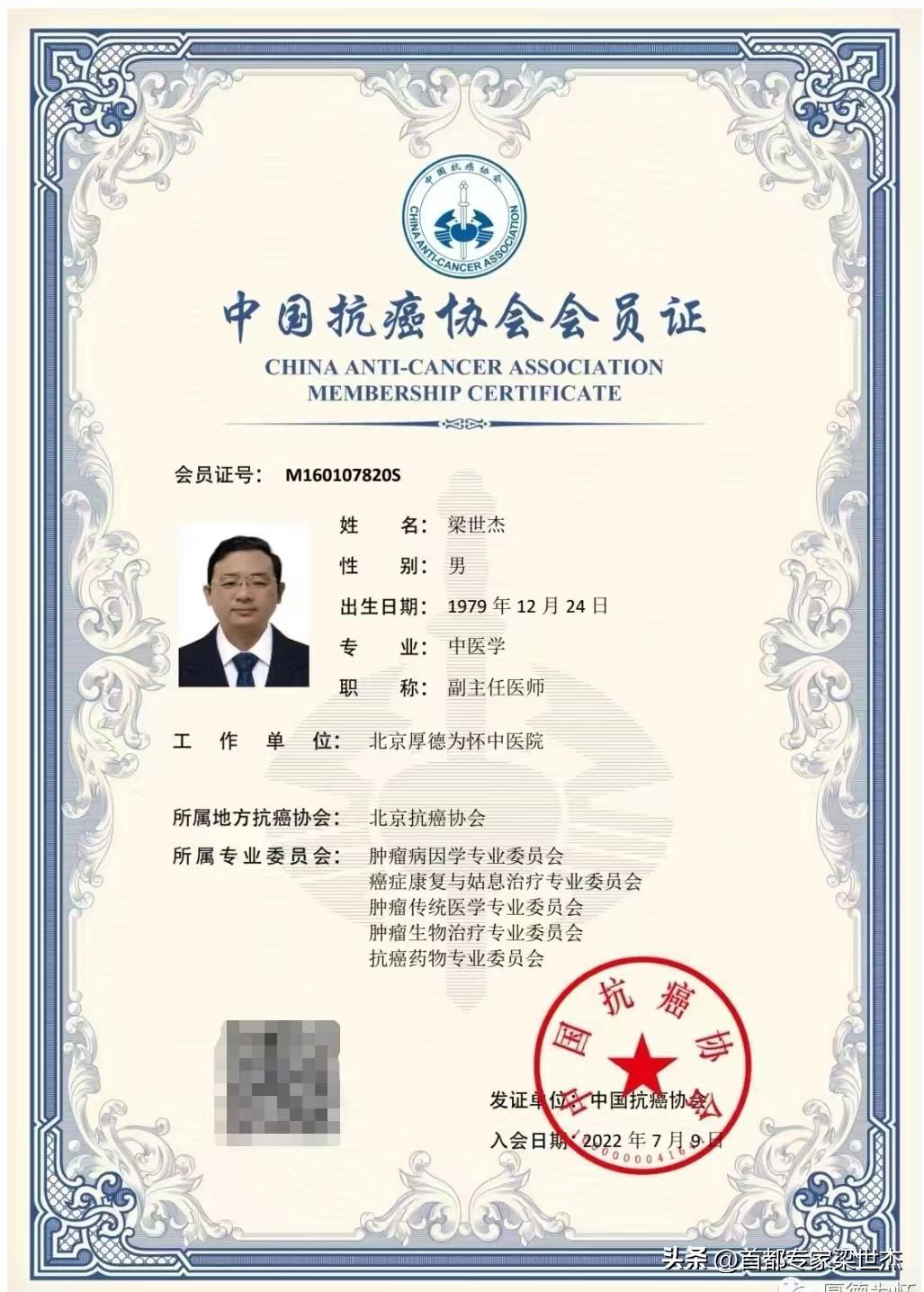
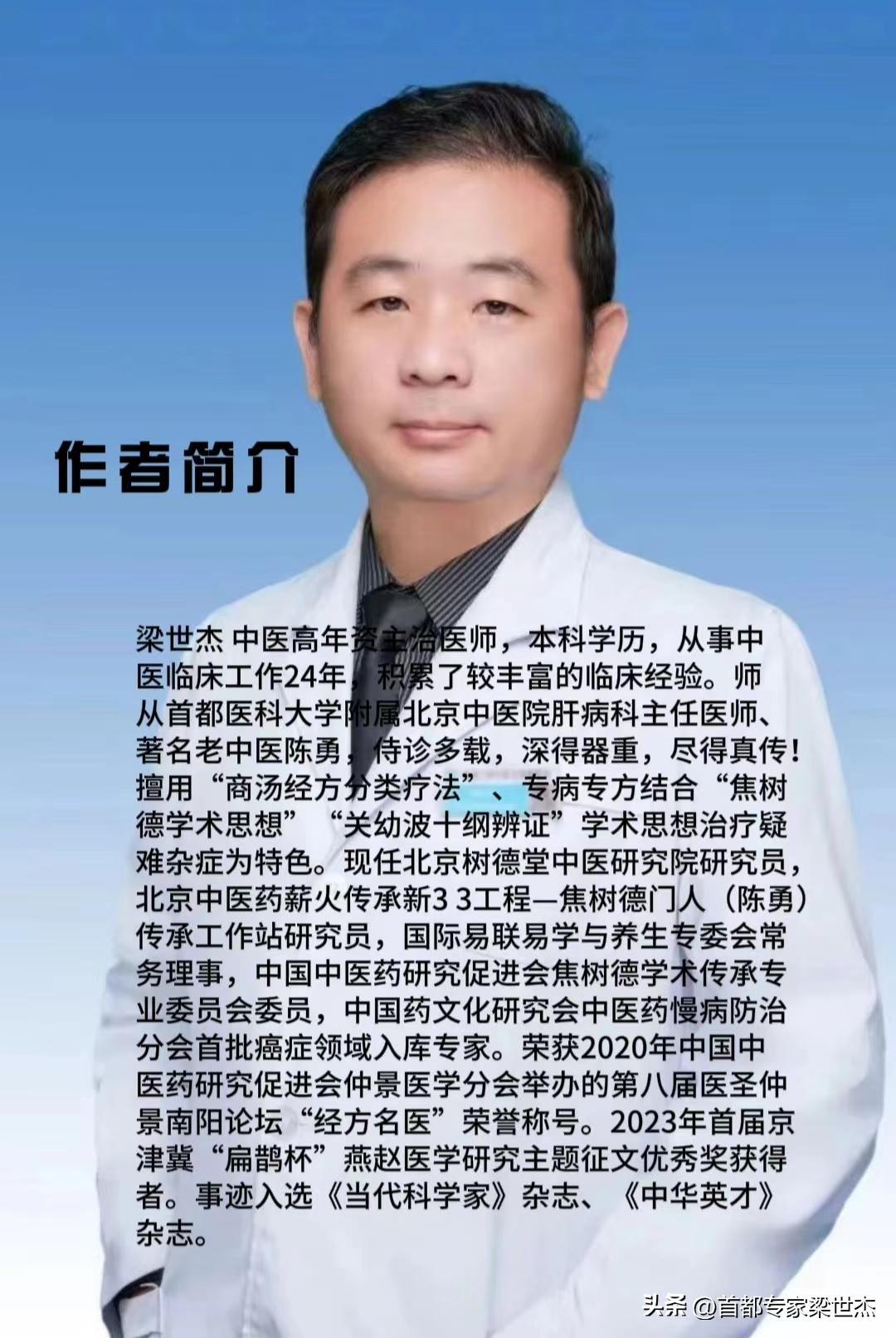
作者簡介:梁世傑 中醫高年資主治醫師,本科學歷,從事中醫臨牀工作24年,積累了較豐富的臨牀經驗。師從首都醫科大學附屬北京中醫院肝病科主任醫師、著名老中醫陳勇,侍診多載,深得器重,盡得真傳!擅用“商湯經方分類療法”、專病專方結合“焦樹德學術思想”“關幼波十綱辨證”學術思想治療疑難雜症爲特色。現任北京樹德堂中醫研究院研究員,北京中醫藥薪火傳承新3+3工程—焦樹德門人(陳勇)傳承工作站研究員,國際易聯易學與養生專委會常務理事,中國中醫藥研究促進會焦樹德學術傳承專業委員會委員,中國藥文化研究會中醫藥慢病防治分會首批癌症領域入庫專家。榮獲2020年中國中醫藥研究促進會仲景醫學分會舉辦的第八屆醫聖仲景南陽論壇“經方名醫”榮譽稱號。2023年首屆京津冀“扁鵲杯”燕趙醫學研究主題徵文優秀獎獲得者。事蹟入選《當代科學家》雜誌、《中華英才》雜誌。
Liang Shijie: The lens has limitations, the text fax chapter
In an age when information is flooding, the video wind has swept through the streets, and everyone seems to be wrapped up in the wind, trying desperately to push into the world on screen. I also tried to go with the flow, hoping to spread the popular science of Traditional Chinese Medicine Department and academic views. But now, I''m moving away from video promotion and into the world of words. Why? Just because the camera is limited, the words have no boundaries.
When I first became involved in video marketing, I was very happy, thinking that I could use this new way to let more people know the mysteries of traditional Chinese medicine. I carefully prepared the content and talked to the camera about everything from traditional Chinese medicine''s yin and yang five rays to dialectical treatments, from classical remedies to clinical cases. But what happened? The data shows that the viewership of the video is not low, but very few viewers can really understand and absorb the knowledge. Like a passing cloud of smoke, when seen, it disperses and leaves no profound mark.
The camera looks like a chained dancer. It can only show a limited picture and capture momentary expressions, but it is difficult to convey the deep and complex meaning of traditional Chinese medicine. TCM is concerned with holistic concepts and dialectical treatments. Each condition is like a unique leaf with its own pulse and texture. But how can the video, in just a few minutes, tell the whole story clearly?
I once spoke about a case of insomnia. In the video, I can only briefly mention the symptoms of the patient and the general treatment. In fact, behind the patient''s insomnia, there are many factors that are intertwined between life stress, mood fluctuations, and physical deficiency. I would like to explain in detail, but due to time constraints, I am unable to do so thoroughly. What the audience sees is only a simple case and corresponding treatment, so how can they realize the finer qualities of traditional Chinese medicine diagnostics?
Text, on the other hand, is a free elf, which is not bound by a camera and can soar freely in the heavens of thought. I can depict on a piece of paper how the patient''s face is as pale as paper, how the tongue is as thick as thick, and how the pulse is as weak as silk. I can tell the theory of traditional Chinese medicine like a trickle of water. From the ancient wisdom of Huangdi''s Inner Cycle to the practical experience of modern clinical practice, every word can allow the reader to taste and consider it slowly.
In ancient times, Li Shizhen visited thousands of mountains, tasted hundreds of plants, and wrote a list of plants. He relied not on the camera, but on the meticulous words that recorded the medicinal properties, efficacy and usage of thousands of herbal remedies and spread them throughout the ages. Today, although I dare not compare myself with the sage, I would like to use words as a pen to add color to the heritage of Chinese medicine.
I remember a time when a reader wrote to me saying that he had been inspired by a Chinese medicine article I had written. His family suffered from a difficult condition and sought medical help without success. He followed the lines mentioned in my article and tried to use traditional Chinese medicine to treat his family''s specific conditions, but his condition turned out to be significantly better. In his letter, he said it was the writing that gave him a deeper understanding of Chinese medicine, and it was the words that gave him hope and strength.
That''s the charm of words! It is not ephemeral like video, but can be preserved for a long time and become a treasure in people''s hands. Whenever and wherever people can turn the pages of a book and have a dialogue with the wisdom of Chinese medicine.
Of course, I also know that video has its advantages. It can visually show some of the operational processes and attract more people''s attention. But for the esoteric art of traditional Chinese medicine, the video is like a fast food that fills the stomach but lacks nutrition. Text, on the other hand, is an elaborate meal that needs to be tasted slowly to get a taste of.
Therefore, I seldom use videos to promote the popular science and academic views of Traditional Chinese Medicine Department. I would like to stay true to the heaven and earth of this Chinese script and use my pen to pass on the wisdom of traditional Chinese medicine to more people. I believe that the power of words is infinite, and it can travel through time and space, across geography, and allow the seeds of traditional Chinese medicine to take root in the hearts of more people.
In this noisy world, I would like to be the guardian of the word, use the word as a medium to carry forward the fire of traditional Chinese medicine, so that this ancient wisdom will shine even brighter in the new era.
Author Bio: Liang Shijie is a senior medical practitioner in traditional Chinese medicine with an undergraduate degree. He has been engaged in traditional medicine clinical work for 24 years and has accumulated a wealth of clinical experience. Following Chen Yong, chief physician of liver disease at Beijing Traditional Medicine Hospital, affiliated with Capital Medical University, and renowned old Chinese medicine, he has been treated for many years and received great attention. He specializes in the treatment of difficult diseases using "conversational traditional therapy" and special treatments combined with the academic ideas of Jiao Shude and Guan Yubo''s ten-level diagnosis.He is currently a researcher at the Shude Tang TCM Research Institute in Beijing, a fellow at the new 3 + 3 project of traditional Chinese medicine flame inheritance in Beijing - a scholar at the inheritance workstation of Jiao Shude''s protégés (Chen Yong),He is a standing committee member of the International Expert Committee on E-learning and Health Care, a member of the Jiao Shude Academic Heritage Special Committee of the Chinese Association for the Advancement of Chinese Medicine Research, and the first cancer specialist to be included in the chapter of the Chinese Pharmaceutical Culture Research Association. Won the 2020 China Association for the Promotion of Traditional Chinese Medicine Zhongjing Medical Branch held the eighth session of the Medical Saint Zhongjing Nanyang Forum "Classic Prescription Famous Doctor" honorary title. The winner of the first Beijing-Tianjin-Hebei "Pingui Cup" Yanzhao Medical Research Essay Award in 2023. His work was featured in the journal Current Scientist and the journal Chinese Talent.