調理情志,治火爲先:探尋身心健康的隱祕密碼
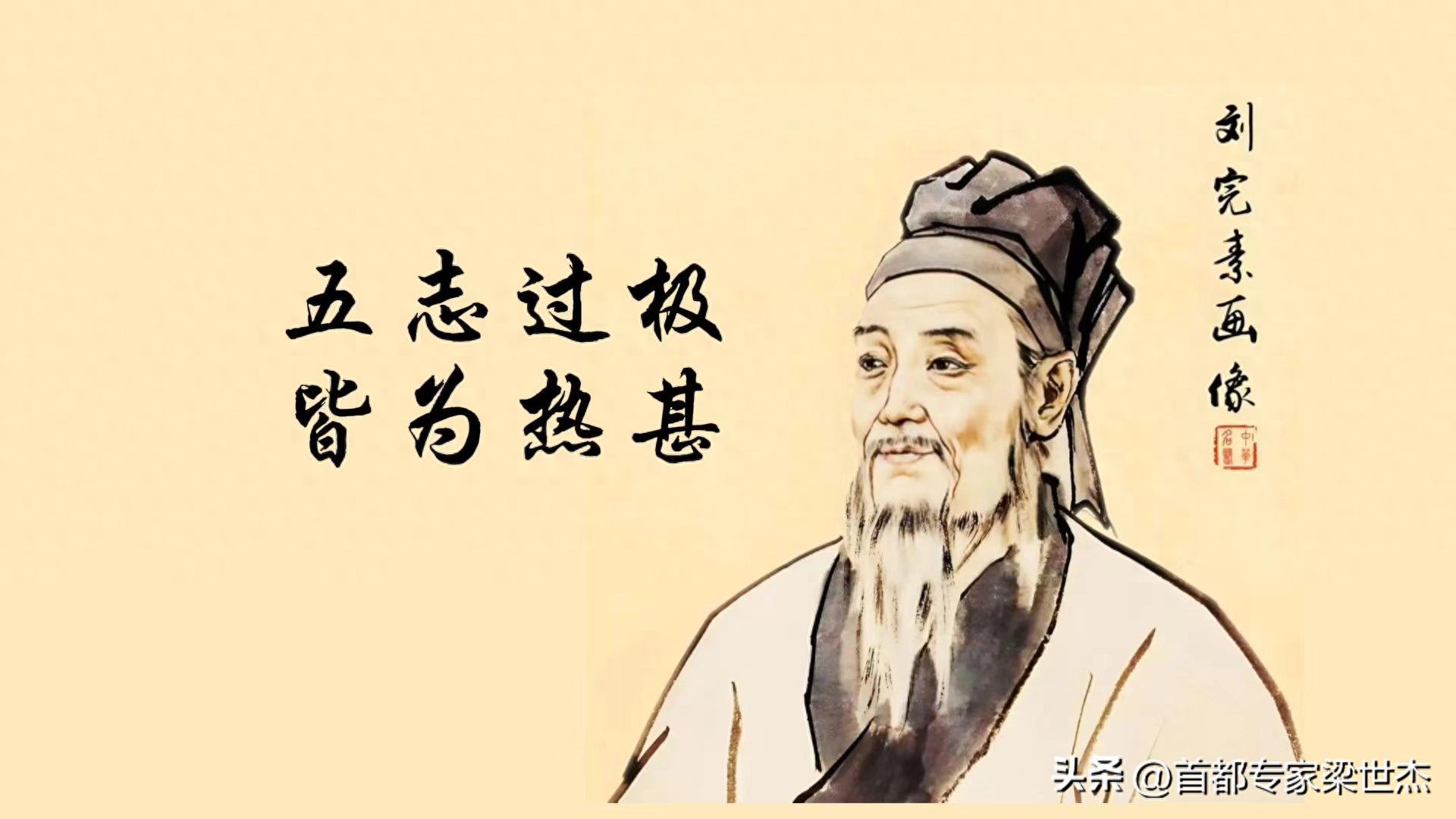
在悠悠華夏的醫學長河中,有一句振聾發聵之語——“情之所傷,則皆屬火熱”,猶如一道劃破夜空的閃電,瞬間照亮了中醫學對情志與疾病關係的深邃認知。明朝劉完素提出的“五志過極,皆爲熱甚也”這一觀點,宛如一顆璀璨的星辰,在中醫學的浩瀚天空中閃耀着獨特的光芒,它也是中醫學“五志化火”病機術語的最早論述,爲我們打開了一扇通往身心奧祕的大門。
情志密碼:臟腑與情感的微妙對話
《黃帝內經》宛如一部古老而神祕的智慧寶典,它告訴我們,人類的“七情”“五志”絕非是虛無縹緲的情感波動,而是機體對環境刺激所作出的應答反應,更是臟腑精氣活動的外在表現。這就好比一場盛大的音樂會,五臟六腑是演奏家,而“七情”“五志”則是他們奏響的華麗樂章。
《素問·陰陽應象大論》中說“人有五臟化五氣,以生喜、怒、思、悲、恐”,《素問·宣明五氣》也提到“精氣並於心則喜,並於肺則悲,並於肝則憂,並於脾則畏,並於腎則恐”。這些經典語句,就像一把把精準的鑰匙,打開了我們對臟腑與情志關係理解的大門。當人的情志處於和諧狀態時,臟腑精氣活動就像一臺精密的機器,有條不紊地運轉着,身體自然健康無恙。然而,一旦情志失度,“七情”“五志”過極或抑鬱,就如同平靜的湖面被投入了巨石,必然導致臟腑精氣活動紊亂,疾病也就悄然降臨。
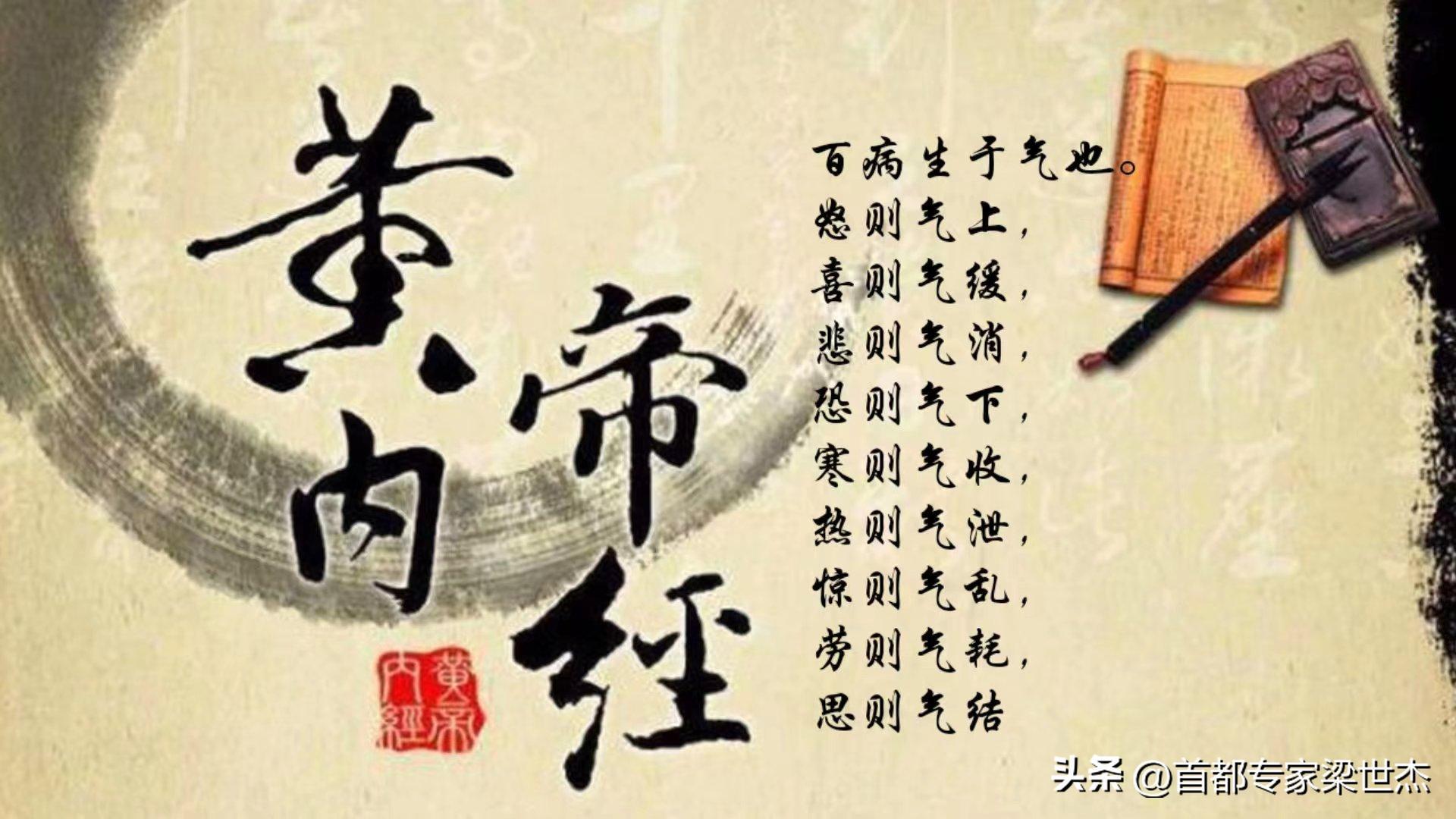
《素問·舉痛論》中記載“百病生於氣也,怒則氣上,喜則氣緩,悲則氣消,恐則氣下……驚則氣亂,勞則氣耗,思則氣結”,這就像一幅生動的畫卷,將情志致病的過程展現得淋漓盡致。想象一下,一個人在憤怒時,就像一座即將噴發的火山,氣血上湧,頭昏腦漲;而在悲傷時,又彷彿一朵逐漸枯萎的花朵,精神萎靡,氣息微弱。這些生動的比喻,讓我們深刻感受到了情志對身體的巨大影響。
五志化火:情志過極的“燃燒”危機
劉完素這位醫道大家,基於對臟腑精氣爲“七情”“五志”發生物質基礎的深刻認識,提出了一個震撼醫學界的觀點——“七情”“五志”過極,便會導致臟腑精氣活動紊亂,氣機鬱滯而化火。這就像是一場無形的火災,在身體內部悄然蔓延。
他在《素問玄機原病式·六氣爲病·熱類》中說道:“五臟之志者,怒、喜、悲、思、恐也。若志過度則勞,勞則傷本髒。凡五志所傷,皆熱也。”爲了進一步論證“五志所發,皆爲熱”的觀點,他還列舉了臨牀實例:“多喜爲癲,多怒爲狂。然喜爲心志,故心熱甚則多喜而爲癲也,怒爲肝志,肝實則多怒而爲狂。”這就好比一個警鐘,時刻提醒着我們情志過極的危害。
在現代社會,我們不難看到這樣的例子。有一位職場精英,長期處於高強度的工作壓力下,情緒極度焦慮和抑鬱。漸漸地,他開始出現失眠、頭痛、口腔潰瘍等症狀,身體就像一臺超負荷運轉的機器,出現了各種故障。去醫院檢查,醫生髮現他體內有明顯的內熱症狀,這正是“五志化火”的典型表現。還有一位年輕人,因爲一次重大的挫折而陷入極度的悲傷之中,整天茶不思飯不想,身體迅速消瘦。沒過多久,他就患上了嚴重的胃病,這也是情志過極導致臟腑功能失調的結果。
據相關研究表明,在患有身心疾病的人羣中,有超過百分之六十的人存在情志失調的問題。這一數據就像一面鏡子,清晰地映照出情志與疾病之間的緊密聯繫。
治火爲先:情志調理的智慧之道
既然“情之所傷,則皆屬火熱”,那麼調理情志,治火爲先就成爲了維護身心健康的關鍵。這就像是一場滅火行動,我們要找到火源,然後採取有效的措施將其撲滅。
在日常生活中,我們可以通過多種方式來調理情志。比如,運動就像一場酣暢淋漓的舞蹈,它可以讓我們的身體釋放出內啡肽等快樂激素,緩解壓力,調節情緒。當我們在操場上奔跑、在健身房裏揮灑汗水時,那些煩惱和憂愁就像被風吹散的雲朵,漸漸消散。
音樂也是一種神奇的治癒力量。輕柔的古典音樂就像一股清泉,流淌在我們的心田,讓我們的心靈得到寧靜和放鬆;而激昂的搖滾音樂則像一把火炬,點燃我們內心的激情,讓我們釋放出壓抑的情緒。
此外,與親朋好友的交流和傾訴也是非常重要的。當我們把自己的煩惱和困惑告訴他人時,就像把沉重的包袱卸了下來,心情也會變得輕鬆起來。這就像一場溫暖的聚會,我們在分享中感受到了關愛和支持。
情志與健康的關係,就像一場緊密的舞蹈,相互影響,相互制約。“情之所傷,則皆屬火熱”這一觀點,爲我們揭示了情志致病的奧祕,也爲我們指明瞭調理情志、維護健康的方向。讓我們在這紛繁複雜的世界中,學會調控自己的情志,以平和的心態面對生活的挑戰,讓身心在健康的軌道上和諧運行。因爲,只有擁有健康的身心,我們才能擁抱美好的未來,書寫屬於自己的精彩人生。
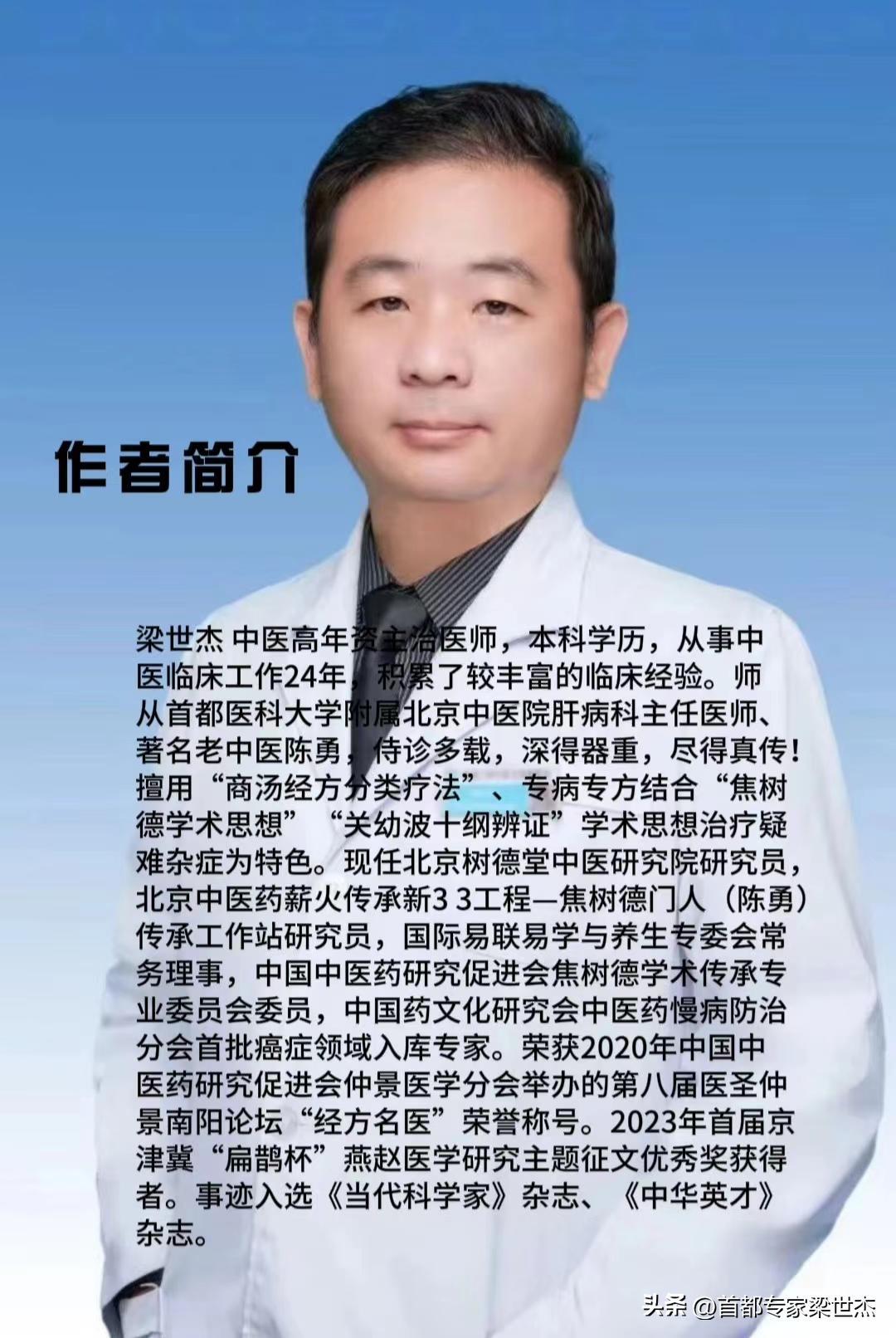
作者簡介:梁世傑 中醫高年資主治醫師,本科學歷,從事中醫臨牀工作24年,積累了較豐富的臨牀經驗。師從首都醫科大學附屬北京中醫院肝病科主任醫師、著名老中醫陳勇,侍診多載,深得器重,盡得真傳!擅用“商湯經方分類療法”、專病專方結合“焦樹德學術思想”“關幼波十綱辨證”學術思想治療疑難雜症爲特色。現任北京樹德堂中醫研究院研究員,北京中醫藥薪火傳承新3+3工程—焦樹德門人(陳勇)傳承工作站研究員,國際易聯易學與養生專委會常務理事,中國中醫藥研究促進會焦樹德學術傳承專業委員會委員,中國藥文化研究會中醫藥慢病防治分會首批癌症領域入庫專家。榮獲2020年中國中醫藥研究促進會仲景醫學分會舉辦的第八屆醫聖仲景南陽論壇“經方名醫”榮譽稱號。2023年首屆京津冀“扁鵲杯”燕趙醫學研究主題徵文優秀獎獲得者。事蹟入選《當代科學家》雜誌、《中華英才》雜誌。
Regulate emotions and cure fire first: explore the hidden secret code of physical and mental health
In the long river of medicine in China, there is a deafening saying - "What hurts love is hot", like a lightning bolt that pierced the night sky, instantly illuminating the profound understanding of the relationship between emotion and disease in traditional Chinese medicine. The view that "the five wills are too extreme, all very hot" put forward by Liu Wansu of the Ming Dynasty is like a bright star, shining with a unique light in the vast sky of traditional Chinese medicine, and it is also the earliest discussion of the pathogenesis of traditional Chinese medicine "five wills and fire", which opens a door to the mysteries of body and mind for us.
Emotional Code: A subtle dialogue between visceral and emotional
"Huangdi Neijing" is like an ancient and mysterious wisdom book, which tells us that human beings'' "seven emotions" and "five wills" are by no means ethereal emotional fluctuations, but the body''s response to environmental stimuli, and it is also the external manifestation of the activity of the organs. This is like a grand concert, where the internal organs are the performers, and the "Seven Emotions" and "Five Wills" are the gorgeous movements they play.
"Suwen Xuanming Five Qi" also mentions that "the essence is happy when it is in the heart, sad in the lungs, worried in the liver, fearful in the spleen, and fearful in the kidneys". These classic sentences, like precise keys, open the door to our understanding of the relationship between internal organs and emotions. When people''s emotions are in a state of harmony, the activity of the organs and essence is like a precision machine, running in an orderly manner, and the body is naturally healthy and healthy. However, once the emotions are lost, the "seven emotions" and "five wills" are excessively extreme or depressed, just like a boulder is thrown into a calm lake, which will inevitably lead to the disorder of the activity of the organs and qi, and the disease will quietly come.
"Suwen Pain Theory" records that "all diseases arise from qi, anger is angry, anger is up, joy is slow, sadness is dissipation, and fear is down...... Shock is chaotic, fatigue is exhausted, and thinking is qi congestion", which is like a vivid picture, showing the process of emotional illness to the fullest. Imagine that when a person is angry, he is like a volcano about to erupt, with blood and blood surging and dizziness; and when sad, it is like a flower that gradually withers, with a sluggish spirit and a weak breath. These vivid metaphors make us deeply feel the great impact of emotions on the body.
Five Intentions of Fire: The "burning" crisis of excessive emotions
Liu Wansu, a medical expert, based on his deep understanding of the material basis for the occurrence of the "seven emotions" and "five wills" of the visceral essence, put forward a point of view that shocked the medical community - if the "seven emotions" and "five wills" are excessive, it will lead to disorders in the activity of the essence and qi of the viscera, and the qi machine will stagnate and turn into fire. It''s like an invisible fire that spreads quietly inside the body.
He said in "Suwen Xuanji Original Disease, Six Qi as Disease, Heat": "The will of the five organs is angry, happy, sad, thoughtful, and fearful. If the will is excessive, it will lead to fatigue, and fatigue will damage the internal organs. All five injuries are heat. In order to further demonstrate the view that "the five wills are all hot", he also cited clinical examples: "More joy is madness, more anger is madness." However, joy is the will of the heart, so when the heart is hot, it can lead to more joy and madness; anger is the liver''s will, and when the liver is full, it can lead to anger and madness. This is like a wake-up call, always reminding us of the dangers of excessive emotions.
In modern society, it is not difficult to see such examples. There is a workplace elite who has been under high-intensity work pressure for a long time, and is extremely anxious and depressed. Gradually, he began to experience symptoms such as insomnia, headaches, mouth sores, etc., and his body was like an overloaded machine, with various malfunctions. When he went to the hospital for examination, the doctor found that he had obvious internal heat symptoms in his body, which was a typical manifestation of "five wills of fire". There is also a young man who fell into extreme sadness because of a major setback, and his body was rapidly losing weight. It didn''t take long for him to suffer from severe stomach problems, which was also the result of visceral dysfunction caused by excessive emotion.
According to relevant studies, more than 60% of people with physical and mental illnesses have emotional disorders. This data is like a mirror that clearly reflects the close connection between emotion and disease.
Fire first: the wisdom of emotional conditioning
Since "what is hurt by emotion is all fire", then regulating emotions and curing fire first has become the key to maintaining physical and mental health. It''s like a firefighting operation, where we find the source of the fire and then take effective measures to extinguish it.
In daily life, we can regulate our emotions in a variety of ways. For example, exercise is like a hearty dance, it allows our body to release happy hormones such as endorphins, relieve stress, and regulate mood. When we run on the playground and sweat in the gym, those worries and sorrows are like clouds blown by the wind, gradually dissipating.
Music is also a magical healing power. Soft classical music is like a clear spring, flowing in our hearts, allowing our souls to be peaceful and relaxed; And the passionate rock music is like a torch, igniting our inner passion and allowing us to release our pent-up emotions.
In addition, communication and confiding with relatives and friends are also very important. When we tell others about our troubles and confusions, it''s like weaving off a heavy burden, and our mood becomes lighter. It was like a warm gathering, and we felt loved and supported in sharing.
The relationship between emotion and health is like a close dance, influencing and restricting each other. The view that "what hurts emotion is all fiery" reveals the mystery of emotional disease for us, and also points out the direction for us to regulate emotions and maintain health. Let us learn to regulate our emotions in this complex world, face the challenges of life with a peaceful mind, and let our bodies and minds run harmoniously on a healthy track. Because, only by having a healthy body and mind can we embrace a better future and write our own wonderful life.
Author Bio: Liang Shijie is a senior medical practitioner in traditional Chinese medicine with an undergraduate degree. He has been engaged in traditional medicine clinical work for 24 years and has accumulated a wealth of clinical experience. Following Chen Yong, chief physician of liver disease at Beijing Traditional Medicine Hospital, affiliated with Capital Medical University, and renowned old Chinese medicine, he has been treated for many years and received great attention. He specializes in the treatment of difficult diseases using "conversational traditional therapy" and special treatments combined with the academic ideas of Jiao Shude and Guan Yubo''s ten-level diagnosis.He is currently a researcher at the Shude Tang TCM Research Institute in Beijing, a fellow at the new 3 + 3 project of traditional Chinese medicine flame inheritance in Beijing - a scholar at the inheritance workstation of Jiao Shude''s protégés (Chen Yong),He is a standing committee member of the International Expert Committee on E-learning and Health Care, a member of the Jiao Shude Academic Heritage Special Committee of the Chinese Association for the Advancement of Chinese Medicine Research, and the first cancer specialist to be included in the chapter of the Chinese Pharmaceutical Culture Research Association. Won the 2020 China Association for the Promotion of Traditional Chinese Medicine Zhongjing Medical Branch held the eighth session of the Medical Saint Zhongjing Nanyang Forum "Classic Prescription Famous Doctor" honorary title. The winner of the first Beijing-Tianjin-Hebei "Pingui Cup" Yanzhao Medical Research Essay Award in 2023. His work was featured in the journal Current Scientist and the journal Chinese Talent.