醫道之變:從辛溫到辛涼的千年探祕
在醫道那片廣袤無垠、神祕莫測的天地裏,證候與治法的關係,恰似一場沒有固定劇本的精彩大戲,處處充滿着變數與驚喜。你瞧,證候治法絕非是那種可以事先約定、死板教條之物,它就像一位靈動的舞者,要隨着證候的變化而隨機應變,以實事求是的態度,靈活地制定出最適宜的治法。這就好比戰場上的將軍,得根據敵人的動態和戰場的形勢,隨時調整作戰策略,方能克敵制勝。
辛溫之始:仲景謹慎下的解表風雲
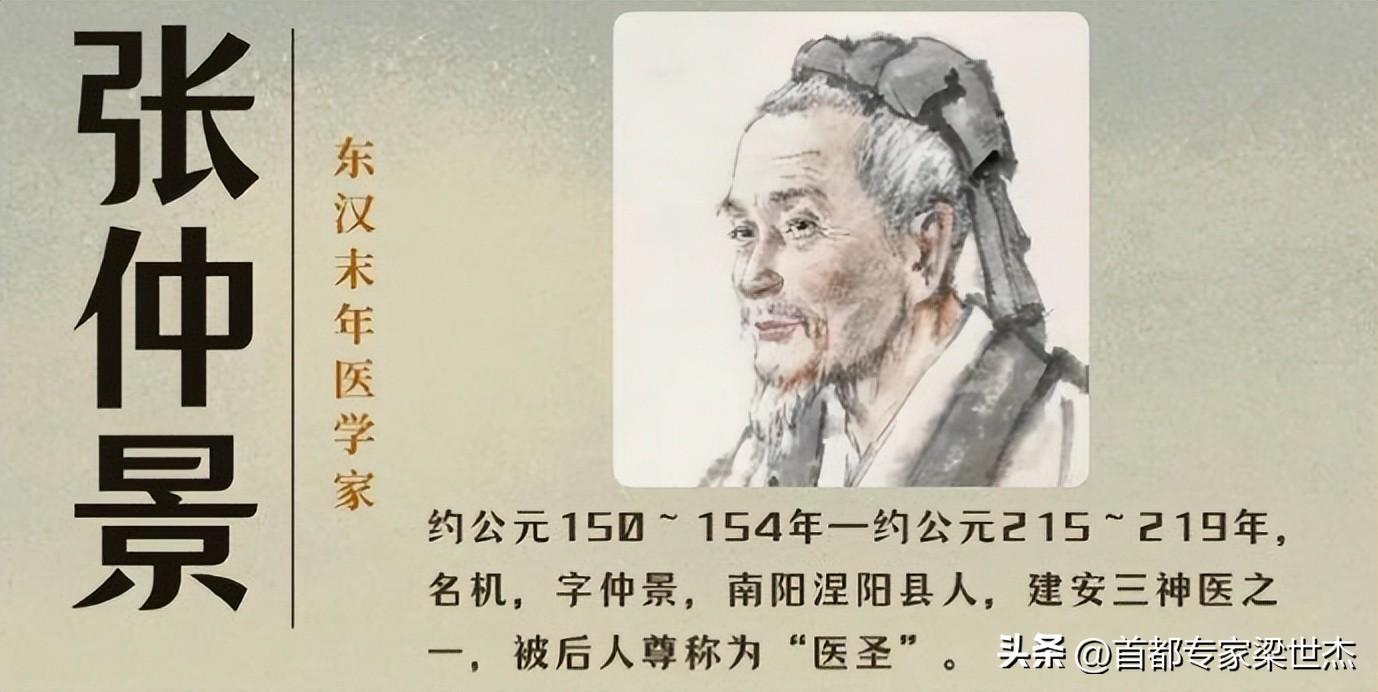
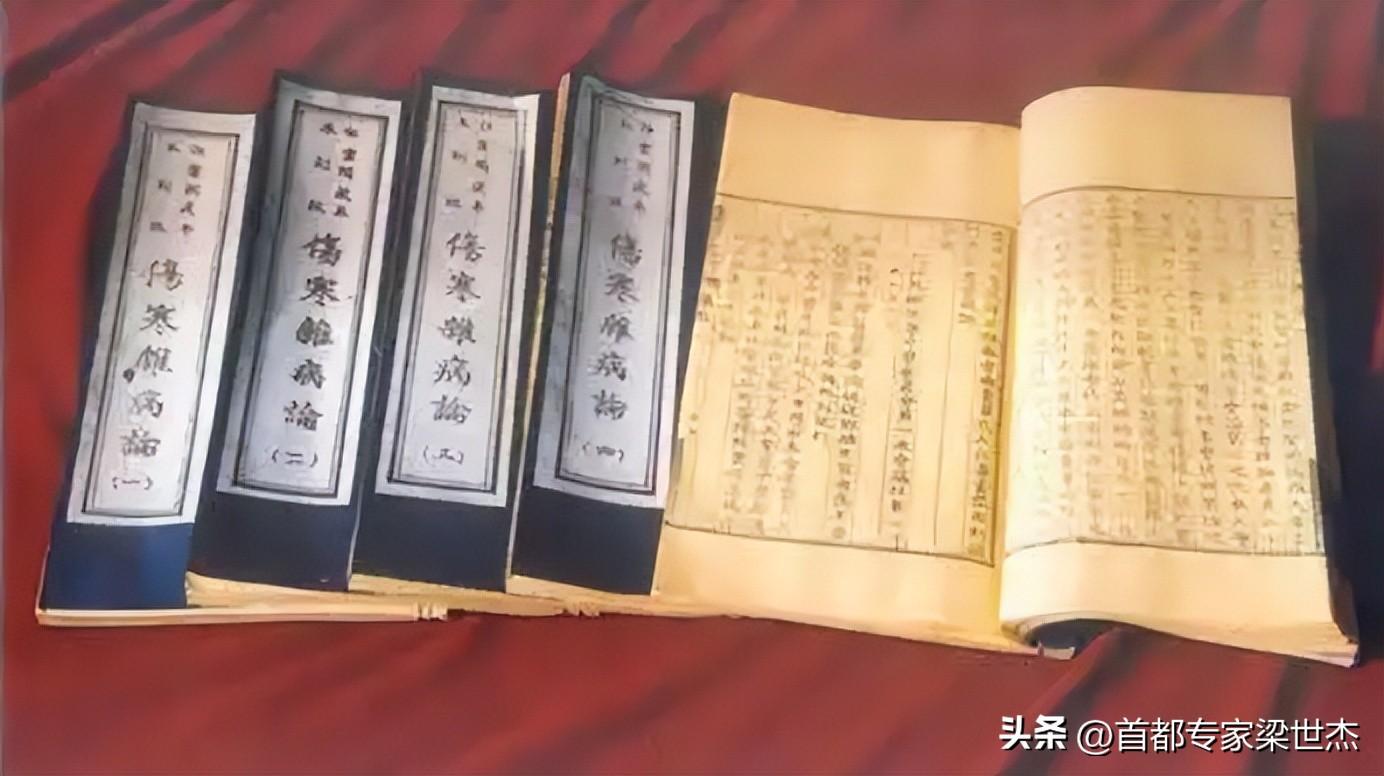
遙想張仲景所處的時代,那是一個醫道探索初期的朦朧世界。在《傷寒雜病論》問世之前,以溫熱藥治療廣義傷寒表證的方法,可謂是風靡一時,就像如今街頭巷尾流行的一種時尚潮流。大家都習慣性地用溫熱之藥來驅散體表的寒邪,彷彿這是一種約定俗成的治病法則。
然而,張仲景這位醫道巨擘,卻有着與衆不同的見解和謹慎的態度。他雖然將麻黃湯、桂枝湯作爲基本解表方劑,但在具體運用上,那可是慎之又慎,就像一位技藝高超的工匠在雕琢一件珍貴的藝術品。他對各種誤汗後變證的治療尤爲獨到,那些因誤用汗法而引發的複雜病情,在他的筆下都能得到妥善的處理。《傷寒雜病論》甚至被後世譽爲補偏救弊之書,就像一座照亮醫道黑暗的燈塔,爲後人指引着正確的方向。
我曾聽聞這樣一個故事,有一位患者,患了傷寒表證,起初醫生按照常規的溫熱藥治療方法給他用藥,結果患者不僅沒有好轉,反而出現了煩躁、口渴等變證。後來,醫生仔細研讀了《傷寒雜病論》,根據書中對誤汗後變證的論述,重新調整了治法,患者才逐漸康復。這個故事就像一面鏡子,清晰地映照出張仲景謹慎用藥、靈活治法的重要性。
辛涼初現:晉唐宋元的探索之路
時光流轉,到了晉唐時期,醫道上又有了新的變化。此時,雖已有辛涼解表方藥,但就像一顆剛剛破土而出的幼苗,還十分稚嫩。既無系統的理論認識,又往往藥不分經,寒熱雜陳,就像一盤沒有經過精心調配的大雜燴。醫生們在用藥時,常常是摸着石頭過河,心中沒有十足的把握。
到了宋金元時期,醫家們對辛溫發汗易致變證、造成弊害的認識逐漸加深。這就好比一場激烈的辯論賽,諸醫學名家紛紛著述立說,辯辛溫發汗之難用,倡辛涼解表之易施。他們就像一羣勇敢的探險家,在醫道的未知領域中不斷探索,尋找着更安全、更有效的治療方法。這一時期的影響十分深遠,就像一顆投入平靜湖面的石子,激起了層層漣漪,爲後來辛涼解表法的發展奠定了堅實的基礎。
據相關史料記載,在宋金元時期,因辛溫發汗而導致病情加重的案例屢見不鮮。有一位患者,患了外感病,醫生一開始用辛溫發汗的方法治療,結果患者出現了高熱、神昏等症狀。後來,另一位醫生根據當時醫家們對辛溫發汗弊害的認識,改用辛涼解表的方法,患者才轉危爲安。這個案例就像一個警鐘,提醒着醫家們要謹慎使用辛溫發汗之法。
辛涼定局:明清醫家的智慧結晶
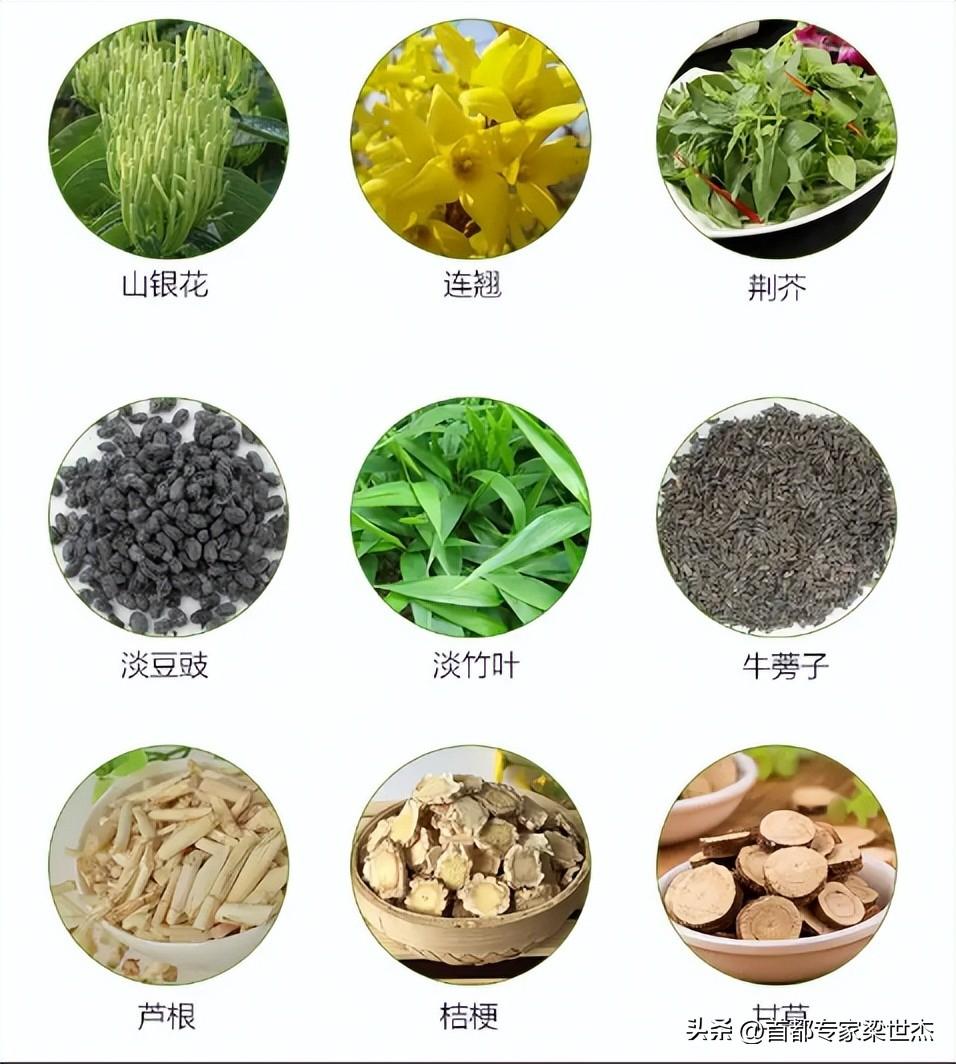
明清時期,溫熱病學家們將辛涼解表作爲基本法則,就像給醫道制定了一條明確的規則。但他們也並非一味地推崇辛涼解表,而是認爲外感熱病表證初期不可過用寒涼藥物,否則表閉不解,病也不除。這就好比一把雙刃劍,用得好能治病救人,用不好則會傷人害己。
辛涼解表法的創立,經歷了漫長的歷史時期,是幾代醫家的反覆探索。它就像一顆璀璨的明珠,在醫道的歷史長河中逐漸閃耀出耀眼的光芒。從辛溫發汗到辛涼解表的發展歷程,體現了外感熱病表證治法的進步,也反映出古今醫家對外感熱病認識的不斷深入和古今溫病概念的變遷。
寒溫之爭:千年未決的醫道謎題
張仲景的時代沒有辛涼解表法,而且後世的辛涼解表方藥也進不了他的六經診治體系,這就好比兩個不同世界的人,有着各自獨特的語言和規則。於是,就有了長達千百年的寒溫論爭,就像一場沒有硝煙的戰爭,在醫道的舞臺上持續上演。
在這場論爭中,外感病後期是應該急當救陰液,還是應該急救回陽,成爲了一個爭論的焦點。這就好比在黑暗中尋找光明,醫家們各執一詞,爭論不休。因爲亡陽和亡陰都可發生,不是傷寒必然亡陽,溫病必然亡陰。傷寒與溫病,都是傳染病,都可以衰竭而亡,就像兩條不同的道路,最終都可能通向死亡的深淵。
有一位老中醫,曾經遇到過一個外感病後期的患者,病情十分危急。有的醫生主張急當救陰液,有的醫生則主張急救回陽。老中醫經過仔細的辨證,根據患者當下的證候,果斷地採取了相應的治療方法,最終患者轉危爲安。這個案例就像一個謎題的答案,告訴我們不能事先約定治療方法,必須根據當下的證候來決定。
醫道如海,深不可測。從辛溫發汗到辛涼解表的發展歷程,就像一部波瀾壯闊的史詩,記錄着醫家們的智慧和探索。我們應當從這段歷史中汲取教訓,明白證候治法要隨機應變,實事求是。在面對疾病時,我們要像醫道中的智者一樣,冷靜分析,靈活應對,用最適宜的治法爲患者的健康保駕護航。因爲,在醫道的世界裏,每一次正確的選擇,都可能挽救一條生命,創造一個奇蹟。
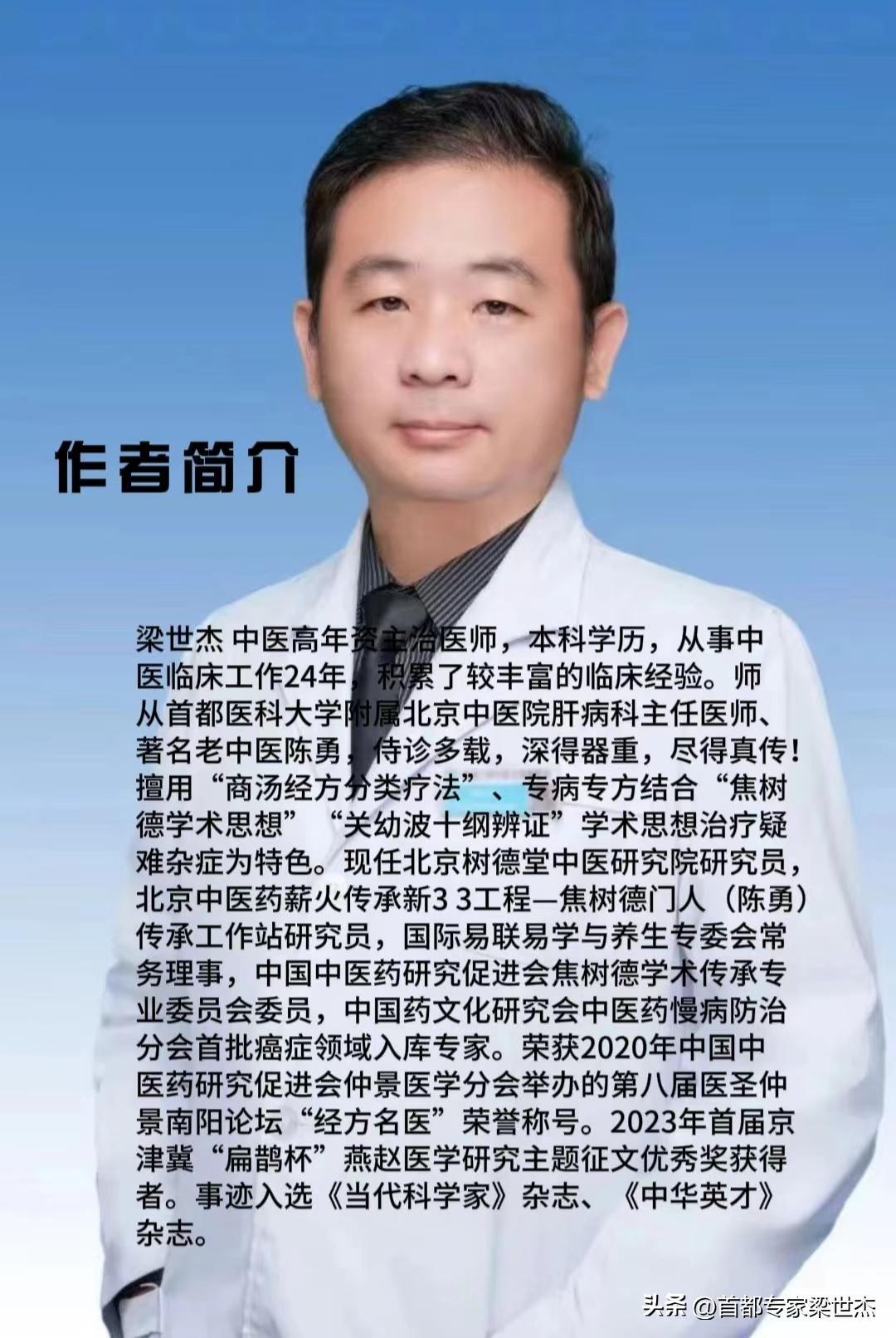
作者簡介:梁世傑 中醫高年資主治醫師,本科學歷,從事中醫臨牀工作24年,積累了較豐富的臨牀經驗。師從首都醫科大學附屬北京中醫院肝病科主任醫師、著名老中醫陳勇,侍診多載,深得器重,盡得真傳!擅用“商湯經方分類療法”、專病專方結合“焦樹德學術思想”“關幼波十綱辨證”學術思想治療疑難雜症爲特色。現任北京樹德堂中醫研究院研究員,北京中醫藥薪火傳承新3+3工程—焦樹德門人(陳勇)傳承工作站研究員,國際易聯易學與養生專委會常務理事,中國中醫藥研究促進會焦樹德學術傳承專業委員會委員,中國藥文化研究會中醫藥慢病防治分會首批癌症領域入庫專家。榮獲2020年中國中醫藥研究促進會仲景醫學分會舉辦的第八屆醫聖仲景南陽論壇“經方名醫”榮譽稱號。2023年首屆京津冀“扁鵲杯”燕趙醫學研究主題徵文優秀獎獲得者。事蹟入選《當代科學家》雜誌、《中華英才》雜誌。
A shift in medicine: a millennia-long exploration from bitterness to bitterness
In the vast and mysterious landscape of medical science, the relationship between symptoms and healing is like a great drama without a fixed script, full of variables and surprises. You see, the treatment of syndromes is by no means something that can be agreed upon in advance or be rigidly dogmatic. It is like a flexible dancer who adapts to the changing of syndromes and flexibly formulates the most appropriate treatment method with an approach to seek truth from facts. It is like a general on the battlefield, who must adjust the battle strategy at any time according to the enemy''s dynamics and the situation on the battle field in order to defeat the enemy.
The beginning of hardship: Zhong Jing''s cautious settlement of the weather
Looking back, the era in which Zhang Zhongjing lived was a hazy world at the beginning of medical exploration. Before the publication of the Annals of Typhoid, the method of treating generalized typhoid symptoms with warm medicine was very popular, like a fashion trend that is now popular on the streets. Everyone has a habit of using warm medicine to disperse the cold from the body, as if it were a well-established law of healing.
However, Zhang Zhongjing, a giant of medical science, has a different perspective and a cautious attitude. Although he used turmeric soup and laurel soup as basic dietary remedies, he used them carefully, as if a skilled craftsman were caring for a precious work of art. His treatment of various post-perspirant syndromes is particularly unique, and those complex conditions caused by the wrong sweating method can be properly handled under his writing. The Theory of Typhoid Syndrome was even hailed as a book of remedies for prejudices, like a beacon that illuminated the darkness of medical science, and guided future generations in the right direction.
I once heard a story about a patient who had a symptom of typhoid fever. At first, the doctor treated him according to the usual treatment of warm medicine. Instead of improving, the patient developed symptoms such as irritability and thirst. Later, the doctor carefully studied the Annals of Typhoid and readjusted the treatment according to the book''s description of the changes after mistaken sweating, and the patient gradually recovered. This story is like a mirror that clearly reflects the importance of Zhang Zhongjing''s prudent use of medicine and flexible treatment.
The First appearance of Sin Li: The Journey of Exploration by Song Yuan of Jin and Tang
Time went by, and during the Jin and Tang period, there were new changes in medical practice. At this time, although there were already antidotes, it was like a seedling that had just burst out of the ground and was still very young. There is no systematic theoretical understanding, and often the drugs do not know the time of day, are cold and hot, like a plate of noodles that have not been carefully prepared. When the doctors used medicine, they often crossed the river with their hands on stones, without complete certainty in their minds.
By the Song and Jin Yuan period, medical practitioners'' understanding of the vulnerability of intense sweating to illnesses grew. It was like a heated debate, with medical experts writing about how difficult it was to sweat and how easy it was to apply cold soothing to the face. They are like a group of brave explorers who are constantly exploring the uncharted frontiers of medicine in search of safer and more effective treatments. The influence of this period is very far-reaching, like a stone thrown into the calm lake, stirred up layers of ripples, for the later development of Xin Liang relieving superficies method laid a solid foundation.
According to relevant historical records, during the Song and Jin Yuan period, cases of intense sweating causing the condition to worsen were common. One patient suffered from an external infection. The doctor initially treated the patient with cold sweating, but the patient developed high fever and fainting. Later, another doctor, based on the understanding of the doctors at the time of the evils of sweating warmly, changed the method of cold soothing the face, and the patient was saved. The case serves as a wake-up call for doctors to be cautious about using the technique of sweating.
Sin Li''s Conclusion: The Crystallization of the Wisdom of Ming and Qing Doctors
During the Ming and Qing Dynasties, feverologists regarded silicosis as a basic law, as if it were a clear rule for medical science. However, they also did not always promote the use of cold remedies, but believed that cold medicine should not be used in the early stage of the symptom of an external fever, otherwise the symptom will not be closed and the disease will not be eliminated. It is like a double-edged sword, which, when used well, can cure a disease and save a person, but when used poorly, it will hurt others and harm oneself.
The establishment of Xin Liang relieving superficies method has experienced a long historical period and is the repeated exploration of several generations of physicians. It is like a shining pearl that gradually shines brightly throughout the history of medicine. The development process from Yin sweating to Yin cooling reflects the progress of the symptoms and treatment methods for foreign fever diseases, and also reflects the continuous deepening of the understanding of foreign thermal diseases by ancient and modern medical practitioners and the changes in the concept of traditional and modern fever illnesses.
The Cold War: A thousand-year-old medical mystery
In Zhang Zhongjing''s time, there was no Xin Liang relieving superficies method, and the later Xin Liang relieving superficies prescription could not enter his system of diagnosis and treatment of six meridians. This is like two different worlds, each with its own unique language and rules. As a result, there has been a cold-weather dispute that has lasted for thousands of years, like a war without smoke, continuing on the stage of medical science.
In this debate, whether it is more urgent to rectify the deficiency of yin fluids or to restore yang energy in the later stages of a disease caused by external factors has become a focal point of discussion. It''s like looking for light in the dark, and the doctors argue and disagree. Because degeneration of the yang and yang can occur, it is not that typhoid fever necessarily degenerates the yang, and mild illness necessarily defeats the yang. Typhoid and febrile diseases, both infectious diseases, can fail and die, like two different paths that can ultimately lead to death.
An old Chinese medicine practitioner once met a patient who was in the advanced stage of an exposure to a foreign infection and who was in a very critical condition. Some doctors advocate treating the deficiency of yin fluids as a priority, while others suggest focusing on restoring yang energy as a matter of urgency. After careful diagnosis, the old Chinese medicine decisively adopted the corresponding treatment according to the patient''s present symptoms, and eventually the patient turned to safety. This case is like the answer to a puzzle that shows us that we cannot agree on treatments in advance and must decide on the symptoms in the moment.
The realm of medicine is vast and profound, like an ocean that is impossible to fully comprehend. The development from sweating to cooling the watch is like a magnificent epic documenting the wisdom and exploration of medical practitioners. We should draw a lesson from this history and understand that the syndrome and treatment should be adaptable and to seek truth from facts. When faced with diseases, we should be like wise men in medical science, calmly analyze, respond flexibly, and use the most appropriate treatment to protect the health of the patient. Because in the world of medicine, every right choice can save a life and create a miracle.
Author Bio: Liang Shijie is a senior medical practitioner in traditional Chinese medicine with an undergraduate degree. He has been engaged in traditional medicine clinical work for 24 years and has accumulated a wealth of clinical experience. Following Chen Yong, chief physician of liver disease at Beijing Traditional Medicine Hospital, affiliated with Capital Medical University, and renowned old Chinese medicine, he has been treated for many years and received great attention. He specializes in the treatment of difficult diseases using "conversational traditional therapy" and special treatments combined with the academic ideas of Jiao Shude and Guan Yubo''s ten-level diagnosis.He is currently a researcher at the Shude Tang TCM Research Institute in Beijing, a fellow at the new 3 + 3 project of traditional Chinese medicine flame inheritance in Beijing - a scholar at the inheritance workstation of Jiao Shude''s protégés (Chen Yong),He is a standing committee member of the International Expert Committee on E-learning and Health Care, a member of the Jiao Shude Academic Heritage Special Committee of the Chinese Association for the Advancement of Chinese Medicine Research, and the first cancer specialist to be included in the chapter of the Chinese Pharmaceutical Culture Research Association. Won the 2020 China Association for the Promotion of Traditional Chinese Medicine Zhongjing Medical Branch held the eighth session of the Medical Saint Zhongjing Nanyang Forum "Classic Prescription Famous Doctor" honorary title. The winner of the first Beijing-Tianjin-Hebei "Pingui Cup" Yanzhao Medical Research Essay Award in 2023. His work was featured in the journal Current Scientist and the journal Chinese Talent.