餐桌風雲:情緒之殤下的飲食悲歌
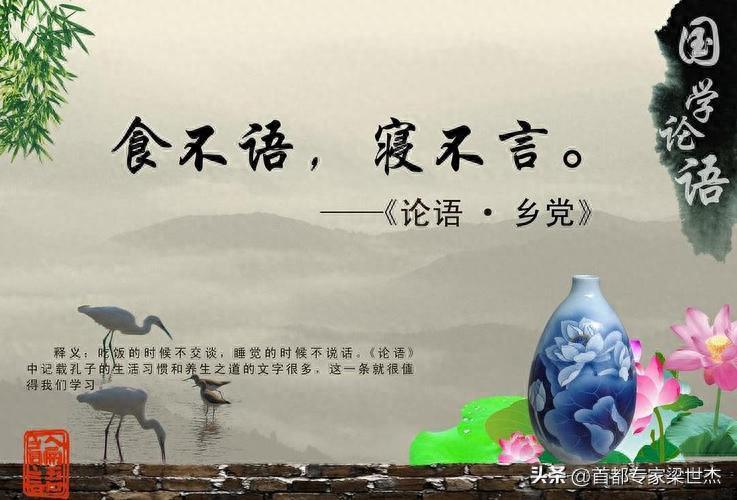
“古人云:食不言,寢不語。”這短短八字,宛如一記洪鐘,在歷史的長河中悠悠迴盪,敲醒了多少人對飲食禮儀與身心健康的思索。在那遙遠的舊時光裏,餐桌靜靜飲食,是一幅溫潤而祥和的畫卷,是優良傳統裏一抹靜謐的色彩。一家人圍坐,輕聲細語間,飯菜的香氣與親情的溫暖交織,那是歲月饋贈給我們的珍貴禮物。
然而,時代的車輪滾滾向前,進入新時代以後,餐桌的景象如同被施了魔法一般,變得五彩斑斕又紛繁複雜。工作餐上,人們爲了業務推杯換盞,談笑間皆是利益的權衡;團建餐裏,熱鬧的氛圍下藏着職場規則的暗流湧動;情感交流聚餐時,有人藉着酒勁傾訴衷腸,有人卻在觥籌交錯中迷失了自我。這些五花八門的聚餐,如同一個個小小的舞臺,上演着人生的百態,卻也在不經意間,讓餐桌失去了那份原本的寧靜與純粹。
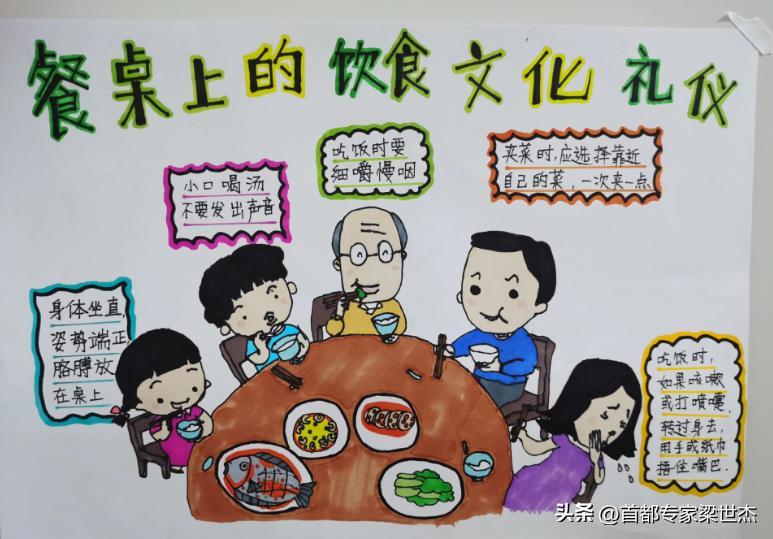
再把目光拉回到家庭內部,家庭聚餐是每日三餐必不可少的存在,它就像一條無形的紐帶,將一家人緊緊地聯繫在一起。每個家庭都有自己獨特的飲食氛圍和習慣,這些習慣如同家族的基因,代代相傳。有的家庭,餐桌上總是歡聲笑語,飯菜的香氣中瀰漫着濃濃的親情;而有的家庭,餐桌卻成了負面情緒的戰場,一場場沒有硝煙的戰爭在這裏悄然打響。
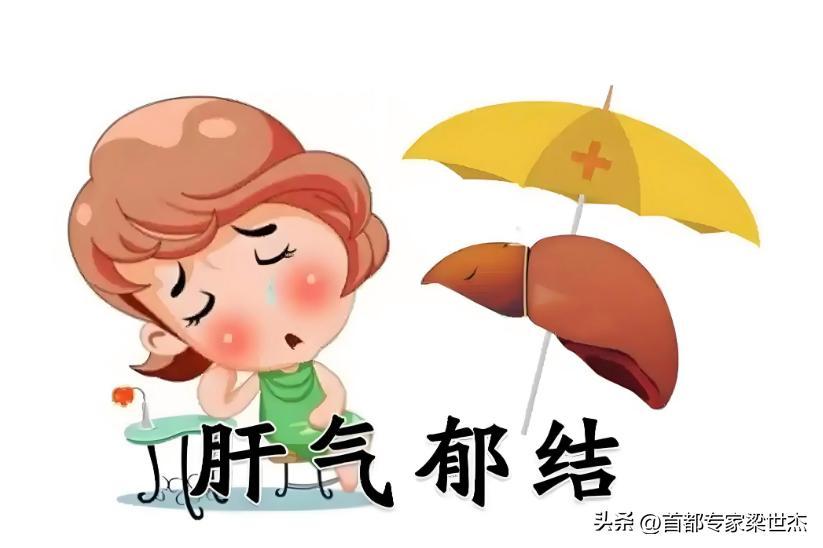
情緒鬱結,就像是餐桌上的“隱形殺手”,悄無聲息地侵蝕着我們的身心健康。“氣飽了”這句話,可不是一句玩笑話。想象一下,在一個本應溫馨的家庭進餐時刻,孩子因爲調皮被父親嚴厲訓斥,眼淚在眼眶裏打轉,卻只能默默地嚥下飯菜;夫妻之間因爲一點小事發生爭執,臉紅脖子粗,氣氛緊張得如同暴風雨來臨前的天空。這樣的場景,就像一把把鋒利的刀子,割破了家庭和諧的表象,讓肝氣鬱結的病理狀態悄然滋生。
從中醫的角度來看,肝鬱侵犯脾胃,就如同外敵入侵,脾胃這個身體的“糧倉”受到了嚴重的威脅。脾胃功能失調,水液代謝失常,便會生成痰溼。氣滯與痰溼膠結在一起,就像一團亂麻,形成了特殊的“情緒一體質”惡性循環。這可不是危言聳聽,有數據表明,在這類家庭中,成員的焦慮、抑鬱、失眠等情緒疾病發生率顯著增高,比正常家庭高出好幾倍。而且,這種不良的影響還呈現代際傳遞特徵,就像一個無形的詛咒,一代又一代地延續下去。
更值得注意的是,長期壓抑的餐桌氛圍,就像一顆隱藏在身體深處的定時炸彈,隨時可能引發器質性病變。甲狀腺結節、乳腺結節、子宮肌瘤、卵巢囊腫等病症,就像一個個不速之客,悄悄地找上門來。中醫將其歸因於肝氣鬱結、痰瘀互結的病理過程,這可不是空穴來風。《黃帝內經》中記載“怒甚則傷肝,思甚則傷脾”的經典論述,在此得到了生動的印證。進餐時的情緒價值,就像一把無形的鑰匙,能夠開啓健康或疾病的大門,往往比營養配比更能深遠地影響全家人的身心健康。
我曾聽聞這樣一個故事,有一個家庭,父親是個脾氣暴躁的人,每次喫飯時,只要孩子有一點不如他的意,就會大發雷霆。母親雖然心裏不滿,但也不敢多說什麼,只能默默地忍受着。久而久之,這個家庭的餐桌氛圍變得異常壓抑。孩子變得越來越膽小內向,學習成績也一落千丈;母親則經常感到身體不適,去醫院檢查,發現患上了乳腺結節。而父親自己,也因爲長期的情緒壓抑,患上了失眠症,整個人憔悴不堪。這個家庭的遭遇,就像一面鏡子,清晰地映照出了餐桌負面情緒對家庭成員身心健康的巨大危害。
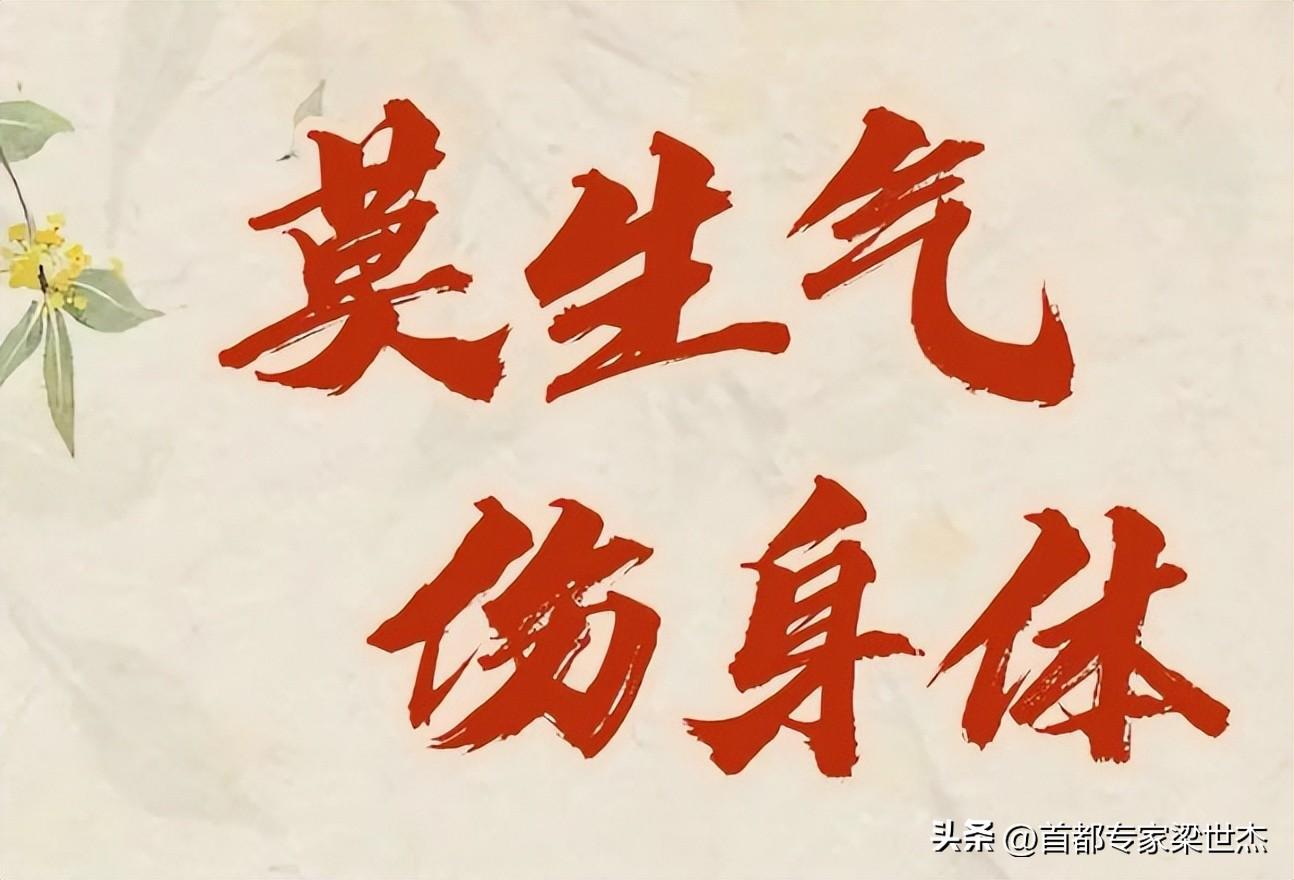
那麼,我們該如何打破這個惡性循環,讓餐桌重新煥發出溫暖與和諧的光芒呢?其實,答案就在我們自己的手中。當我們坐在餐桌前,不妨先放下手中的煩惱和壓力,給自己一個微笑,給家人一個溫暖的擁抱。在進餐的過程中,多一些關心和鼓勵,少一些指責和抱怨。就像給乾涸的土地澆上甘甜的水,讓親情的種子在餐桌上生根發芽。
“一粥一飯,當思來處不易;半絲半縷,恆念物力維艱。”我們在享受美食的同時,更應該珍惜這份與家人相聚的時光。讓我們從每一個餐桌開始,用積極的情緒和滿滿的愛,驅散負面情緒的陰霾,爲家人的身心健康撐起一片晴朗的天空。因爲,餐桌不僅僅是我們填飽肚子的地方,更是我們傳遞愛與溫暖、守護健康的港灣。讓我們攜手共進,在這小小的餐桌上,書寫屬於我們的健康與幸福的故事。
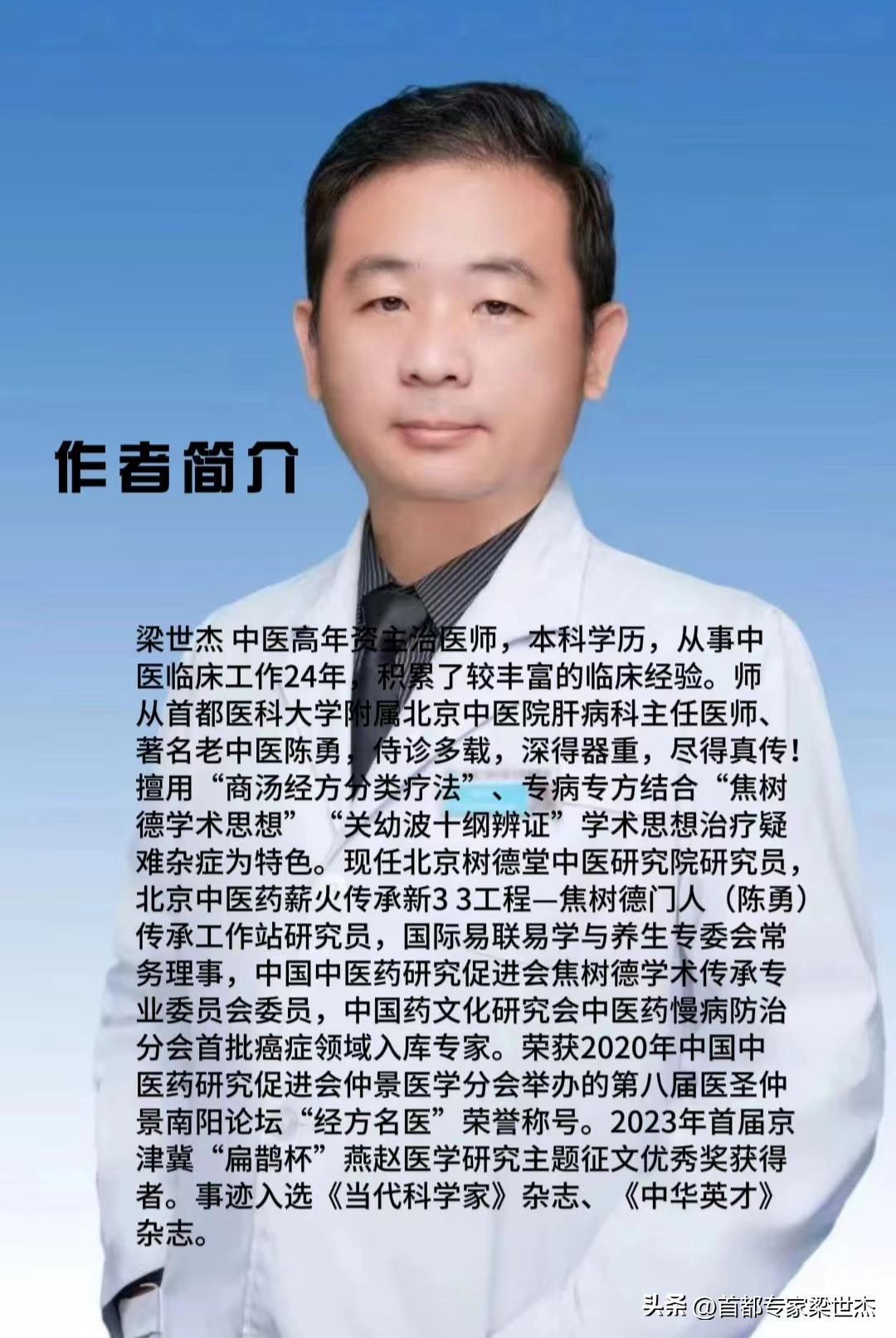
作者簡介:梁世傑 中醫高年資主治醫師,本科學歷,從事中醫臨牀工作24年,積累了較豐富的臨牀經驗。師從首都醫科大學附屬北京中醫院肝病科主任醫師、著名老中醫陳勇,侍診多載,深得器重,盡得真傳!擅用“商湯經方分類療法”、專病專方結合“焦樹德學術思想”“關幼波十綱辨證”學術思想治療疑難雜症爲特色。現任北京樹德堂中醫研究院研究員,北京中醫藥薪火傳承新3+3工程—焦樹德門人(陳勇)傳承工作站研究員,國際易聯易學與養生專委會常務理事,中國中醫藥研究促進會焦樹德學術傳承專業委員會委員,中國藥文化研究會中醫藥慢病防治分會首批癌症領域入庫專家。榮獲2020年中國中醫藥研究促進會仲景醫學分會舉辦的第八屆醫聖仲景南陽論壇“經方名醫”榮譽稱號。2023年首屆京津冀“扁鵲杯”燕趙醫學研究主題徵文優秀獎獲得者。事蹟入選《當代科學家》雜誌、《中華英才》雜誌。
The Dining Table: A Tragedy of Eating Under the Fear of Emotion
"The ancients said: ''I don''t eat, I don''t sleep.'' These short words, like a flood bell, have reverberated throughout history, awakening many people''s thoughts on eating etiquette and physical and mental health. In those distant old days, eating at a quiet table was a painting of warmth and peace, a quiet color in a good tradition. As the family sat around in soft words, the aroma of the meal was mingled with the warmth of the affection that the years had given us.
However, as the wheels of the time rolled forward, the dining room scene became as colorful and complex as a magic when the new era entered. At work meals, people change cups for the sake of business, and the conversation and laughter are a trade-off of interests. During group meals, the lively atmosphere hides the undercurrent of workplace rules; Emotionally communicating during a dinner party, some people use the energy of the drink to confide in their heart, while others lose themselves in the chaos of the bouquet. These diverse dinners are like small stages that play the full spectrum of life, but they also inadvertently lose the table''s original serenity and purity.
Looking back inside the family, family meals are essential to three meals a day. They act as an invisible bond that binds the family together. Each family has its own unique eating atmosphere and habits, which are passed down from generation to generation like the genes of the family. There are families where there is always laughter and laughter at the dinner table, and the aroma of the food is rich with family. In some families, the dining table has become a battleground for negative emotions, and wars without smoke are quietly being fought here.
Depression, like an "invisible killer" at the dinner table, quietly eats away at our physical and mental health. The phrase "angry" is not a joke. Imagine that during a supposedly warm family meal, the child was sternly reprimanded by his father for being naughty, tears rolled in his eyes, but was forced to swallow the meal in silence. The couple had a dispute over a small matter, blush and thick neck, and the atmosphere was as tense as the skies before a storm. This scenario, like a sharp knife, cut through the appearance of family harmony, so that the pathological status of stagnation of liver qi quietly breeding.
From the perspective of Chinese medicine, liver depression invades the spleen and stomach, like foreign enemies invading, and the spleen, the body''s "breadbasket," is seriously threatened. If the spleen and stomach function is dysregulated and the water and fluid metabolism is abnormal, then phlegm will be generated. Stagnation and phlegm are glued together like a mess, forming a special vicious circle of "emotional unity." This is no scaremongering; data indicate that in such households, the incidence of emotional disorders such as anxiety, depression and insomnia is significantly higher, several times higher than in normal households. Moreover, this adverse effect also exhibits intergenerational transmission, like an invisible curse that persists from generation to generation.
More importantly, the long-suppressed dining-table atmosphere is like a time bomb hidden deep within the body, which can trigger organ diseases at any time. Thyroid gland tubercle, mammary gland tubercle, uterine flesh tumour, ovarian cyst wait for a disease, be like each uninvited guest, seek come to come quietly. Chinese medicine attributed to stagnation of liver qi, phlegm and blood stasis of the pathological course, this is not groundless. The classical statement in the Analects of Huangdi that "if anger hurts the liver, if thoughts hurt the spleen," is vividly confirmed here. The emotional value of meals, like an invisible key that opens the door to health or disease, often has a far greater impact on the physical and mental health of the entire family than nutritional ratios.
I once heard a story about a family in which the father was a grumpy man who would burst into rage whenever the child didn''t like him at dinner. Although the mother was dissatisfied, she did not dare to say anything more, and she could only bear it in silence. Over time, the family''s dining room atmosphere became unusually depressing. The children became more and more timid and introverted, and their academic performance fell sharply. The mother, on the other hand, often feels ill and goes to the hospital to be examined and found to have a breast nodule. And the father himself, because of his long-term emotional depression, suffered from insomnia, and his whole body was looking haggard. The family''s experience, like a mirror, clearly reflects the enormous harm that negative emotions at the dinner table can have on the physical and mental health of family members.
So how can we break this vicious circle and give the dining table a new glow of warmth and harmony? In fact, the answer lies in our own hands. When we sit at the dinner table, let go of our worries and stress, give ourselves a smile and give our family a warm hug. During the meal, be more caring and encouraging, and less blaming and complaining. It''s like pouring sweet water on dry land and letting the seeds of affection take root on the dinner table.
“A porridge and a meal are not easy to think of; Half a grain and half a stitch keeps thinking about physical difficulties.”While we enjoy good food, we should also appreciate the time we spend with our family. Let us start at every table with positive emotions and full love to clear the skies of negative emotions and create a clear sky for the physical and mental health of our families. Because the dining table is not just a place where we fill our bellies, but also a harbor where we transmit love and warmth and protect our health. Let us work together at this small table to write the stories of our health and well-being.
Author Bio: Liang Shijie is a senior medical practitioner in traditional Chinese medicine with an undergraduate degree. He has been engaged in traditional medicine clinical work for 24 years and has accumulated a wealth of clinical experience. Following Chen Yong, chief physician of liver disease at Beijing Traditional Medicine Hospital, affiliated with Capital Medical University, and renowned old Chinese medicine, he has been treated for many years and received great attention. He specializes in the treatment of difficult diseases using "conversational traditional therapy" and special treatments combined with the academic ideas of Jiao Shude and Guan Yubo''s ten-level diagnosis.He is currently a researcher at the Shude Tang TCM Research Institute in Beijing, a fellow at the new 3 + 3 project of traditional Chinese medicine flame inheritance in Beijing - a scholar at the inheritance workstation of Jiao Shude''s protégés (Chen Yong),He is a standing committee member of the International Expert Committee on E-learning and Health Care, a member of the Jiao Shude Academic Heritage Special Committee of the Chinese Association for the Advancement of Chinese Medicine Research, and the first cancer specialist to be included in the chapter of the Chinese Pharmaceutical Culture Research Association. Won the 2020 China Association for the Promotion of Traditional Chinese Medicine Zhongjing Medical Branch held the eighth session of the Medical Saint Zhongjing Nanyang Forum "Classic Prescription Famous Doctor" honorary title. The winner of the first Beijing-Tianjin-Hebei "Pingui Cup" Yanzhao Medical Research Essay Award in 2023. His work was featured in the journal Current Scientist and the journal Chinese Talent.