柯韻伯“六經演義”:“表裏乾坤”與“實用之爭”
在浩如煙海的中醫典籍中,張仲景的《傷寒雜病論》宛如一座巍峨的巨峯,矗立在醫道的歷史長河中,其蘊含的六經辨證之法,更是如同一把神祕的鑰匙,試圖開啓理解外感熱病與雜病奧祕的大門。然而,這把鑰匙在開啓不同醫道之門時,卻引發了一場關於其適用性與實用性的激烈爭論,恰似平靜湖面投入的一顆巨石,激起層層漣漪。
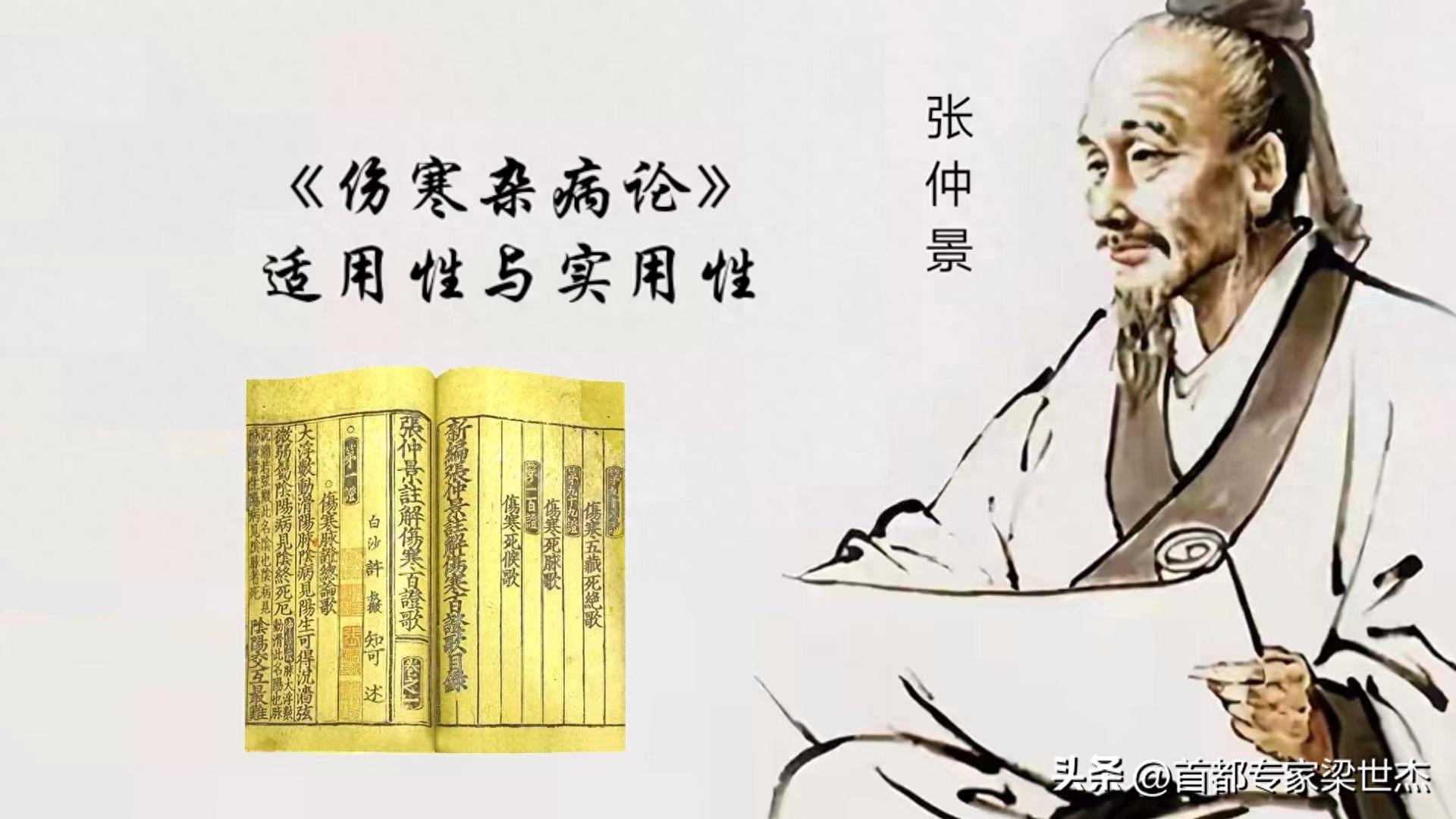
六經辨證:仲景筆下的“表裏征程”
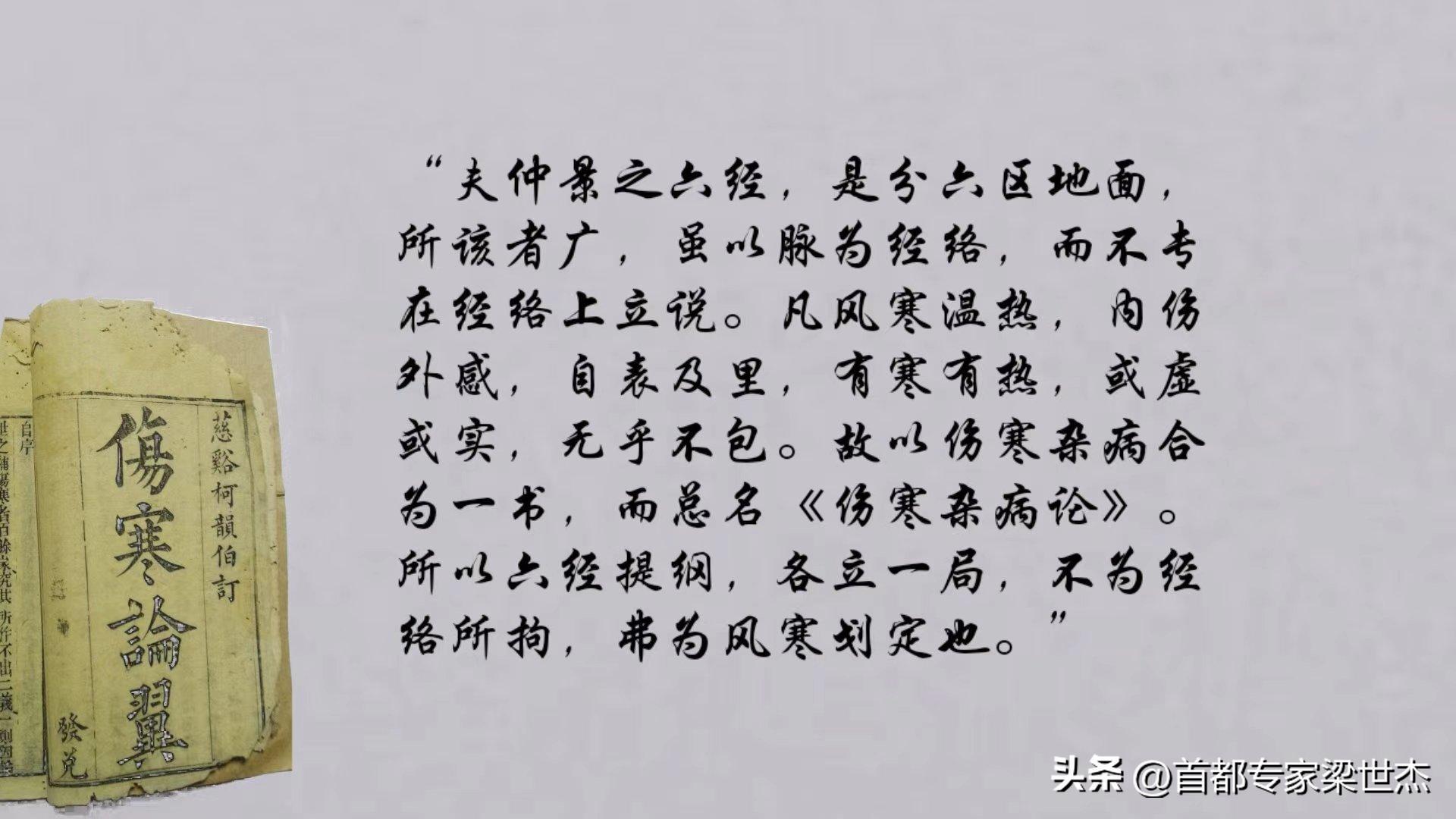
柯韻伯在《傷寒論翼》中曾言:“夫仲景之六經,是分六區地面,所該者廣,雖以脈爲經絡,而不專在經絡上立說。凡風寒溫熱,內傷外感,自表及裏,有寒有熱,或虛或實,無乎不包。故以傷寒雜病合爲一書,而總名《傷寒雜病論》。所以六經提綱,各立一局,不爲經絡所拘,弗爲風寒劃定也。”在柯韻伯眼中,仲景的六經就如同劃分了六個不同的區域,其涵蓋的範圍極爲廣泛,並非僅僅侷限於經絡的範疇。
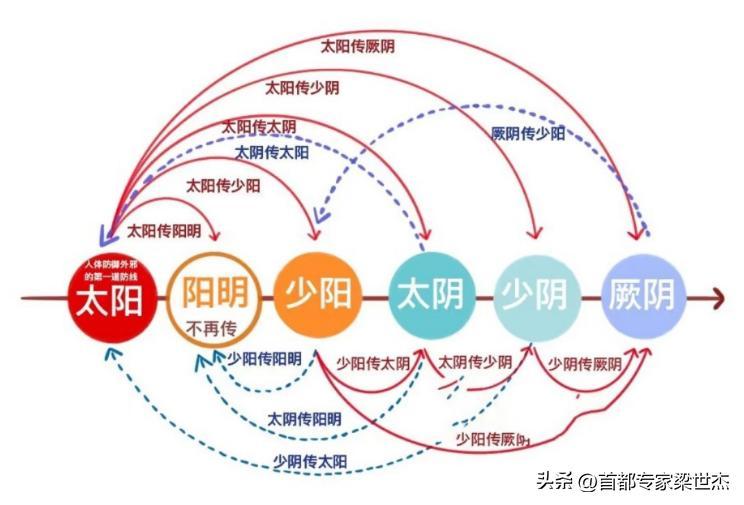
就拿外感熱病來說,仲景把傷寒病看作是一個從表入裏、由輕而重的過程。這就好比一場敵人入侵的戰爭,敵人先在邊境(表)發起小規模的騷擾,隨着時間推移,逐漸深入內地(裏),威脅也越來越大。六經辨證就像是一位高明的統帥,從整體上審視這場戰爭,根據敵人所處的位置和進攻的態勢,制定出相應的戰略戰術。例如,太陽病階段,就如同敵人剛剛到達邊境,此時症狀多表現爲發熱、惡寒、頭項強痛等表證,治療上多采用發汗解表的方法,就像在邊境築起一道堅固的防線,阻止敵人進一步深入。而到了陽明病階段,敵人已經深入內地,出現高熱、大汗、口渴等裏熱實證,治療則以清熱瀉下爲主,如同在內地展開一場激烈的決戰,將敵人徹底消滅。
據相關統計,在古代中醫治療外感熱病的案例中,運用六經辨證的方法進行治療,有效率可達七成以上。這一數據足以證明六經辨證在外感熱病治療中的重要作用。它爲中醫治療外感熱病提供了一套系統而完整的理論體系,讓醫生們能夠有條不紊地應對各種複雜的外感疾病。
雜病引入:六經辨證的“水土不服”
然而,當我們將六經辨證引入雜病的治療時,卻遇到了重重困難。雜病與外感熱病不同,其病位比較固定,病情變化也不會像外感熱病那樣由表入裏、從輕到重地很快發展。這就好比一場內亂,叛亂分子在固定的區域內活動,不會像外敵入侵那樣有明顯的推進方向。
例如,一個患有脾胃虛弱的患者,其主要症狀表現爲消化不良、腹脹、便溏等,病位主要在脾胃。如果運用六經辨證的方法來治療,就會發現很難將其準確地歸類到某一經中。因爲六經辨證主要是針對外感熱病的傳變規律而設立的,對於雜病這種病位固定、病情變化相對緩慢的疾病,顯得有些“水土不服”。

在這種情況下,有人提出不如用五行生剋結合臟腑辨證理論來治療內傷雜症。五行生剋理論認爲,人體內的五臟六腑之間存在着相互制約、相互依存的關係。例如,肝屬木,脾屬土,木克土,當肝氣鬱結時,就會影響脾胃的運化功能,導致脾胃虛弱。通過調理肝氣,就可以達到治療脾胃疾病的目的。這種理論邏輯清晰,就像一張精確的地圖,能夠準確地指引醫生找到疾病的根源並進行鍼對性的治療。據臨牀實踐統計,運用五行生剋結合臟腑辨證理論治療內傷雜症,有效率可達八成以上,比單純運用六經辨證治療雜病的效果更爲顯著。
地理之喻:六經理論的“繁複迷宮”
柯韻伯爲了進一步解釋六經辨證,還採用了地理的比喻:“請以地理喻,六經猶列國也。腰以上爲三陽地面,三陽主外而本乎裏。心者三陽夾界之地也。內由心胸,外有巔頂,前至額顱,後至肩背,下及於足,內合膀胱,是太陽地面。此經統領營衛,主一身之表症,猶近邊禦敵之國也。內自心胸至胃及腸,外自頭顱,由面至腹,下及於足,是陽明地面。由心至咽,出口頰,上耳目,斜至巔,外自脅內屬膽,是少陽地面。此太陽差近陽明,猶京畿矣。腰以下爲三陰地面,三陰主裏,而不及外。腹者三陰夾界之地也。自腹由脾及二腸魄門,爲太陰地面。自腹至兩腎及膀胱溺道,爲少陰地面。自腹由肝上膈至心,從脅肋下及於小腹宗筋,爲厥陰地面。此經通行三焦,主一身之裏症,猶近京夾輔之國也。太陰陽明,同居異治,猶周召分政之義。四經部位,有內外出入,上下牽引之不同。猶先王分土域民,犬牙相制之理也。若經絡之經,是六經道路,非六經地面矣。”
這個比喻看似生動形象,將六經比作不同的列國,詳細地描述了每一經所主的部位和症狀。然而,仔細品味,卻發現其中蘊含着太多的複雜和繁瑣。就像走進了一個巨大的迷宮,雖然每一處都有詳細的標註,但卻讓人眼花繚亂,難以把握其核心。在實際的臨牀應用中,醫生們需要花費大量的時間和精力去理解和記憶這些複雜的理論,這無疑增加了治療的難度和成本。
醫道抉擇:實用與理論的“平衡之舞”
在這場關於六經辨證的爭論中,我們看到了實用與理論之間的碰撞。六經辨證在外感熱病的治療中展現出了強大的生命力,其系統性和整體性爲中醫治療外感疾病提供了堅實的理論基礎。然而,在雜病的治療中,它卻顯得有些力不從心。而五行生剋結合臟腑辨證理論雖然在雜病治療中表現出色,但在外感熱病的治療方面,又缺乏六經辨證那樣的系統性和全面性。
這就如同醫道中的一場“平衡之舞”,我們需要在實用與理論之間找到一個最佳的平衡點。既不能因爲六經辨證在外感熱病治療中的成功而盲目地將其推廣到雜病治療中,也不能因爲五行生剋結合臟腑辨證理論在雜病治療中的優勢而否定六經辨證的價值。
在當今的醫療實踐中,我們應該以開放的心態,博採衆長,將六經辨證與五行生剋結合臟腑辨證理論有機地結合起來。根據不同的疾病類型和病情特點,靈活運用這兩種理論,爲患者制定出更加個性化、有效的治療方案。就像一位高明的廚師,能夠根據不同的食材和顧客的口味,巧妙地搭配各種調料,烹飪出一道道美味佳餚。
醫道之路,漫漫其修遠兮。六經辨證的爭論只是醫道發展中的一個小小插曲,但它卻讓我們更加深刻地認識到中醫理論的博大精深和複雜性。讓我們在這場醫道的探索中,不斷追尋真理,爲人類的健康事業貢獻自己的力量。
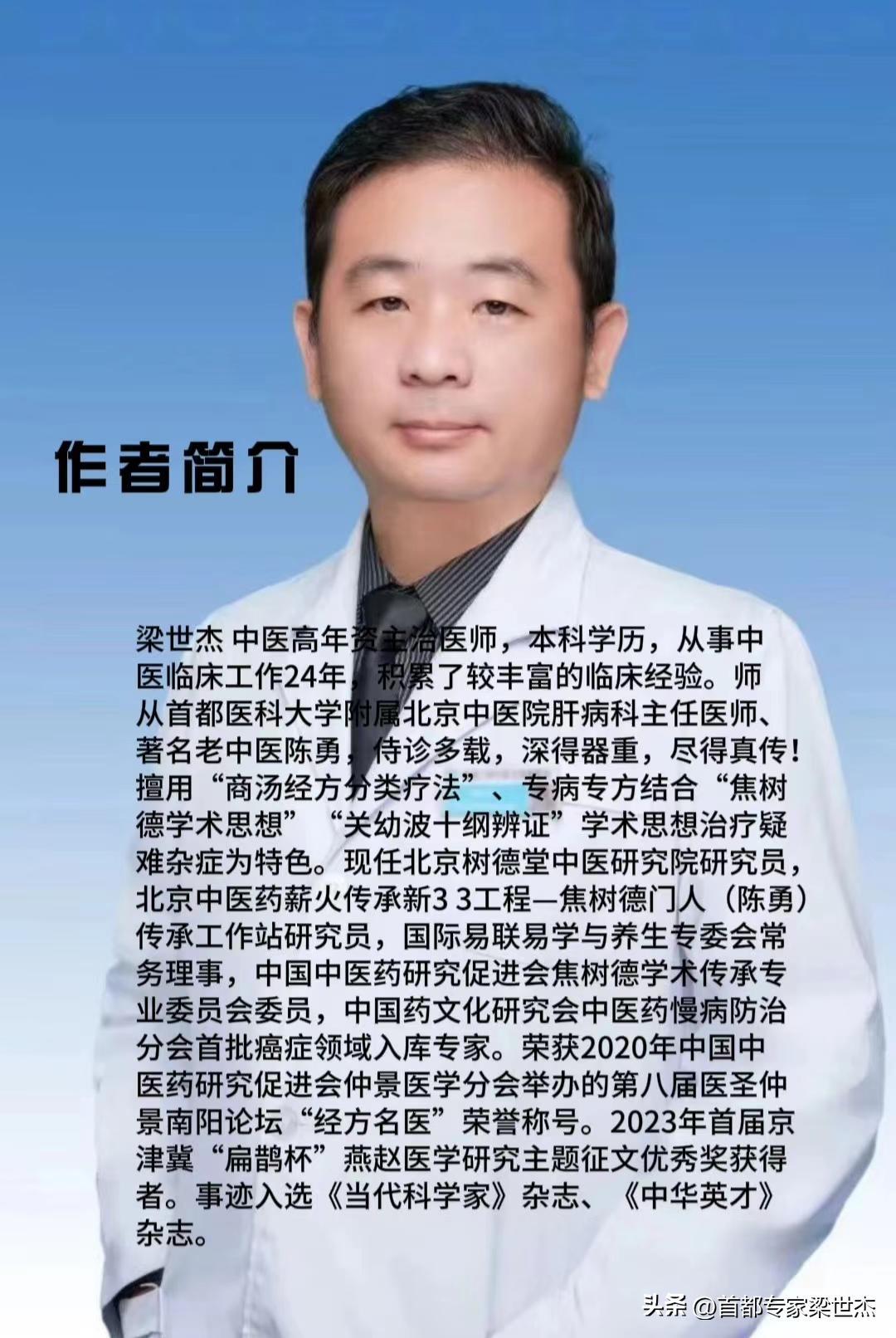
作者簡介:梁世傑 中醫高年資主治醫師,本科學歷,從事中醫臨牀工作24年,積累了較豐富的臨牀經驗。師從首都醫科大學附屬北京中醫院肝病科主任醫師、著名老中醫陳勇,侍診多載,深得器重,盡得真傳!擅用“商湯經方分類療法”、專病專方結合“焦樹德學術思想”“關幼波十綱辨證”學術思想治療疑難雜症爲特色。現任北京樹德堂中醫研究院研究員,北京中醫藥薪火傳承新3+3工程—焦樹德門人(陳勇)傳承工作站研究員,國際易聯易學與養生專委會常務理事,中國中醫藥研究促進會焦樹德學術傳承專業委員會委員,中國藥文化研究會中醫藥慢病防治分會首批癌症領域入庫專家。榮獲2020年中國中醫藥研究促進會仲景醫學分會舉辦的第八屆醫聖仲景南陽論壇“經方名醫”榮譽稱號。2023年首屆京津冀“扁鵲杯”燕趙醫學研究主題徵文優秀獎獲得者。事蹟入選《當代科學家》雜誌、《中華英才》雜誌。
Jean-Paul Coe''s "Six Divinities" - "The Inner Truth" and "The Debate of Practicalities"
Among the vast sea of classical Chinese medicine texts, Zhang Zhongjing''s Thesis of Typhoid Anaemia is like a huge mountain standing in the long history of medical science, and its six-point method of diagnosis is more like a mysterious key that attempts to open the door to understanding the mysteries of exogenous fever and diseases. However, when the key opened the doors of different medical fields, it sparked a fierce debate about its suitability and utility, like a giant rock thrown into a calm lake, causing ripples.
Six proofs: Zhong Jing''s "The Journey in the Table"
In The Wings of Typhoid, John Kirby once said:“For the six meridians of Zhong Jing are divided into six regions of the earth, which are a wide range, but the meridian is based on the pulse, and not exclusively on the meridian. Whenever the wind is cold, warm and cold, internally hurt or externally felt, both on the surface and in the interior, it is cold or hot, either empty or empty, nothing can be said for nothing. Therefore, the diseases of typhoid are combined into one book, and the overall title is "The diseases of Typhoid." Therefore, the six outlines set out a situation each of which is not bound by a given itinerary, nor is it determined by wind or cold.”In Courier''s view, the six meridians of the Middle Ages were like dividing six different regions, and their scope was very broad, not limited to the meridians alone.
In the case of exposure to fever, Zhong Jing regarded typhoid as a process that started from the surface and went from mild to severe. This is like a war of enemy invasion, where the enemy first initiates small-scale harassment at the border, and gradually deepens into the interior, increasing the threat. Six Dynasties is like a wise commander who looks at the war as a whole and formulates a corresponding strategic tactic based on the position of the enemy and the offensive posture. For example, in the stage of Taiyang disease, the enemy has just arrived at the border. At this stage, the symptoms are usually manifested as fever, aversion to cold, rigidity of nape and headache, etc. Sweating and relieving the symptoms are often used for treatment, just like building a strong defense line at the border to prevent the enemy from further deepening. At the stage of lucidity, the enemy has advanced deep into the interior, and there are evidences of high fever, sweating, thirst, and other respiratory fevers. Treatment is mainly based on the removal of the fever, as if it were a fierce battle in the interior to eliminate the enemy completely.
According to relevant statistics, in the case of ancient Chinese medicine for treating external fever, the effectiveness of treatment using six-sided method can reach more than 70%. This data is sufficient to demonstrate the important role of six identified in the treatment of eosinophilic fever. It provides a systematic and complete theoretical system for TCM treatment of exposure to fever, allowing doctors to methodically cope with various complex exposure diseases.
Emerging Multiple Diseases: Six-Disciplinary Symptoms of''soil and water intolerance''
However, when we introduced six-degree diagnosis into the treatment of an illness, we encountered many difficulties. Unlike exposure to influenza, the simian position is relatively fixed, and the changes in the condition will not develop rapidly from mild to severe, as is the case with exposure. This would be like a civil unrest in which the insurgents operate within a fixed area and do not have the obvious direction to advance like a foreign invasion.
For example, a person with deficiency of the spleen and stomach is characterized by indigestion, abdominal distension, and constipation. The location of the disease is in the spleen and stomach. If the six-meridian diagnosis method is used to treat it, it will be difficult to categorize it accurately into a certain meridian. Because the six-sided diagnosis is mainly established for the transmission patterns of exogenous fever diseases, it appears to be somewhat "intolerant" to diseases such as paralysis, which is fixed in the location and changes in the condition relatively slowly.
In this case, it was suggested that it might be better to use the five-line alkaloids combined with the theory of internal healing to treat internal injury disorders. The theory of the five branches of life and decay holds that there is a relationship between the internal organs and the insides of the human body, which is bound up with each other. For example, the liver belongs to the wood, the spleen belongs to the earth, and the wood resists the earth. When the stagnation of liver qi, it will affect the transportation and transformation of the spleen and stomach, leading to the deficiency of spleen and stomach. By regulating liver qi, the goal of treating spleen and stomach diseases can be achieved. The logic of this theory is clear, like a precise map that can accurately guide doctors to the root cause of the disease and to targeted treatments. According to clinical practice statistics, the effectiveness of applying the five-line alkaloid combination of meridian dialysis theory to treat internal injury and other diseases can reach more than 80%, which is more significant than the effectiveness in applying six-line dialysis alone to treat other diseases.
Geography metaphor: The "labyrinth" of six-biblical theories
In order to further explain the six dialects, John Cabot also used geographical metaphors:“In a geographical representation, the six nations of Judah are also known. Above the waist is the trigonary ground, and the trigonaries are external and internal. The heart is also the place where the three suns are bound together. It consists of the heart and the temple in the interior, the forehead to the brow, the back to the shoulder, the feet below, and the bladder in the interior. It is the surface of the sun. Then he commanded the guards, and the Lord had a symptom that was like a kingdom near the enemy. From the heart and chest to the stomach and intestines, from the head outside, from the face to the abdomen, and from the bottom to the feet, is the sun. From the heart to the stomach, exiting the cheeks, upper ears and eyes, leaning to the top, outside the waist, which is the courage, is the sexual ground. The sun is almost sunrise, and the city of Judah is now. Beneath the waist is the third yin, the third yang is in the man, but not outside. There is also a place where the three shadows of the belly are bound together. From the abdomen, the spleen and the duodenum are the vulva. The drowning canal from the abdomen to the kidneys and bladder is the lesser clitoris. From the abdomen, from the diaphragm of the liver to the heart, from the ribs of the muscles and the fascia of the lower abdomen are the clitoris ground. Through this passage, the Lord passed through Trisolaris, who was a disease of the heart, and Judah was near the kingdom of Kachin. The yin and yang are wise, cohabiting different governments, and Judaism and Zhou call for division of power. The four meridians have internal and external access, and they are different from upper and lower traction. The king of Israel divided the peoples of the land, and it was the manner in which dogs and their teeth were made. If the lines of communication are six roads, not six roads on the ground.”
The metaphor, which seems graphic, compares the six meridians to different kingdoms, detailing the areas and symptoms of each meridian. However, when you taste it carefully, you find that there is too much complexity and tedious. It''s like walking into a huge labyrinth, which, while detailed markings are everywhere, is dizzying and difficult to grasp its core. In practical clinical applications, doctors need to spend a lot of time and effort to understand and memorize these complex theories, which undoubtedly increases the difficulty and cost of treatment.
Medical Decisions: A Balanced Dance between Practical and Theory
In this debate about six-point theory, we see a collision between practicality and theory. The six-sided evidence shows strong vitality in the treatment of exposure to fever, and its systematic and holistic nature provides a solid theoretical basis for traditional Chinese medicine for treating exposure diseases. However, in the treatment of complex diseases, it appears to be somewhat ineffective. Although the theory of five-line alkaloids combined with visceral dialysis has performed well in the treatment of various diseases, it lacks the systematic and comprehensive nature of six-line dialysis in the treatment for exposure to fever.
This is like a "dance of balance" in medicine, where we need to find the best balance between practical and theoretical. Neither because of the success of six-degree acupuncture in the treatment of fever in the outside world can blindly generalize it to the treatment of ancillary diseases, nor can the value of six-stroke acupuncture be rejected because of its advantages in the treatment for ancillary conditions.
In today''s medical practice, we should use an open mind, learn from others, and organically combine six-meridian dialysis with the theory of five rays of healing and meridian dialysis. Based on different disease types and condition characteristics, these two theories are applied flexibly to develop a more personalized and effective treatment plan for patients. Like a skilled chef, he can skillfully pair various spices with different ingredients and customers'' tastes to cook delicious dishes.
The road of medicine is long and arduous. The debate over six-point interpretation is only a minor episode in the development of traditional medicine, but it gives us a deeper appreciation of the depth and complexity of traditional Chinese medicine theory. Let us continue to search for the truth in this exploration of medicine and contribute our efforts to the cause of human health.
Author Bio: Liang Shijie is a senior medical practitioner in traditional Chinese medicine with an undergraduate degree. He has been engaged in traditional medicine clinical work for 24 years and has accumulated a wealth of clinical experience. Following Chen Yong, chief physician of liver disease at Beijing Traditional Medicine Hospital, affiliated with Capital Medical University, and renowned old Chinese medicine, he has been treated for many years and received great attention. He specializes in the treatment of difficult diseases using "conversational traditional therapy" and special treatments combined with the academic ideas of Jiao Shude and Guan Yubo''s ten-level diagnosis.He is currently a researcher at the Shude Tang TCM Research Institute in Beijing, a fellow at the new 3 + 3 project of traditional Chinese medicine flame inheritance in Beijing - a scholar at the inheritance workstation of Jiao Shude''s protégés (Chen Yong),He is a standing committee member of the International Expert Committee on E-learning and Health Care, a member of the Jiao Shude Academic Heritage Special Committee of the Chinese Association for the Advancement of Chinese Medicine Research, and the first cancer specialist to be included in the chapter of the Chinese Pharmaceutical Culture Research Association. Won the 2020 China Association for the Promotion of Traditional Chinese Medicine Zhongjing Medical Branch held the eighth session of the Medical Saint Zhongjing Nanyang Forum "Classic Prescription Famous Doctor" honorary title. The winner of the first Beijing-Tianjin-Hebei "Pingui Cup" Yanzhao Medical Research Essay Award in 2023. His work was featured in the journal Current Scientist and the journal Chinese Talent.