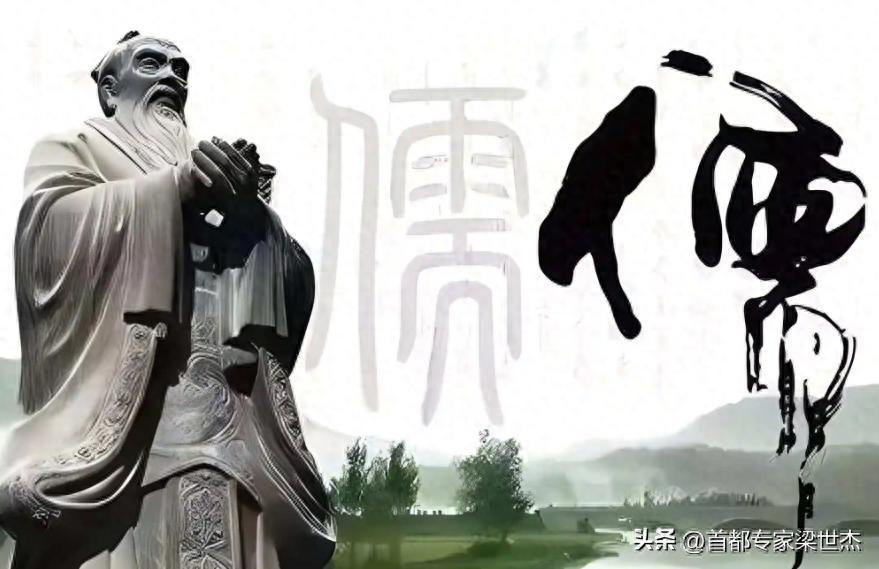
儒家文化:中醫背後的無形“藥引”
在華夏大地的歷史長河中,儒家文化與中醫宛如兩條奔騰不息的河流,看似各自流淌,實則相互交融、彼此滲透,共同塑造着中華民族獨特的國民性。它們之間的關聯,就像一場精心編排的舞蹈,每一個動作都蘊含着深厚的文化密碼,等待着我們去揭開那神祕的面紗。
等級之序:從朝堂到藥方的奇妙演變
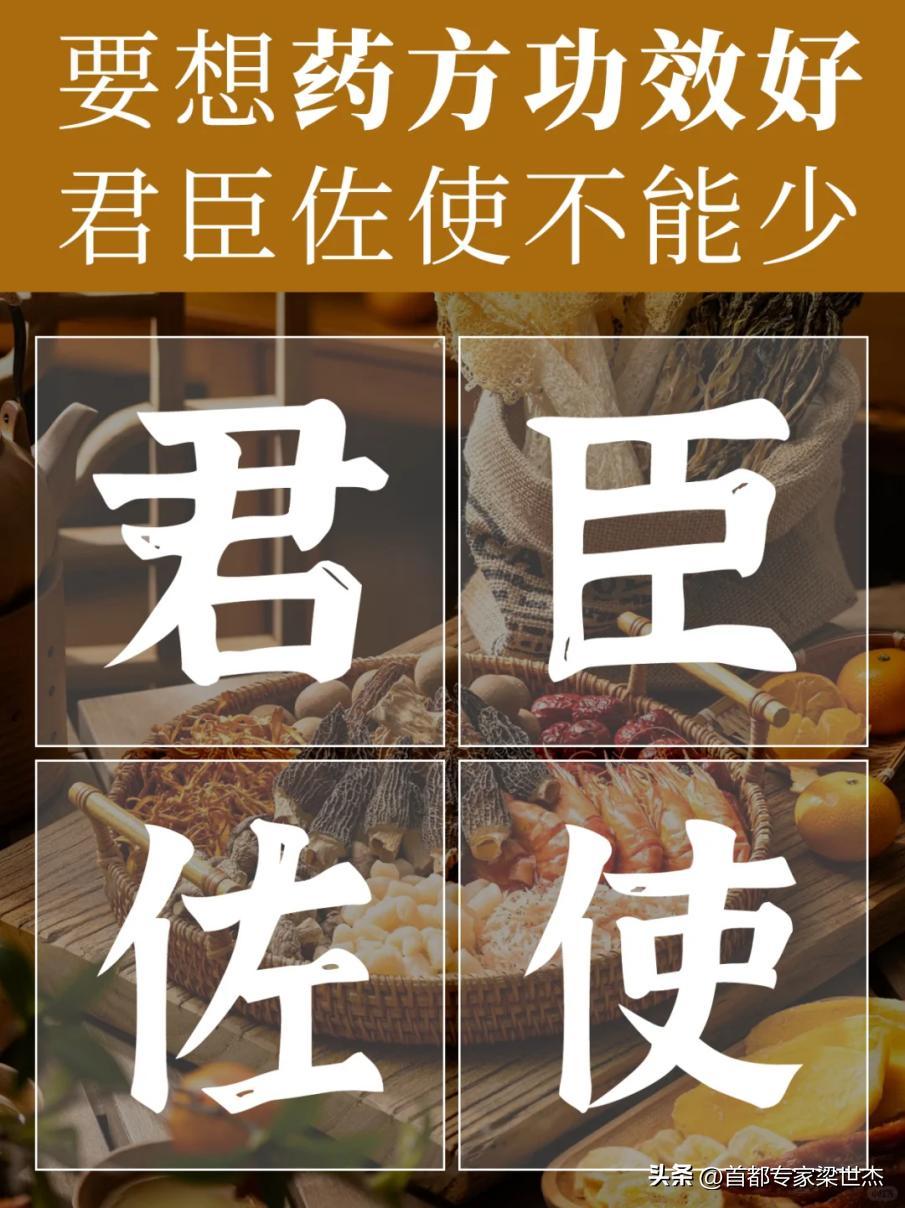
“君臣佐使”“君臣父子”,這兩個在儒家文化里根深蒂固的等級概念,宛如一顆種子,在中醫的土壤中生根發芽,演變成了中醫組方的“君臣佐使”理論。在古代的朝堂之上,君主高高在上,臣子各司其職,共同維繫着國家的穩定。這就好比一場盛大的交響樂演奏,指揮家(君主)掌控着全局,各種樂器(臣子)按照特定的節奏和旋律演奏,才能奏出和諧的樂章。
而在中醫的世界裏,方劑中的君藥就如同朝堂上的君主,是治療疾病的主要力量;臣藥則像忠誠的臣子,輔助君藥增強療效;佐藥如同智囊團,既能制約君臣藥的毒性,又能輔助治療次要症狀;使藥則像信使,引導諸藥到達病所。據統計,在經典的中醫方劑中,超過八成都遵循着“君臣佐使”的配伍原則。這種從社會等級到醫學理論的演變,不僅體現了儒家文化對中醫的深刻影響,更展示了中華民族將社會秩序與自然規律相融合的智慧。
倫理之網:家庭與五行的微妙關聯
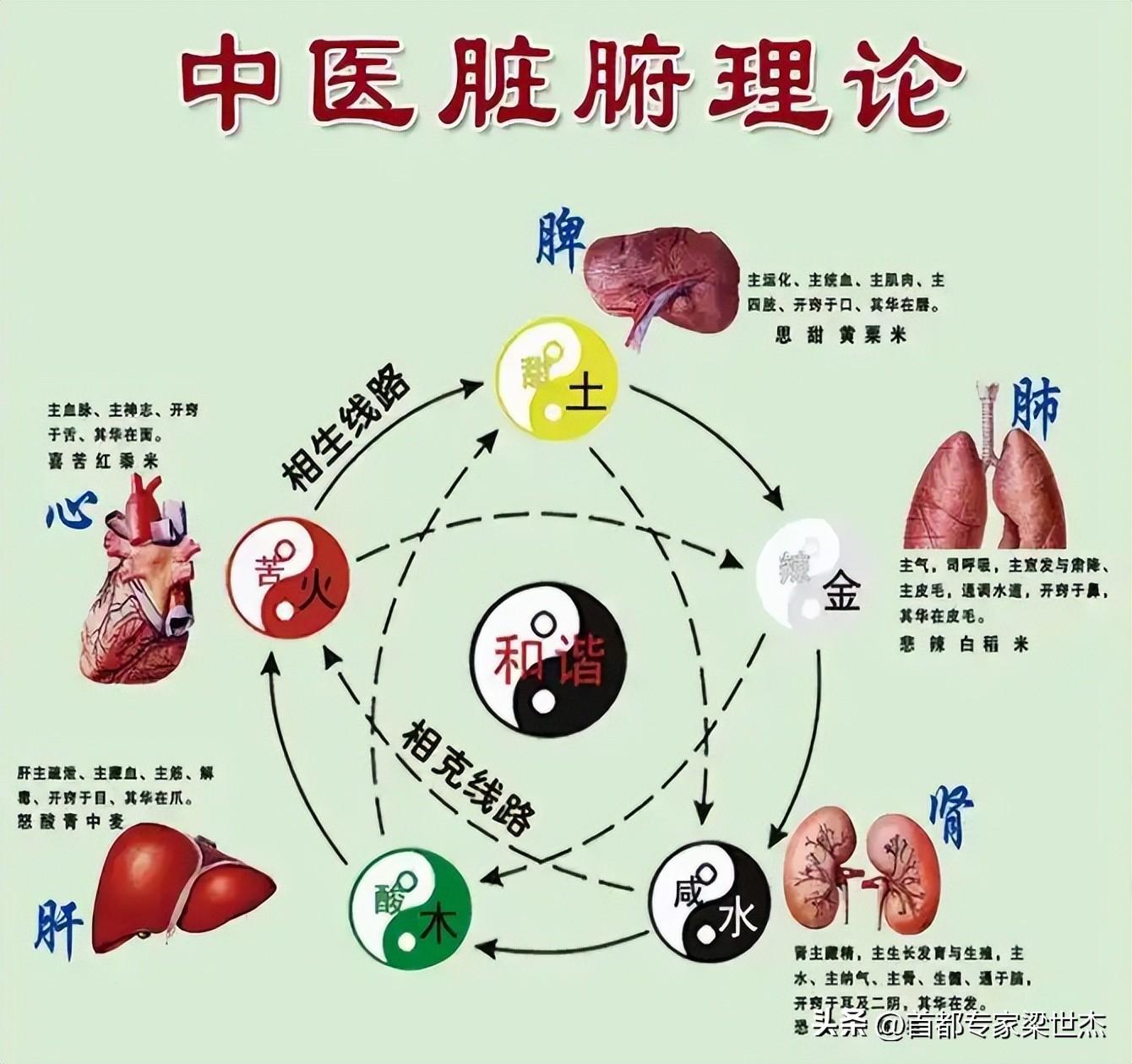
君國家庭倫理中的相生關係概念,就像一條無形的絲線,巧妙地編織進了中醫的五行母子相生相剋理論之中。在家庭裏,父母與子女之間存在着一種天然的相生關係,父母養育子女,子女傳承家族。這就如同五行中的木生火、火生土、土生金、金生水、水生木,循環往復,生生不息。
而在中醫理論中,五臟之間也存在着類似的相生相剋關係。肝屬木,心屬火,肝木生心火,就像父母對子女的滋養;心火生脾土,脾土生肺金,肺金生腎水,腎水生肝木,形成一個完整的循環。同時,五行之間還有相剋的關係,如木克土、土克水、水克火、火克金、金克木,這又如同家庭中的相互制約和平衡。如果這種相生相剋的關係失衡,就會像家庭中出現矛盾一樣,導致疾病的發生。有研究表明,在多種慢性疾病的發生發展過程中,都存在着五行失衡的影子。
德行之光:仁義禮智信與五臟五志的呼應
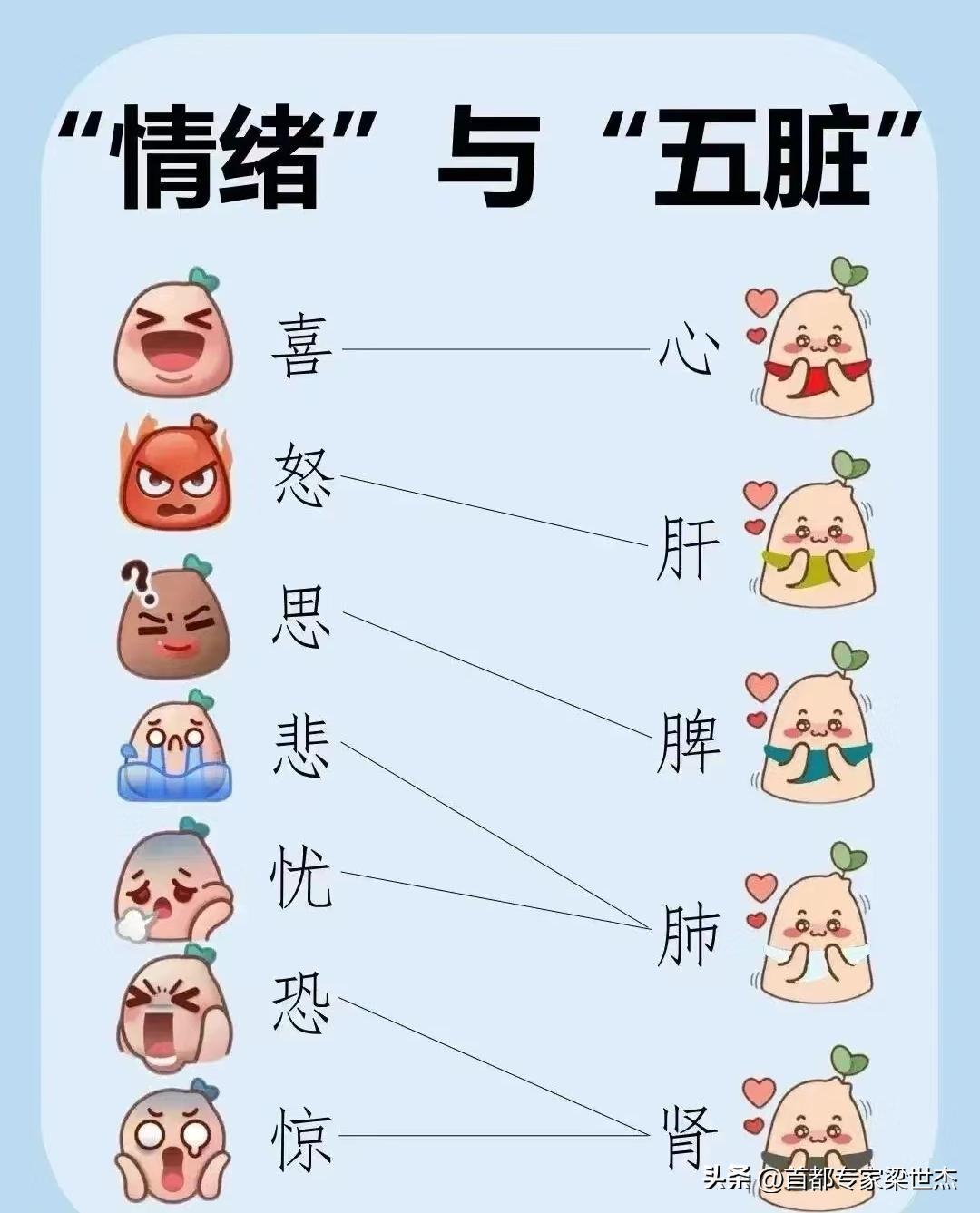
儒家倡導的“仁義禮智信”,如同五顆璀璨的星星,照亮了中華民族的道德天空,同時也演變成了五臟的五志個性。禮,代表着慈愛和禮讓,就像心臟一樣,溫暖而充滿活力,對應着五志中的喜;義,象徵着公正和正義,如同肺臟,清爽而通透,對應着憂;仁,體現了尊重和秩序,就像肝臟,沉穩而有序,對應着怒;信,意味着誠實和守信,如同脾臟,包容而消化萬物,對應着思;智,代表着智慧和志氣,就像腎臟,深沉而堅定,對應着恐。
這種對應關係並非憑空而來,而是有着深刻的生理和心理基礎。當一個人的道德品質出現問題時,往往會影響到相應的臟腑功能。比如,一個長期缺乏仁愛之心的人,可能會經常感到煩躁易怒,這其實是肝臟功能受到影響的表現。據心理學家調查發現,道德修養較高的人,患心理疾病的幾率明顯低於道德修養較低的人,這也從側面印證了“仁義禮智信”與五臟五志之間的關聯。
醫德之魂:君子之道與醫者仁心的交融
“君子予以義,小人予以利”“君子懷德”“己所不欲勿施於人”,這些儒家經典中的話語,就像一把把火炬,照亮了中醫醫者父母心的職業道德之路。在古代,一位真正的君子,行事以義爲準則,心懷仁德,能夠設身處地爲他人着想。而中醫醫者,也將這種君子的品德融入到自己的職業中。
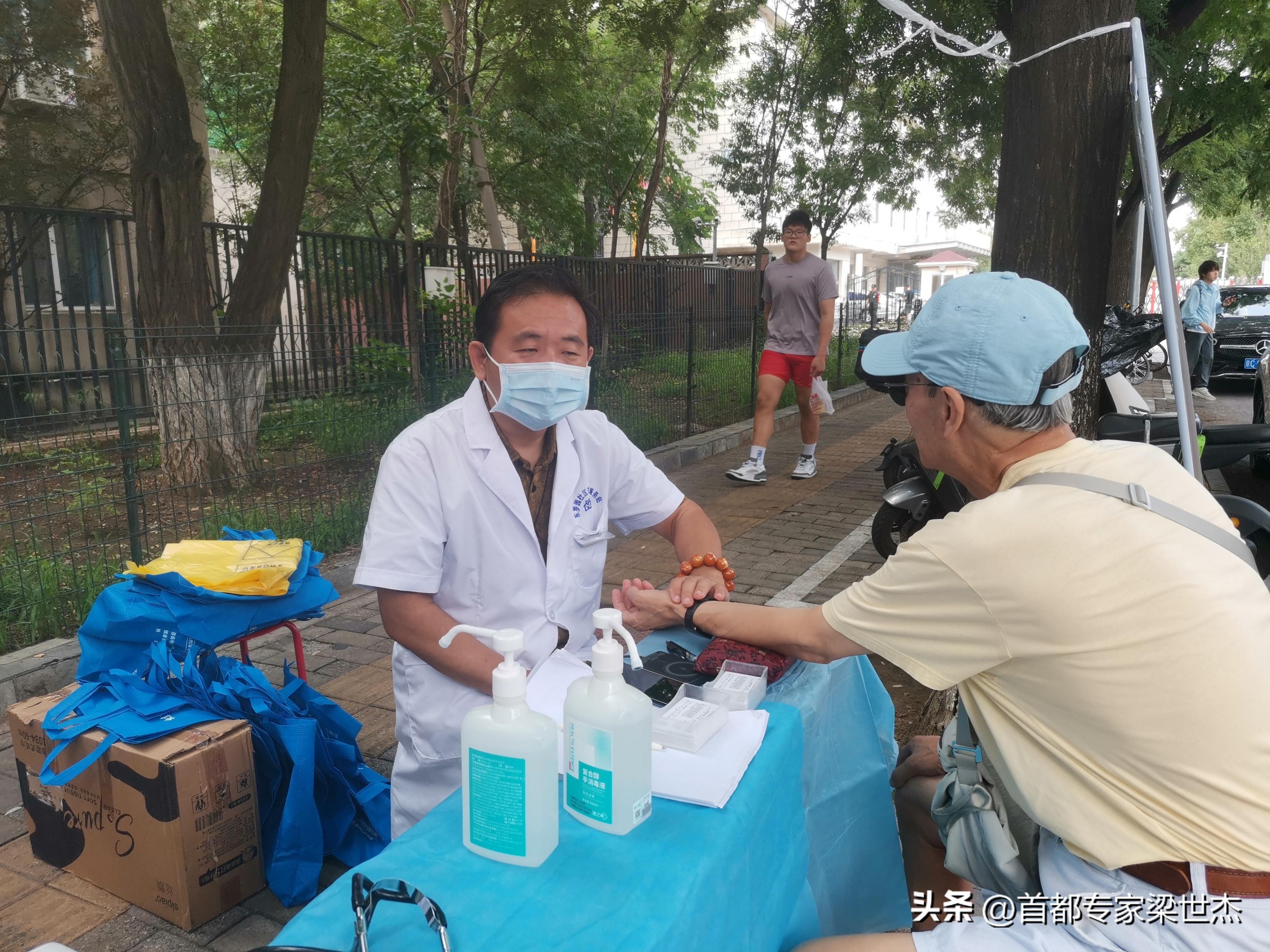
他們看病時,不圖名利,只想着如何治癒患者的疾病,就像父母對待自己的孩子一樣,全心全意地付出。有一位老中醫,行醫幾十年,從未收取過患者的高額診金,對於貧困的患者,還會免費贈送藥物。他常說:“己所不欲,勿施於人,我自己生病時希望遇到好醫生,所以我也要成爲這樣的好醫生。”正是這種高尚的醫德,讓中醫在民間贏得了極高的聲譽。據調查,超過九成的患者認爲,醫德是選擇醫生時最重要的因素之一。
處世之智:油滑之道與因勢利導的治技
“無可無不可”的處世態度,經過孟子的進一步發展,成爲了“經權之辨”,而儒家文化塑造的這種“油滑之道”,包含了規避風險、順勢而爲的生存策略,以及見風使舵的處世之道,竟然奇妙地演變成了中醫因勢利導的治療技巧。在生活中,一個懂得“經權之辨”的人,就像一位靈活的水手,能夠根據風向和水流的變化,及時調整船帆和航向,順利到達目的地。
而在中醫治療中,醫生也需要根據患者的體質、病情以及外界環境的變化,因勢利導地制定治療方案。比如,在治療外感疾病時,如果患者體質強壯,病情處於初期,醫生可能會採用發汗解表的方法,因勢利導地將病邪排出體外;而如果患者體質虛弱,病情較重,醫生則會採用扶正祛邪的方法,先增強患者的體質,再逐步驅除病邪。這種因勢利導的治療技巧,就像一場精彩的戰術指揮,能夠根據戰場形勢的變化,靈活調整作戰策略,取得最終的勝利。
中庸之道:半表半里與陰陽平衡的辯證
非此非彼的中庸之道,以及“執其兩端而叩之”的辯證思維,主張在矛盾對立中尋找平衡點,這一理念演變成了中醫半表半里的樞機理論和陰陽平衡的辨證論治思想。中庸之道就像一條中間的道路,不偏不倚,恰到好處。在中醫看來,人體的健康狀態就是一種陰陽平衡的狀態,當陰陽失衡時,就會產生疾病。
半表半里的樞機理論,就像一個關鍵的樞紐,連接着表和裏。當病邪處於半表半里之間時,既不在體表,也不在體內,此時治療就需要採用和解的方法,調和陰陽,使病邪排出體外。比如,小柴胡湯就是治療半表半里證的經典方劑,它能夠調和肝膽脾胃的氣機,恢復陰陽的平衡。據臨牀統計,小柴胡湯在治療多種疾病時,有效率達到了百分之七十以上,這充分證明了陰陽平衡和半表半里理論的科學性。
內求之思:正心修身與中醫思維的契合
儒家重視“正心、修身”爲先邏輯的內求思維方式,與中醫重視哲學辨證和象思維模式不謀而合,同時也提倡“正氣存內,邪不可幹”的防病思想。在儒家看來,一個人的內心修養和品德培養是至關重要的,只有內心正直、品德高尚,才能抵禦外界的誘惑和干擾。
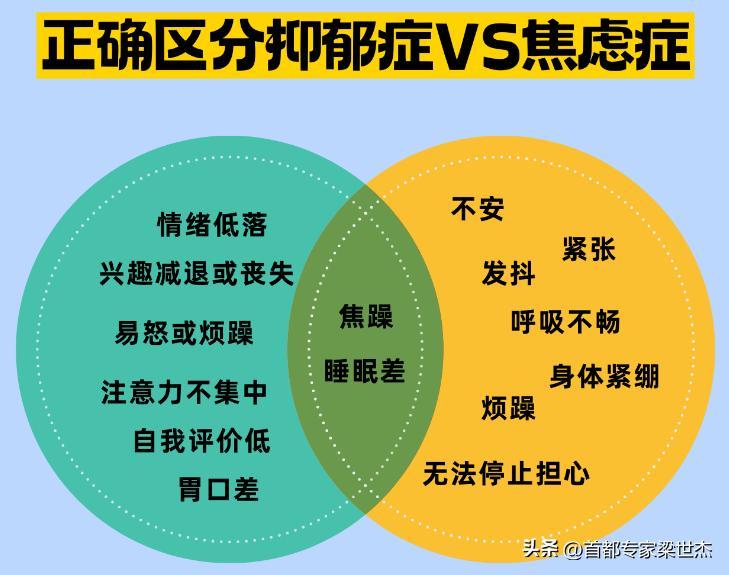
而在中醫理論中,人體的正氣就像一道堅固的城牆,能夠抵禦病邪的入侵。如果一個人能夠保持內心的平靜和善良,注重自身的修養,那麼他的正氣就會充足,不容易生病。相反,如果一個人內心浮躁、品德敗壞,就會導致正氣虛弱,容易受到病邪的侵襲。有研究表明,長期保持積極樂觀心態的人,免疫力明顯高於長期處於焦慮和抑鬱狀態的人。
和解之韻:君子和而不同與中醫和解理論的共鳴
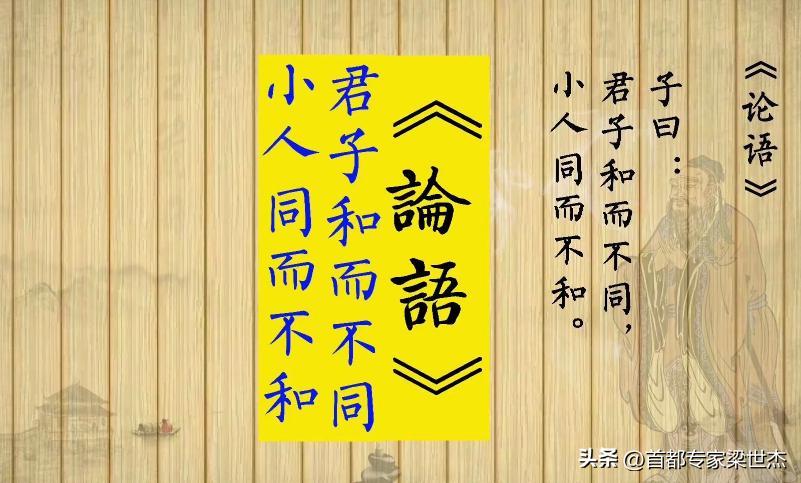
“君子和而不同”,這一儒家經典理念演變成了中醫的和解理論,如“陰陽平和”“氣血和平”“臟腑調和”等,以及治法中的“和”法。在社交場合中,君子能夠與不同性格、不同觀點的人和諧相處,尊重彼此的差異,求同存異。
而在中醫治療中,和解法就像一位和諧的調解員,能夠調和人體內部的矛盾,使陰陽、氣血、臟腑達到和諧的狀態。比如,在治療肝脾不和的疾病時,醫生會採用逍遙散等和解方劑,調和肝脾的功能,使患者恢復健康。據臨牀觀察,採用和解法治療的疾病,複發率明顯低於採用其他方法治療的疾病。
整體之觀:天下大同與中醫整體觀念的呼應
“天下大同”的思想,如同一隻無形的大手,將世間萬物聯繫在一起,這一思想也演化爲了中醫的整體觀念理論。在儒家看來,天下應該是一個和諧、統一的整體,所有人都應該相互關愛、共同發展。
而在中醫理論中,人體也是一個有機的整體,各個臟腑、組織、器官之間相互關聯、相互影響。一個部位出現疾病,可能會影響到其他部位;同樣,治療一個部位的疾病,也需要從整體出發,考慮其他部位的因素。比如,在治療頭痛時,中醫不僅會關注頭部的症狀,還會考慮患者的肝、脾、腎等臟腑的功能,因爲這些臟腑與頭部有着密切的聯繫。據系統醫學研究,採用整體觀念進行治療的疾病,治癒率比單純採用局部治療的方法提高了百分之二十以上。
養生之慧:克己復禮與清心寡慾的養生
“克己復禮”“存天理滅人慾”,這些儒家思想演變成了中醫“清心寡慾”的養生智慧。在儒家看來,一個人應該剋制自己的慾望,遵循道德禮儀,這樣才能達到心靈的平靜和身體的健康。
而在中醫養生中,清心寡慾是非常重要的原則。過度的慾望會導致氣血紊亂,損傷臟腑功能,從而引發疾病。比如,長期沉迷於酒色財氣的人,往往會患上肝腎陰虛、氣血不足等疾病。相反,那些能夠剋制自己的慾望,保持清心寡慾狀態的人,身體會更加健康,壽命也會更長。有調查顯示,清心寡慾的老年人,患慢性疾病的幾率比慾望強烈的老年人低百分之三十左右。
儒家文化與中醫之間的關聯,就像一部精彩絕倫的史詩,每一個章節都蘊含着中華民族的智慧和哲理。它們相互影響、相互促進,共同塑造了中華民族獨特的國民性。在當今這個快節奏的時代,我們更應該深入挖掘儒家文化和中醫的精髓,將它們傳承下去,讓這份寶貴的文化遺產在新時代煥發出更加耀眼的光芒。讓我們在儒家文化的滋養下,在中醫的呵護下,擁有更加健康、和諧、美好的生活。
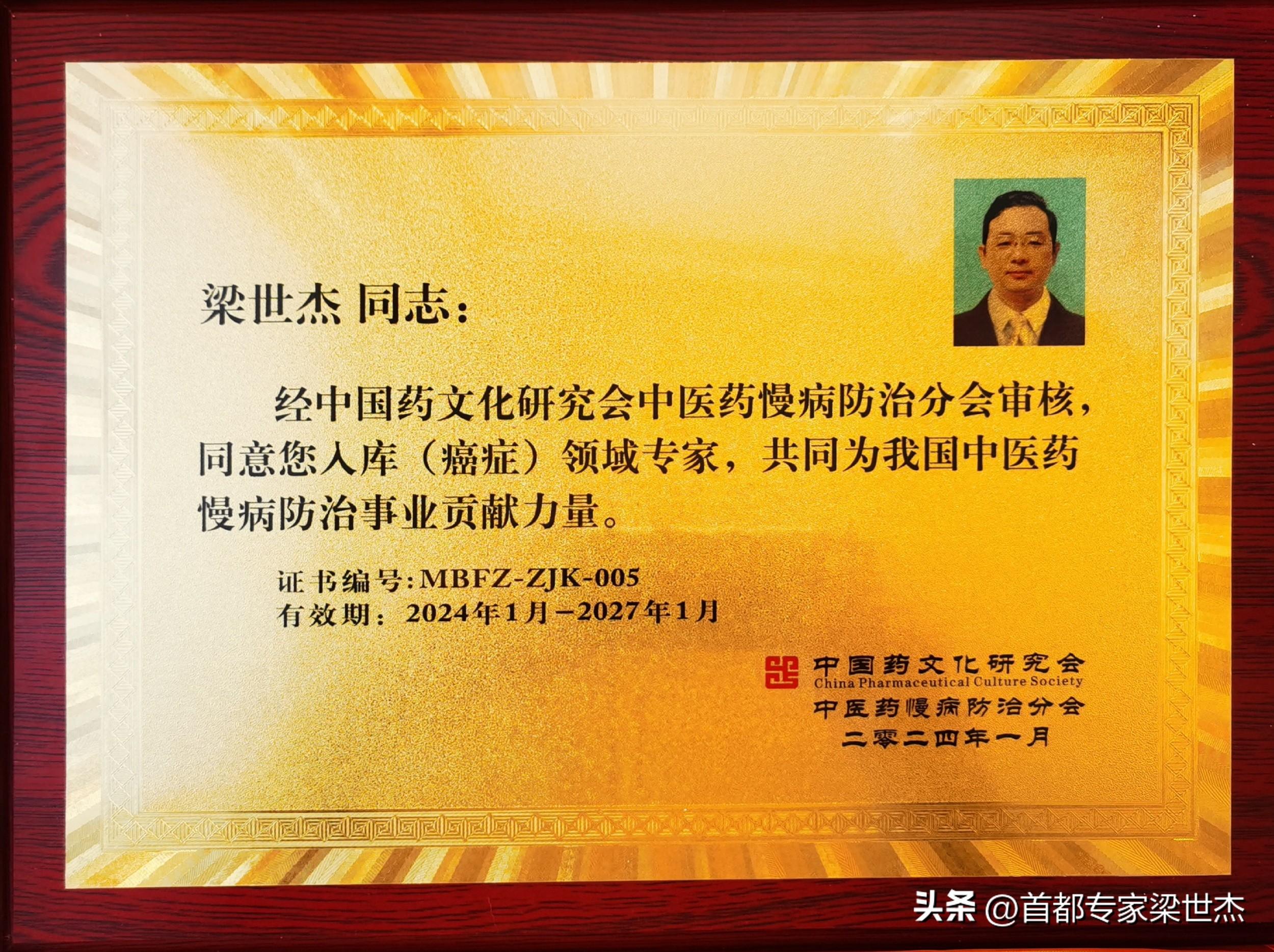
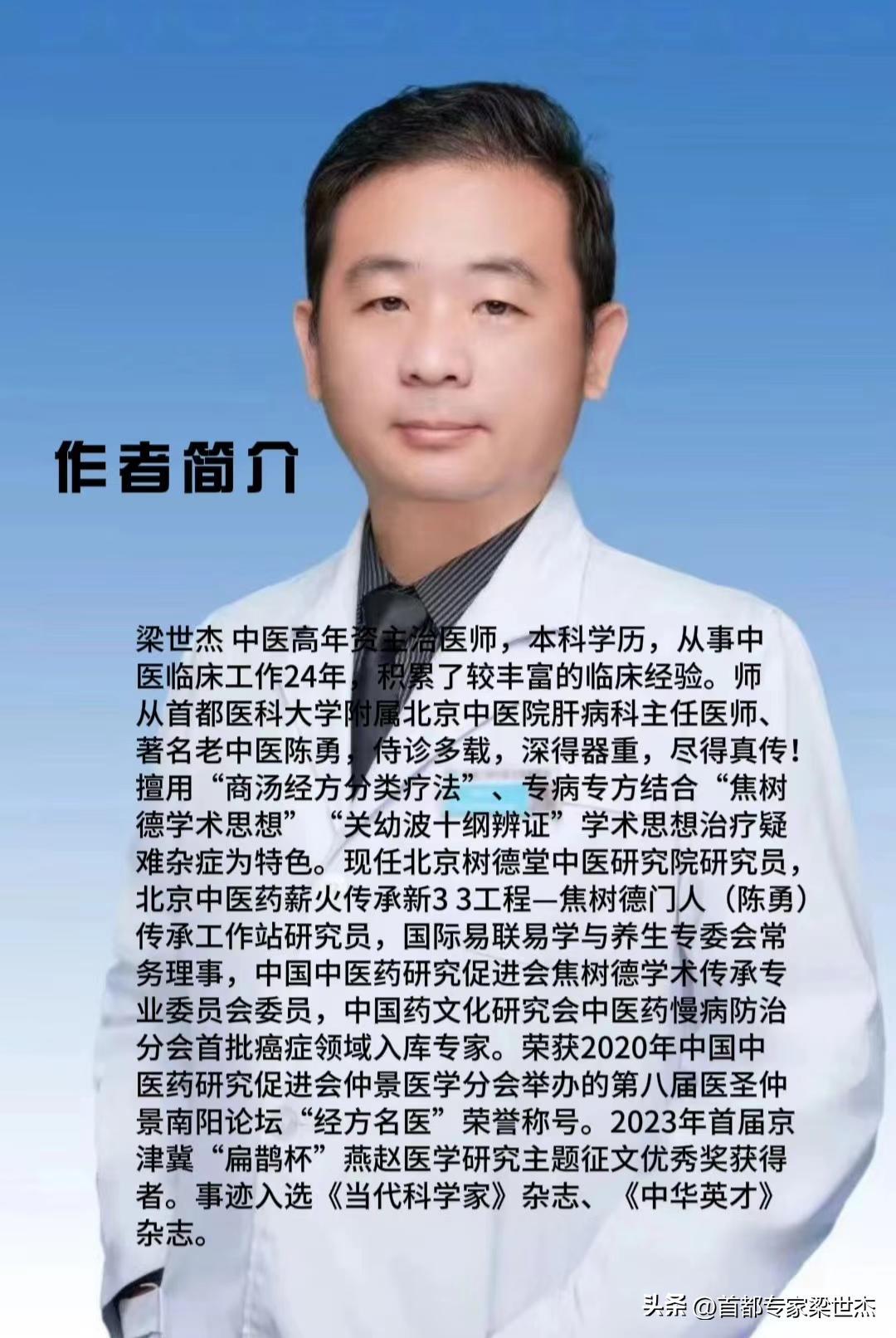
作者簡介:梁世傑 中醫高年資主治醫師,本科學歷,從事中醫臨牀工作24年,積累了較豐富的臨牀經驗。師從首都醫科大學附屬北京中醫院肝病科主任醫師、著名老中醫陳勇,侍診多載,深得器重,盡得真傳!擅用“商湯經方分類療法”、專病專方結合“焦樹德學術思想”“關幼波十綱辨證”學術思想治療疑難雜症爲特色。現任北京樹德堂中醫研究院研究員,北京中醫藥薪火傳承新3+3工程—焦樹德門人(陳勇)傳承工作站研究員,國際易聯易學與養生專委會常務理事,中國中醫藥研究促進會焦樹德學術傳承專業委員會委員,中國藥文化研究會中醫藥慢病防治分會首批癌症領域入庫專家。榮獲2020年中國中醫藥研究促進會仲景醫學分會舉辦的第八屆醫聖仲景南陽論壇“經方名醫”榮譽稱號。2023年首屆京津冀“扁鵲杯”燕趙醫學研究主題徵文優秀獎獲得者。事蹟入選《當代科學家》雜誌、《中華英才》雜誌。
Confucian culture: the invisible "medicine guide" behind Chinese medicine
In the long history of China, Confucian culture and traditional Chinese medicine are like two continuously running rivers, which seem to flow separately, but they merge and penetrate each other, jointly shaping the unique national character of the Chinese nation. The connection between them is like a choreographed dance, with each movement containing a deep cultural code that awaits us to unravel.
Order of Classes: The Wonderful Evolution From the Temple to the Herbal Medicine
These two concepts of hierarchy, which are deeply ingrained in Confucian culture, are like a seed that takes root in the soil of traditional Chinese medicine and evolves into the theory of traditional traditional Chinese Medicine. In the ancient court of law, the monarch stood high and the subjects performed their duties, jointly maintaining the stability of the country. It is like a grand symphony, in which the conductor (the monarch) controls the whole situation, and the various instruments (the subjects) play according to specific rhythms and melodies to produce a harmonious piece of music.
In the world of traditional Chinese medicine, the emperor in the prescription is like the king in the temple, and is the main force for treating diseases. The king''s medicine, like a loyal king''sman, supplements the king''''s medicine to enhance its efficacy. The medication is like a think tank, which can both limit the toxicity of the king''s medication and assist in the treatment of secondary symptoms. The medicine is like a messenger, guiding the medicines to the sick. According to statistics, in the classical Chinese medicine prescriptions, more than eighty percent follow the principle of "princeling to envoy" allocation. This evolution from social hierarchy to medical theory not only reflects the profound influence of Confucian culture on Chinese medicine, but also demonstrates the wisdom of the Chinese nation in integrating social order with natural laws.
The Ethics Network: The Delicate Connection between Family and the Five Elements
The concept of the kinship relationship in the monarchy''s family ethics is like an invisible filament that has been skillfully woven into the theory of the five branches of traditional Chinese medicine: mother and child kinship and condemnation. In the family, there is a natural biological relationship between parents and children. The parents raise the children and the children pass on the family. This is like wood generating fire, fire generating earth, earth generating metal, metal generating water, water wood, cycle, endless.
In traditional Chinese medicine, the five organs also have a similar relationship between each other. Liverwood, heart fire. Liverwood creates heart fire, just like parents nourish their children. Heart fire produces spleen soil, spleen roots produce lung gold, lung gold produces kidney water, kidney water produces liverwood, forming a complete cycle. At the same time, there is the relationship between the five elements, such as wood against earth, earth against water, water against fire, fire against metal, metal restricting wood, which is like the family of mutual restraint and balance. If this mutually reinforcing relationship becomes unbalanced, it can cause illness in the same way that conflicts arise in a family. Studies have shown that there is a shadow of the five-line imbalance in the development of many chronic diseases.
The Light of Virtue: Virtue, Faith, and the Echo of Five Minds
Confucianism advocated "virtue, etiquette, and faith," like five bright stars, illuminated the moral sky of the Chinese nation, and also evolved into a five-stained personality. Etiquette, which represents love and comity, is like the heart, warm and full of vitality, corresponding to the joy of the five purposes. Righteousness, which symbolizes justice and justice, is like a lung, refreshed and clear, and corresponds to worry. Ren, which embodies respect and order, is like the liver, which is stable and orderly, corresponding to anger. Faith means honesty and faithfulness, like the spleen, which embraces and digests everything and corresponds to reflection. Wiseness, which stands for wisdom and courage, is like a kidney, deep and determined, which corresponds to fear.
This correspondence does not come out of thin air, but has deep physical and psychological foundations. When a person''s moral character becomes problematic, it often affects the corresponding inner function. For example, a person who lacks compassion for a long time may often feel irritable and irritable, which is actually a sign of affected liver function. According to a survey by psychologists, people with higher moral literacy are significantly less likely to suffer from mental illness than people with lower moral literacies, which also confirms the link between "virtue" and "conscience."
The Soul of Medical Ethics: The Intersection of Virtue and the Mercy of Doctors
The words in Confucian classics, "The gentleman gives righteousness, the small man gives advantage," "The nobleman bears virtue," and "Do not do to others what he does not want," are like torches that illuminate the professional ethics path of the parents of traditional Chinese medicine practitioners. In ancient times, a true gentleman acted according to the principle of righteousness, had a sense of humanity, and could stand for others. TCM practitioners also incorporate this gentleman''s character into their profession.
When they see a doctor, they do not seek fame or fortune, but think about how to cure the patient''s illness, as parents do with their children, and give with all their heart and soul. An old Chinese medicine practitioner, who had practiced medicine for decades, had never charged a high fee for his patients, and for poor patients, he would give free medicine. He often said, "Don''t do anything you don''t want to do to others. When I was sick, I wanted to meet a good doctor, so I want to be such a good physician." It is this noble medical ethic that has made traditional Chinese medicine a very high reputation in the Chinese people. According to the survey, more than 90% of patients believe that medical ethics is one of the most important factors when choosing a doctor.
Wisdom in the world: The Way to Shave and the Techniques of Influence.
The "indispensable" attitude toward the world, further developed by Mengzi, It became "the judgment of divine power," and this "slippery approach" shaped by Confucian culture, which included risk aversion, survival strategies, and a way to navigate the world, has mysteriously evolved into the trend-driven therapeutic technique of traditional Chinese medicine. In life, a person who understands "discretion of temporal power" is like a flexible sailor who can adjust the sail and direction of the ship in time according to changes in wind direction and water flow to reach the destination smoothly.
In traditional Chinese medicine, doctors also need to formulate treatment plans based on the patient''s physical condition, condition and changes in the outside environment. For example, when treating external diseases, if the patient is strong and the condition is in the early stages, doctors may use the method of perspiration to remove the evil from the body due to snobbishness; If the patient is weak and the condition is serious, the doctor will adopt a corrective and evil treatment method, first strengthening the patient''s physical condition, and then gradually exorcising the evil. This trend-driven therapeutic technique, like a brilliant tactical commander, can flexibly adjust the battle strategy according to the changing situation on the battlefield to achieve final victory.
The Middle Way: A Dialectical Balance with Yin and Yang in Half a Table
The moderate approach of non-this and non-other, as well as the dialectical thinking of "hold on to both ends and knock on it," advocates finding a balance between contradictions and confrontation, and this concept has evolved into the semi-table and semi-cardinal theory of traditional Chinese medicine and the dialectic philosophy of yin and yang balance. The middle way is like a middle way, unbiased and right. In traditional Chinese medicine, the state of health of the human body is a state of balance between Yin and Yang.
The cardinal theory, which is half the table and half the inside, is like a key hub that connects the table and the inside. When the evil is between the surface and the interior of the body, it is neither on the surface nor in the body, and at this time the treatment needs to adopt a reconciliation method, reconciling yin and yang so that the evil can be expelled from the body. For example, Xiao Chaihu soup is a classic remedy for the treatment of semi-prescription, which can reconcile the atmosphere of the liver, heart, spleen and stomach, and restore the balance of yin and yang. According to clinical statistics, Xiao Chai Hu soup has an effectiveness of more than 70% when treating a variety of diseases, which fully proves the scientific nature of yin-yang balance and semi-table theory.
Inner Thought: Congruence between True Mind and Traditional Chinese Medicine Thinking
Confucianism attaches great importance to "right heart and self-cultivation" as a logical internal way of thinking, which coincides with traditional Chinese medicine attaching great importance of philosophical examination and symbolic thinking mode, and also advocates the idea of preventing disease by "maintaining the right spirit in the interior, and evil cannot be acted upon." In Confucianism, one''s inner cultivation and the cultivation of character are crucial, and only inner integrity and noble character can resist the temptations and interference of the outside world.
In TCM theory, the body''s positive qi is like a strong wall that can resist the incursion of diseases and evils. If a person can maintain inner peace and kindness and focus on self-cultivation, then his spirit will be sufficient and he is not prone to illness. On the other hand, if a person is irritable and demoralized, it will lead to weakness and vulnerability to disease. Studies have shown that people who maintain a positive and optimistic attitude for a long time have significantly higher immunity than people who are chronically anxious and depressed.
The Romance of Reconciliation: The Gentlemen of Harmony and Differentiation resonates with the theory of reconciliation in Chinese medicine
The Confucian classical concept of "a gentleman is gentle but different" evolved into the theory of reconciliation in Chinese medicine, such as "yin and yang peace," "qi and blood peace," "yin and woe reconciliations," and the "peace" method in healing. In social situations, a gentleman can live in harmony with people with different personalities and different views, respect each other''s differences, and seek common ground while reserving differences.
In TCM treatment, the reconciliation method is like a harmonious mediator, capable of reconciling the contradictions within the human body, so that yin and yang, qi and blood, and the inner and outer parts reach a state of harmony. For example, when treating illnesses of discordant liver and spleen, doctors will use reconciliation agents such as Viagra to reconcile the function of the liver and the spleen and restore the patient to health. It is observed that the recurrence of disease treated with reconciliation is significantly lower than that treated with other therapies.
A holistic view: The harmony of the world and the holistic concept of Chinese medicine
The idea of universal harmony, like an invisible hand that connects everything in the world, has also evolved into the holistic concept theory of Chinese medicine. In Confucianism, the world should be a harmonious and unified whole, and all people should care for each other and develop together.
In TCM theory, the human body is also an organic whole, and the various internal organs, tissues and organs are related to each other and influence each other. Disease in one area may affect other areas; Similarly, treating a disease in one part also requires a holistic approach, taking into account factors in other parts. For example, when treating headaches, traditional Chinese medicine not only focuses on the symptoms of the head, but also considers the function of the patient''s liver, spleen, kidney and other organs, because these organs are closely related to the head. According to systematic medical research, the cure rate of diseases treated with holistic concept is more than 20% higher than that treated with local treatment.
Health Care Wiseness: Self-reliance and abstinence
Confucian ideas such as "reacting to self-respect" and "protecting nature and eliminating human desire" have evolved into Chinese medicine''s "pure heart and lack of desire" health wisdom. According to Confucianism, a person should exercise restraint on his own desires and follow moral etiquette, so as to achieve peace of mind and physical health.
In traditional Chinese medicine, abstinence is a very important principle. Excessive desire can cause a disturbance of the qi and blood, impair the function of the stomach, and thus cause illness. For example, people who are addicted to alcohol for a long time will often suffer from diseases such as cirrhosis of the liver and kidneys and lack of blood and oxygen. On the contrary, those who are able to control their desires and maintain a state of purity are healthier and live longer. Surveys have shown that elderly people who are undesired are about 30 percent less likely to suffer from chronic diseases than those with strong desire.
The connection between Confucian culture and Chinese medicine is like a wonderful epic, with each chapter containing the wisdom and philosophy of the Chinese nation. They influence and promote each other, and together they have shaped the unique national character of the Chinese nation. In today''s fast-paced era, we should dig deeper into the essence of Confucian culture and traditional Chinese medicine, pass on them, and let this valuable cultural heritage shine even brighter in the new era. Let us have a healthier, more harmonious and better life under the nourishment of Confucian culture and the care of traditional Chinese medicine.
Author Bio: Liang Shijie is a senior medical practitioner in traditional Chinese medicine with an undergraduate degree. He has been engaged in traditional medicine clinical work for 24 years and has accumulated a wealth of clinical experience. Following Chen Yong, chief physician of liver disease at Beijing Traditional Medicine Hospital, affiliated with Capital Medical University, and renowned old Chinese medicine, he has been treated for many years and received great attention. He specializes in the treatment of difficult diseases using "conversational traditional therapy" and special treatments combined with the academic ideas of Jiao Shude and Guan Yubo''s ten-level diagnosis.He is currently a researcher at the Shude Tang TCM Research Institute in Beijing, a fellow at the new 3 + 3 project of traditional Chinese medicine flame inheritance in Beijing - a scholar at the inheritance workstation of Jiao Shude''s protégés (Chen Yong),He is a standing committee member of the International Expert Committee on E-learning and Health Care, a member of the Jiao Shude Academic Heritage Special Committee of the Chinese Association for the Advancement of Chinese Medicine Research, and the first cancer specialist to be included in the chapter of the Chinese Pharmaceutical Culture Research Association. Won the 2020 China Association for the Promotion of Traditional Chinese Medicine Zhongjing Medical Branch held the eighth session of the Medical Saint Zhongjing Nanyang Forum "Classic Prescription Famous Doctor" honorary title. The winner of the first Beijing-Tianjin-Hebei "Pingui Cup" Yanzhao Medical Research Essay Award in 2023. His work was featured in the journal Current Scientist and the journal Chinese Talent.