中醫學家與中醫藝人:咫尺天涯間的基層中醫之道
在中醫那浩如煙海、源遠流長的歷史長河中,中醫學家與中醫藝人宛如兩顆璀璨卻又風格迥異的星辰,各自散發着獨特的光芒。有人不禁要問:這二者之間,究竟有多遠的距離?對於基層中醫而言,又爲何首先要做好一箇中醫藝人呢?這其中的門道,就像一層被歲月輕紗遮掩的神祕面紗,等待着我們去揭開。
鴻溝之辨:中醫學家與中醫藝人的差異天地
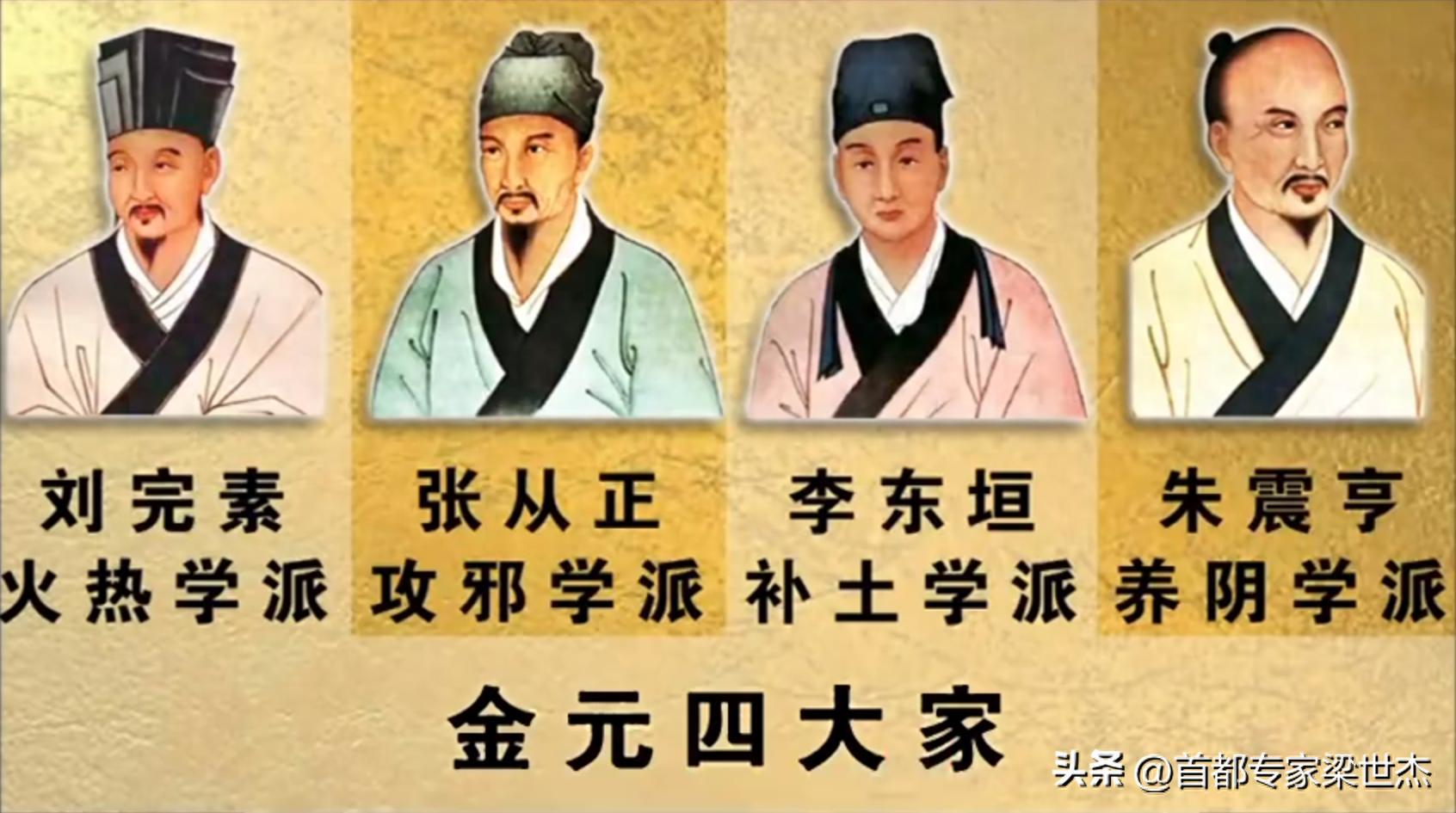
中醫學家,那可是中醫領域裏學富五車、才高八斗的“學霸”。他們如同在學術山峯上攀登的勇者,不斷探索中醫的未知領域,深入研究中醫的理論體系、病因病機、診斷治療等方方面面。他們精通經典,對《黃帝內經》《傷寒雜病論》等古籍倒背如流,能從中挖掘出深邃的醫學智慧。他們搞科研、寫論文,用嚴謹的科學方法驗證中醫的療效,爲中醫的發展提供堅實的理論支撐。據不完全統計,近年來在國家級核心醫學期刊上發表中醫相關論文的中醫學家數量呈逐年上升趨勢,2023年就達到了數千篇之多,這足以證明他們在學術領域的深耕細作。
而中醫藝人呢,他們更像是中醫舞臺上的“表演家”。他們擅長將中醫的知識和技能以一種生動有趣、通俗易懂的方式展現出來。他們可能沒有中醫學家那樣深厚的學術造詣,但他們有一張能說會道的嘴和一雙善於觀察的眼。他們能通過講故事、打比方、用俗語等方式,把複雜的中醫理論變得像家常便飯一樣簡單。比如,把人體的經絡比作城市的交通要道,氣血就是行駛在道路上的車輛,一旦道路堵塞,車輛就會擁堵,人體就會出現疾病。這樣的解釋,讓老百姓一聽就懂,一學就會。
從表面上看,中醫學家和中醫藝人似乎有着天壤之別,一個在學術的高空翱翔,一個在民間的土壤紮根。他們之間的距離,就像一條寬闊的河流,看似難以跨越。
基層之困:爲何基層中醫要先做“藝人”
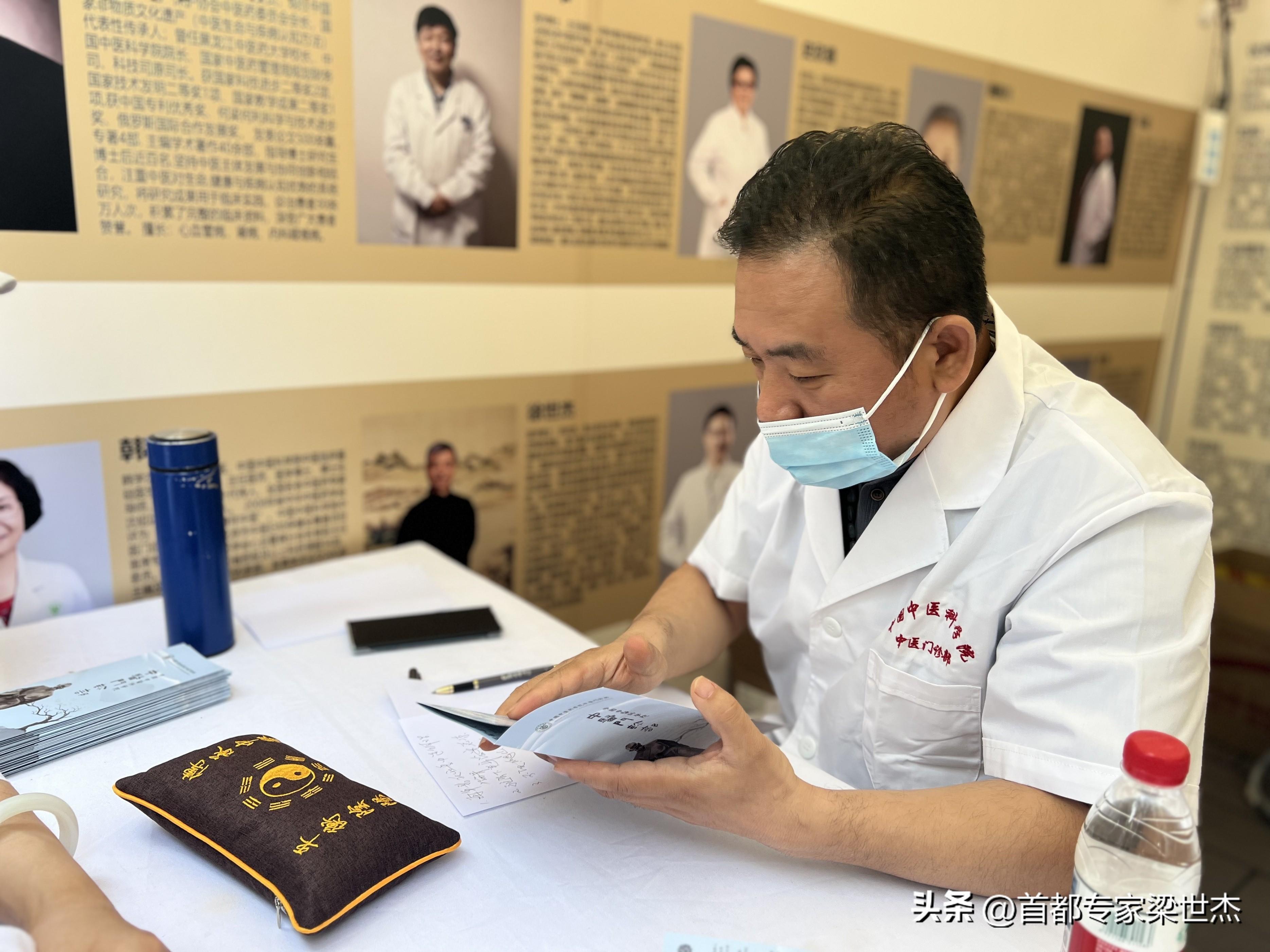
然而,對於基層中醫來說,情況卻並非如此。基層中醫,就像是中醫大廈的基石,他們直接面對廣大的人民羣衆,是中醫與百姓接觸的“第一線”。在基層,老百姓的文化水平參差不齊,對中醫的瞭解也各不相同。如果基層中醫一上來就擺出中醫學家的架子,滿口之乎者也,講一堆高深的理論,老百姓只會聽得一頭霧水,像聽天書一樣。
我曾經聽說過這樣一個故事。有一位基層中醫,醫術其實很高明,但他總是喜歡在患者面前炫耀自己的學術成果,講一些連他自己都未必能完全解釋清楚的中醫理論。有一次,一位患者來看病,說自己最近總是頭暈乏力。這位中醫就開始滔滔不絕地講起“肝陽上亢”“氣血虧虛”等理論,患者聽得雲裏霧裏,最後無奈地說:“醫生,你就直接告訴我該怎麼治吧,我聽不懂你說的這些。”這位中醫這才意識到自己的問題所在。
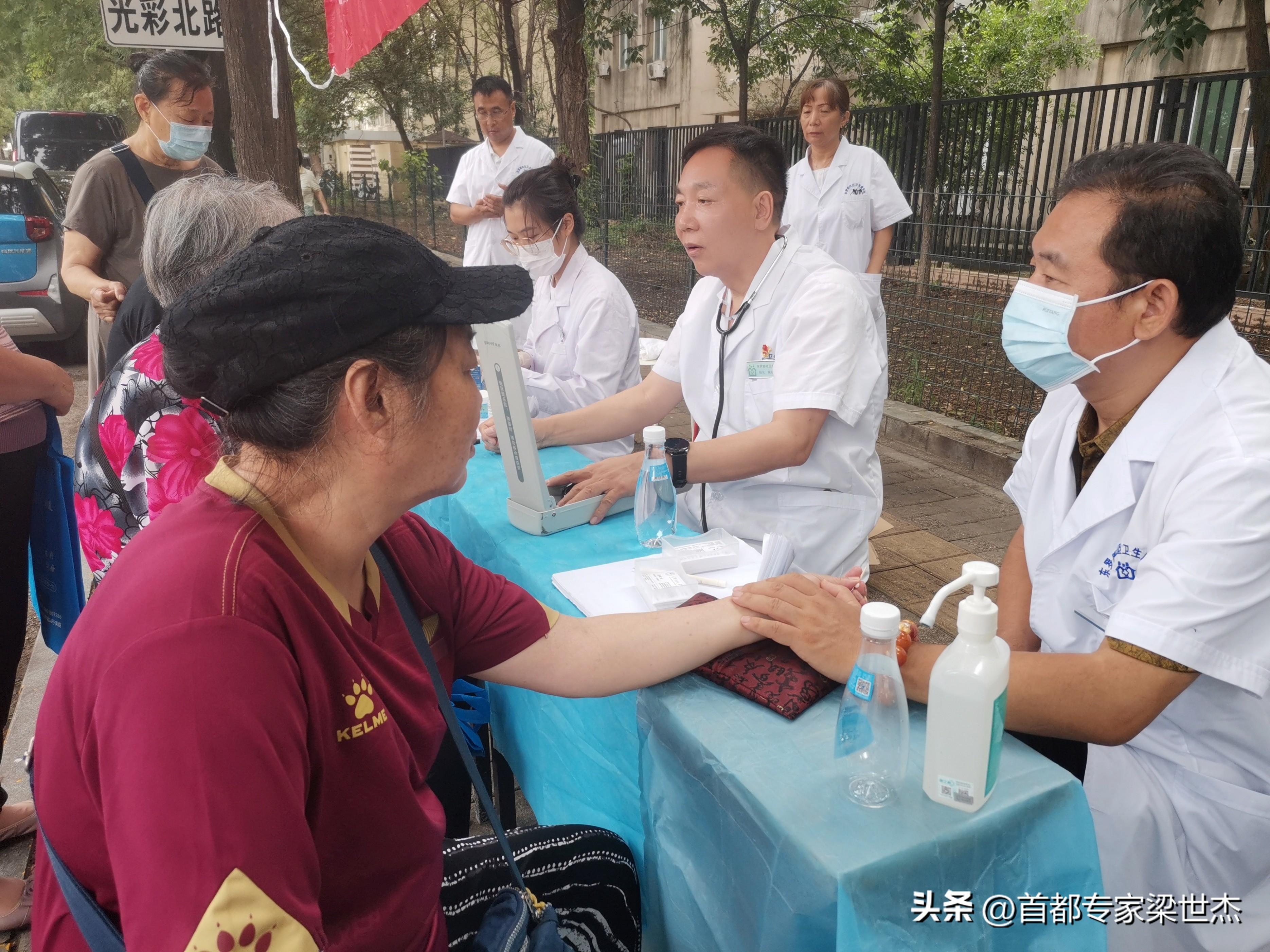
相反,那些善於做中醫藝人的基層中醫,卻能在基層大放異彩。他們用通俗易懂的語言和生動形象的比喻,讓患者輕鬆理解自己的病情和治療方案。比如,有一位基層中醫在給患者解釋鍼灸的原理時,說:“鍼灸就像給身體裏的‘小開關’做調整,哪裏不通了,就用針扎一下,把‘開關’打開,讓氣血流通起來,病就好了。”患者聽了,恍然大悟,對針灸治療也充滿了信心。
據一項針對基層中醫服務滿意度的調查顯示,那些善於與患者溝通、能用通俗語言解釋病情的中醫,患者滿意度高達90%以上,而那些只講理論、不注重溝通的中醫,患者滿意度則不足60%。這組數據充分說明,在基層,做好一箇中醫藝人是多麼重要。
融合之道:中醫學家與中醫藝人的相得益彰
其實,中醫學家和中醫藝人並不是完全對立的,他們完全可以相互融合、相得益彰。中醫學家可以爲中醫藝人提供堅實的理論支持,讓他們的表演更有內涵、更有深度。而中醫藝人則可以將中醫學家的研究成果以一種生動有趣的方式傳播出去,讓更多的人瞭解和接受中醫。
對於基層中醫來說,他們既要學習中醫學家的嚴謹治學態度,不斷提升自己的醫術水平,又要掌握中醫藝人的溝通技巧,用通俗易懂的語言和患者交流。就像一位既能彈奏高雅樂曲,又能演唱通俗歌曲的音樂家,在不同的場合都能展現出自己的魅力。
比如,有一位基層中醫,他不僅醫術精湛,對中醫經典有着深入的研究,還非常善於與患者溝通。他在給患者看病時,會先用通俗的語言解釋病情,讓患者明白自己爲什麼會生病,然後再根據中醫學的理論制定治療方案。他還經常舉辦一些中醫健康講座,用生動有趣的方式向老百姓普及中醫知識。在他的影響下,越來越多的人開始信任中醫、選擇中醫。
傳承之責:基層中醫的藝術使命
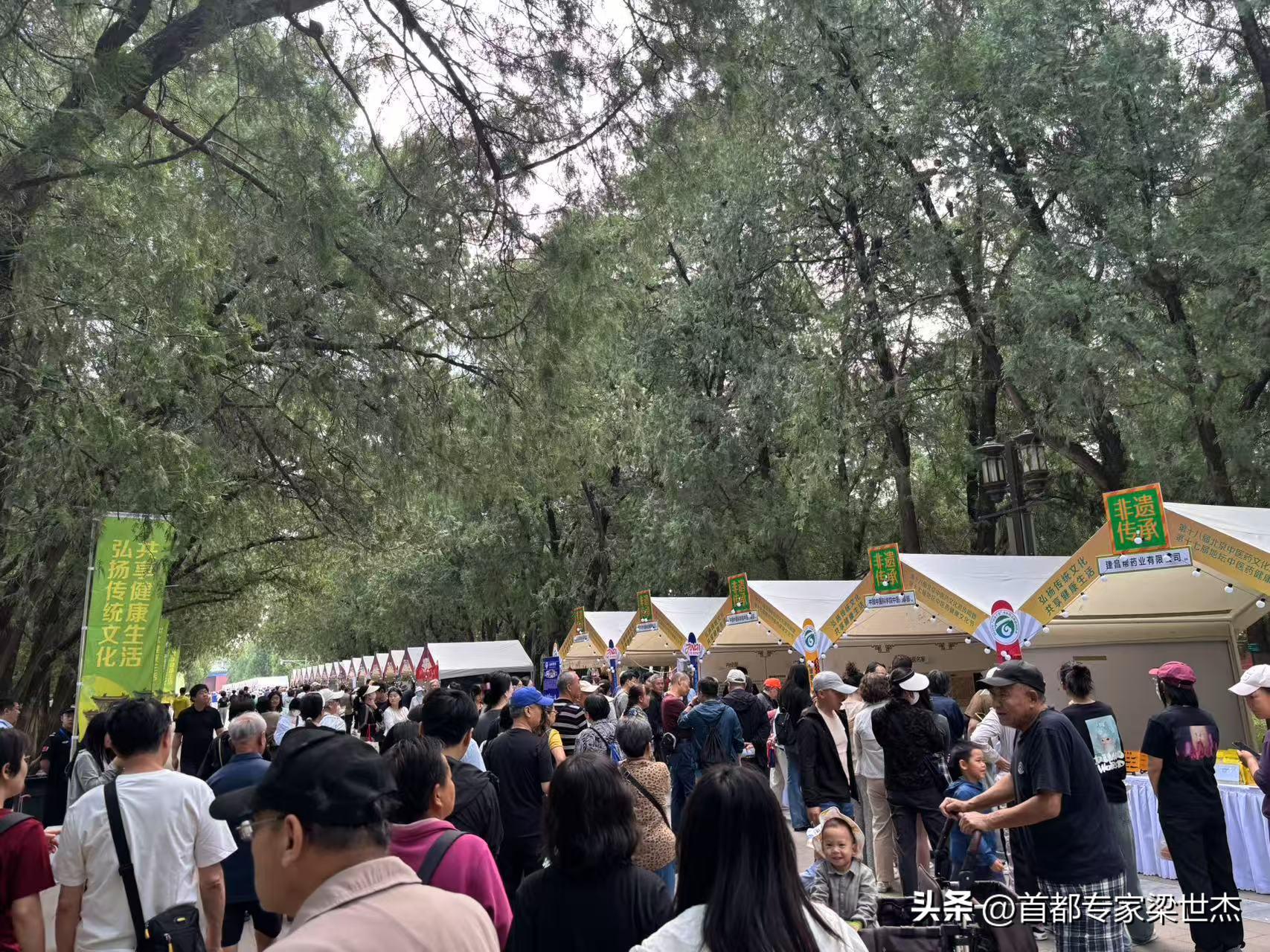
中醫是中華民族的瑰寶,是幾千年來無數中醫人智慧和心血的結晶。在當今社會,中醫面臨着諸多挑戰和機遇。基層中醫作爲中醫傳承的主力軍,肩負着重要的責任和使命。他們不僅要治病救人,還要傳播中醫文化,讓更多的人瞭解中醫、熱愛中醫。
而要做好這一切,基層中醫就必須首先做好一箇中醫藝人。他們要用自己的語言和行動,將中醫的魅力展現得淋漓盡致。就像一位技藝高超的魔術師,能將看似平凡的東西變得神奇無比。他們要讓中醫走進千家萬戶,成爲老百姓健康生活的守護者。
中醫學家與中醫藝人之間的距離,看似遙遠,實則可以通過基層中醫的努力而拉近。基層中醫就像一座橋樑,連接着中醫學家的高深理論與老百姓的實際需求。讓我們期待更多的基層中醫能夠成爲優秀的中醫藝人,在中醫的舞臺上綻放出更加絢爛的光彩,爲中醫的傳承和發展貢獻自己的力量!
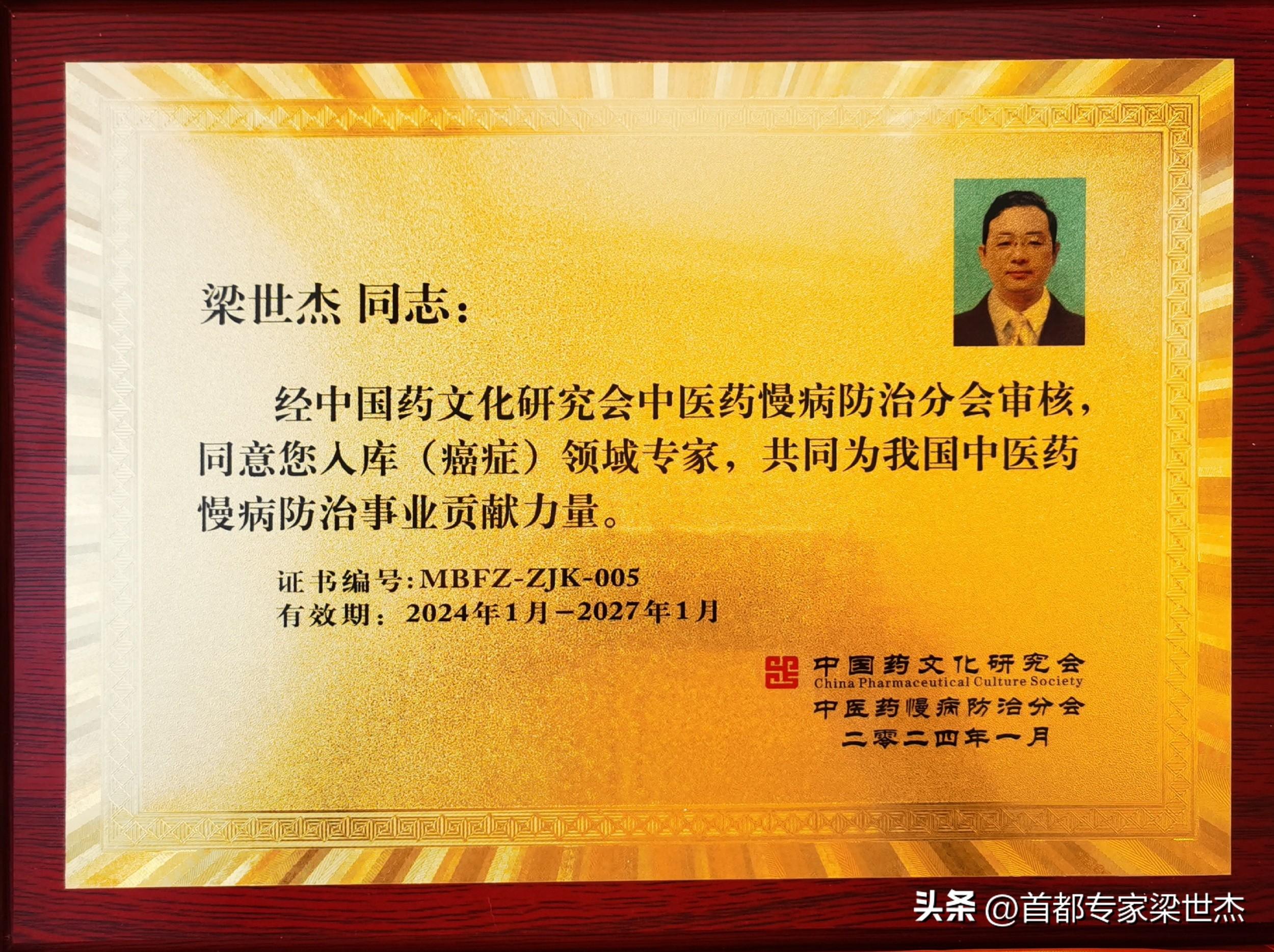
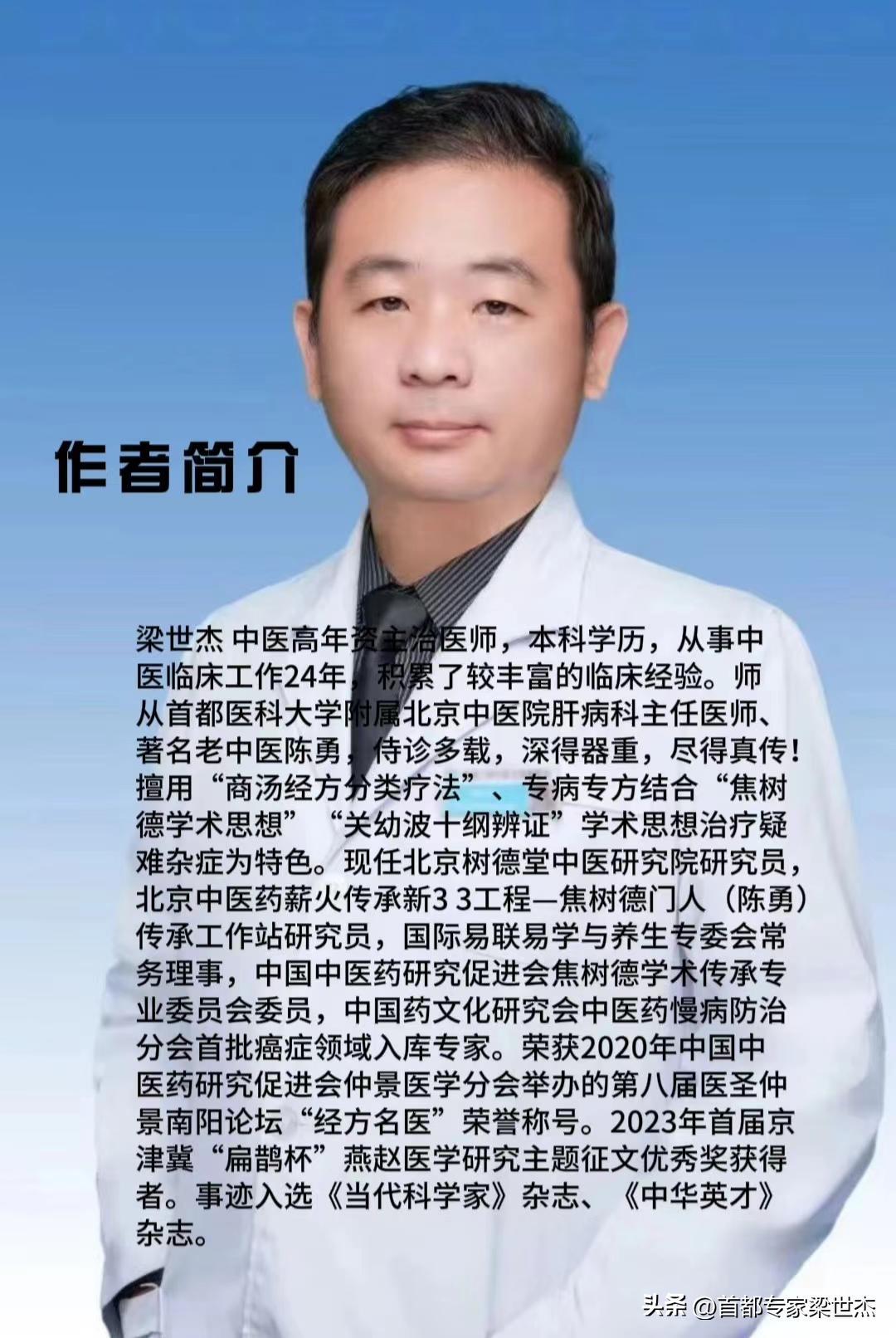
作者簡介:梁世傑 中醫高年資主治醫師,本科學歷,從事中醫臨牀工作24年,積累了較豐富的臨牀經驗。師從首都醫科大學附屬北京中醫院肝病科主任醫師、著名老中醫陳勇,侍診多載,深得器重,盡得真傳!擅用“商湯經方分類療法”、專病專方結合“焦樹德學術思想”“關幼波十綱辨證”學術思想治療疑難雜症爲特色。現任北京樹德堂中醫研究院研究員,北京中醫藥薪火傳承新3+3工程—焦樹德門人(陳勇)傳承工作站研究員,國際易聯易學與養生專委會常務理事,中國中醫藥研究促進會焦樹德學術傳承專業委員會委員,中國藥文化研究會中醫藥慢病防治分會首批癌症領域入庫專家。榮獲2020年中國中醫藥研究促進會仲景醫學分會舉辦的第八屆醫聖仲景南陽論壇“經方名醫”榮譽稱號。2023年首屆京津冀“扁鵲杯”燕趙醫學研究主題徵文優秀獎獲得者。事蹟入選《當代科學家》雜誌、《中華英才》雜誌。
Chinese Medicine Scientists and TCM Artists: The Way of Primary Chinese Medicine within Distance
In the long history of traditional Chinese medicine as a sea of smoke, Chinese medicine practitioners and traditional Chinese arts practitioners are like two bright but very different stars, each radiating a unique light. One cannot help but ask: how far apart are these two? For primary-level Chinese medicine, why do you need to be a good Chinese medicine artist first? The portal is like a mysterious veil covered by a veil of years, waiting for us to unveil it.
Differences between Chinese Medicine Practitioners and Chinese Medicine Artists
The Chinese medicine scholar is a "great learner" in the field of Chinese medicine who has learned five thousand yuan and is highly qualified. Like brave men climbing on the academic mountain, they constantly explore the unknown areas of traditional Chinese medicine, deeply studying the theoretical system, causes, mechanisms, diagnosis and treatment of traditional medicine. They are well versed in the classics, and they are fluent in ancient texts such as The Yellow Book and The Annals of Typhoid and other diseases, and can extract profound medical wisdom from them. They conduct scientific research and write papers to verify the efficacy of traditional Chinese medicine using a rigorous scientific method, providing solid theoretical support for the development of traditional medicine. According to incomplete statistics, the number of Chinese medicine practitioners publishing papers related to TCM in national core medical journals has increased year by year in recent years, reaching thousands in 2023, which is proof of their deep academic endeavors.
TCM entertainers, on the other hand, are more like "performers" on the traditional Chinese medicine stage. They are adept at presenting the knowledge and skills of traditional Chinese medicine in a lively, interesting and easy to understand way. They may not have the same academic qualifications as Chinese medicine practitioners, but they have a speaking mouth and an observant eye. They can make complex traditional Chinese medicine theory as simple as a household chore by telling stories, making analogies, and using idioms. For example, compare the human body''s meridians to the traffic arteries of a city, blood and air are the vehicles traveling on the road. Once the road is blocked, the vehicles will be congested, and the human body will develop diseases. Such an explanation allows the common people to understand it as soon as they hear it and learn it.
On the surface, there seems to be a world apart between Chinese medicine practitioners and Chinese medicine entertainers, one flying high in academic skies and one taking root in folk soil. The distance between them, like a wide river, seemed difficult to cross.
Grassroots dilemma: why grassroots Chinese medicine needs to be "artists" first
However, this is not the case for primary Chinese medicine. Grassroots Chinese medicine is like the cornerstone of the Chinese medicine edifice, they face the vast majority of the people directly, and are the "front line" of contact between Chinese medicine and the people. At the grassroots level, the cultural level of the ordinary people varies, and their knowledge of Chinese medicine is also different. If primary traditional Chinese medicine starts with a standing as a Chinese medicine practitioner and is full of skeptics, telling a bunch of high-level theories, the people will only be confused, like listening to a heavenly book.
I once heard such a story. There was a traditional Chinese medicine practitioner who was actually very wise, but he always liked to show off his academic achievements in front of his patients, telling some traditional Chinese theory that he could not fully explain. Once, a patient came to see him and said he had been having a lot of dizziness lately. The Chinese medicine practitioner began to talk about the theories of "elevated liver" and "hypoxiating blood" and so on. The patient was in a fog, and finally said, helplessly, "Doctor, just tell me how to cure me. I don''t understand what you say." The traditional Chinese medicine practitioner realized his problem.
On the contrary, those primary-level Chinese medicine practitioners who are good at being Chinese medicine entertainers can shine brightly at the grassroots level. They use easy-to-understand language and vivid metaphors to make it easy for patients to understand their condition and treatment options. For example, when explaining the principle of acupuncture to patients, a primary Chinese medicine practitioner said, "Acupuncture is like adjusting the''small switch'' in the body. Where it doesn''t work, use a needle to turn the''switch'' on, allowing the qi and blood to circulate, and the illness is gone." The patient listened, realized it, and felt confident in acupuncture treatment.
According to a survey of satisfaction with primary-level Chinese medicine services, those who are good at communicating with patients and can explain their conditions in popular language have more than 90% satisfaction, while those who speak only theory and do not focus on communication have less than 60% satisfaction. This set of data fully illustrates how important it is to be a good practitioner of Chinese medicine at the grassroots level.
The Way to Integration: Chinese Medicine Practitioners and TCM Artists Benefit from each other
In fact, Chinese medicine practitioners and Chinese medicine entertainers are not completely opposed to each other, and they can fully integrate and complement each other. Chinese medicine practitioners can provide solid theoretical support to traditional Chinese medicine entertainers so that their performances can have more meaning and depth. TCM entertainers can spread the research findings of Chinese medicine practitioners in a lively and interesting way, so that more people understand and accept TCM.
For primary-level Chinese medicine, they must not only learn the strict attitude of Chinese medicine practitioners to continuously improve their medical skills, but also master the communication skills of Chinese medicine entertainers to communicate with patients in easy-to-understand language. Just like a musician who can play both high-class music and popular songs, he can show his charm in different situations.
For example, there is a grassroots Chinese medicine practitioner who is not only skilled in medicine, has in-depth research on Chinese classics, but is also very good at communicating with patients. When he visits patients, he will first explain the condition in popular language so that the patient understands why he is sick, and then formulate a treatment plan based on the theory of Chinese medicine. He also often holds some traditional Chinese medicine health lectures, popularizing the knowledge of traditional Chinese Medicine to the general public in a lively and interesting way. Under his influence, more and more people began to trust and choose traditional Chinese medicine.
The responsibility of inheritance: the artistic mission of grassroots Chinese medicine
Chinese medicine is a treasure of the Chinese nation, the crystallization of the wisdom and hard work of countless Chinese medicine practitioners over thousands of years. In today''s society, traditional Chinese medicine faces many challenges and opportunities. As the main force in the transmission of traditional Chinese medicine, grassroots Chinese medicine has an important responsibility and mission. They not only treat diseases and save people, but also spread traditional Chinese medicine culture so that more people know and love traditional Chinese Medicine.
To be good at all, primary Chinese medicine must first be good at being a Chinese medicine artist. They must use their own words and actions to show the charm of traditional Chinese medicine to the fullest. Like a highly skilled magician, he can turn seemingly mundane things into magic. They want to get traditional Chinese medicine into thousands of households and become the guardians of the healthy lives of the people.
The distance between traditional Chinese medicine practitioners and traditional Chinese arts practitioners may seem far away, but it can be brought closer through the efforts of traditional Chinese Medicine at the grassroots level. Grassroots traditional medicine is like a bridge between the deep theory of Chinese medicine practitioners and the practical needs of the people. Let us hope that more grassroots Chinese medicine practitioners can become excellent Chinese medicine entertainers, shine brighter on the stage of Chinese medicine, and contribute their own strength to the inheritance and development of Chinese medicine!
Author Bio: Liang Shijie is a senior medical practitioner in traditional Chinese medicine with an undergraduate degree. He has been engaged in traditional medicine clinical work for 24 years and has accumulated a wealth of clinical experience. Following Chen Yong, chief physician of liver disease at Beijing Traditional Medicine Hospital, affiliated with Capital Medical University, and renowned old Chinese medicine, he has been treated for many years and received great attention. He specializes in the treatment of difficult diseases using "conversational traditional therapy" and special treatments combined with the academic ideas of Jiao Shude and Guan Yubo''s ten-level diagnosis.He is currently a researcher at the Shude Tang TCM Research Institute in Beijing, a fellow at the new 3 + 3 project of traditional Chinese medicine flame inheritance in Beijing - a scholar at the inheritance workstation of Jiao Shude''s protégés (Chen Yong),He is a standing committee member of the International Expert Committee on E-learning and Health Care, a member of the Jiao Shude Academic Heritage Special Committee of the Chinese Association for the Advancement of Chinese Medicine Research, and the first cancer specialist to be included in the chapter of the Chinese Pharmaceutical Culture Research Association. Won the 2020 China Association for the Promotion of Traditional Chinese Medicine Zhongjing Medical Branch held the eighth session of the Medical Saint Zhongjing Nanyang Forum "Classic Prescription Famous Doctor" honorary title. The winner of the first Beijing-Tianjin-Hebei "Pingui Cup" Yanzhao Medical Research Essay Award in 2023. His work was featured in the journal Current Scientist and the journal Chinese Talent.